Address
JINKE Technology Industrial Park, No. 3188 ChunYuan Road, Weifang City, Shandong Province, China
Work Hours
Monday to Friday: 7AM - 7PM
Weekend: 10AM - 5PM
Address
JINKE Technology Industrial Park, No. 3188 ChunYuan Road, Weifang City, Shandong Province, China
Work Hours
Monday to Friday: 7AM - 7PM
Weekend: 10AM - 5PM


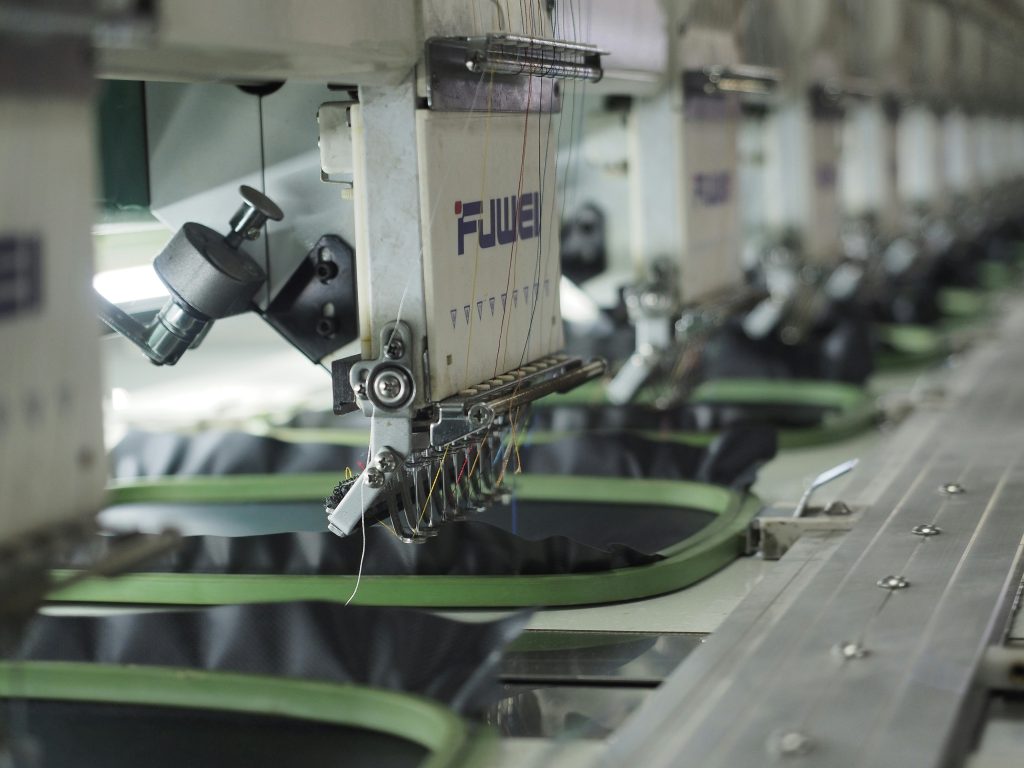
Worried about inconsistent quality from Chinese clothing factories? It costs time, money, and damages your brand reputation. Implement clear quality control steps to ensure your products meet standards.
Effective quality control (QC) in China involves setting clear standards, choosing the right factory partner, providing detailed specifications, conducting inspections at key stages (materials, during production, final product), and maintaining open communication throughout the process.
Getting quality right is crucial for your clothing brand’s success. Many buyers struggle with this when working with overseas factories. But with the right approach and understanding, you can manage quality control effectively. Let’s break down how you can ensure your garments manufactured in China meet your expectations and keep your customers happy. Read on to learn the specific steps involved.
Confused about what QC inspections actually involve in China? This uncertainty can lead to missed checks, unclear standards, and ultimately, receiving products that don’t meet your requirements. A QC inspection in China is a systematic check at different production stages. It verifies that materials, semi-finished goods, and final products match the agreed-upon quality standards, specifications, and requirements outlined in your order.
Understanding the QC inspection process is the first step to managing it. In my 20 years running Hengcheng Garment, I’ve seen how different clients approach this, and how crucial a structured process is. The typical QC flow involves several key stages.
It’s important to know that quality standards aren’t uniform across all factories or even all clients within a factory. For instance, we’ve produced garments for Japanese brands for many years. These clients are known for having extremely strict quality standards. Even tiny issues like loose threads or slight color variations might be rejected. Factories like ours, especially those concentrated in areas like Shandong province that frequently serve the Japanese market, often adopt these higher standards across the board. This experience means we’re very detail-oriented. Here’s a simple breakdown of the stages:
| Inspection Stage | When it Happens | What’s Checked | Why it Matters |
|---|---|---|---|
| IQC | Before Production | Raw materials (fabric, trims, accessories) | Prevents defective materials use |
| IPQC | During Production | Cutting, sewing quality, assembly steps | Catches errors early, reduces rework |
| FQC/PSI | After Production | Finished garments (workmanship, specs, packing) | Ensures final product meets standard |
Are you constantly fighting quality problems with your manufacturers? This struggle leads to frustrating defects, customer complaints, and costly returns, eating into your profits and time. You control quality by setting crystal-clear standards upfront, providing detailed technical packages (tech packs), approving pre-production samples, inspecting materials, monitoring the production line, and performing thorough final inspections before shipment.
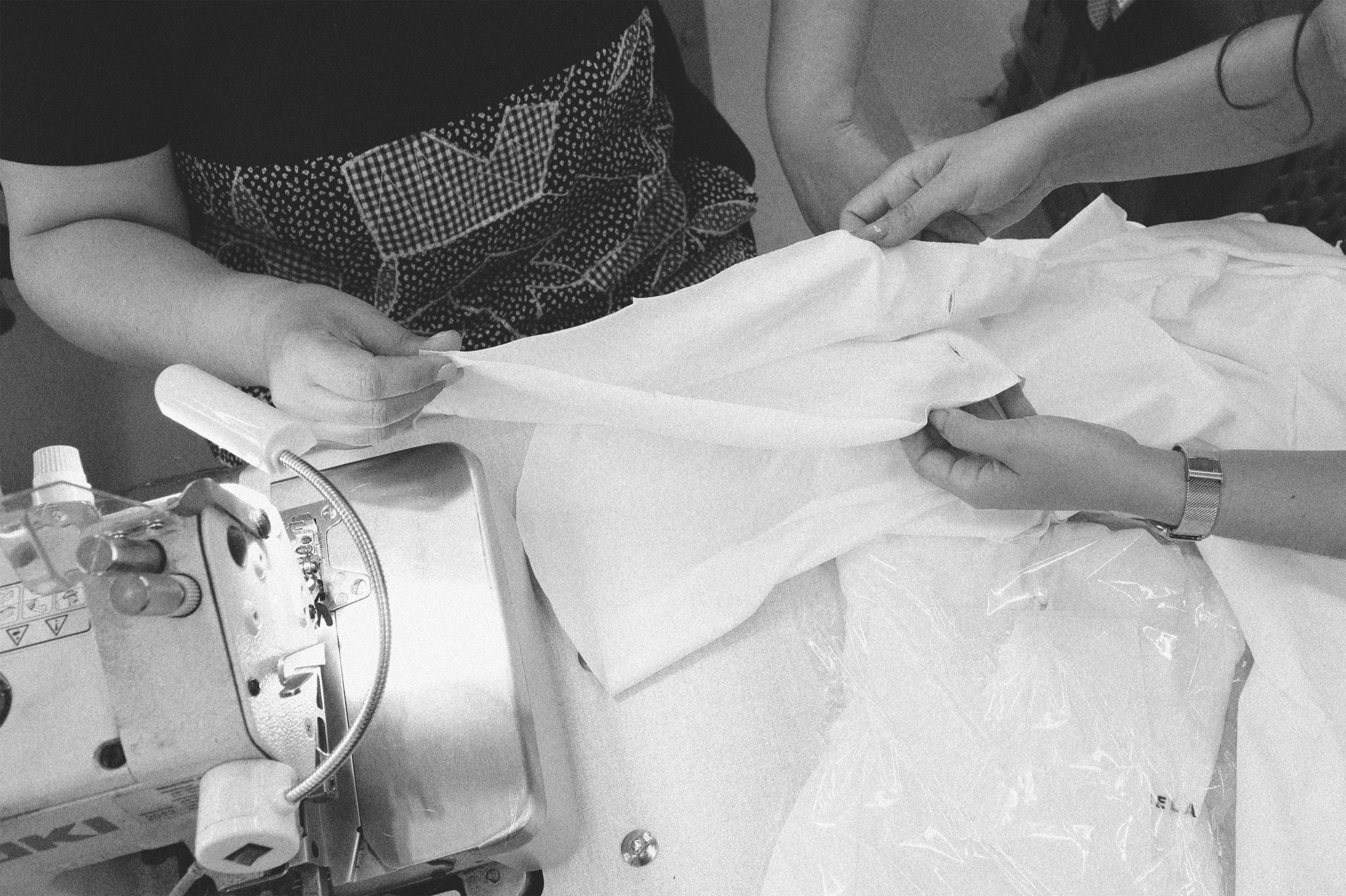
Actively controlling quality isn’t just about inspections; it’s about building quality into the entire manufacturing process. From my experience, prevention is always better than cure. If you establish the right controls from the beginning, you significantly reduce the chances of ending up with defective products. Let’s look at the practical steps you can take.
Detailed Tech Packs: Your tech pack is your manufacturing blueprint. It must include everything: precise measurements with tolerances, fabric specifications, construction details (stitch types, seams), artwork placement for logos/prints, label/tag requirements, and packing instructions. The more detail, the fewer chances for error. Pre-Production Samples (PPS): Never skip the PPS approval. This sample is made using the actual bulk materials and methods. You must thoroughly check it against your tech pack. Only approve production once the PPS meets your exact standards. This is your final chance to catch issues before mass production begins. Material Standards & Testing: Clearly define the quality standards for your fabrics and trims. Sometimes, lab testing for things like colorfastness, shrinkage, or composition might be necessary, especially for specific performance wear like sportswear or children’s clothing.
Here’s a breakdown of key control points:
| Control Point | Description | Purpose |
|---|---|---|
| Tech Pack | Detailed garment specifications document | Provides clear instructions, minimizes ambiguity |
| PPS Approval | Checking a sample made with bulk materials before mass production | Final check before full production, confirms standard |
| Material Inspection | Checking fabrics and trims upon arrival at the factory (IQC) | Ensures correct materials are used, prevents defects |
| In-Line Checks | Inspecting garments during the sewing/assembly process (IPQC) | Catches and corrects errors early in the process |
| Final Inspection | Checking a random sample of finished goods before shipping (FQC/PSI) | Verifies overall quality meets agreed standards |
By implementing these steps, you create a system that proactively manages quality throughout the manufacturing journey.
Finding communication difficult with your Chinese manufacturer? Misunderstandings, slow responses, or unmet expectations can cause serious delays, costly errors, and a lot of stress for your business.
Deal effectively by maintaining clear, consistent, and respectful communication. Provide highly detailed specifications, set realistic timelines, understand cultural nuances in business, visit the factory if possible, and focus on building a reliable, long-term partnership.

Building a good relationship with your manufacturer is just as important as setting up QC processes. After working with international clients like Sarah for two decades, I know that trust and clear communication are the foundations of a successful partnership. It helps avoid problems before they even start. Here’s how you can foster a positive and productive relationship.
Here’s a table summarizing effective interaction points:
| Interaction Aspect | Best Practice | Why it Works |
|---|---|---|
| Instructions | Clear, simple English, detailed tech packs, visuals | Minimizes misunderstandings, reduces errors |
| Communication | Prompt responses, use appropriate channels (Email/WeChat), confirm understanding | Keeps projects moving, ensures everyone is on the same page |
| Partner Selection | Research experience, market focus (e.g., Japan/Europe), check references | Finds a factory aligned with your quality needs and expectations |
| Relationship | Factory visits (if possible), mutual respect, long-term view | Builds trust, encourages better cooperation and problem-solving |
| Expectations | Realistic timelines, clear payment terms, constructive feedback | Avoids disputes, manages workflow, fosters continuous improvement |
Working effectively with a Chinese manufacturer like Hengcheng Garment involves clear processes and strong relationships, ensuring you receive the quality garments your brand requires.
Ensuring clothing quality from China relies on clear communication, detailed specifications, diligent inspections at key stages, and selecting a reliable factory partner committed to your standards.