Address
JINKE Technology Industrial Park, No. 3188 ChunYuan Road, Weifang City, Shandong Province, China
Work Hours
Monday to Friday: 7AM - 7PM
Weekend: 10AM - 5PM
Address
JINKE Technology Industrial Park, No. 3188 ChunYuan Road, Weifang City, Shandong Province, China
Work Hours
Monday to Friday: 7AM - 7PM
Weekend: 10AM - 5PM

From classic pajama sets and satin sleepwear to knit nightwear and lounge sets, Hengcheng supports overseas brands with fabric review, sample development, private-label details, bulk production and shipment-ready quality checks.
Explore fabric-led comfort, classic pajama construction, robes, maternity access, premium satin directions and family programs. Each line needs its own fit, material, trim and quality-control review before sampling.
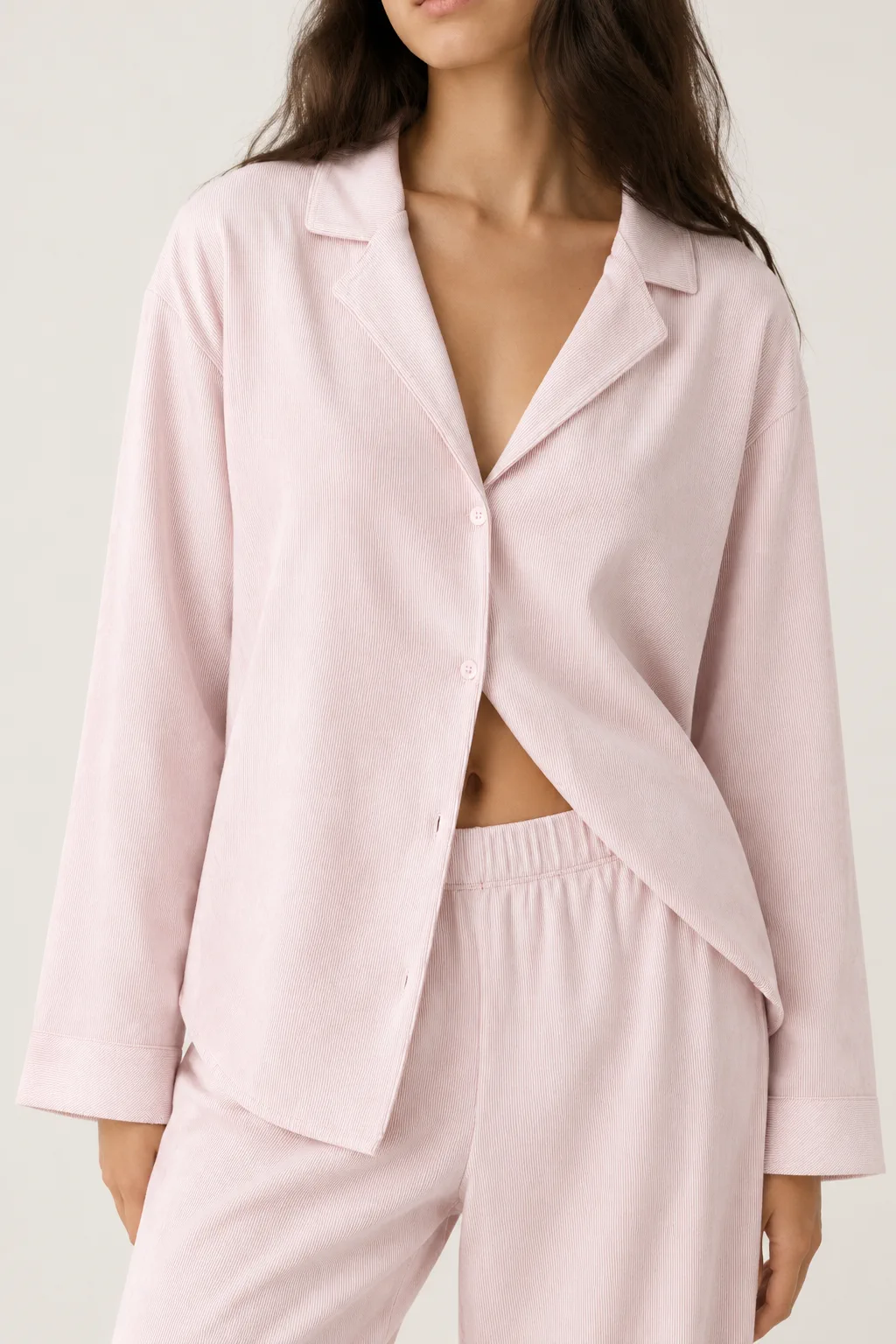
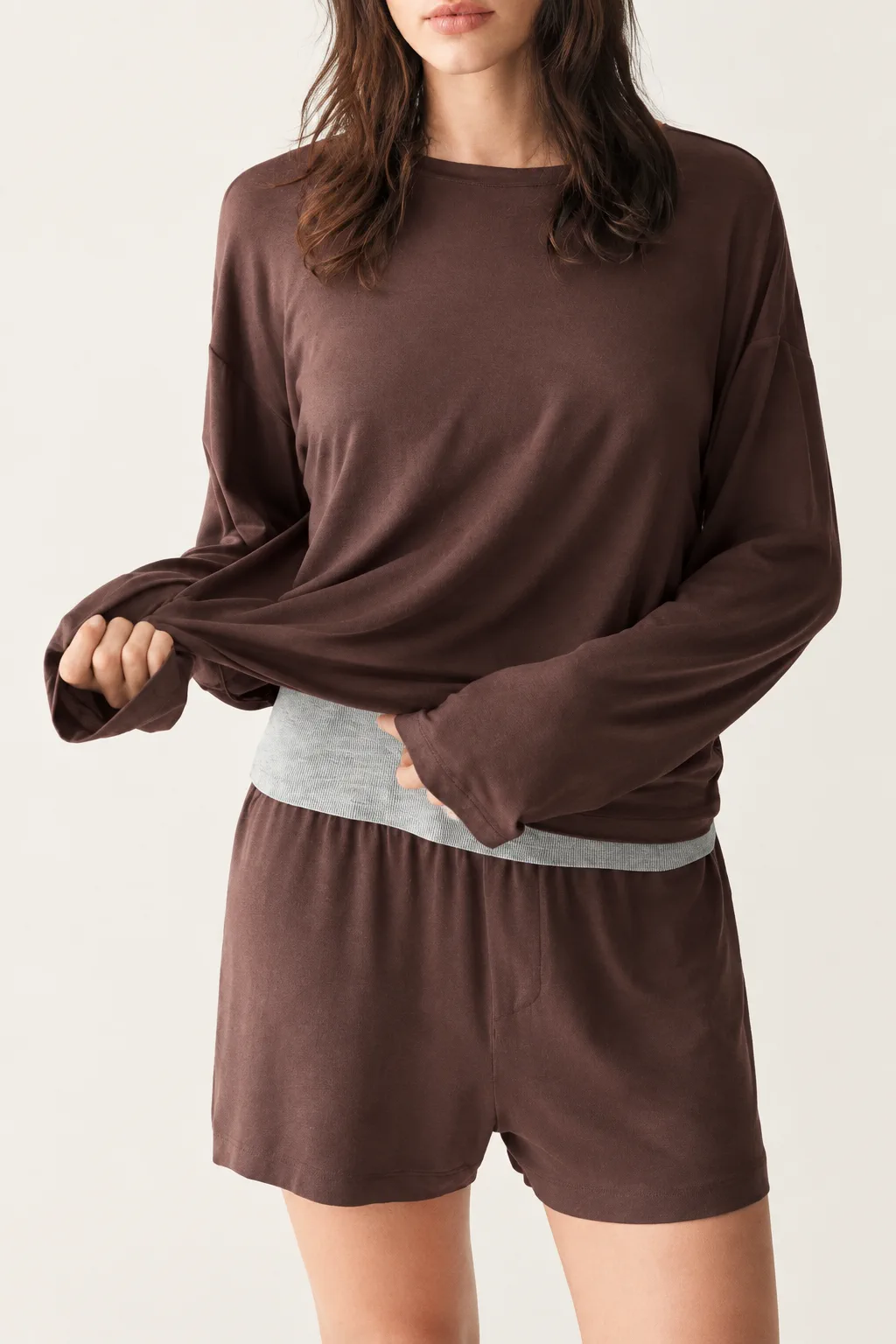
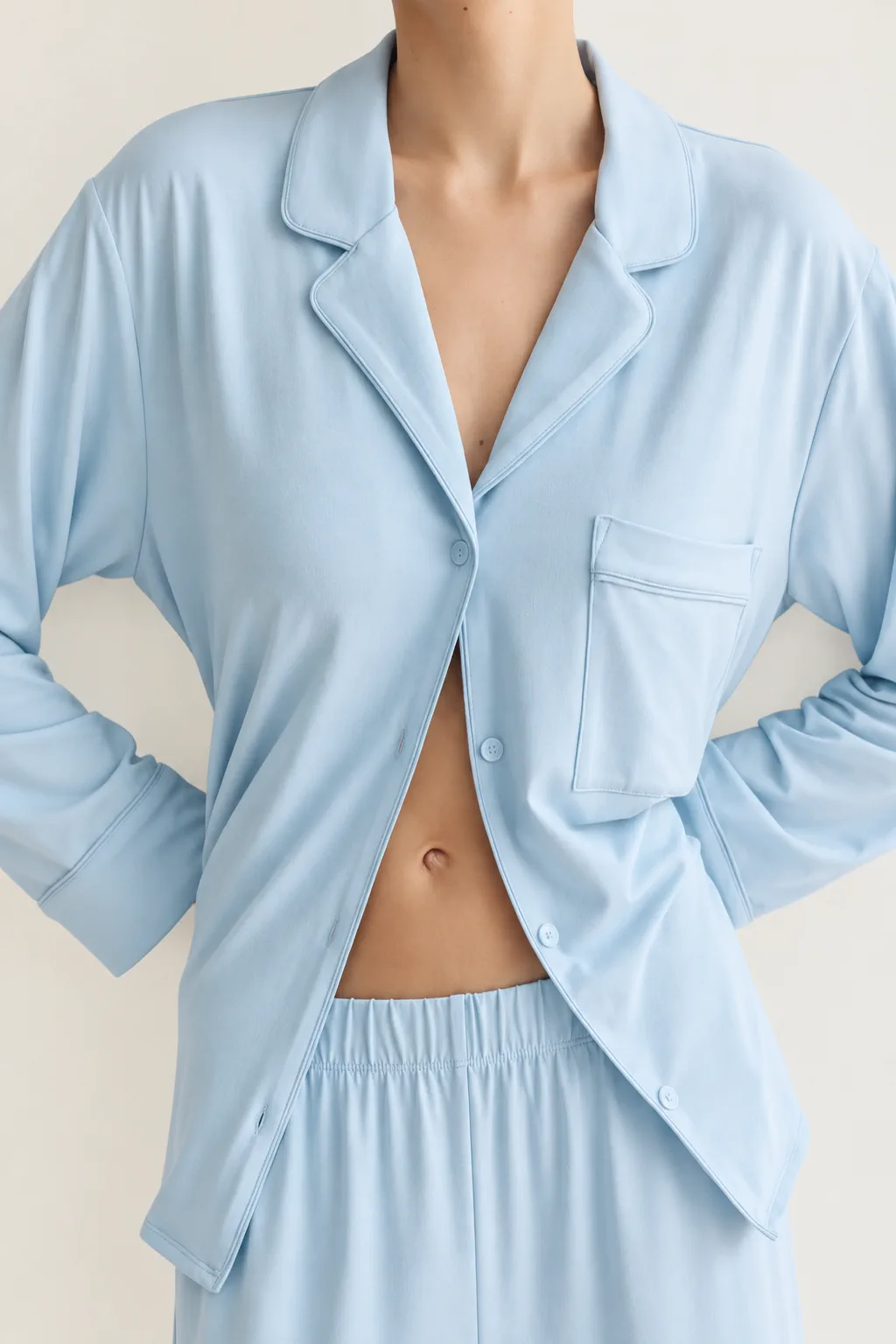
Soft knit sleepwear for brands prioritizing breathable comfort, drape and close-to-skin hand feel. Modal, bamboo-based rayon and viscose can sit within the same comfort-knit program, while each still needs separate confirmation of composition, weight, recovery, shrinkage, pilling and wash performance.
→
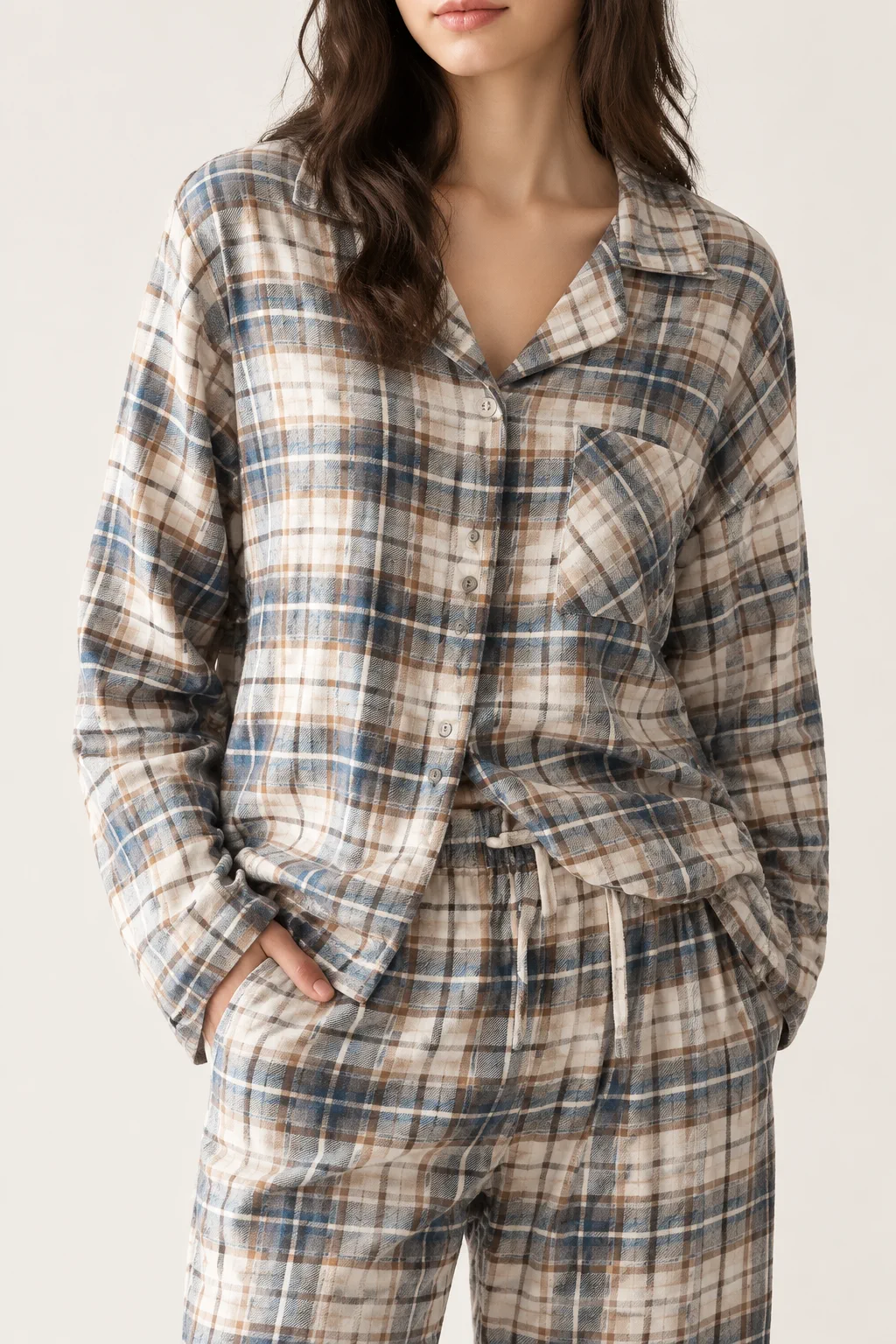
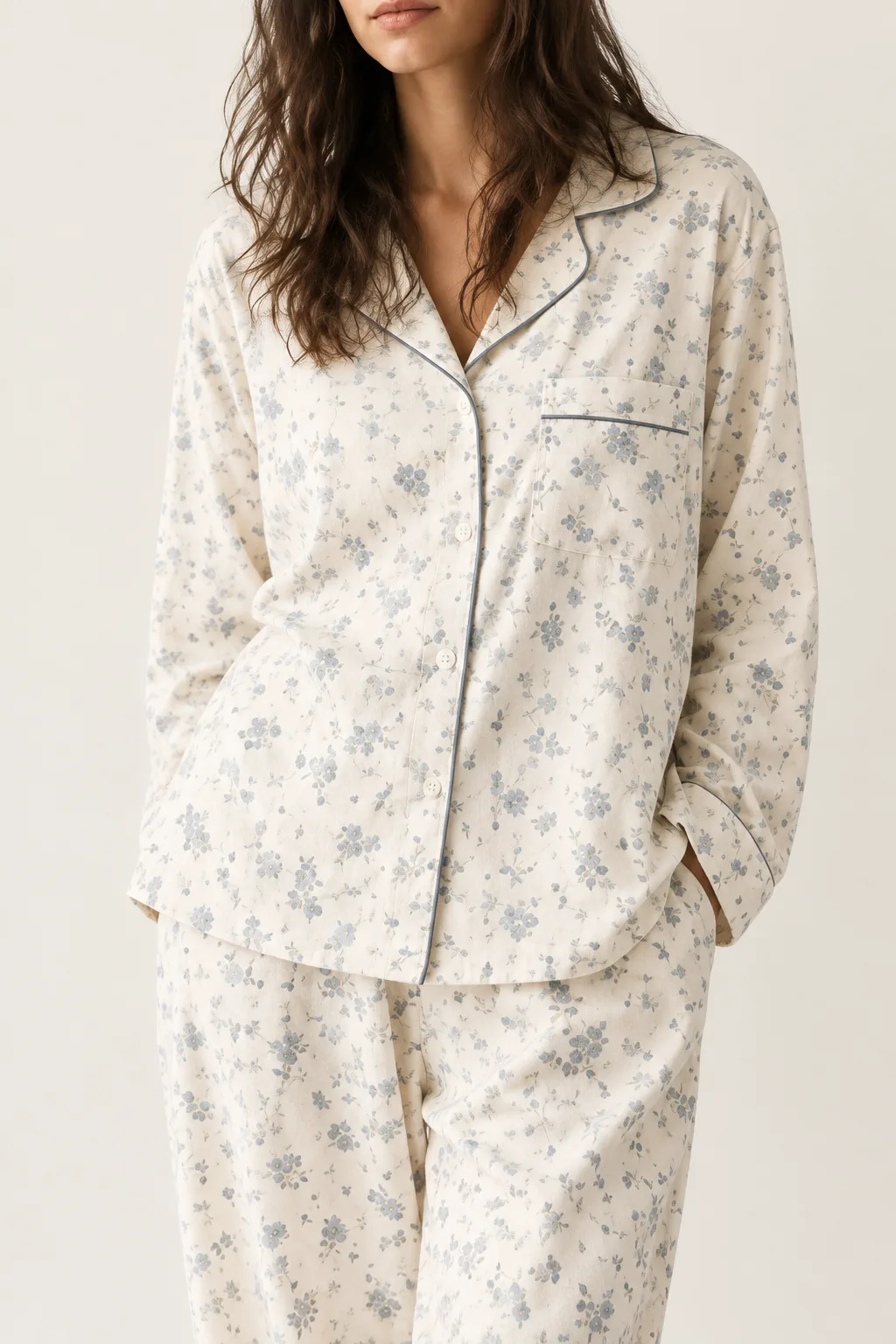
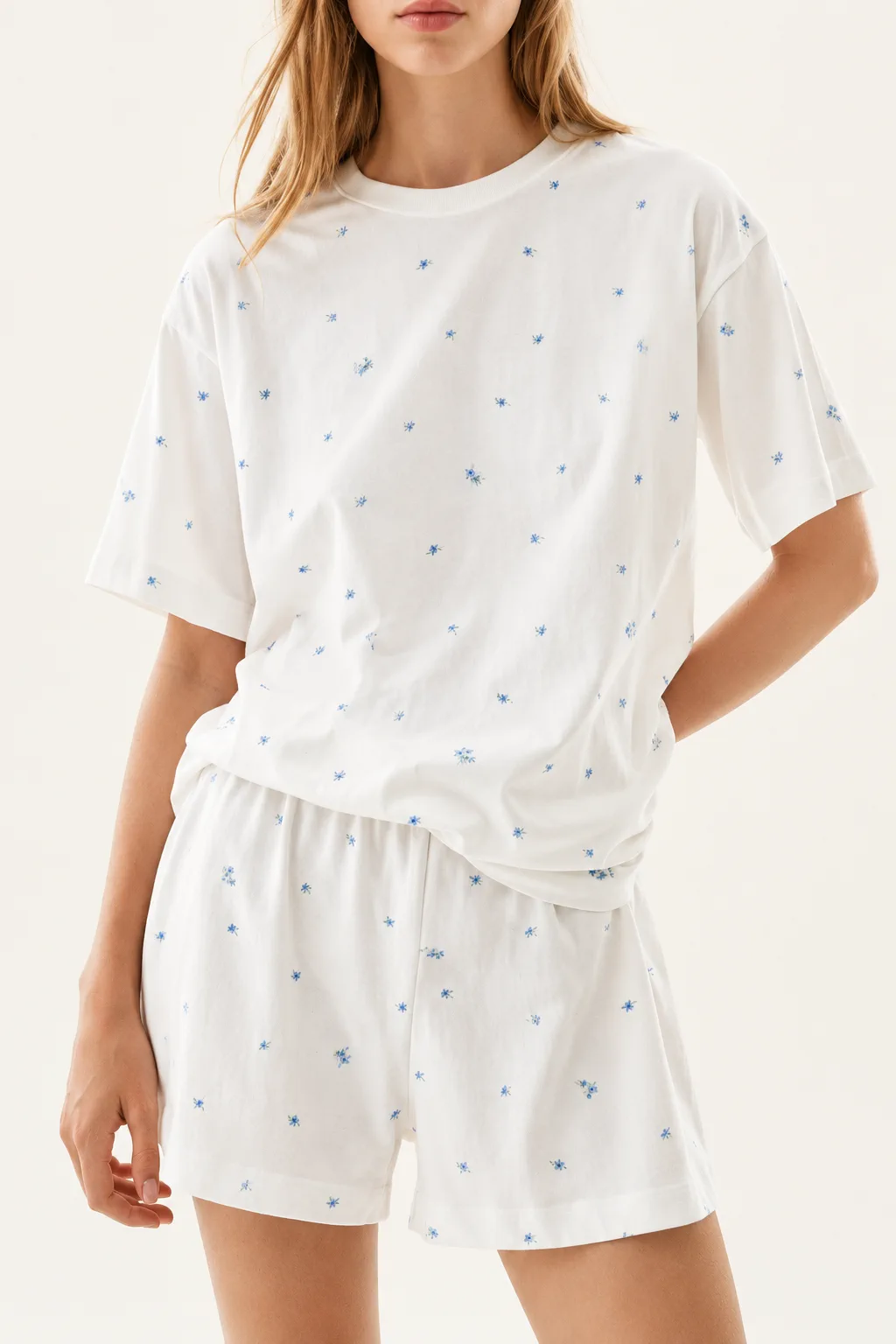
Button-front sets, cotton jersey and seasonal brushed directions for everyday sleepwear, checks, stripes and coordinated collections.
→
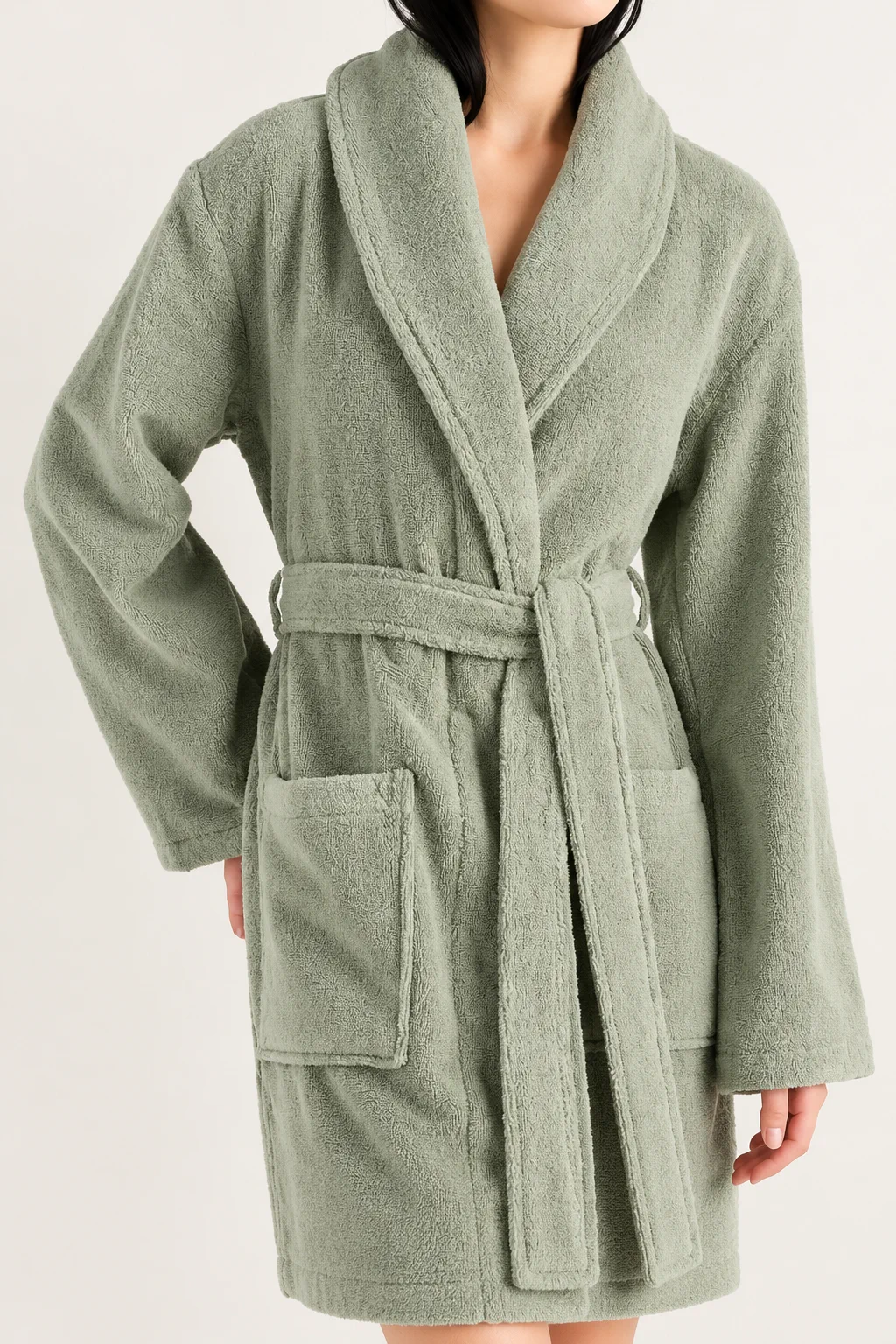
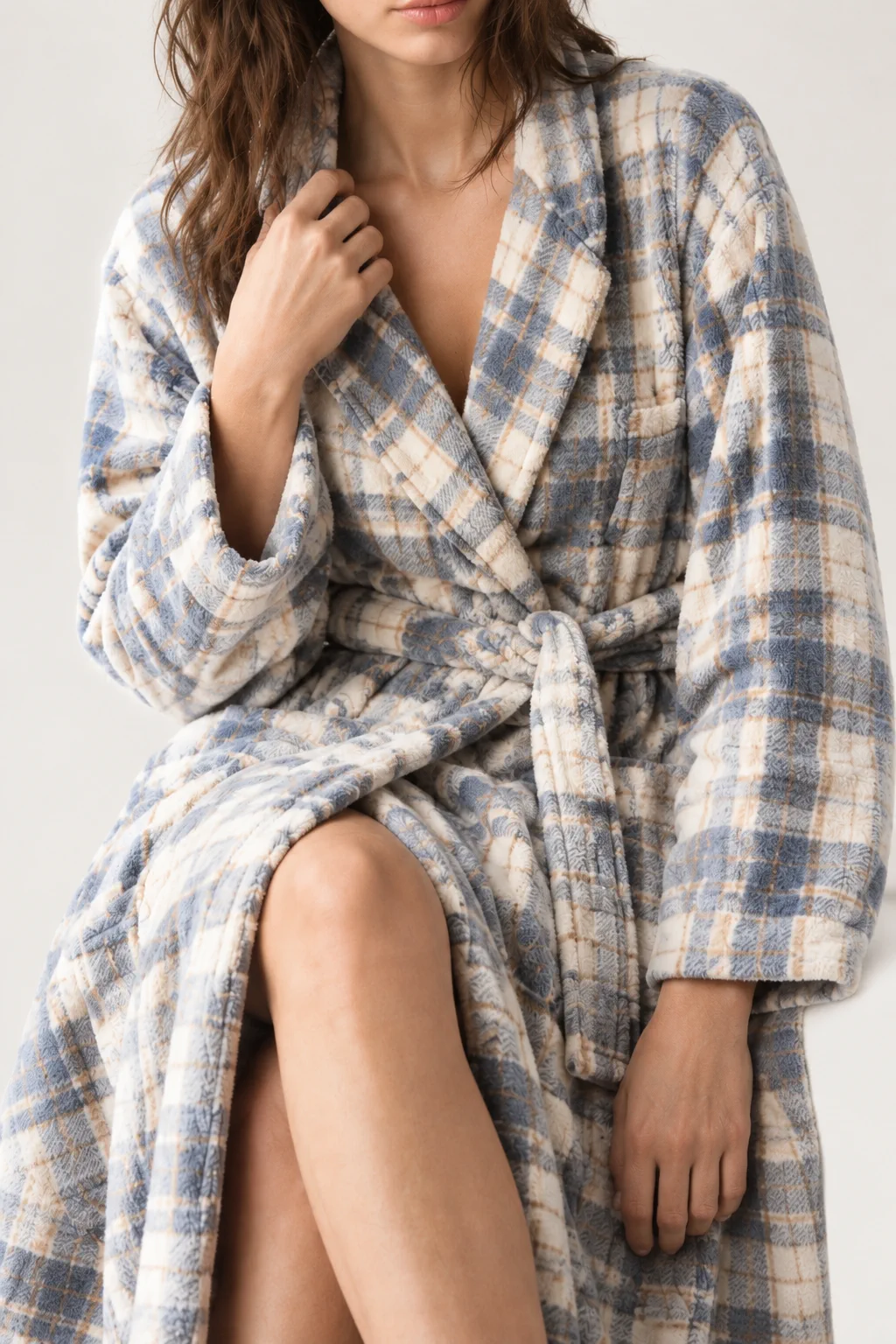
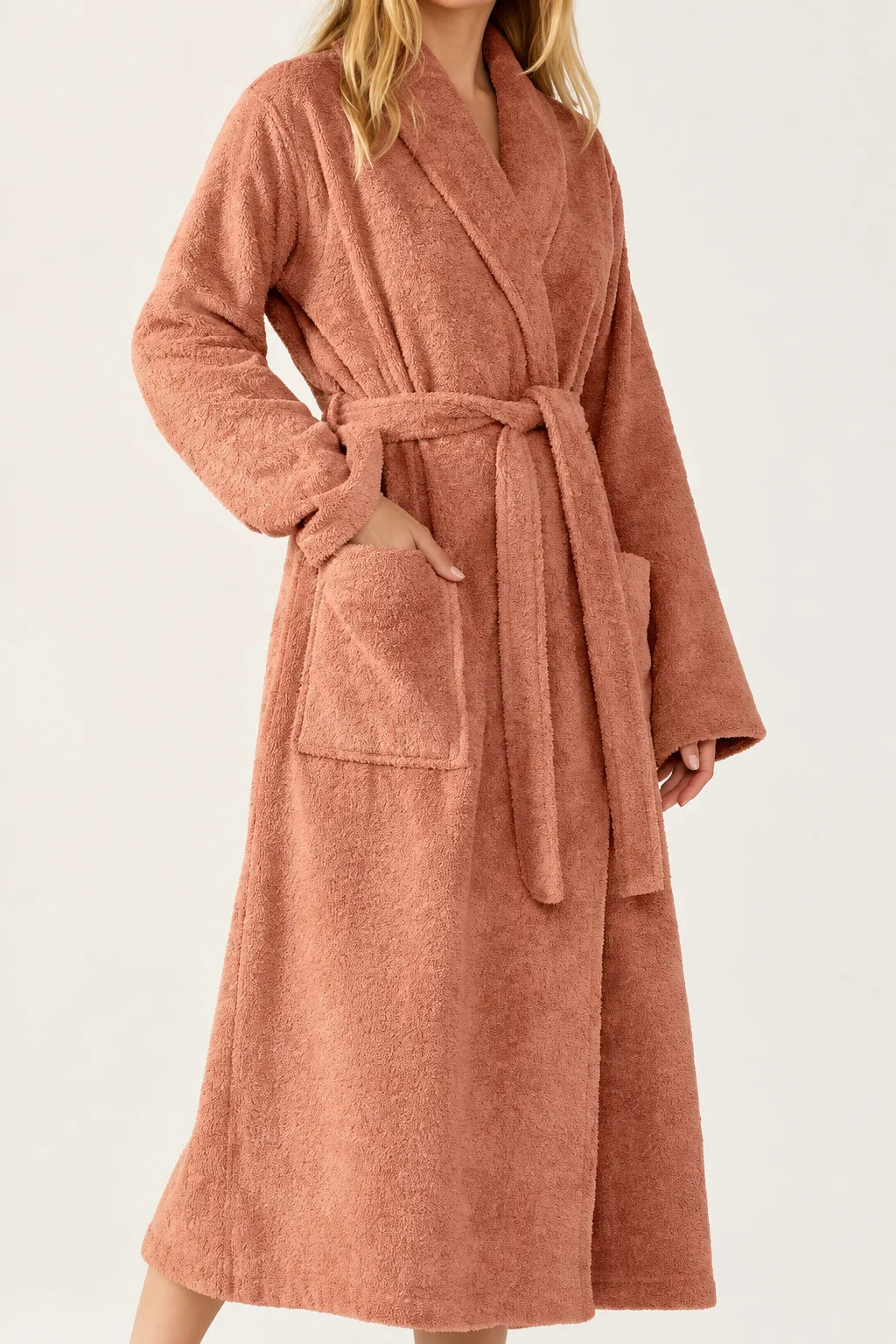
Bathrobes and elevated homewear in terry, waffle, satin-direction or coral-fleece fabric options for hospitality, gifting, resort and home programs.
→
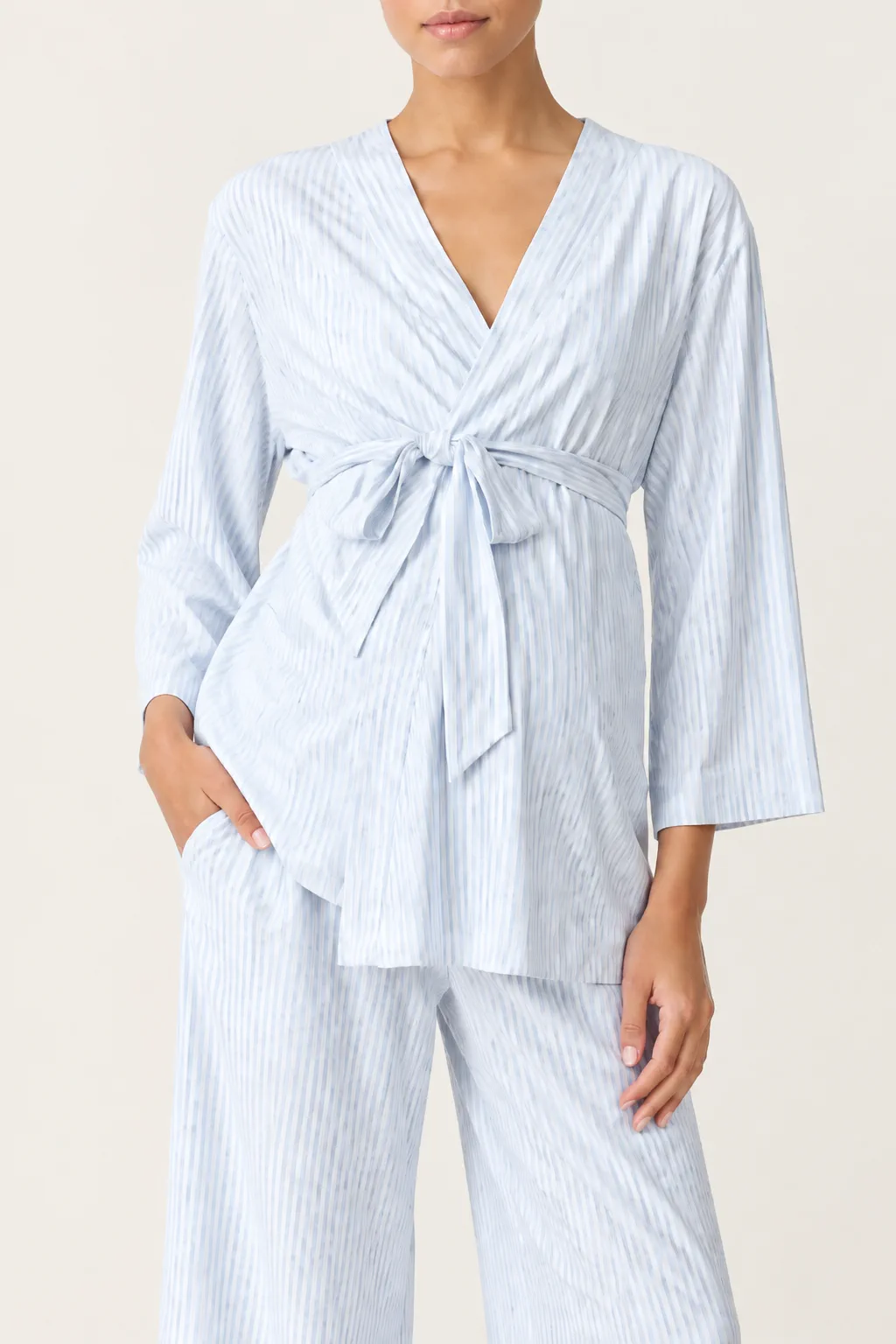
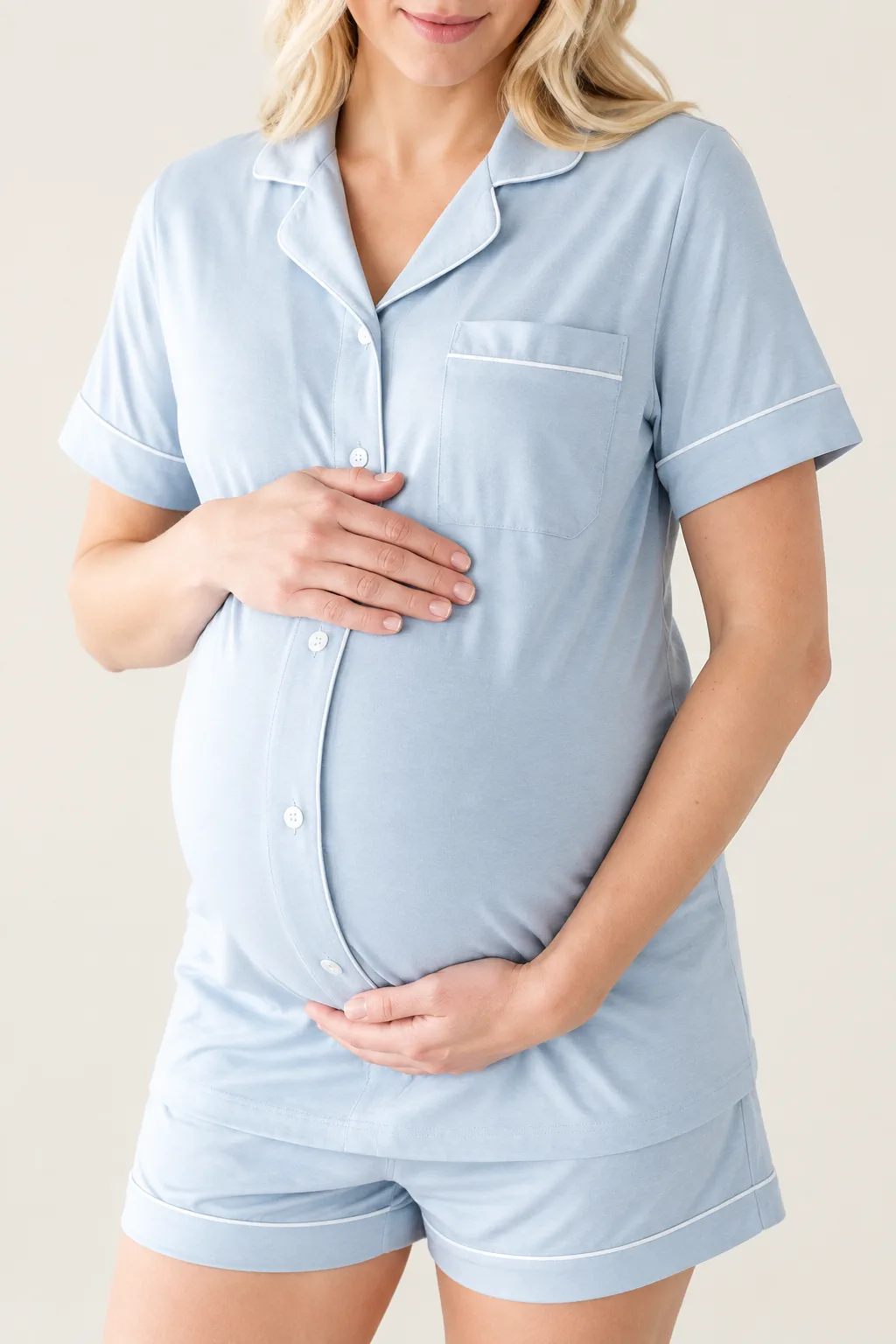
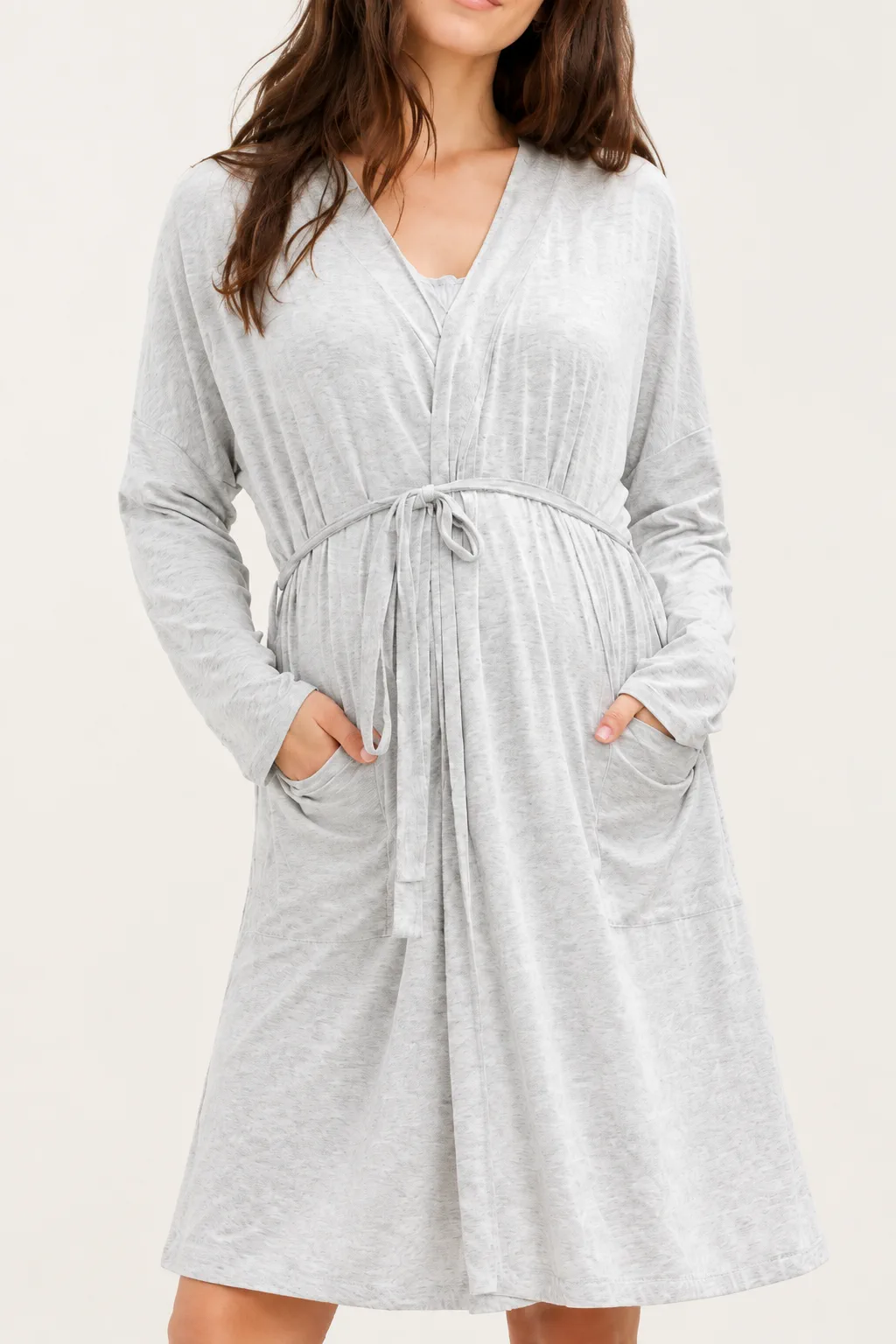
Sleepwear developed around nursing access, wrap fronts, button openings and comfortable stretch waists. Sampling should confirm access, coverage, recovery and repeated-wear comfort before bulk approval.
→
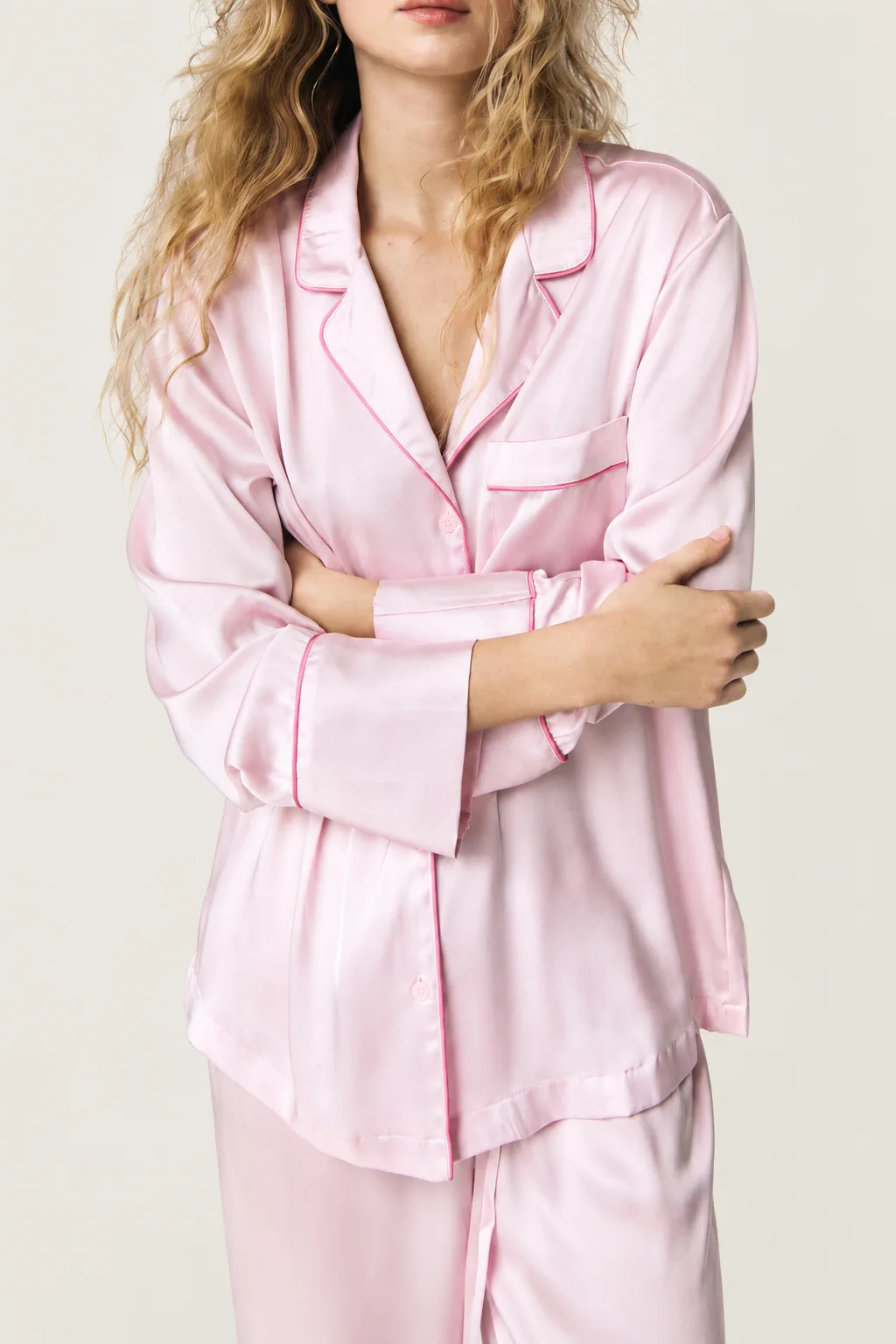
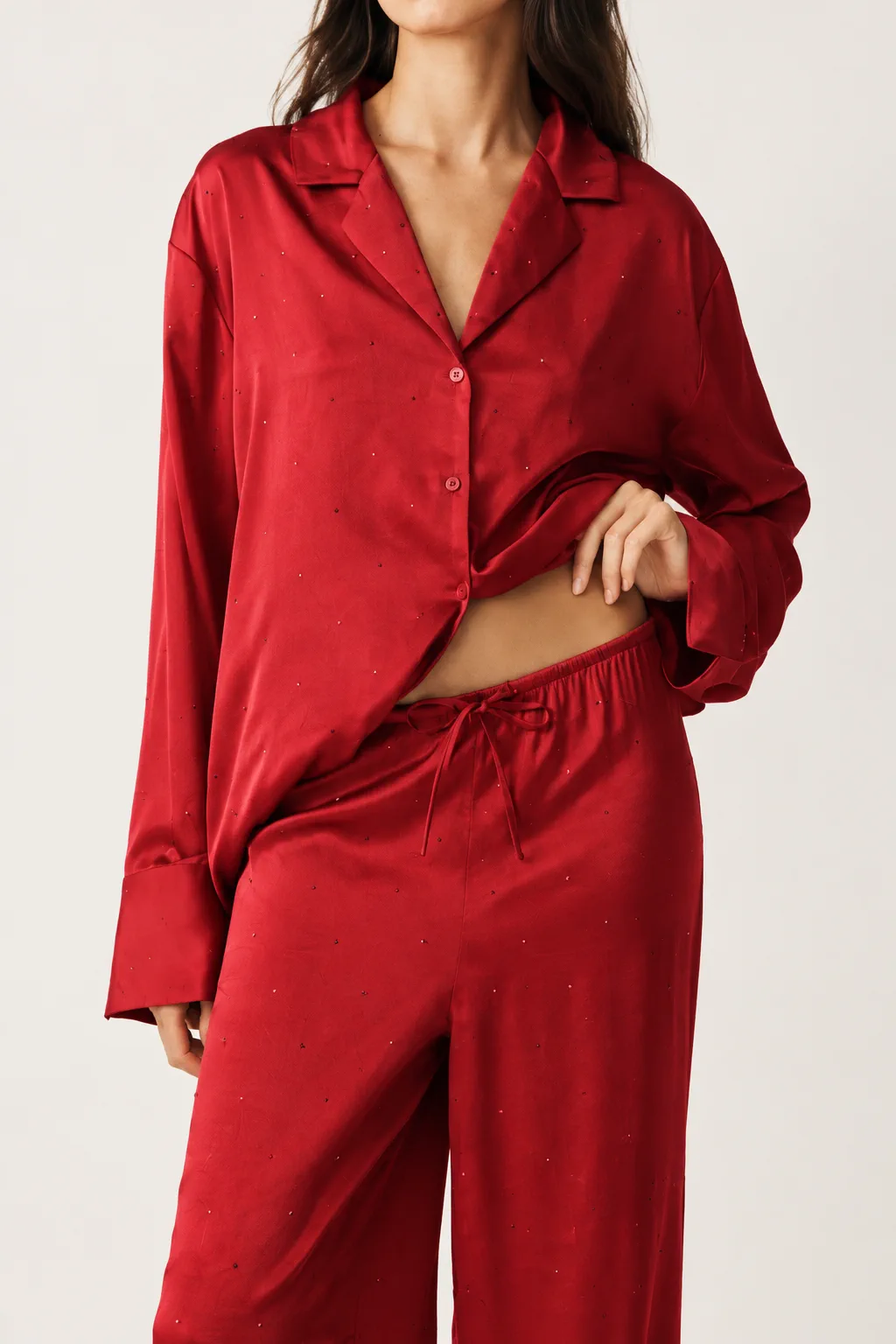
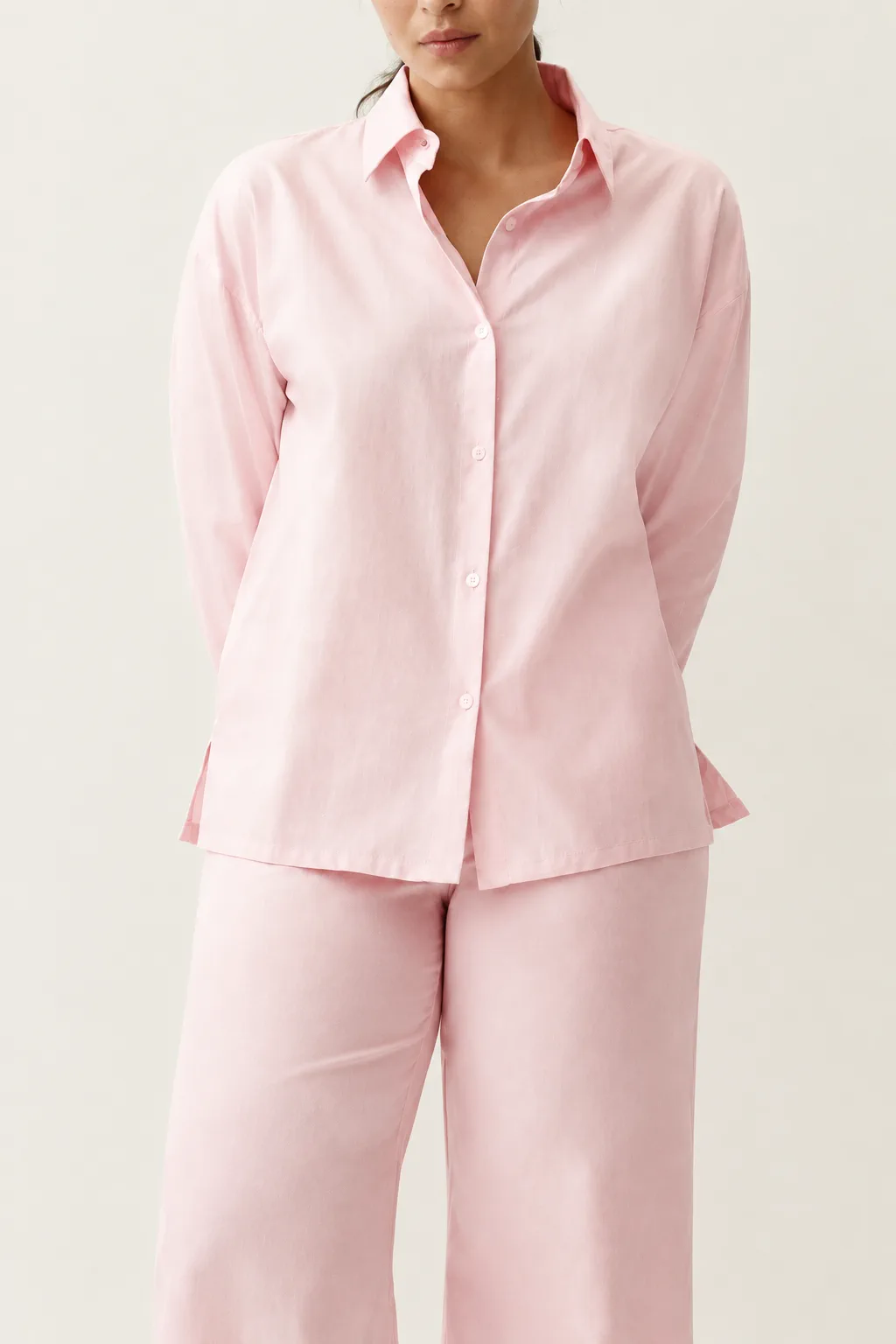
Premium nightwear for gifting, bridal, holiday and elevated homewear collections. Real silk, silk blends and satin-look alternatives are reviewed separately by composition, care expectations and order feasibility.
→
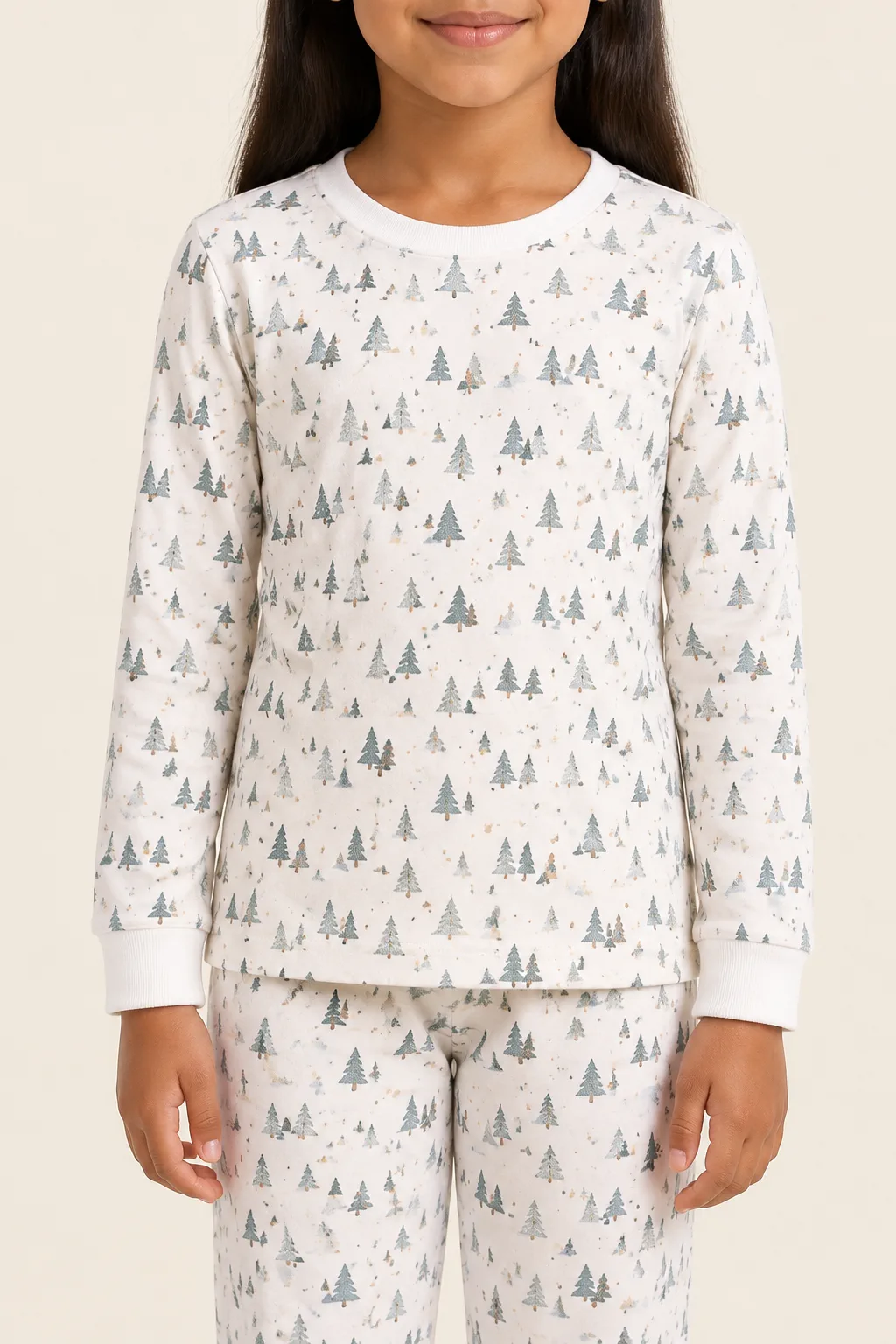
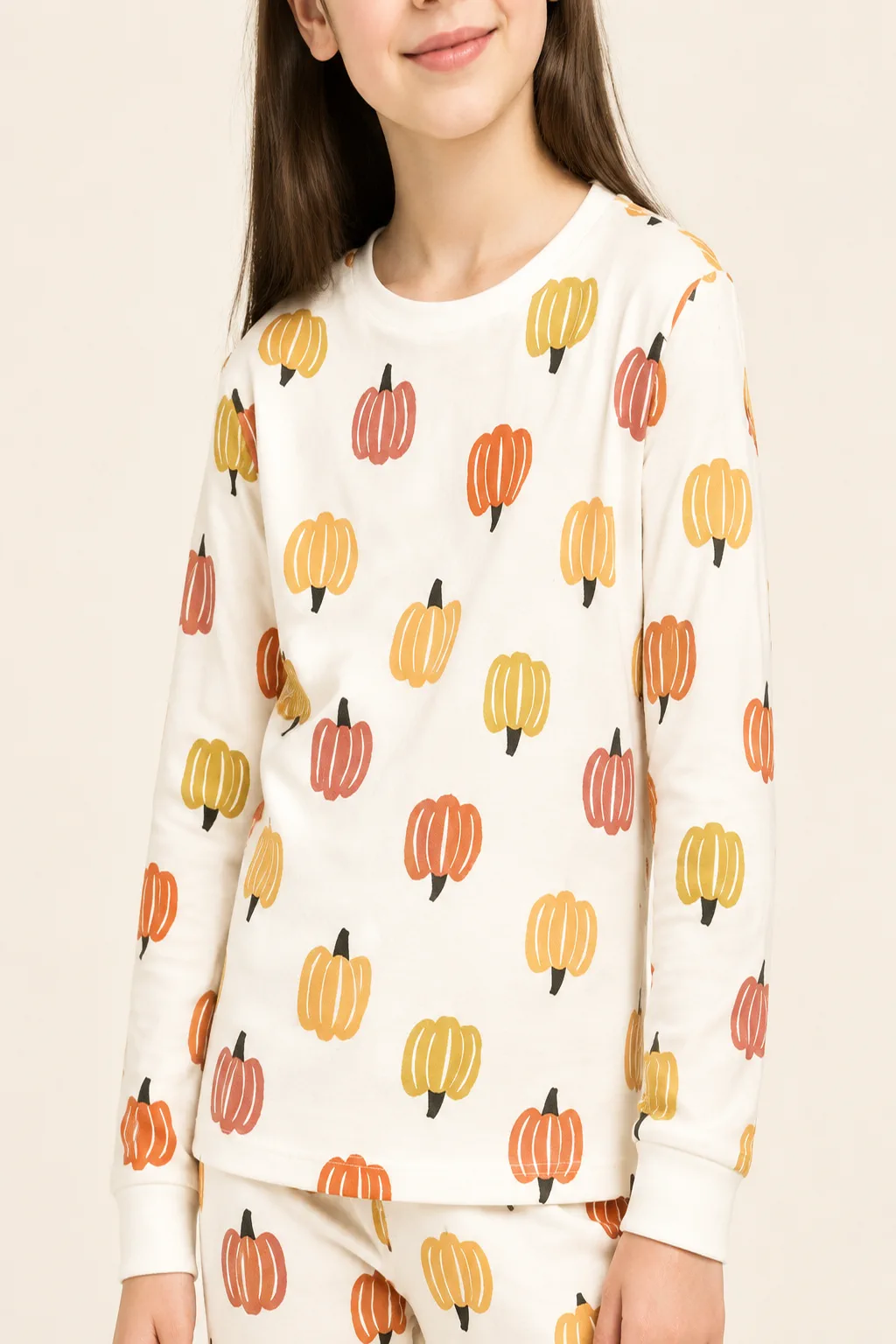
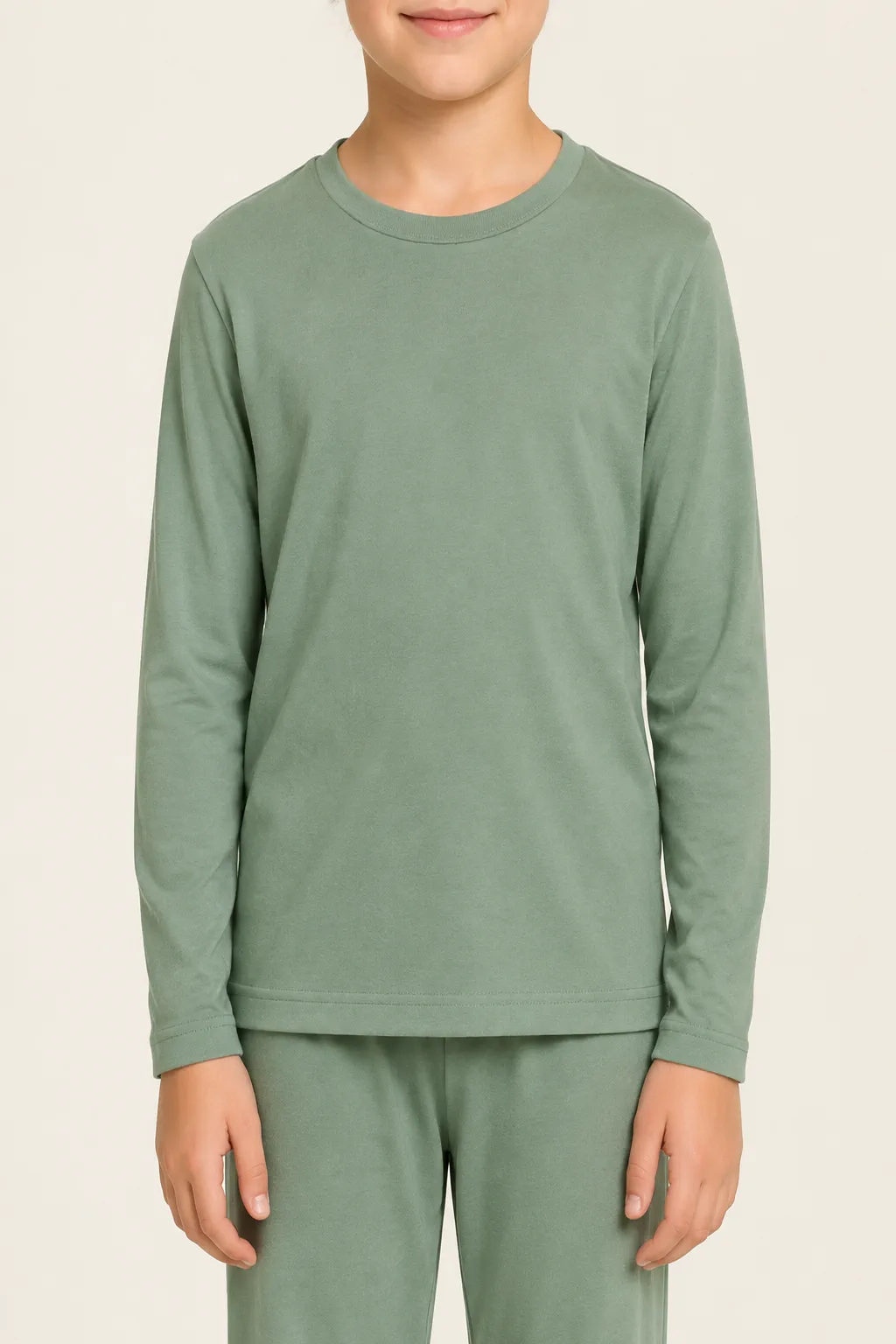
Holiday, gifting and family matching programs developed with a separate review of target-market safety, labeling, trims, prints and compliance requirements.
→
For a buyer, the useful question is not simply “which fabric is soft?” Choose by garment type, target climate, customer hand feel, wash expectation, price position and risk tolerance. Composition, construction and finish must be confirmed together on a sample, not inferred from a fabric name or swatch.
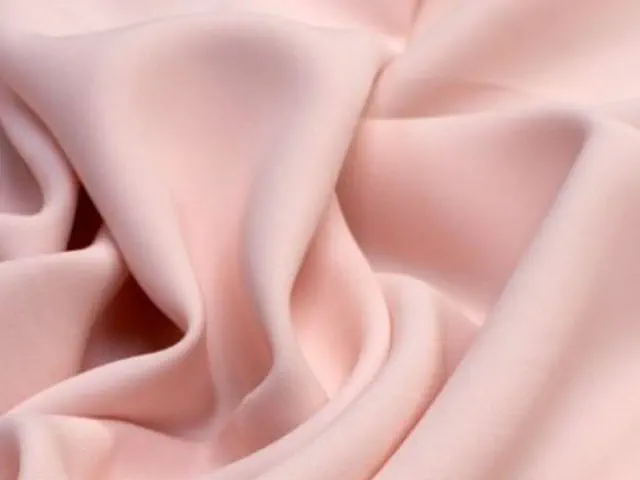
Best for: soft sleep tees, nightdresses and relaxed lounge sets. Buyer checkpoint: confirm actual composition, GSM, recovery, shrinkage and pilling after wash; “bamboo” normally describes a regenerated cellulosic fiber route, not a fabric performance guarantee by itself.
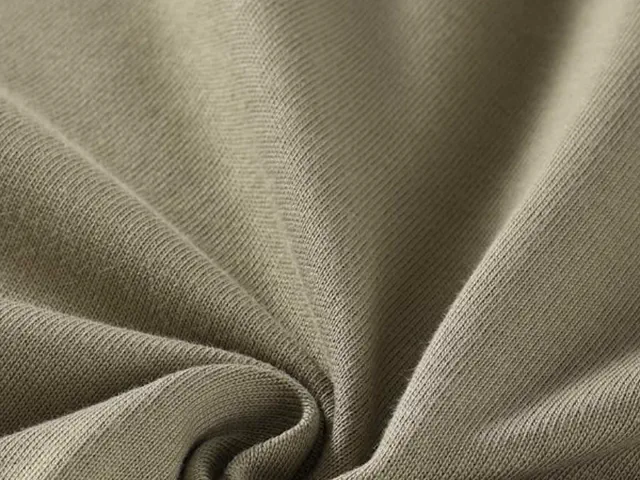
Best for: sleep tees, shorts, everyday pajama sets and easy-care basics. Buyer checkpoint: compare hand feel, opacity, shrinkage and surface pilling at the target GSM rather than approving from composition alone.
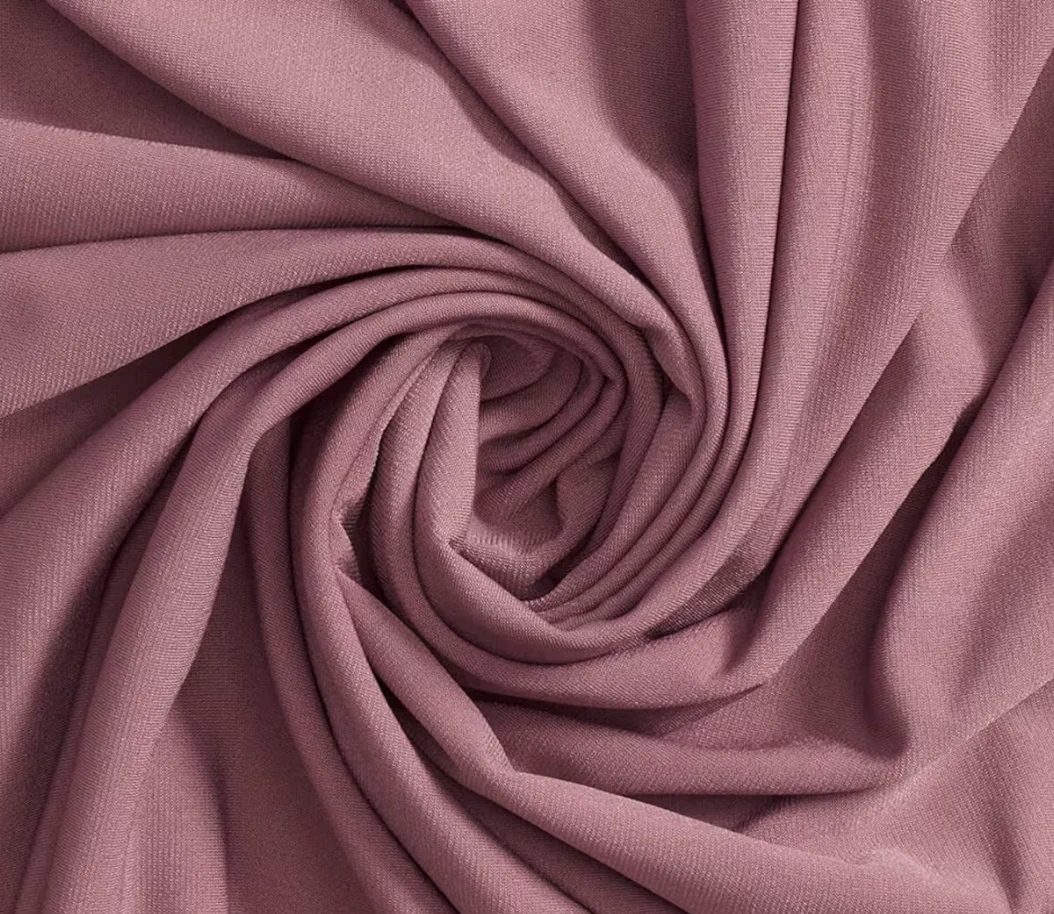
Best for: kids sleepwear, smoother pajama tops and buyers needing more coverage than single jersey. Buyer checkpoint: review warmth, breathability, drape and dimensional stability because interlock can feel fuller and cost more than comparable jersey.
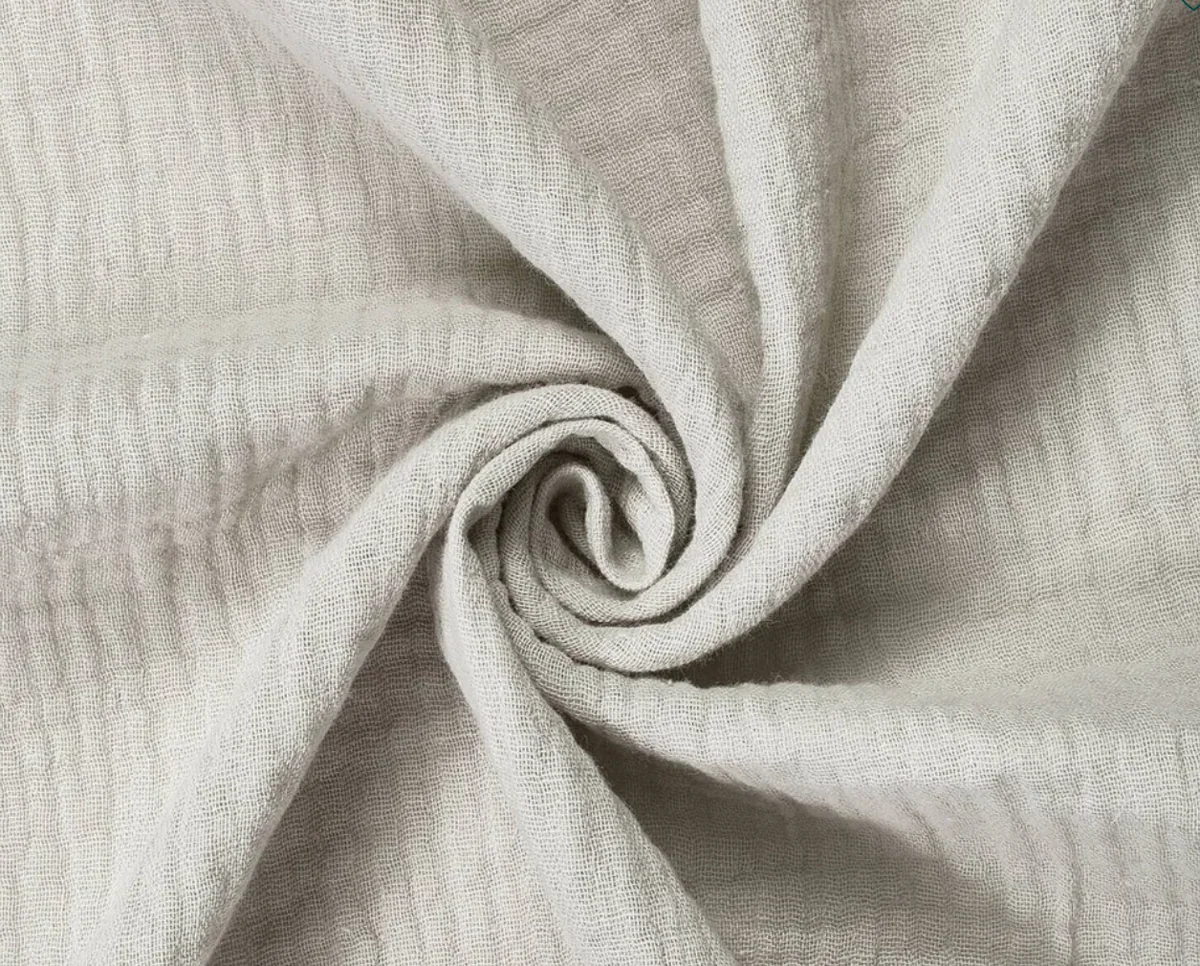
Best for: lightweight pajama sets, loose sleep shirts, shorts sets and warm-climate lounge styles. Buyer checkpoint: confirm cotton composition, layer count, GSM, weave openness, opacity, shrinkage and seam finish after wash; muslin should feel airy and soft without becoming too sheer or unstable in bulk.
Best for: fitted tanks, rib pajama sets, cuffs, necklines and waistband details. Buyer checkpoint: confirm recovery, spirality, opacity when stretched and how rib spacing changes after wash before approving close-to-skin styles.
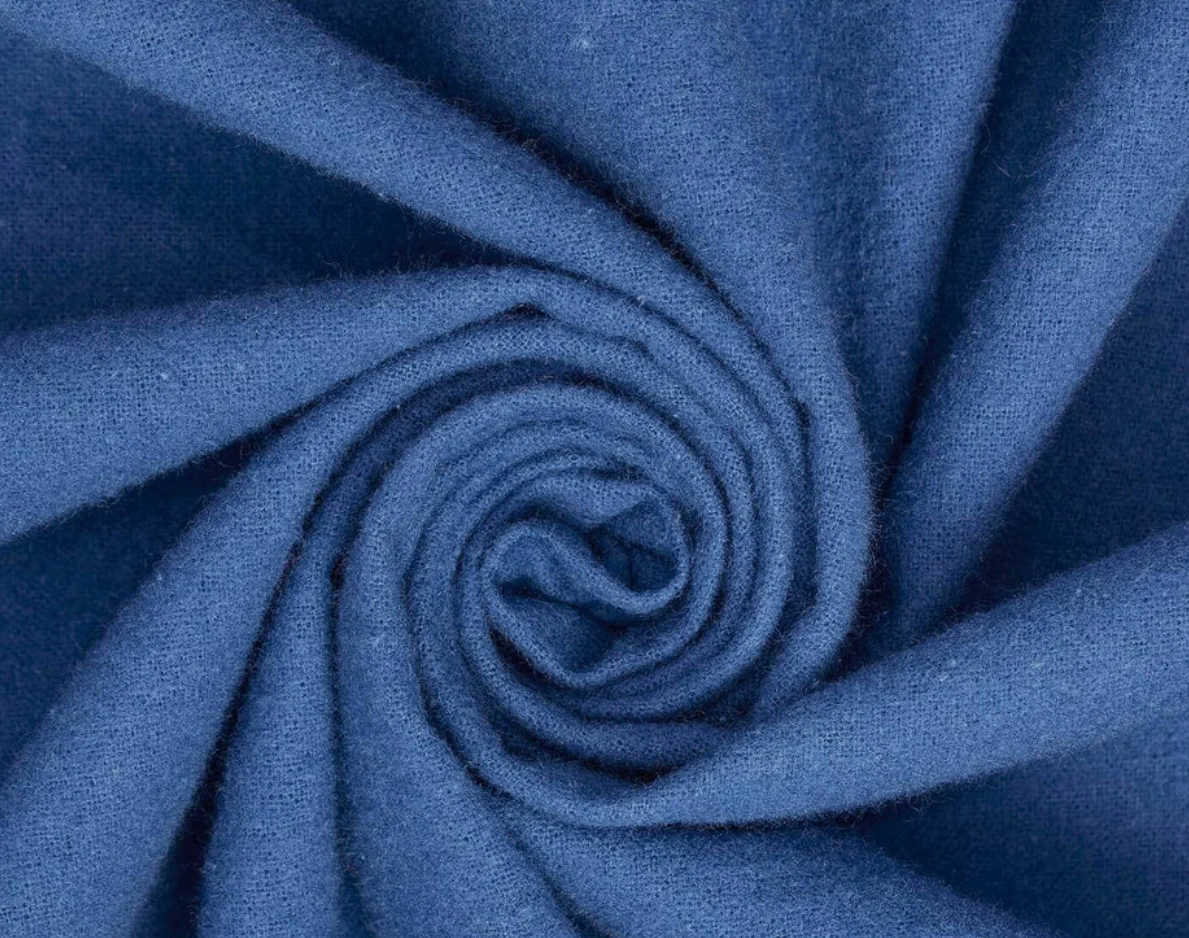
Best for: checked button-front pajama sets and seasonal sleepwear. Buyer checkpoint: review brushed surface, nap direction, colorfastness, shrinkage and pilling after wash; match fabric weight to the target climate rather than using “flannel” as a generic label.
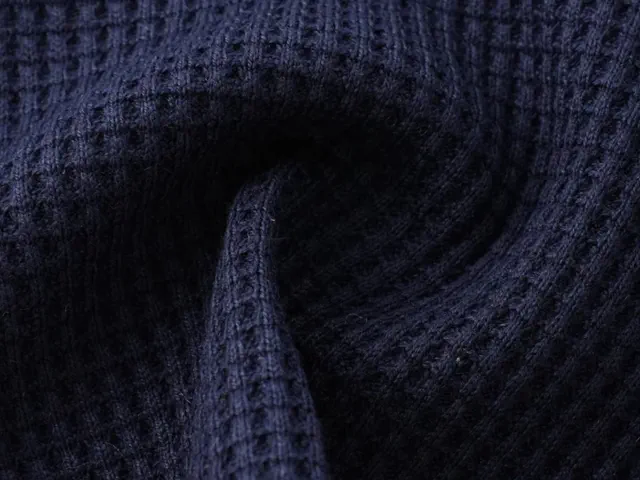
Best for: textured sleep tops, cooler-season lounge sets and lightweight robe directions. Buyer checkpoint: test snag risk, stretch, loop or cell stability, garment weight and wash appearance because texture changes both comfort and care performance.
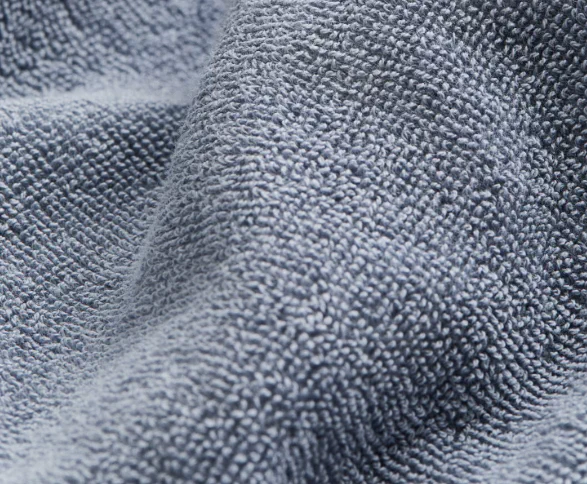
Best for: bathrobes, spa loungewear and hospitality or gifting programs. Buyer checkpoint: select absorbency, pile or loop density, shedding, belt strength and drying expectation by use case; coral fleece is warm but is not a direct substitute for absorbent terry.
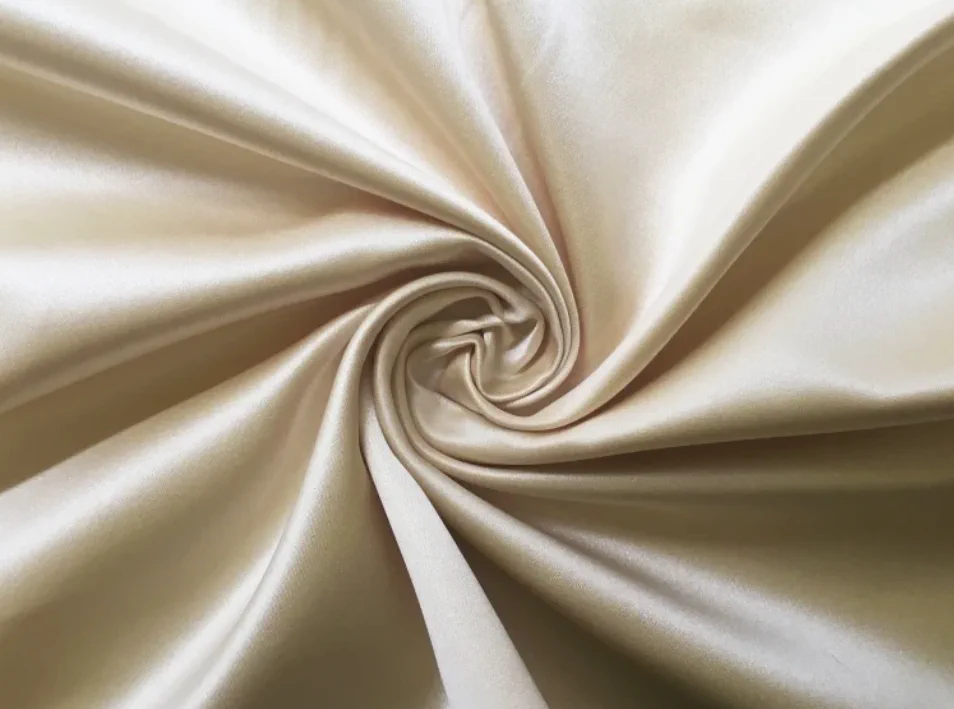
Best for: button-front pajama sets, piped robes and elevated gifting programs. Buyer checkpoint: separate fiber composition from surface finish, then test opacity, seam slip, static, print performance and care. Treat real silk and silk blends as separate cost-and-care routes.
For pajama OEM and private-label sleepwear programs, construction explains comfort and durability, while technical customization turns a design into repeatable production specifications. Confirm fit, grading, fabric, trims, decoration, labels and packout before approving the pre-production sample.
For pajama shirts and robes, collar roll, piping width, button spacing and pocket alignment are highly visible. Before sample approval, confirm seam allowance, edge neatness, trim contrast and wash stability on the actual sleepwear fabric.
Select elastic, drawcord, tie-belt, button-front or wrap construction for the intended sleepwear customer and use case. At sample stage, confirm pressure, adjustability, tie length, opening position, body measurements and post-wash fit retention.
Because sleepwear is worn close to the skin, inspect seam bulk, overlock finish, hem turn, loose threads, label placement and hard edges. Include skin comfort and repeated-wash performance in the pre-production and bulk quality checks.
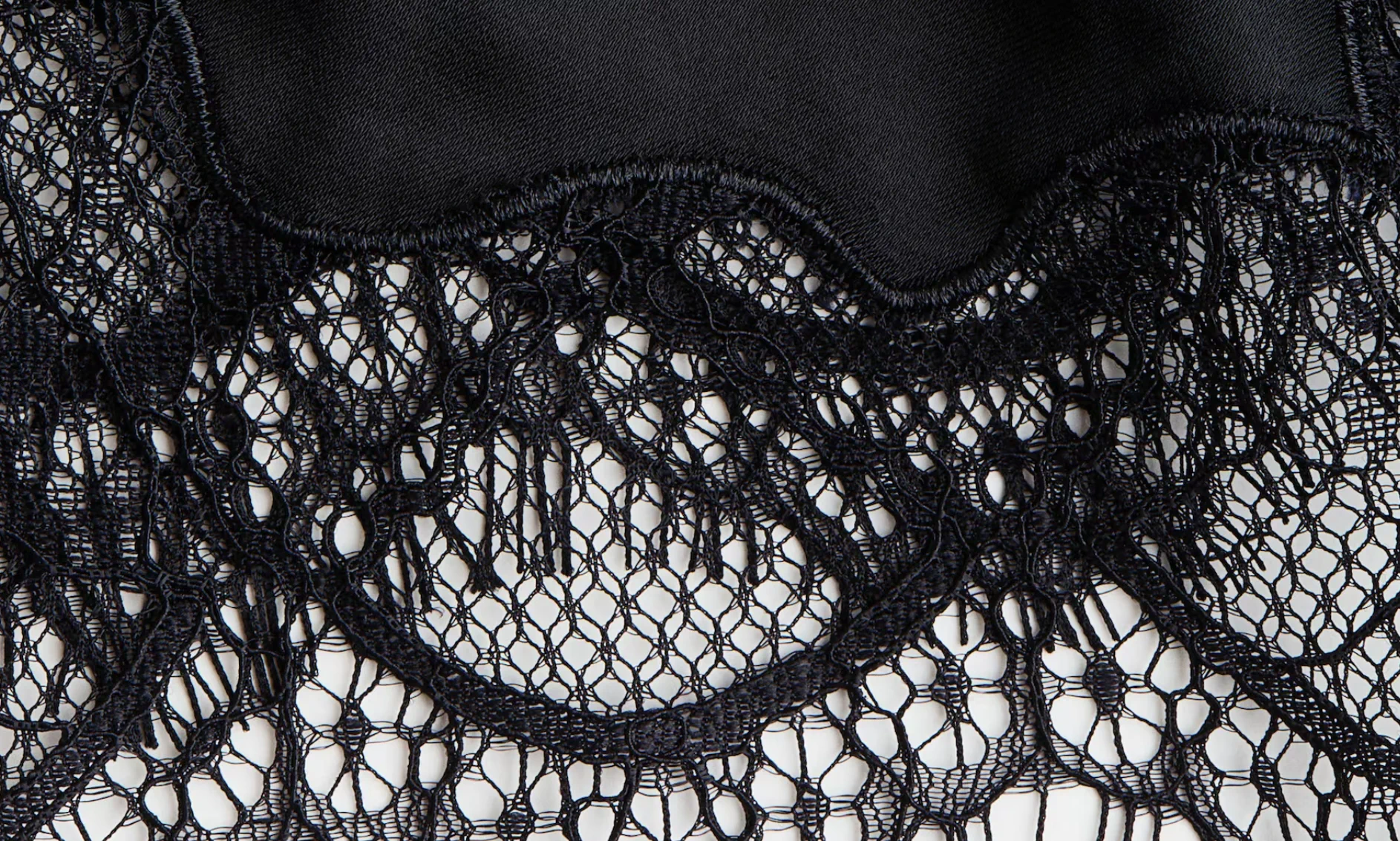
Lace can support lingerie-inspired, bridal, premium-gifting and feminine sleepwear lines through neckline inserts, cuffs, hems, yokes and pocket edges. Specify lace type, stretch, backing, seam method and skin-contact placement; test snagging, irritation, colorfastness and wash shape retention.
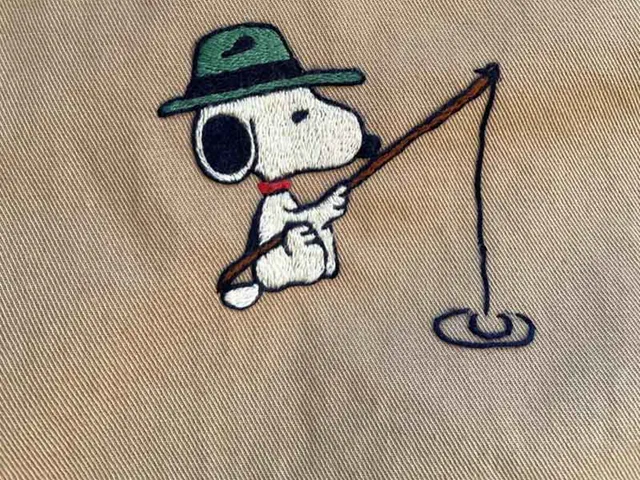
For private-label sleepwear, lightweight embroidery, applique, low-build print, woven labels and care labels should be selected for a soft hand feel. Confirm artwork scale, placement tolerance, thread or ink feel, label composition and wash durability before bulk production; these options can be coordinated with suitable partner resources when required.
Rib neckbands, cuffs and waist finishes can support recovery and fit when matched to a lightweight sleepwear hand feel. Specify stretch direction, recovery target, elastic width and insertion method, then test comfort, distortion and measurement retention after washing.
A production-ready pajama or sleepwear brief should define the fit block, size grading, measurement tolerances, fabric weight, trim standards, folding, labeling and packaging. This converts a reference design into a repeatable OEM specification and a measurable pre-production sample.
For robes and lounge sets that include these features, confirm pocket placement, reinforcement, loop length, belt retention and seam direction. Check that pockets and loops withstand repeated handling without creating bulk or discomfort against the body.
Contrast piping, lace and main fabric may shift across dye lots or bleed during washing. Approve color references, trim lots, shade tolerance and wash results together, especially where pale sleepwear fabric meets dark piping or lace.
Hengcheng combines long-term garment manufacturing experience with a practical OEM workflow for overseas private-label sleepwear brands. For pajama sets, robes, lounge sets and sleep separates, we help buyers move from fabric and fit direction to sample approval, bulk follow-up and shipment-ready QC.
The goal is simple: fewer unclear sampling rounds, better production communication and a factory partner that can support repeat sleepwear programs as your collection grows.
Foreign-trade garment processing experience across OEM and private-label apparel programs.
Production capacity to support sleepwear sampling, bulk orders, repeat programs and seasonal replenishment.
Repeat-customer cooperation reflects stable service, communication and production follow-up.
Half of our cooperative customers have worked with us for more than 10 years.
Fabric directions for cotton jersey, cotton muslin, modal, bamboo-derived viscose, flannel, satin-look woven and terry sleepwear routes.
Experience supporting brand customers across custom apparel and private-label production needs.
Figures are provided as Hengcheng’s internal factory and customer-cooperation indicators. Final production plan, timeline, MOQ and quotation still depend on style, fabric, decoration, quantity and buyer requirements.
We keep decisions visible early: fabric, fit, sizing, trims, packing and quality points are reviewed before the program moves to bulk production.
Reference images, target buyer, market, quantity and key product direction.
Composition, weight, hand feel, stretch and wash expectation reviewed.
Size chart, collar, waist, trim, label and print details clarified.
Fit, color, construction and finish checked on the selected fabric.
Matched quote based on approved material, details, quantity and packing.
Inline checkpoints for measurement, workmanship and finishing.
Final inspection, packing review and shipment handover preparation.
For pajama OEM and private-label sleepwear, quality control is more than a visual check. Buyers should review fabric hand feel, wash performance, fit, recovery, workmanship, labels and packing on the approved pre-production sample before bulk production.
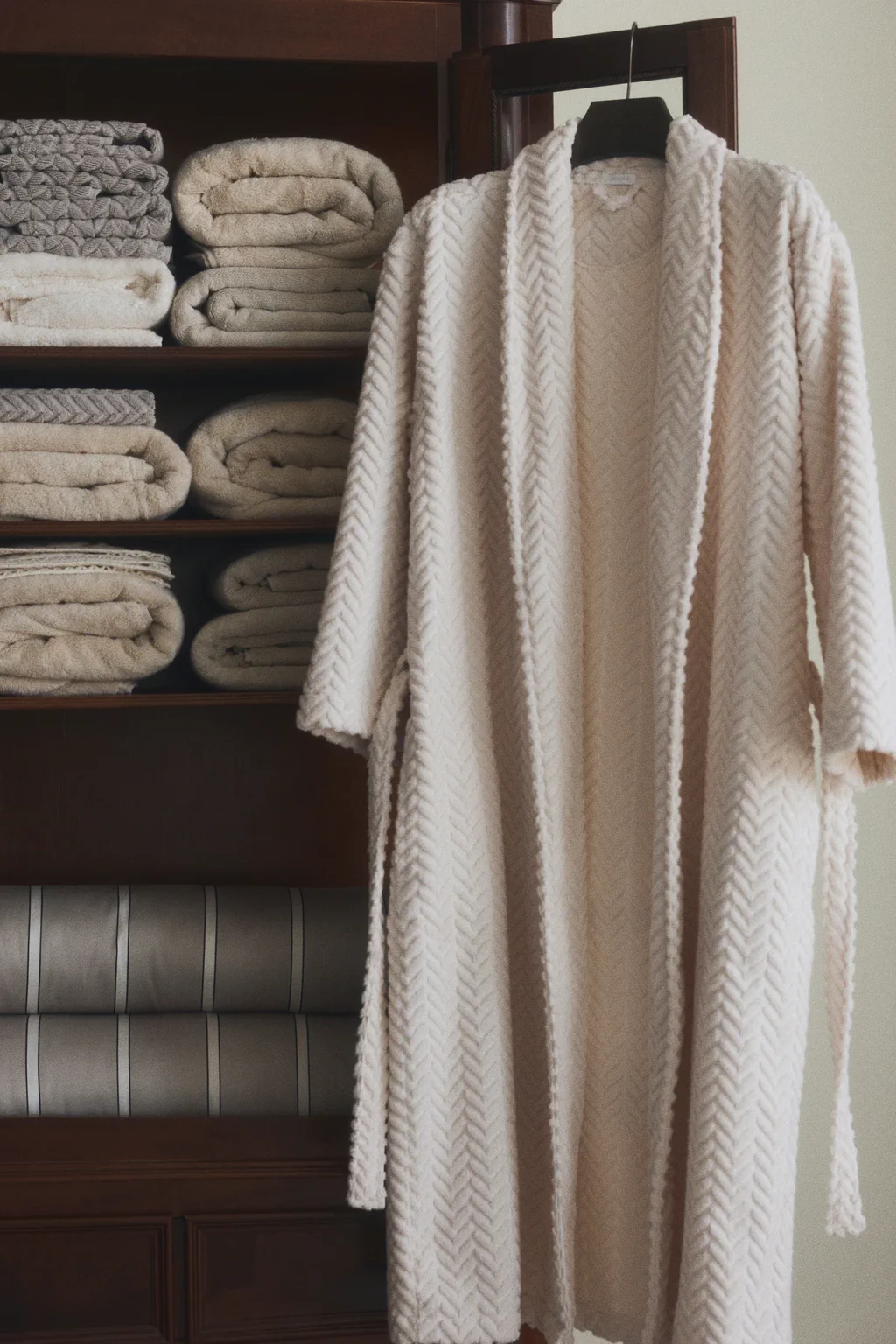
A clear request lets us recommend the right fabric route and avoid avoidable sample rounds. A reference image alone is useful, but a structured brief is better.
These are practical starting points for sleepwear OEM and private-label programs. Final MOQ, sample cost, timing, material availability, testing and quotation depend on the specific style, fabric and order structure.
We review pajama sets, nightwear, robes and wrap styles, knit lounge sets, sleep tees, shorts and related private-label programs where the fabric and construction fit the production scope.
Yes. Hengcheng is a direct garment manufacturer in Weifang, Shandong, China. Buyers can discuss sleepwear fabric, fit, sampling, construction, labels, packing, bulk production and quality-control requirements with the production side.
Common directions include cotton jersey, cotton muslin, modal, bamboo-derived viscose, cotton flannel, terry, waffle and satin-look woven routes. Fabric selection should be confirmed by garment type, season, hand feel, weight, stretch, wash expectation, price position and care requirements.
Yes. Share the product reference, target market, intended season, hand feel, price position and wash expectation. We can compare appropriate fabric directions and review composition, weight, opacity, drape, stretch, pilling and shrinkage risks before sampling.
The usual MOQ is 100–200 pieces per colorway per style. The final quantity depends on style complexity, fabric, color, size breakdown, lace or other trims, decoration and packaging requirements.
Sleepwear samples usually cost USD 50–80 per piece, depending on style complexity, fabric, construction, trims and decoration. Shipping is reviewed separately, and any sample-fee deduction from a later bulk order should be confirmed case by case.
Sampling usually takes 1–2 weeks after the main style, fabric and construction details are confirmed. Bulk production usually takes 4–6 weeks after sample approval and deposit, depending on order quantity, fabric availability, decoration, trims and packing requirements. Shipping time depends on the destination and method.
Send a reference image or tech pack, product type, fabric or composition direction, size range, color and quantity by colorway, decoration, lace or trim details, labels, packaging, target market and delivery timing. More complete specifications make the quotation more reliable.
Yes. Sleepwear programs can be reviewed with lace inserts or edges, contrast piping, lightweight embroidery, low-build prints, woven labels and care labels. Confirm construction, placement, color, hand feel and wash durability during sampling; suitable printing, embroidery, label and packaging options can be coordinated with partner resources when required.
Yes. A project can start from a tech pack, size chart, reference garment or approved measurements. Confirm the fit block, body and garment measurements, grading, rise, inseam, sleeve and waistband points, then use the approved sample and measurement tolerances as the reference for bulk production.
Buyers should review the approved pre-production sample, fabric appearance, hand feel, shrinkage, pilling, color migration, stretch recovery, measurement tolerance, seam and hem finish, buttons, piping, lace, labels, folding and packing readiness before bulk production.
Testing and compliance requirements depend on the target market, product type, age group and buyer standard. Children’s sleepwear, close-to-skin products, prints, dyes and special performance requirements may need separate review. Share the destination market and applicable standard so the specifications and testing route can be confirmed before production.
Share your reference images, intended product type, fabric direction, size range, target quantity, branding details, packing requirement and market. Hengcheng will review the production fit before sampling or bulk quotation.