Address
JINKE Technology Industrial Park, No. 3188 ChunYuan Road, Weifang City, Shandong Province, China
Work Hours
Monday to Friday: 7AM - 7PM
Weekend: 10AM - 5PM
Address
JINKE Technology Industrial Park, No. 3188 ChunYuan Road, Weifang City, Shandong Province, China
Work Hours
Monday to Friday: 7AM - 7PM
Weekend: 10AM - 5PM
Hengcheng reviews OEM and private-label briefs for kids T-shirts, hoodies, baby bodysuits, toddler rompers and dresses. Share the target market, age range, size chart and product brief for sample and production review.
Hengcheng is a kids clothing manufacturer in Weifang, China, reviewing OEM and private-label briefs for children's T-shirts and knit basics, hoodies and sweatshirts, baby bodysuits and toddler rompers, and casual dresses. Product scope, fabric, age-specific fit, trims, sample approvals and bulk checkpoints are confirmed against each brief.
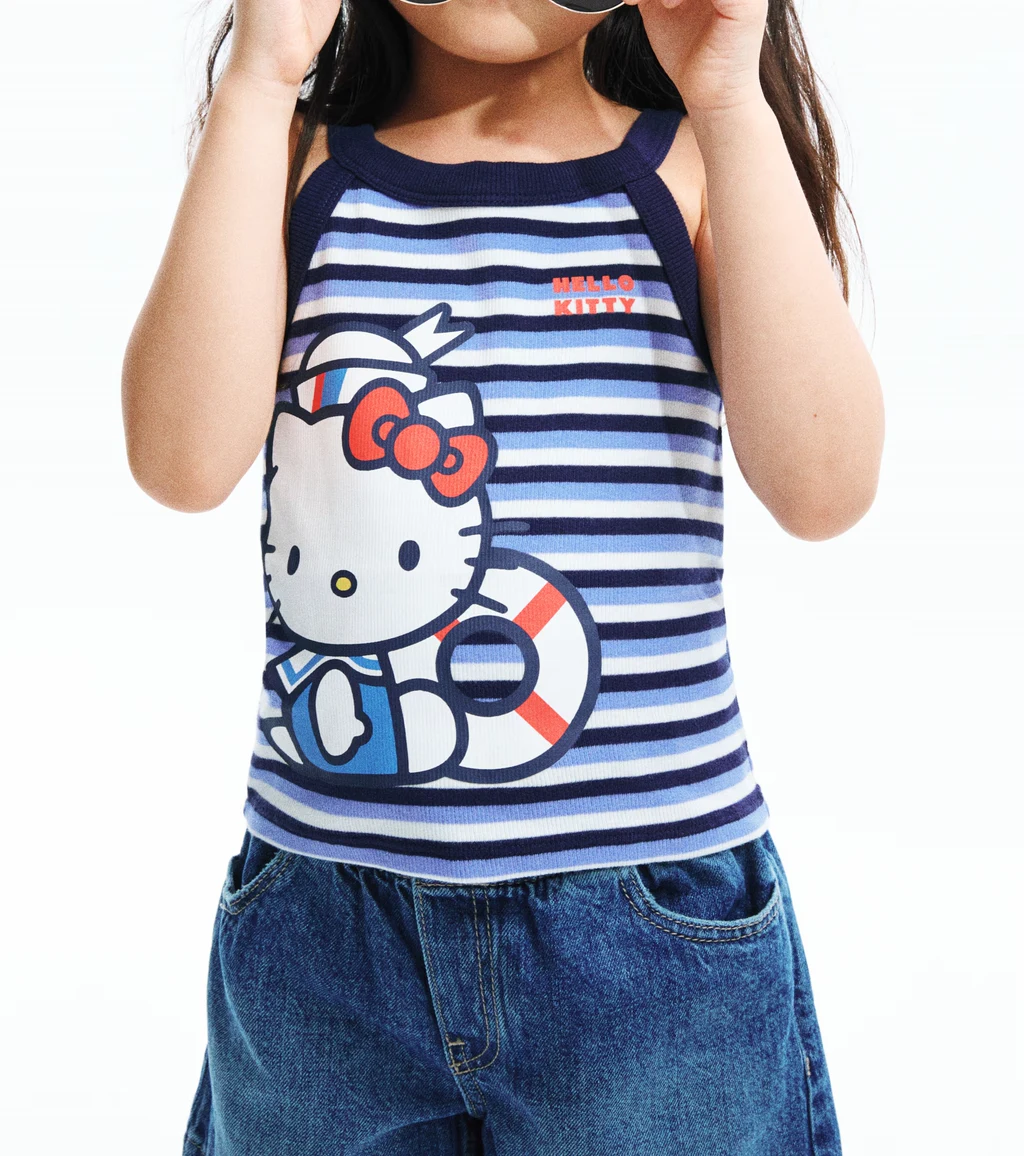
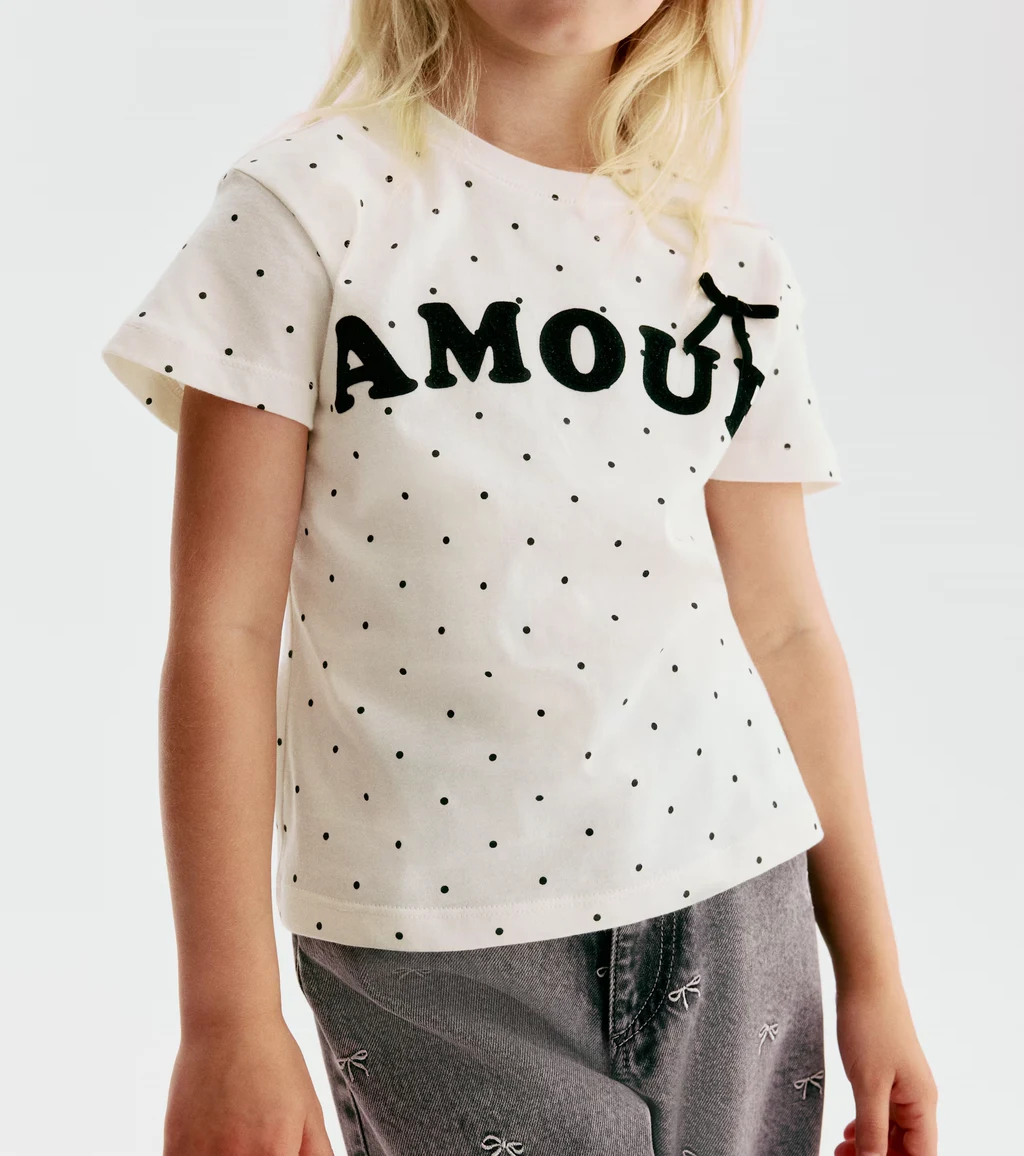
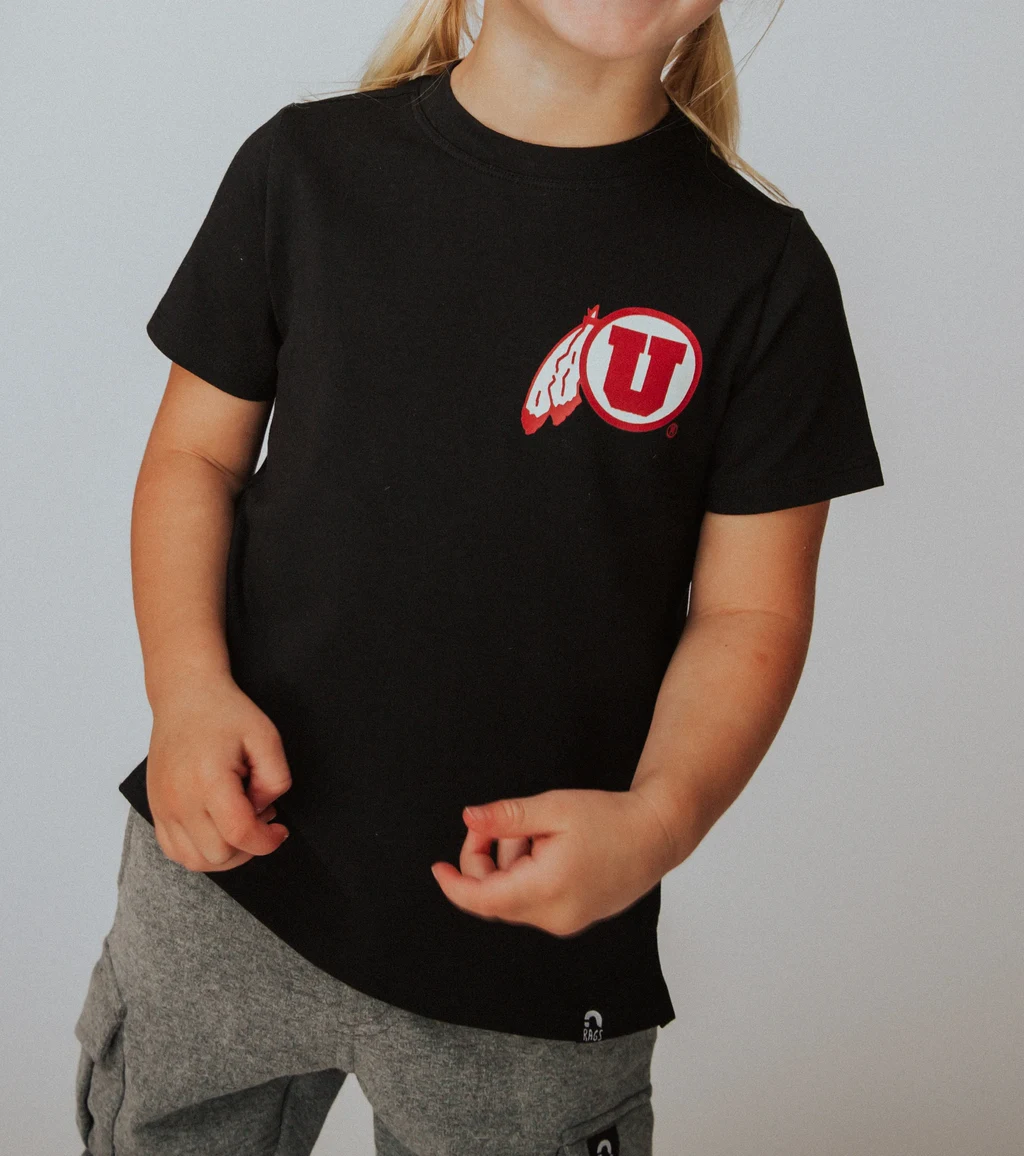
Develop kids T-shirts, long-sleeve tees and core knit tops around the intended age range, fabric weight, neck opening, fit block and print placement. Confirm size grading and wash expectations against the approved sample.
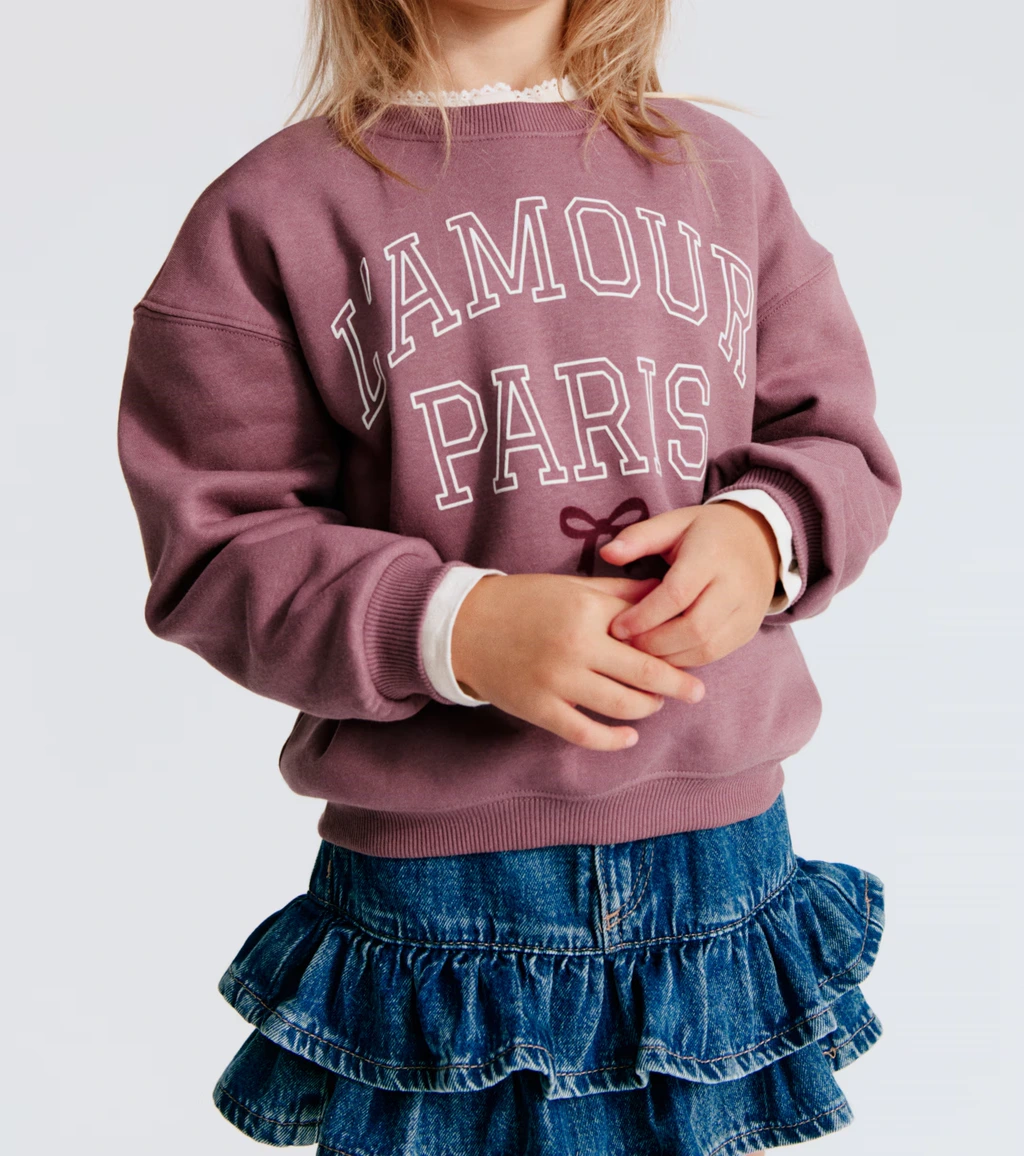
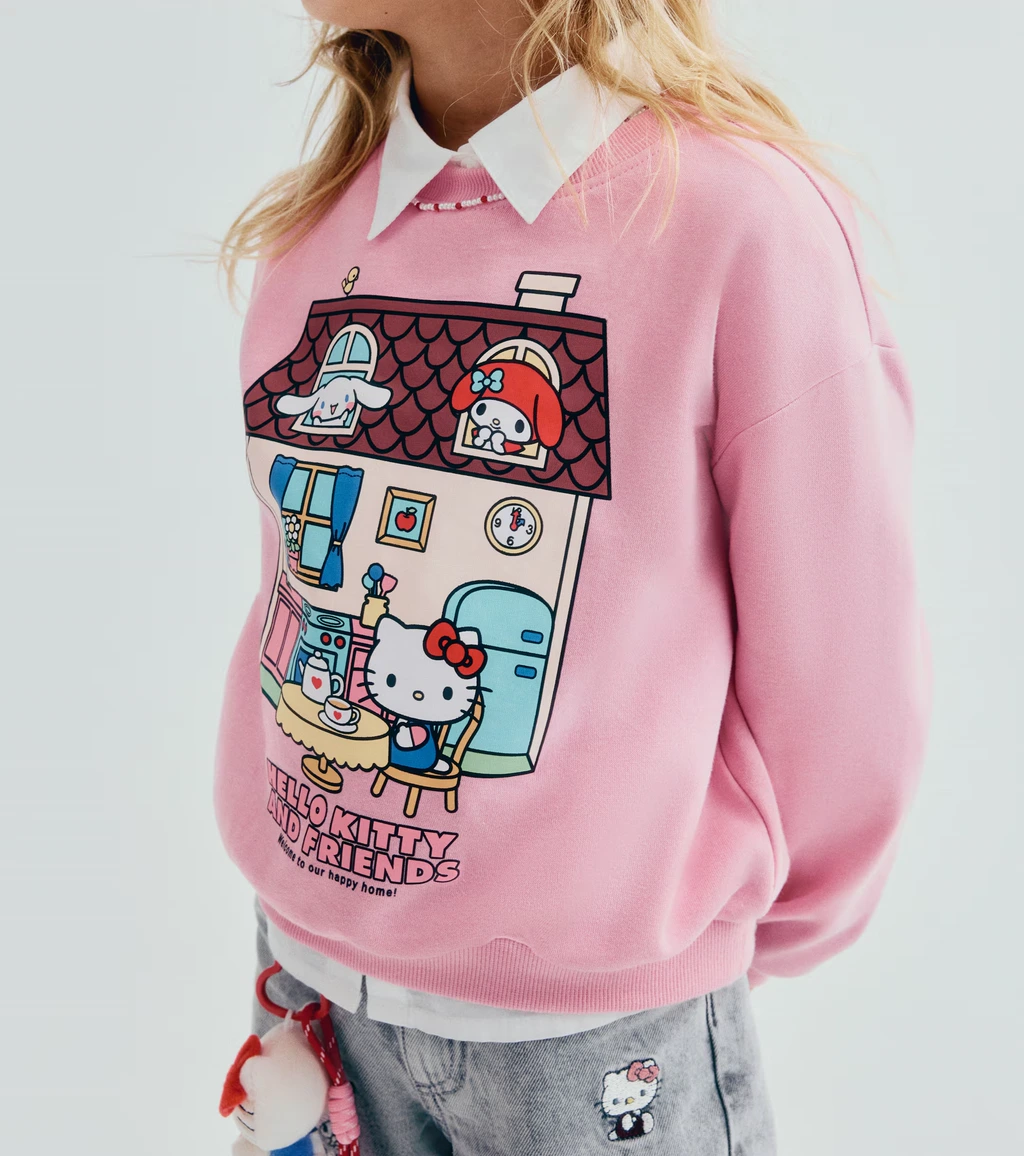
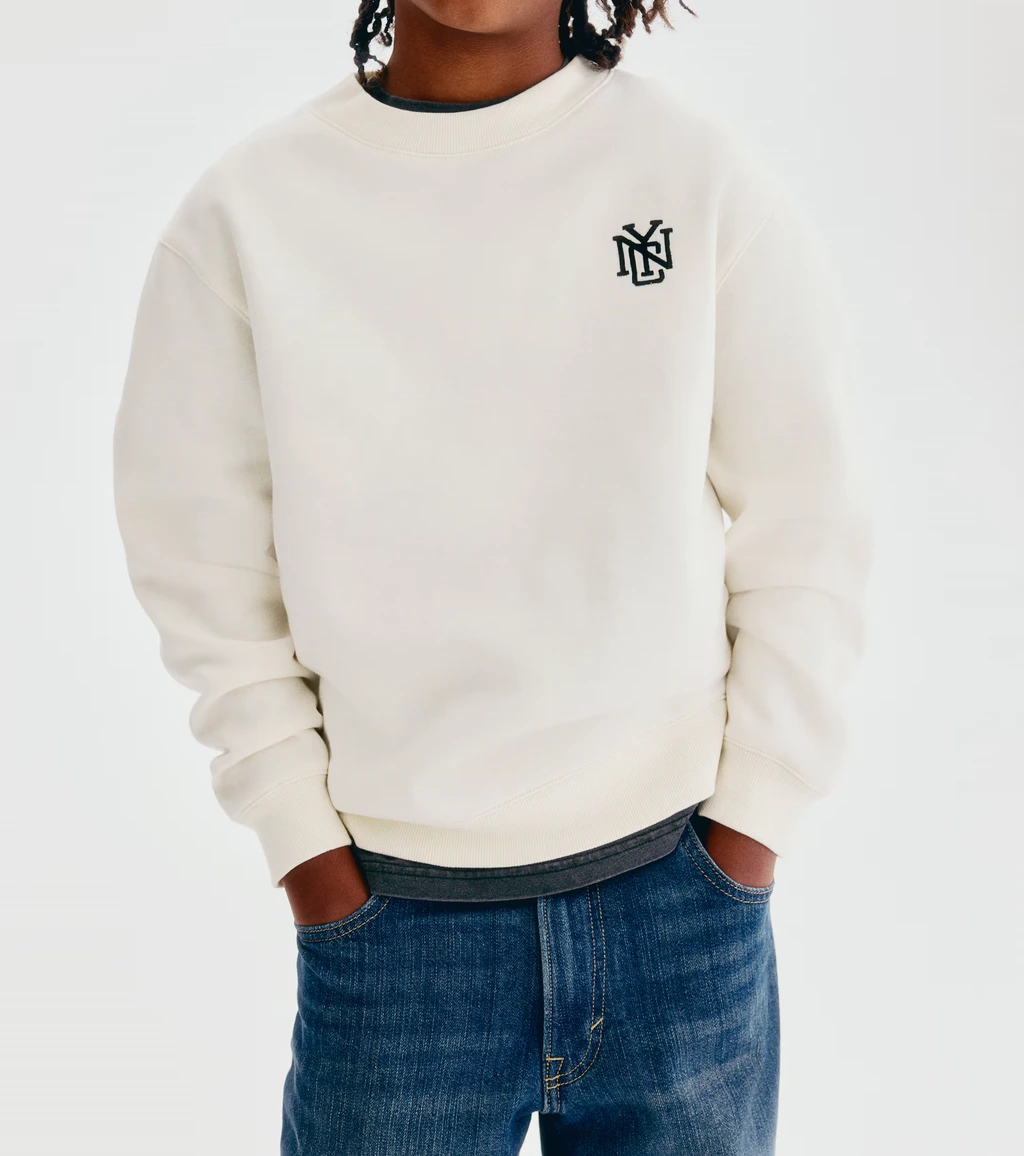
Review children’s hoodies, crewneck sweatshirts and suitable layering pieces by age and size range. Confirm fleece or knit construction, rib recovery, hood details and closures; assess drawcord and other applicable market requirements for the specific style.
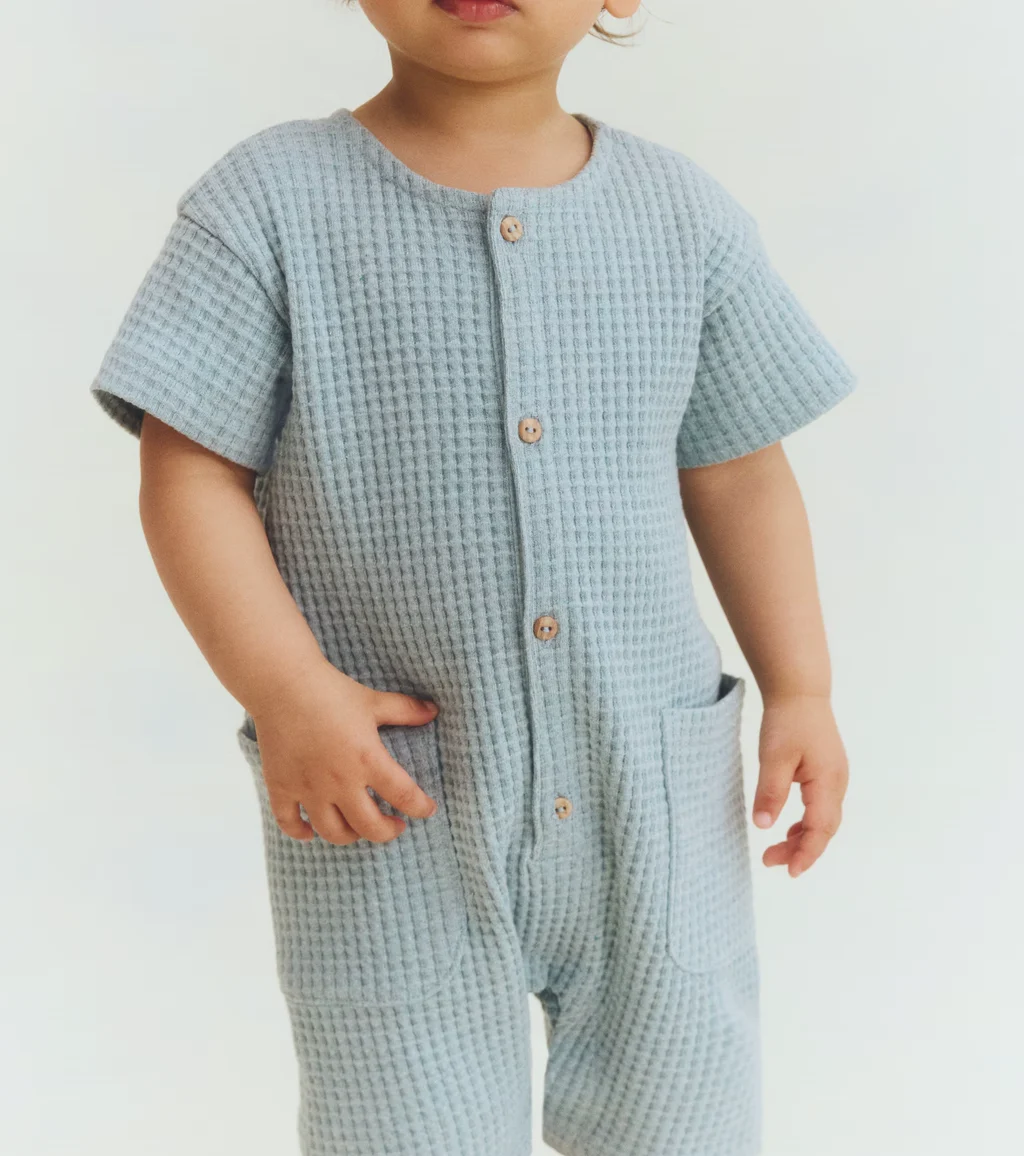
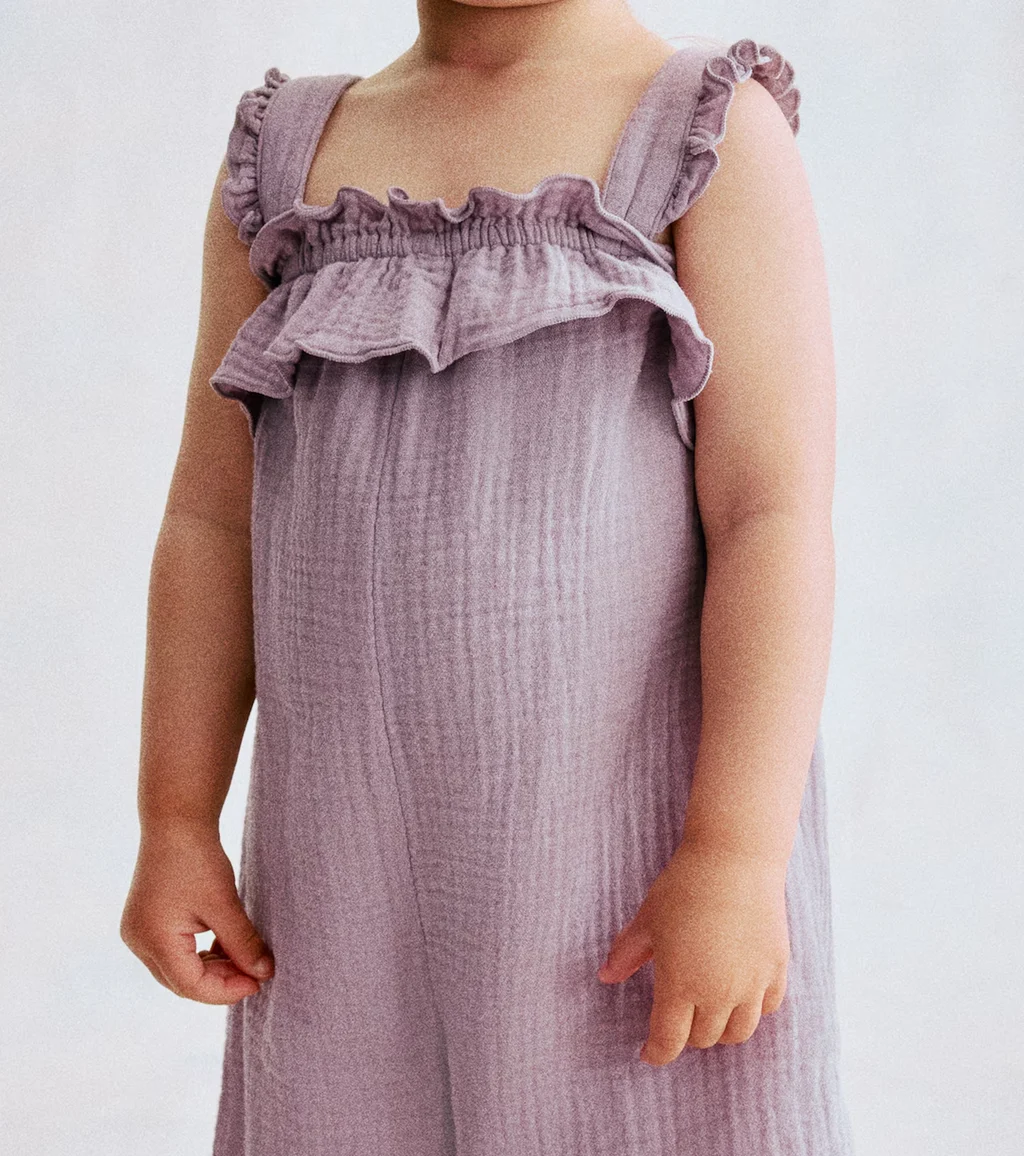
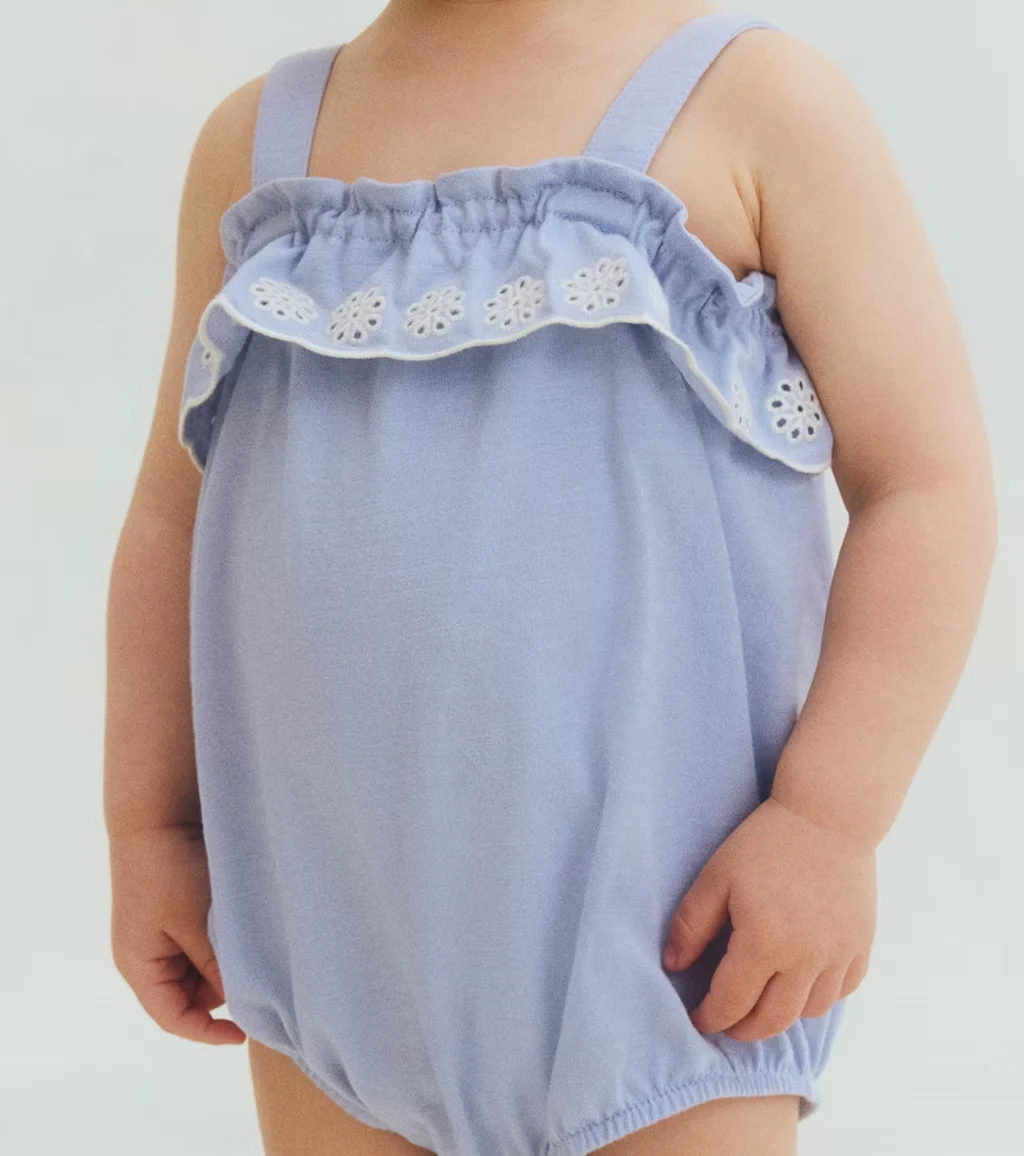
Review baby bodysuits, rompers and everyday essentials around age-appropriate fit, soft-hand fabric direction, opening and closure placement, and ease of dressing. Confirm components, labeling and applicable destination-market requirements for each product before sampling.
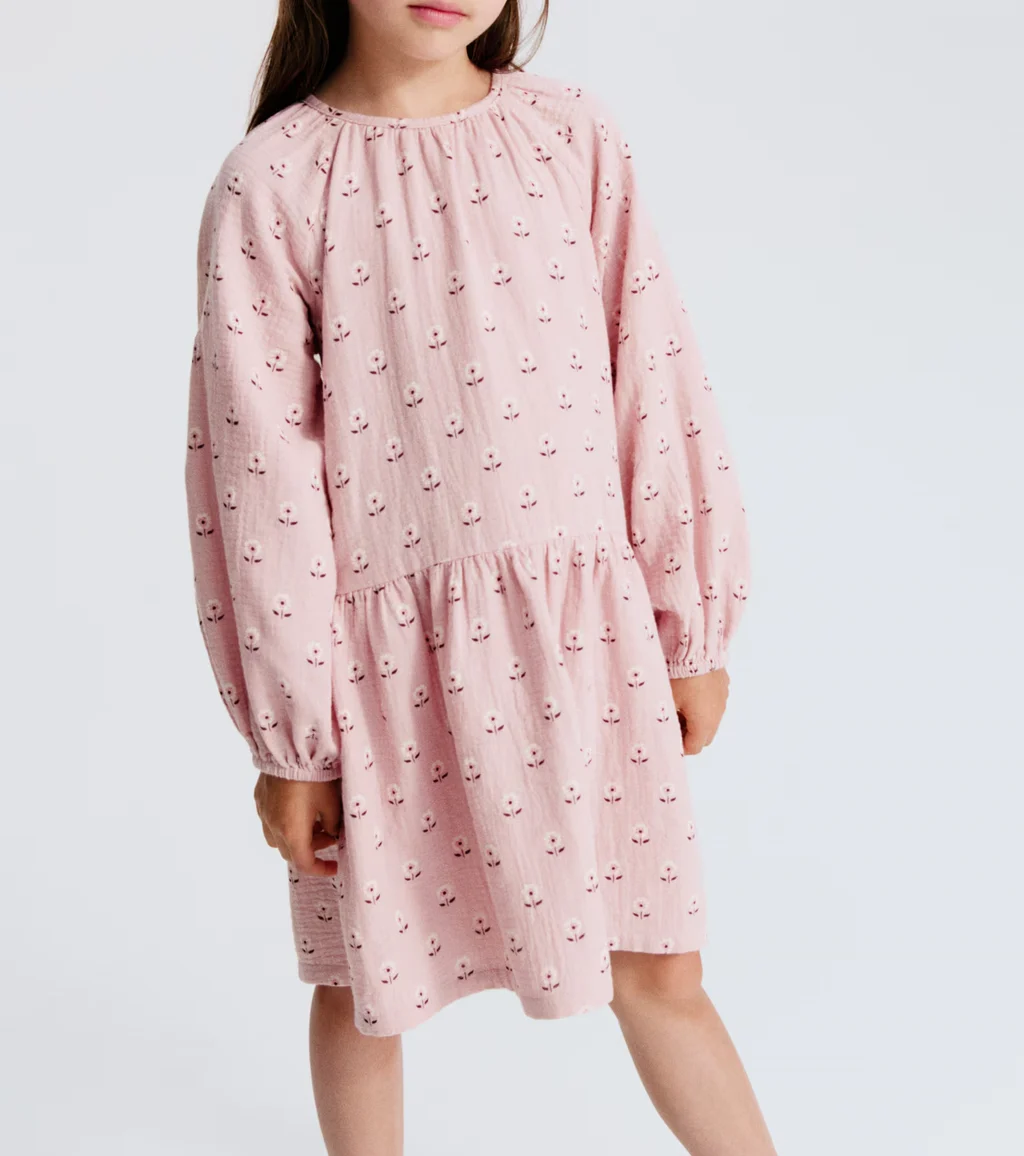
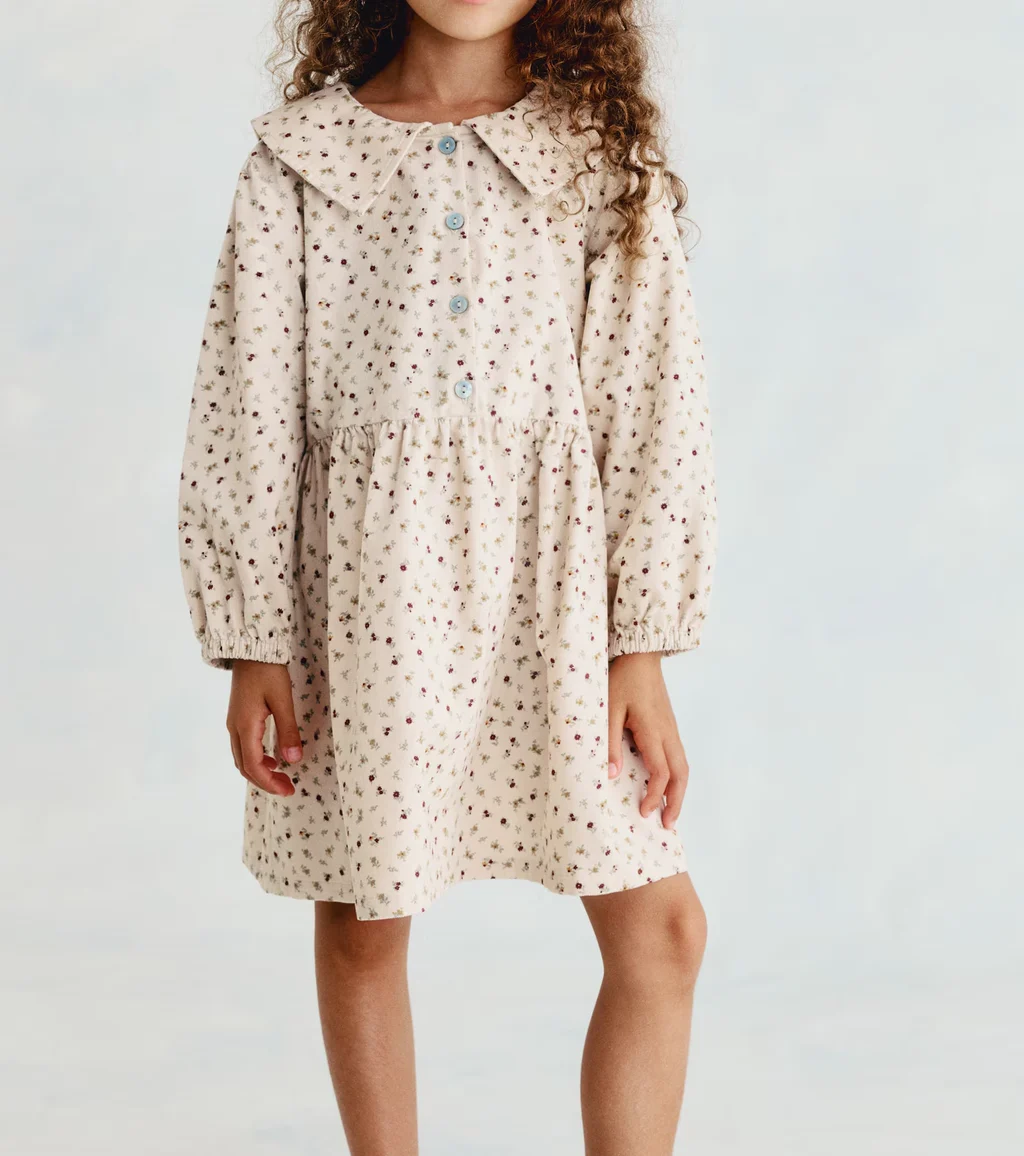
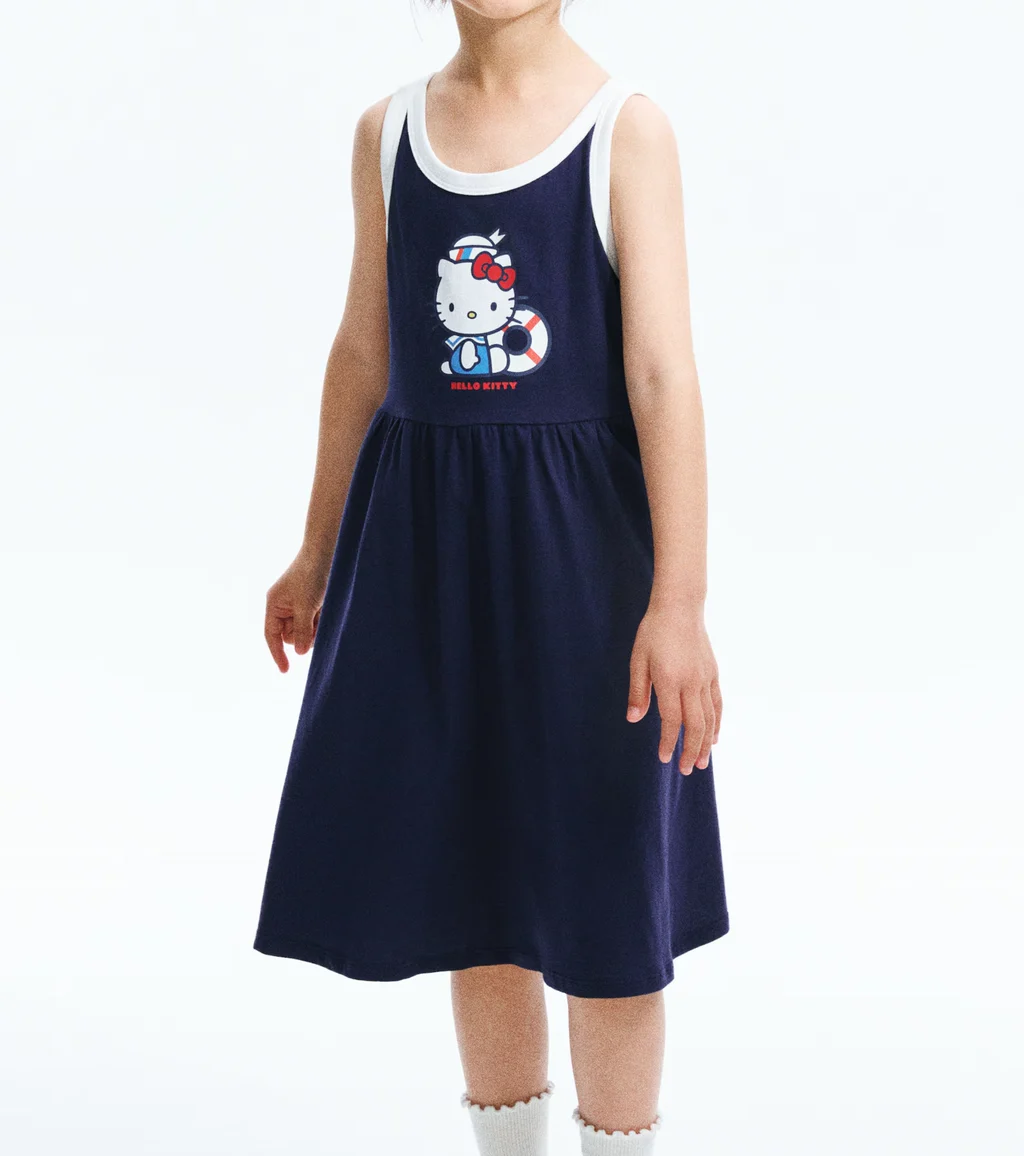
Review children’s dresses and casual one-piece daywear around fabric drape, neckline, sleeve shape, skirt volume, lining and closures. Confirm construction, age range and size grading against the reference before sampling.
Age labels are not a universal size standard. Share the intended age band, body-height or garment measurements, destination-market size chart and fit preference so the sample and grading can be reviewed against one agreed reference.
| Buyer-defined stage | Common product briefs | Sizing input | Design checkpoint |
|---|---|---|---|
| Newborn & baby | Bodysuits, rompers, soft tops | Target-market chart, body measurements and intended age/use | Opening and closure placement, dressing access, component review and skin-contact finish |
| Toddler | Rompers, T-shirts, sets, dresses | Buyer size chart plus movement and diaper/waist fit needs where relevant | Ease of dressing, movement, closure retention and cord-free options where appropriate |
| Children | T-shirts, sweatshirts, hoodies, dresses | Specified height/garment measurements, grade rules and fit block | Size grading, reinforcement zones, print placement across sizes and wash expectations |
| Youth | Tees, sweatshirts, casual separates | Buyer-defined youth chart; do not assume adult sizing maps directly | Proportion, ease, length, branding scale and fit approval across the size set |
Hengcheng reviews the supplied specification and confirms sample measurements with the buyer; this guide does not define a universal children’s size chart.
Looking for children’s sleepwear or family-matching pajamas? Visit our Sleepwear page.
Developing a broader apparel range? See our T-shirt and Hoodie manufacturing pages.
Match the fabric to the garment type, age group, season, movement and desired hand feel. Confirm the selected fabric’s composition, construction and finish together on the approved sample.
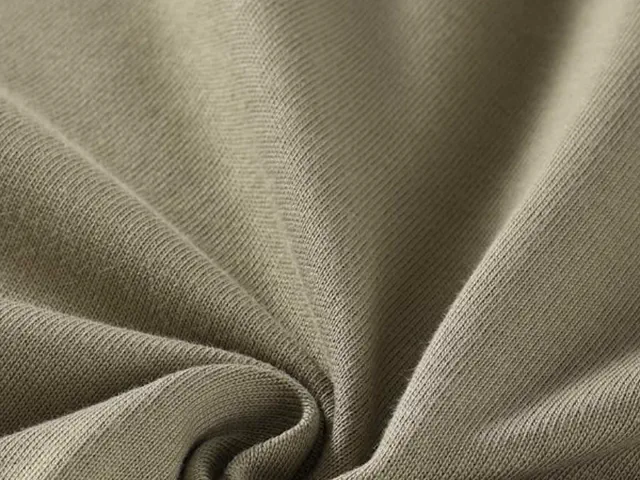
Soft single-jersey knit for children's T-shirts, baby basics and light everyday sets. Confirm finished weight, recovery, opacity, print base and shrinkage on the selected material.
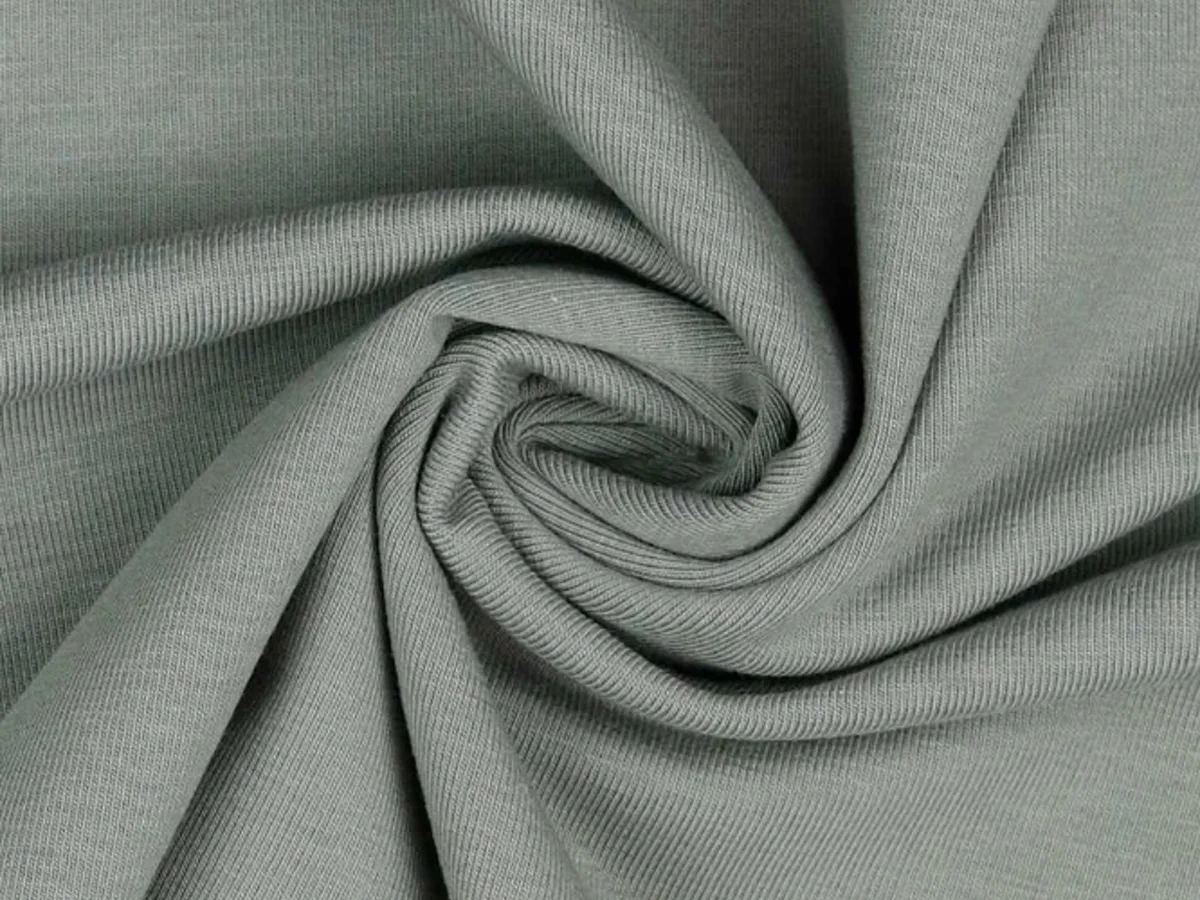
Organic cotton can suit children’s T-shirts, babywear and soft everyday basics when the buyer needs a natural-fiber direction and a documented sourcing route.
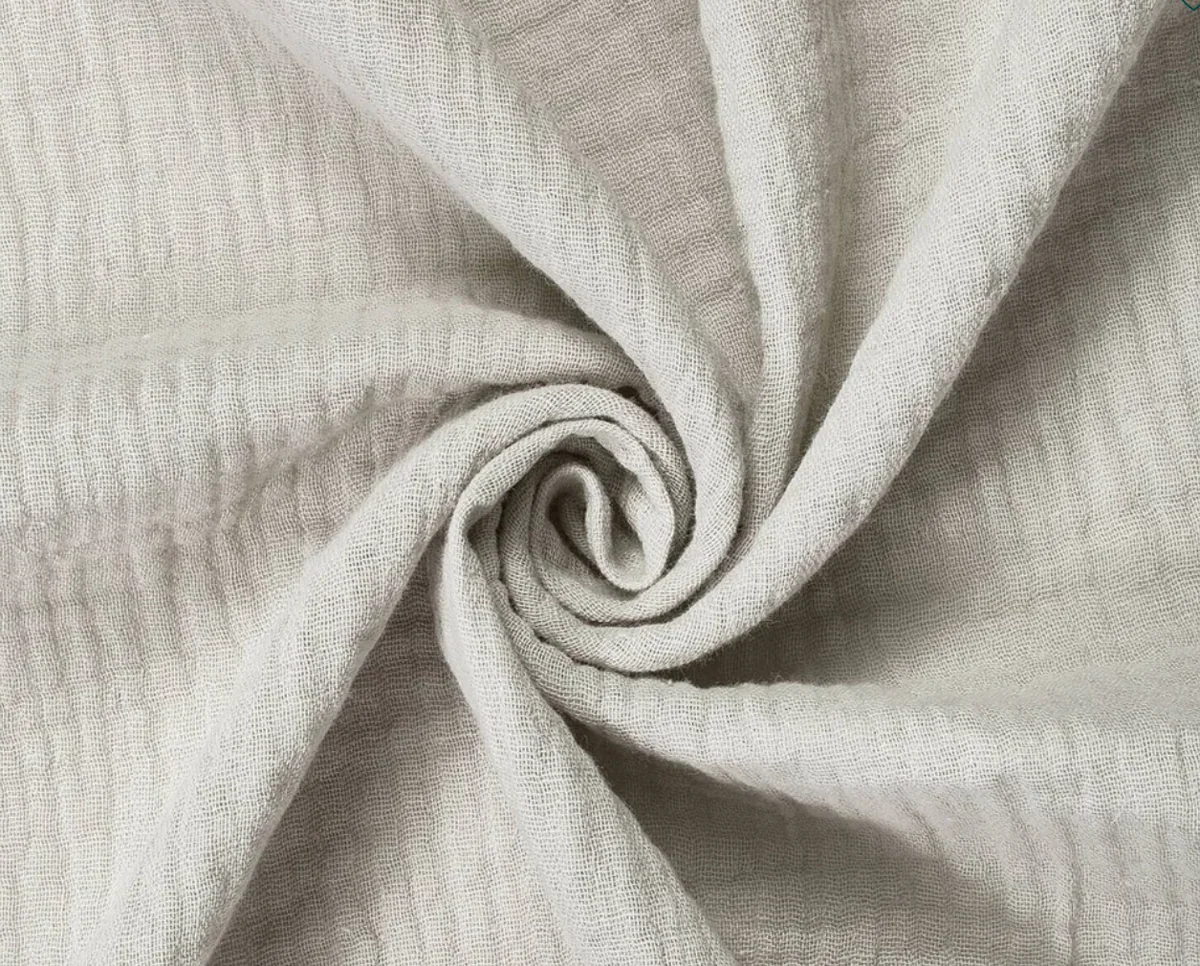
Lightweight woven muslin can suit loose summer dresses, baby daywear and relaxed kidswear sets.
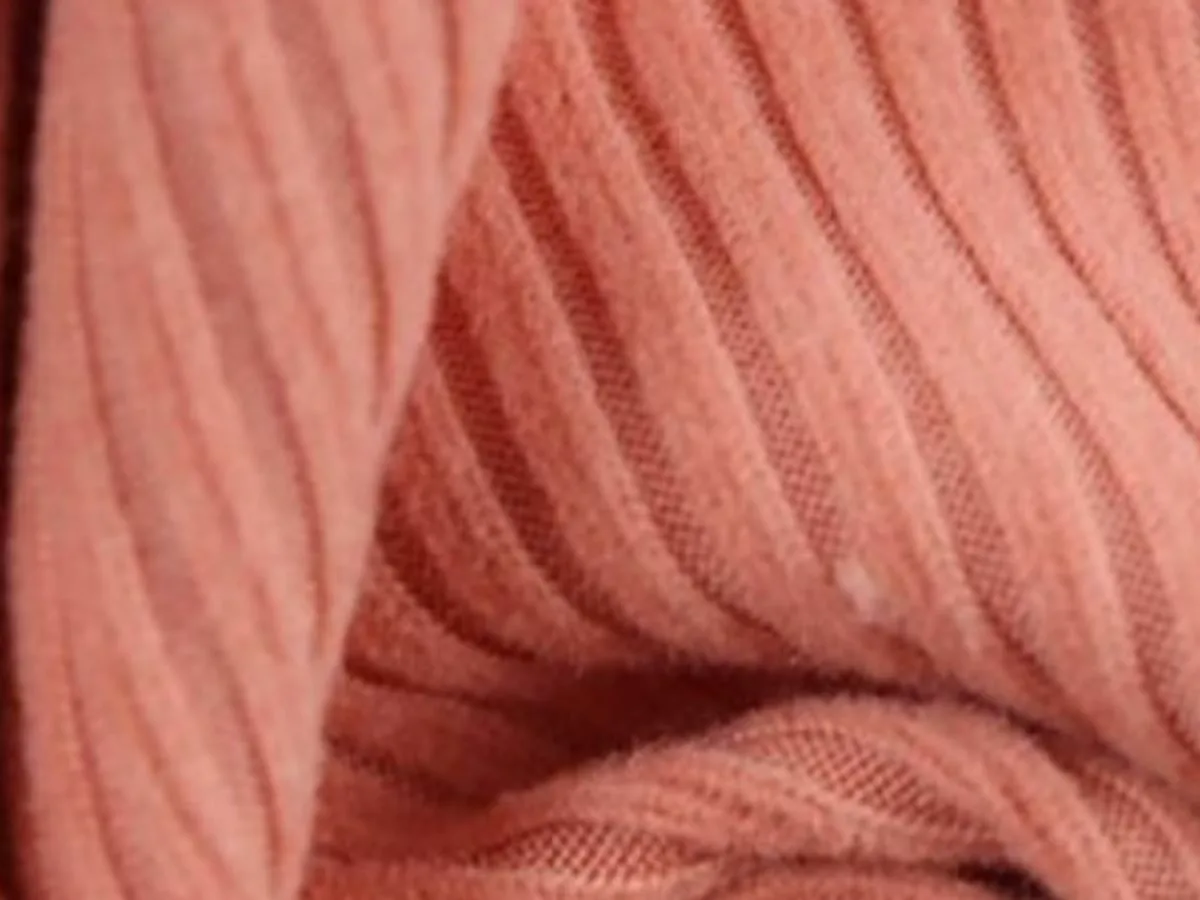
Rib structure for neckbands, cuffs, waist details, fitted tanks and full-rib children's garments. Recovery, widthwise stretch and spirality need checking before bulk.
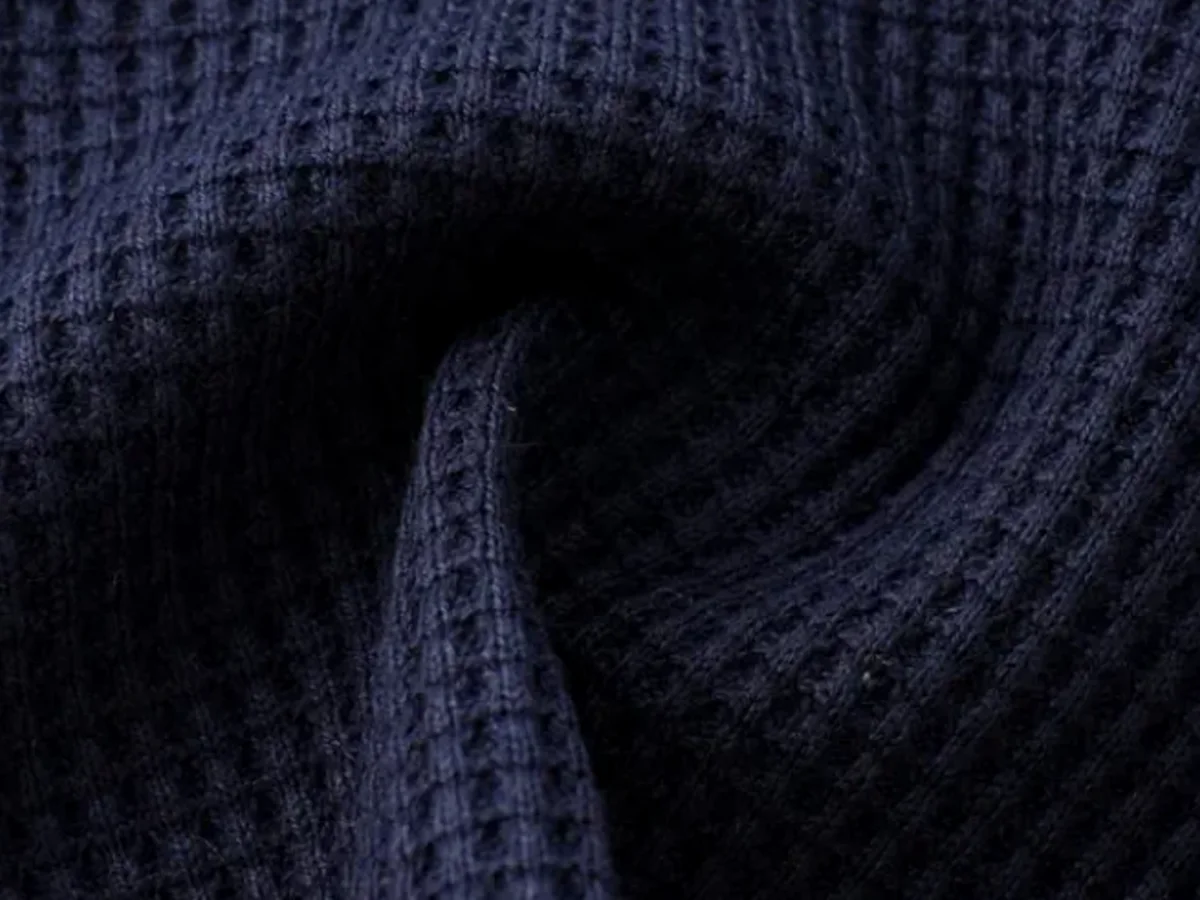
Visible texture for long-sleeve tops, layering pieces and casual seasonal kidswear. Review garment weight, stretch, surface definition and washing effect before approval.
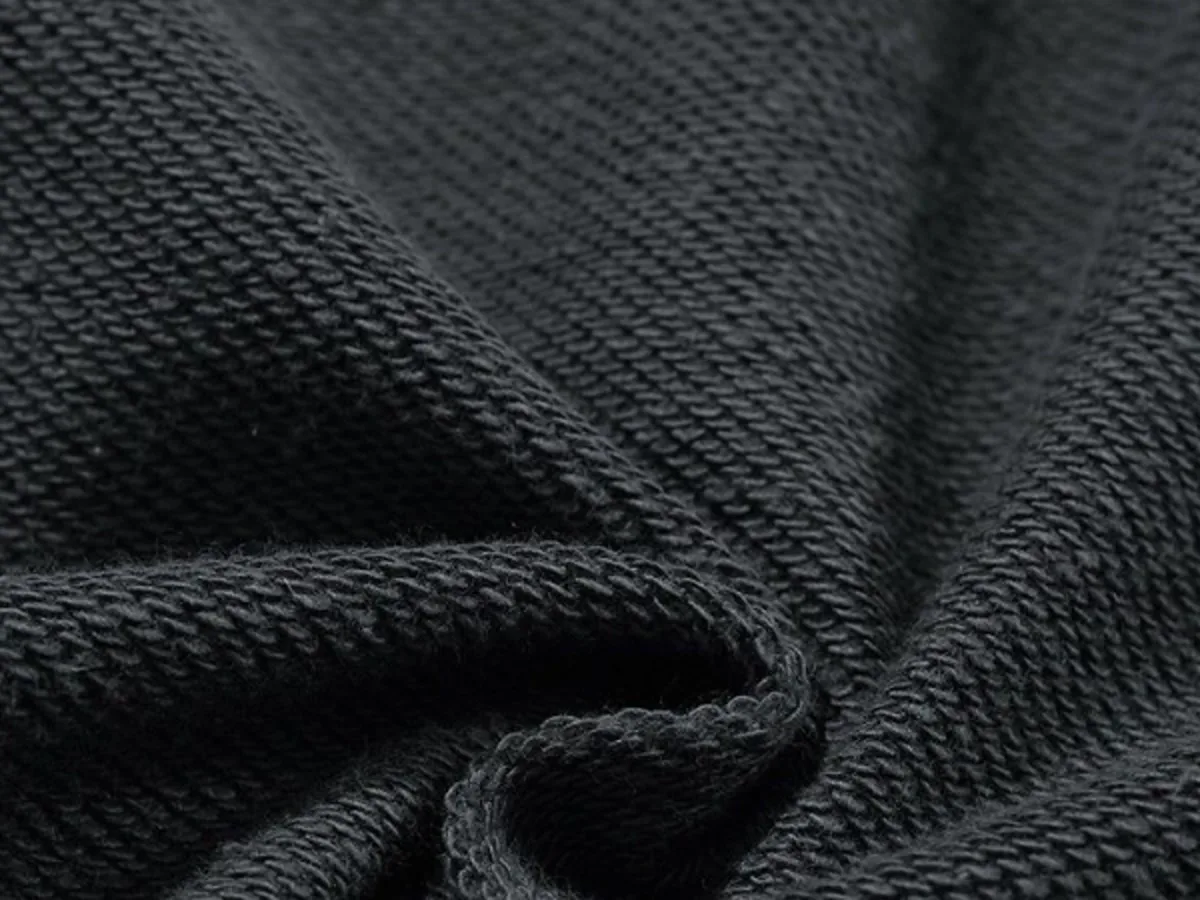
Loopback French terry for lighter sweatshirts, relaxed tops, toddler sets and transitional-season layering. Compare loop quality, weight, hand feel and shrinkage against fleece.
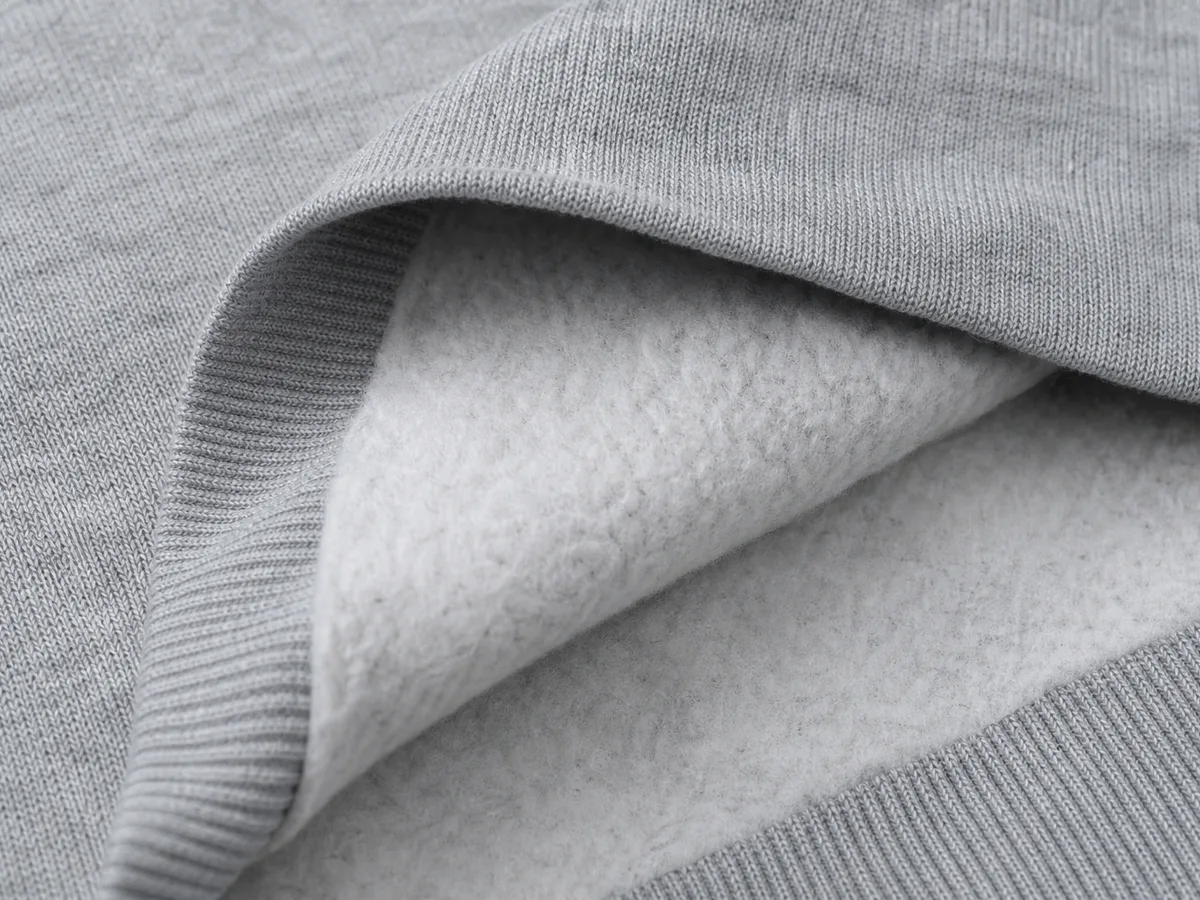
A practical route for children's hoodies, sweatshirts and joggers when warmth and soft hand feel need to balance. Confirm face and back, pilling expectation, rib balance and wash behavior.
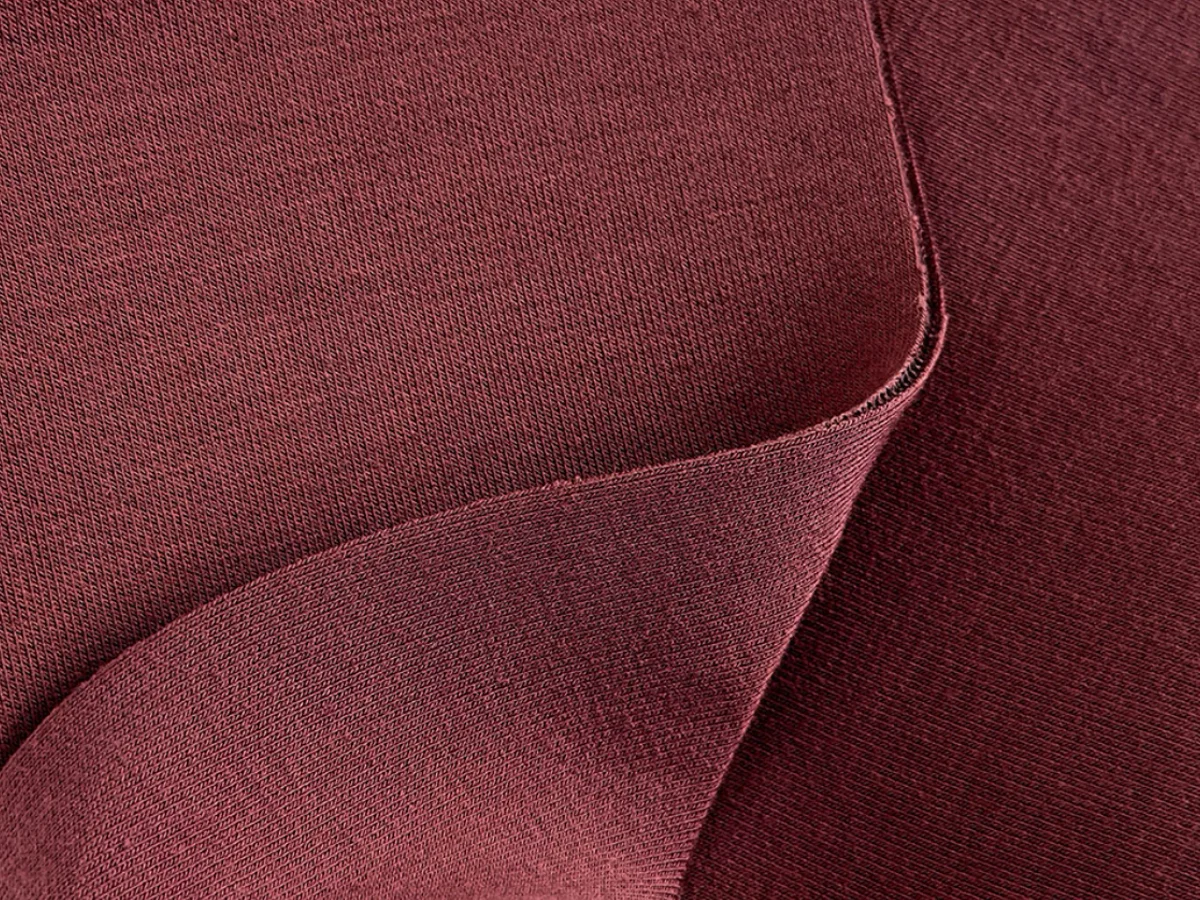
Air-layer, scuba-knit or spacer fabric for cleaner structured hoodies, zip styles and modern outer-layer directions. Review breathability, bulk, recovery and the intended silhouette.
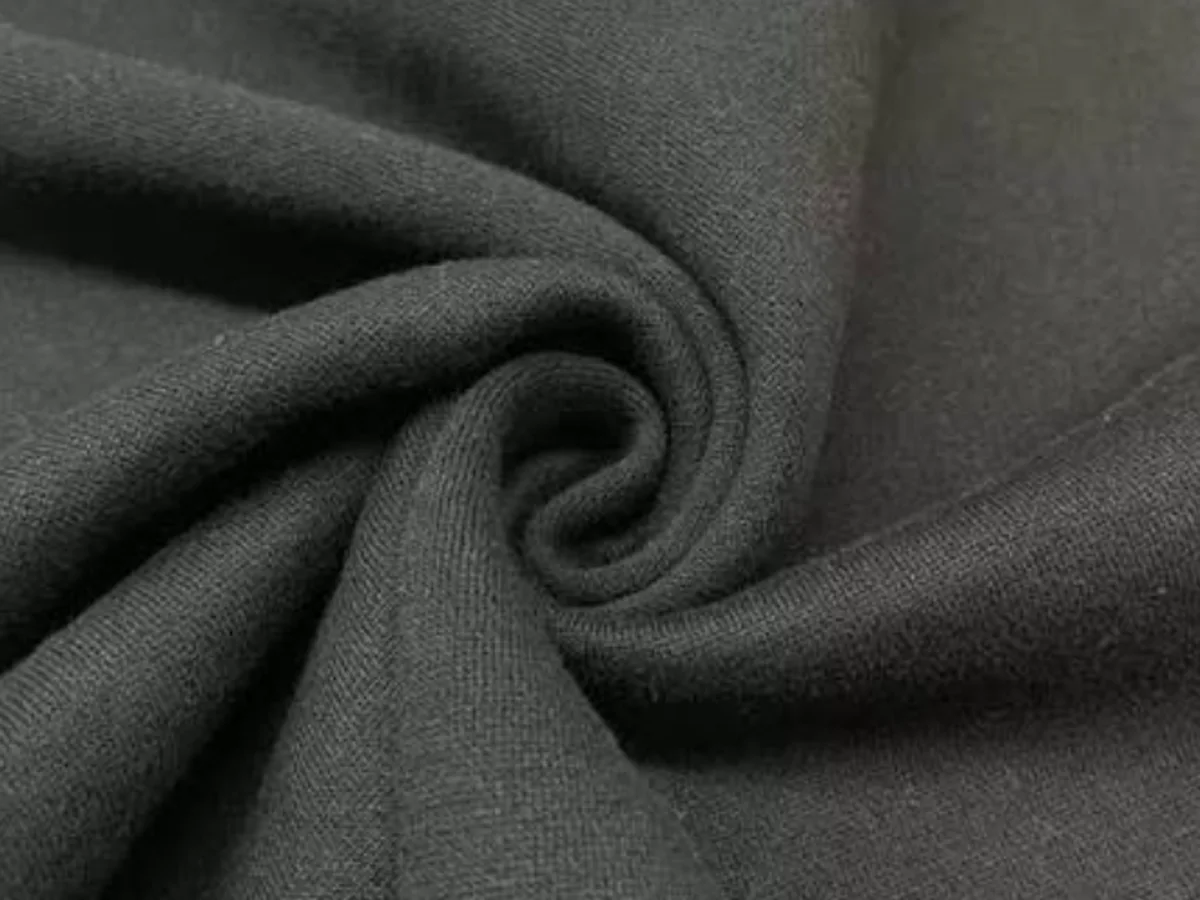
Cotton-poly, CVC or TC fleece can support practical volume programs, heathered children's casualwear and repeat production. Composition, softness, shrinkage and pilling should be confirmed together.
For children’s products, small construction decisions affect skin comfort, movement, wear life and age-specific review. Use the sample to confirm labels, seams, components, adjustability and print route before pre-production approval.
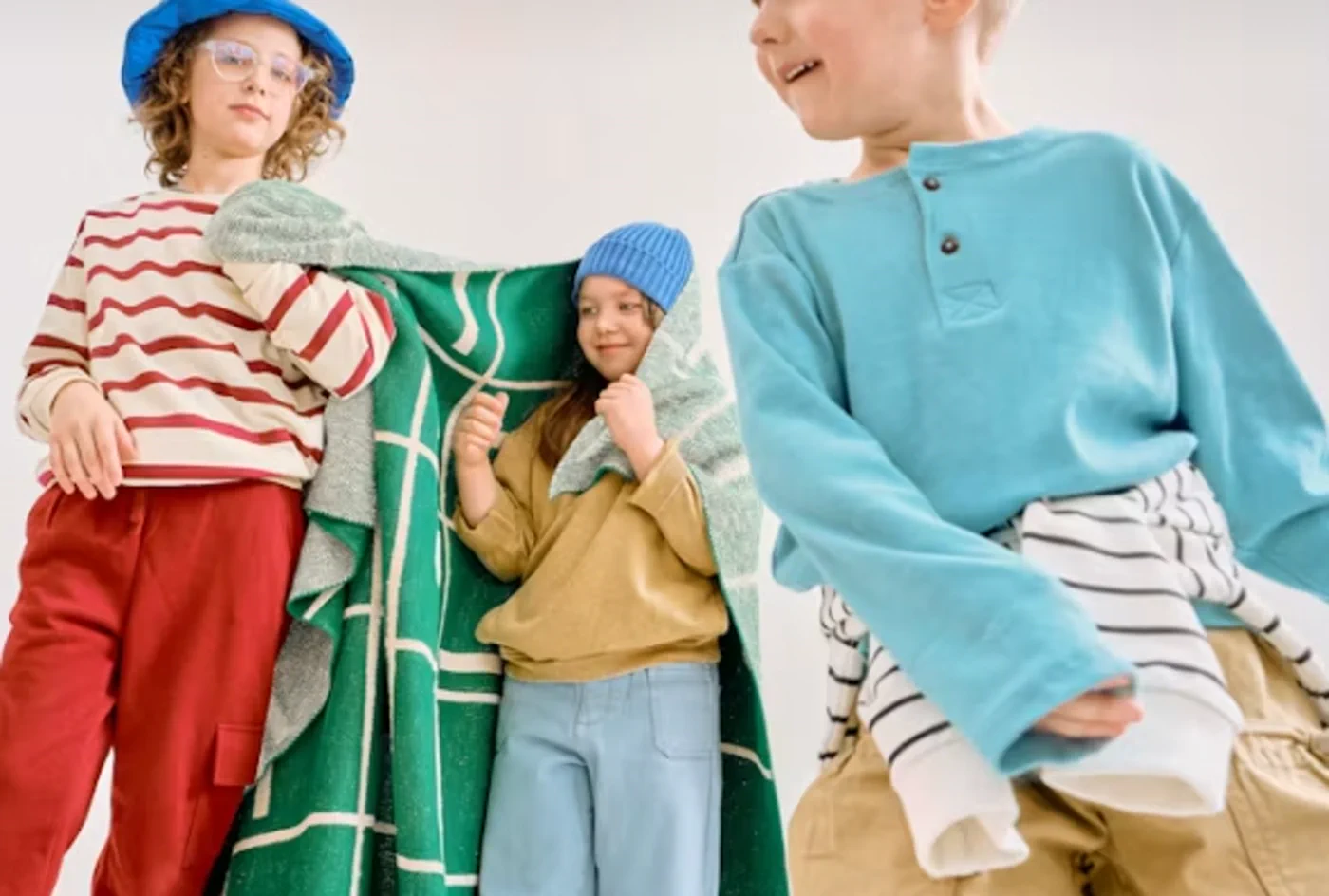
Use printed labels, tear-away or heat-transfer routes, and carefully finished label positions where appropriate. Keep seam allowances, thread ends and inner joins smooth against the skin; confirm hand feel and wash performance on the approved sample.
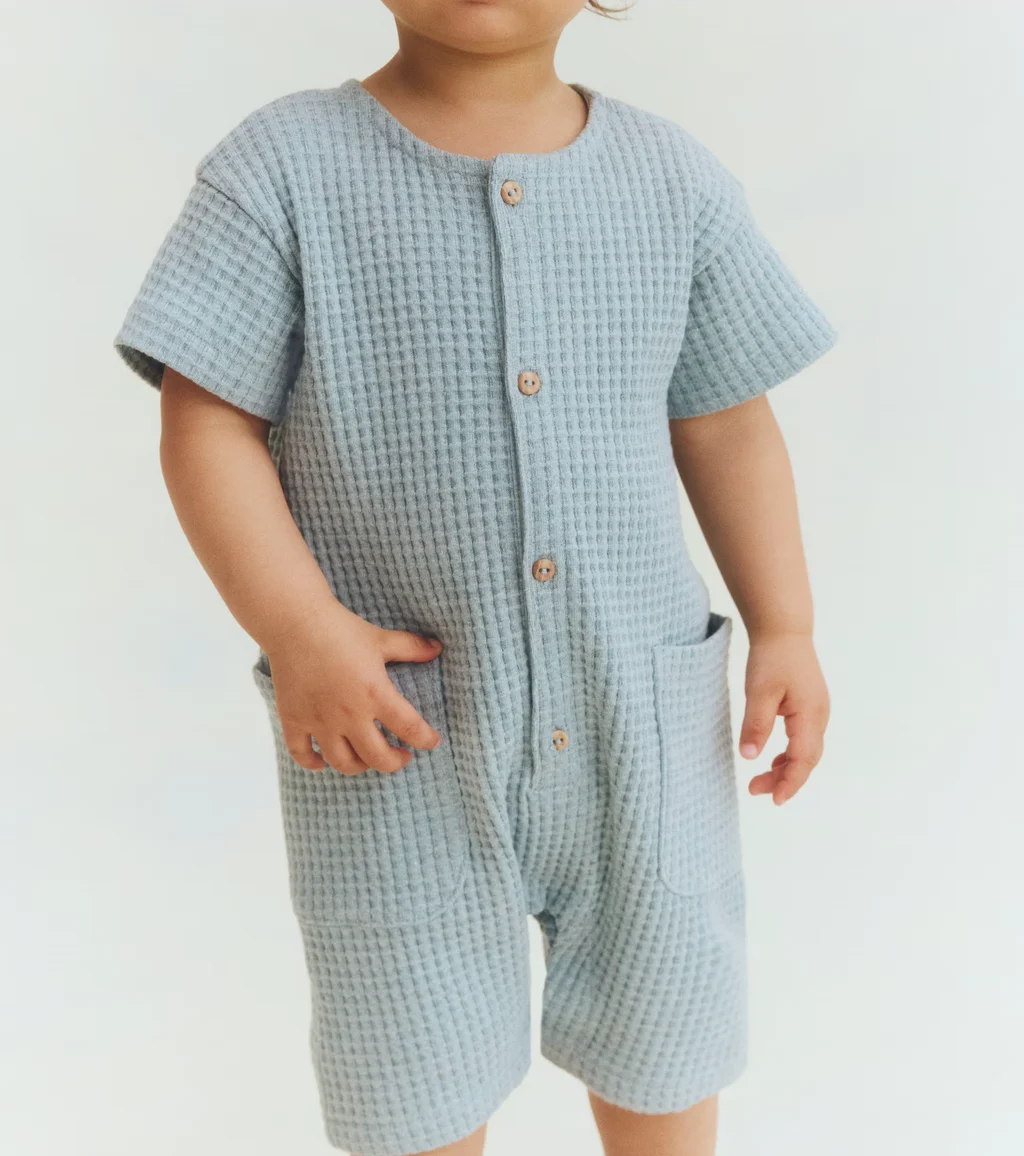
For U.S. children's programs, align the test plan with applicable CPSIA small-parts and component requirements and the intended age range. Confirm button or snap attachment strength, pull-test responsibility and wash durability before bulk approval.
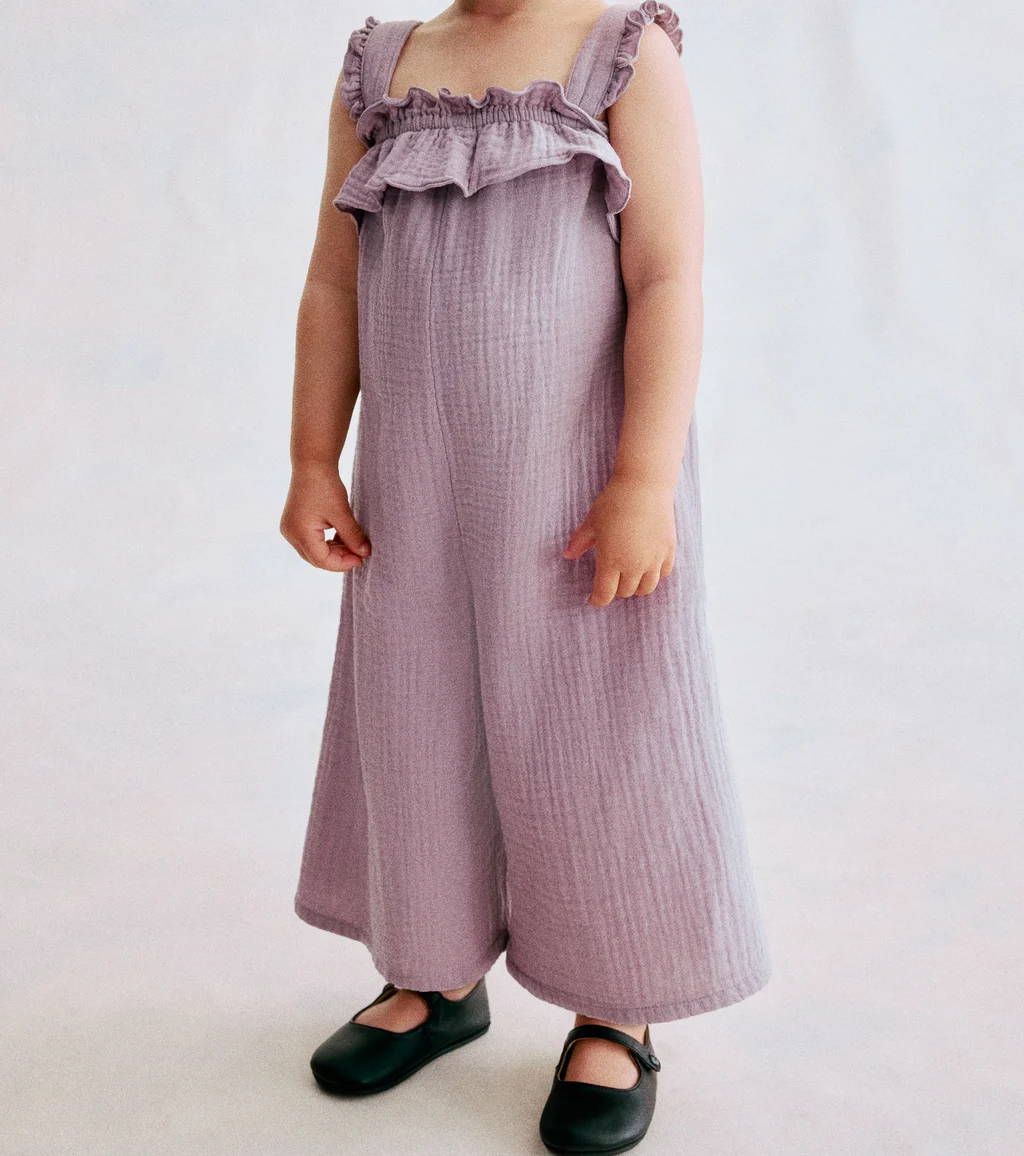
Where drawstrings create an avoidable risk, consider elastic, internal adjusters, tabs, snaps or other cord-free routes. Review opening, tension, length and age-specific requirements for the destination market before approving the sample.
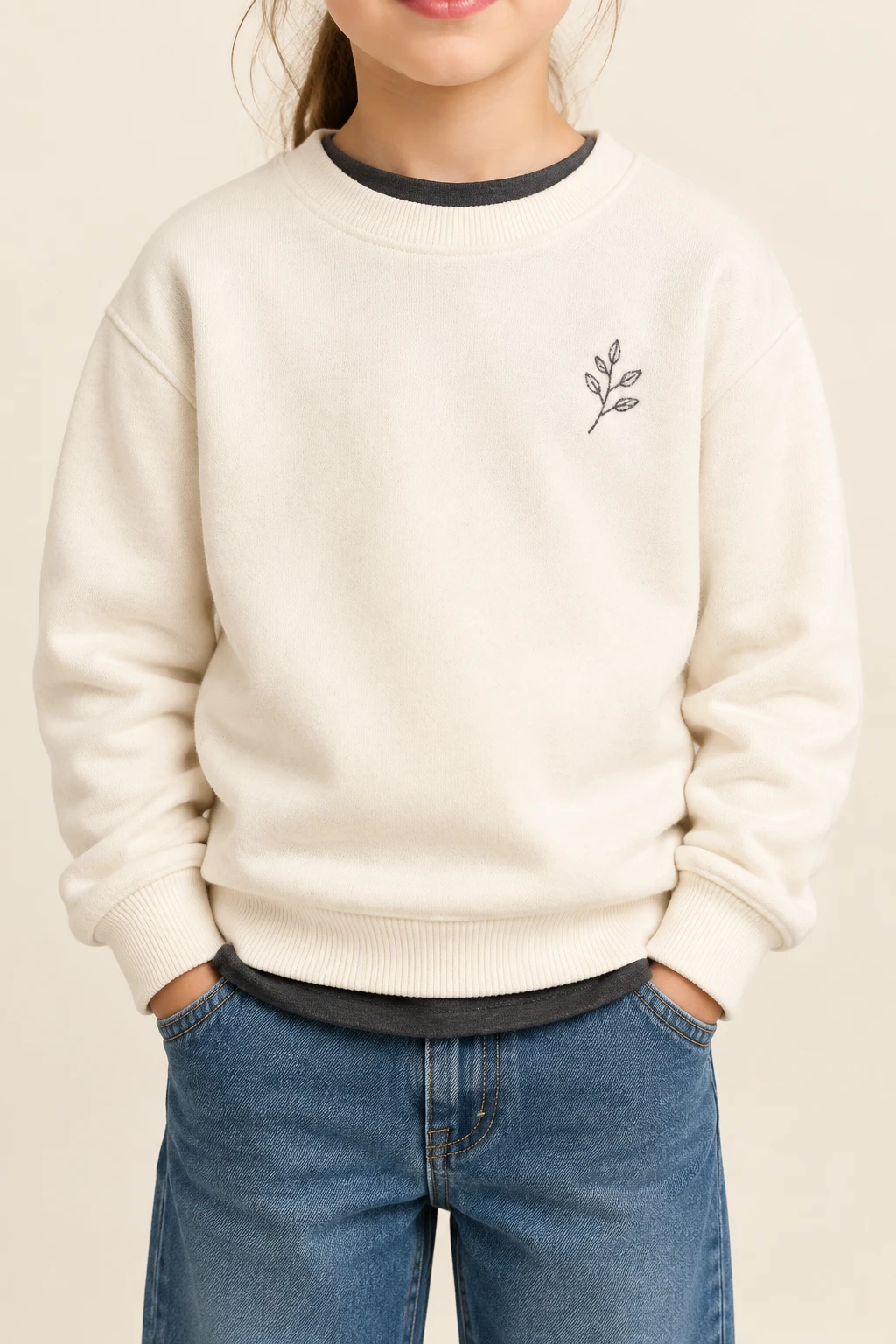
Add reinforcement, bartacks, double-layer panels or seam strategies where children kneel, crawl, climb and play. Balance abrasion resistance, flexibility, bulk and wash appearance against the approved sample.
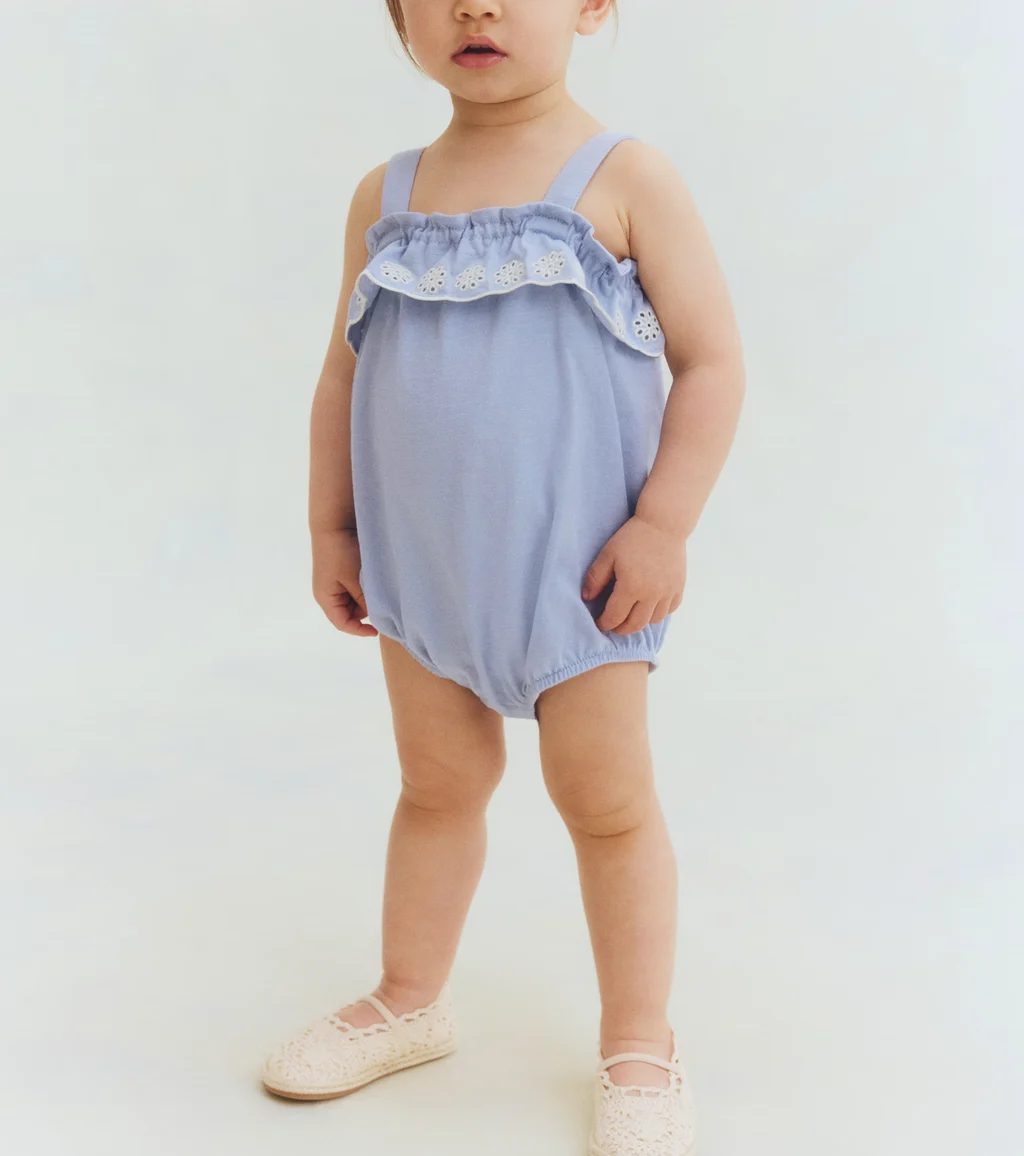
Use snap-adjust waistbands, elastic adjusters, extendable cuffs or carefully planned ease to support longer wear in baby and toddler ranges. Confirm adjustment comfort, usable range and appearance at the smallest and largest intended sizes.
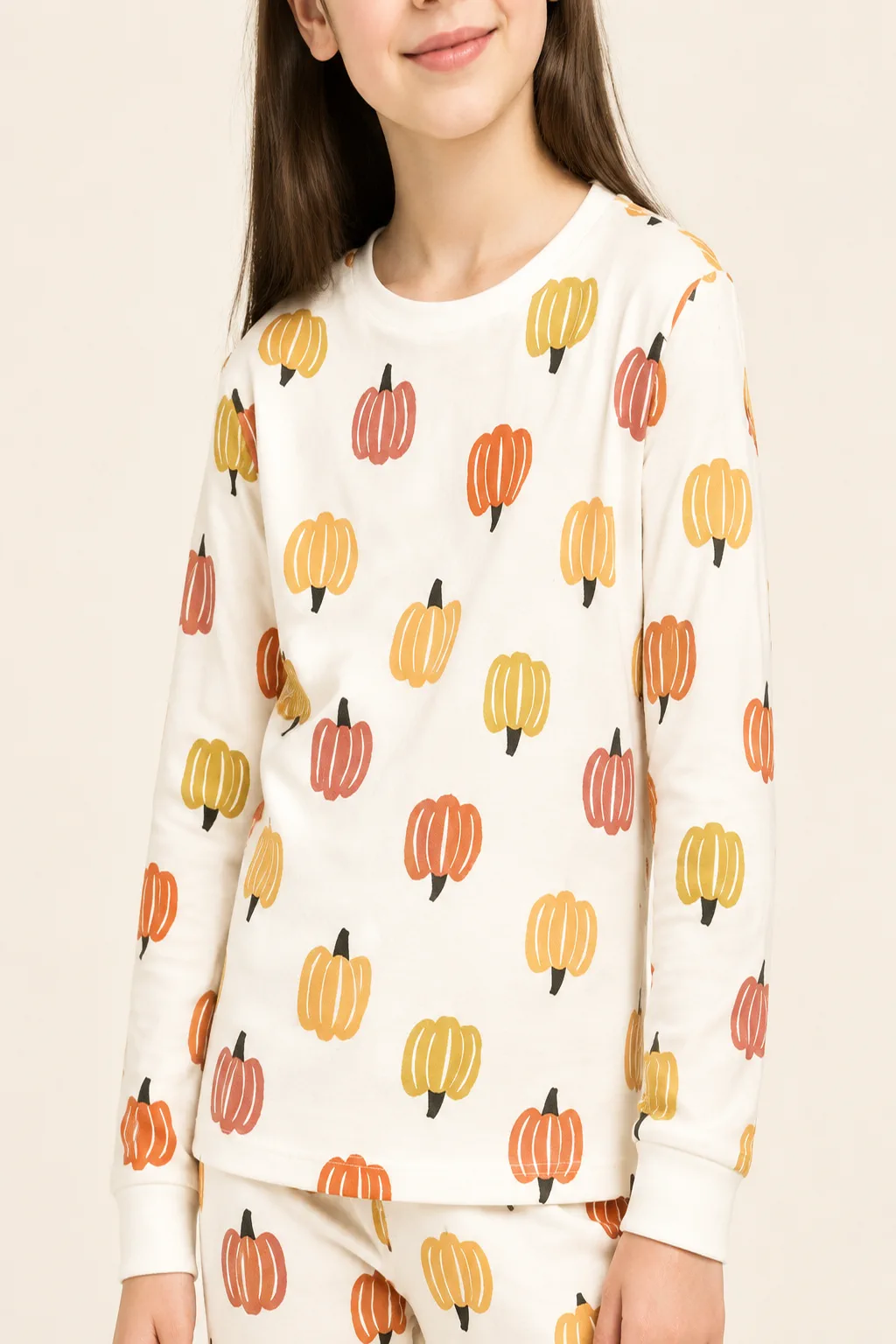
Review the ink or print route against the intended age group and destination-market requirements. Ask the print supplier what composition, safety data or test documentation is available for the selected ink, and agree any required third-party testing before bulk. Confirm hand feel and wash durability on the approved sample. Do not call a print eco-friendly, non-toxic or certified unless evidence supports that exact material and claim.
From custom kidswear printing and embroidery to washing effects and private-label finishing, Hengcheng can coordinate suitable decoration routes with partner resources based on artwork, fabric, quantity and market requirements.
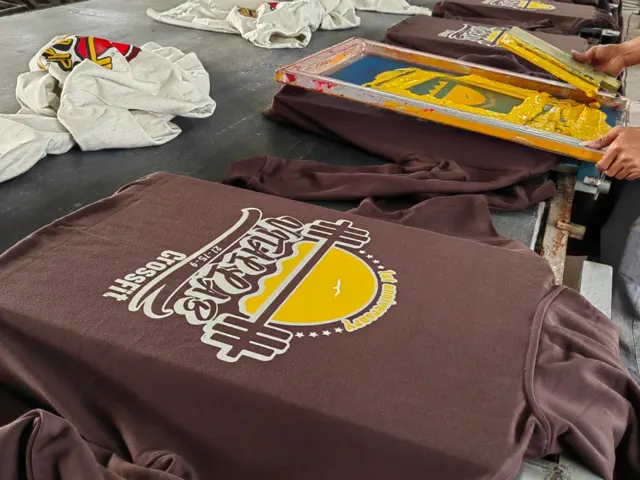
A dependable route for front graphics, back prints, repeat logos and bulk private-label kidswear programs with consistent artwork.
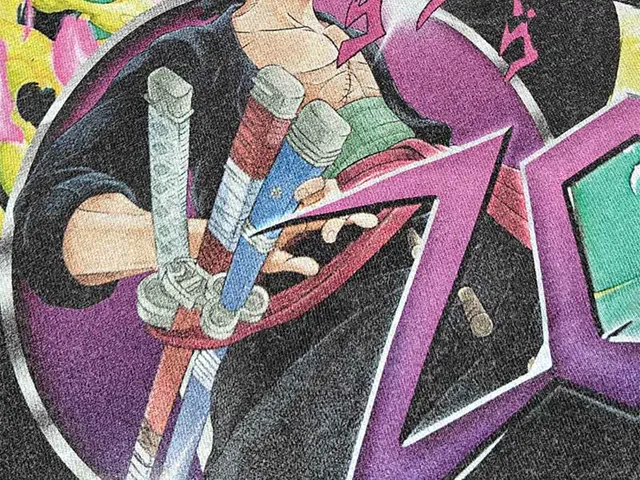
Direct-to-garment artwork direction for suitable cotton-rich kidswear, detailed graphics and selected small-run or test programs.
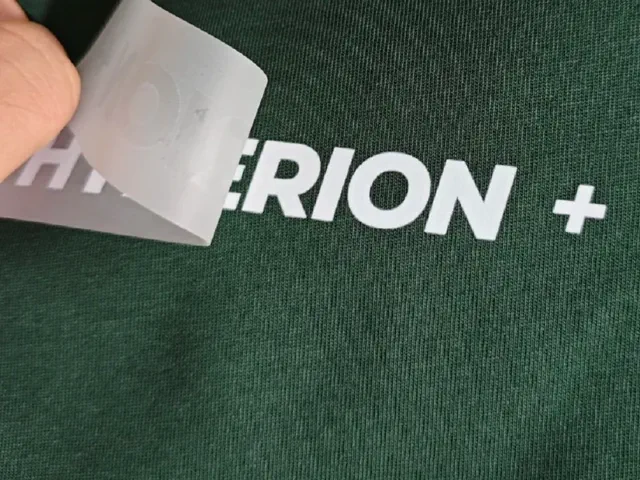
Flexible heat-transfer decoration for logos, multi-color artwork and selected kidswear placements when the artwork and fabric are suitable.
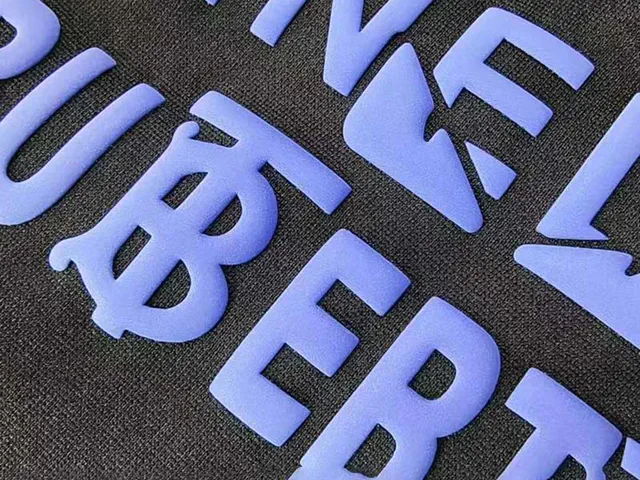
A raised tactile effect for heavier kidswear, playful graphics, chest logos and dimensional brand details.
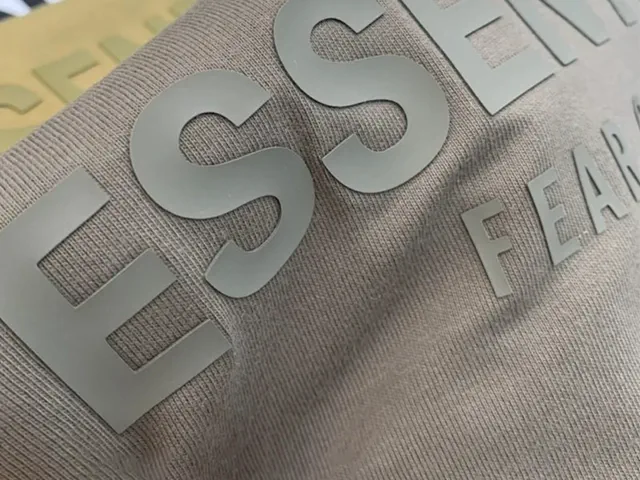
A smooth or dimensional surface effect for bold logos, sleeve marks, trims and selected premium kidswear details.
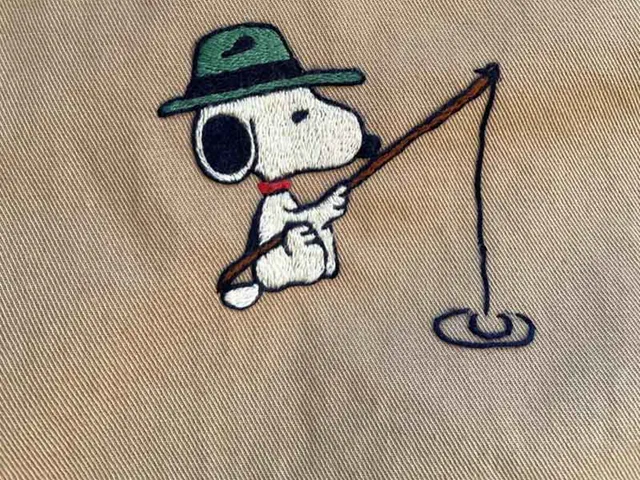
Clean logo embroidery for chest marks, sleeve details, caps or coordinated private-label kidswear collections.
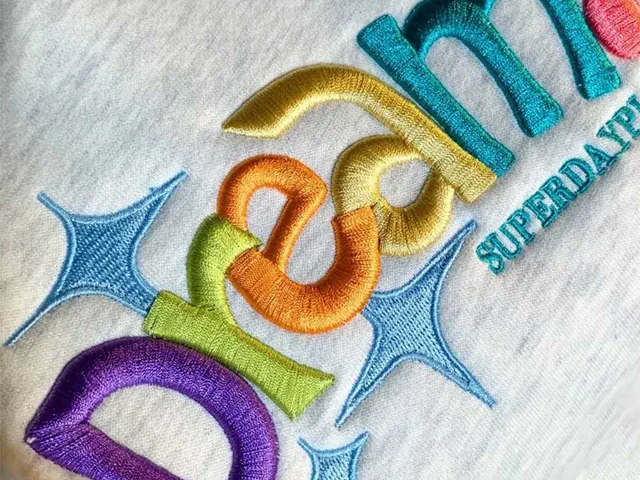
Raised stitch volume for stronger logo presence on heavier fleece, casual kidswear and selected children's garment designs.
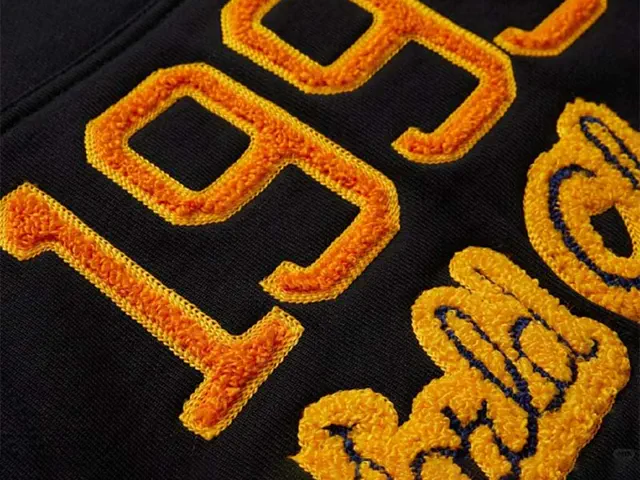
Looped towel-stitch texture for chenille-style logos, tactile graphics and heavier kidswear surfaces.
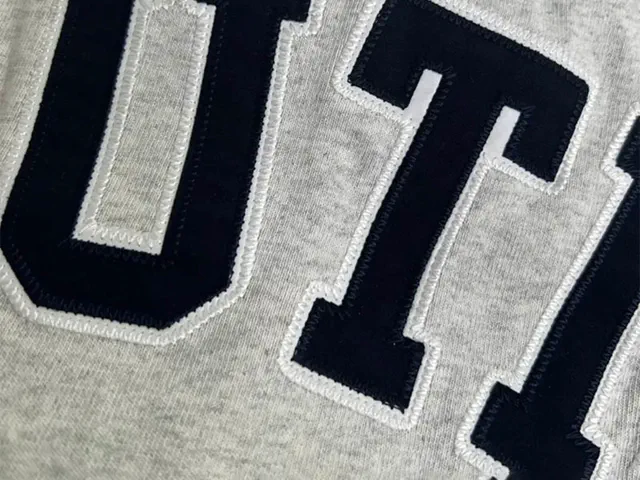
Fabric patches, applique panels and stitched details for collegiate-inspired, playful, streetwear and capsule kidswear styles.
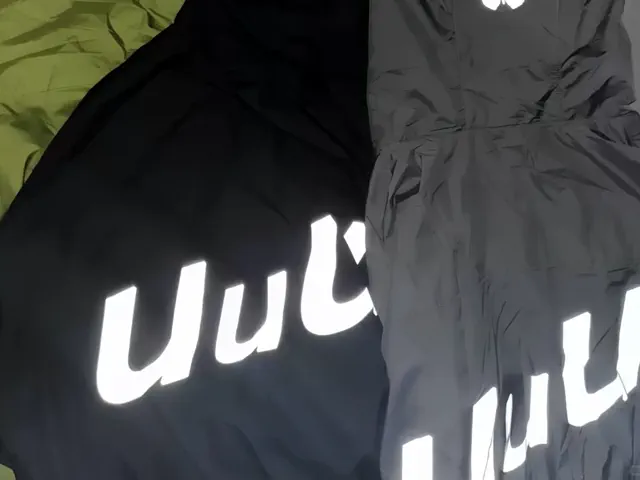
Reflective artwork direction for outdoor, active-inspired, night-use and technical kidswear programs.
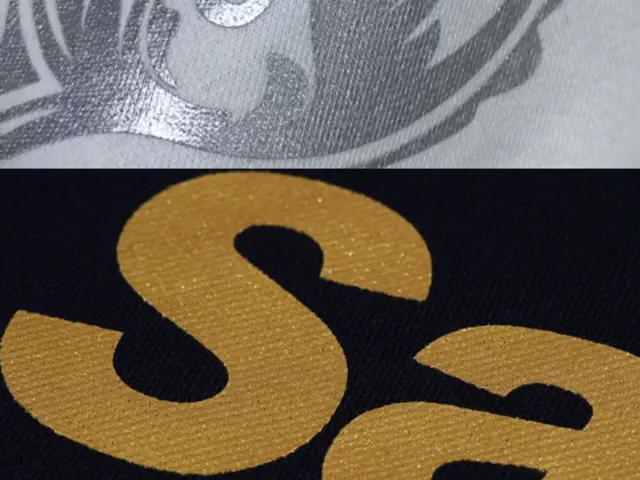
Metallic or foil highlights for fashion graphics, statement logos and limited capsule kidswear collections.
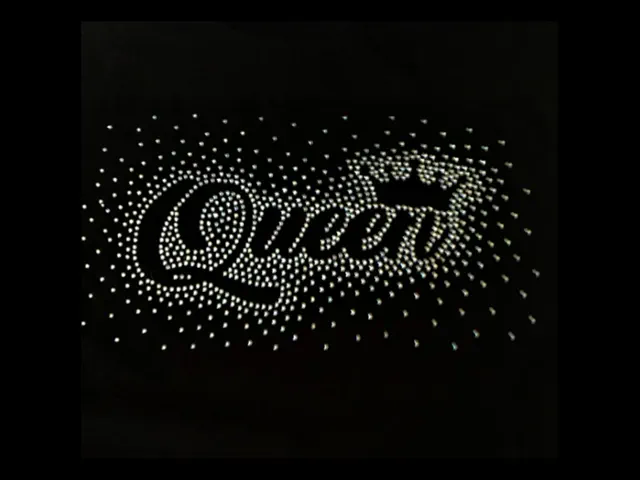
Heat-set embellishment for selected fashion graphics, logo highlights and statement kidswear designs.
For infant styles, loose or detachable decorations are generally avoided; assess the design against the target market’s requirements.
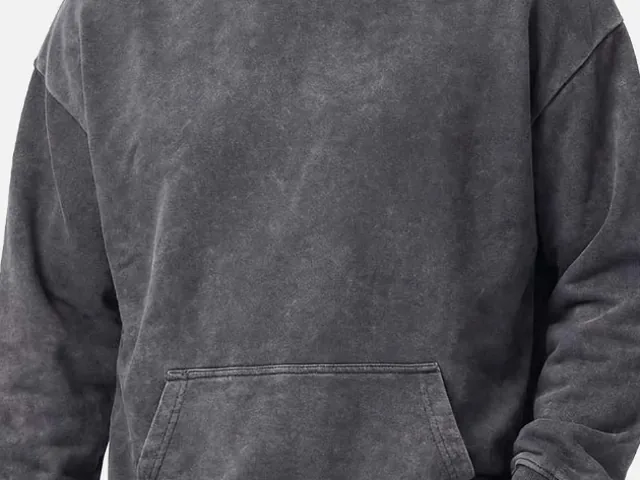
Washed color, pigment dye and worn-in hand-feel direction for relaxed kidswear and casual fleece programs.
Screen printing, DTG, DTF, puff print, rubber or silicone print, embroidery, terry embroidery, applique, reflective, metallic, rhinestone and garment-dye options should be matched to the fabric, artwork, placement, quantity and testing requirements. Final execution is confirmed through sampling and pre-production approval.
Hengcheng combines long-term garment manufacturing experience with a practical OEM workflow for overseas kidswear brands. For children’s T-shirts and basics, sweatshirts, baby bodysuits, toddler rompers and dresses, we help buyers move from product, fabric and fit direction to sample approval, bulk follow-up and shipment-ready QC.
The goal is simple: clearer age and size assumptions, fewer unclear sampling rounds, better production communication and a factory partner that can support repeat kidswear programs as your collection grows.
Foreign-trade garment processing experience across OEM and private-label apparel programs.
Factory-wide production capacity supporting sampling, bulk orders, repeat programs and seasonal replenishment across apparel categories.
Repeat-customer cooperation reflects stable service, communication and production follow-up.
Half of our cooperative customers have worked with us for more than 10 years.
Factory-wide fabric directions include jersey, rib, interlock, fleece, French terry and woven options; kidswear composition and suitability are confirmed by product brief and sample.
Experience supporting brand customers across custom apparel and private-label production needs.
Figures are Hengcheng’s internal factory and customer-cooperation indicators, not Kidswear-only capacity or certification claims. Final production plan, timeline, MOQ, testing and quotation depend on the product, age range, fabric, decoration, quantity and buyer requirements.
Keep age and market assumptions, size rules, fabric, trims and testing responsibilities visible before moving into bulk.
Confirm product, age range, destination market, reference and expected quantity split.
Check fabric construction, weight, hand feel, color and sourcing assumptions.
Separate style, color/size split, trims, print, labels and packing in the quote brief.
Use the agreed sample round to review fit, movement, construction and materials.
Consolidate comments and identify what changed before the next sample or approval.
Approve the final sample, fabric, trims, artwork, labels and order details in writing.
Follow agreed checkpoints and review shipment against approved references and buyer requirements.
Approved materials, age-specific sizing, construction, trims, artwork, labels and packing need to remain traceable from sample to bulk. The buyer should confirm any market, retailer and laboratory requirements applicable to the specific product.
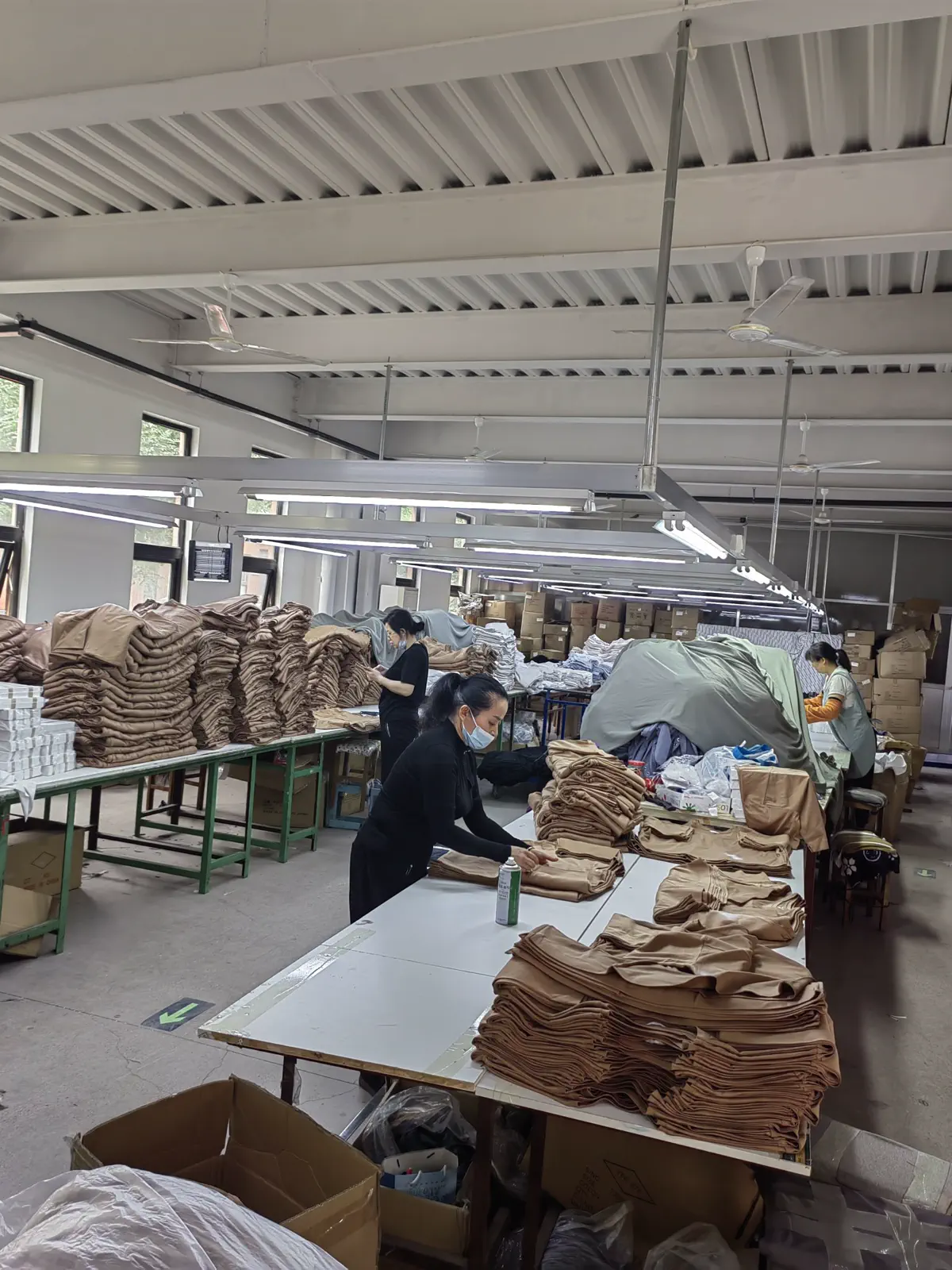
A reference image is useful, but a structured brief makes sizing, fabric, market requirements, sample scope and commercial assumptions reviewable.
Clear scope helps buyers compare suppliers on development, approvals and production control, not only the quoted unit price. Commercial terms and compliance depend on the specific style and destination market.
This page covers four kidswear OEM directions: kids T-shirts and everyday basics; hoodies, sweatshirts and suitable layering pieces; baby bodysuits and toddler rompers; and kids dresses or casual one-piece daywear. Product construction, age range, material and size grading are reviewed against the buyer’s brief. For children’s sleepwear or family-matching pajama sets, see our dedicated Sleepwear page.
Baby and toddler briefs need product-specific review of age range, fabric construction, fit, openings, closures, small components, labels and intended market. Share the reference or tech pack so feasibility and buyer requirements can be confirmed before sampling.
Yes, kids dresses and casual one-piece daywear can be reviewed against the reference, including fabric drape, neckline, sleeve and skirt shape, lining, closures, size range and branding. Final construction, sample scope and quotation depend on the approved brief.
The typical MOQ is 100–200 pieces per style per colorway. Final quantity depends on fabric, construction, decoration, size breakdown, trims and packaging.
Record the approved fabric, shade, measurements, construction, trims, artwork, labels and packout. Ask the factory to confirm how these references are used at pre-production and bulk checkpoints, and review proposed substitutions before cutting.
Include product type, intended age range, destination market, reference/tech pack, size chart, expected units by color and size, fabric/trim direction, branding, packaging and target delivery window.
The buyer should identify applicable destination-market and retailer requirements and their testing/compliance owner before bulk. The factory can review manufacturing specifications and checkpoints, but does not replace the buyer’s compliance partner or laboratory.
Share the intended age band, body-height or garment measurements, destination-market size chart, fit preference and any grade rules. Age labels alone are not a universal sizing standard; confirm the size set and sample measurements before bulk.
Organic cotton can be considered when a suitable fabric source is available for the brief. Confirm composition and sourcing records for the selected material, and verify any organic certification or chain-of-custody claim for that exact fabric before using it in product marketing.
Requirements can vary by product classification, age, intended use, materials and components. The responsible brand or importer should confirm applicable testing, labels and certificates with current CPSC guidance and a qualified compliance partner; the factory can align agreed product information and sample handoffs but does not replace those duties.
Depending on the product, options may include an adjustable waistband, turn-back cuffs or planned ease. Confirm comfort, appearance, grading and durability across the approved size set; growth features do not replace correct sizing or product-specific safety review.
Kidswear sampling usually takes 2–4 weeks. Bulk production usually takes 4–6 weeks after sample approval and deposit. Timing depends on fabric availability, order quantity, decoration and packing requirements; shipping time is separate.
Kidswear samples are usually USD 50–80 per piece, excluding shipping. The exact fee depends on fabric, construction and decoration complexity; any deduction from a bulk order is confirmed case by case.
Yes. Hengcheng is a direct garment manufacturer in Weifang, Shandong, China. For children's clothing OEM and private-label programs, buyers can discuss product scope, sampling, materials, labels, packing and QC directly with the production side.
We support bank transfer (T/T) and letter of credit (L/C). Payment terms are confirmed in the order documents.
Share reference images, whether the brief is for kids T-shirts, hoodies, baby bodysuits, toddler rompers or dresses, plus intended age range, destination market, fabric direction, size range, quantity, branding and packing requirements. Hengcheng can review production fit before sampling or bulk quotation.