Address
JINKE Technology Industrial Park, No. 3188 ChunYuan Road, Weifang City, Shandong Province, China
Work Hours
Monday to Friday: 7AM - 7PM
Weekend: 10AM - 5PM
Address
JINKE Technology Industrial Park, No. 3188 ChunYuan Road, Weifang City, Shandong Province, China
Work Hours
Monday to Friday: 7AM - 7PM
Weekend: 10AM - 5PM

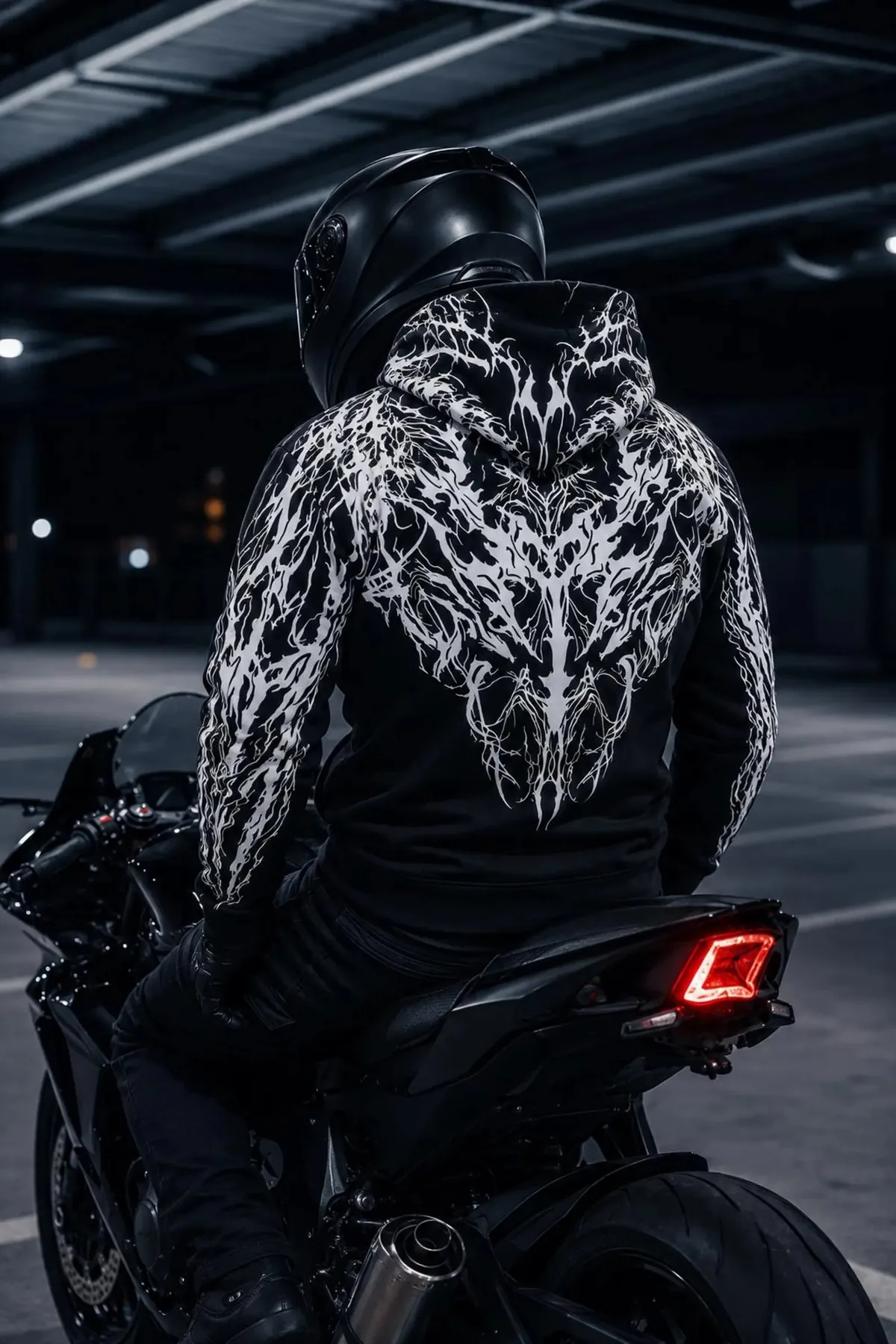
A motorcycle-inspired hoodie can look right in a reference photo and still feel wrong when worn. A dropped shoulder, long sleeve or large hood may suit a static streetwear image but restrict movement, bunch under an outer layer or change the intended silhouette. Buyers should decide fit from the target customer, styling and actual use, then turn that direction into measurable garment specifications.
The short answer: choose a fit block (oversized, boxy, regular or layering) and define it with a base-size chart, measurement method, tolerances and sample comments. "Make it oversized" is not a production specification. Chest width, shoulder drop, body length, sleeve length and hood dimensions need to work together.
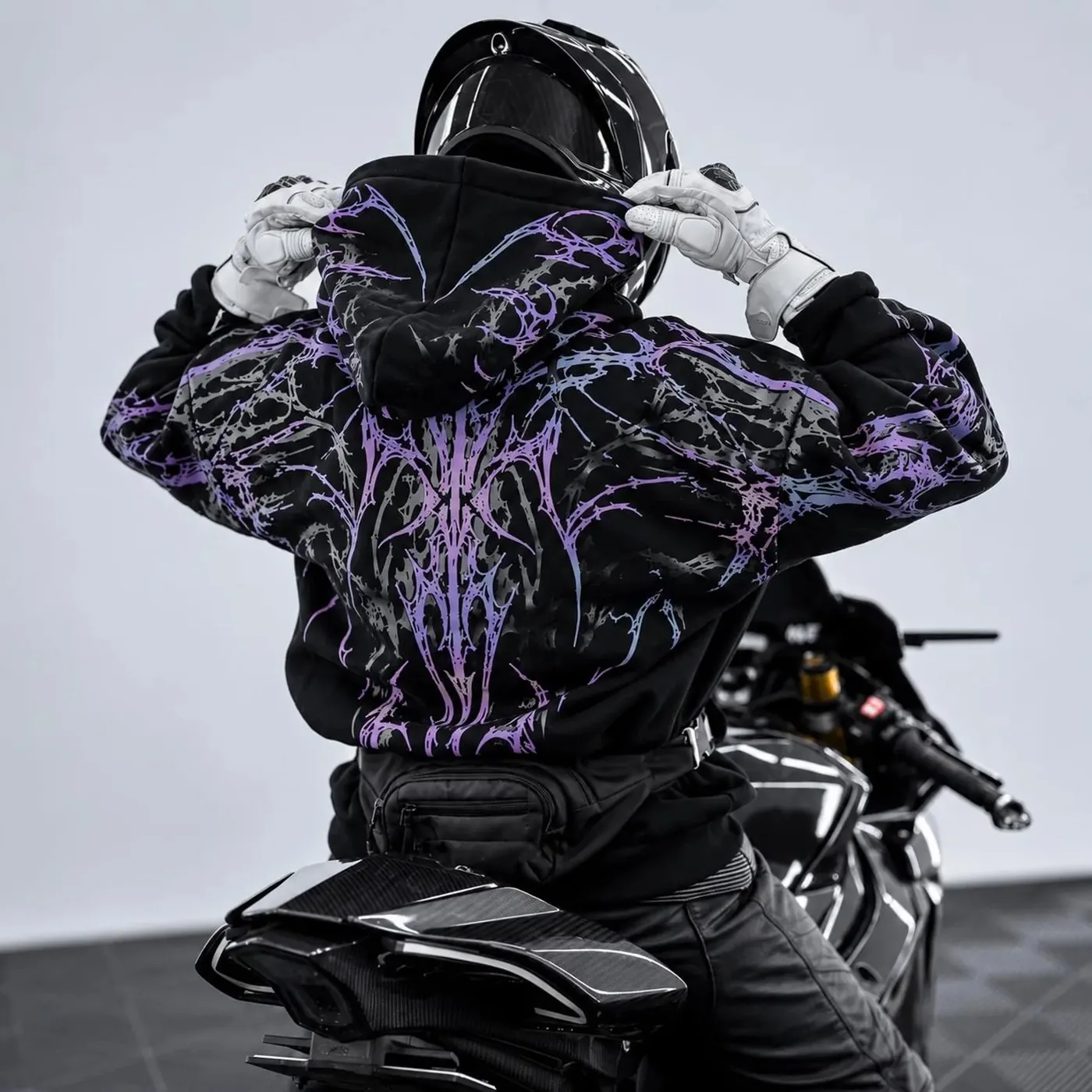
A reference image is useful for proportion and styling, but it rarely shows the garment's full specification. A factory needs clear views and comments before pattern development can move efficiently.
Each fit creates a different brand impression and affects fabric consumption, grading and wear comfort. Decide which block best matches the product rather than combining fit words that may conflict.
| Fit direction | Typical proportion | Best suited to | Main risk to control |
|---|---|---|---|
| Oversized | Added width and ease through body and sleeves | Layering and relaxed streetwear styling | Garment can look simply too large if length and shoulder drop are not balanced |
| Boxy | Wider body with a shorter or squarer proportion | A defined contemporary silhouette | Small changes to body length or width can change the whole look |
| Regular | Familiar ease with more conventional shoulder and sleeve | Everyday wear and broader fit preference | May lose the distinctive reference shape |
| Layering fit | Extra room over a base layer or under an outer shell | Seasonal or functional styling | Excess volume can bunch at the shoulder, underarm or cuff |
Use a fit reference garment or annotated reference images where possible. Add front, back and side views, identify the intended base size, and mark the key proportions. A photo should guide the conversation, not replace the approved size chart.
A hoodie can match chest width and still look wrong if sleeve length, body length, shoulder or hood proportion is off. Prioritize points of measurement (POMs) that define the chosen block, and document how each point is measured.
| POM | Fit effect | Buyer instruction to clarify |
|---|---|---|
| 1/2 chest | Body volume and layering ease | Measurement position and finished-garment tolerance |
| Shoulder width or drop | Sets regular or dropped-shoulder appearance | Shoulder seam location and whether width is measured straight or across the back |
| Body length | Controls cropped, standard or extended proportion | High-point shoulder to hem, and whether front/back lengths differ |
| Sleeve length | Affects coverage and visual balance | Shoulder seam to cuff, or centre-back method for dropped shoulders |
| Bicep and cuff opening | Controls movement and sleeve volume | Whether cuff is relaxed or stretched for measurement |
| Hood height and opening | Changes the visual scale and how the hood sits | Flat dimensions, seam lines and intended layering |
| Pocket position | Affects appearance, access and balance | Reference points from centre front, hem or side seam |
The same POM name can be measured differently by different teams. Include a measurement diagram, base-size sample measurements and agreed tolerances. State which points are critical to fit and which can use a wider tolerance; do not assume one tolerance works for every measurement.
The word "motorcycle-inspired" may describe a fashion direction rather than protective use. If the garment is intended for everyday streetwear, assess comfort and styling. If it will actually be worn while riding, review the relevant posture and layering needs separately. Neither review proves protective performance.
For a fashion-focused product, buyers can still check practical wear points:
If the product is meant to provide abrasion resistance, impact protection or another certified function, that is a separate technical and compliance program. Define the required standards, materials, testing and claims with the buyer's qualified compliance partners. Do not infer protective capability from a fashion sample.
The first sample should settle the base silhouette and construction before the team spends time perfecting color or decoration. Send one consolidated comment set so the pattern and sample team are not working from conflicting feedback.
| Review stage | What to decide | Evidence to keep |
|---|---|---|
| Brief review | Fit block, target customer, use and reference proportions | Annotated images and measurement diagram |
| First fit sample | Body, shoulder, sleeve, hood, pocket and hem balance | Actual measurements plus front/side/back photos |
| Revision sample | Whether each requested change solved the issue without creating another | Numbered comments linked to photos and revised POMs |
| Pre-production approval | Final measurements, materials, trims and workmanship standard | Dated approved sample or controlled sample record |
| Bulk handover | How the approved standard will be checked in production | Size spec, tolerance table and agreed inspection checkpoints |
Use specific comments. For example: "Reduce size-M body length by 2 cm; keep chest width unchanged; move pocket opening up 1 cm from the approved sample." Avoid "make it more fitted" unless you also identify where and by how much.
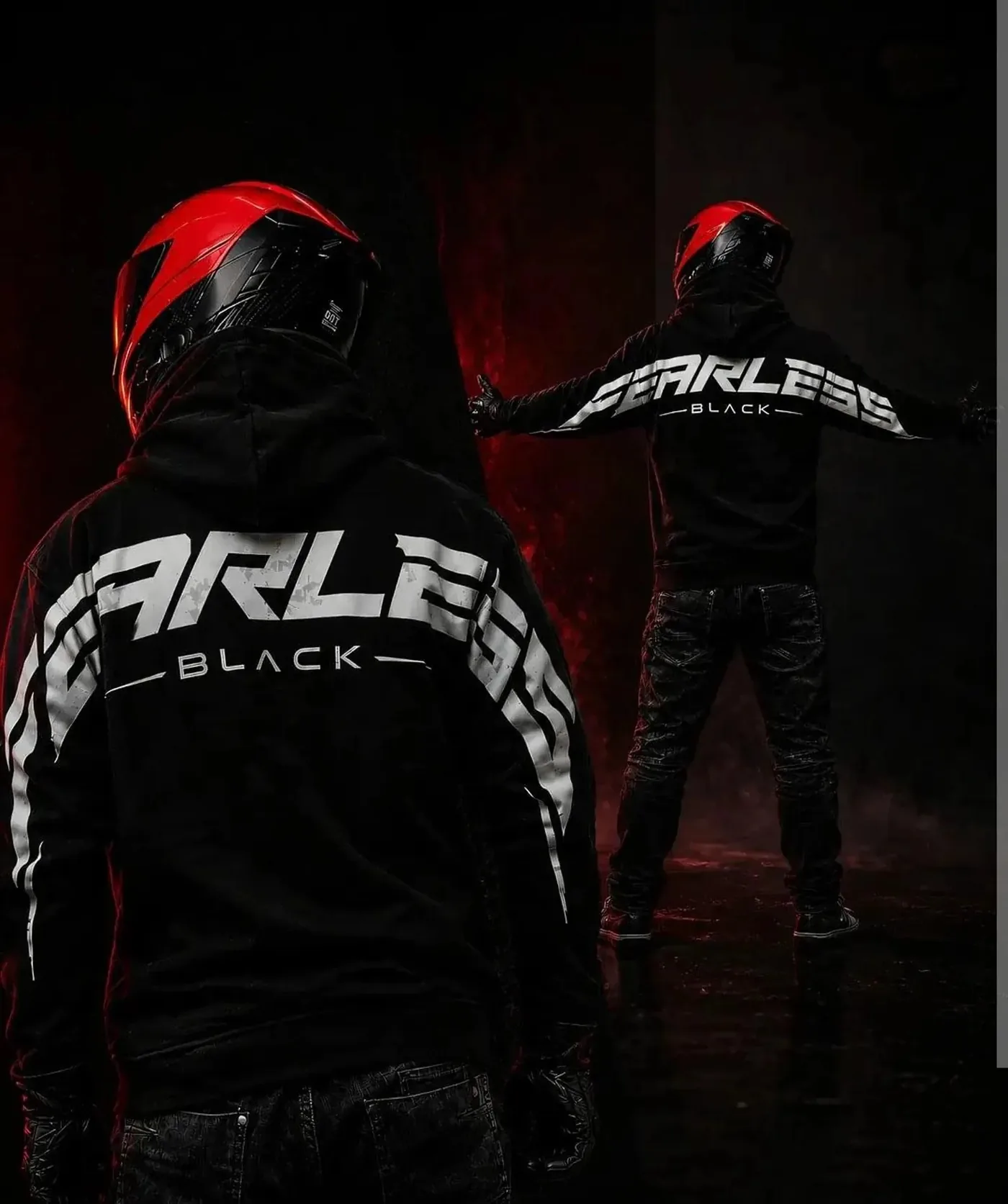
Fit revisions become expensive when several variables change at once or when decisions are not recorded. Keep the development sequence clear and confirm any cost or timing effect before approving a change.
A fabric change can affect drape and finished measurements even when the pattern is unchanged. Similarly, a larger hood or more panelled construction can change sewing time and balance. When a change is made, ask whether the pattern, sample, quote, MOQ or delivery plan needs to be reviewed again.
Fit itself is only one part of the quote. Pattern work, sample revisions, fabric selection, size range, color count and decoration complexity determine how much development and production coordination the style needs.
| Decision | Potential commercial effect | Buyer action |
|---|---|---|
| More sizes or extended grading | More size-specific measurements and fit checks | Identify the core size range and provide the grading rule or reference chart |
| Multiple colors | More material/color coordination and possible fabric minimums | Share quantity by color, not only total units |
| Heavy or specialty fabric | Can affect consumption, sewing handling, shipping weight and material availability | Give a target hand feel or GSM range and ask for realistic options |
| Reflective details or paneling | Adds placement, construction and sample approval steps | Provide artwork/placement references and identify critical dimensions |
| Late fit changes | May require a new sample and delay material or bulk release | Freeze fit before final decoration and production approval |
| Low total quantity | Setup and material minimums may weigh more heavily per unit | Simplify colors and custom components for an initial run where possible |
Do not assume a universal MOQ or sample fee. Ask the factory to quote against the exact style, fabric, color/size breakdown and decoration package, and request that assumptions are listed separately.
A factory can give a more useful estimate when the brief separates confirmed requirements from open choices. A reference image alone may support an initial discussion, but it is not enough for a firm quotation or production commitment.
| RFQ input | Useful detail |
|---|---|
| Product and use | Hoodie type, target customer, season and fashion use versus protective function |
| Reference pack | Front, back, side and close-up images; sample garment if available |
| Fit direction | Oversized, boxy, regular or layering, with notes on intended proportions |
| Size information | Base size, finished-garment POMs, grading and tolerances if available |
| Fabric direction | Composition, GSM range, surface/inside finish, hand feel and color |
| Construction and trims | Hood, pocket, cuff, hem, zipper/drawcord and seam details |
| Decoration | Reflective print/piping placement, artwork, scale and color references |
| Quantity plan | Total units and breakdown by size and color |
| Commercial timing | Target sample date, bulk delivery window, destination and target cost range |
| Quality expectations | Sample approval process, critical fit points and any buyer-defined inspection standard |
If some items are undecided, mark them as options for the factory to compare rather than implying they are final. This makes the quotation easier to evaluate across suppliers.
From a China OEM/private-label factory perspective, we would separate the reference into pattern and fit, fabric, reflective execution, trims, labels, quantity and packing. Before quoting firmly, we would want to know which details are fixed, which can be proposed, and whether the garment is fashion-focused or has additional technical performance requirements.
For sampling, we would first align the base size and key measurements, then review the garment on-body and against the chart. After the buyer confirms fit and material, the final sample and written comments can become the reference for bulk. A realistic plan also accounts for fabric availability, color count, decoration setup and the time needed for revisions. No specific MOQ, price or lead time should be assumed before those inputs are reviewed.
Most preventable issues come from vague direction or late changes rather than from one difficult measurement.
| Mistake | Likely result | Better practice |
|---|---|---|
| Saying only "oversized" | Different teams imagine different proportions | Choose a fit block and specify key POMs |
| Using only a single front photo | Back, side and movement balance remain unclear | Provide multiple views or an annotated reference sample |
| Changing fabric after fit approval | Drape, shrinkage and measurements can shift | Recheck the fit in the final fabric before bulk approval |
| Approving by photo alone | Hand feel, movement and actual proportions are missed | Review a physical sample and its measurements |
| Changing fit and decoration together | The cause of a poor result is hard to identify | Approve the pattern before finalizing surface details |
| Treating fashion style as protective gear | Creates unsupported product claims and buyer risk | Define any protective standard and verification separately |
No. Oversized usually adds volume, while boxy emphasizes a wider, squarer body proportion and may have a shorter length. A brand should define both width and length rather than relying on either term alone.
A factory may propose a starting chart, but a photo does not reveal the intended finished measurements or grading. The buyer should review and approve the base-size measurements and size progression before bulk.
It depends on the styling and intended wear. A longer back may improve coverage in a forward posture, but it changes the silhouette. State the use case and check the sample in that posture before deciding.
Not automatically. If the hood must be worn with a specific helmet or outer layer, include that in the brief and review the combination. A fashion hoodie should not be described as protective equipment based on this check.
There is no fixed number. A complete brief, measurement chart and timely consolidated comments can reduce revisions, but the required sample rounds depend on how well the first sample meets the approved target.
Possibly, but feasibility depends on fabric and trim minimums, colors, sizes, decoration and production setup. Share the intended breakdown so the factory can distinguish what is flexible from what drives the minimum.
Approve the final sample, measurement chart and tolerances, fabric and trims, decoration placement, labels, packing instructions and any buyer-defined inspection requirements. Make sure the production team receives the same controlled references.
Choose the hoodie fit from the intended customer and use, then express it through measurements, grading rules and a physical sample review. Approve fabric and decoration against the fit rather than treating them as separate choices. For motorcycle-inspired fashion, keep lifestyle styling distinct from any certified protective claim and make that distinction clear in the product brief.
For a project review, prepare your reference images, target quantity, fit direction, size range, fabric preference and intended delivery window. You can also explore Hengcheng's custom hoodie manufacturing and sample development pages.