Address
JINKE Technology Industrial Park, No. 3188 ChunYuan Road, Weifang City, Shandong Province, China
Work Hours
Monday to Friday: 7AM - 7PM
Weekend: 10AM - 5PM
Address
JINKE Technology Industrial Park, No. 3188 ChunYuan Road, Weifang City, Shandong Province, China
Work Hours
Monday to Friday: 7AM - 7PM
Weekend: 10AM - 5PM
Many buyers rush into sampling and then get stuck on cost, fabric, or revisions. That is where time and money start to leak.
Sample development usually starts with a clear brief, then moves through fabric and trim checks, first sample making, fit comments, revisions, and final approval. In most cases, sample fees are normal, but if bulk quantity is large enough, buyers can often negotiate a refund later.
I have seen many buyers think sampling is only about getting one piece made. That is not how I see it. I see sampling as the stage where I test whether a factory can really carry a project into bulk production without chaos. A factory can look responsive in the first conversation and still fail badly once the work becomes technical. That is why I never treat the sample stage as a side task. I treat it as one of the most important checkpoints in the whole project.
A bad sample stage creates hidden risk. The bulk order only makes that risk more expensive.
The sample stage matters because it tests product understanding, communication, execution, and revision control before the buyer commits to bulk production.
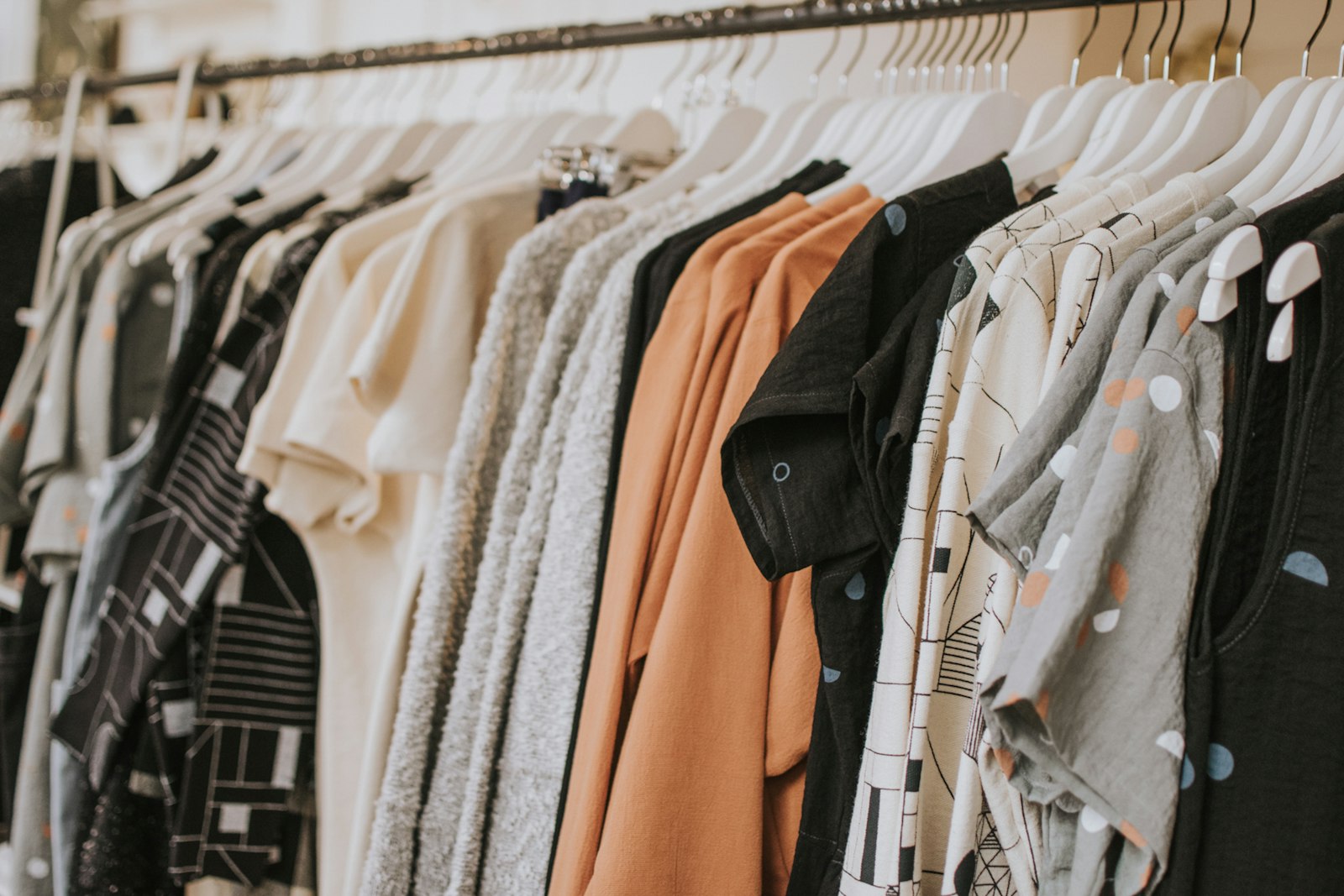
When I look at a sample stage, I do not only look at the garment itself. I look at how the factory works under pressure. A sample tells me whether the supplier can stay clear when the work becomes technical, and that is often more valuable than the sample itself.
A sample is also where I can catch problems while they are still cheap. If fit is wrong, if stitching is rough, if trim details are unclear, or if color comments are not tracked well, I would rather learn that during sampling than during bulk production. That is why I treat sample development as both a product test and a process test. In many real projects, the sample stage is where buyers start to see whether a supplier is organized or only reactive. A good factory usually becomes clearer as the work moves forward. A weak one often becomes more vague once more details show up. That difference matters a lot when I later think about bulk risk, production timing, and whether I can trust the factory with larger orders.
| What I check | Why it matters |
|---|---|
| Product understanding | Shows whether the factory really gets the style and construction |
| Communication quality | Reduces repeat mistakes and unclear comments |
| Revision discipline | Shows whether they can improve in a controlled way |
| Production readiness | Helps me judge if bulk can run smoothly later |
Most sample delays start before the sample room even touches the garment.
The better my brief is, the faster and cleaner the sample process becomes. I should prepare specs, references, fabric notes, trims, labeling needs, and clear open questions.
I do not need perfect documents to begin, but I do need enough clarity to avoid random guessing. Many sample problems begin because the buyer sends too little information and expects the factory to fill in all the blanks correctly. In my experience, that is where avoidable delays begin.
At minimum, I want to give the factory target measurements, notes on fabric feel, trims, print, embroidery, label placement, and packaging if those points matter. If I already know which parts are fixed and which parts are still open, I should say that clearly. This helps the factory separate confirmed requirements from discussion points. It also makes sample costing more realistic. Many buyers ask for a sample too early with only a rough idea in mind. Then they get frustrated when the first sample does not look right or when the quote changes later. In my experience, the more clearly I define the product at the start, the more useful the first sample becomes.
| Item | Purpose |
|---|---|
| Tech pack or spec sheet | Gives the factory a working production reference |
| Reference photos | Helps align style and fit expectations |
| Fabric or composition notes | Guides sourcing and cost expectations |
| Trim and branding notes | Prevents avoidable revision rounds |
| Open questions list | Makes early discussion faster and cleaner |
Buyers often ask for “a sample,” but the real process has several stages.
Sample development usually moves through requirement review, material confirmation, first sample making, fit comments, revisions, and final approval before bulk production starts.

Most factories do not jump straight from inquiry to a final sample. The process usually becomes much easier to understand when I break it into stages instead of treating it as one big black box.
That first version is not always meant to be perfect. Often, it is meant to show shape, workmanship direction, and major construction choices. Then I review it, give fit comments, and mark what needs to change. The next step is revision. Sometimes one round is enough. Sometimes there are more rounds, especially when the style is complex. What matters is not whether revisions happen. Revisions are normal. What matters is whether every round becomes clearer and closer to bulk readiness. In practice, I watch how the factory handles the handoff between stages. These details make the difference between a sample stage that builds confidence and one that creates more confusion.
| Stage | What usually happens |
|---|---|
| Brief review | Factory checks specs, references, and missing details |
| Material check | Fabric and trim options are confirmed |
| First sample | Initial version is made for review |
| Comment round | Buyer gives fit and workmanship feedback |
| Revision | Factory updates the sample based on comments |
| Final approval | Sample is locked for bulk preparation |
Many buyers dislike sample fees. Still, the fee is usually normal in this industry.
Factories usually charge sample fees because sample work is labor-heavy and low-volume. But if my bulk order is large enough, often above 500 pieces, I can often argue for that cost to be refunded or deducted later.
This is where many buyers need a more practical view. A sample is not priced like bulk because the factory cannot spread development cost across hundreds or thousands of pieces. Pattern work, one-off cutting, sewing setup, sourcing effort, trims, and revision time all sit inside a very small quantity. So in most cases, sample fees are reasonable.
At the same time, if I have a serious bulk plan and the expected order quantity is strong enough, I should not be shy about discussing a refund. In many real factory conversations, that refund is not framed as “free sample” at the start. Instead, it is handled as a later deduction or credit once the bulk order is confirmed. My insight here is simple: I should treat sample fees as normal, but I should also treat refund negotiation as part of a serious order discussion when volume is real. If I only ask for one or two samples with no clear bulk intent, I should not expect much flexibility. If I show that I am preparing a real order and the quantity is meaningful, I have more room to argue.
| Situation | What I would expect |
|---|---|
| Very small test order | Sample fee usually stays as charged |
| Medium order with growth potential | Partial flexibility may be possible |
| Bulk order above about 500 pieces | Refund or deduction becomes easier to argue |
| Repeated long-term cooperation | Factories may become more flexible over time |
Many buyers want the sample to match the final bulk product in every detail. That is not always the smart first move.
During sampling, factories often use available stock fabric. If I insist on very specific custom colors or niche fabrics too early, sample cost can rise fast. In many cases, it is better to test fit and workmanship first with similar fabric and color.
This point matters more than many people think. In sample development, quantity is small. Because of that, factories often prefer to work with available fabric stock instead of opening a fully custom fabric path immediately. If I push for a very special shade, exact dye lot, or uncommon fabric blend too early, the cost can jump fast. Lead time may also stretch.
In my view, it is often smarter to separate decisions. First, I check the silhouette, measurements, construction, and overall hand feel with a close fabric and color. Then, once the style is approved and the bulk plan looks real, I move into exact bulk material confirmation. This does not mean color is unimportant. It means I should avoid paying premium customization costs before I have even confirmed that the style and fit are right. I have seen buyers spend too much too early because they wanted the sample to look like the final retail product in every small detail. That can be the wrong order of decisions.
| Priority | What I focus on first |
|---|---|
| 1 | Fit and size balance |
| 2 | Construction and workmanship |
| 3 | General fabric hand feel and weight |
| 4 | Trim placement and branding details |
| 5 | Exact color and final bulk material match |
A strong sample process helps me judge the factory, control cost, and reduce bulk risk before the real money is on the table.