Address
JINKE Technology Industrial Park, No. 3188 ChunYuan Road, Weifang City, Shandong Province, China
Work Hours
Monday to Friday: 7AM - 7PM
Weekend: 10AM - 5PM
Address
JINKE Technology Industrial Park, No. 3188 ChunYuan Road, Weifang City, Shandong Province, China
Work Hours
Monday to Friday: 7AM - 7PM
Weekend: 10AM - 5PM
A practical cost breakdown for custom hoodie manufacturing in China: fabric, GSM, decoration, MOQ, sampling, labels, packing and shipping factors.
A custom hoodie made in China does not have one fixed price. The real cost depends on fabric weight, yarn quality, decoration, order quantity, colorways, labels, packing, testing and freight. For a serious OEM or private-label hoodie program, the better question is not “what is the cheapest hoodie price?” It is “which cost layers are included in this quote, and which ones are still assumptions?”
I would treat this guide as a quotation-preparation checklist. It is written for overseas brand founders, designers, sourcing teams and procurement buyers who need a realistic cost view before asking a China garment factory for a final RFQ.
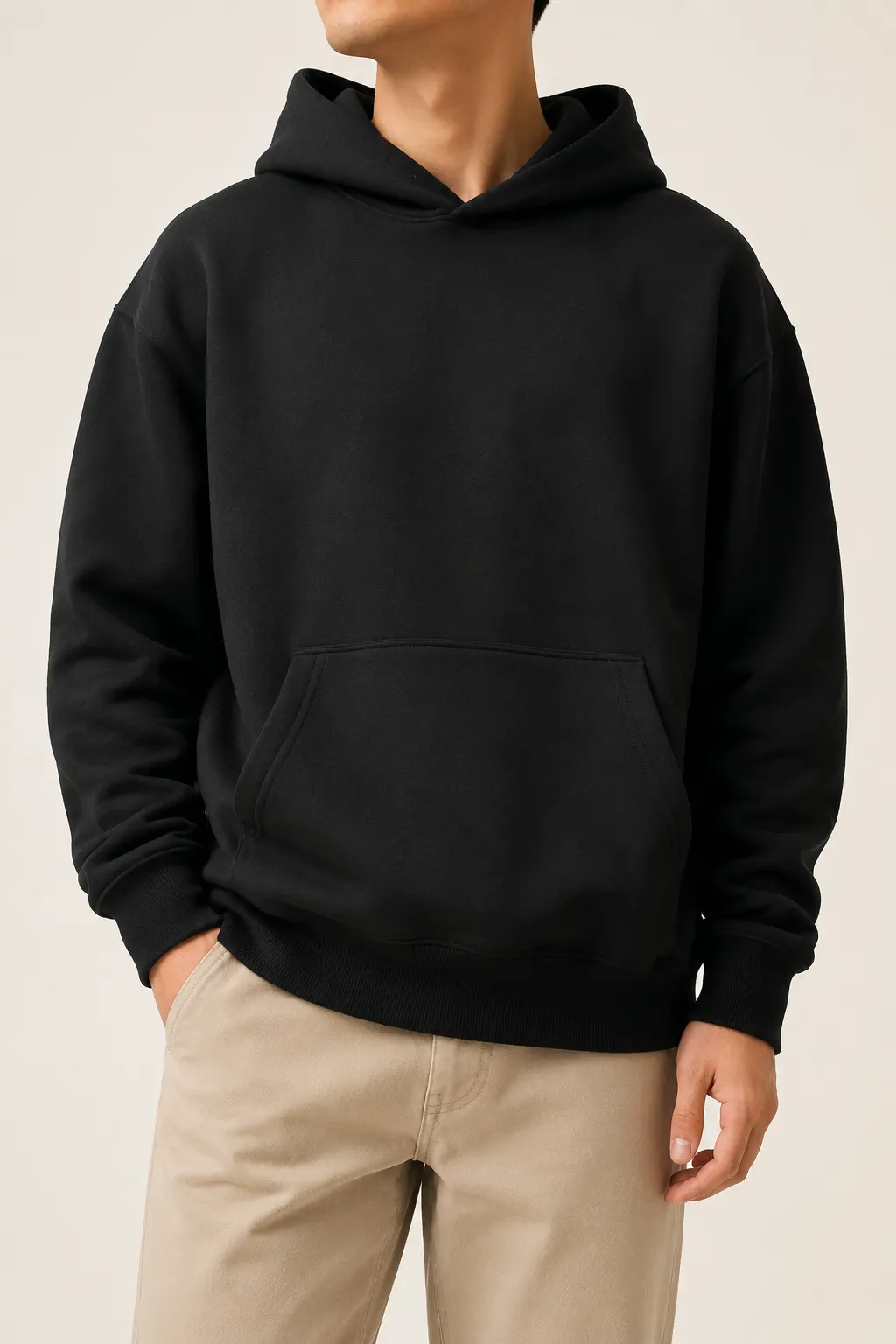
The biggest cost drivers are fabric, GSM, construction, decoration, MOQ, colorways, labels, packing and freight. A basic French terry hoodie, a heavyweight streetwear hoodie, a garment-washed hoodie and a zip-up hoodie with custom hardware can all be “custom hoodies,” but they do not belong in the same cost box.
For Hengcheng hoodie programs, a practical starting MOQ is usually 100-200 pieces per colorway per style, depending on fabric, color, decoration and trim requirements. Sample fees are normally USD 50-80 per piece excluding shipping, with sampling usually around 1-2 weeks and bulk production often around 2-4 weeks after approval and deposit. These are planning references, not a fixed quote, because the final price still depends on the confirmed tech pack and sample standard.
| Cost layer | What changes the price | Buyer decision point |
|---|---|---|
| Fabric and GSM | Fiber composition, yarn quality, fabric weight, brushing, dyeing and shrinkage control | Do you need a retail-heavy premium hoodie or a lighter daily-wear hoodie? |
| Construction | Pullover vs zip-up, hood structure, pocket type, rib quality, seam finish and silhouette | Is the design simple, streetwear-heavy, oversized, cropped or performance-oriented? |
| Decoration | Screen print, DTF, DTG, puff print, embroidery, applique, patches, wash effects and placement | Can the artwork be made consistently at the target quantity? |
| MOQ and colorways | Total units, pieces per color, fabric dyeing minimums and setup efficiency | Are you testing one strong colorway or splitting a small order into many variants? |
| Labels and packing | Neck label, care label, hangtag, barcode, polybag, carton marks and folding method | Is the order for simple stock intake or retail-ready private-label delivery? |
| Freight and duties | Carton volume, garment weight, shipping method, destination duties and local handling | Are you comparing FOB price only or real landed cost? |
A hoodie is not a fixed commodity. Two suppliers may look at the same reference image and make different assumptions about fabric, stitching, hood structure, rib quality, decoration, packing and QC requirements. The result is a price comparison that looks simple but is actually not comparable.
When a buyer asks, “How much is a hoodie in China?” before sharing specifications, the factory can only give a broad estimate. That estimate may be useful for early planning, but it should not be treated as a production quote.
For procurement teams, the most useful comparison is a like-for-like quote. That means the same fabric target, same GSM range, same artwork, same quantity, same packing requirement and same delivery term.
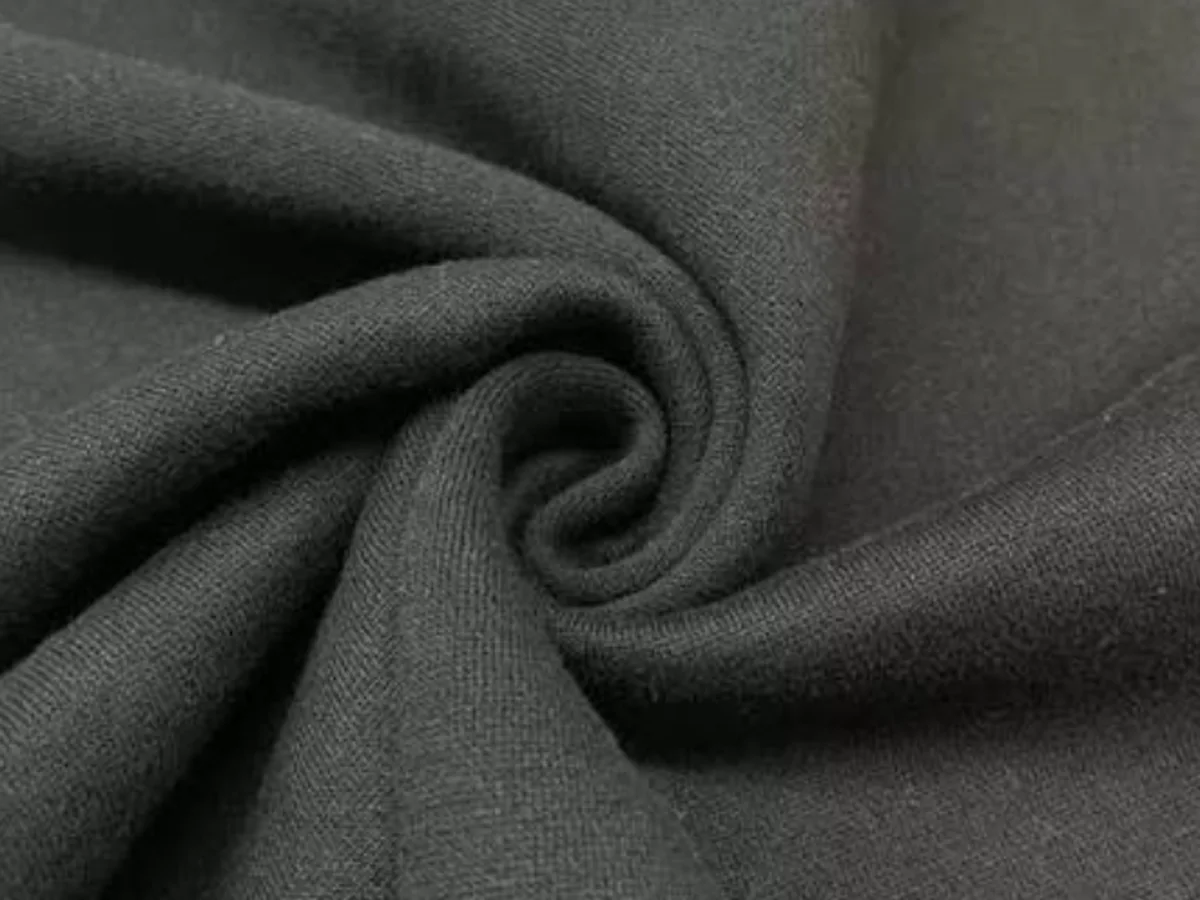
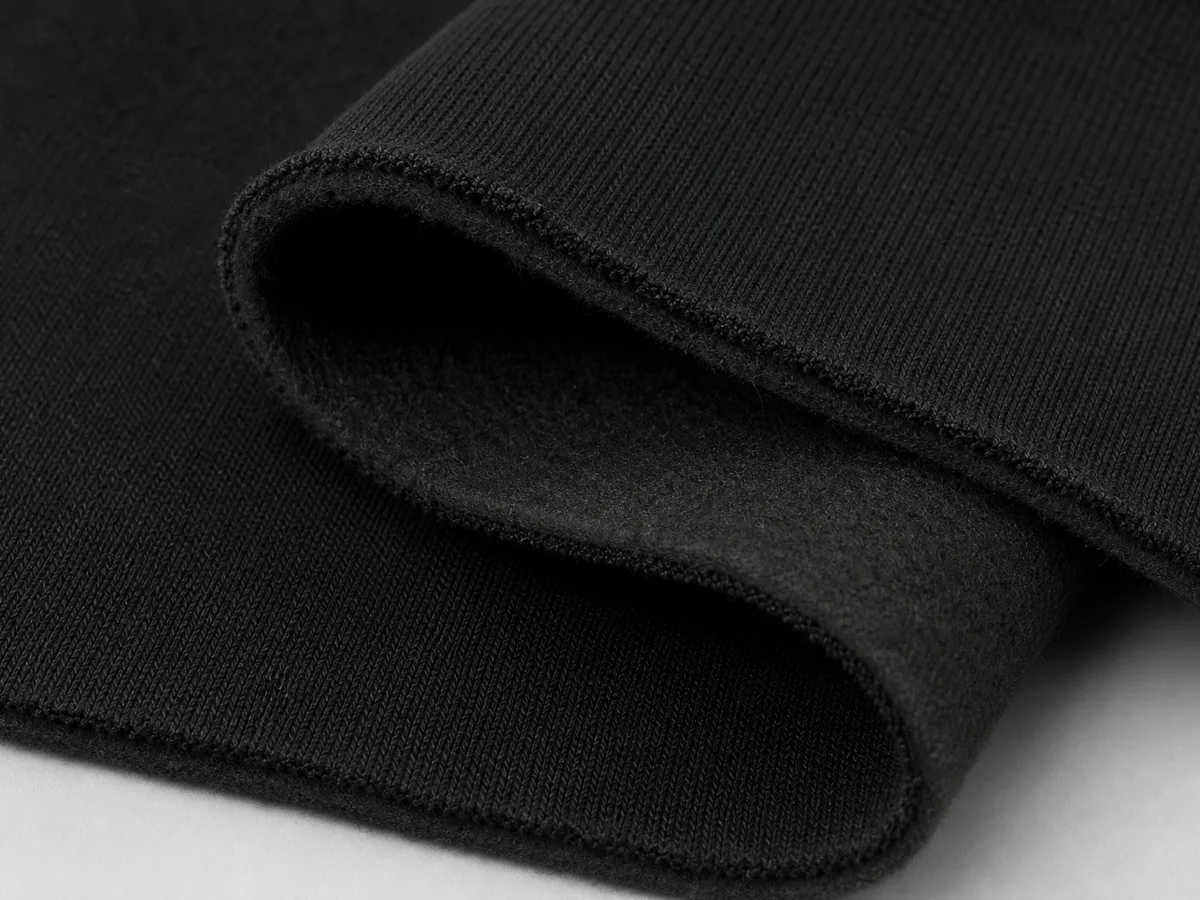
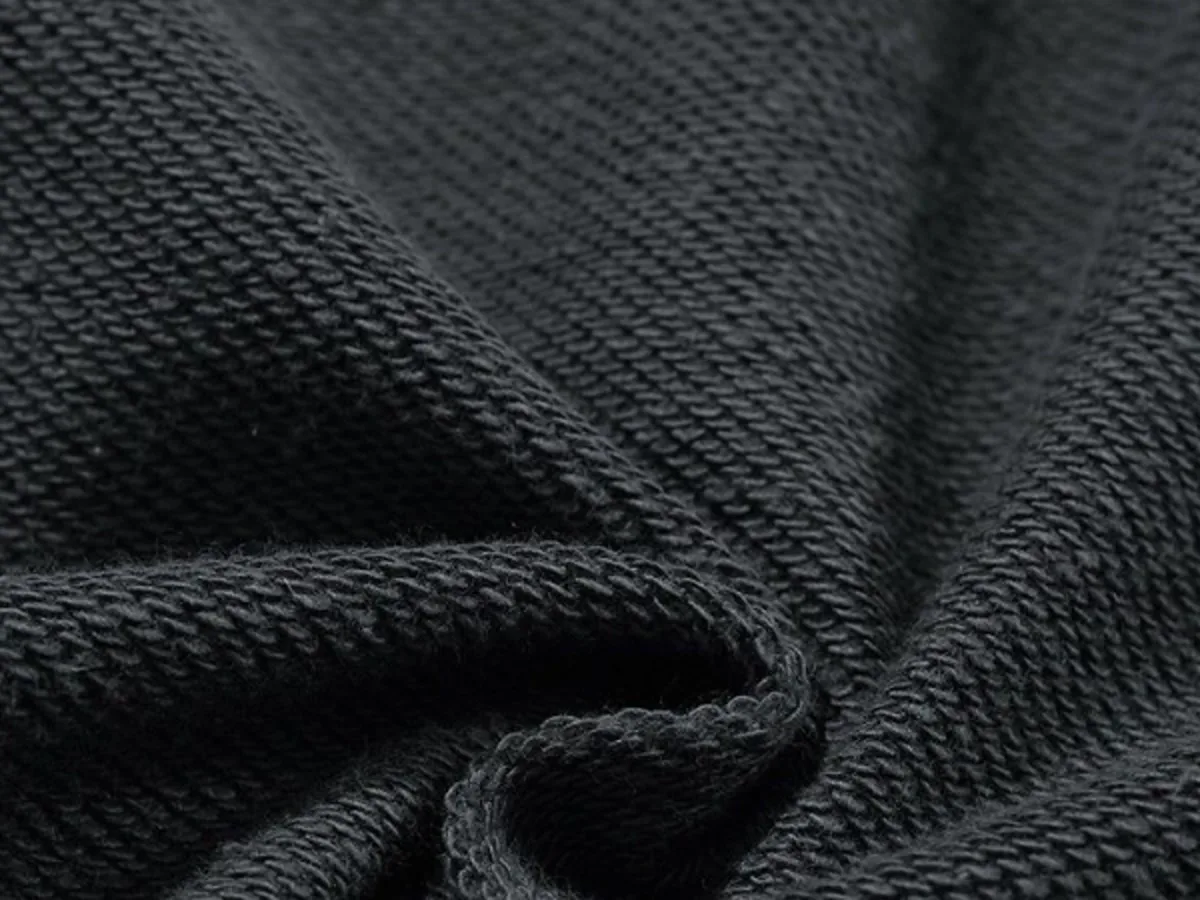
Fabric is normally the largest hoodie cost driver. GSM, fiber composition, yarn quality, brushing, fabric width, dyeing method, shrinkage control and hand feel all matter. A 280 GSM French terry hoodie and a 420 GSM brushed fleece hoodie use different material amounts and different finishing logic.
Heavier is not automatically better. A heavyweight fabric may support a boxy premium silhouette, but it also increases material cost, freight weight and sometimes sewing difficulty. A lighter French terry may be better for spring/summer, layering or sportswear-style collections. A brushed fleece may feel warmer and softer, but buyers should check pilling and shrinkage behavior carefully.
| Fabric direction | Cost tendency | Best-fit use case | Risk to check |
|---|---|---|---|
| Lightweight French terry | Lower to medium | Daily casualwear, spring/summer, lighter retail programs | Too thin for premium streetwear positioning |
| Brushed fleece | Medium | Warm casual hoodie programs and mainstream private-label orders | Pilling, shedding, shrinkage and hand-feel consistency |
| Heavyweight fleece | Medium to higher | Premium streetwear, boxy silhouettes and structured hoodies | Higher fabric cost, heavier freight and tougher sewing control |
| Cotton-poly CVC fleece | Medium | Balanced cost, stability and hand feel for bulk programs | Buyer must approve composition, hand feel and pilling standard |
| Sherpa or lined fabric | Higher | Winter or outdoor-inspired hoodie programs | Bulk, seam thickness, lining compatibility and MOQ |
MOQ is not just a sales rule. It is connected to fabric ordering, dyeing, cutting efficiency, decoration setup, label preparation and QC time. A 500-piece order in one color is easier to control than a 500-piece order split into five colors, five sizes and several decoration placements.
From a China factory perspective, small order programs can work when the buyer keeps the design disciplined. The problems usually appear when a startup wants very low quantity, many colorways, custom dyeing, heavy embroidery, private labels and retail packing all at once.
For Hengcheng, 100-200 pieces per colorway per style is often a more realistic planning range for private-label hoodie work than ultra-low quantities. When the target quantity is below that level, the buyer should be honest about whether they need true OEM manufacturing or a blank-customization route for market testing.
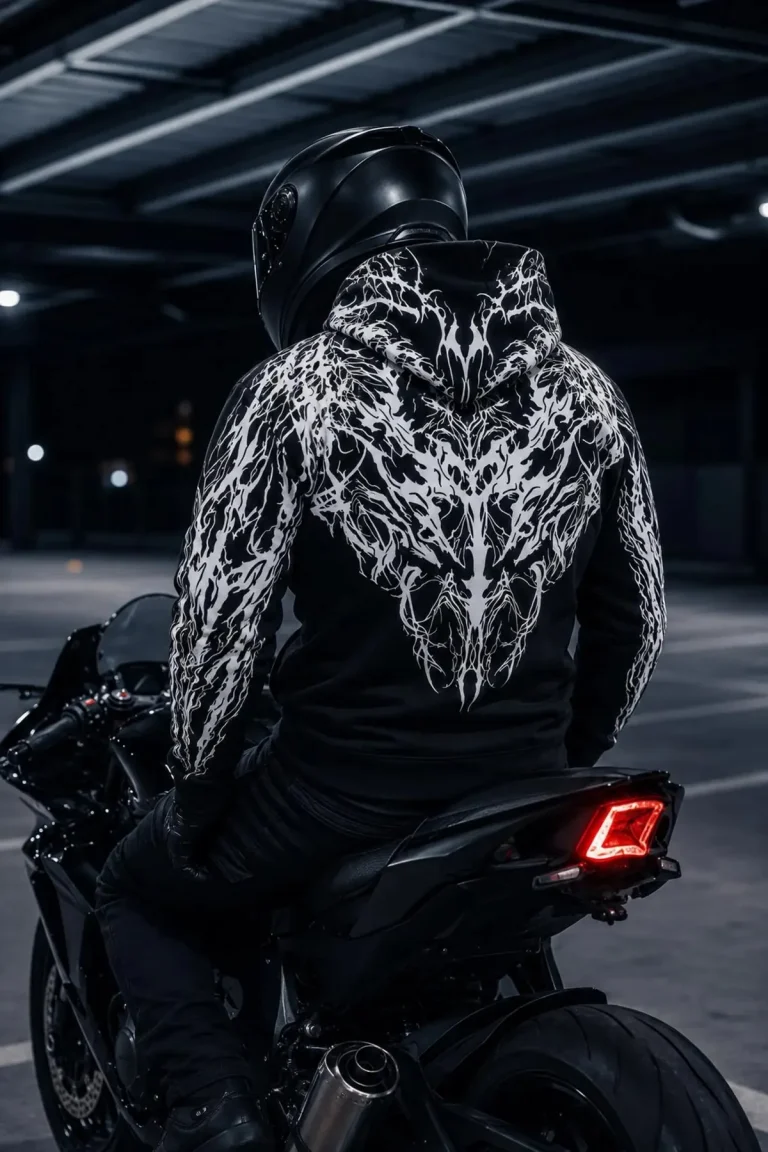
Decoration can change a hoodie quotation quickly because it affects artwork preparation, sampling, production setup, defect risk and inspection standards. A small one-color chest print is not the same as a large back graphic with puff print. A flat embroidery logo is not the same as chenille patch, applique, 3D embroidery or garment wash.
Before asking for a final quote, send the factory clear decoration information: artwork file, size, placement, color count, technique, effect reference and whether the decoration must pass washing or colorfastness expectations for your market.
| Decoration type | Cost impact | What the factory needs before quoting |
|---|---|---|
| Screen print | Usually efficient for repeated artwork and larger runs | Artwork size, color count, placement and Pantone references |
| DTF / heat transfer | Useful for smaller runs or detailed artwork, but hand feel varies | Artwork file, film size, placement and wash expectation |
| Puff / silicone / rubber print | Higher than simple print due to effect control | Effect reference, thickness, fabric compatibility and test requirement |
| Embroidery | Depends on stitch count, size and thread details | Embroidery file or vector artwork, size, position and thread colors |
| Patch / applique | Can add material sourcing and sewing labor | Patch material, backing, edge finish, placement and sample approval standard |
| Garment wash / vintage effect | Can raise cost and production risk | Wash target, shade tolerance, shrinkage allowance and bulk consistency expectation |
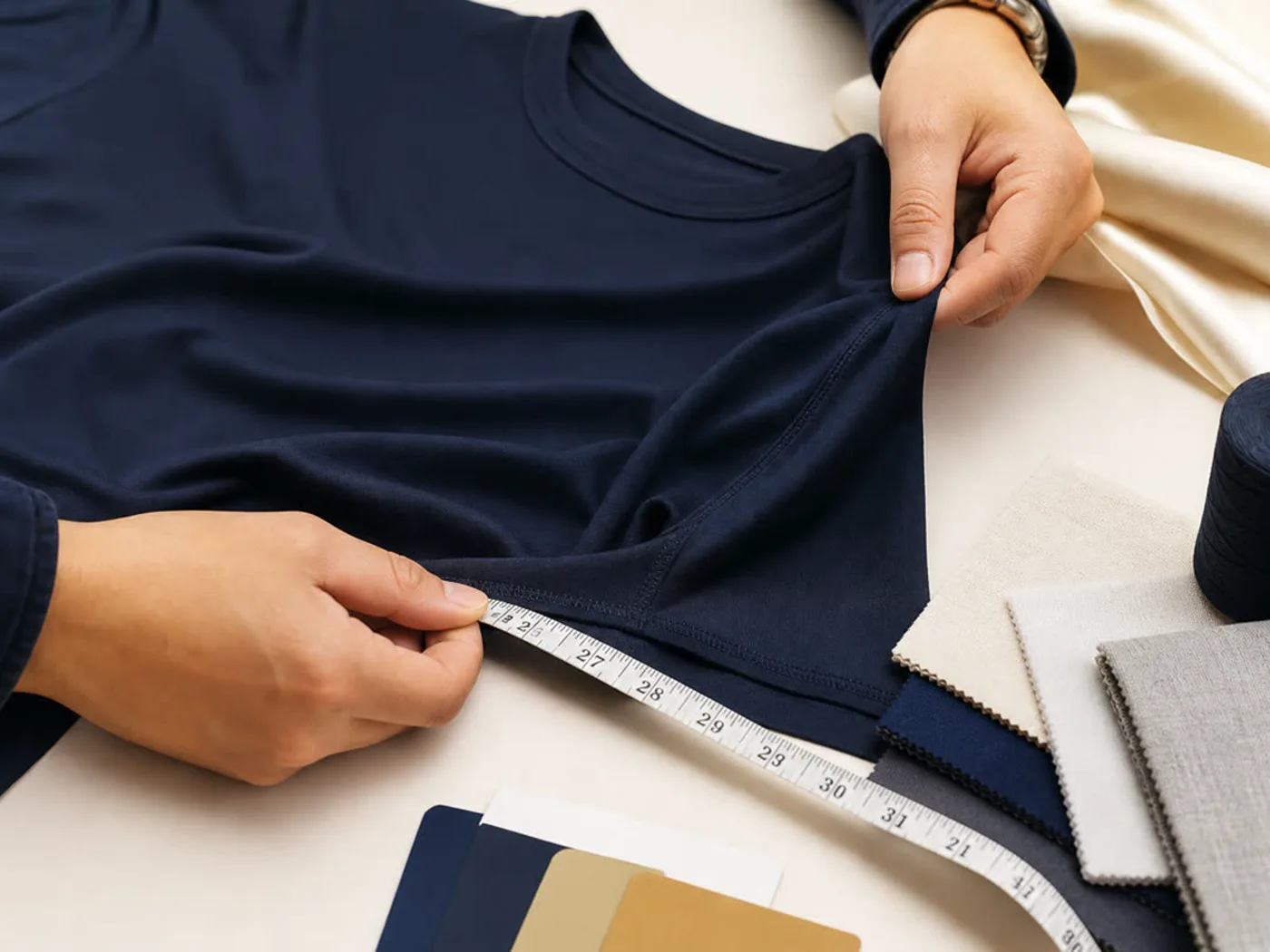
Sample cost is separate from bulk unit price because the factory is not only sewing one garment. It may need to source fabric, prepare trims, adjust pattern, test decoration, check measurements and review workmanship before the buyer approves the standard for bulk production.
For Hengcheng hoodie development, sample fees are usually USD 50-80 per piece excluding shipping, depending on fabric and process complexity. Sampling usually takes around 1-2 weeks after the key specifications are clear. If the design needs special fabric, custom dyeing, complex embroidery or several revision rounds, the timeline can change.
The sample fee should be judged against what it confirms. A useful sample should help the buyer check:
A good RFQ helps the factory quote accurately. A weak RFQ forces the factory to guess, and guessing usually creates either a misleading low quote or a quote so broad that it is not useful.
If you do not know every detail yet, say that clearly. A factory can separate confirmed specifications from open questions and advise which details will affect price, MOQ, sample fee or lead time.
| RFQ item | What to send | Why it affects cost |
|---|---|---|
| Style type | Pullover, zip-up, oversized, cropped, sleeveless, fleece-lined or other silhouette | Pattern, sewing process and fabric consumption change by style |
| Fabric target | Composition, GSM, hand-feel reference, color and season | Fabric is usually the largest cost driver |
| Quantity | Total quantity plus pieces per colorway and size breakdown if available | Setup and material cost spread differently across order sizes |
| Decoration | Artwork, size, placement, color count and technique | Decoration can add setup, labor and QC risk |
| Trim details | Drawcord, zipper, eyelet, rib, label, hangtag and packing requirements | Trims affect sourcing, MOQ and production consistency |
| Quality standard | Measurement tolerance, wash test expectation, inspection level or market compliance needs | QC and testing requirements change production planning |
| Delivery term | FOB, EXW, DDP estimate request, destination port/country and timeline | FOB quote and landed-cost comparison are different decisions |
FOB price is only one part of the decision. A hoodie is bulky and can be heavy, especially when the fabric is 380-450 GSM or the design includes lining, oversized fit or heavy decoration. Freight, duties, customs handling, local warehousing and defect risk can all change the true cost of the program.
When comparing suppliers, I would separate the quote into three levels:
This is why the cheapest FOB quote is not always the cheapest business decision. If the fabric pills, measurements run off-size, or decoration cracks after washing, the real cost appears later through refunds, complaints, rework or unsellable inventory.
For Hengcheng, the useful starting point is not “please quote your cheapest hoodie.” We would first review the product direction and cost assumptions. A buyer who sends reference images, target fabric, GSM, colorways, size range, decoration method, label needs, packing needs, quantity and timeline will usually receive a more useful answer than a buyer who sends only one product photo.
Our internal review would normally ask:
Most bad hoodie quotations come from unclear assumptions. The buyer thinks the supplier has priced the product in the reference image. The supplier has actually priced a simplified version that may not match the buyer’s retail expectation.
Before you approve a hoodie quote or pay for a sample, use this checklist to make sure the price is attached to a real production standard.
If you are preparing a custom hoodie order, copy the cost layers in this article into your RFQ. Answer what you already know, and mark the unknown details as open questions. A serious manufacturer can then tell you which choices affect cost most and which details should be confirmed through sampling.
For the full capability overview, see Hengcheng’s hoodie manufacturer in China page.
For Hengcheng hoodie programs, MOQ is usually 100-200 pieces per colorway per style, depending on fabric, decoration, color, trim and packaging requirements. Lower quantities may be possible in some cases, but they often carry higher unit cost or fewer customization choices.
Hengcheng hoodie sample fees are usually USD 50-80 per piece excluding shipping. The exact fee depends on fabric sourcing, pattern work, decoration complexity and whether special trims or wash effects are needed.
Factories may be quoting different fabric weights, yarn qualities, decoration methods, packing standards, QC assumptions and delivery terms. Before comparing prices, ask each factory to show what is included in the quote.
Usually heavier fabric increases material cost and freight weight, but GSM alone is not the whole story. Yarn quality, finishing, brushing, dyeing, shrinkage control and order quantity also affect cost.
Not automatically. A very low quote may exclude details or use weaker assumptions. Compare fabric, construction, decoration, labels, packing, QC and landed cost before deciding.
Yes, but the design should be controlled. One or two colorways, available fabric, simple decoration and clear packing requirements make low-MOQ development more realistic than many colors and complex trims.
Send style photos or sketches, fabric target, GSM, colorways, size range, quantity by color, artwork files, decoration method, label and packing needs, target market, delivery term and timeline. If some details are not confirmed, list them as open questions.