Address
JINKE Technology Industrial Park, No. 3188 ChunYuan Road, Weifang City, Shandong Province, China
Work Hours
Monday to Friday: 7AM - 7PM
Weekend: 10AM - 5PM
Address
JINKE Technology Industrial Park, No. 3188 ChunYuan Road, Weifang City, Shandong Province, China
Work Hours
Monday to Friday: 7AM - 7PM
Weekend: 10AM - 5PM
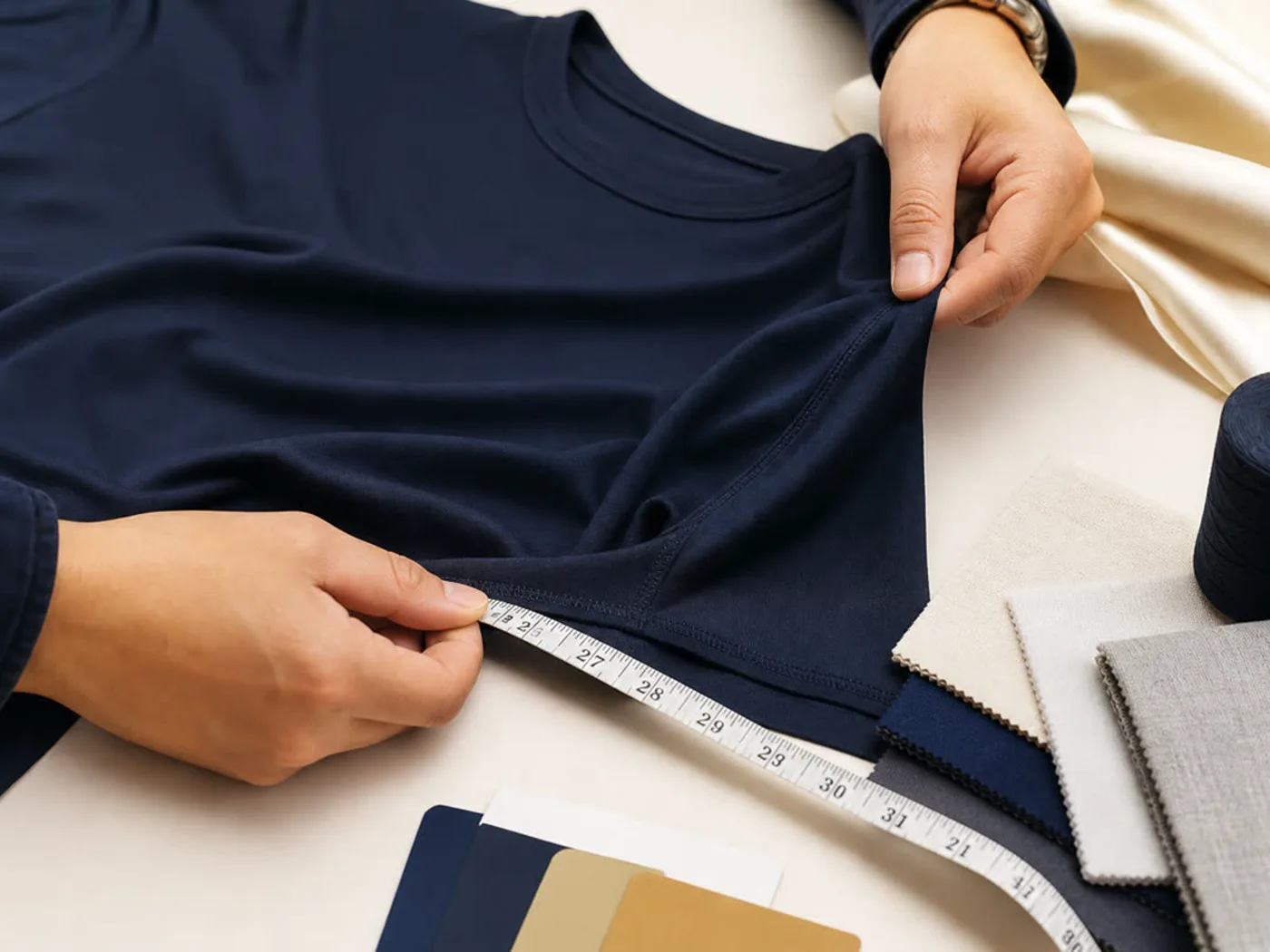
A buyer checklist for choosing a China hoodie manufacturer: MOQ, fabric, decoration, sampling, QC, payment, packing and export workflow.
Before you order custom hoodies from a China manufacturer, do not start with only one question: “How much?” A cheap quote is easy to collect. A reliable quote is harder. It depends on fabric, GSM, fit, decoration, labels, packing, MOQ, sample approval and how clearly the factory manages bulk production after the sample is approved.
When I help buyers think through a hoodie RFQ, I like to use the first conversation as a filter. A good manufacturer should not only answer your questions. It should also point out what is still missing, which details affect price, and where production risk may appear later.
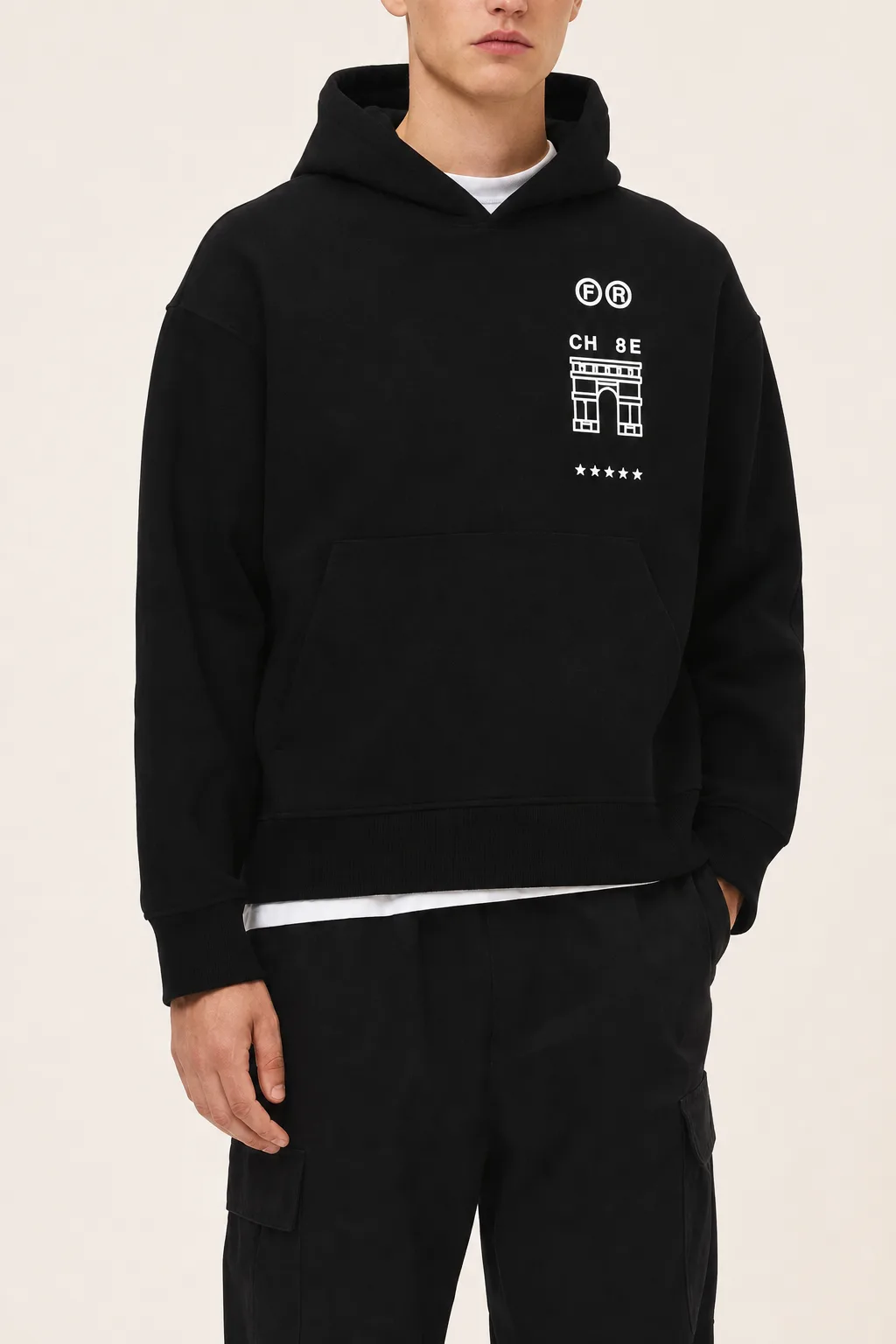
Ask questions that reveal whether the supplier can control the whole hoodie program: product fit, MOQ logic, fabric sourcing, sample development, decoration, QC, packing and communication. If the supplier cannot answer these clearly before sampling, the bulk order will probably carry avoidable risk.
| Question | What it tests | Good answer should clarify |
|---|---|---|
| What hoodie styles do you regularly make? | Category fit | Pullover, zip-up, cropped, heavyweight, fleece, French terry, rib and hood construction experience |
| How is MOQ calculated? | Commercial fit | MOQ by style, colorway, fabric, trim, decoration and size breakdown |
| Can you review fabric GSM and composition? | Material control | Fabric weight, hand feel, shrinkage risk, color availability and cost impact |
| How do you develop the first sample? | Sample discipline | Tech pack, reference garment, fit comments, revision process and approval standard |
| Who handles printing, embroidery or patches? | Decoration risk | In-house or coordinated process, artwork files, placement, color control and test sample |
| What does the quotation include? | Quote transparency | Fabric, decoration, labels, packing, sample fee, bulk price, payment terms and exclusions |
| What is the real timeline? | Delivery planning | Material sourcing, sample lead time, revision time, bulk production and shipping preparation |
| How do you inspect hoodies? | QC visibility | Measurement tolerance, workmanship, wash behavior, decoration placement and packing review |
| Can you support private-label packing? | Brand readiness | Neck labels, hang tags, size labels, polybags, cartons and barcode or SKU requirements |
| Who follows the order internally? | Communication ownership | One responsible contact who can coordinate sampling, production, QC and shipment details |
Many hoodie sourcing problems start before production begins. The buyer sends a picture, asks for the lowest price, and receives a number that looks useful but is not tied to a real specification. Later, the buyer discovers that the fabric is different, the GSM is lighter, the embroidery was not included, the MOQ was counted per color, or the sample does not match the bulk order.
A better first conversation slows this down in a useful way. The factory should ask what kind of hoodie you want, what fabric direction you expect, how many colors you plan to order, what decoration is needed, and whether the project is a first test order or a repeatable brand program.
That is why the ten questions below are not just a checklist. They are a practical way to compare suppliers by execution risk. A supplier that answers clearly may not always be the cheapest. But it gives you a more realistic basis for sample approval and bulk production.
Do not assume that every clothing factory is a hoodie factory. Hoodies look simple from the outside, but production details change quickly once you specify weight, fit, hood shape, rib quality, pocket construction and decoration.
Ask the factory what hoodie and sweatshirt styles it handles most often. You want to know whether it is comfortable with the actual product you plan to build, not only whether it can sew knitwear in general.
For Hengcheng, the relevant public positioning is OEM and private-label garment manufacturing with knitwear, hoodies, sweatshirts, casualwear, sample development and quality-control support for overseas buyers. That makes the first product-fit discussion especially important: the buyer should show the exact style direction, not just say “custom hoodie.”
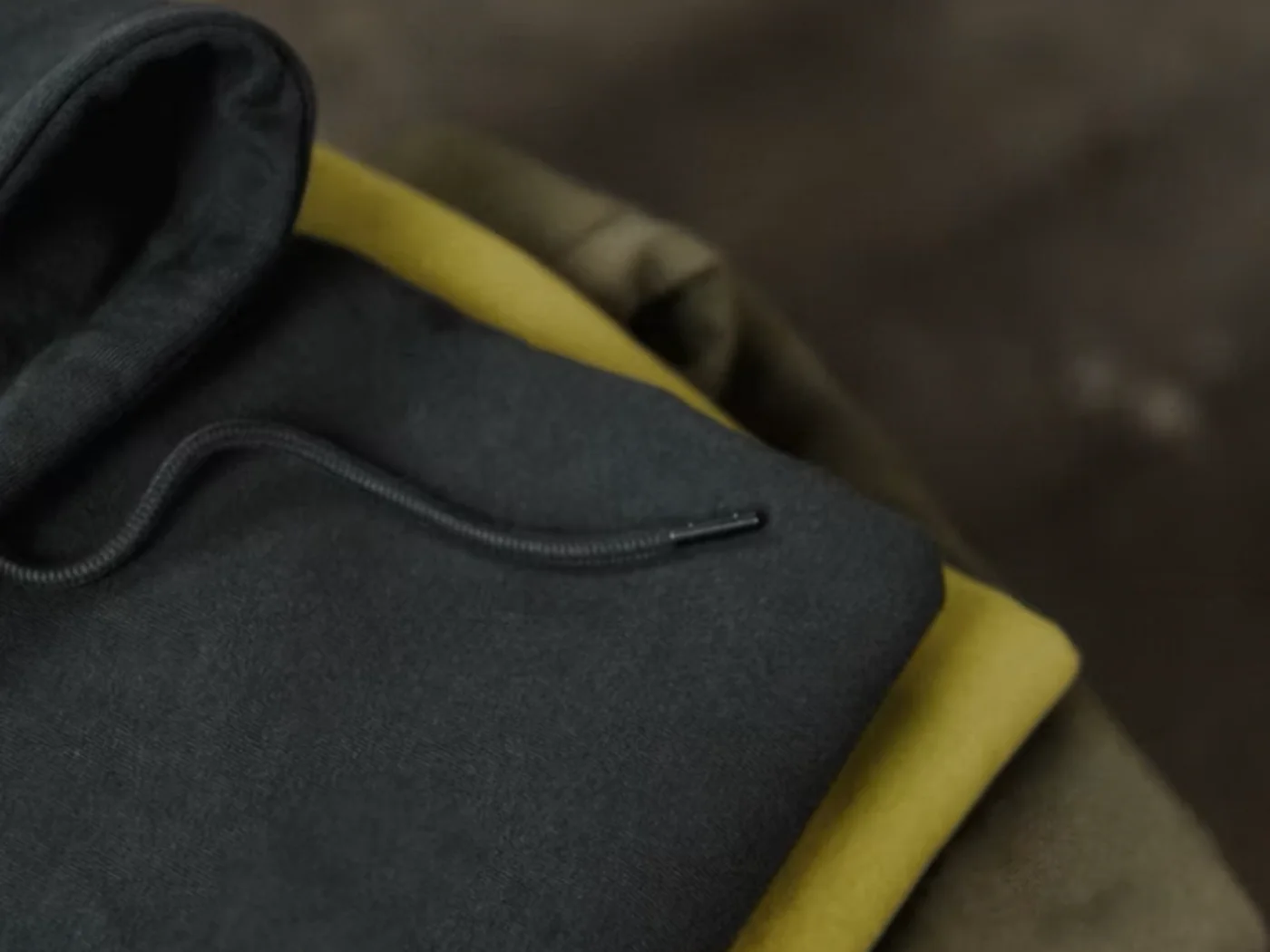
MOQ confusion is one of the fastest ways to create sourcing friction. A buyer may hear “300 pieces” and assume that means 300 pieces across all colors, all sizes and all designs. The factory may mean 300 pieces per style, per colorway, or per fabric order. Those are very different commercial realities.
Ask the supplier to explain MOQ in plain language. The answer should cover the unit that matters for production setup.
| MOQ layer | Why it matters | What to confirm |
|---|---|---|
| Style | A pullover, zip-up and cropped hoodie may each need separate setup | Whether MOQ is counted per style or total order |
| Colorway | Dyeing, fabric availability and cutting efficiency often change by color | Minimum per color and whether mixed colors are possible |
| Fabric | Custom fabric may require a larger minimum than stock fabric | Stock fabric versus custom knit or dye requirement |
| Decoration | Embroidery, print and patches may each have setup costs | Minimum per artwork, placement and technique |
| Trim and packing | Labels, hang tags and custom bags may have supplier MOQs | Whether trim MOQ is separate from garment MOQ |
When discussing a Hengcheng hoodie program, the safer framing is not to assume one public MOQ fits every project. Share your target quantity by style, color and size, then ask the factory to confirm what is workable for that exact fabric, decoration and packing plan.
Fabric drives a large part of hoodie cost and quality. Two hoodies can both be called cotton fleece, but they may feel completely different after washing. GSM, yarn, brushed-back fleece, French terry, cotton-poly blend, shrinkage and dye behavior all affect the final garment.
Ask the factory how it will help you choose or source fabric. A useful answer should not stop at “we can do cotton.” It should explain what the fabric choice means for price, warmth, drape, durability and production risk.
| Fabric question | Why buyers should ask | Risk if ignored |
|---|---|---|
| What GSM range fits this hoodie? | Controls weight, warmth and price | The sample feels too light or too stiff |
| Is the fabric stock or custom? | Affects MOQ and lead time | The quote changes after sampling |
| What is the composition? | Changes hand feel, shrinkage and performance | Bulk fabric does not match the brand expectation |
| How is shrinkage controlled? | Important for hoodie length and sleeve fit | Garments run short after washing |
| Can you provide fabric swatches? | Lets the buyer compare before sampling | The first sample becomes a fabric guessing exercise |
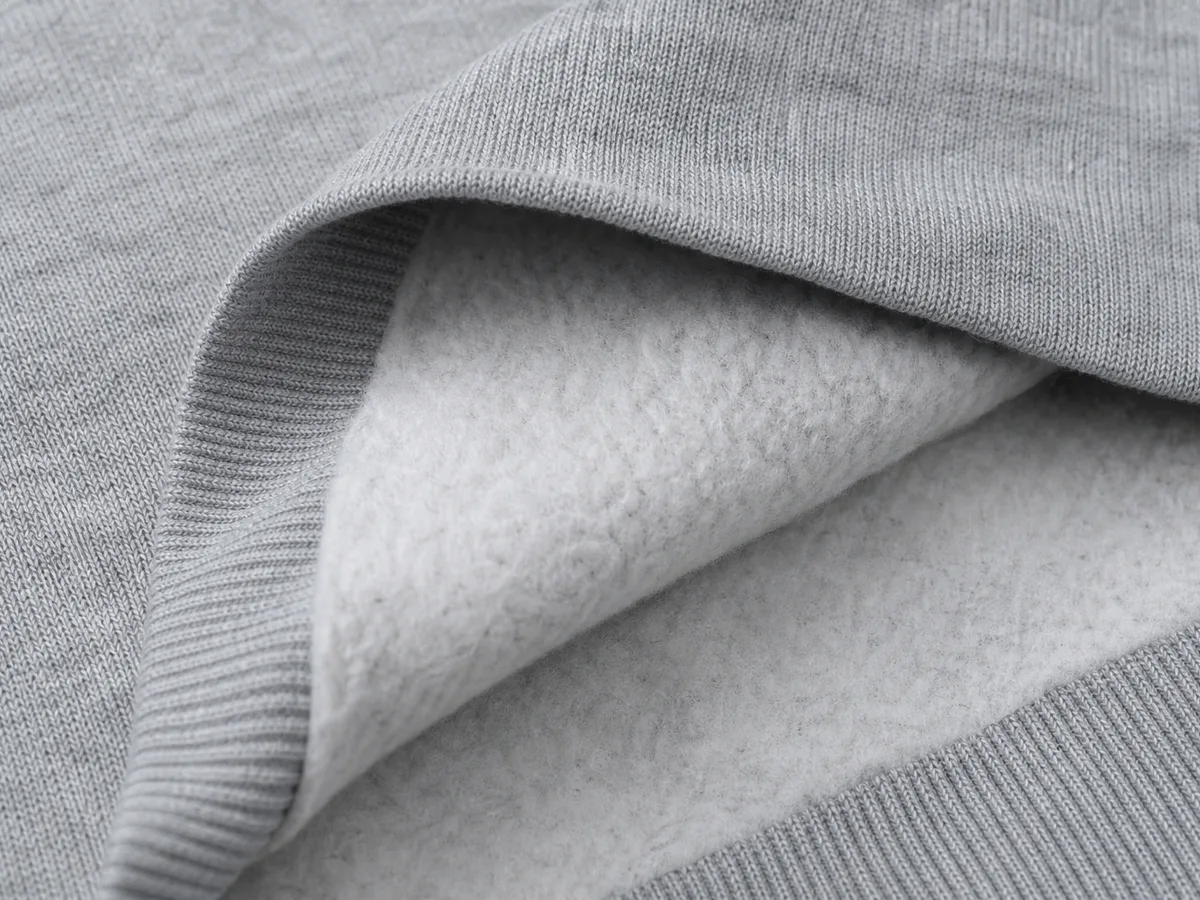
A reference photo is useful, but it is not a full production instruction. A good hoodie manufacturer should tell you what information is needed before it develops a sample: measurements, size range, fit comments, fabric target, decoration artwork, label position, packing direction and any tolerance requirements.
If you already have a tech pack, send it. If you do not, ask the factory how it can work from a reference garment or reference images. The important point is to separate confirmed requirements from assumptions.
This is where sample development becomes more than a formality. The approved sample should become the control point for fabric, measurement, construction, decoration and finishing.
Decoration can make a hoodie look like a real brand product. It can also become the point where a simple order fails. Screen print, embroidery, applique, patches, washing, puff print and other treatments each need different files, setup, testing and placement control.
Ask whether the factory handles the decoration in-house or coordinates it with a specialist partner. Outsourcing is not automatically bad. The real question is whether the factory controls the handoff, timing, sample approval and final inspection.
| Decoration area | Question to ask | What a clear answer includes |
|---|---|---|
| Artwork files | What file format do you need? | Vector file, size, placement and color reference |
| Technique | Which method fits this fabric? | Print, embroidery, patch or mixed technique recommendation |
| Placement | How do you control position? | Measurement from seams, centerline or approved sample |
| Color | How do you match artwork color? | Pantone or physical reference when needed |
| Durability | How is the decoration checked? | Sample review, wash or rub consideration, final inspection |
For private-label hoodies, also ask about neck labels, size labels, wash-care labels, hang tags and polybags. These small items often have their own MOQ and lead-time logic.
A hoodie quote should not be a single number with no explanation. It should make clear what is included and what is not included. Otherwise, two supplier prices may look comparable while covering different scopes.
Ask for the quote structure. You do not need a complicated cost sheet for every early conversation, but you do need enough detail to avoid a false comparison.
This is also where buyers should be careful with the lowest quote. If one supplier excludes labels, packing, decoration setup or fabric risk, the number may look lower only because the scope is incomplete.
Fast answers are attractive, but production timing depends on the actual project. A supplier should separate sample timing, revision timing, fabric or trim sourcing, bulk production and shipping preparation. If every project is promised with the same timeline, I would treat that as a warning sign.
Ask which step controls the schedule. Sometimes the sewing itself is not the bottleneck. The real constraint may be fabric availability, custom dyeing, embroidery setup, label production, sample revision or export packing.
| Timeline stage | What to ask | Buyer planning tip |
|---|---|---|
| Pre-sample review | What information is missing? | Send reference images, size chart, artwork and fabric target together |
| Material sourcing | Is fabric stock or custom? | Stock fabric is usually easier for first samples |
| First sample | How long after details are confirmed? | Do not count from the first vague inquiry |
| Revision | How are comments handled? | Give written comments with photos or measurement notes |
| Bulk production | When does bulk start? | Usually after sample approval, deposit and material confirmation |
| Shipment readiness | What packing or documents are needed? | Clarify carton marks, packing list and destination needs early |
Quality control should be discussed before production, not only after something goes wrong. Hoodies have several specific risk points: shrinkage, twisting, rib recovery, sleeve length, hood shape, pocket position, zipper alignment, decoration placement and measurement tolerance.
Ask the factory how it checks these points. A useful answer should mention the approved sample, tolerance chart, measurement points, workmanship inspection, in-line checks and final packing review. It should also explain what kind of buyer comments are needed to avoid misunderstanding.
For more detail on factory-side inspection logic, Hengcheng’s garment quality control page is the better internal reference than a short sales claim.
Many buyers think of private label as only a neck label. In real production, brand readiness can include label material, size labels, hang tags, care labels, polybags, carton marks, SKU separation, barcode stickers and packing instructions.
Ask what the factory can coordinate and what you need to provide. For example, artwork files, label dimensions, packing method, SKU rules and destination requirements should be clear before bulk packing begins.
Do not leave packing until the end. Packing errors are frustrating because they can happen after the garments themselves are already acceptable.
A good hoodie factory is not only a production line. It also needs a clear communication owner. The buyer should know who receives comments, who translates those comments into production action, and who confirms changes after sampling.
Ask who will manage your project after the first quote. If every update goes through a different person, details can disappear. If the factory has one responsible contact who coordinates sample development, material sourcing, production, QC and shipment, the order is easier to control.
Good communication does not mean saying yes to everything. In sourcing, the better partner often says: this is possible, this needs checking, this will affect MOQ, this will affect lead time, and this point should be confirmed before we quote.
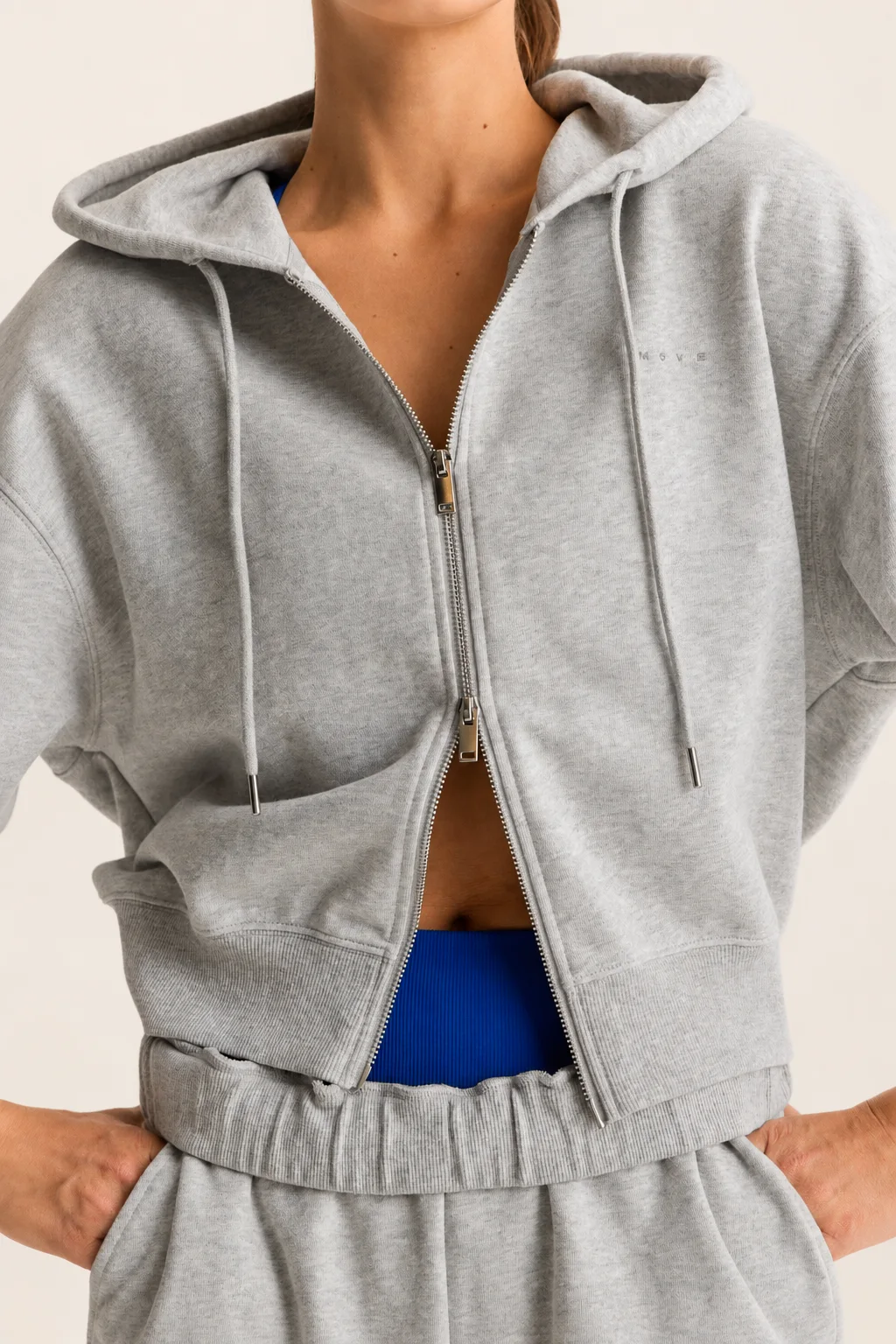
The better your RFQ, the better the first answer will be. If you only send a picture and ask for price, the factory has to guess too much. That usually leads to either a vague answer or a misleading low quote.
Before contacting a manufacturer, prepare a short brief. It does not need to be perfect, but it should make the main assumptions visible.
| RFQ item | Minimum useful detail | Why it helps |
|---|---|---|
| Style reference | Photos, sketch, tech pack or sample garment | Shows construction and fit direction |
| Fabric target | GSM, composition, fleece or French terry direction | Controls cost and hand feel |
| Quantity | Pieces by style, color and size range | Lets the factory judge MOQ and cutting plan |
| Decoration | Artwork, size, placement and technique preference | Prevents missing setup or placement costs |
| Branding | Labels, hang tags, polybags and carton needs | Clarifies private-label scope |
| Timeline | Target sample date and delivery window | Lets the factory flag unrealistic schedules |
| Destination | Country, warehouse, forwarder or port handoff | Helps quote shipment-related preparation correctly |
For Hengcheng, a useful hoodie inquiry should start with product reality. The factory needs to understand the style direction, fabric or GSM target, colorway plan, decoration method, label and packing needs, quantity and timeline before giving a serious answer.
From there, the review should separate what is confirmed from what still needs checking. For example, a buyer may know the look of the hoodie but not the fabric composition. Or the buyer may know the artwork but not whether embroidery or print is better for the fabric. Those questions should be solved during sample development, not hidden inside a quick quote.
The best fit is usually a buyer who wants OEM or private-label hoodie production with sample-first development, clear communication and repeatable bulk execution. The weaker fit is a buyer who only wants no-minimum print-on-demand fulfillment or the lowest possible blank hoodie with no development work.
For the main capability overview, use Hengcheng’s hoodie manufacturer in China page. For early project discussion, contact Hengcheng with the style direction, quantity, fabric target, decoration plan and timeline in one short RFQ brief.
The questions above are useful because they expose weak answers early. A weak supplier may still sound friendly, but the details stay vague. That is risky when you are placing a private-label order from overseas.
If several of these signs appear in the first conversation, I would slow down. Ask for clarification before paying a sample fee or comparing the quote against another factory.
Ask whether the factory can review your exact hoodie style, fabric, MOQ, decoration and sample requirements before giving a serious quote. This one question exposes whether the supplier is thinking operationally or only selling a price.
Yes. Ask what work is done by the factory and what work is coordinated with outside partners. For decoration, washing, labels or special trims, outside coordination can be normal, but the factory should still control quality, timing and communication.
It should clarify fabric, GSM, style construction, decoration, labels, packing, MOQ, sample fee, payment terms, production timeline and any exclusions such as freight, duty, testing or third-party inspection.
No. A low MOQ only helps if the supplier can still control fabric, fit, decoration, labels, packing and QC. A very low number can become expensive if the sample is weak or the bulk order cannot be repeated consistently.
A tech pack is helpful, but not always required for the first conversation. If you do not have one, send reference images, target measurements, fabric direction, artwork, quantity, size range and packing needs. Then ask what is missing before sampling.
It depends on how clear the initial brief is and how difficult the style is. A basic hoodie with clear fabric and artwork may need fewer revisions. A fashion fit, heavyweight fabric, special wash or detailed decoration may need more sample review.
Contact Hengcheng when you can share at least the style direction, target quantity, fabric or GSM idea, decoration needs, label or packing requirements and target timeline. If some details are not final, say that clearly so the factory can separate confirmed requirements from open questions.