Address
JINKE Technology Industrial Park, No. 3188 ChunYuan Road, Weifang City, Shandong Province, China
Work Hours
Monday to Friday: 7AM - 7PM
Weekend: 10AM - 5PM
Address
JINKE Technology Industrial Park, No. 3188 ChunYuan Road, Weifang City, Shandong Province, China
Work Hours
Monday to Friday: 7AM - 7PM
Weekend: 10AM - 5PM
Understand OEM, ODM, private label and white label in apparel manufacturing, with practical hoodie examples for startup and established brands.
OEM, ODM, private label and white label are often mixed together in hoodie sourcing conversations. That creates real risk. A buyer may think they are asking for a custom hoodie program, while the supplier may be quoting a simple blank hoodie with a logo. The price may look attractive, but the production route is not the same.
The simple rule is this: OEM is better when you want control over fit, fabric, construction, decoration and long-term product consistency. ODM can be useful when you need a faster starting point from an existing base style. Private label describes whose brand is on the product. It does not automatically tell you whether the hoodie is OEM, ODM or white label.

OEM means the buyer brings the design direction, tech pack, reference sample or detailed product specification, and the factory manufactures the hoodie to that requirement. ODM means the factory already has a base design or development direction, and the buyer adapts it with changes such as fabric, color, logo, trims or packaging.
Private label is different. It means the hoodie is sold under the buyer’s brand. A private-label hoodie can be made through OEM, ODM or a simple white-label route. That is why buyers should not ask only, “Do you do private label?” They should ask what production route the factory is actually quoting.
| Term | Plain meaning | Best fit for hoodie buyers | Main risk |
|---|---|---|---|
| OEM | Factory makes the buyer’s specified design | Brands that need controlled fit, fabric, decoration and repeatable bulk quality | Needs clearer information, more sample work and more buyer decisions |
| ODM | Factory provides a base style that the buyer adapts | Brands testing a simpler style or moving faster from a known hoodie base | Product may feel less distinctive if changes are too shallow |
| Private label | Product is produced for the buyer’s brand | Most brand-owned hoodie programs, whether OEM or ODM | The term alone does not define development depth |
| White label | Generic product with limited brand changes | Very basic tests where speed matters more than originality | Weak differentiation, limited construction control and harder repeatability |
The production route changes the quote. It affects sample cost, MOQ, fabric choices, pattern work, decoration setup, lead time and QC responsibilities. If the route is unclear, two suppliers can quote completely different products while using similar words.
For example, one supplier may quote an ODM hoodie based on a stock fleece style with only logo embroidery and neck labels. Another factory may quote an OEM hoodie using your target 420 GSM fleece, custom oversized fit, adjusted hood shape, special rib, custom drawcord, embroidery, woven neck label, hang tag and export packing. Both may call it “private label.” The final products will not be equivalent.
From a China garment factory perspective, the buyer should clarify the route before asking for the lowest price. Otherwise the factory has to guess whether the buyer wants a fast market test, a repeatable brand style, or a fully controlled custom hoodie program.
Choose OEM when the hoodie needs to feel like your product, not a generic base with branding. This is usually the stronger route for brand founders, designers and sourcing teams that care about fit, fabric hand feel, construction, decoration durability and future reorder consistency.
OEM is especially useful when you already have one or more of the following:
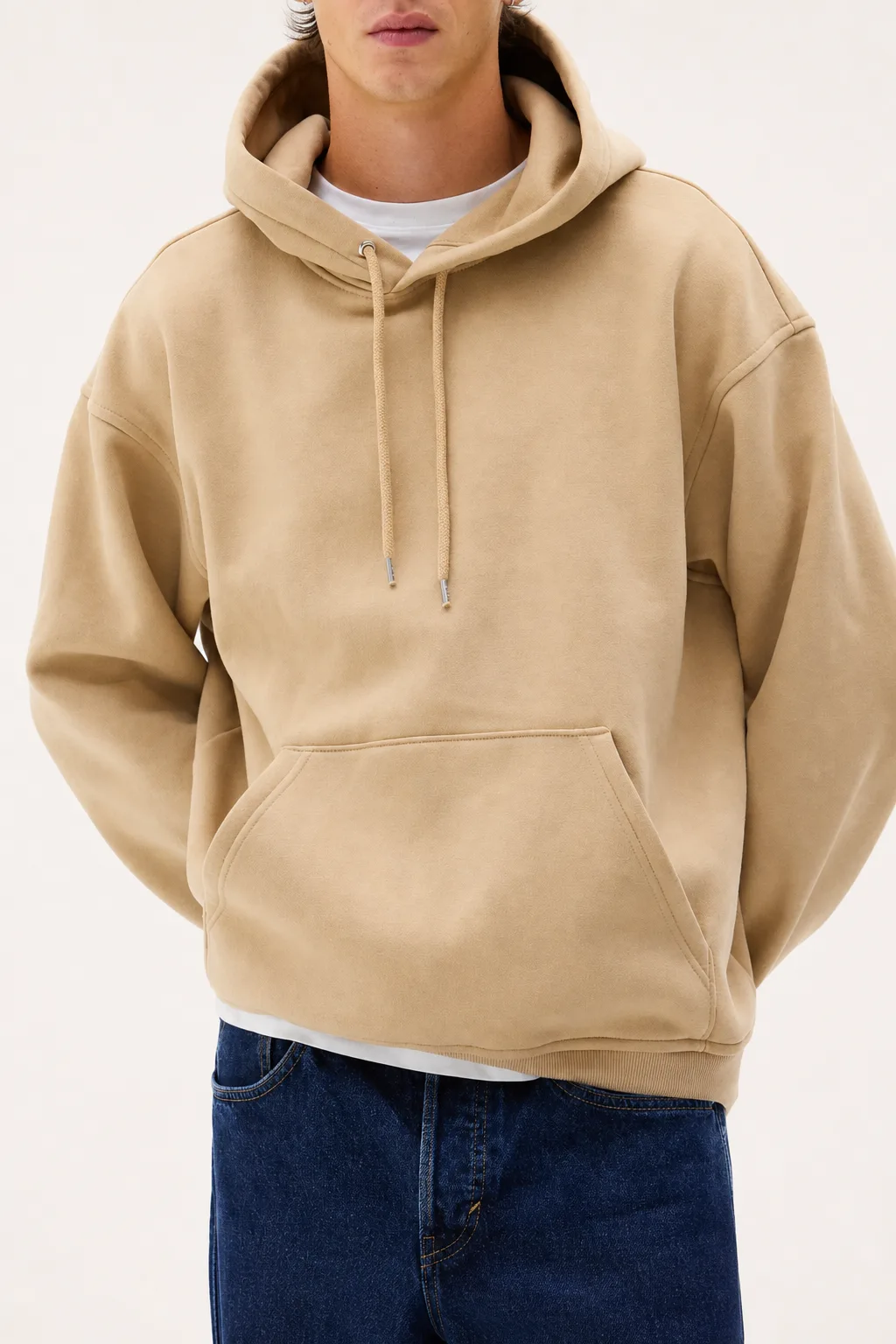
The tradeoff is that OEM requires more preparation. A factory can help organize the development process, but it cannot quote accurately from one vague photo and a target price. The buyer should prepare reference images, target fabric or GSM, size range, color plan, decoration method, labels, packing needs, quantity and timeline.
ODM can be practical when speed matters and the buyer does not need every detail developed from zero. For a simple hoodie test, a factory base style can reduce development friction. The buyer may adjust color, fabric direction, logo placement, trims, labels and packing while keeping the core pattern close to the factory’s existing base.
This can work for early-stage brands that are validating demand, small capsule programs, corporate merchandise, simple retail drops or buyers that care more about reliable execution than a highly original silhouette.
| ODM advantage | Why it helps | What buyers still need to confirm |
|---|---|---|
| Faster starting point | The factory already understands the base construction | Whether the available fit matches the target customer |
| Lower development complexity | Fewer pattern and construction changes may be needed | Which changes are included and which require new sampling |
| Simpler cost review | The base style may have clearer fabric and labor assumptions | Whether decoration, labels and packing are included |
| Useful for market tests | The buyer can test demand before investing in a deeper custom style | Whether future OEM upgrades are possible if the style sells |
The weakness of ODM is differentiation. If many brands start from similar base styles, the finished hoodie can look generic unless the buyer adds meaningful changes. Fabric quality, fit adjustment, colorway, decoration method, label design and packing can all help, but the buyer should be honest about how deep the customization really is.
White label usually means a ready product is sold under the buyer’s brand with limited changes. In hoodie sourcing, that may mean a blank or near-blank product with a printed logo, neck label or simple package change. It can be fast, but it is not the same as real OEM development.
White label can be useful for very early validation, events or fast merchandise programs. It is weaker for brands that want a distinctive product, strong fit identity, controlled fabric feel or repeatable bulk quality across seasons.
The mistake is calling white label “custom” when only the logo changes. If a buyer expects custom fabric, adjusted pattern, special decoration and brand packing, the conversation has already moved beyond simple white label.
OEM is not automatically expensive, and ODM is not automatically cheap. Cost depends on the actual garment. Fabric weight, composition, fabric availability, style complexity, decoration, trim, label, packing, MOQ and sample revisions all matter more than the label attached to the route.
That said, OEM often carries more development work because the buyer is asking the factory to match or create a more specific product. ODM may reduce some development cost when the buyer stays close to an existing base style. But if the buyer changes fabric, fit, hood structure, rib, zipper, artwork, labels and packing, the ODM route can start behaving like OEM in practice.
| Cost layer | OEM impact | ODM impact | Buyer question to ask |
|---|---|---|---|
| Pattern and fit | May need pattern development and revisions | Lower if base fit is kept | Are we changing the pattern or using your base? |
| Fabric | Can use buyer-specified GSM, composition or finish | May use factory’s existing fabric direction | Is the quoted fabric stock, sourced or custom-knitted? |
| Decoration | Usually brand-specific and needs setup/testing | Still needs setup if logo or artwork changes | Is print, embroidery or patch cost included? |
| Labels and packing | Often customized for brand program | Can be simple or customized | Do trims and packing have separate MOQ? |
| Sample work | More sample review may be needed | Faster if base style is accepted | How many revisions are included before bulk? |
MOQ is usually shaped by production setup, fabric sourcing, dyeing, trims, decoration and packing. The route matters, but the underlying materials and operations matter more. A simple ODM style using available fabric may support a smaller or faster test. A full OEM hoodie with custom fabric, special colors, embroidery and private-label packing may need a higher quantity to make production realistic.
Lead time follows the same logic. A base style with available fabric can move faster. A custom hoodie needs time for information review, fabric sourcing, first sample, sample comments, revision, material booking, bulk cutting, sewing, finishing, QC and packing.
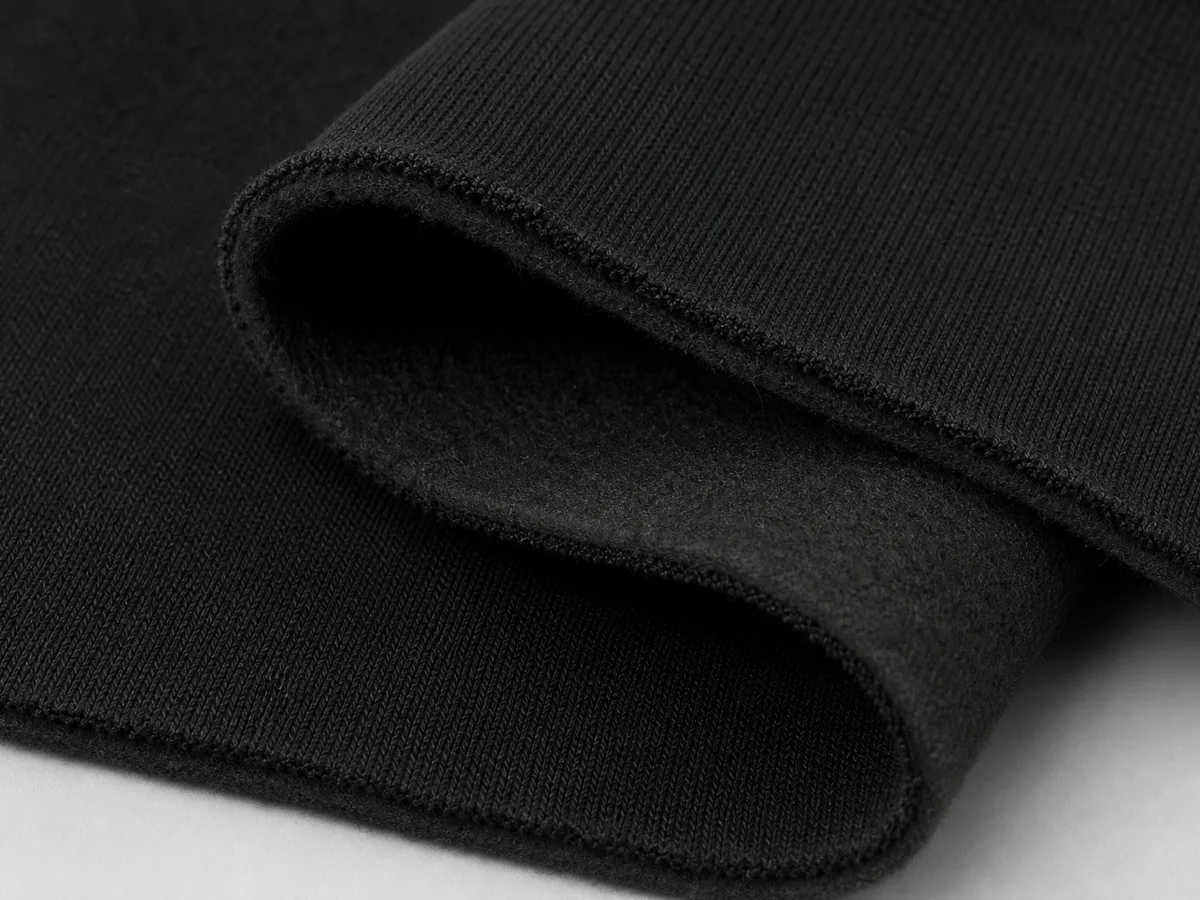
If you want OEM, prepare enough detail for the factory to quote a real product. The RFQ does not need to be perfect, but it should separate confirmed requirements from open questions. This helps the factory respond as a production partner rather than guessing from a photo.
| RFQ item | Minimum useful detail | Why it matters |
|---|---|---|
| Style reference | Photos, sketch, tech pack or physical sample | Defines the construction and fit direction |
| Fabric target | GSM, composition, fleece/French terry/scuba direction and hand feel | Controls cost, comfort, shrinkage and MOQ |
| Size range | Size chart or target market fit notes | Prevents vague grading and bulk measurement disputes |
| Artwork | Logo file, placement, size, color and technique preference | Lets the factory quote decoration correctly |
| Branding trims | Neck label, care label, hang tag, polybag and carton needs | Clarifies private-label scope beyond the garment |
| Quantity plan | Pieces by style, color and size | Lets the factory check MOQ and cutting efficiency |
| Timeline | Target sample date, bulk delivery window and shipping destination | Helps identify unrealistic schedules early |
For Hengcheng hoodie projects, this is the kind of information that makes the first review useful. The factory can then tell the buyer which details are quote-ready, which details need sample confirmation, and which choices may affect MOQ, cost or QC risk.
If you want ODM, ask to see the base direction clearly. Do not rely on a vague statement like “we have many styles.” You need to know whether the base style is close enough to your brand’s target look and whether the factory can make the adaptations that matter.
ODM is strongest when the buyer accepts the base style as a starting point and focuses customization on the details that customers actually notice. It becomes weak when the buyer expects OEM-level uniqueness while giving the factory only an ODM budget and timeline.
For OEM, the approved sample should become the control sample for bulk production. Buyers should check fabric hand feel, GSM direction, measurements, fit, hood shape, sleeve length, rib recovery, pocket position, decoration placement, label position and packing. If any of these points are not approved clearly, the bulk order can drift.
For ODM, sample approval still matters. The buyer should not assume the base style is automatically acceptable. Check whether the base fit works for the target customer, whether the fabric feels right, whether the decoration sits correctly and whether the private-label trims make the product feel like the buyer’s brand.
A strong sample review is written, not casual. Use photos, measurements and specific comments. Do not only say “make it better” or “same as reference.” The factory needs actionable feedback: shorten body length by 2 cm, soften rib tension, adjust embroidery placement, change drawcord color, improve pocket symmetry or confirm the approved fabric swatch.
Hengcheng is best approached as an OEM and private-label garment manufacturing partner for overseas buyers that want sample-first development and controlled bulk production. For a hoodie inquiry, the useful first step is not to ask for the cheapest private-label hoodie. It is to show what kind of program the buyer is building.
Internally, a factory-side review would usually separate the project into practical questions:
This kind of review protects both sides. The buyer receives a more realistic quote and sample plan. The factory avoids promising a product that has not been defined.
For a startup hoodie brand, the best route depends on how important originality is to the first drop. If the brand is testing market response and does not yet know its customer, ODM or a simple private-label route can be practical. But if the brand’s value depends on silhouette, fabric feel, heavyweight construction or special artwork, starting with OEM may be the better long-term decision.
| Buyer situation | Better route | Reason |
|---|---|---|
| Testing simple branded hoodies quickly | ODM or white label | Speed and lower development complexity may matter more than originality |
| Building a streetwear hoodie with unique fit | OEM | Pattern, fabric, rib, hood shape and decoration need tighter control |
| Launching a small private-label capsule | ODM or light OEM | Use a base direction but customize visible brand details carefully |
| Planning repeat seasonal drops | OEM | The approved sample can become a repeatable production standard |
| Only changing neck label on a blank hoodie | White label | This is branding, not deep product development |
My practical advice is to avoid choosing the route only by price. Choose the route by how much product control the brand really needs. A weak first sample can cost more than a higher but clearer development route.
The biggest mistake is using the right words but giving the factory the wrong brief. “Private label” sounds serious, but it does not tell the factory whether the buyer wants OEM development, ODM adaptation or only white-label branding.
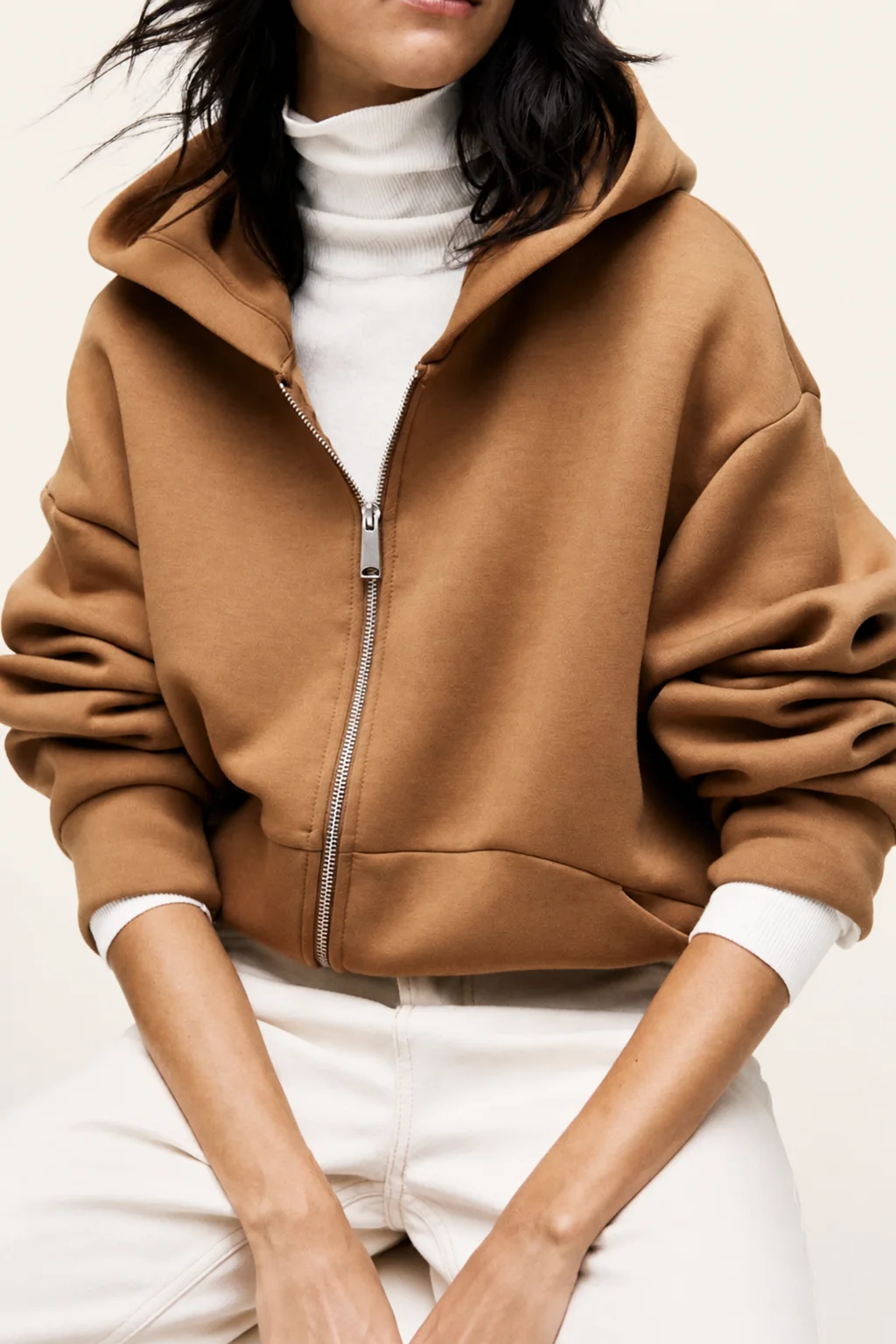
Before sending an inquiry, decide which sentence best describes the project:
Then send the factory your reference images, target quantity by style and color, fabric or GSM direction, decoration files, label and packing needs, destination and timeline. If some details are not final, say so clearly. A serious manufacturer can then separate confirmed requirements from open questions.
For the main capability overview, see Hengcheng’s hoodie manufacturer in China page. For a deeper look at the sample workflow, see the sample development process. For inspection logic, review Hengcheng’s garment quality control page.
No. Private label describes the branding model. OEM describes a manufacturing route where the buyer gives the product specification and the factory manufactures to that requirement. A private-label hoodie can be OEM, ODM or white label depending on how it is developed.
ODM can be cheaper when the buyer stays close to an existing base style, but it is not always cheaper. If the buyer changes fabric, fit, decoration, trims and packing, ODM can become close to OEM in cost and sample work.
ODM can help a startup test a simpler product faster. OEM is better if the brand depends on a distinctive fit, fabric feel, heavyweight construction, special artwork or repeatable long-term product control.
Yes. Some brands start from a practical ODM base to test demand, then move into OEM development once they know which fit, fabric and style direction is worth investing in. The key is to keep sample and customer feedback organized.
A full tech pack is helpful, but the first conversation can also start from reference images, a physical sample, target measurements, fabric direction, artwork, quantity, labels, packing and timeline. The factory should tell you what is missing before sampling.
The biggest risk is weak differentiation. If the hoodie is a generic blank with only a logo or label change, it may not support a brand that wants a specific fit, fabric feel or quality position.
Yes. Hengcheng can review OEM and private-label hoodie briefs with fabric, fit, decoration, sample, label, packing and QC requirements. The best first inquiry includes style references, quantity, fabric target, artwork and timeline.