Address
JINKE Technology Industrial Park, No. 3188 ChunYuan Road, Weifang City, Shandong Province, China
Work Hours
Monday to Friday: 7AM - 7PM
Weekend: 10AM - 5PM
Address
JINKE Technology Industrial Park, No. 3188 ChunYuan Road, Weifang City, Shandong Province, China
Work Hours
Monday to Friday: 7AM - 7PM
Weekend: 10AM - 5PM
A practical checklist for verifying a China clothing factory before custom hoodie orders: business signals, samples, QC, certificates and communication.
Before you place a custom hoodie order with a China clothing factory, verify more than whether the supplier is real. A real factory can still be the wrong factory for your product, MOQ, sample process, quality standard or communication style.
My practical rule is simple: verify the factory by checking how it handles your exact hoodie project before money and bulk production are committed. The best signs are specific product questions, a clear sampling workflow, visible quality-control logic, consistent business evidence and a supplier that can connect the approved sample back to bulk production.
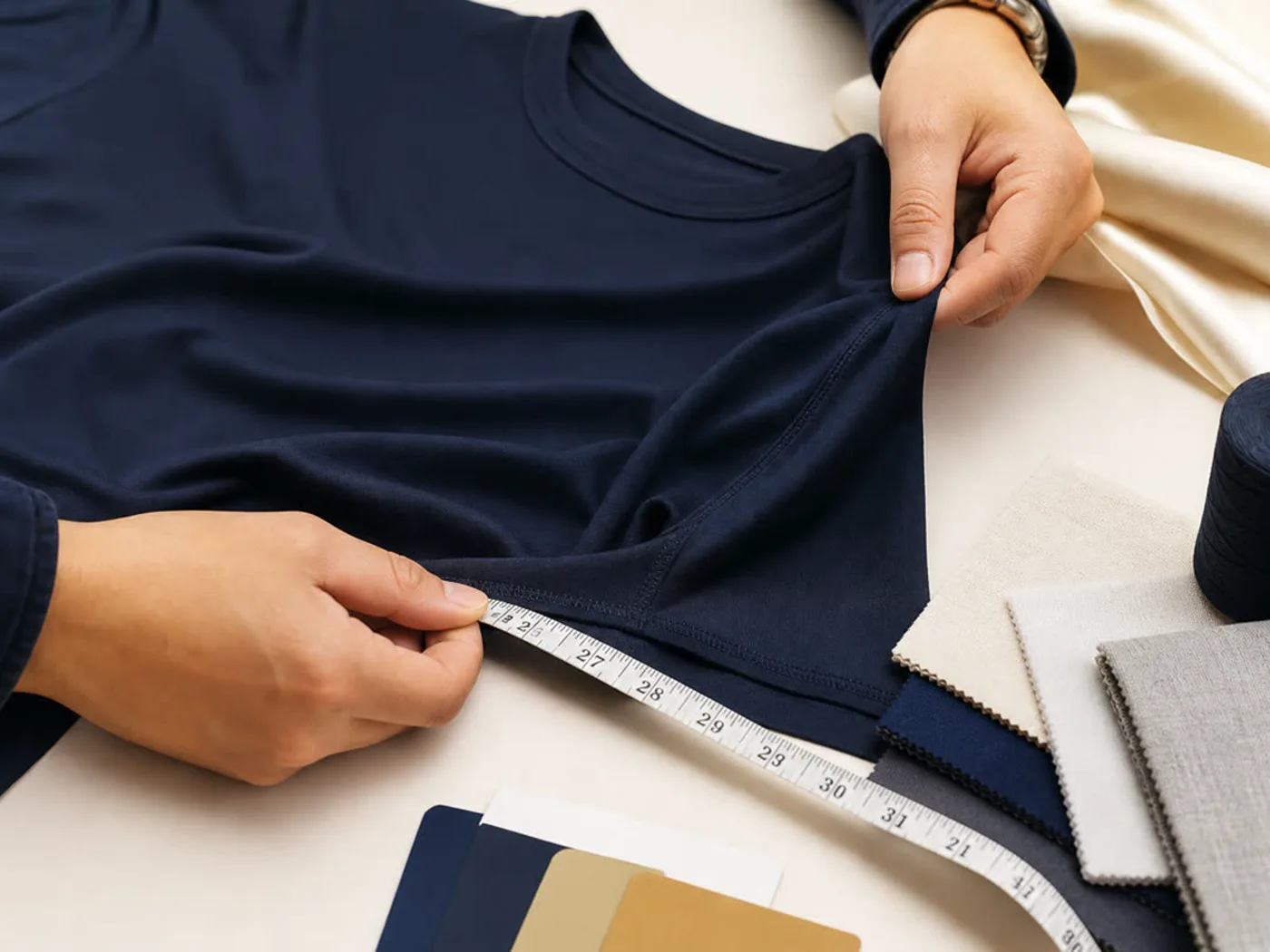
Verify a China hoodie factory by checking six areas: product fit, business identity, sample process, fabric and trim sourcing, QC controls, and communication ownership. Do this before paying a sample fee or deposit. A supplier that gives a final quote from one reference photo without asking for fabric, GSM, size, decoration and packing details has not really verified the project.
| Verification area | What to check | Buyer decision signal |
|---|---|---|
| Product fit | Hoodie, fleece, rib, hood, pocket, zipper, decoration and private-label experience | The factory can discuss your exact style, not just generic clothing |
| Business identity | Company name, address, contact route, website, factory evidence and certificates where relevant | Details are consistent and current |
| Sampling workflow | Tech pack or reference review, sample fee, revision rules and approved-sample control | The factory treats the sample as a production document |
| Material and trim control | Fabric GSM, composition, color, rib, zipper, labels, hang tags and packing | The quote is tied to real inputs, not assumptions |
| QC process | Measurement tolerance, workmanship, shrinkage, pilling, decoration placement and final inspection | Quality is explained in operational terms |
| Communication ownership | Who follows sampling, production, QC and shipment details | There is one responsible contact, not scattered answers |
Finding a supplier means collecting names. Verifying a supplier means reducing order risk. Those are not the same job.
Many overseas buyers start by searching for a China hoodie manufacturer, asking three or four factories for price, and choosing the cheapest reply. That looks efficient, but it can hide serious risk. One factory may quote stock lightweight fleece. Another may quote custom heavyweight fabric. One may include labels and packing. Another may exclude them. One may know how to control hoodie shrinkage and rib recovery. Another may only be trading from photos.
A better verification process asks: can this supplier actually manage my product from sample to bulk? If the answer is unclear, the quote is not a decision yet. It is only a number.
Before paying for a sample, verify whether the factory understands the product direction and can explain what information is still missing. A serious supplier should not need a perfect tech pack to start a conversation, but it should know what must be clarified before a meaningful sample is made.
For a custom hoodie order, the pre-sample check should include the main construction and commercial assumptions.
| Pre-sample item | What the buyer should provide | What the factory should confirm |
|---|---|---|
| Style direction | Pullover, zip-up, cropped, oversized, heavyweight or basic fleece reference | Whether the style fits the factory’s production experience |
| Fabric target | GSM, composition, fleece or French terry direction, hand-feel reference | Stock fabric, custom fabric, swatch option and MOQ impact |
| Fit and sizing | Size chart, reference garment, target market and fit comments | Pattern work, grading assumptions and tolerance logic |
| Decoration | Print, embroidery, patch, wash, artwork, placement and color reference | Technique suitability, setup cost and sample test requirement |
| Branding and packing | Labels, hang tags, polybags, carton marks and SKU requirements | Trim MOQ, lead time and packing-control needs |
| Quantity and timeline | Pieces by style, color and size, plus target delivery window | Commercial fit, production schedule and main bottlenecks |
If a factory skips these questions and only pushes payment, slow down. The sample fee may be small compared with bulk production, but the sample stage is where supplier discipline first becomes visible.
A supplier can be real and still be wrong for your hoodie order. Product fit matters because different garment categories require different material sourcing, sewing habits, pattern control and QC attention.
For hoodie production, ask what styles the factory regularly handles. You are not only checking whether it can sew a sweatshirt shape. You are checking whether it understands the details that affect buyer satisfaction after washing and wearing.
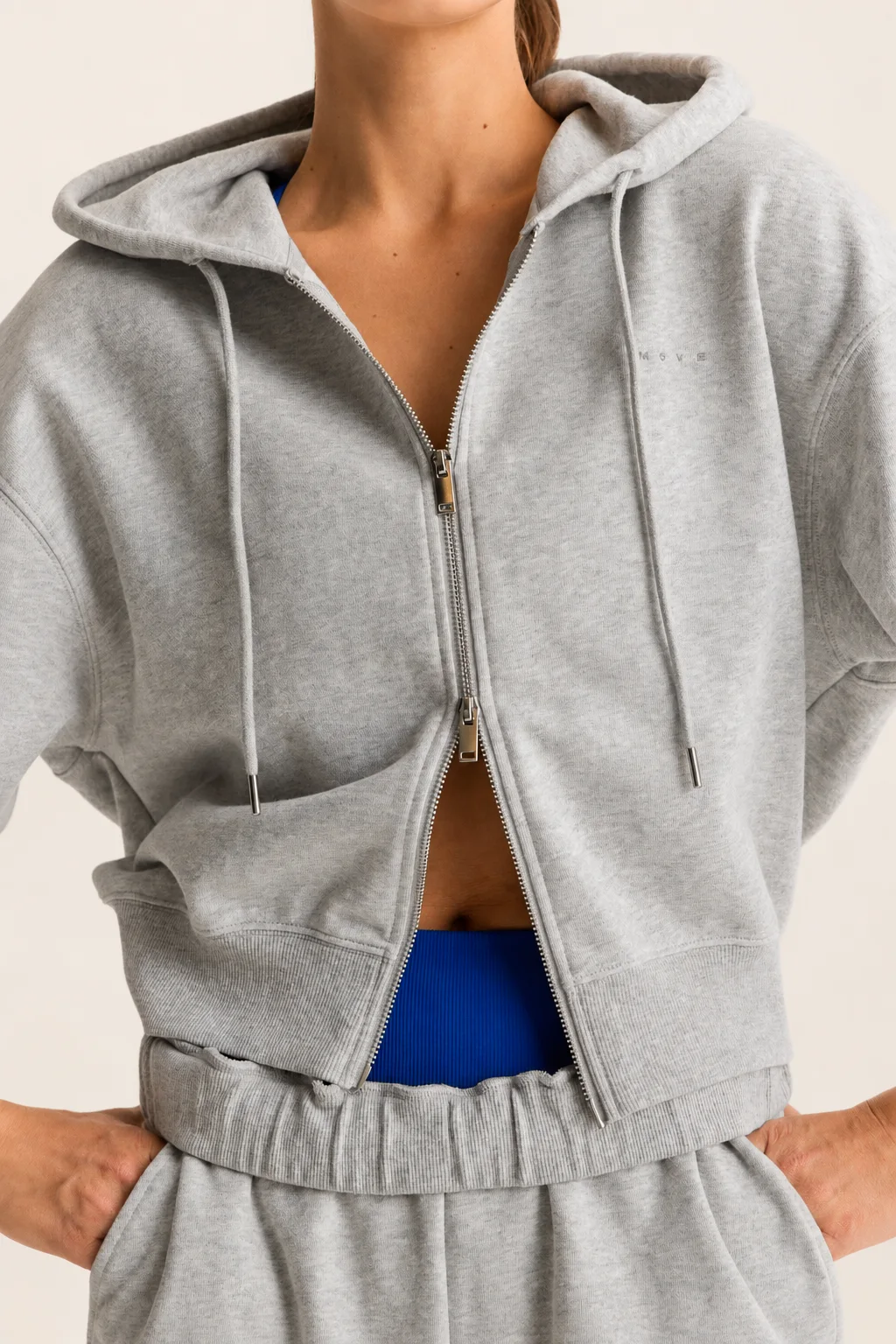
Hengcheng’s public positioning is OEM and private-label garment manufacturing for overseas buyers, with hoodies, sweatshirts, knitwear, sample development and quality-control support inside the broader capability scope. For buyers, the practical next step is still to show the exact hoodie direction and let the factory explain which parts are straightforward and which parts need sampling validation.
Business evidence matters, but it should not be treated as a magic guarantee. A certificate, website, business card or factory photo can support verification. It cannot replace sample quality, communication clarity and production control.
Use business evidence to check consistency. The company name, address, email domain, website, contact person and public pages should not tell conflicting stories. If certificates are important for your channel or market, ask for current documents and confirm whether they apply to the specific product or factory scope.
| Evidence type | Useful for | Limit |
|---|---|---|
| Website and public pages | Understanding positioning, categories and contact route | A website does not prove execution quality by itself |
| Business registration or company details | Checking identity consistency | It does not prove hoodie manufacturing capability |
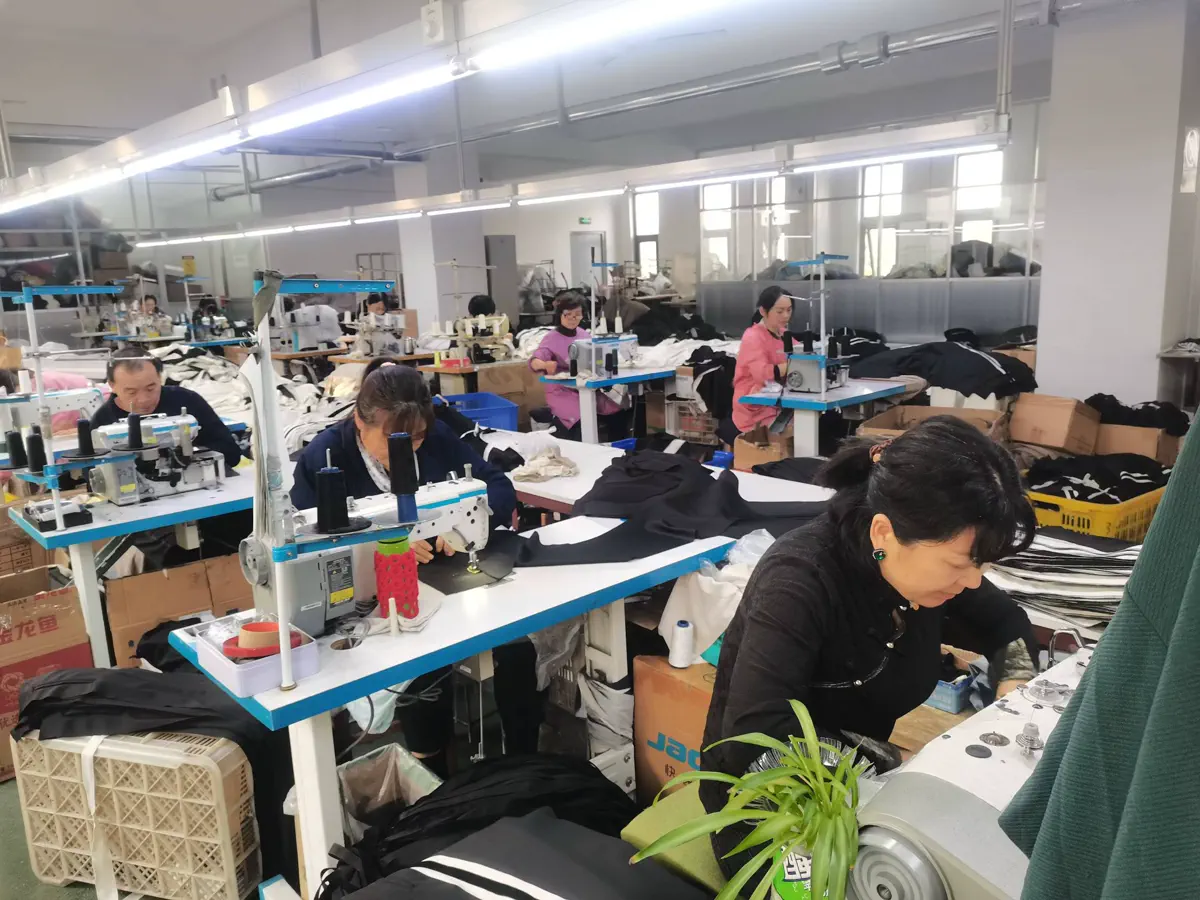
| Factory photos or videos | Seeing production environment and category signals | Images can be outdated or too general |
| Certificates | Supporting compliance or management-system checks | Scope, validity and relevance must be confirmed |
| Sample and QC records | Testing real operating discipline | Most useful when tied to your own product |
For Hengcheng, the public facts buyers can start from are clear: Weifang Hengcheng Garment Co., Ltd. was founded in 2002, is based in Weifang, Shandong, and focuses on OEM clothing, private-label apparel production, knitwear, sample development, fabric and trim sourcing support, quality control and bulk production support for overseas buyers. Those facts help position the supplier, but the buyer still needs to verify the actual order through product and sample discussion.
A hoodie sample is not only a sales photo. It is a production control document. If the sample process is casual, bulk production will be hard to control later.
When you receive the first sample, review it in a structured way. Do not approve only because the photo looks acceptable. Wear it, wash it if appropriate, measure it, compare decoration placement and record comments clearly.
| Sample checkpoint | What to review | Why it matters for bulk |
|---|---|---|
| Fabric hand feel | Weight, softness, drape, brushed face/back and stretch | Buyer perception starts with fabric |
| Measurement | Chest, length, sleeve, shoulder, hem, cuff and hood dimensions | Bulk must follow agreed tolerance, not visual guessing |
| Construction | Hood shape, pocket, rib, seam strength, zipper and neckline | Small construction issues repeat at scale |
| Decoration | Artwork size, color, placement, embroidery density or print hand feel | Brand look depends on repeatable placement and finish |
| After-wash behavior | Shrinkage, twisting, pilling, rib recovery and decoration durability | Many hoodie complaints appear after washing |
| Packing | Fold method, labels, hang tags, polybag, carton and SKU separation | Packing mistakes create warehouse and customer-service problems |
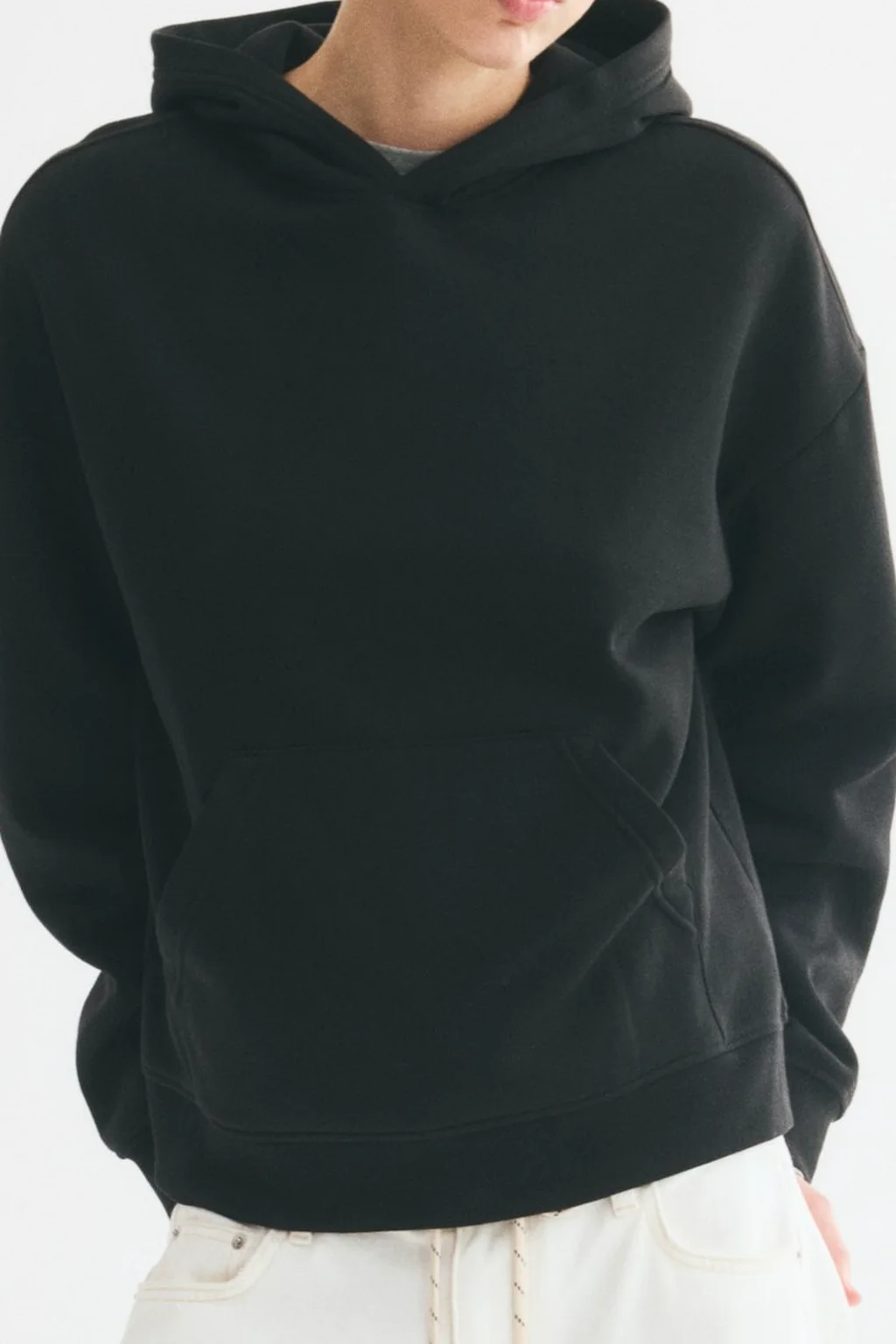
For a serious hoodie program, every sample comment should be written down. If you approve a changed sleeve length, different rib, adjusted pocket or revised embroidery size, the factory should know which version controls bulk production.
Generic QC language is weak. “We have good quality” does not tell you how the factory prevents mistakes. Ask for the specific checks that match your hoodie order.
A practical China factory should be able to discuss measurement tolerance, inline inspection, final inspection, defect handling and shipment-readiness checks. For hoodies, the QC discussion should also include fabric shrinkage, pilling risk, rib recovery, hood shape, pocket alignment, zipper function and decoration placement.
For more factory-side detail, Hengcheng’s garment quality control page is a better reference than a broad promise. It lets buyers evaluate process language instead of relying on adjectives.
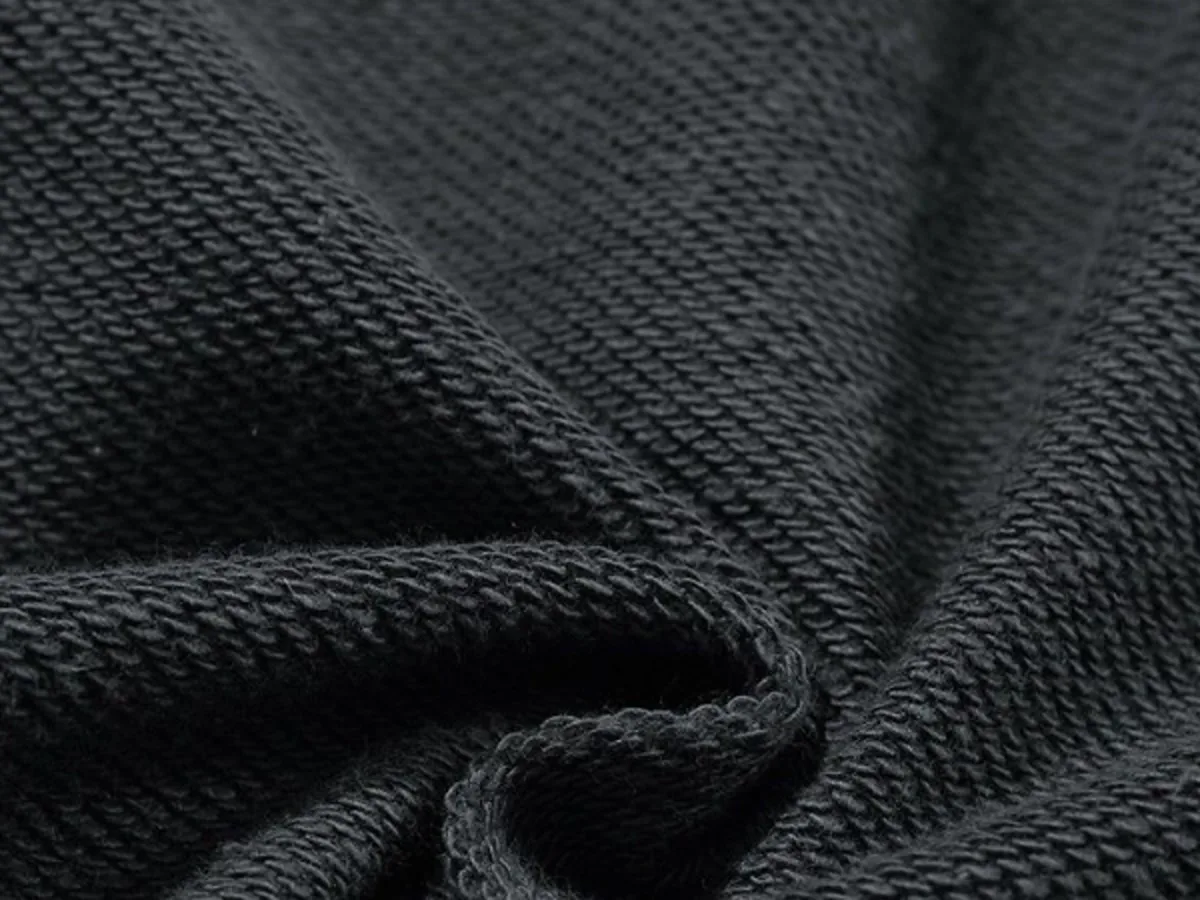
Fabric and trim details turn a vague quote into a usable quote. Without them, buyers may compare prices that are not actually for the same hoodie.
Ask the factory to explain how fabric, GSM, composition, color, rib, zipper, labels, decoration and packing affect MOQ and cost. You do not need a full cost breakdown for every early inquiry, but you do need to know what is included and what is still assumed.
| Quote input | Question to ask | Risk if ignored |
|---|---|---|
| Fabric GSM | What weight is quoted and can you provide swatches? | The bulk hoodie feels lighter or stiffer than expected |
| Composition | Is it cotton, cotton-poly, CVC, fleece, French terry or another knit? | Cost and wash behavior are misunderstood |
| Color | Is the color stock, custom dyed or matched to a reference? | MOQ and lead time change later |
| Rib trim | What rib quality is used for cuffs and hem? | Cuffs stretch out or recover poorly |
| Decoration | Is print, embroidery, patch or wash included? | The quote excludes the brand detail buyers care about |
| Packing | Are labels, hang tags, polybags and carton marks included? | Private-label costs appear late |
Communication is part of factory verification. Many production problems start as communication problems: missing artwork, unclear size breakdown, mixed color assumptions, unconfirmed packing or sample comments that never reach production.
A stronger supplier does not just say yes. It clarifies. It separates confirmed details from open questions. It explains what affects MOQ, sample fee, bulk price, lead time and QC risk. It also gives the buyer one responsible contact who can coordinate sampling, production, inspection and shipment handoff.
A factory can quote more accurately when the buyer sends a complete but concise RFQ. The goal is not to write a long essay. The goal is to reduce guessing.
Before contacting a hoodie factory, prepare the information below. If something is not decided yet, say so clearly. A serious factory can then separate confirmed details from points to solve during sample development.
| RFQ field | Minimum useful detail | Why the factory needs it |
|---|---|---|
| Product category | Hoodie, sweatshirt, pullover, zip-up, cropped or related style | Confirms category and construction fit |
| Reference | Photos, sketch, tech pack, CAD or physical sample | Shows target look and fit direction |
| Quantity | Pieces by style, color and size range | Controls MOQ, cutting efficiency and quote logic |
| Fabric | GSM, composition, fleece/French terry direction or hand-feel reference | Controls cost, sample plan and QC risk |
| Decoration | Artwork, print/embroidery/patch method, size and placement | Controls setup cost and sample testing |
| Branding | Neck label, care label, hang tag, polybag and carton needs | Clarifies private-label scope |
| Target market | Country, channel and quality/compliance expectations | Helps the factory understand buyer standards |
| Timeline | Target sample date, bulk delivery window and shipment handoff | Lets the factory flag unrealistic timing early |
From a Hengcheng factory-side perspective, the useful starting point is not a vague request for the cheapest hoodie. The useful starting point is a product brief that shows style, quantity, fabric direction, decoration, labels, packing and timeline.
Hengcheng would first look at whether the project fits its OEM/private-label garment manufacturing scope: hoodies, sweatshirts, knitwear and casualwear are relevant categories; sample development and quality-control discussion are part of the workflow. Then the factory would check what is confirmed and what still needs sampling validation.
For example, a buyer may know the visual style but not the exact fabric. Or the buyer may know the artwork but not whether embroidery, patch or print works best on the selected fleece. These are not small details. They affect quotation, MOQ, sample lead time and QC focus.
The stronger fit is usually a buyer who wants sample-first OEM or private-label hoodie production with repeatable bulk execution. The weaker fit is a buyer looking for no-minimum print-on-demand fulfillment, immediate stock resale or the lowest possible blank hoodie without development work.
For the full capability overview, see Hengcheng’s hoodie manufacturer in China page. For the development workflow, see the sample development process page.
Verification is useful because weak suppliers often expose themselves early. The warning signs are usually not dramatic. They are small gaps that become expensive later.
If several of these signs appear, do not rush into payment. Ask for clarification, request a structured sample process or compare another factory before moving forward.
Check whether the company details, website, contact route, address, factory evidence and business documents are consistent. Then verify capability through product-specific questions, sample process and QC discussion. Being real is only the first layer; being the right factory for your order is the more important layer.
No. Certificates can support verification, especially when your channel requires them, but they do not replace sample quality, communication clarity, measurement control, workmanship review and final inspection. Always confirm certificate scope and current validity when it matters.
The biggest warning sign is a supplier that gives a final quote and pushes payment before reviewing fabric, GSM, artwork, size range, colorways, decoration, packing and quantity. That usually means the quote is based on assumptions rather than your real product.
A factory visit can help, especially for larger or repeated programs, but it is not always practical for overseas buyers. If you cannot visit, use structured verification: business identity checks, product-fit questions, sample review, clear QC standards and written bulk-production requirements.
Check fabric hand feel, measurements, fit, hood shape, pocket alignment, rib recovery, seam workmanship, decoration placement, label details, packing and after-wash behavior where relevant. Record comments in writing and confirm which sample version controls bulk production.
Sometimes, but buyers should understand the role clearly. A trading company may help coordinate sourcing, but it may not control production in the same way as a direct factory. If you want direct sample-to-bulk control, ask who actually manages production, QC, revisions and shipment preparation.
Send product references, target quantity by style/color/size, fabric or GSM target, decoration details, label and packing needs, target market, sample expectations and timeline. If some details are unknown, say that clearly so the factory can tell you what affects quotation and sampling.