Address
JINKE Technology Industrial Park, No. 3188 ChunYuan Road, Weifang City, Shandong Province, China
Work Hours
Monday to Friday: 7AM - 7PM
Weekend: 10AM - 5PM
Address
JINKE Technology Industrial Park, No. 3188 ChunYuan Road, Weifang City, Shandong Province, China
Work Hours
Monday to Friday: 7AM - 7PM
Weekend: 10AM - 5PM

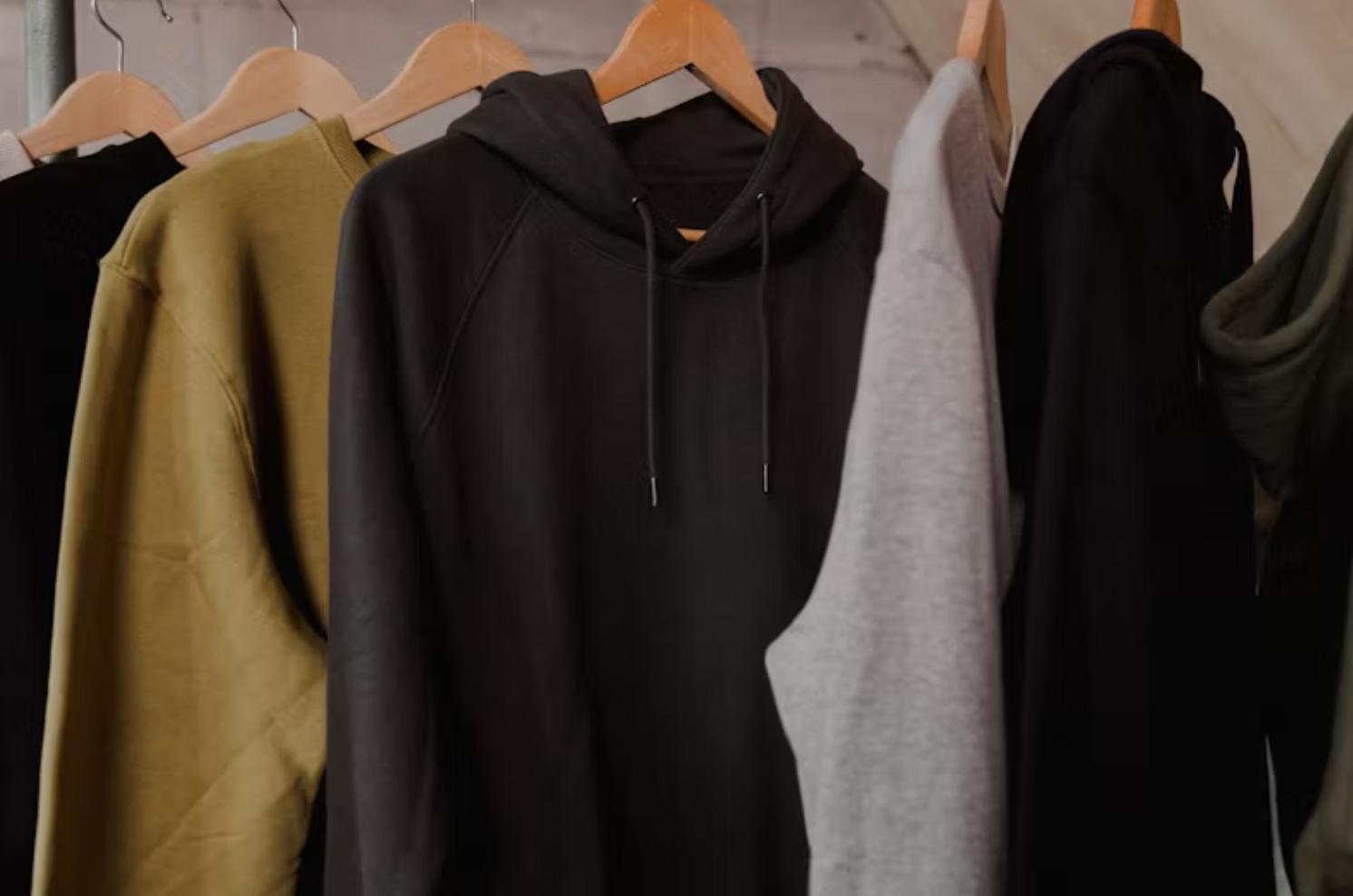
A practical hoodie quality guide for buyers: sizing, fabric pilling, hood construction, rib recovery, stitching and shrinkage warning signs.
A well-made hoodie is not judged by weight alone. A buyer should check whether the garment holds its measurements, whether the fabric surface stays stable after washing, whether the hood has enough structure, whether the rib cuffs recover, and whether stitching, shrinkage and finishing stay consistent across bulk production.
For procurement teams, brand founders and designers, these warning signs matter because they connect customer complaints to factory decisions. If a hoodie pills quickly, twists after wash, loses cuff recovery or drifts away from the approved sample, the problem usually started before final inspection. It may come from fabric selection, pattern balance, cutting, sewing tension, trim quality or a weak sample-approval process.
The practical rule is simple: do not approve a hoodie only because the first sample looks good in a photo. Review the garment as a product system. Fabric, fit, hood, rib, seams, decoration and packing all need to match the intended retail position.
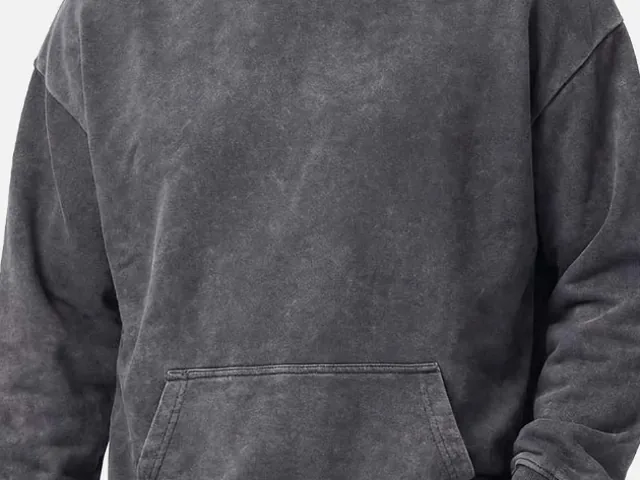
A hoodie is well made when the approved sample, size chart, fabric standard and bulk QC process all point to the same product. The five practical warning signs are sizing drift, fast pilling or surface change, weak hood shape, rib cuffs that do not recover, and inconsistent stitching, shrinkage or finishing.
A single sign does not always mean the whole production is bad. But if two or three warning signs appear together, the buyer should pause before approving bulk. A cheap-looking hoodie usually fails as a system: fabric choice affects shrinkage, shrinkage affects measurements, poor rib affects sleeve perception, and weak stitching makes the garment feel less stable.
| Warning sign | What the buyer sees | Factory-side cause to check |
|---|---|---|
| Sizing drift | Bulk pieces do not match approved fit. | Unclear points of measure, grading, shrinkage or tolerance. |
| Fast pilling | Fabric looks old after light wear or one wash. | Short fibers, weak yarn, poor brushing or wrong fabric direction. |
| Weak hood shape | Hood collapses, twists or pulls backward. | Thin fabric, weak construction, poor seam balance or wrong lining choice. |
| Rib collapse | Cuffs and hem stretch out or look wavy. | Poor rib quality, weak recovery, wrong stretch ratio or sewing tension. |
| Poor stitching or shrinkage | Seams twist, pocket distorts, body length changes after wash. | Cutting, sewing, finishing, fabric stabilization or QC gap. |
Many buyers say they want a high-quality hoodie, but that phrase is too broad for factory communication. One buyer may mean heavyweight fleece. Another may mean clean stitching. A third may mean a structured hood, soft hand feel, strong rib recovery or consistent sizing after washing.
From a China garment factory perspective, quality has to be translated into checkable points. The factory cannot control “premium” as a feeling. It can control fabric composition, GSM, yarn direction, shrinkage target, measurement tolerance, sewing method, rib specification, decoration placement and packing standard.
This is why the best hoodie RFQs do not only ask for price. They describe the retail position and the quality standard. For example, a low-cost promotional hoodie, a mid-market private-label hoodie and a heavyweight streetwear hoodie can all be acceptable products, but they should not use the same factory checklist.
| Buyer phrase | Better factory wording | Why it helps quotation and sampling |
|---|---|---|
| Good quality fabric | Fabric structure, composition, GSM, yarn direction and hand-feel target. | Allows the factory to compare realistic fabric options. |
| Oversized fit | Base size measurements, shoulder drop, body length, sleeve length and hem width. | Prevents the bulk hoodie from becoming simply too large. |
| Premium hood | Single-layer, double-layer or lined hood; drawcord and eyelet details. | Connects visual quality with construction cost. |
| Strong cuffs | Rib composition, stretch, recovery and width. | Controls comfort and long-term appearance. |
| Clean production | Approved sample, tolerance chart, inline QC and final inspection method. | Creates a bulk production standard instead of subjective judgment. |
The first quality signal is fit consistency. If shoulder width, chest, body length, sleeve length, hood opening or hem width shifts too much, the hoodie may feel like a different product from the approved sample. This is especially risky for oversized, cropped, boxy and zip-up hoodie styles, because the value of the product depends on proportion.
Small variation is normal in sewn garments. The problem is uncontrolled variation. A buyer should not expect every bulk hoodie to measure exactly the same, but the buyer and factory should agree on tolerance by point of measure before production starts.
A serious supplier should be able to explain which measurements are critical, how the sample will be measured, how grading works across sizes and how bulk pieces will be checked. If a factory only says “normal tolerance” without defining it, the buyer has not approved a real standard.
| Point of measure | Why it matters | Common failure if ignored |
|---|---|---|
| Chest width | Controls body fit and size perception. | Bulk feels tighter or boxier than the sample. |
| Body length | Defines cropped, regular or oversized proportion. | Customer sees the hoodie as the wrong style. |
| Shoulder width or shoulder drop | Controls relaxed or structured silhouette. | Oversized fit loses balance across sizes. |
| Sleeve length | Highly visible during wear. | Sleeves become short after wash or long in larger sizes. |
| Hem width | Affects drape, rib tension and lower-body shape. | Hem pulls in too much, waves or looks wider than intended. |
| Hood opening and hood height | Controls comfort and visual balance. | Hood collapses, feels tight or pulls backward. |
| Pocket placement | Important for kangaroo pocket balance and decoration alignment. | Pocket looks crooked, too high or too low in bulk. |
Pilling is one of the fastest ways a hoodie starts to look cheap. It can come from short loose fibers, weak yarn, aggressive brushing, unsuitable composition, high-friction surface or finishing that was chosen for first-touch softness instead of long-term wear.
GSM can mislead buyers here. A heavy hoodie is not automatically better. A 400 GSM fleece can still pill if the yarn and finishing are weak. A lighter French terry can perform better for some products if the fabric structure, yarn and finishing match the use case.
For buyers, the sample should not be judged only when it is new. Wash the sample, rub high-friction areas, inspect the surface under normal light and compare the result with the retail promise. If the target customer expects a premium streetwear hoodie, early pilling is a serious warning sign. If the product is a low-cost promotional hoodie, the acceptable standard may be different, but it still needs to be clear.
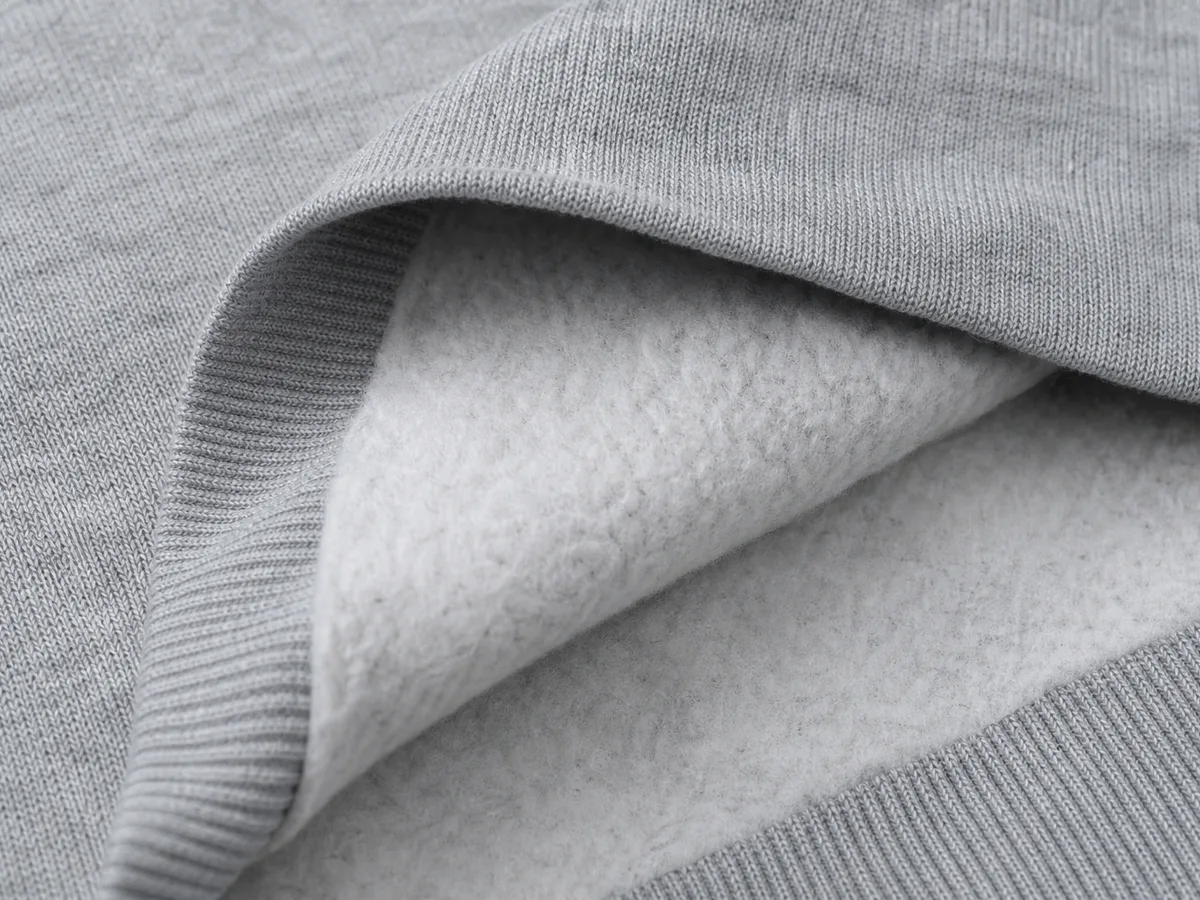
| Fabric factor | Buyer risk | What to ask the factory |
|---|---|---|
| Yarn quality | Weak yarn can create loose fibers and faster surface wear. | What yarn direction or fabric grade is being quoted? |
| Fiber length | Short loose fibers can form pills during wash and wear. | Is there a better fabric option for the target price level? |
| Brushing | A soft first touch can hide future shedding or matting. | How is brushed fleece tested after washing? |
| Composition | Cotton-poly blends vary widely in performance. | What blend is used and why does it fit this hoodie? |
| GSM | Weight does not equal complete quality. | What other fabric details support the GSM claim? |
| Color and finishing | Dyeing, washing or special finishes can change hand feel and shrinkage. | Will the bulk fabric match the approved sample lot? |
The hood is a visible quality signal. Even customers who cannot explain garment construction can often feel when a hood looks weak. It may collapse flat, twist at the seams, pull the neckline backward or sit awkwardly when worn down.
Hood quality depends on fabric weight, pattern shape, seam balance, lining choice, drawcord channel, eyelet placement and whether the hood is single-layer, double-layer or lined. A single-layer hood can be correct for a light hoodie. A double-layer or lined hood may be better for a premium product, but it also changes cost, weight and sewing complexity.
Buyers should review the hood from front, side and back views. They should also check whether the hood still looks stable after washing and packing. A hood that only looks good when steamed for a product photo may not satisfy retail customers.
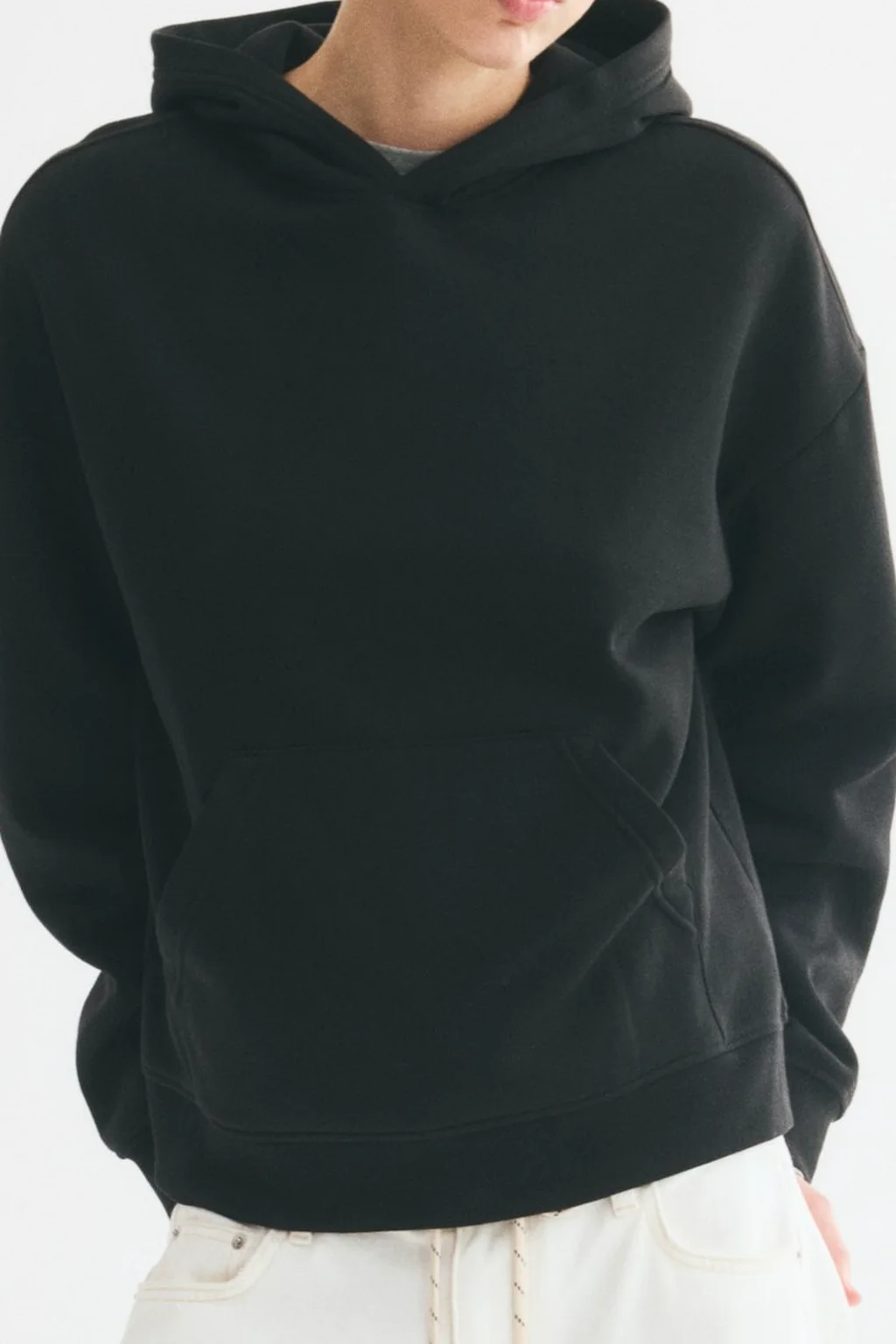
| Hood direction | Best-fit use | Risk to check |
|---|---|---|
| Single-layer hood | Lighter casual or cost-sensitive hoodies. | May feel thin or collapse if fabric is too weak. |
| Double-layer hood | Midweight and premium pullovers. | Adds cost and bulk; seam balance must be clean. |
| Lined hood | Design contrast, warmth or stronger structure. | Lining shrinkage and twisting need review. |
| Drawcord and eyelets | Functional or visual brand detail. | Placement, reinforcement and metal trim quality matter. |
| No-drawcord hood | Minimal, kidswear or compliance-sensitive programs. | Pattern must carry the shape without cord adjustment. |
For a deeper construction comparison, buyers can also review Hengcheng’s guide to single-layer, double-layer and lined hoodie hoods.
Rib cuffs and hem are small parts of the garment, but they strongly affect perceived quality. If cuffs stretch out quickly, twist, wave or lose recovery after washing, the hoodie feels old before the body fabric is actually worn out.
Rib quality depends on yarn, composition, knitting density, elastane content where used, stretch ratio, width and sewing tension. The body fabric and rib do not always behave the same way. A buyer may approve the body fleece but ignore rib trim until the sample is already made. That is a common mistake.
When reviewing a hoodie sample, stretch the cuff gently and see whether it returns. Check the hem after washing. Look at whether the rib seam is bulky, wavy or twisted. For zip-up hoodies, also check whether the rib and zipper balance cleanly at the front.
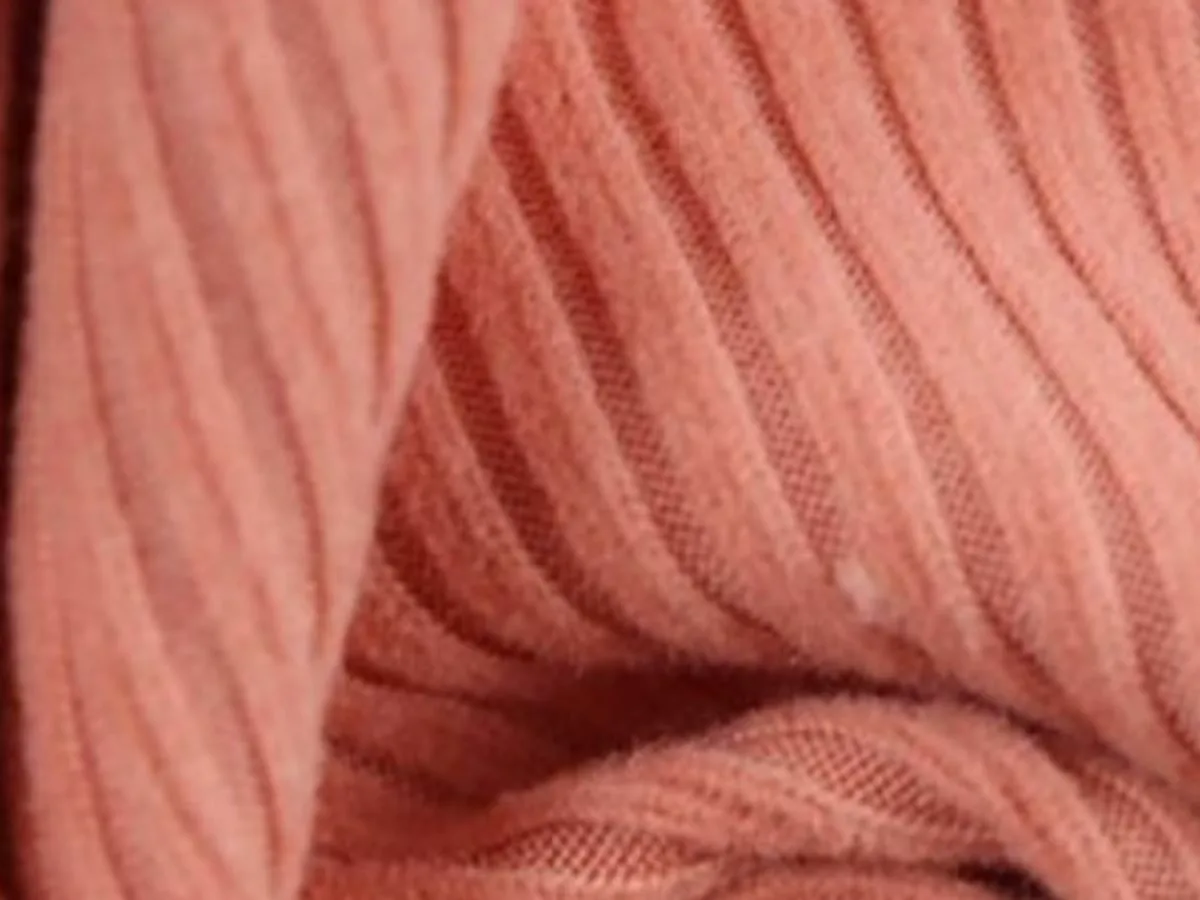
Even good fabric can become a poor hoodie if cutting, sewing and finishing are not controlled. Warning signs include uneven seams, loose threads, twisted side seams, distorted kangaroo pocket shape, zipper waves, decoration pulling, body shrinkage, sleeve shrinkage and inconsistent pressing or packing.
Some of these issues appear immediately. Others appear only after washing. That is why sample approval should include more than a try-on. For private-label programs, a wash review is often worth the time because it reveals shrinkage, twisting, pilling, rib recovery and surface change before the buyer commits to bulk.
Final inspection is important, but it should not be the first quality checkpoint. By final inspection, the garments are already sewn. A stronger process uses the approved sample, pre-production sample, inline QC and final inspection together.
| Stage | What to check | Why it matters |
|---|---|---|
| Fabric approval | Structure, GSM, composition, hand feel, shrinkage and pilling risk. | Prevents approving a good-looking but unstable material. |
| Sample approval | Fit, measurements, hood, rib, decoration and workmanship. | Creates the control reference for bulk production. |
| Pre-production sample | Confirmed fabric, trims, labels, packing and production method. | Checks that the production setup matches the approved direction. |
| Inline QC | Measurements, seam tension, pocket placement and decoration position. | Finds problems while correction is still possible. |
| After-wash review | Shrinkage, twisting, surface change and rib recovery. | Confirms customer-use stability. |
| Final inspection | Bulk pieces by color and size against agreed tolerance. | Confirms shipment readiness and records the result. |
The cheapest quote can be useful only when the specification is the same. If one supplier quotes a weaker fabric, lighter rib, looser tolerance, simpler hood or less strict QC, the price comparison is not real.
For overseas brands, the better comparison is to send the same brief to each factory and ask them to separate confirmed details from open questions. A serious factory may not give the fastest final price, but it should ask practical questions about fabric, fit, MOQ, decoration, labels, packing and inspection.
Hoodie manufacturing cost is not only sewing labor. Fabric weight, yarn quality, decoration, sample rounds, size range, colorways, labels, packing and freight all affect the real landed cost. Buyers can use Hengcheng’s custom hoodie manufacturing cost guide as a companion reference when comparing quotation logic.
| Comparison point | Weak answer | Stronger answer |
|---|---|---|
| Fabric | “Good fleece, 400 GSM.” | Fabric structure, composition, GSM, hand feel, shrinkage and pilling expectation. |
| Fit | “We can make S to XL.” | Base size, grade rule, critical POMs and tolerance chart. |
| Hood | “Normal hood.” | Single-layer, double-layer or lined hood with drawcord/eyelet details. |
| Rib | “Matching rib.” | Rib width, stretch, recovery and compatibility with body fabric. |
| QC | “We check quality before shipment.” | Sample approval, inline checks, measurement inspection and final packing review. |
| Quotation | One number with no assumptions. | Price tied to quantity, fabric, decoration, labels, packing and timeline. |
A useful RFQ reduces guessing. It helps the factory quote accurately and helps the buyer compare suppliers fairly. If some information is not ready, say that clearly. The factory can then explain which missing details affect sample fee, MOQ, unit price, lead time or QC risk.
For Hengcheng hoodie projects, the useful starting point is not a vague request for a “high-quality hoodie.” The buyer should share the product direction, target quantity, fabric expectation, size range, decoration method, labels, packing needs and timeline.
From there, Hengcheng can review the project from a factory-side perspective: whether the fabric direction fits the target quality, whether the MOQ is realistic, whether the decoration method creates production risk, whether the sample should be wash-tested, and which QC points should be controlled before bulk.
This approach protects both sides. The buyer receives a more meaningful quotation, and the factory avoids promising against incomplete information. For the full capability context, see Hengcheng’s hoodie manufacturer in China page.
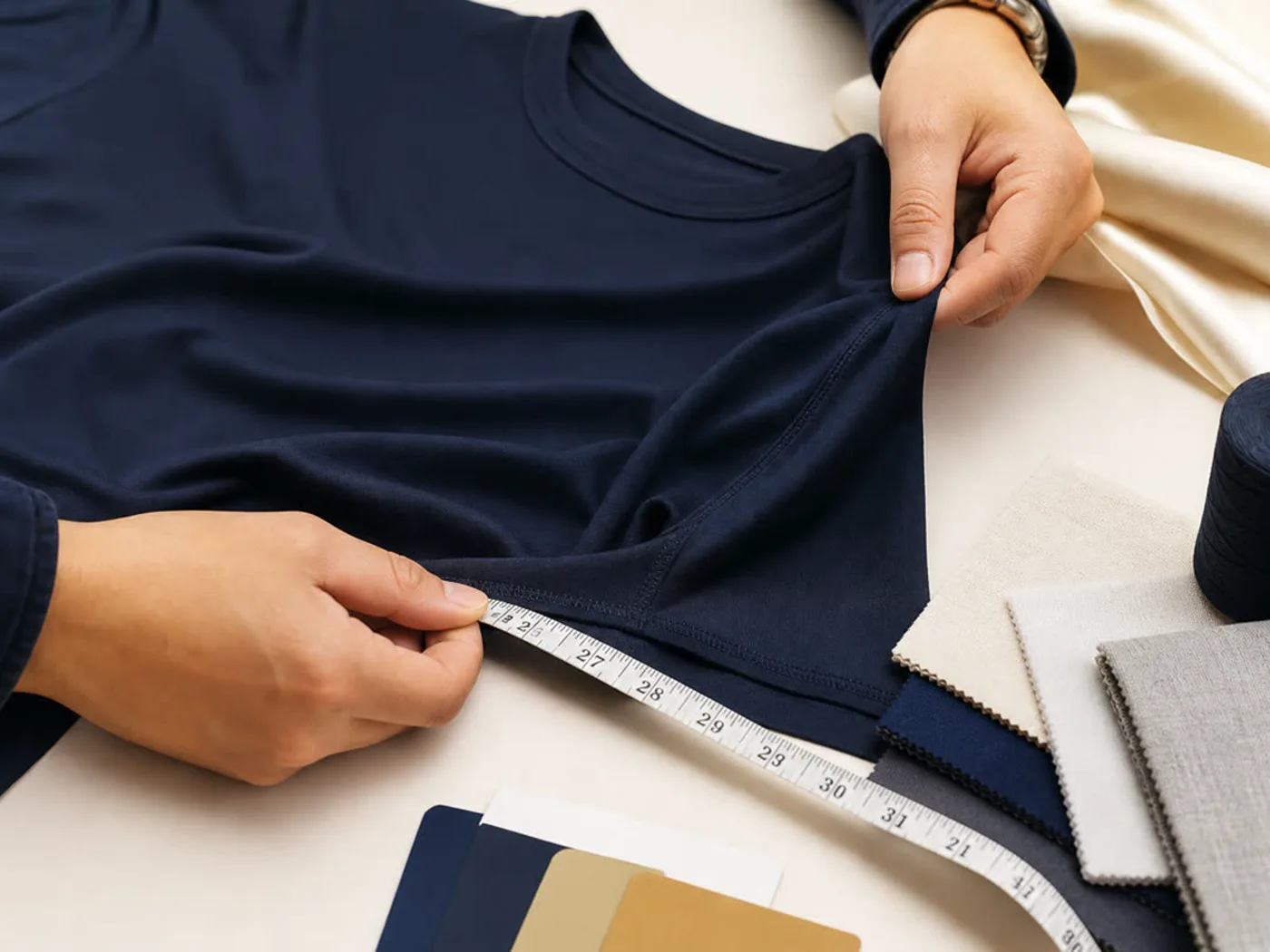
Start with the approved sample. Measure it, wash it, inspect fabric surface, check hood shape, stretch the rib cuffs, review stitching and compare the result with the target retail standard.
No. GSM measures fabric weight, not complete quality. Yarn quality, fabric structure, finishing, shrinkage, pilling behavior, construction and sewing control also matter.
Fast pilling can come from short loose fibers, weak yarn, aggressive brushing, unsuitable blends or finishing chosen for soft first touch instead of long-term wear.
Check rib width, stretch, recovery after stretching, recovery after washing, seam smoothness and whether the rib works with the body fabric weight.
Review the hood from front, side and back views. Check whether it collapses, twists, pulls backward, feels too thin, or changes shape after washing and packing.
No. Final inspection is necessary, but fabric behavior, shrinkage, fit, decoration placement and rib recovery should be reviewed during sampling and inline production as well.
Send reference photos or a sample, target fabric/GSM, size chart, decoration artwork, label and packing needs, quantity by color and size, target timeline and any wash or QC expectations.



