Address
JINKE Technology Industrial Park, No. 3188 ChunYuan Road, Weifang City, Shandong Province, China
Work Hours
Monday to Friday: 7AM - 7PM
Weekend: 10AM - 5PM
Address
JINKE Technology Industrial Park, No. 3188 ChunYuan Road, Weifang City, Shandong Province, China
Work Hours
Monday to Friday: 7AM - 7PM
Weekend: 10AM - 5PM

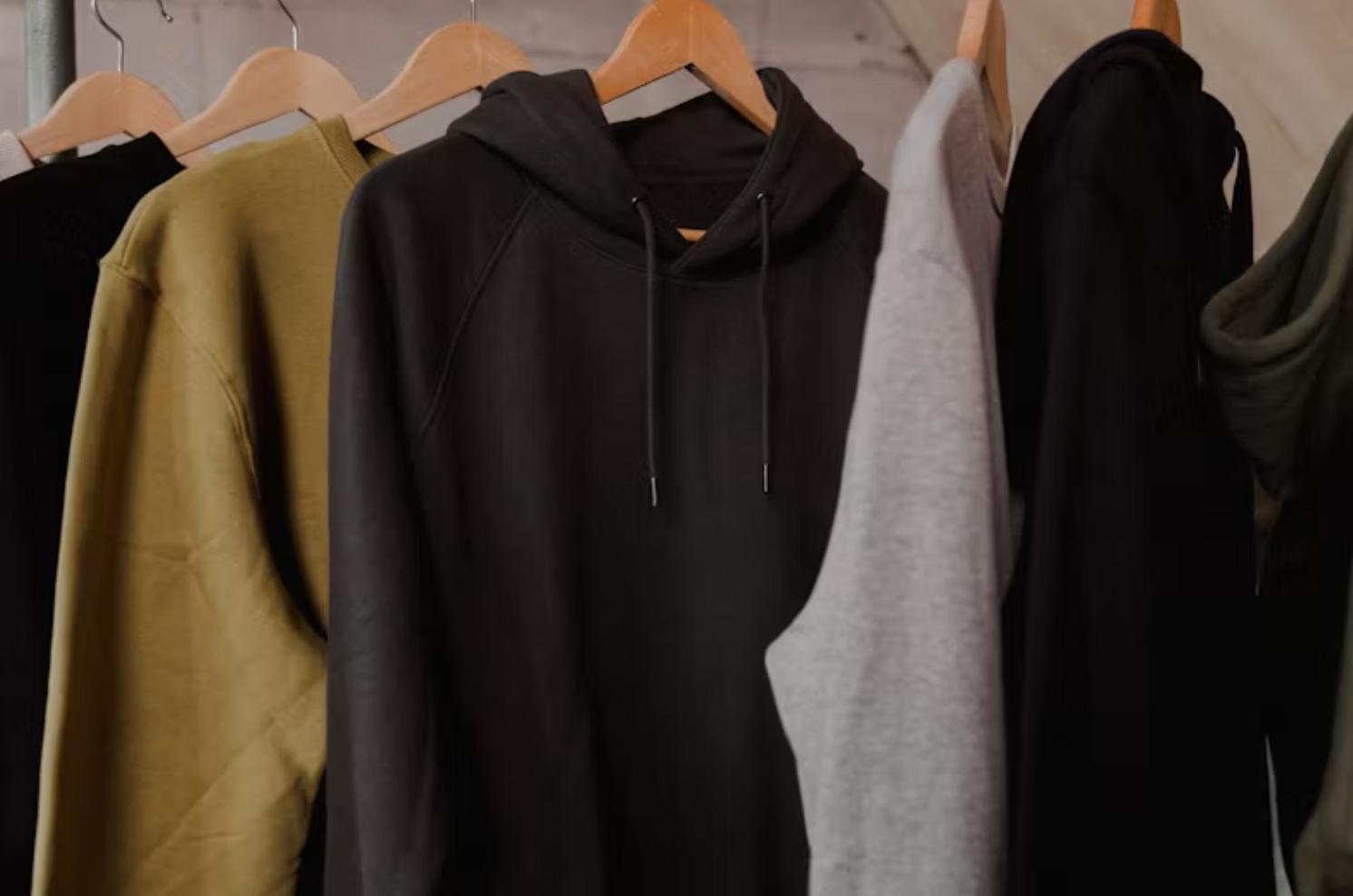
Why hoodie samples pill, shrink or lose shape after washing, and what buyers should check in fabric selection, sampling and bulk QC.
If a hoodie sample pills, shrinks, twists or loses shape after one wash, the problem is usually not one small defect. It is a warning that fabric selection, sample review or bulk QC was not specific enough before production moved forward.
For procurement teams, brand founders, designers and sourcing managers, this matters because a hoodie can look acceptable in the first sample photo and still fail in real use. The surface may become fuzzy. The body may shorten. The side seams may twist. The cuffs may stretch out. The hood may collapse after washing.
My practical rule is simple: do not approve a hoodie sample only when it is new. Wash it, measure it, stretch the rib, check the surface, and compare it with the retail promise you want the customer to experience.
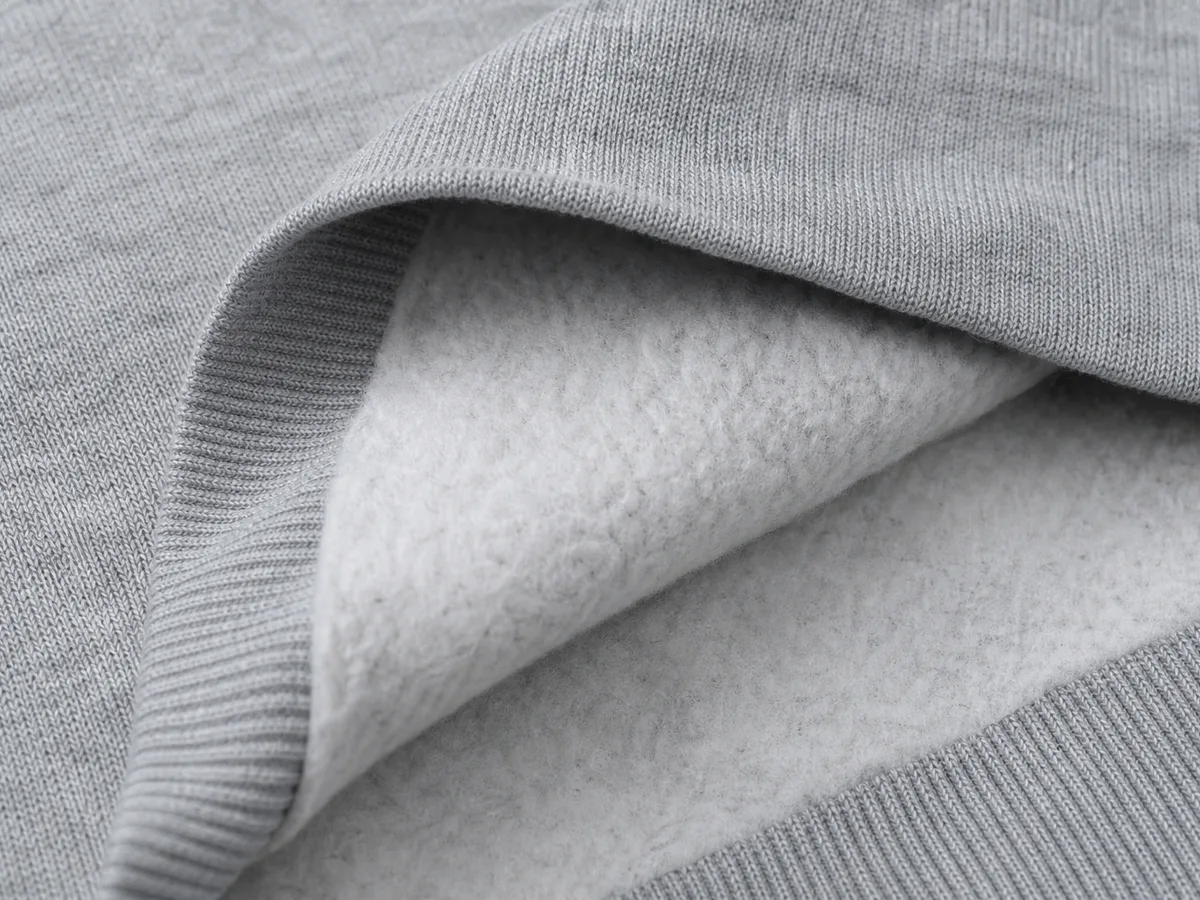
A hoodie sample usually pills or deforms after washing because the fabric, yarn, brushing, shrinkage control, rib recovery or sewing balance was not matched to the intended product standard. Final inspection alone cannot fix this. The key checks happen during fabric approval, sample review and bulk QC.
This does not mean every failed wash sample proves the factory is careless. Sometimes the buyer requested a price level that only supports a weaker fabric. Sometimes the sample was approved before wash testing. Sometimes the bulk fabric lot behaves differently from the sample fabric. The useful response is to trace the failure back to the production stage that caused it.
| Failure after wash | Likely area to check | Buyer decision |
|---|---|---|
| Surface pills quickly | Yarn quality, loose fibers, brushing and fabric composition. | Ask for a better fabric option or define pilling expectation before bulk. |
| Body shrinks too much | Fabric stabilization, shrinkage testing and care-label assumptions. | Set shrinkage tolerance and review washed measurements. |
| Side seams twist | Fabric grain, cutting balance, sewing tension and finishing. | Pause approval until the factory explains the cause. |
| Cuffs stretch out | Rib composition, density, elastane, stretch ratio and sewing tension. | Review rib trim separately from body fabric. |
| Hood loses shape | Fabric weight, hood pattern, seam balance and lining choice. | Check front, side and back views after wash and packing. |
| Graphic cracks or pulls | Decoration method, curing, fabric movement and placement. | Test decoration with the same wash standard as the garment. |
One wash is useful because it exposes decisions that are easy to miss when the sample is fresh. A new hoodie can be steamed, folded and photographed beautifully. After washing, the fabric, trims, sewing and finishing start to reveal whether they belong together.
From a China garment factory perspective, I would not treat pilling or deformation as a vague quality complaint. I would separate the issue into stages. Did the fabric have the right yarn and surface treatment? Was shrinkage reviewed before approval? Did the rib trim recover? Did the sewing tension work with the fabric? Did the buyer and factory agree on the washed standard before bulk?
This matters for private-label hoodie production because the approved sample becomes the reference for the bulk order. If the approved sample has not been tested properly, the bulk standard is weak from the beginning.
| Stage | What can go wrong | What the buyer should request |
|---|---|---|
| Fabric and trim sourcing | The fabric feels soft but pills, shrinks or loses body after washing. | Fabric composition, GSM, yarn direction, surface finish and trim details. |
| Sample development | The sample is approved by look and fit only, without wash review. | Before-wash and after-wash measurements, surface check and rib recovery review. |
| Bulk production QC | Bulk fabric, sewing or finishing drifts away from the approved sample. | Pre-production confirmation, inline checks and final inspection against the approved standard. |
Most pilling problems start before the garment is sewn. Buyers often ask for a hoodie by GSM and color, but GSM only tells you fabric weight. It does not tell you yarn quality, fiber length, fabric structure, brushing method, shrinkage behavior or long-term surface stability.
For example, brushed fleece can give a warm and soft hand feel. That is why many buyers like it for hoodies. But if the yarn, brushing and finishing are not controlled, the same soft surface can become fuzzy or pill-prone after wear and washing. French terry has a different loop structure and can feel more breathable, but it still needs the right yarn and finishing for the target product.
Composition also matters. Cotton-poly blends can be practical for hoodies, but two fabrics with the same composition on paper may perform differently. The yarn, knitting density, dyeing, brushing and finishing can all change the result. That is why I would avoid judging fabric by composition and GSM alone.
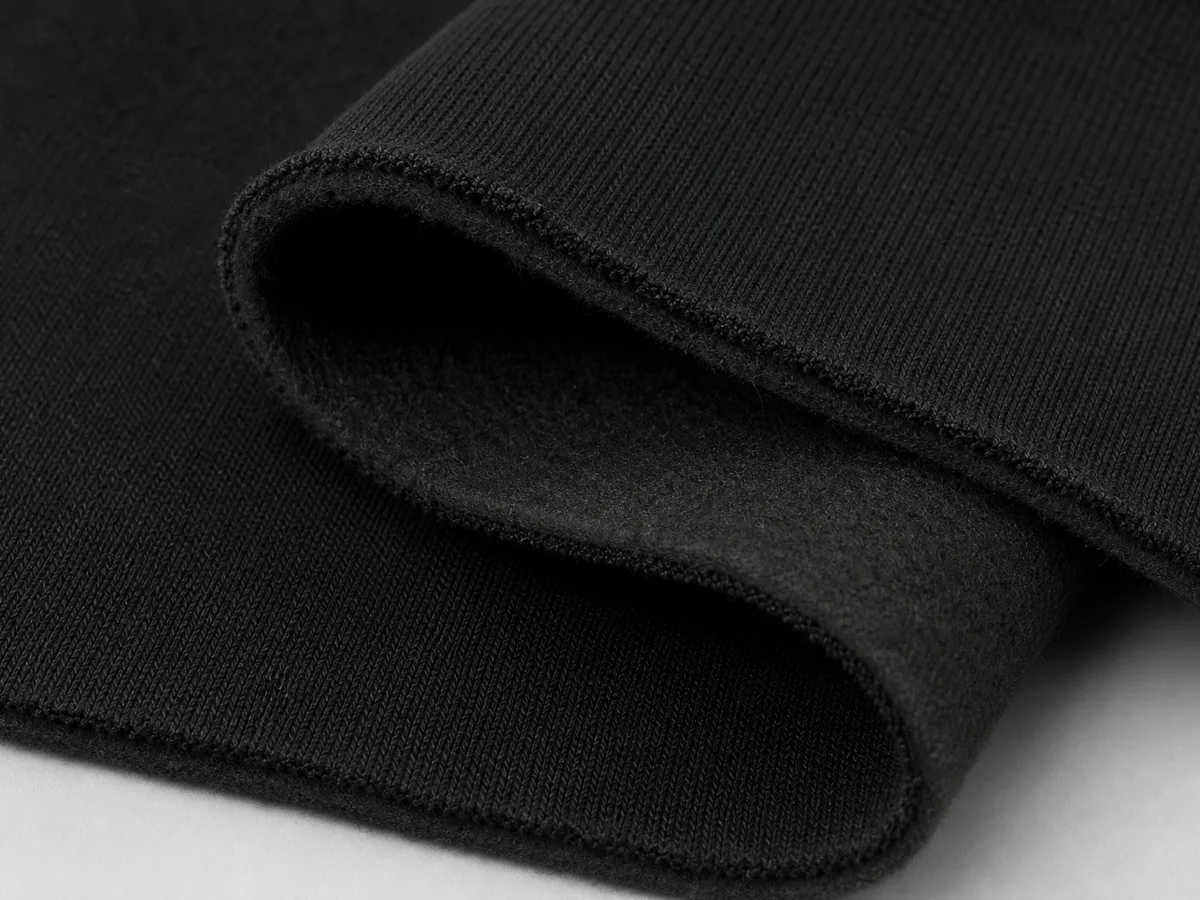
| Fabric detail | Why it matters | Buyer question to ask |
|---|---|---|
| Yarn direction | Better-controlled yarns usually support smoother surface behavior. | What fabric grade or yarn direction is being quoted? |
| Loose fibers | Short loose fibers can form pills during friction and washing. | Is there a cleaner fabric option for this target price? |
| Brushing | Brushing improves softness but can increase surface risk if overdone. | How does this brushed fleece look after washing? |
| GSM | Weight affects feel, warmth, cost and freight, but not total quality. | What other fabric details support this GSM choice? |
| Composition | Cotton, polyester and elastane behavior differs by blend and finish. | Why does this blend fit the target market and use case? |
| Shrinkage | Unstable fabric changes fit and measurement after washing. | What shrinkage range should we expect after washing? |
A hoodie sample can pass a first try-on and still fail as a retail product. That is why the sample review should include both visual review and use-condition review. At minimum, buyers should compare measurements before and after washing, check surface change, stretch rib cuffs and review hood shape.
This is especially important for oversized hoodies, cropped hoodies, heavyweight streetwear hoodies and zip-up hoodies. These products depend on proportion. If body length shrinks, sleeve length shortens, the hem pulls in or the hood twists, the final product no longer matches the approved design direction.
I would also review the sample after it has rested, not only immediately after drying or steaming. Some garments look acceptable when carefully handled, then show twisting, wavy rib or uneven pocket shape once they relax.
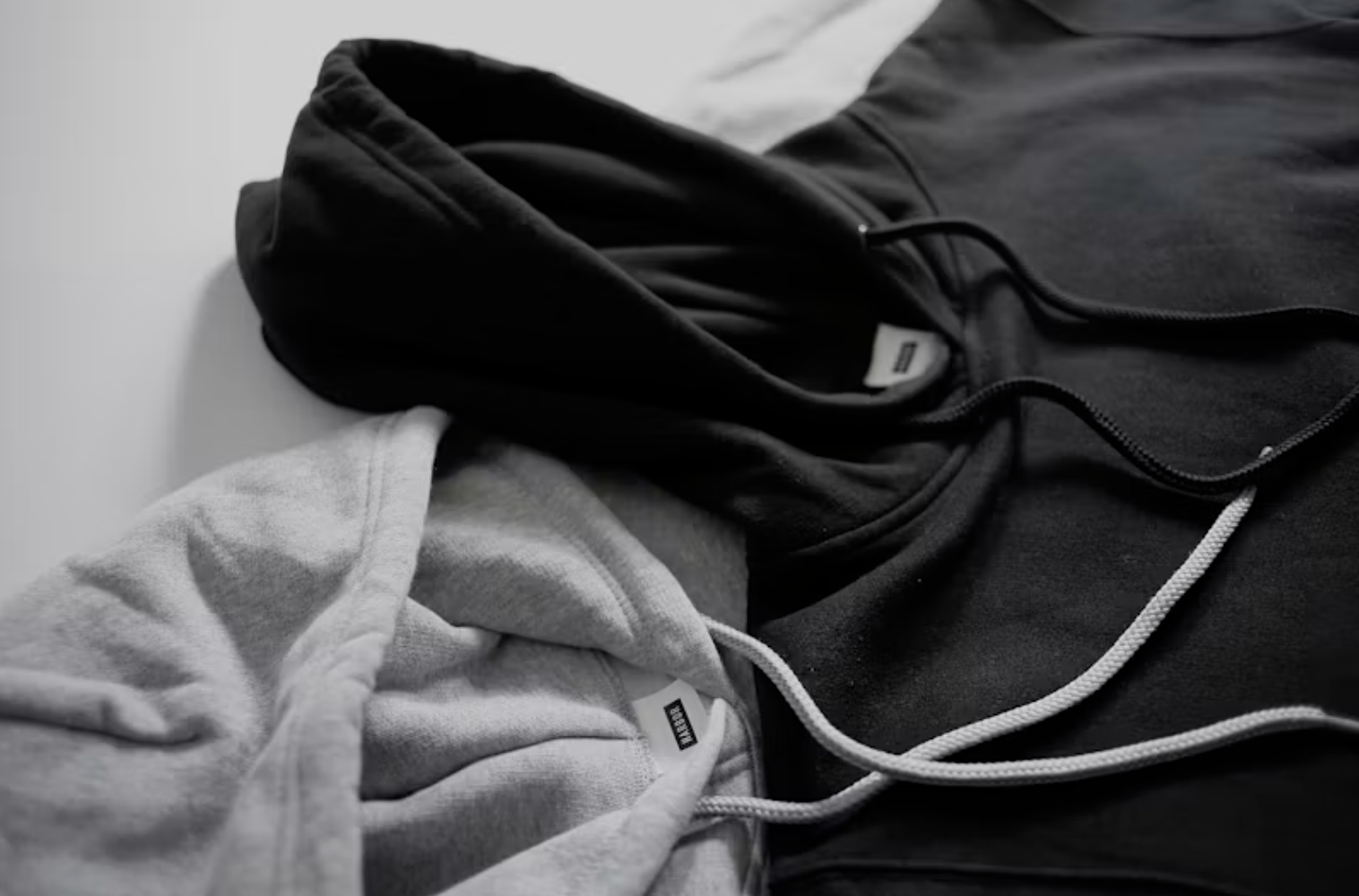
| Check item | What to inspect | Why it matters for bulk |
|---|---|---|
| Measurements | Chest, shoulder, body length, sleeve length, hem and hood opening. | Confirms whether shrinkage changes the fit. |
| Surface | Pilling, fuzzing, matting, color change and high-friction areas. | Predicts customer complaints after early wear. |
| Rib recovery | Cuffs and hem after stretch and washing. | Controls whether the hoodie still looks fresh. |
| Side seams | Twisting, pulling or uneven balance. | Shows fabric, cutting or sewing instability. |
| Hood shape | Front view, side view, back view and neckline pull. | Protects one of the most visible hoodie quality signals. |
| Decoration | Print cracking, embroidery puckering, patch edge lifting or placement shift. | Checks whether decoration and fabric movement work together. |
| Pocket and zipper | Kangaroo pocket alignment, zipper waves and front balance. | Prevents visible construction problems in bulk. |
Many buyers think QC means checking finished garments before shipment. That is only one part of the process. For hoodie pilling and deformation risk, QC needs to begin earlier, because fabric and trim choices are already locked before final inspection.
The approved sample should not be treated as a photo reference. It should become a production reference. Bulk fabric should be compared with the approved fabric direction. Rib trim should be checked for recovery. Critical measurements should be inspected during production. Decoration should be reviewed on the actual fabric, not only on a separate swatch.
If a factory changes fabric lot, brushing level, rib trim, wash process or finishing method, the buyer needs to know. A small change can create a large difference after washing.
| QC point | What to compare | Risk if skipped |
|---|---|---|
| Bulk fabric lot | Hand feel, weight, surface, color and shrinkage against approved fabric. | Bulk behaves differently from the sample. |
| Rib trim | Width, color, stretch, recovery and sewing compatibility. | Cuffs and hem lose shape after wash. |
| Measurement tolerance | Critical points of measure by size. | Bulk run feels off-size or inconsistent. |
| Sewing balance | Side seams, shoulder seams, hood seam and pocket placement. | Garment twists, pulls or looks uneven. |
| Decoration quality | Print, embroidery, patch or wash effect on the real garment fabric. | Graphic cracks, puckers or distorts after washing. |
| Packing review | Folding, compression, moisture control and carton condition. | Garments arrive crushed, misshaped or with avoidable finishing issues. |
Rib is easy to ignore because it is not the main body fabric. But cuffs and hems are touched, stretched and washed repeatedly. If the rib has poor recovery, the hoodie can feel old very quickly even when the body fabric is acceptable.
Buyers should check rib width, density, stretch, recovery and compatibility with the body fleece. The rib should not be selected only because the color matches. It has to work with the garment weight, fit and sewing method.
For cropped hoodies, the hem rib can define the whole silhouette. For oversized hoodies, cuff recovery affects how the sleeve sits. For zip-up hoodies, the front zipper, hem rib and body fabric must balance cleanly. These are small technical details, but they change how customers judge the garment.
Price pressure is real. A buyer may want a lower unit cost, and a factory may be able to offer a lower-cost fabric. The problem starts when both sides pretend the lower price has no tradeoff.
A better conversation is more honest. Ask the factory to explain two or three fabric routes: a budget route, a balanced route and a stronger route. Compare what changes in hand feel, GSM, pilling risk, shrinkage, lead time, MOQ and decoration suitability. Then decide which route fits the retail price and customer expectation.
MOQ can also affect fabric choice. A very small custom order may not support special dyeing, custom fabric knitting or complex trim development. A larger planned program gives the factory more room to coordinate fabric, trims, labels and QC. This is why low MOQ and full customization do not always move together.
| Route | When it may fit | Main risk to confirm |
|---|---|---|
| Budget fleece | Promotional or price-sensitive hoodie programs. | Surface pilling, shrinkage and customer perception. |
| Balanced cotton-poly fleece | Mid-market private-label hoodies with practical cost control. | Blend quality, brushing and bulk fabric consistency. |
| Heavyweight fleece | Streetwear, premium casualwear and structured silhouettes. | Higher fabric cost, sewing bulk and freight weight. |
| French terry | Breathable casualwear, trans-seasonal hoodies and lighter programs. | Loop stability, hand feel and target-market expectation. |
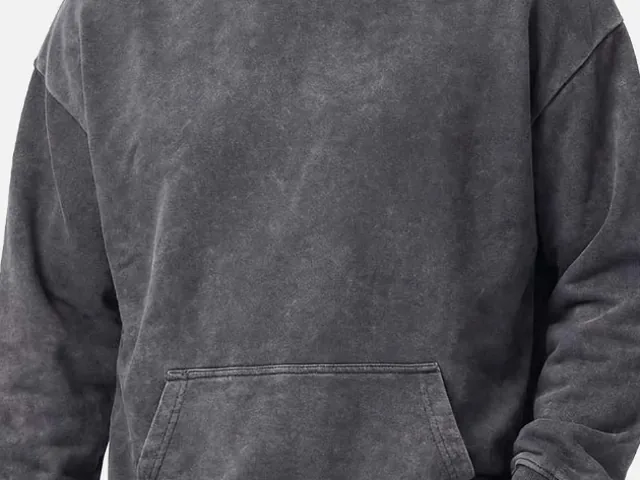
| Washed or special finish | Vintage, faded or more designed hoodie programs. | Color control, shrinkage, hand feel and repeatability. |
A vague request such as “good quality hoodie, no pilling” is not enough for a serious quote. The factory needs to understand the product standard, not only the product name.
For a hoodie sample where pilling and deformation risk matter, I would prepare the RFQ around product use, fabric direction, quantity, size range, decoration and wash expectation. If the buyer does not know the exact fabric, it is better to say the target retail position and ask the factory to recommend options.
For Hengcheng hoodie projects, the useful starting point is usually reference images, target market, estimated quantity, fabric or GSM direction, size range, decoration method, labels, packing and timeline. The site positions Hengcheng as an OEM and private-label garment manufacturer, so the inquiry should help the factory judge sample feasibility and bulk production risk instead of asking for a blind final price.
| RFQ field | Useful detail to provide | Why it helps |
|---|---|---|
| Target market | Country, climate, sales channel and retail price level. | Guides fabric weight, hand feel and quality expectation. |
| Quantity and colorways | Units by style, color and size if available. | Clarifies MOQ, fabric sourcing and price logic. |
| Fabric direction | French terry, fleece, GSM, composition or reference garment. | Lets the factory quote realistic fabric options. |
| Fit and size range | Oversized, regular, cropped, kidswear, menswear or womenswear. | Connects shrinkage and measurement tolerance to the real silhouette. |
| Decoration | Print, embroidery, patch, wash effect or no decoration. | Checks whether the surface and decoration will survive washing. |
| Wash expectation | After-wash measurement, pilling tolerance and care-label assumption. | Creates a testable sample approval standard. |
| Branding and packing | Labels, hangtags, polybags, carton marks and folding standard. | Prevents last-minute changes that affect schedule and presentation. |
Hengcheng should be framed as a China garment manufacturer and OEM/private-label production partner, not as a stock hoodie seller. For a hoodie that must control pilling, shrinkage and shape retention, the practical review would start with the buyer brief and sample target.
The factory-side questions are concrete: What fabric route is realistic for the target price? Does the buyer need brushed fleece, French terry, heavyweight fleece or a special wash? Which measurements are critical? Does the rib need stronger recovery? Does the decoration method create surface risk? Should the sample be washed before approval? What must be checked before bulk cutting?
This is also where sample-to-bulk continuity matters. The sample is not just a sales demonstration. It is the control point for fabric, fit, trim, decoration and workmanship. If the buyer wants a more stable production result, the inquiry and sample review need to be specific enough for the factory to follow.
The most common mistake is approving only the fresh sample. The hoodie arrives, the hand feel seems soft, the color looks right, and the fit looks close enough. Then the buyer skips the wash review because the launch schedule is tight. That is risky.
The second mistake is asking every factory for the lowest price without making the specification equal. If one quote uses weaker fabric, lighter rib or looser QC assumptions, it should not be compared directly with a more complete quote.
The third mistake is ignoring the relationship between design and production. A heavyweight oversized hoodie, a cropped hoodie, a zip-up hoodie and a light promotional hoodie should not share the same checklist. Each one has different fabric, shrinkage, hood, rib, decoration and packing risks.
A safer hoodie sample approval process does not need to be complicated. It needs to be explicit. Decide what matters for the product and test those points before bulk.
For a quality-sensitive hoodie, I would keep one approved unwashed sample and one washed sample record. Measure both. Photograph key areas. Note surface change, rib recovery, hood shape and decoration behavior. Then use that record when approving bulk production.
If the buyer is still unsure, it is better to approve a clearer second sample than to push a weak first sample into bulk. One more sample round can feel slow, but it is cheaper than discovering pilling, shrinkage or twisting after finished goods arrive.
| Step | Action | Decision output |
|---|---|---|
| 1 | Confirm fabric route, GSM, composition and target hand feel. | Factory and buyer agree what is being tested. |
| 2 | Review fresh sample fit, sewing, hood, rib and decoration. | Buyer lists corrections before production approval. |
| 3 | Wash the sample using the expected care method. | Buyer sees shrinkage, pilling, twisting and recovery risk. |
| 4 | Measure and photograph after-wash condition. | Washed sample becomes a practical reference. |
| 5 | Confirm PP sample or bulk standard before cutting. | Production team has a clearer control point. |
| 6 | Inspect inline and final goods against agreed points. | QC is tied to the approved standard, not memory. |
Common reasons include short loose fibers, weaker yarn, aggressive brushing, unsuitable fabric composition, poor surface finishing or a fabric route chosen mainly for first-touch softness instead of long-term wear.
No. GSM measures fabric weight. A heavy hoodie can still pill if yarn quality, brushing and finishing are weak. Buyers should check GSM together with fabric structure, yarn direction and after-wash performance.
Yes, especially for private-label products where customer experience matters. Washing helps reveal shrinkage, twisting, pilling, rib recovery, hood shape and decoration behavior before bulk production starts.
No. Final inspection can catch visible defects, but many pilling and shrinkage risks come from fabric and sample decisions made earlier. QC should begin at fabric approval and sample review.
Cuffs usually lose shape because the rib trim has weak recovery, poor density, unsuitable composition, wrong stretch ratio or sewing tension that does not match the body fabric.
Not automatically. French terry and fleece behave differently. French terry can offer more structure and breathability, while brushed fleece offers warmth and softness. The better choice depends on yarn, finishing, use case and target market.
Ask about fabric structure, GSM, composition, yarn or fabric grade, shrinkage expectation, rib trim, decoration method, sample review process, MOQ logic, timeline and how the approved sample will control bulk production.