Address
JINKE Technology Industrial Park, No. 3188 ChunYuan Road, Weifang City, Shandong Province, China
Work Hours
Monday to Friday: 7AM - 7PM
Weekend: 10AM - 5PM
Address
JINKE Technology Industrial Park, No. 3188 ChunYuan Road, Weifang City, Shandong Province, China
Work Hours
Monday to Friday: 7AM - 7PM
Weekend: 10AM - 5PM

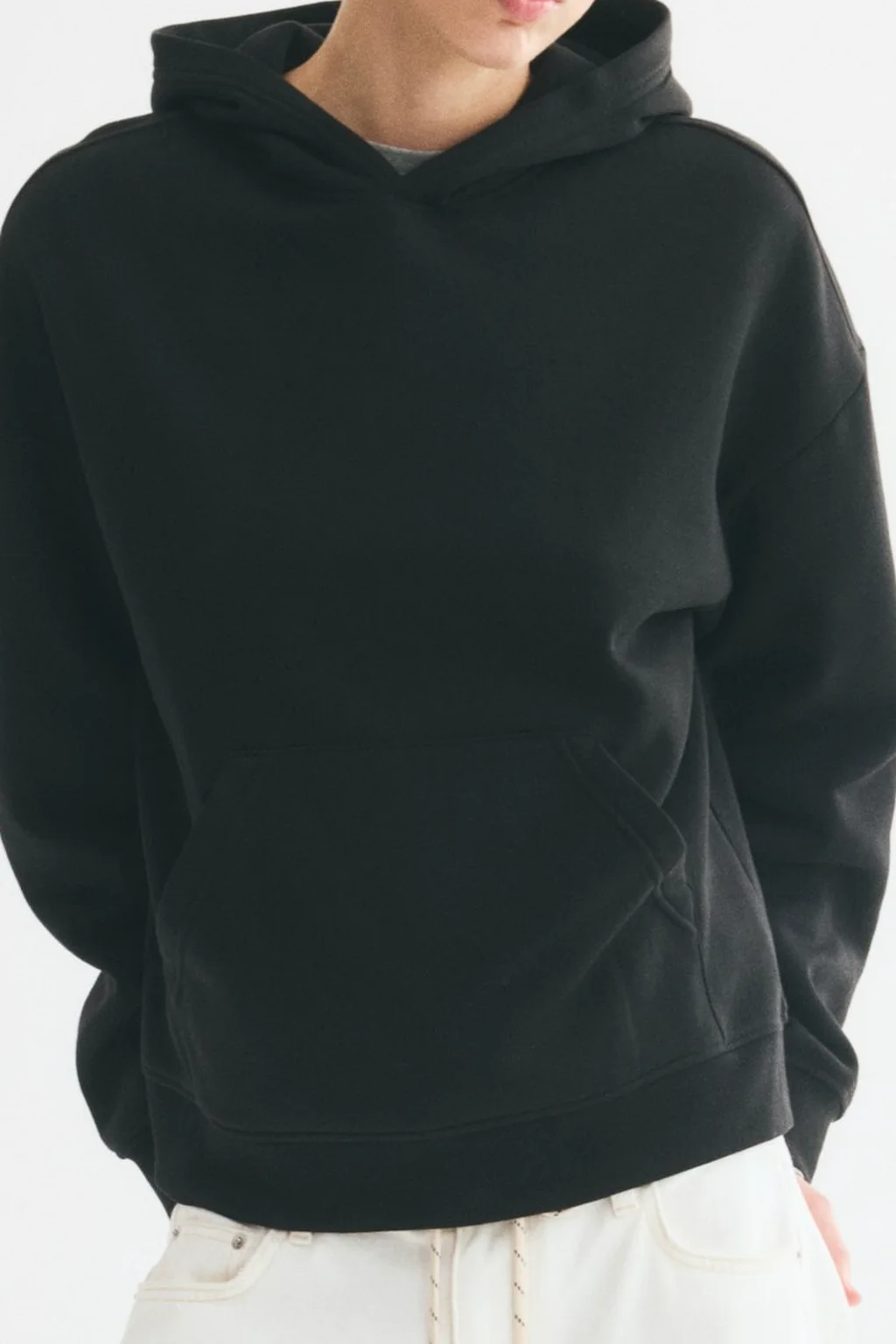
Compare single-layer, double-layer and lined hoodie hoods, including structure, cost, warmth, premium feel and private-label buyer decisions.
A hoodie hood is not just a small styling detail. For buyers comparing custom hoodie manufacturers, the hood affects silhouette, fabric consumption, sewing difficulty, warmth, sample approval and the final retail impression. A single-layer hood can be the right choice for a lightweight program, a double-layer hood can create a more structured streetwear look, and a lined hood can add warmth, comfort or contrast detail. The best option depends on the hoodie fabric, target price, season, brand positioning and how the garment should look after washing.
This guide is written from the perspective of a China garment factory that develops OEM and private-label hoodie programs for overseas brands. The goal is practical: help buyers, brand founders and designers specify hoodie hood construction clearly before sampling and quotation.
If your hoodie is lightweight, price-sensitive or designed for warm weather, a single-layer hood may be enough. If your brand wants a heavier streetwear shape, cleaner drape and a more premium hand feel, a double-layer hood is usually stronger. If your product is for colder weather, contrast styling or a more finished interior, a lined hood can make sense, but the factory must check fabric compatibility carefully.
| Hood type | Best use case | Main advantage | Main risk | Quotation impact |
|---|---|---|---|---|
| Single-layer hood | Lightweight hoodies, budget programs, warm climates, simple basics | Lower fabric use, lighter wearing feel, simpler sewing | May collapse or look thin if the fabric lacks stability | Usually lowest cost among the three options |
| Double-layer hood | Midweight to heavyweight hoodies, streetwear, premium basics | Better structure, fuller look, stronger perceived quality | Higher garment weight and higher fabric consumption | Higher cost because of extra fabric and sewing steps |
| Lined hood | Seasonal hoodies, fleece-lined styles, contrast designs, comfort-focused products | Adds warmth, softness or design contrast inside the hood | Shell and lining shrinkage may behave differently after washing | Depends on lining fabric, cutting, joining and QC requirements |
Many customers cannot name the construction details of a hoodie, but they can feel the difference immediately. A weak hood may twist, collapse backward, look narrow at the neck or sit unevenly when the garment is worn. A stronger hood frames the neck cleanly, has enough body when the hoodie is hung or folded, and still looks intentional after several washes.
For a buyer, this matters because the hood is one of the first visible areas in product photos, fit reviews and customer returns. The body fabric may be good, but if the hood looks flat or pulls at the neckline, the whole hoodie can feel cheaper than planned. In factory development, we therefore review the hood together with fabric GSM, pattern shape, drawcord design, neck seam, rib quality and wash performance.
A single-layer hood uses one layer of the main fabric. It is common in lightweight hoodies, promotional programs, summer-weight sweatshirts, kidswear and products where the buyer wants a softer, less bulky garment. It can also be suitable when the fabric already has enough stability, such as a compact French terry or a medium-weight fleece with a clean face.
The advantage is straightforward: lower fabric consumption, lower sewing complexity, less weight and usually a more cost-efficient quotation. This can be important for brands working with tight retail price targets, large color ranges or online promotions where landed cost needs to stay controlled.
The risk is also clear. If the fabric is too light, loose or unstable, the hood can collapse and lose shape. A single-layer hood can also show the reverse side of the fabric more visibly, especially when the hood is worn down. For that reason, buyers should ask the factory to show photos of the hood both worn up and laid flat, not only a front product shot.
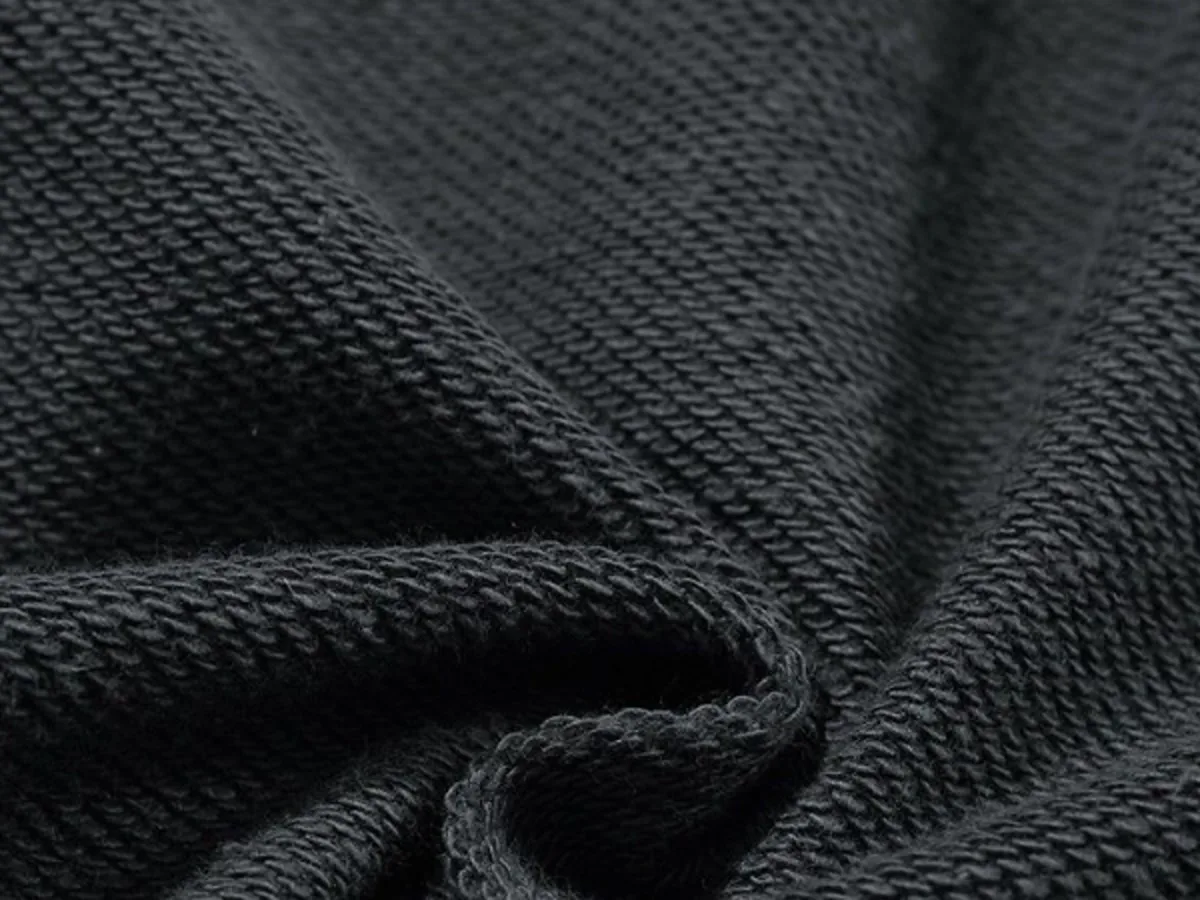
A double-layer hood uses two layers of fabric, usually the same shell fabric inside and outside. This construction adds body and helps the hood keep a cleaner shape. It is common in heavier streetwear hoodies, premium blanks, brand merchandise and private-label programs where the buyer wants the garment to feel more substantial.
From a factory perspective, the double-layer hood changes both material usage and production handling. The extra layer increases fabric consumption, cutting quantity, sewing time and sometimes needle/seam bulk at the neckline. On heavyweight fleece, this can create a strong premium silhouette, but it can also make the garment heavier than the buyer expected.
This is why double-layer does not automatically mean better for every product. A 320-400 GSM hoodie with a double-layer hood can feel structured and valuable. A very heavy shell fabric plus a double-layer hood may become too bulky for some markets. A lightweight fashion hoodie may not need this construction at all. The buyer should decide based on target retail position, climate, channel and fit direction.
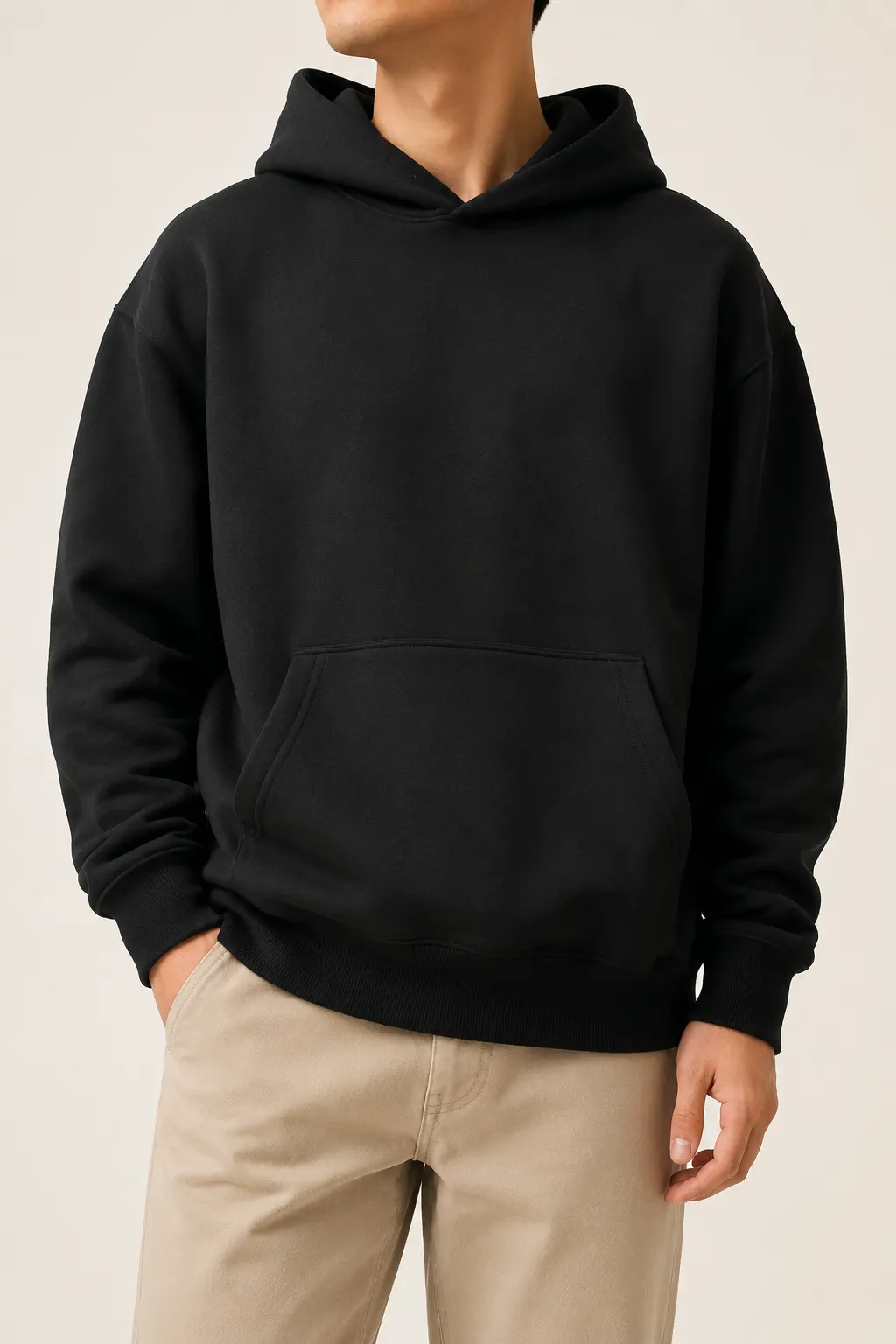
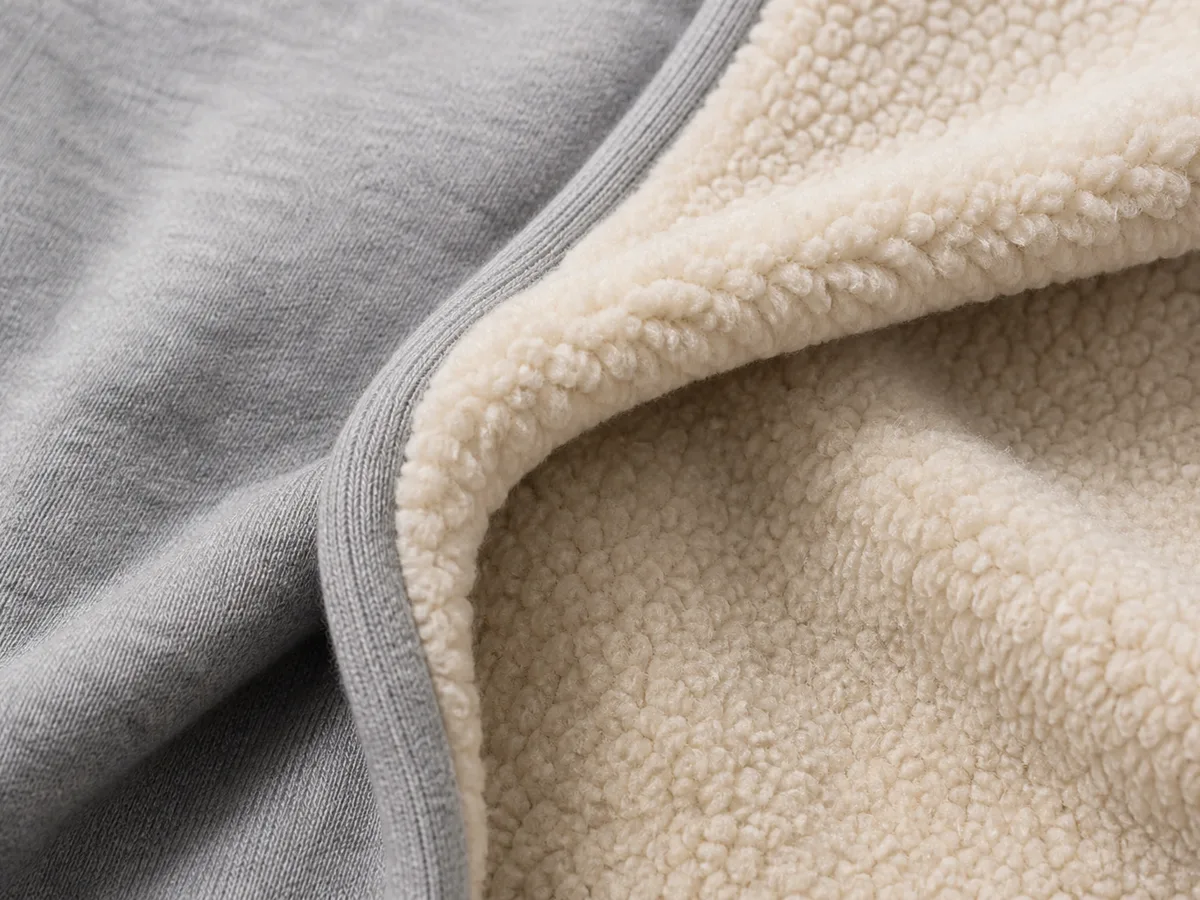
A lined hood uses a different inner fabric inside the hood. Common choices include cotton jersey, single jersey, fleece, sherpa, mesh or a contrast color fabric. Buyers often choose a lined hood for three reasons: to make the inside feel softer, to add warmth, or to create a visible design detail when the hood is open.
This construction can be attractive for seasonal collections and brand-driven styles. For example, a contrast jersey lining can make a basic hoodie feel more designed. A fleece or sherpa lining can support a winter story. A smoother jersey lining can make the hood interior feel cleaner against the skin.
The main technical issue is compatibility. If the shell fabric and lining fabric shrink at different rates, the hood may pucker, twist or become uneven after washing. Different thicknesses can also create sewing bulk around the hood opening and neckline. Before approving a lined hood, the buyer should ask the factory how the shell and lining will be pre-shrunk, whether the fabrics have similar wash behavior, and whether the sample will be checked after washing.
Hood construction affects quotation because it changes more than one cost line. It can change fabric consumption, cutting layers, sewing operations, thread use, trims, QC time and packaging volume. A double-layer hood may look like a small change, but across 500, 1,000 or 5,000 pieces, the extra fabric can become meaningful.
| Cost factor | Why it changes | Buyer note |
|---|---|---|
| Fabric consumption | Double-layer and lined hoods require additional fabric pieces | Ask whether the quotation includes the confirmed hood construction |
| Cutting efficiency | Curved hood panels may affect marker efficiency | Fabric width and panel shape can change actual usage |
| Sewing time | More layers mean more joining, turning, topstitching or edge control | Heavy fabrics may need slower sewing speed |
| Trims | Drawcord, eyelets, tips, neck tape and labels may change with hood type | Metal eyelets, branded cord tips and special tape should be specified early |
| QC and testing | Lined hoods need extra checks for shrinkage, twisting and puckering | Wash-test approval is especially important for mixed fabrics |
MOQ may also be affected if the lining fabric is custom dyed, specially sourced or used only for one small part of the hoodie. If the buyer wants ten shell colors but a different lining for each color, the project becomes more complex. A factory can often support it, but the cost and lead time should be discussed before sampling.
Layer choice is only one part of hoodie hood construction. The hood pattern also matters. A shallow hood may pull when worn up. A very deep hood may look fashionable in streetwear photos but feel inconvenient for mainstream buyers. The neck opening, hood height, hood width, seam curve and attachment to the neckline all influence comfort and appearance.
For designers, this is where reference samples are useful. If you want a relaxed streetwear hood, send photos or a physical sample showing the hood depth and drape. If you want a clean private-label basic, specify a moderate hood with stable shape and easy wearability. If you are developing kidswear, safety rules around drawcords may also affect the design.
Many RFQs say only “hoodie with hood”, but the hood area includes several details that affect both appearance and compliance. Buyers should define whether the hood has a drawcord, flat cord or round cord, metal eyelets or sewn buttonholes, branded cord tips, contrast cord, neck tape, back-neck label, woven label, size label and care label position.
For premium programs, the factory should also check whether the drawcord channel is stable, whether eyelets are reinforced, whether the cord tips pass the buyer’s quality expectation, and whether the neck seam feels bulky. These details are small in a tech pack, but they are often visible in product photos and customer reviews.
When the hoodie sample arrives, do not review only the front body and fabric handfeel. Spend a few minutes checking the hood carefully. This helps catch issues before bulk production.
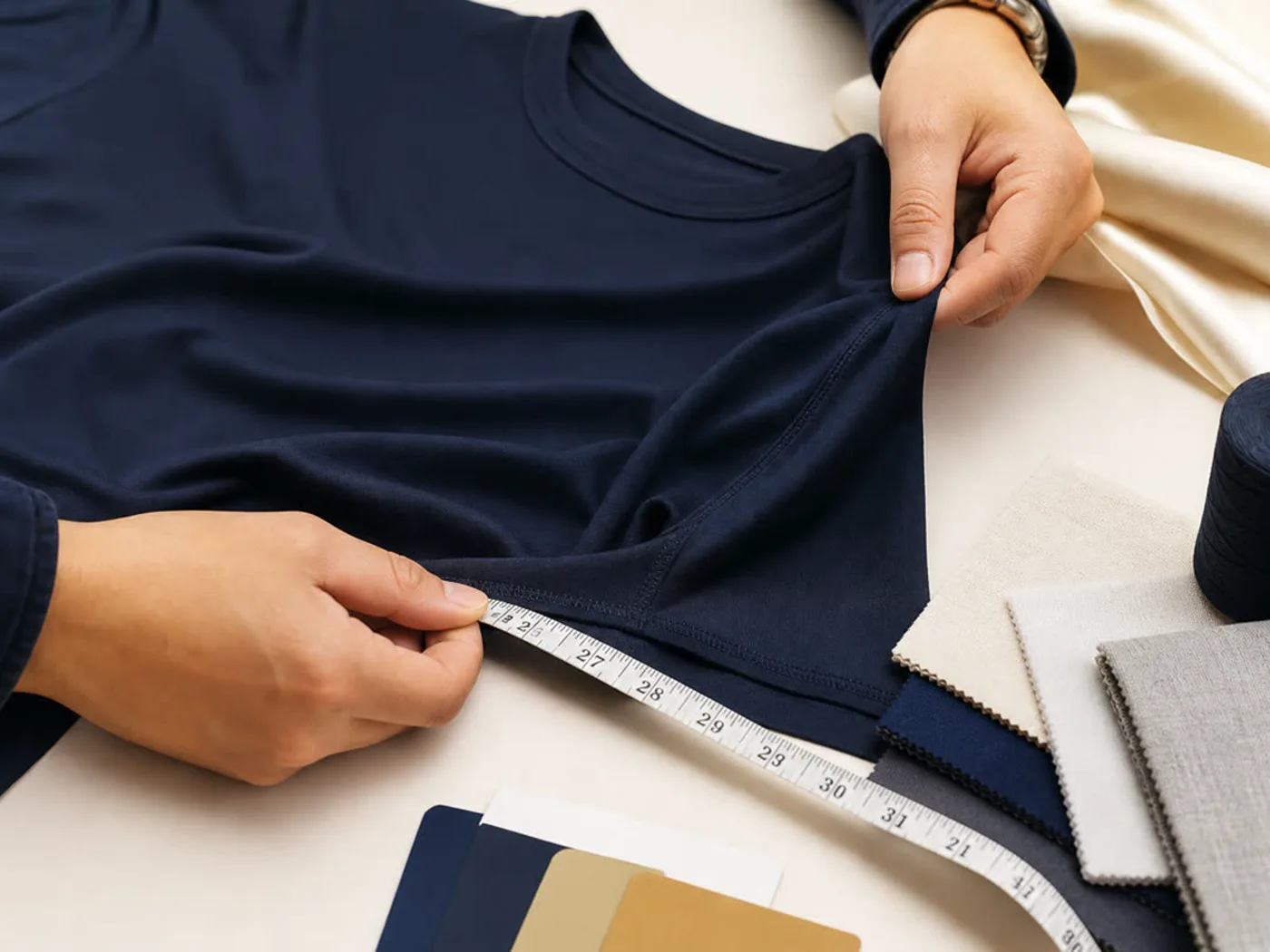
A clearer RFQ helps the factory quote faster and more accurately. Instead of asking for “a good quality hoodie”, give the factory a short construction direction.
| RFQ item | What to specify |
|---|---|
| Target product | Basic hoodie, heavyweight streetwear hoodie, fleece-lined hoodie, kids hoodie or promotional hoodie |
| Fabric direction | French terry, brushed fleece, cotton/poly blend, 100% cotton, target GSM or handfeel reference |
| Hood type | Single-layer, double-layer or lined hood |
| Lining detail | If lined, specify jersey, fleece, sherpa, mesh, contrast color or same-tone lining |
| Trims | Drawcord, eyelet, cord tip, neck tape, labels, zipper if applicable |
| Fit and size | Oversized, regular, relaxed, cropped, size chart and tolerance requirements |
| Order detail | Quantity, color breakdown, size breakdown, packaging and target delivery timing |
For Hengcheng hoodie projects, we review hood construction together with fabric weight, wash behavior, decoration method and target price. If a buyer sends reference photos, target GSM, size chart, colorways and trim requirements early, the factory can separate confirmed specifications from open questions and avoid misleading low quotes.
The first mistake is choosing double-layer or lined construction only because it sounds premium. Premium buyers care about the final wearing experience, not only the specification name. If the fabric is already heavy, the hood may become too bulky. If the product is a light summer hoodie, single-layer may be the more logical choice.
The second mistake is comparing quotations without confirming hood construction. One supplier may quote a single-layer hood, another may quote a double-layer hood, and the buyer may think one factory is simply more expensive. In reality, the two quotations are not based on the same product.
The third mistake is approving a lined hood without wash testing. Shell and lining fabrics can shrink differently. A sample may look good before washing, then show puckering or distortion after laundering. This is why a serious factory should discuss shrinkage and sample testing before bulk approval.
Use the hood construction decision as part of your product positioning. For a budget blank, focus on stable fabric, clean sewing and cost control. For a premium streetwear hoodie, consider a double-layer hood, heavier fabric, stronger rib and more controlled silhouette. For a winter or comfort-led style, consider lining, but test compatibility. For a designer detail, use contrast lining or trim choices carefully so the product still remains manufacturable at your target MOQ.
The right decision is not always the most expensive construction. The right decision is the construction that matches the buyer’s retail promise, customer use case and landed cost target.
As a China OEM and private-label garment factory, Hengcheng would not review hood construction in isolation. We would first look at the buyer’s target market, reference style, fabric direction, decoration plan, order quantity and price position. Then we would recommend whether a single-layer, double-layer or lined hood is practical for sampling.
If the buyer is still exploring, we may suggest sampling one base version first instead of developing too many variations at once. If the buyer already has a tech pack, we can review whether the hood construction, fabric weight, rib, stitching and trim details are aligned. This makes the sampling stage more efficient and helps the buyer compare factories on real construction details, not only headline price.
For the full capability overview, see Hengcheng’s hoodie manufacturer in China page.
No. A double-layer hood usually gives more structure and a more premium feel, but it also adds weight and cost. A single-layer hood can be the better choice for lightweight, warm-weather or price-sensitive hoodie programs.
A lined hood has an inner fabric layer inside the hood. The lining may be jersey, fleece, sherpa, mesh or contrast fabric. It can add warmth, comfort or a more finished interior appearance.
Usually yes. A lined hood can increase fabric usage, cutting work, sewing time and QC requirements. The final impact depends on lining fabric, color, MOQ and construction details.
Yes, if the fabric has enough stability and the product is intentionally designed as a lighter hoodie. Quality depends on fabric, pattern, sewing and fit, not only the number of hood layers.
Check hood symmetry, drape, depth, neckline comfort, drawcord stability, eyelet reinforcement, seam quality and wash behavior. For lined hoods, check whether shell and lining shrink differently after washing.
Often yes, especially if the brand wants structure and a fuller silhouette. However, the factory should still review fabric GSM, garment weight and neck seam bulk before confirming the construction.
The factory needs target fabric or GSM, hood type, lining fabric if any, drawcord and eyelet details, size chart, color and quantity breakdown, decoration method, packaging and delivery requirements.



