Address
JINKE Technology Industrial Park, No. 3188 ChunYuan Road, Weifang City, Shandong Province, China
Work Hours
Monday to Friday: 7AM - 7PM
Weekend: 10AM - 5PM
Address
JINKE Technology Industrial Park, No. 3188 ChunYuan Road, Weifang City, Shandong Province, China
Work Hours
Monday to Friday: 7AM - 7PM
Weekend: 10AM - 5PM
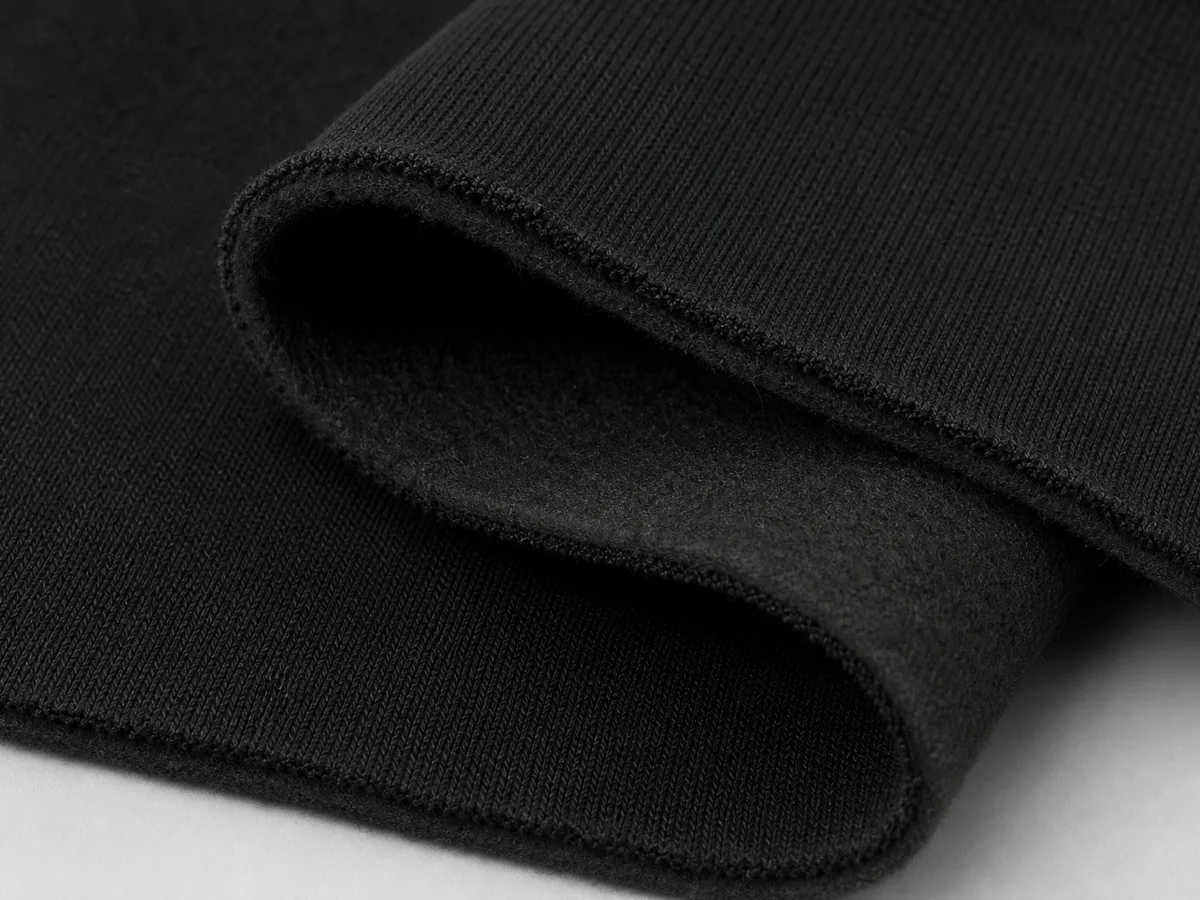
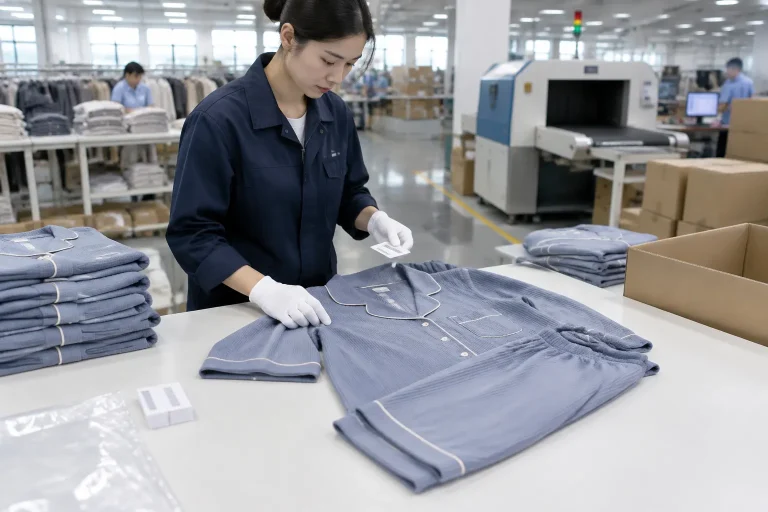
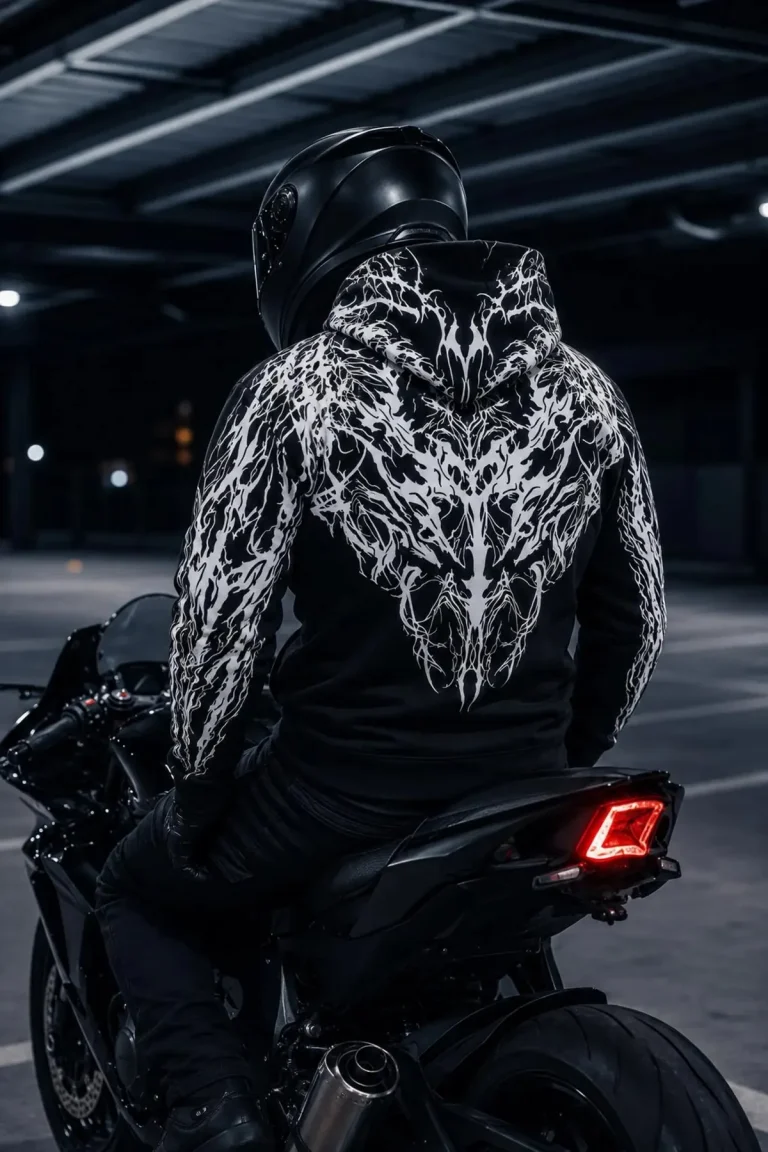
Three overlooked hoodie QC points before bulk production: shrinkage control, rib cuff recovery and stitching quality after washing.
A hoodie can look acceptable in the sample room and still fail after the first wash. For a buyer, the real question is not whether the hoodie looks good on approval day. The real question is whether the body length, sleeve length, cuff shape, hem recovery, hood balance and seams still stay inside tolerance after the customer wears and washes the garment.
From a factory perspective, this is where many hoodie programs become expensive. The buyer approves a clean sample, the bulk order moves forward, and only later do the weak points appear: the body shrinks short, the cuffs open out, the hem waves, the hood twists, the pocket drops or the seams pucker. At that stage, the problem is no longer technical. It becomes returns, markdowns, late replenishment, poor reviews and a supplier relationship under pressure.
This guide is written for procurement teams, designers, brand owners and wholesalers reviewing OEM or private-label hoodie production before bulk approval. If you are choosing a hoodie manufacturer, use these three QC checks before you compare factories only by unit price.
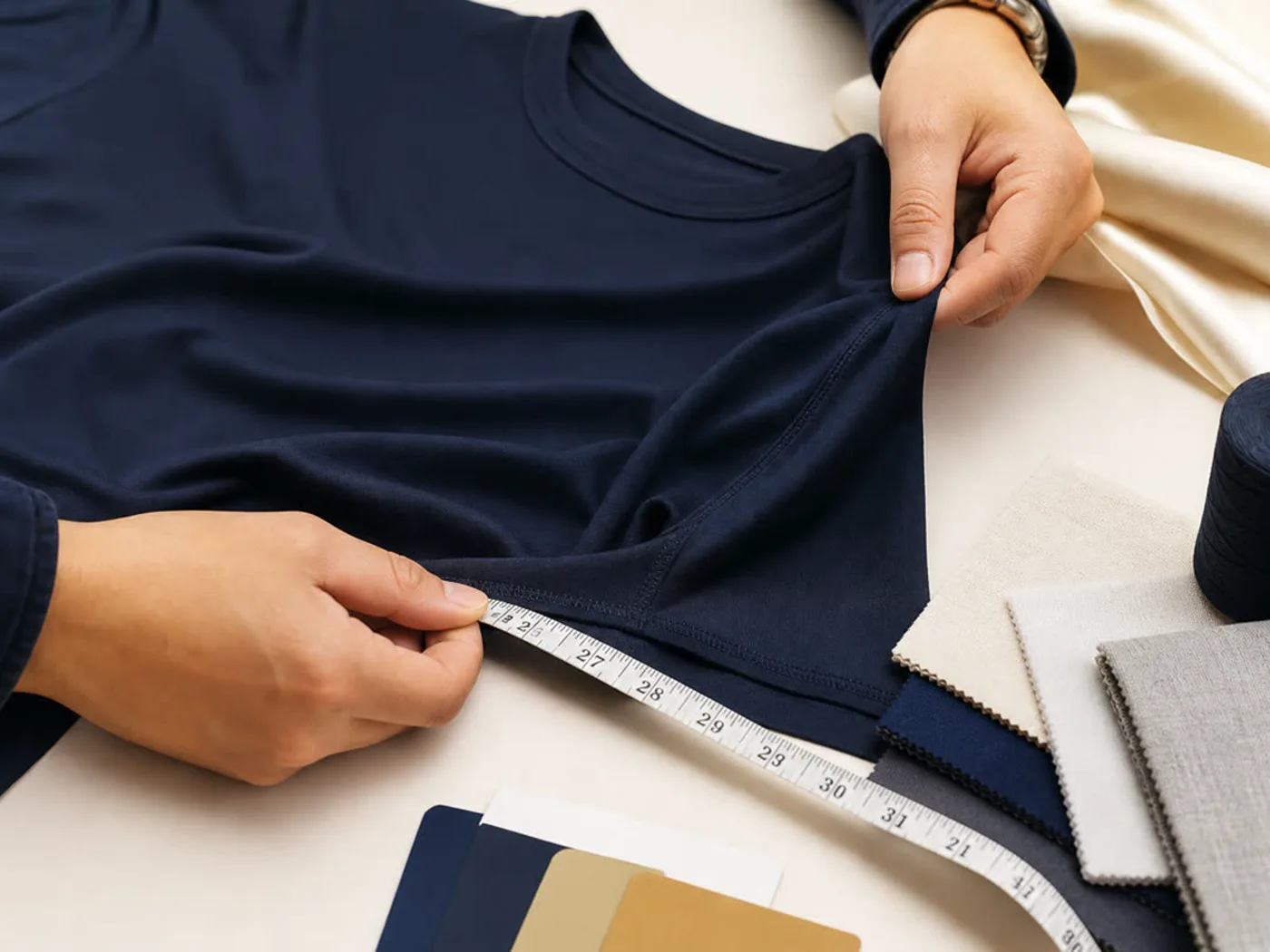
A hoodie keeps its shape after washing when three things are controlled together: fabric shrinkage, rib recovery and seam stability. None of these should be checked only by eye. The factory should compare pre-wash and post-wash measurements, review rib recovery after stretching and laundering, and inspect whether seams, hood shape and pocket placement still sit correctly after wash.
| QC check | What the factory should verify | Buyer risk if missed |
|---|---|---|
| Shrinkage control | Body length, chest, sleeve, shoulder and hem measurements after wash | Off-size bulk, fit complaints, high return risk |
| Rib recovery | Cuffs, hem and neckline return after stretch, wash and drying | Loose cuffs, wavy hem, tired look after few wears |
| Stitching and seam stability | Balanced seams, pocket reinforcement, hood attachment and no twisting or puckering | Cheap appearance, durability issues, weak reorder confidence |
For most knit garments, shrinkage tolerance is usually discussed as a percentage change after laundering. The exact target depends on the buyer’s product standard, fabric and care label, but many buyers use a practical control range around 3%-5% for knitwear unless a stricter requirement is agreed. The important point is not the number alone. The important point is that the buyer and factory agree on the wash method, measuring points and tolerance before bulk production starts.
Hoodies are easy to underestimate because they look simple. A buyer can review fabric handfeel, color, silhouette and decoration placement and feel confident. But shape retention is not only a design issue. It is the result of material behavior, pattern allowance, fabric relaxation, rib construction, sewing tension, finishing and inspection discipline.
Designers often focus on silhouette and visual proportion. Procurement teams often focus on price, MOQ and lead time. Brand owners often focus on launch timing and margin. All of those are valid. But if the washed garment changes shape, all three teams inherit the same problem from different angles: the designer sees the product lose its intended look, procurement has to explain supplier performance, and the brand owner sees customer trust decline.
A factory that understands hoodie production should not wait until final inspection to discuss this. The better workflow is to identify the wash and shape risks before the buyer approves bulk.
Shrinkage is not simply “fabric gets smaller.” In hoodie production, shrinkage can show up as a shorter body, shorter sleeves, tighter chest, uneven hem, rotated side seams, distorted hood shape or a kangaroo pocket that no longer sits correctly. These are not small details when the buyer is selling an oversized, premium blank, streetwear fit or retail basics program.
The factory should check shrinkage through a defined wash method and measurement process. AATCC and ISO-style dimensional change testing frameworks are commonly used in textile quality control, but even an internal factory wash test needs the same discipline: measure before wash, wash under an agreed condition, dry under an agreed condition, then measure the same points again.
For buyers, the practical question is this: after washing, does the garment still match the size chart your customer expects? If the answer is unclear, the sample is not ready for bulk approval.
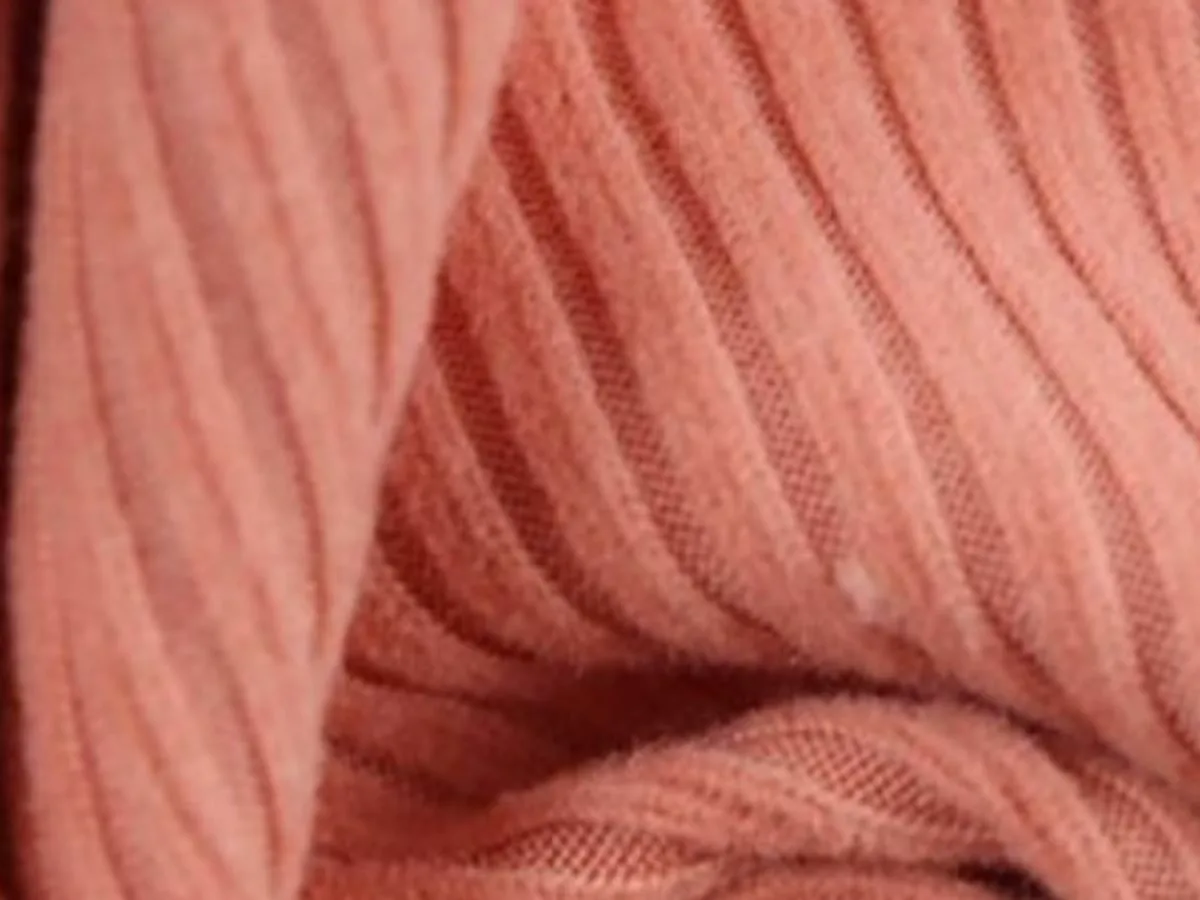
Rib quality is one of the first details customers feel, even if they cannot name it. A good cuff keeps the sleeve opening controlled. A stable hem helps the hoodie sit cleanly. A neckline that recovers well keeps the garment from looking stretched out. When rib recovery is weak, the hoodie looks older and cheaper after only a few wears.
Rib recovery depends on yarn, knit structure, density, elastane if used, rib width, cutting direction and sewing tension. It can also fail because the rib is over-stretched during attachment. That means a buyer cannot judge rib only by touching the approved sample once. The rib should be stretched, washed and reviewed again.
This is especially important for private-label hoodies positioned as premium blanks, streetwear basics, campus styles, workwear-inspired fleece or brand merchandise. These categories often rely on a clean cuff and hem to make the product feel substantial.
If the buyer is comparing quotations, this is one place where a low price can hide future cost. A cheaper rib can pass the first sample review and still damage the product’s perceived value after washing.
Stitching quality is not only about loose threads. For hoodies, the more important question is whether seam tension, stitch type and reinforcement are suitable for the fabric weight and stress points. Heavy fleece, relaxed fits and kangaroo pockets all create different pressure on seams than a light T-shirt.
The factory should check shoulders, armholes, side seams, pocket corners, hood attachment, neckline seam, cuff join and hem seam. These areas decide whether the hoodie still looks balanced after washing and wearing. A slightly twisted seam or puckered pocket may not be a functional failure, but it makes the garment look poorly controlled.
The three QC checks above all depend on one decision: what wash life is this hoodie expected to survive? A fashion hoodie, a promotional hoodie, a premium blank, a wholesale basics program and a brand launch capsule do not always need the same tolerance. But the factory must know the target before it can make the right production decisions.
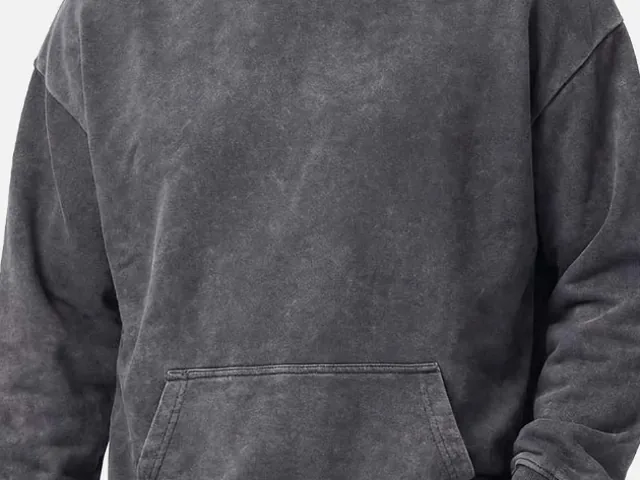
If the buyer expects customers to cold wash and line dry, the testing logic may be different from a hoodie that must survive repeated tumble drying. If the buyer wants a washed vintage look, some garment movement may be part of the design. If the buyer wants a clean premium blank, tighter size and rib control may be necessary.
The buyer does not need to write a laboratory manual. But the RFQ should state the intended care expectation and acceptable risk level. Without that, suppliers may quote against different assumptions, making price comparison unreliable.
A useful hoodie quotation depends on what the buyer has already defined. The factory needs more than a front-view photo. It needs enough information to judge material behavior, sewing difficulty, wash risk, trim requirements and inspection standards.
| Buyer should provide | Why the factory needs it |
|---|---|
| Reference images or sample garment | To understand silhouette, hood shape, pocket style and finish level |
| Target fabric and GSM | To judge shrinkage, handfeel, cost, warmth and sewing handling |
| Wash expectation | To define shrinkage and appearance tolerance after laundering |
| Size chart and tolerance | To align sample measurement and bulk inspection |
| Rib standard | To control cuff, hem and neckline recovery |
| Decoration method | To check print, embroidery or applique risk after wash |
| Labels and packing | To quote private-label details and final presentation correctly |
If these points are missing, the factory can still give a rough estimate, but the quote will be softer and the sample risk will be higher. A serious factory should separate confirmed specifications from open questions instead of hiding uncertainty inside a cheap number.
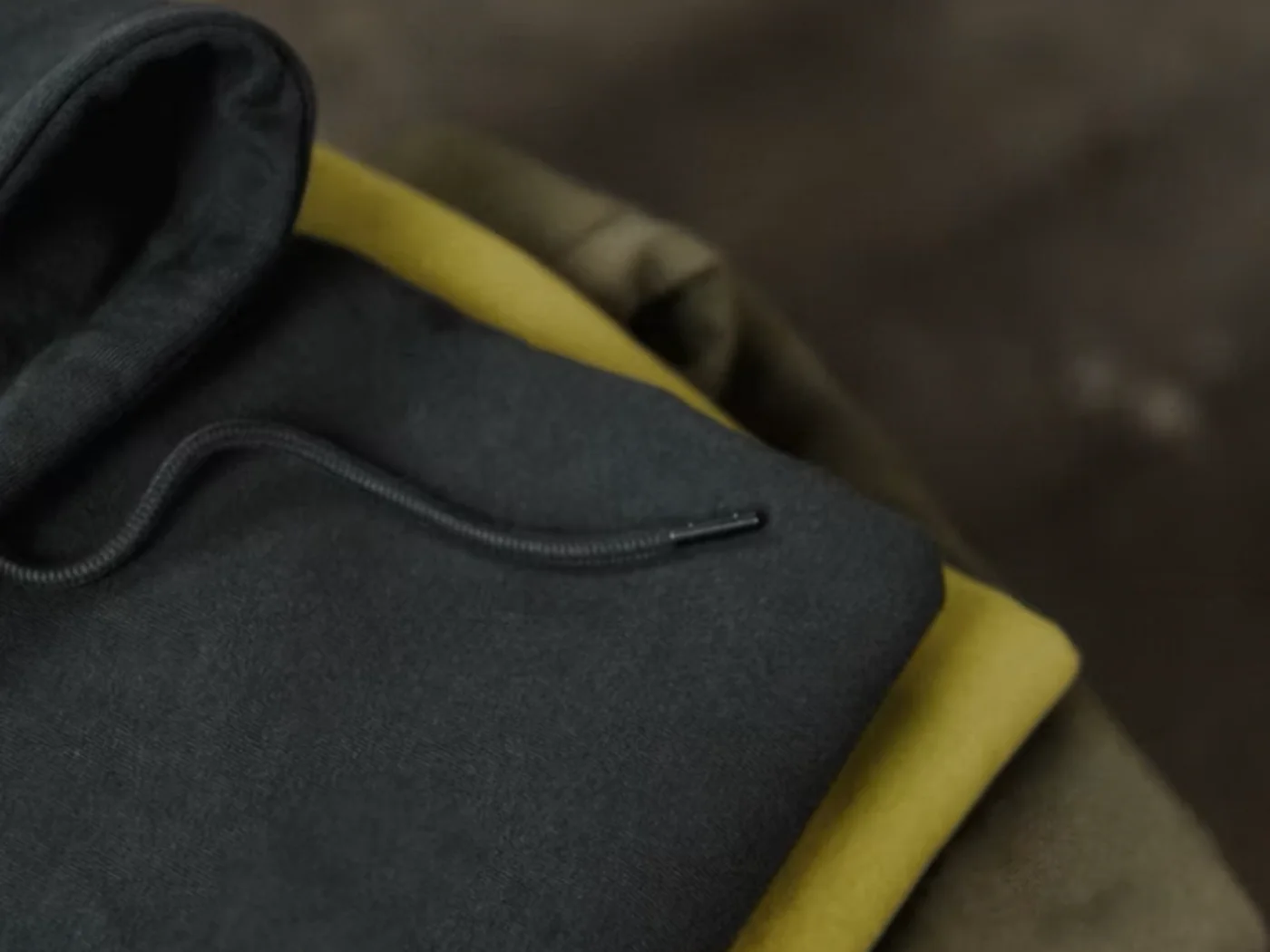
When Hengcheng reviews a hoodie inquiry, we look at the product as a production program, not only as a sewing order. The first review usually covers fabric direction, GSM, fit, size chart, rib trim, hood construction, pocket construction, decoration method, label and packing needs, order quantity and delivery window.
For shape retention, the most important question is whether the approved sample can become a repeatable bulk product. That means checking how the fabric behaves after wash, whether the rib still recovers, whether the measurements stay inside tolerance and whether seam workmanship remains stable after handling.
This is also why we prefer buyers to share reference photos, target measurements and product positioning early. A hoodie for a premium streetwear capsule, a school merchandise program, a corporate uniform order and a wholesale blank program may all use the word “hoodie,” but the factory review is not the same.
Good hoodie QC is not just a technical checklist. It protects the buyer’s margin and reputation. If shrinkage is controlled, the size run is easier to defend. If rib recovery holds, the product keeps its premium feel longer. If stitching and seam stability are controlled, the garment looks more reliable after wash and wear.
For a designer, this protects the intended silhouette. For procurement, it reduces supplier disputes and rework. For a brand owner, it protects reviews and reorder confidence. For a wholesaler, it reduces account complaints across multiple downstream customers.
That is the reason a factory that can explain these details is valuable. The buyer is not only paying for cut-and-sew capacity. The buyer is paying for fewer avoidable mistakes before the order ships.
Before sending an inquiry, copy the three QC checks into your RFQ and answer what you already know. If something is unknown, say that clearly. A serious manufacturer can then tell you which details affect quotation, sample development, MOQ, lead time and QC risk.
If you are preparing a hoodie project, send Hengcheng your reference images, target fabric or GSM, size chart, wash expectation, decoration method, quantity range, label and packing needs. We can review whether the style fits our production strengths and what needs to be confirmed before sampling or quotation.
For the full capability overview, see Hengcheng’s hoodie manufacturer in China page.
Hoodie shrinkage can come from fabric relaxation, fiber behavior, finishing, wash temperature, drying method and pattern allowance. The key is not whether shrinkage exists, but whether the post-wash garment stays inside the buyer’s approved tolerance.
The acceptable range depends on the buyer’s standard, fabric and care method. Many knitwear discussions use a practical range around 3%-5%, but stricter targets can be agreed when the product position requires it. The factory and buyer should confirm the test method and measuring points before bulk.
Check rib composition, stretch, recovery, seam attachment and post-wash appearance. If the cuff stays open, waves, twists or loses its hold after washing, the rib standard or sewing method needs review before bulk.
No. Stitching affects durability, shape and perceived quality. Pocket corners, hood attachment, shoulders, cuffs and hem seams are all stress points that should be checked after wash and handling.
No. Final inspection is the last checkpoint, not the first. Fabric behavior, sample measurement, rib recovery and seam stability should be reviewed before bulk production, then checked again during and after production.