Address
JINKE Technology Industrial Park, No. 3188 ChunYuan Road, Weifang City, Shandong Province, China
Work Hours
Monday to Friday: 7AM - 7PM
Weekend: 10AM - 5PM
Address
JINKE Technology Industrial Park, No. 3188 ChunYuan Road, Weifang City, Shandong Province, China
Work Hours
Monday to Friday: 7AM - 7PM
Weekend: 10AM - 5PM

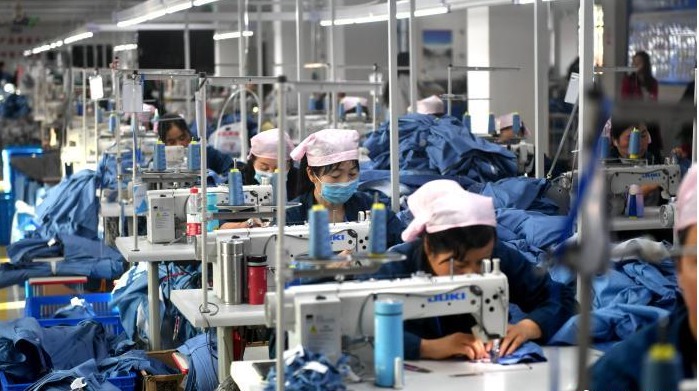
Private-label sleepwear does not move safely from a reference image to bulk production through sewing alone. The buyer needs to turn the intended product into a reviewable brief: who will wear it, what fabric and fit it needs, which details must remain consistent, and what the approved sample has to prove.
For a brand, the practical answer is to lock the commercial and product assumptions before asking for a final bulk quote. Start with the product position, fabric direction, target sizes, quantity, decoration, labels and packing. Then use samples to settle fit, material, construction and visual details before cutting bulk. This prevents a low-looking early quote from becoming a different product once piping, trim, testing, packaging or size-range decisions arrive later.
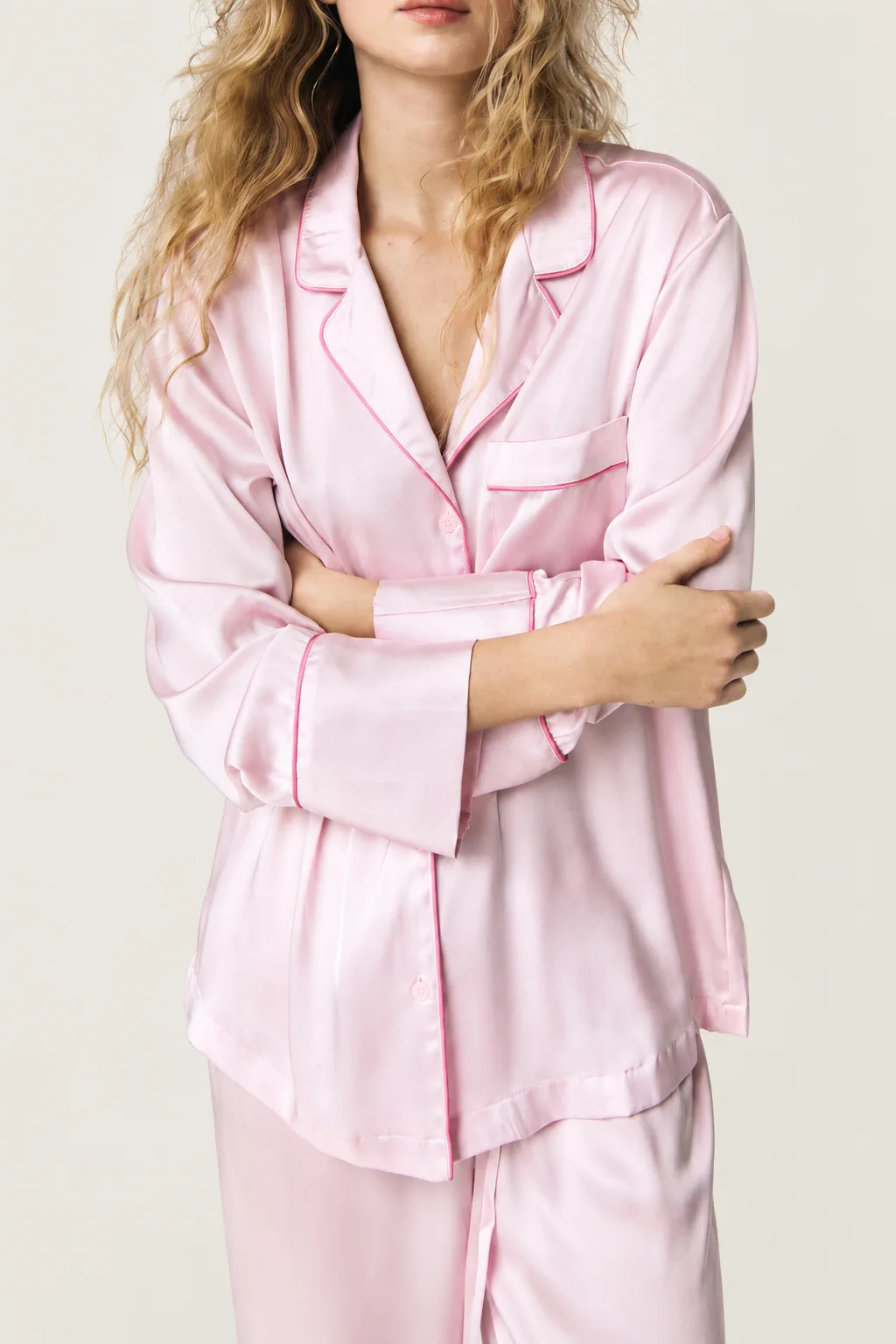
A moodboard is a useful starting point. It is not yet a production specification. The factory can help convert it into one, but the buyer should know which decisions are open, which are fixed, and which must be approved on the finished garment.
A quote is only as reliable as the assumptions behind it. A factory can provide a preliminary range from a reference image, but a production-ready quote needs the variables that affect material use, labor, sourcing and packing.
| Brief item | What the buyer should provide | Why it changes the quote |
|---|---|---|
| Product and customer | Pajama set, nightdress, robe, lounge set or maternity/nursing style; intended wearer and price position | It sets the fit, construction, fabric and finishing direction |
| Fabric route | Composition, knit or woven direction, target weight, hand feel, stretch, opacity and wash expectation | Material availability, consumption, finishing and testing assumptions can change |
| Size architecture | Target market, base size, size range, grading route and quantity by size | Pattern work, fabric consumption, cutting ratios and stock planning depend on it |
| Construction and trims | Collar, placket, piping, lace, elastic, drawcord, pockets, buttons, labels and embroidery/print | Each detail can affect labor time, sourcing and sample work |
| Commercial scope | Quantity by style and colorway, delivery market, packaging, barcode/carton needs and target timing | It determines feasible MOQ, packing work, sourcing lead time and quote conditions |
The first factory review should identify the gaps rather than hide them. For example, a satin-look button-front set may look simple in a photograph, but its actual cost and risk depend on the fabric composition, piping method, button quality, size range, print placement, labeling and packing standard.
Not every private-label program needs the same starting point. The right route depends on whether the brand is validating a silhouette, developing an original collection, or preparing a repeatable replenishment program.
| Development route | Best used when | What must be agreed before the next step |
|---|---|---|
| Reference-led start | The brand has visual direction but no complete tech pack | Product purpose, fit direction, key construction details and likely fabric route |
| Fit-first sample | Silhouette, coverage, body length or ease are still uncertain | Base size, target wearer, critical measurements and comments from the fitting review |
| Material and trim confirmation | The look depends on hand feel, drape, piping, lace, print or color | Exact fabric/trim references, color direction and finished-garment appearance standard |
| Pre-production sample | The project is close to bulk release | Approved measurements, material, trims, branding, care label, packing and QC comments |
| Repeat-order control | An approved program needs consistent replenishment | Version-controlled sample, BOM, measurement sheet, shade and packing reference |
A common mistake is asking one sample to answer every question at once. An early development sample can solve the block and construction. A later sample can verify the actual fabric, trim, artwork and packout. Keeping those purposes separate makes comments clearer and avoids treating every new design idea as a production correction.
The most useful brief lets the factory see the product as a system rather than a collection of photos. It should show what is non-negotiable and what the team may propose based on material availability, MOQ or workmanship.
A premium gifting pajama set, an everyday knit lounge program and a hotel robe may all be called sleepwear, but they make different demands on the product. Define the intended customer, the selling season, the target market and whether softness, warmth, drape, stretch, coverage, easy care or a specific visual finish is the priority.
Reference images should be accompanied by a short list of critical points: neckline depth, collar shape, body and sleeve length, chest pocket position, piping width, button spacing, waistband construction, inseam, lace placement, belt loops or hem shape. A clear note is better than asking the factory to guess from a stylized image.
The right fabric is not simply the one that looks closest in a photo. It must also work with the desired fit, color, seams, trims and care expectation. Review drape, opacity, stretch/recovery, surface change, shrinkage and color behavior in the sample stage when those points affect the product promise.
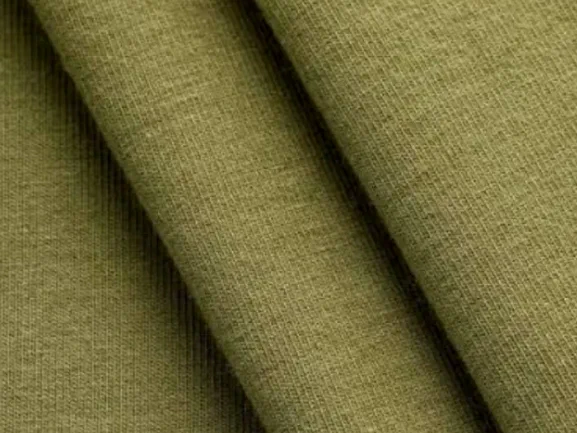
For a fabric-led sleepwear program, send the desired fiber/composition direction and hand-feel target, but leave room for factory feedback on workable constructions or available stock. A factory should not present a generic material name as proof that every color, lot and finished garment will perform the same way.
A buyer does not need a universal price table to make a better decision. The useful question is which choices create more material risk, development work, sewing operations, sourcing complexity or packing work.
| Cost or MOQ driver | What usually changes | Buyer action before requesting final pricing |
|---|---|---|
| Fabric and color | MOQ, availability, dye/print route, hand feel and shrinkage control | State the required composition, color count and whether stock fabric is acceptable |
| Style complexity | Sewing time, pattern work and sample revisions | Mark decorative or functional details that cannot change, such as piping, lace or nursing access |
| Size range | Grading work, fabric consumption and cutting ratios | Share the size chart, base size and quantity by size rather than only total units |
| Decoration and branding | Artwork setup, placement, embroidery/stitch count, labels and inspection | Provide final or near-final artwork, placements and label/packaging requirements |
| Packing and shipment readiness | Folding, polybags, inserts, barcodes, carton marks and export paperwork | Confirm retailer requirements and delivery market before bulk packing is planned |
| Delivery window | Material reservation, sample comments, production scheduling and inspection timing | State the in-warehouse or ship-ready date and keep contingency for unresolved approvals |
MOQ is not only a factory policy number. It is often a combination of fabric availability, colorway count, style complexity, print/trim minimums, size breakdown and the efficiency of the production run. The earlier those inputs are visible, the more honest the factory review can be.
An approved sample is useful only when the approval purpose is recorded. A photo approval without measurements, material reference or comment history can be hard to carry into bulk.
| Approval stage | The buyer should check | The factory should retain |
|---|---|---|
| Development / fit sample | Silhouette, ease, length, opening function, pocket/belt placement and critical proportions | Revised pattern points and fit comments |
| Material / trim sample | Fabric hand feel, drape, color, print, embroidery, piping, buttons, lace and label placement | Fabric/trim references, color direction and approved details |
| Wash or wear review | Relevant dimensional change, recovery, surface appearance, color/print behavior and comfort | Test method, before/after measurements and corrective decision |
| Pre-production sample | The full agreed garment, branding, care label, packing and final measurements | Signed or traceable approval comments, BOM and QC checkpoints |
For most sleepwear programs, the pre-production sample should be the bridge to bulk. It is where the buyer, merchandiser, pattern team and QC team can all point to the same agreed version rather than reconstructing decisions from chat messages.
Bulk production is more controllable when the approved sample becomes a clear handover package. The goal is not paperwork for its own sake. The goal is to make the fabric, construction and packing standard visible before a defect repeats across a production run.
A final inspection cannot fully repair a standard that was never defined. Early in-line review gives the factory and buyer more room to correct the process while the solution is still practical.
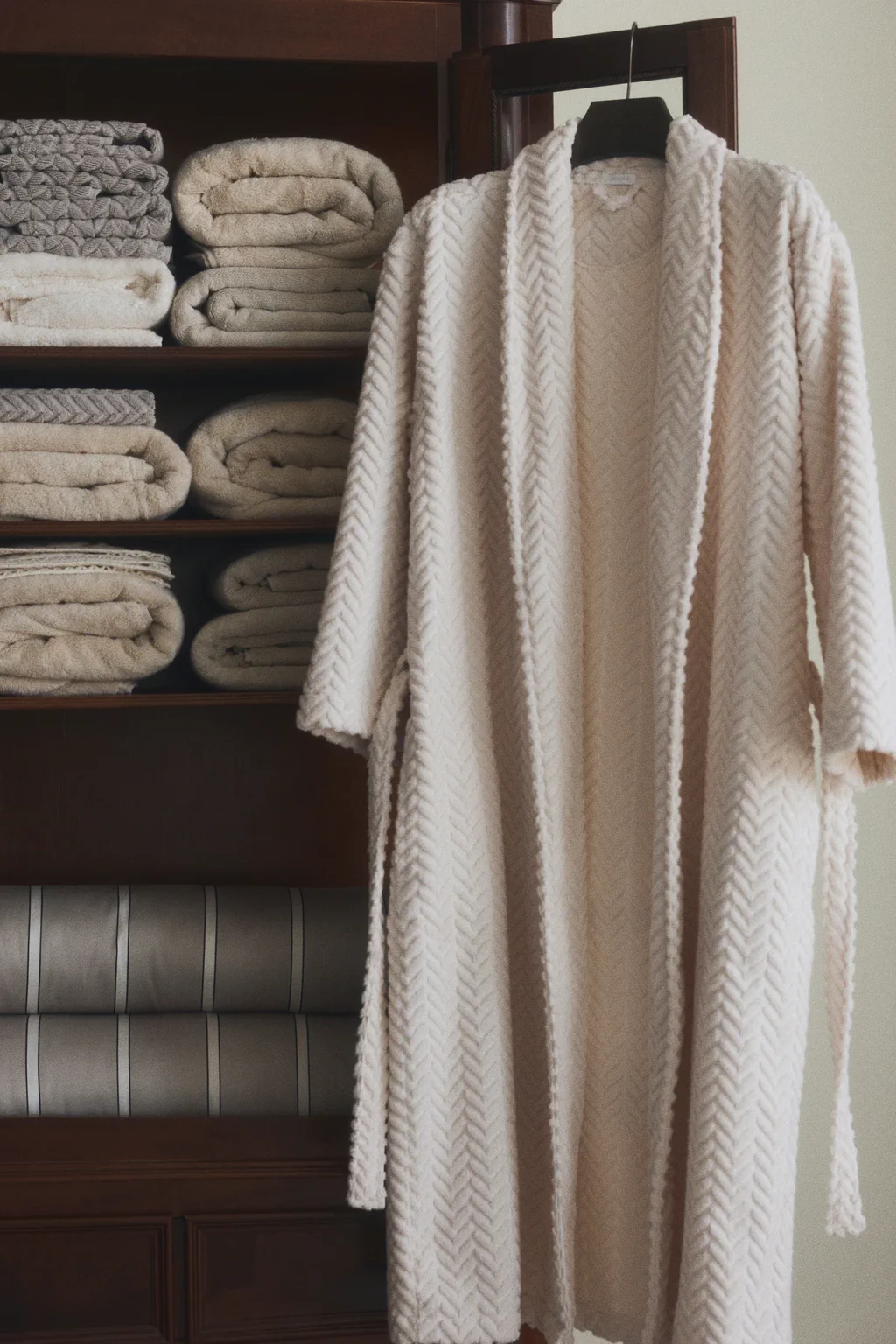
A complete technical package is helpful, but a workable RFQ can start with a well-organized brief. The first message should make clear which details are confirmed and which the buyer wants the factory to review or propose.
| RFQ input | Minimum useful detail |
|---|---|
| Product reference | Images, sketches or tech pack plus the style name and intended end use |
| Quantity plan | Units by style, colorway and size; forecast or repeat-order expectation where relevant |
| Fabric direction | Composition, construction, target weight/hand feel, stretch or drape requirements and preferred colors |
| Fit and measurements | Base size, size range, size chart or a reference garment with critical points marked |
| Construction and branding | Trims, print/embroidery artwork, labels, care information, piping/lace/buttons and placement notes |
| Quality/compliance context | Target market, retailer requirements, desired test path and product risks to review during sampling |
| Packing and timing | Folding/polybag/barcode/carton instructions, destination market and target delivery window |
This information lets Hengcheng review the program in the right sequence: first production feasibility, then sample scope, material/trim sourcing, quotation assumptions and bulk QC controls. If the brief is incomplete, the response should state which items are provisional instead of implying that every later choice is already included.
From a China OEM and private-label garment factory perspective, Hengcheng would begin with the product reference, intended customer, target market, forecast quantity, size range and commercial deadline. The next review would separate fixed design decisions from points where the factory should propose a workable fabric, trim, construction or packing route.
For sampling, we would define what each sample must prove: fit, material/trim appearance, wash or wear behavior, and the pre-production standard. Before bulk, the team would carry the approved measurements, material and trim references, artwork, labels, packing details and style-specific QC points into the production handover.
Send the reference style, quantity, colorways, size range, target market and required product details through the Hengcheng contact page. A clear first brief makes it easier to identify realistic options before a buyer commits to a final production plan.
Yes. A reference-led inquiry can be enough for an initial factory discussion. Before bulk, however, the buyer and factory should convert the reference into measurable specifications for fabric, fit, construction, branding, packing and quality approval.
There is no universal number. A simple repeat style may need only limited confirmation, while a new fabric, fit block, print, piping, nursing opening or multi-size program may need separate fit, material and pre-production approval stages. The useful step is to define the purpose of each round.
A factory can propose routes based on the desired hand feel, season, fit, target price position and color direction. The buyer should review the selected fabric on a finished sample because the same visual look can behave differently in a garment.
Fabric availability, colorway count, style complexity, decoration, trim minimums, size breakdown and the planned production quantity all matter. Give the factory quantity by style, color and size so it can review the practical MOQ drivers.
Finalize them before bulk when they affect the quote, sourcing, artwork, retailer compliance or shipping plan. A factory can begin early review with provisional notes, but final packing should not be an untracked late-stage change.
A fit sample mainly resolves silhouette and measurements. A pre-production sample should represent the agreed bulk standard, including material, trims, branding, care label and packing direction, subject to the documented production plan.
Provide the reference style, target customer, market, fabric direction, size chart, quantity plan, artwork, labels and packing needs at the beginning. Record sample comments against agreed points, and distinguish corrections from new design requests.
This guide uses factory-side product-development and quality-control logic for apparel brands, designers, sourcing teams and private-label buyers. It is not a retail-shopping guide or a universal compliance claim.