Address
JINKE Technology Industrial Park, No. 3188 ChunYuan Road, Weifang City, Shandong Province, China
Work Hours
Monday to Friday: 7AM - 7PM
Weekend: 10AM - 5PM
Address
JINKE Technology Industrial Park, No. 3188 ChunYuan Road, Weifang City, Shandong Province, China
Work Hours
Monday to Friday: 7AM - 7PM
Weekend: 10AM - 5PM

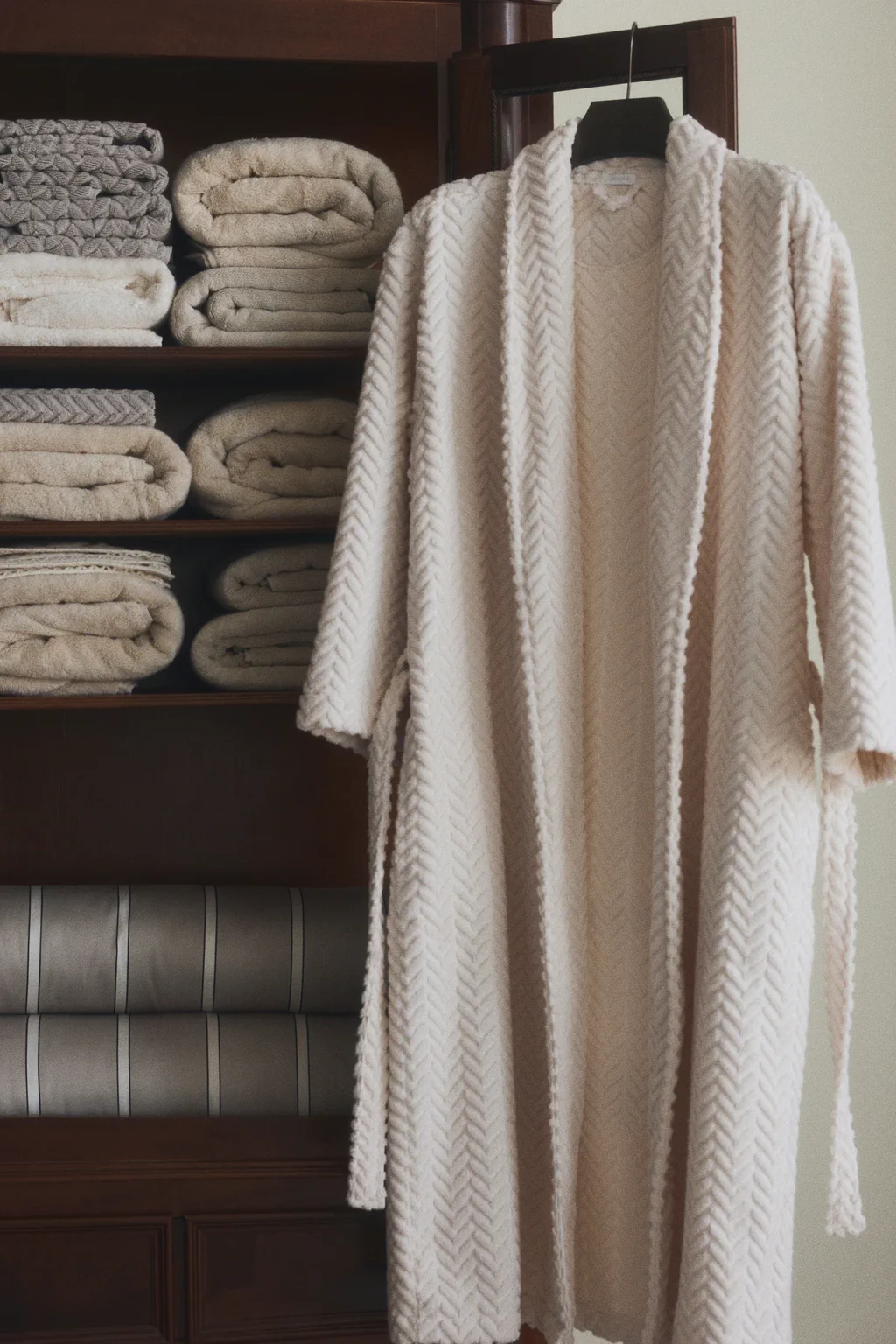
Hotel and spa robe procurement is a product-development exercise, not simply a choice of a white robe from a catalogue. A robe has to work for a defined guest experience, a laundering or replenishment routine, a brand presentation and a receiving process. Before a bulk order, the buyer should define the intended use, fabric route, measurements, branding, packing and the evidence required at sample stage.
This guide is written for hotel groups, spas, private-label brands and sourcing teams. It does not recommend a universal fabric, weight, MOQ or lead time. Those decisions depend on the product use, market, selected material, color, decoration, quantity, packing and the final production brief.
A guest-room robe, a treatment-room wrap, a poolside cover-up and a retail gift robe can share a silhouette, but they do not necessarily need the same material, length, belt construction, logo treatment or packout. The first buyer decision is what the finished robe must do in daily use. The second is how that requirement will be demonstrated on a finished sample before bulk.
For example, a plush-looking robe may suit a premium gifting program but be unsuitable if the buyer needs a lighter, faster-handling product. A waffle route may give a different visual and hand-feel direction from a looped terry route. A fashion-led retail robe may prioritize drape, color and packaging, while a hospitality replenishment program may prioritize stable measurements, repeatable logo placement and carton identification. These are product decisions, not generic quality claims.
| Intended route | What the robe needs to do | Key development questions | Bulk risk if left undefined |
|---|---|---|---|
| Guest-room robe | Provide comfortable coverage and a consistent in-room presentation | Length, overlap, belt placement, hand feel, size plan and individual packing | Inconsistent guest fit, unclear receiving or replacement process |
| Spa or treatment robe | Move comfortably before and after treatments while maintaining coverage | Fabric weight, belt security, pocket need, sleeve length and logo position | Robe feels restrictive, slips open or does not suit the intended service flow |
| Pool or bath robe | Support the buyer's chosen absorbency, drying and handling expectation | Fabric construction, coverage, wash expectation and storage condition | A product name is used in place of a measurable performance requirement |
| Retail or gifting robe | Present a defined visual and brand value at point of sale | Drape, color, decoration, labels, fold method, insert card and outer packing | Sample looks premium but bulk packout or finish does not match the retail position |
| Replenishment program | Remain identifiable and consistent across later orders | Approved reference, shade expectation, size labeling, embroidery position and carton marks | A repeat order becomes a new interpretation of the original product |
The table does not replace a specification. It identifies the questions that should be answered before the factory prices or samples the program. A short brief that says only "hotel robe, white, embroidered logo" leaves the factory to guess about material, silhouette, brand placement and packout.
Fabric names are useful starting points, but they are not full specifications. A buyer should describe the desired hand feel, body, visual texture, coverage, care route and guest use alongside the fabric direction. The finished robe should be reviewed after it is cut, sewn, decorated and packed; a small swatch cannot show how a collar hangs, how a belt behaves, whether a pocket pulls or how the chosen color reads over a large garment.
| Fabric direction | What it can support | Questions to resolve on the sample | Do not assume |
|---|---|---|---|
| Terry or looped surface | A more absorbency-led or familiar bathrobe direction | Loop appearance, body, lint behavior, seam bulk, weight, drying expectation and wash appearance | That all terry fabrics have the same absorbency, weight or handling behavior |
| Waffle texture | A lighter textured spa or hospitality look in some programs | Coverage, drape, snag sensitivity, collar shape, logo method and whether the texture changes after care | That a waffle construction automatically feels light or dries in a defined way |
| Brushed or fleece-like route | Warmth and a softer lounge-oriented visual for suitable programs | Pile direction, warmth, shedding, surface change, seam appearance and product season | That a soft surface is appropriate for every hospitality environment |
| Smooth woven or knit route | Retail, lounge or uniform-adjacent positioning where the visual direction is more important than a bathrobe convention | Drape, stretch, recovery, opacity, trim compatibility and care | That a robe silhouette guarantees an after-bath performance claim |
The buyer does not need to tell the factory which machinery settings to use. The buyer does need to state whether material performance, visual presentation or operational consistency is the priority. That gives the factory a basis for selecting a workable sample route and identifying assumptions that still need confirmation.
Reference images are helpful, but they should be separated from the production requirements. An image can show a shawl collar, a kimono collar, a patch pocket, contrast piping or a tied belt. It usually cannot confirm fiber content, weight, finished measurements, pocket bag construction, embroidery stabilization, wash method, care label wording or carton configuration.
Before sampling, record the product decisions that affect cost and usability:
Treat any unknown point as an open decision rather than a hidden assumption. For example, "embroidery placement to be finalized after first sample" is more useful than a logo file without a placement measurement. It allows the quotation and sample plan to state what is included and what remains conditional.
Robes are forgiving in appearance only when their functional dimensions are intentional. A belt that appears correct in a flat photo may sit too high or too low on different body sizes. A pocket may distort a lightweight construction. A collar may roll away after pressing or laundering. A hanger loop can be a useful operational detail, but only when its placement and strength are defined.
| Control point | What the buyer should approve | Factory-side production reference |
|---|---|---|
| Body and sleeve length | Coverage for the intended user and service setting | Point-of-measure chart, tolerance and size grading rule |
| Chest and sweep | Overlap, movement and the intended silhouette | Finished-garment measurement and fit notes |
| Belt and loops | Belt length, width, placement and attachment security | Sample photo, loop position measurement and construction note |
| Collar and front edge | Shawl, kimono or other shape; visual balance and edge finish | Approved sample, fabric direction and pressing/finish reference |
| Pockets and hanger loop | Whether needed, dimensions, position and load expectation | Placement measurement, stitch/reinforcement requirement where applicable |
| Decoration | Logo size, location, thread or print direction and acceptable appearance | Approved artwork, placement guide and representative decorated sample |
The critical point is not to create an oversized technical pack for every program. It is to identify the few dimensions and construction details that could make a robe look wrong, fit poorly or create receiving problems when multiplied across a bulk order.
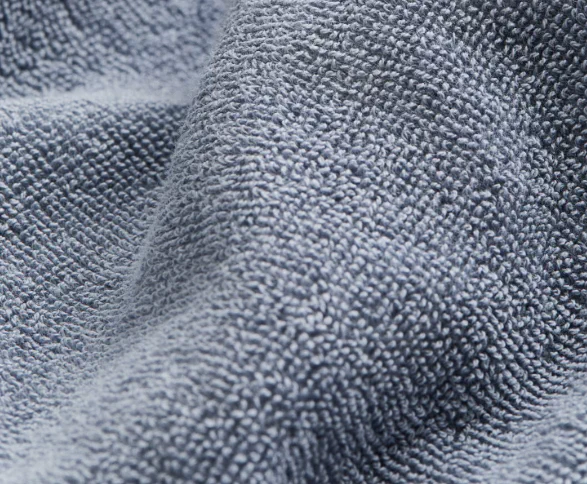
"Sample approved" is ambiguous unless the buyer states what has been approved. A first prototype may be useful for silhouette and measurement. A fabric swatch may be useful for hand feel and color direction. A decorated sample may be useful for logo placement. A pre-production sample should be the point where the final material, construction, measurements, trims, decoration and packing direction are brought together.
| Sample stage | Main decision | Buyer should check | What should not be assumed approved |
|---|---|---|---|
| Development sample | Overall style, collar, pocket, belt and core fit direction | Visual proportion, movement, coverage and whether the reference can be produced | Final material, final logo or production packing |
| Fabric or color approval | Material route and visual/hand-feel direction | Texture, weight, shade, coverage and relevant care expectation | Finished-garment drape, seam behavior or fit |
| Decorated sample | Brand placement and decoration appearance | Logo size, position, backing, color, readability and effect on the fabric | Whole-garment construction and packing |
| Pre-production sample | Production reference before bulk | Measurements, material, construction, labels, decoration, folding and packing | Later substitutions unless recorded and approved |
During sample review, test the finished garment in the position that matters. Tie the belt, sit, reach, walk, check pocket access and inspect the front overlap. For a program with a care requirement, agree the relevant method before treating post-care appearance as approved. A photo sent from a sample room is useful for discussion but should not become the only evidence for fit, texture, coverage or function.
Bulk quality control works when the production floor has the same reference the buyer approved. The factory should be able to identify the selected material, color, measurements, belt and loop construction, decoration, labels and packing instructions without reconstructing them from messages. The buyer should also distinguish a confirmed instruction from a late design change.
| Production stage | Practical control point | Buyer decision that must already exist |
|---|---|---|
| Material and trim review | Fabric direction, shade, texture, logo materials, labels and packing components | Approved material/trim references and any allowed alternatives |
| Cutting and sewing | Measurement points, collar/front shape, belt and loop position, pocket placement | Approved sample, measurement chart and construction notes |
| Decoration and finishing | Logo placement, visual quality, loose threads, surface marks and pressing result | Artwork, placement guide and decorated sample approval |
| Inline inspection | Repeated defects such as shifted loops, uneven collars or inconsistent pockets | Critical points and escalation rule before the issue spreads |
| Final inspection and packing | Measurement, appearance, labels, fold, individual protection and carton marks | Final inspection plan and packing specification |
A final inspection cannot reliably repair an unclear robe standard. If the buyer wants a consistent collar shape, belt placement or embroidery location, that needs to be visible on the pre-production reference and carried into inline checks.
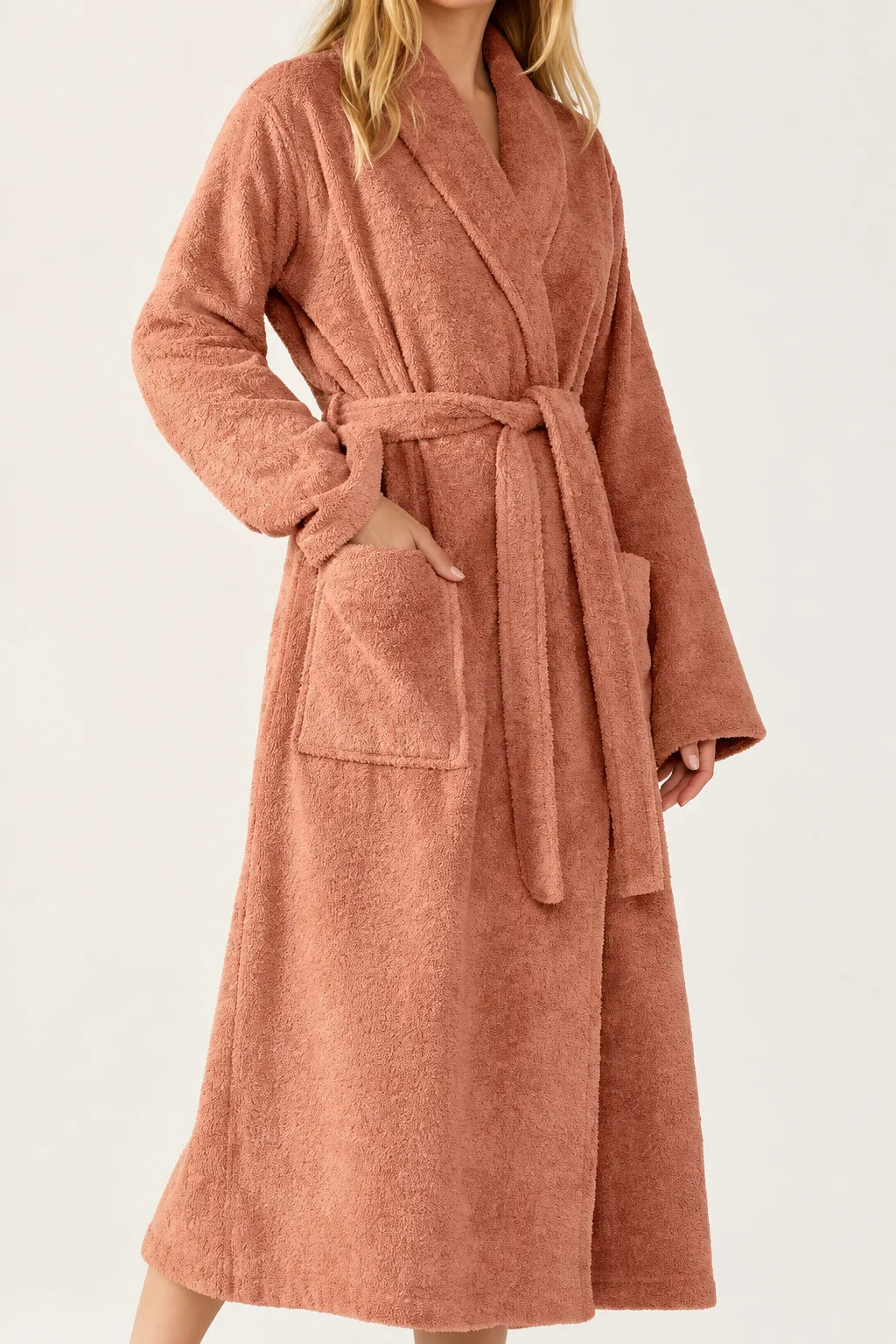
A factory can review an early idea, but it cannot give a reliable final quotation from a generic product name. The following information lets a supplier separate fixed requirements from assumptions that need a sample or material confirmation:
| RFQ input | Why the factory needs it | Example of a useful level of detail |
|---|---|---|
| Guest use and market | Determines the product context and any market/retailer requirements | "Boutique hotel guest-room robe for UK launch; not intended as pool towel replacement" |
| Reference and silhouette | Establishes what must be sampled | Images plus collar type, pocket choice, belt direction and target body length |
| Fabric and care direction | Determines the material route to investigate | "White waffle texture, light-to-medium body; care method to be confirmed on sample" |
| Size and quantity | Supports pattern, material and commercial review | Quantity by size, colorway and whether later replenishment is expected |
| Branding and trims | Determines decoration, label and application steps | Logo file, placement, size label, care label, hangtag and packing insert requirements |
| Packout and delivery | Makes receiving and quotation assumptions visible | Fold method, individual bagging, carton marking, destination and target delivery date |
| Approval and risk | Defines what needs proof before bulk | "Check belt-loop security, collar shape after care and embroidery placement on PP sample" |
For a repeat order, attach the previous approved sample reference or a clear record of what must remain consistent. A reorder may involve a new material lot, trim availability or updated packaging; calling those points out early is more reliable than treating the first order as an informal permanent specification.
The most common issue is treating a hospitality robe as a standard retail garment with a logo added later. That can leave operational questions unresolved: how sizes are identified, whether the belt is secured in packing, how the robe is folded, which carton marks support receiving, or how a replenishment batch will be matched to the original.
Another mistake is to approve a fabric swatch as though it approves the finished product. The collar, belt, loops, pockets, embroidery and fold can change how the material performs and appears. A final mistake is to use broad language such as "luxury," "soft" or "hotel quality" without translating it into a fabric direction, a finished-garment sample decision and production checkpoints.
From a China OEM and private-label factory perspective, Hengcheng would first review the intended guest use, reference style, target market, fabric direction, quantity, size strategy, decoration, labels, packing and the operating risk that must be controlled. The team can then identify which decisions belong in the first sample, which need written specification, and which remain conditional on material, decoration, trim or packaging availability.
For broader product capability, see the Sleepwear & Pajama Manufacturer in China page. Buyers can also review the sample development process and apparel quality-control process before starting a program.
For a project review, send reference styles, guest use, market, estimated quantity, size range, fabric direction, logo files, packing requirements and the specific risks to be checked through the contact page. The clearer the brief, the more useful the first sample and quotation review will be.
Yes, a reference image can start the discussion, but it does not replace the fabric, measurements, branding, packing and guest-use brief. The factory should confirm which elements are visual direction and which are required production specifications.
There is no universal best route. The appropriate fabric depends on intended use, hand feel, visual direction, coverage, care expectation, climate, product positioning and operational requirements. Review the selected material on the finished sample before confirming bulk.
That is a program decision. One-size programs still need a defined body length, chest/sweep, belt length and coverage expectation. A graded range needs an approved measurement chart and size-identification method. The chosen approach should match the guest and market strategy.
Check overall proportion, collar shape, length, overlap, sleeve, belt, loops, pockets, hand feel, coverage and the intended use position. Do not treat an early fit sample as final approval of materials, decoration or packing unless those elements have also been approved.
It can. Embroidery may affect the visible surface, backing, hand feel and placement on the selected material. Approve the artwork, location and representative decorated sample rather than assuming a logo file is sufficient.
Material selection and availability, color, style complexity, decoration, labels, packing, order quantity and sampling revisions can all affect commercial terms. The factory should confirm the project-specific position after reviewing the brief.
Keep the approved pre-production sample, measurement chart, material and trim references, decoration file, packing instructions and prior order notes together. State which aspects must match and which substitutions, if any, are acceptable.
Hengcheng can review the reference style, intended use, fabric and construction direction, size range, quantity, branding, labels, packing and the product or operational risks that need attention at sample and bulk stage.
This is a factory-side buyer guide, not a consumer shopping guide. Its purpose is to help hospitality buyers convert a robe concept into a sample plan, a usable production reference and a bulk-order checklist. It does not claim that every fabric or construction route is suitable for every hotel, spa or market.