Address
JINKE Technology Industrial Park, No. 3188 ChunYuan Road, Weifang City, Shandong Province, China
Work Hours
Monday to Friday: 7AM - 7PM
Weekend: 10AM - 5PM
Address
JINKE Technology Industrial Park, No. 3188 ChunYuan Road, Weifang City, Shandong Province, China
Work Hours
Monday to Friday: 7AM - 7PM
Weekend: 10AM - 5PM
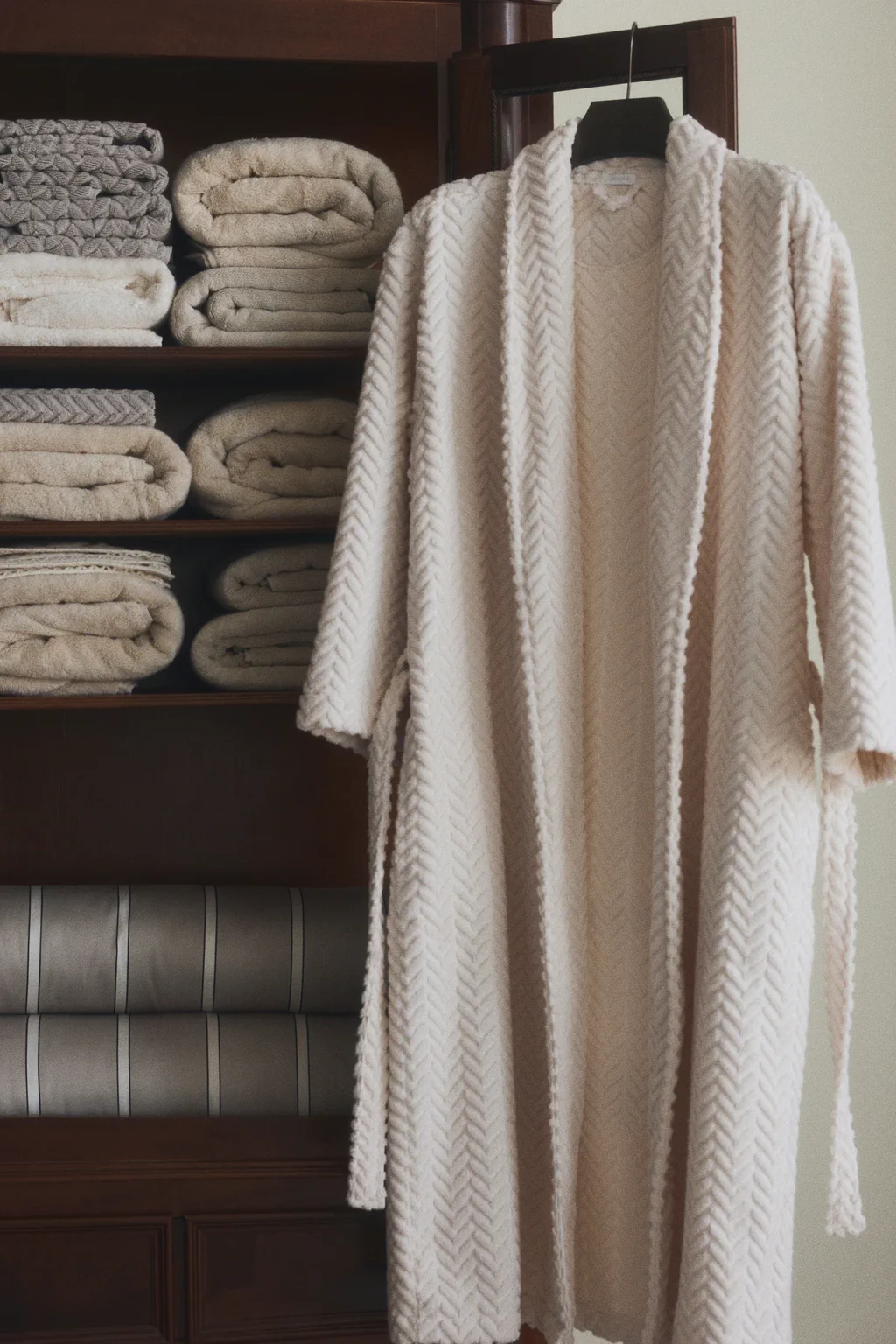
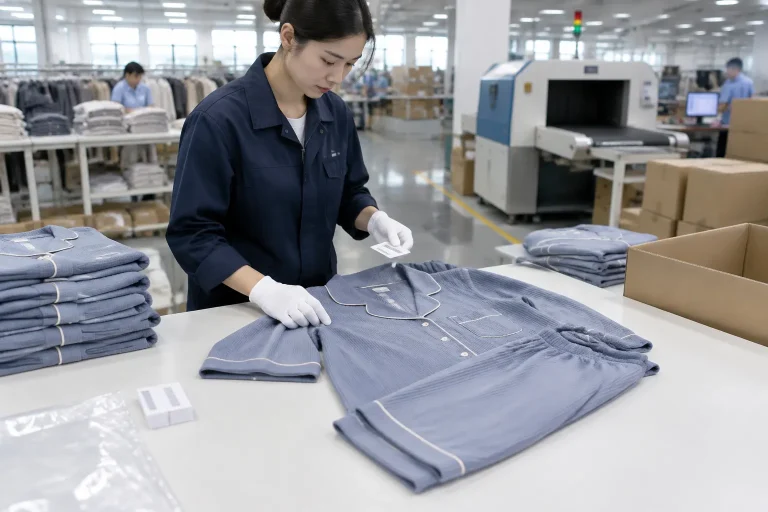
Before producing sleepwear for the US or EU, a brand should identify the destination market, product type, age group, product classification, retailer requirements, test route, labels and documentation owner. A China garment factory can support product development, samples and production records, but it should not guess the buyer’s compliance decision or replace qualified legal and testing advice.
The practical rule is simple: treat compliance as a product-development input, not end-of-line paperwork. It can affect fabric choice, garment fit, drawcords, buttons, labels, prints, colorants, packaging and the order in which samples are approved. The applicable requirements depend on the market, age group, product category and retailer. This is a factory-side buyer checklist, not legal advice or a promise that one factory certificate covers every sleepwear program.
Hengcheng is a China-based OEM and private-label garment factory. For an international sleepwear inquiry, our useful starting point is a written product brief: reference direction, target market, age group, fabric route, size range, quantity, trims, packing and the customer-facing risks the brand needs to control before bulk.
Set the market, customer age group, intended product use, named buyer or retailer requirements, testing owner and final approval path before the sample becomes the production reference. A fabric swatch, a product photo or a generic statement such as “EU compliant” does not by itself define the finished garment requirement.
| Decision gate | Buyer must define | Factory-side action |
|---|---|---|
| Market route | Destination country, retailer and delivery channel | Keep the stated buyer, retailer and testing instructions in the development file. |
| Product scope | Adult, child, toddler or infant range; sleepwear or related loungewear | Review construction, trims, labels and sample route against that stated scope. |
| Material route | Fabric, dyes, prints, coatings, trims and approved substitutions | Identify which material references and documents must travel with the sample and bulk order. |
| Testing route | Testing provider, named standard or retailer protocol, sample quantity and approval owner | Prepare the requested samples and preserve production references; do not substitute a generic claim. |
| Bulk release | Which pre-production sample, documents and packaging reference are final | Use one controlled production pack for materials, cutting, sewing, QC and packout. |
Sleepwear decisions are connected. A soft fabric choice can change opacity and wash behavior. A drawcord or button can change the trim review. A dark print can affect color-transfer questions. A family-matching collection can contain adult and children’s styles that share a visual idea but need separate technical assumptions. When these decisions arrive only after materials are booked, the brand may face avoidable resampling, rework, delayed shipping or an unclear responsibility chain.
From a factory perspective, the aim is not to turn every inquiry into a compliance project. It is to make the decision points visible early enough that the buyer’s chosen route can be followed. A focused brief also produces a more accurate quotation because the factory can see which details are fixed, which remain conditional and which approvals could affect MOQ, lead time or material availability.
State the destination country or region, the selling channel and the intended age group before sample approval. Adult loungewear, adult sleepwear, children’s sleepwear, infant products and family matching ranges can create different questions. A brand should not rely on an adult pajama specification as the only technical reference for a children’s item just because the print and silhouette look coordinated.
For US children’s sleepwear, buyers should confirm the applicable product classification and requirements with their compliance team, retailer and qualified testing provider. The US Consumer Product Safety Commission publishes children’s sleepwear flammability requirements in 16 CFR parts 1615 and 1616, but the correct path depends on the product details and should be confirmed for the specific program. The factory needs the buyer’s stated route before fabric, fit, trims and labels are finalized.
For EU-bound programs, the buyer should confirm the applicable REACH-related restricted-substance requirements, product rules and any retailer RSL with its compliance team or qualified provider. The factory needs visibility of the full component route: fabric, dye, print, coating, lace, elastic, metal parts, labels and packaging. Do not put “REACH compliant” into product copy or a purchase instruction unless the buyer has defined what applies and the relevant evidence route is in place.
Base fabric is only one part of the product. The following items should be named in the development pack because each can affect the buyer’s review, sample timing or approved substitution rules.
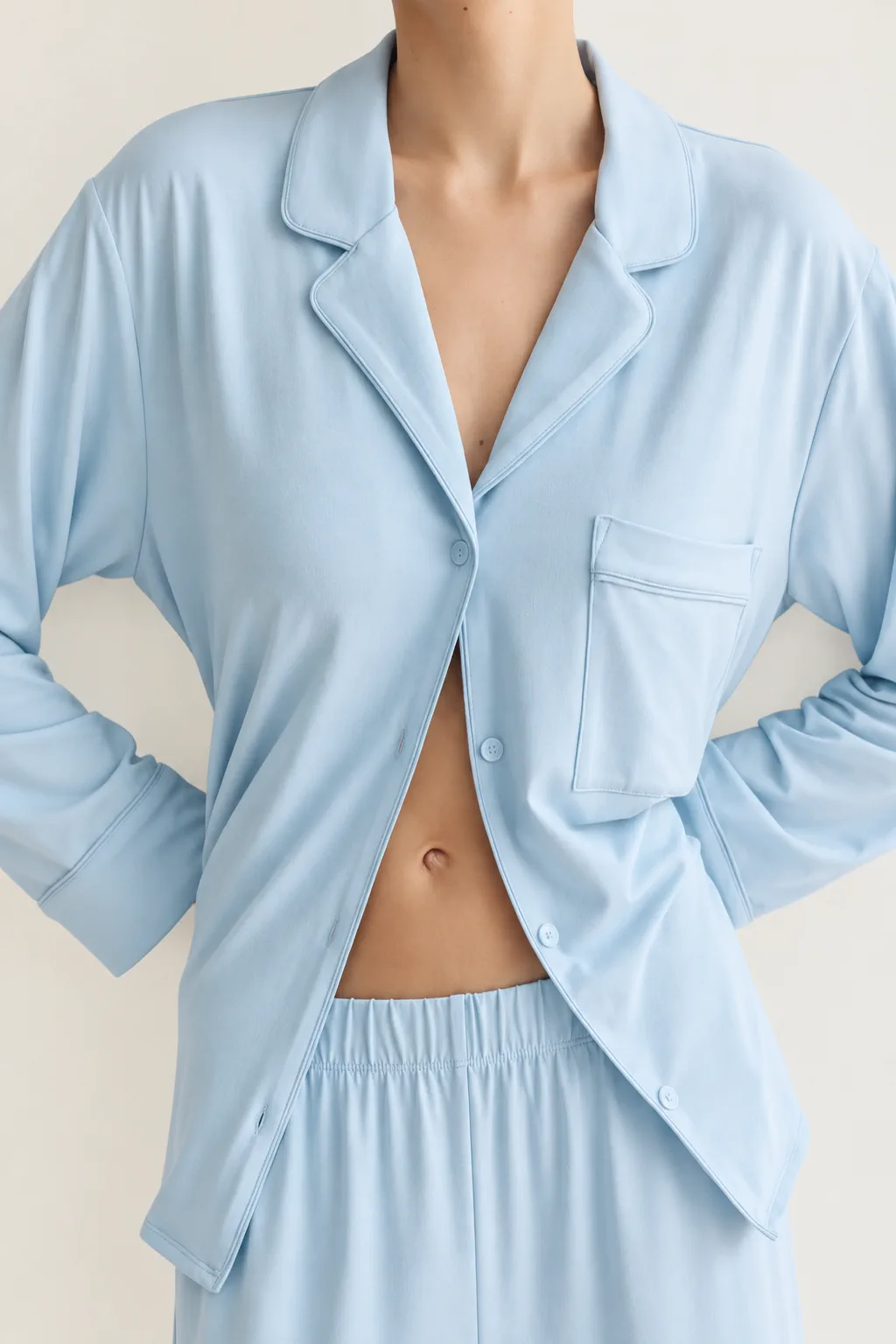
Most preventable confusion comes from an unstated handover. The brand should own the market decision, testing protocol and approval authority. The factory should keep the agreed product and production references under control, prepare requested samples and signal when a late change affects cost, timing or the reliability of the approved reference.
| Workstream | Buyer / brand owner | Factory support |
|---|---|---|
| Requirement selection | Confirms market, product classification, retailer rules and compliance route. | Flags when a requested detail needs a clearer written brief before sampling. |
| Test planning | Approves the lab, protocol, submission timing and document owner. | Supplies the agreed sample, material and production information needed for the buyer-led route. |
| Material approval | Approves fabric, print, trim, label and permitted substitution direction. | Tracks approved references and highlights commercial or timing effects of changes. |
| Bulk handover | Signs off the pre-production reference and buyer-facing pack requirements. | Carries the approved specification into material checks, production and final inspection. |
This division is practical, not defensive. A factory may help collect material information, produce sample sets and retain production records. It should not silently decide which regulation applies, choose a test standard without instruction or present a generic report as proof for a different product, market or retailer. The buyer should likewise avoid assuming that a correct-looking sample automatically approves every material lot, trim, label and packout detail.
An incomplete brief can still start a conversation, but its quotation should be understood as conditional. A buyer who supplies the following information allows the factory to identify the sample route, production risks and likely commercial variables much earlier.
| RFQ attachment | Why it changes the review |
|---|---|
| Target country, retailer and planned delivery date | Lets the factory keep the correct buyer instructions and critical path visible from the first quote. |
| Age group, product type and intended use | Stops an adult garment reference from being used as the only specification for a children’s style. |
| Tech pack, measurement chart and reference images | Turns visual direction into reviewable construction and size assumptions. |
| Fabric, print, trim, closure, label and packaging details | Makes it possible to identify which components must be reviewed together rather than after bulk is made. |
| Testing provider, retailer protocol or buyer requirement already known | Keeps the sample and document route buyer-led and avoids unsupported blanket claims. |
| Quantity by style, color and size | Shows where MOQ, material reservation, sample count and bulk controls may change. |
For family, maternity or children’s programs, attach the planned assortment and size architecture rather than one hero image. This allows the factory to see whether print scale, fabric consumption, size grading, trims and sample count need separate treatment across the range.
A product may need more than one sample stage. The buyer should label what each stage is intended to prove and avoid treating a fit sample as approval of final fabric, trim, print, packing and bulk workmanship at the same time.
At every gate, record what changed. Separate a buyer design change from a factory execution correction. When an approved material, trim, print or size is changed later, review the commercial effect before bulk continues. This keeps a correction from becoming an undocumented new version of the product.
Once the buyer approves the production reference, the factory needs one usable pack that can travel across material receiving, cutting, sewing, finishing, final inspection and packing. The pack should connect the physical sample with the written specification. A final inspection cannot reliably repair an unclear requirement that was never stated before production.

From a China OEM and private-label factory perspective, we would first review the reference style, destination market, intended age group, fabric direction, quantity, size range, trims, labels, packaging and the specific risk the brand wants controlled. We would then distinguish between items that can be reviewed during sampling and items that require buyer confirmation before a final bulk instruction is issued.
For example, the factory can help turn a visual reference into a measurable sample brief, identify where fabric or trim choices affect cost or lead time, prepare requested sample sets and carry an approved production pack into QC. The brand remains responsible for its market, retailer, testing and legal-compliance decisions. That clarity is what makes a factory quotation and sample plan dependable rather than falsely certain.
No. The relevant route depends on the specific product, market, age group, materials, retailer requirements and documents. The buyer should confirm those requirements with its compliance team and qualified testing provider. A factory can support the product-development and production-record side of that route.
No. A buyer should consider the complete product route, including dyes, prints, trims, metal components, coatings, elastic, labels and any retailer restricted-substance list that applies to the program.
No. The buyer should define the relevant route before bulk. Waiting until finished production can create avoidable rework or delay if materials, trims, labels or construction need to change.
Usually, yes. A shared print or color story does not make adult and children’s products technically identical. The buyer should define age group, size range, fit, trims and applicable review requirements for each part of the collection.
Send the reference style or tech pack, target market, age group, quantity by style, color and size, fabric direction, trims, labels, packing requirements, delivery target and any known buyer or testing instructions. This lets the factory identify the sample route and quote assumptions without inventing missing requirements.
Hengcheng can support the agreed sample and production-information process. The brand should retain ownership of the destination-market requirement, testing provider, standard or retailer protocol, and final approval decision.
This article uses factory-side product-development controls and current buyer questions as its framework. For US children’s sleepwear, brands should consult current CPSC guidance and confirm the applicable route with their qualified team. For EU programs, brands should confirm the relevant REACH-related and retailer requirements with their own qualified compliance support. Requirements can change; this article is not legal advice.
For an international sleepwear project, send the design pack or reference images, target market, age group, fabric direction, quantity, size range, colorways, trims, labels, packing expectations and development questions through the contact page. The clearer the brief, the more useful the quotation and sampling plan.