Address
JINKE Technology Industrial Park, No. 3188 ChunYuan Road, Weifang City, Shandong Province, China
Work Hours
Monday to Friday: 7AM - 7PM
Weekend: 10AM - 5PM
Address
JINKE Technology Industrial Park, No. 3188 ChunYuan Road, Weifang City, Shandong Province, China
Work Hours
Monday to Friday: 7AM - 7PM
Weekend: 10AM - 5PM

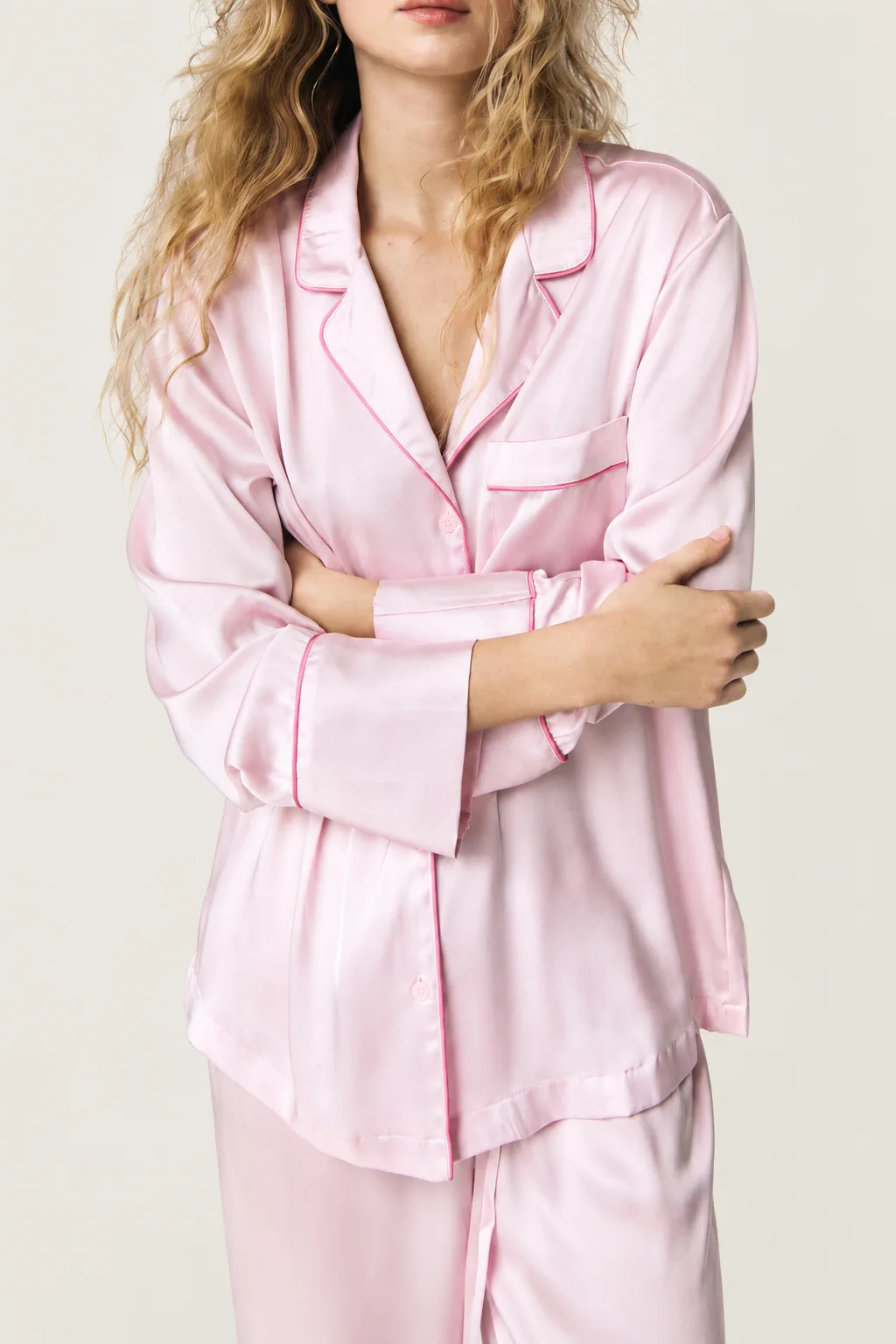
Short answer: A Japan-market sleepwear program should be developed from a written product standard, not from a destination label. The buyer needs to align the intended customer, fabric hand feel, measurements, trims, labels, packout, sample approvals and repeat-order controls before bulk materials are committed.
For a China OEM project, the useful question is not whether a factory can make products “for Japan.” It is whether the factory and buyer can turn a detail-sensitive concept into one approved reference that production, quality control and packing teams can follow. That matters for refined everyday sets, giftable sleepwear, premium lounge collections and retailer programs where a small variation in hand feel, piping, folding or shade can change the perceived product value.
Start with the product standard. “For Japan” is not a technical specification, and it should not cause a factory to guess at fabric, fit, labels or retail presentation. A reference garment or moodboard can establish direction, but it must be converted into items that a sample room and production line can inspect.
| Decision area | What the buyer should define | Why it affects the factory plan |
|---|---|---|
| Customer and use | Everyday sleep, gifting, travel, lounge, maternity, hotel or retail program. | Use changes fabric, fit, construction, packing and durability priorities. |
| Fabric direction | Composition, construction, target weight, hand-feel reference, color and care expectation. | A fabric name or online swatch does not prove drape, opacity, recovery or wash behavior. |
| Fit and size architecture | Reference size, points of measure, ease, grade rule and acceptable tolerance. | A good-looking sample in one size does not create a controlled size range. |
| Visible details | Piping, placket, buttons, pockets, labels, elastic, drawcords and inside finishing. | Small details often carry a disproportionate quality signal in sleepwear. |
| Retail execution | Language, care-label content, folding, polybag, hangtag, barcode, carton marks and delivery requirements. | These elements affect sourcing, approval timing, packing labor and quotation assumptions. |
A buyer does not need every input finalized before requesting an initial factory view. However, the inquiry should clearly separate what is fixed from what remains open. This keeps an early quotation useful without pretending that an incomplete design brief is a final production order.
Hand feel should be approved on the intended finished garment, in the selected color and construction. A pleasant swatch may behave differently once it is cut into a button-front set, sewn with piping, washed, worn against skin or placed under retail lighting.
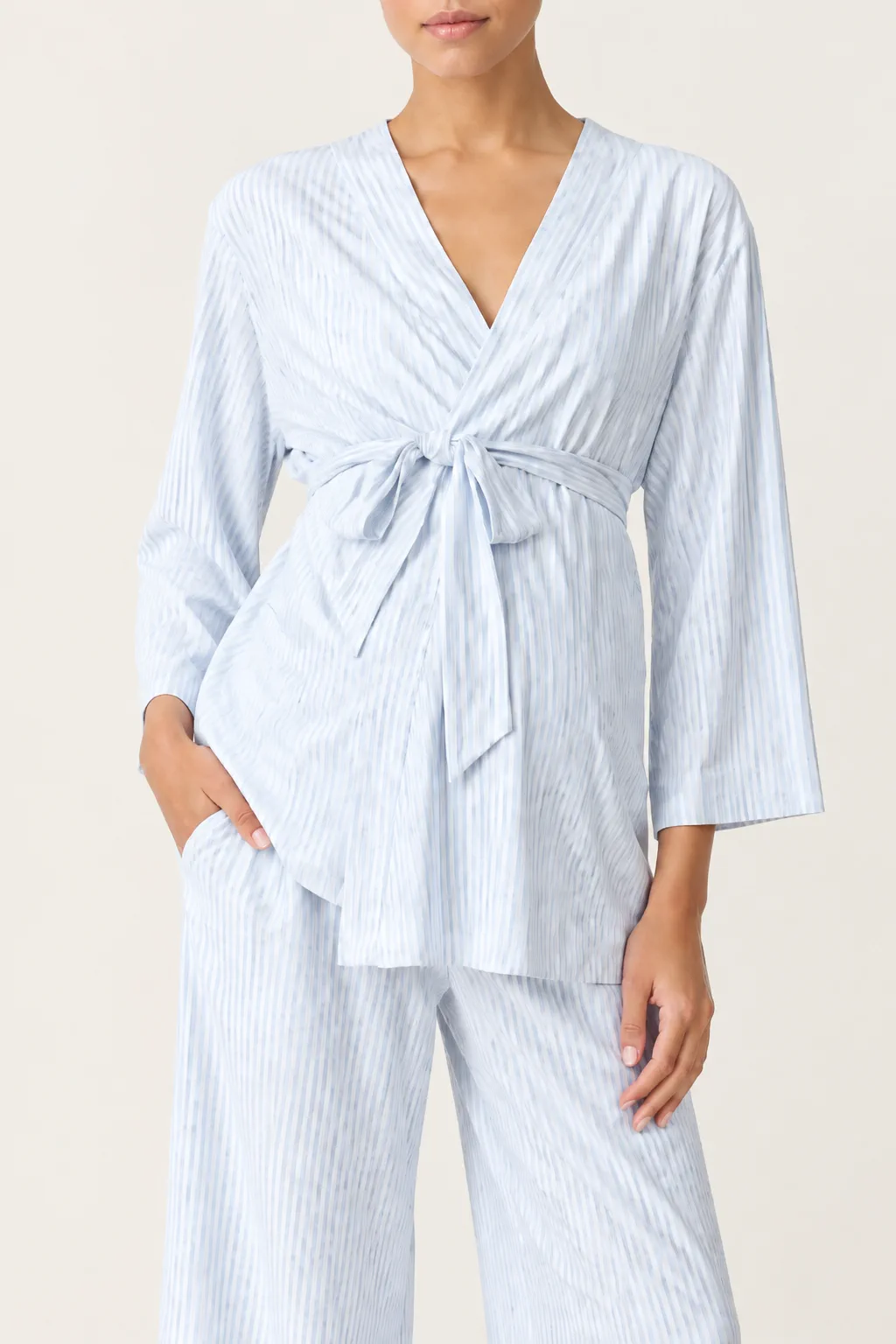
For example, a fluid modal or viscose-based knit may support soft drape but still require review of opacity, recovery and surface change. Cotton jersey, interlock, cotton muslin and satin-look woven fabrics all create different trade-offs in warmth, structure, stretch, seam behavior and care. The right option depends on the product position, not on a universal premium ranking.
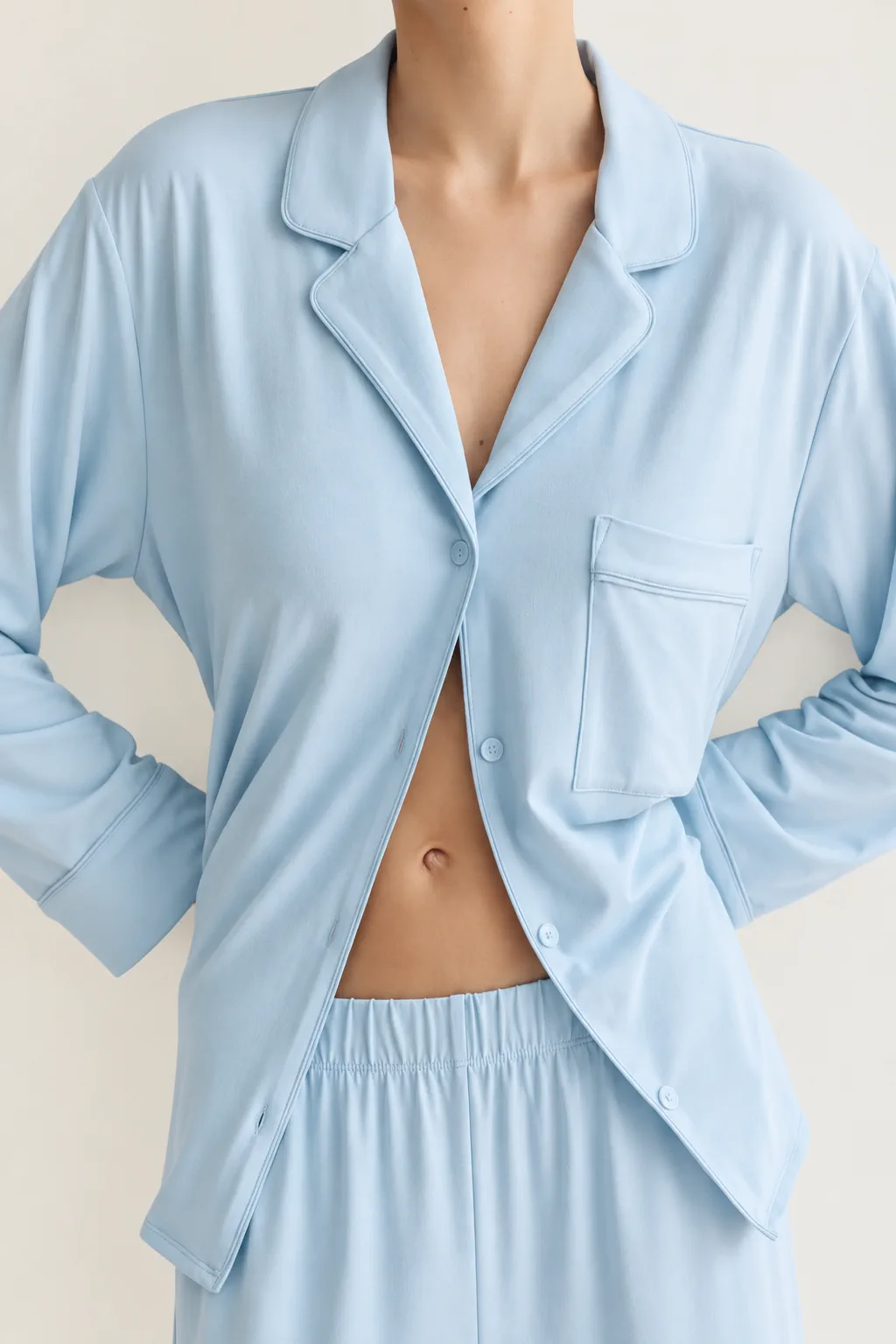
Detail-oriented sleepwear is not controlled by a flat image alone. Piping, button plackets, pocket corners, collar shape, label position, elastic channels, drawcord ends and inside seam finishing should be reviewed on the garment that represents the intended production route.
| Detail | Sample-stage check | Bulk risk when left unclear |
|---|---|---|
| Contrast piping | Width, curve at collar/cuff, join points, color match and puckering. | Uneven appearance, inconsistent width or poor contrast control. |
| Buttons and placket | Spacing, reinforcement, ease of opening, button color and alignment. | Gape, skewed front opening or a weak customer touchpoint. |
| Chest pocket | Size, placement, top-edge shape and piping alignment where applicable. | Visible asymmetry on a prominent front detail. |
| Elastic waist | Width, insertion method, pressure, recovery and post-wash behavior. | Uncomfortable fit or inconsistent waist measurement after wear. |
| Inside labels and seams | Placement, edge comfort, stitch finish and care-label readability. | Skin-contact discomfort or a late-stage label correction. |
These decisions should be documented with photos, a bill of materials, measurements and short sample comments. Chat messages can support the process, but they should not be the only record that governs bulk production.
Different samples answer different questions. Treating every sample as final approval is a common source of rework because fabric, fit, decoration and packing may not have been reviewed at the same stage.
| Sample stage | Primary purpose | What it does not automatically approve |
|---|---|---|
| Prototype or fit sample | Silhouette, proportions, core construction and initial measurements. | Final fabric, colors, trims, labels or packing. |
| Material or color sample | Hand feel, shade direction, opacity, drape and selected trim compatibility. | Final fit grading or all production workmanship. |
| Decoration/detail sample | Print, embroidery, piping, buttons, labels and placement. | Full bulk packing or final measurement control unless specifically included. |
| Pre-production sample | The complete agreed product reference before bulk release. | Permission to substitute a material, trim, artwork or packout without written review. |
For each approval, record the version, date, reviewer, approved items and corrections. A buyer should distinguish a new design request from a factory correction. That distinction helps the factory assess material availability, cost and timing before an informal change reaches the production line.
Destination-market execution should be planned early, but a factory should not infer legal or retailer-specific requirements simply from the word “Japan.” The buyer, importer or compliance partner should define the applicable product scope, mandatory content, language, testing and retailer instructions. The factory can then build those requirements into artwork review, label sourcing, sample approval and packing control.
Before bulk, clarify who owns and approves each element: care-label content, size labels, fiber or other required information, hangtags, barcodes, folding board, polybag, carton marks and shipping marks. When a retailer has a vendor manual or packaging guide, it should be supplied with the inquiry or before the pre-production sample is approved.
There is no universal MOQ or lead-time answer for Japan-market sleepwear. The commercial effect depends on the quantity by style and colorway, fabric availability, custom dyeing, print or embroidery setup, trims, labels, packaging, sampling rounds and delivery window. A useful quote identifies which assumptions are fixed and which remain conditional.
| Project choice | Likely planning effect | Question for the factory |
|---|---|---|
| Multiple small colorways | Can increase material, shade-control and packout complexity. | What quantity is practical per colorway with the selected fabric route? |
| Custom piping or special trims | Adds sourcing and approval dependencies. | Which trim specifications must be frozen before timing can be confirmed? |
| Retail-ready individual packing | Adds labor, components, artwork and inspection points. | Which packing sample and supply items are needed before bulk? |
| Repeat-order program | Requires a retained standard for fabric, shade, measurements and labels. | How will the approved production reference be carried into replenishment orders? |
| Fixed launch window | Turns late design or packaging changes into schedule risk. | Which approvals are on the critical path before material commitment? |
A factory can help refine an early brief. It cannot give the same confidence in the final price, timing or quality-control plan until the product assumptions are visible. The following inputs make the first review more productive.
| RFQ input | What to provide | Reason it matters |
|---|---|---|
| Reference direction | Images, sketches, tech pack or existing sample, with notes on what must match. | Separates visual inspiration from required construction. |
| Product and customer use | Style type, target wearer, season, use case and price position. | Guides fabric, fit and construction recommendations. |
| Material direction | Composition, target hand feel, weight range, colors and care expectation. | Supports accurate material sourcing and sample planning. |
| Size and quantities | Reference size, size range, quantity by style/colorway/size. | Allows the factory to review grading, consumption and MOQ variables. |
| Branding and packing | Artwork, label content, hangtag, barcode, folding, bags and cartons. | Prevents a garment-only quote from missing retail execution work. |
| Required controls | Sample stages, measurements, wash expectation, testing or retailer requirements. | Connects buyer risk to the production and QC plan. |
From a China OEM and private-label garment factory perspective, Hengcheng would first identify what the buyer is trying to protect: hand feel, fit consistency, piping appearance, wash behavior, packing presentation, repeatability or a specific retailer requirement. The team would then review the reference style, fabric direction, quantity, size range, colorways, trims and target delivery window.
The next step is to map those inputs to the right sample stages and bulk controls. For example, a premium-looking button-front set may need a material review before the final fit sample, then a pre-production sample that combines the selected fabric, piping, buttons, labels and folding instruction. The factory should state where a decision remains conditional on material availability, testing, custom components or final packaging artwork.
Not necessarily. What matters is a controlled development process: a clear brief, usable sample records, repeatable production references and responsive handling of approved changes. The buyer should evaluate the factory’s relevant product experience and communication process rather than rely on a destination label.
Yes, as an early direction. The final decision should still name the composition, construction, weight or range, color, care expectation and finished-garment sample that received approval.
Review the agreed points of measure, surface appearance, color behavior, recovery, twisting, pilling risk where relevant, trim condition and overall comfort. The method should match the intended care direction.
They should be reviewed on a physical sample before bulk release. The approved construction, color, placement and materials should then be included in the production reference.
The buyer, importer or appointed compliance partner should provide the applicable requirements for the product and sales channel. The factory can incorporate approved content and packing instructions, but should not be asked to infer legal obligations from the destination alone.
Yes, with stated assumptions. The factory can indicate which price and timing elements remain conditional on artwork, label materials, barcodes, packing components or final specifications.
Retain a controlled production pack: approved pre-production sample, measurement chart, fabric and trim references, artwork, label and packing instructions, and the key QC checkpoints. Any later change should be recorded against that reference.
Send the reference style or tech pack, target customer and market, fabric direction, size range, quantity by style and colorway, branding and packing requirements, target timing, and the risk you want controlled before bulk.
This factory-side guide is based on apparel product-development controls used to turn a buyer brief into a sample and bulk-production reference. It is not legal or labeling advice. Buyers should validate destination-market, retailer and product-specific requirements with their own importer, retailer, testing provider or compliance adviser before production.
For a factory review, send the reference style, target quantity, size range, colorways, fabric direction, trim and packing expectations through the contact page. A clearer product brief allows a more useful first quotation and sample plan.