Address
JINKE Technology Industrial Park, No. 3188 ChunYuan Road, Weifang City, Shandong Province, China
Work Hours
Monday to Friday: 7AM - 7PM
Weekend: 10AM - 5PM
Address
JINKE Technology Industrial Park, No. 3188 ChunYuan Road, Weifang City, Shandong Province, China
Work Hours
Monday to Friday: 7AM - 7PM
Weekend: 10AM - 5PM


A sleepwear waist is a high-contact construction, not a finishing detail. For private-label brands, the choice between elastic, drawcord and tie-waist construction affects fit, comfort, recovery, visible styling, sample revisions, sewing operations and the instructions that must reach bulk QC.
The useful decision is not simply which option looks best in a reference image. Buyers need to define what the garment must do, how much adjustment it needs, how the selected fabric behaves, and what the approved sample has to prove. A pajama bottom, wrap robe, lounge set and maternity style can all need waist adjustment, but they do not create the same pressure, coverage or production risks.
Terms such as “comfortable elastic” or “adjustable waist” establish a direction, but they do not tell a sample room what to build or a QC team what to inspect. Start with the garment type, intended wearer, fabric direction and the range of adjustment the brand expects.
| Construction route | Strong fit for | Decisions to fix before sampling | Risks to review on the garment |
|---|---|---|---|
| Enclosed elastic waist | Pajama bottoms, shorts and simple lounge styles | Elastic width, placement, stitch/insertion route, finished waist measurement and recovery expectation | Rolling, twisting, uneven gathering, pressure and post-wash shape |
| Elastic plus drawcord | Styles needing visible adjustment or broader fit flexibility | Functional purpose, channel and exit points, cord material, length and end finish | Cord migration, uneven exits, abrasion, knot bulk and incorrect length across sizes |
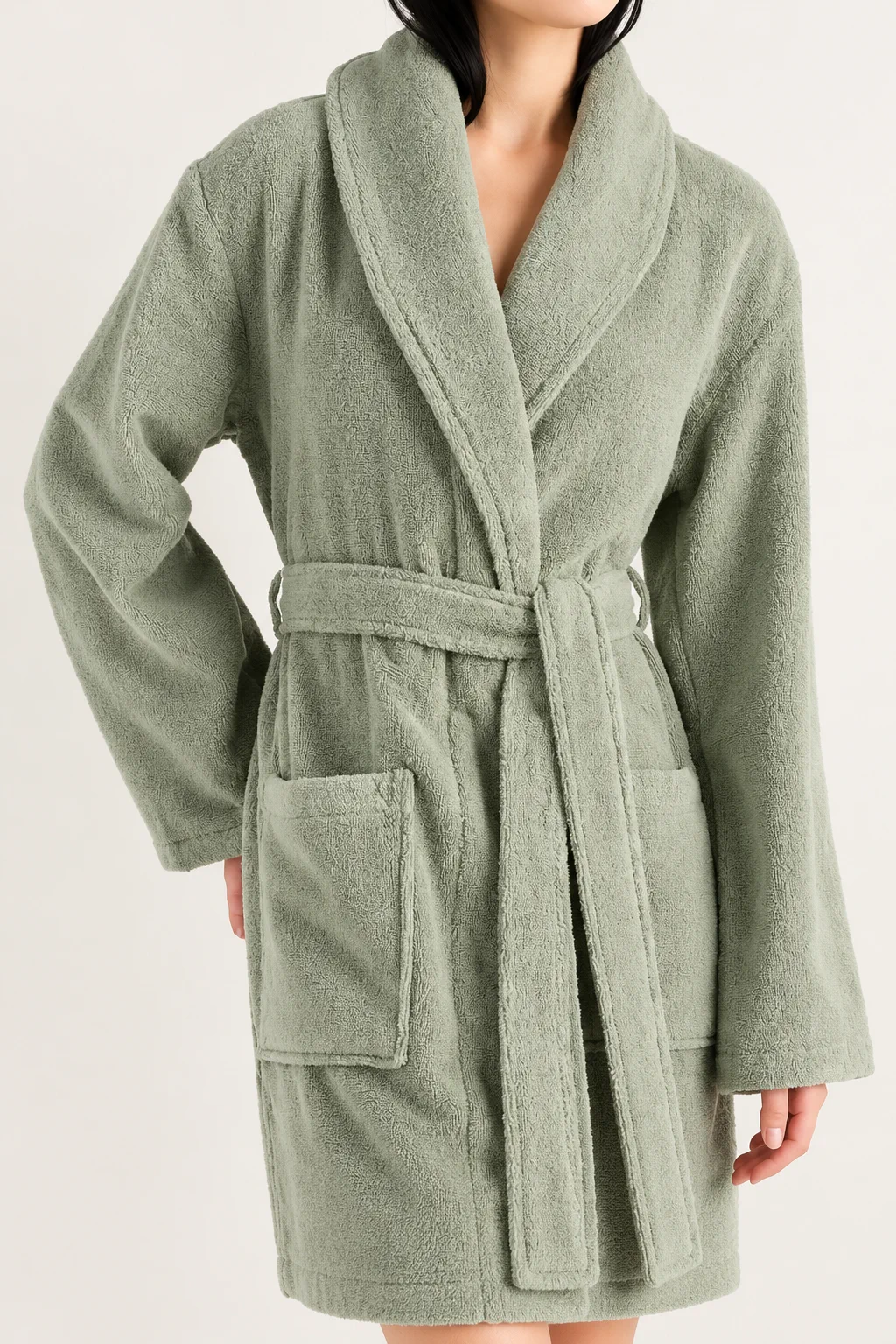
| Self-fabric tie belt | Robes, wrap tops and spa loungewear | Belt width/length, loop position, attachment or reinforcement and pocket relationship | Belt slippage, loop failure, excess bulk, print misalignment and loss in packing |
| Fixed or sewn tie detail | Visual waist emphasis without adjustability | Placement, finished shape, seam allowance and decorative versus load-bearing purpose | Decoration being used as a functional tie, distortion and inconsistent placement |
| Wrap waist with internal and external ties | Robes, maternity/nursing styles and overlap-front products | Minimum overlap, tie-point reinforcement, internal-tie location and coverage requirement | Opening during ordinary movement, seam strain and uneven overlap across sizes |
The factory can propose workable alternatives, but the buyer should make clear which features are fixed. For example, a robe may require a self-fabric belt and positioned loops, while the exact reinforcement route remains open for factory review. That distinction prevents an initial quote or sample from being mistaken for final production approval.
A waist specification connects garment measurements, components, construction and the approval method. It gives the factory enough information to evaluate the selected fabric and makes the final decision traceable across sizes and colorways.
| Tech-pack field | Useful buyer instruction | Why it matters in production |
|---|---|---|
| Finished waist measurement | State relaxed and, where relevant, extended measurement by size plus the point of measure | Prevents a sample that feels acceptable in one size but grades unpredictably |
| Elastic component | State width, material direction, supplied versus factory-sourced status and recovery expectation | Similar-looking elastic can behave differently after sewing, washing and repeated wear |
| Channel or casing | Show casing width, seam location, opening/closure method and whether the component is replaceable | Controls rolling, visible stitch lines and access to the elastic during production |
| Drawcord route | State functional or decorative purpose, exit locations, length by size and end finish | Makes cord placement reviewable instead of a visual guess |
| Belt and loops | Show finished belt dimensions, loop count/location, attachment and whether the belt ships tied | A robe belt is a functional trim that can change labor, packing and customer experience |
| Critical appearance point | Identify centered exits, even gathers, print continuity, piping or a clean front appearance | Gives QC a visible standard alongside measurement checks |
For a drawcord style, show the front and inside construction rather than relying on one exterior photo. For a wrap style, document overlap and tie-point locations. For an elastic waist, define what the team should evaluate on the garment: hold, pressure, recovery, appearance, or a combination of these.
The same waist construction can behave differently in light jersey, brushed knit, crisp woven or heavier robe fabric. A drapey fabric may show channel puckering. A fabric with more body can make a multi-layer wrap waist bulky. Stretch in the garment fabric changes how much elastic tension is needed to hold the product in place.
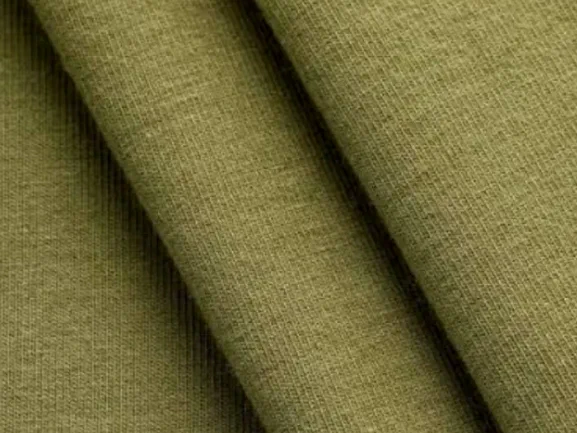
Ask the factory to review the actual garment fabric with the proposed elastic, cord or belt. Approving components separately can miss issues such as drawcord-channel distortion, elastic visibility, belt bulk, side-pocket interference or a print that no longer aligns at the waist seam.
An approval is useful only when its purpose is clear. A development sample can establish silhouette and visible waist treatment. A material or pre-production sample should confirm the intended fabric, components and construction before bulk cutting. Photos are valuable records, but they are not sufficient evidence for comfort, function or recovery.
Check the waist on the intended size and body-position assumption. The review should distinguish acceptable hold from excessive pressure. For a drawcord, assess whether adjustment changes front balance or creates an uncomfortable knot at the center front.
Review the garment through ordinary use positions appropriate to the style. For a wrap robe, check coverage and belt stability. For pajama bottoms, check that a functional cord does not pull unevenly through the casing or catch at an exit point.
Where post-wash performance is part of the product requirement, review the selected fabric and waistband together under the agreed care or test process. Look for elastic twist, casing distortion, cord-end damage, trim-contact color transfer and changes to the intended waist shape. The buyer should state the relevant method and acceptance expectation rather than relying on a generic “wash tested” note.
Before bulk, record which sample is the reference and attach the measurement sheet, fabric/trim reference, construction drawing or photo, sample comments and required packing treatment. A change in elastic source, cord end, belt-loop position or waist seam route should be treated as a reviewable substitution, not an informal adjustment.
There is no universal cost premium for a waist treatment. The result depends on fabric availability, component sourcing, number of colors and sizes, sewing operations, placement precision, packing, sample revisions and production quantity. A self-fabric belt adds cutting, sewing and handling. A drawcord can introduce trim sourcing, channel sewing and end finishing. Custom elastic, special cords, branded end components or multiple colorways may have their own minimums and lead-time conditions.
| Variable | What can change | Buyer action before final pricing |
|---|---|---|
| Fabric and colorway plan | Elastic tension, belt bulk, trim matching and component availability | State fabric direction, number of colors and whether stock materials are acceptable |
| Functional trim | Cord, stopper, end finish, elastic and loop sourcing requirements | Show the exact desired route or ask the factory to propose options with assumptions stated |
| Size architecture | Cord length, belt length, grading, fabric consumption and cutting ratios | Provide base size, full size range and quantity by size rather than only total units |
| Construction complexity | Sewing time, reinforcement, inspection points and sample revisions | Mark details that cannot change, such as functional exits, belt loops or overlap coverage |
| Packing presentation | Belt retention, folding method, inserts, labels and final appearance | Confirm how the garment must arrive to the retailer or customer before bulk packing begins |
The practical first question is not which option is cheapest. It is which details are essential to the product promise, which may be proposed by the factory, and which must remain conditional until fabric, trim and quantity are confirmed.
For a China OEM or private-label inquiry, Hengcheng would start with the reference style, intended wearer, target market, fabric direction, size range, quantity and the waist function the brand needs. The review can then separate fixed brand requirements from construction points that depend on material availability, sampling, trim sourcing or bulk efficiency.
For a serious project, send the reference style, waist detail, target quantity, colorways, size range and required product details through the Hengcheng contact page. The sample plan should establish whether the first review is for fit, construction, material/trim appearance or the pre-production bulk standard.
No. A drawcord adds adjustment, but it also adds components and construction decisions. For some pajama bottoms, a properly specified elastic waist is simpler and more consistent. Select the route based on the garment, target wearer, fabric and the adjustment the product actually needs.
At minimum, define the finished waist measurement by size, elastic width and placement, casing or insertion method, intended hold or recovery expectation, and the sample review needed before bulk. The factory can then advise on workable component options.
It can, but the buyer should state that it is decorative and specify its placement, attachment and finish. Functional and decorative cords should not be left ambiguous because the construction, testing expectations and user experience differ.
Review finished belt width and length, loop position, reinforcement, relationship to pockets and the robe’s overlap and coverage while worn. Confirm how the belt will be folded or retained in packing so the final customer presentation is deliberate.
Freeze it at pre-production approval, after the relevant fabric, trim and fit have been reviewed. Any later change to a component, seam route, loop position or cord treatment should go through documented change control before it reaches bulk.