Address
JINKE Technology Industrial Park, No. 3188 ChunYuan Road, Weifang City, Shandong Province, China
Work Hours
Monday to Friday: 7AM - 7PM
Weekend: 10AM - 5PM
Address
JINKE Technology Industrial Park, No. 3188 ChunYuan Road, Weifang City, Shandong Province, China
Work Hours
Monday to Friday: 7AM - 7PM
Weekend: 10AM - 5PM

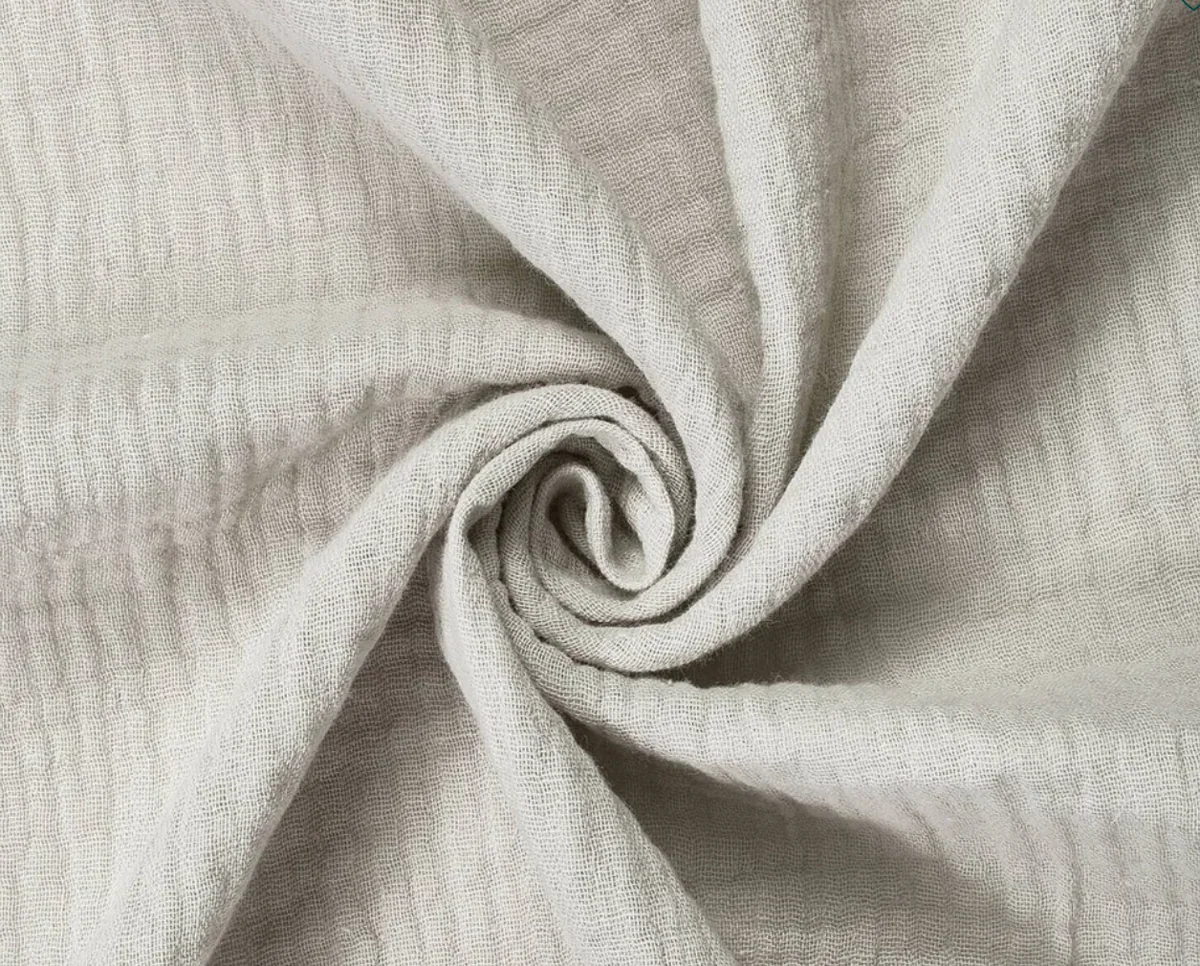
For 2026 sleepwear development, brands should separate reliable core fabric routes from selected seasonal directions and early-stage functional concepts. Knit jersey, interlock, rib and selected fleece remain practical core routes; cotton muslin, poplin and seersucker support summer woven programs; temperature-regulating materials require supplier, test and wash-durability review before any product claim.
The useful sleepwear fabric question is not “what is trending?” in isolation. It is which fabric route fits the product, climate, target price, comfort expectation, wash behavior and manufacturing capability. A trend board can inspire a collection, but a factory quote requires a construction, composition, hand feel, target weight, color route and performance expectation.
Hengcheng is a China-based garment factory, founded in 2002, supporting OEM and private-label apparel development. The practical starting point is always a product brief: reference direction, fabric route, size range, target market, quantity, trims, packing and the risks that must be controlled before bulk.
For a knit-focused manufacturer, cotton jersey, interlock, rib knit, modal or viscose jersey, waffle/thermal knit and selected French terry routes are the foundation. They support T-shirt sets, lounge tops, sleep shorts, relaxed long sets, nursing-friendly styles and many comfort-led programs. Their development questions are familiar but important: recovery, twisting, shrinkage, opacity, pilling, seam comfort and print behavior.
Cotton muslin has clear product relevance for lightweight pajama sets, loose sleep shirts, shorts sets and warm-climate lounge styles. Its appeal is breathable comfort and a natural textured surface, not a technical performance claim. Brands should confirm composition, layer count, GSM, weave openness, opacity, shrinkage, seam finish and washed appearance. It is a selected woven sleepwear direction, not a substitute for every knit program.
Cotton poplin works for crisp button-front pajamas and shirt-and-short sets. Seersucker adds a raised texture and an airy feel that can suit warm or humid conditions. Both can be useful in a seasonal range, but they should be developed as woven programs with their own fit, shrinkage, seam and pressing requirements. They should not replace core knit routes where stretch, softness and relaxed recovery are part of the product promise.
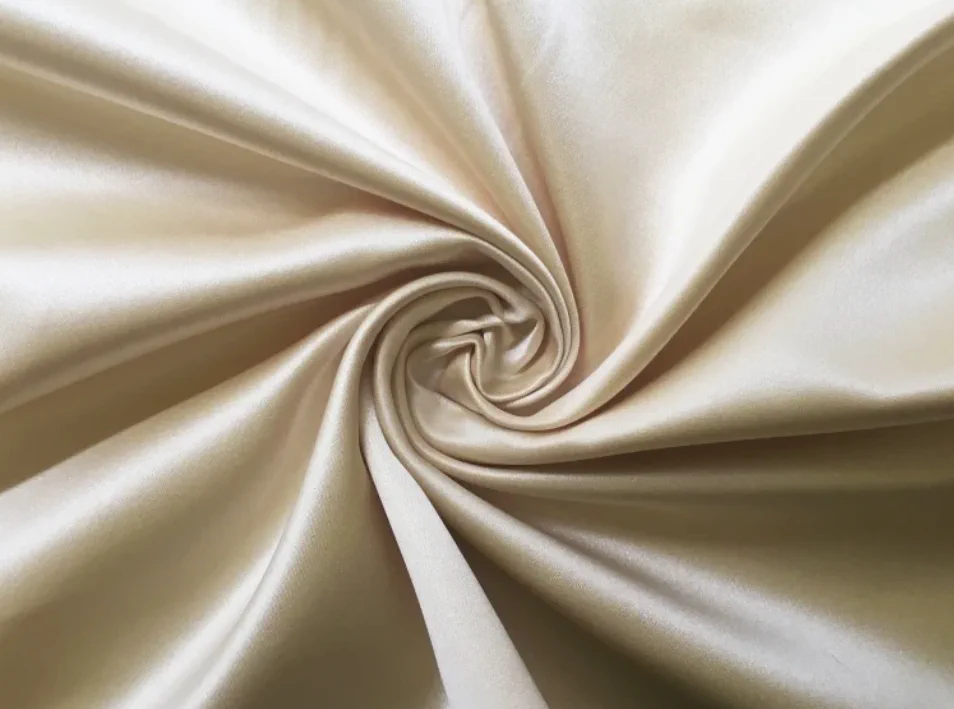
Satin-look woven products are typically chosen for drape, giftability, bridal or premium visual direction. Buyers should separate the desired surface effect from the required fiber, static behavior, seam performance, opacity and care route. The word “satin” is not a full material specification.
Phase-change materials, cooling finishes, moisture-management constructions and odor-control finishes are discussed widely in textile innovation. They can be commercially relevant, but they should not appear in product copy just because a moodboard calls for “thermoregulating sleepwear.” The buyer should ask whether the finish or material route is available at the intended MOQ, how it performs after repeated wash, what testing supports the claim, whether skin-contact use is appropriate, and what care instructions are required. A factory should confirm a specific supplier route before quoting a functional claim.
A reliable OEM process turns a buyer’s product idea into a sequence of approvals. First, align the reference style, intended customer, market, target price position and commercial timing. Next, confirm fabric and trim options against the selected hand feel, weight, color and care expectation. Then use the sample stage to resolve fit, measurements, construction and visual details before the buyer approves a pre-production reference for bulk.
For each stage, the buyer should state what is being approved. A fit sample does not automatically approve final fabric. A fabric swatch does not confirm finished-garment opacity, seam comfort or post-wash behavior. A photo approval does not replace a pre-production sample when colors, trims, labels, packing or size grading still need to be controlled.
The factory should carry the approved reference into material inspection, cutting, sewing, finishing and packing. The buyer should avoid late changes to core fabric, measurements, artwork, labels or packout after bulk materials are committed. When a change is necessary, it should be recorded as a new revision with its commercial and timing effect reviewed before production proceeds.
Before production starts, the buyer and factory should have one usable set of production references: approved pre-production sample, measurement chart, fabric and trim references, color/print artwork, label and packing instructions, QC checkpoints, target market and any applicable testing instructions. The same package should guide inline checks and final inspection. This simple discipline reduces the risk that a correct sample turns into inconsistent bulk.
| Fabric route | Position | Best use | Factory/buyer check |
|---|---|---|---|
| Cotton jersey / interlock | Core knit | Comfort basics, tee-and-short sets, long pajama sets. | Shrinkage, twisting, opacity, recovery and print stability. |
| Modal / viscose jersey | Core knit | Soft drape, fluid lounge sets and premium comfort directions. | Wet-state behavior, dimensional stability, snagging and care. |
| Rib / waffle / thermal knit | Core knit | Textured comfort, fitted or structured lounge layers. | Recovery, garment growth and seam distortion. |
| Cotton muslin | Selected woven | Lightweight summer pajama sets and loose sleep shirts. | Layer count, opacity, shrinkage, seam finish and wash texture. |
| Poplin / seersucker | Selected woven | Crisp summer button-front and shirt-set directions. | Fit, seam behavior, shrinkage, pressing and color/print route. |
| Temperature-regulating materials | Early-stage functional route | Specific performance-led projects after supplier review. | Claim substantiation, wash durability, MOQ, skin-contact suitability and care. |
Before bulk, the buyer should turn the approved sample into a written production reference. This means confirming the selected material, construction, measurements, color, trim, labels, packing and any issue that could become a customer complaint after wear or washing. A final inspection cannot reliably repair a requirement that was never specified during development.

The same fabric can be appropriate for one sleepwear SKU and unsuitable for another. The decision should connect the material route to the garment silhouette, climate, customer expectation and production plan. This comparison is a starting point for a buyer discussion, not a substitute for reviewing the selected lot and finished sample.
| Fabric direction | Strongest product role | Main development risk | Evidence to request before bulk |
|---|---|---|---|
| Cotton jersey or interlock | Core comfort sets and everyday sleepwear | Shrinkage, twisting, pilling, opacity and recovery | Composition, GSM, wash result, measurement record and approved sample |
| Modal or viscose jersey | Soft drape and fluid premium lounge styles | Wet-state behavior, snagging and dimensional stability | Fabric lot, care route, finished-garment review and wash test |
| Cotton muslin | Lightweight summer sets and loose sleep shirts | Open construction, opacity, shrinkage and seam finish | Layer count, GSM, color, wash texture and finished opacity review |
| Poplin or seersucker | Crisp warm-weather woven programs | Woven fit, pressing, seam behavior and dimensional change | Pattern measurements, pre/post-wash measurements and pressing standard |
| Functional or temperature-regulating route | Specific performance-led capsule or technical concept | Unclear claim support, MOQ, wash durability and supplier availability | Material supplier, test method, claim wording, care route and repeat-order plan |
A request for “breathable sleepwear fabric” is useful for an early conversation but not enough for a comparable quotation. The buyer should separate the desired consumer benefit from the measurable product inputs. This helps the factory identify what can be quoted directly and what remains conditional on sampling or supplier confirmation.
| RFQ input | Why it matters to quotation and sampling |
|---|---|
| Fiber composition and construction | “Cotton,” “modal,” “muslin” and “cooling” do not define the full fabric specification. |
| Target GSM, hand feel and stretch | These affect fabric cost, consumption, fit, drape, recovery and the number of suitable suppliers. |
| Color, print and opacity expectation | Light shades, dark shades, prints and open weaves may require different approval and testing points. |
| Climate and intended use | A warm-climate woven set, a winter lounge set and a hotel program should not be evaluated by the same priority order. |
| Wash, pilling and dimensional expectations | The factory needs to know which risks must be measured before the pre-production sample is approved. |
| Quantity by style, colorway and size | MOQ, fabric availability, dyeing feasibility and repeat-order planning depend on the commercial structure. |
| Target market and customer-facing claims | Any cooling, odor-control or temperature-related wording should be reviewed against the intended product evidence and care instructions. |
Do not approve a fabric direction from a swatch alone when the final product depends on drape, stretch, opacity, texture or wash change. At sample stage, review the fabric and garment together:
Trend language is useful for product discovery, but no material should be presented as a performance solution until the exact fabric, finish, supplier route, testing expectation and wash behavior are confirmed. “Cooling,” “anti-odor” and “temperature-regulating” are product claims, not mood-board descriptors. If a supplier can offer a functional route only at a high MOQ or with a limited color range, that commercial constraint belongs in the product decision as well.
Once a fabric route is approved, the buyer and factory should keep one production reference covering the fabric lot or approved standard, color, measurements, trims, labels, packing and QC checkpoints. Any substitution should be treated as a new review rather than an invisible replacement. This is particularly important for open woven fabrics, brushed surfaces, stretch knits and performance finishes, where a visually similar material may behave differently after washing.
For repeat orders, record the approved fabric construction, target GSM or tolerance, shade reference, wash result and any accepted appearance variation. A clear record helps the factory review availability and helps the brand decide whether a new lot is equivalent, requires a new sample or needs a revised care and claim position.
No. Cotton muslin is generally a woven route, often light and open in construction. It can complement a knit-focused sleepwear range for summer styles, but it should be quoted and tested as its own woven program.
Only after confirming a specific material or finish, the applicable test method, wash durability, MOQ and care route. A trend claim should not replace material validation.
There is no universal answer. The right route depends on use, climate, fit, hand feel, price position, wash expectation, target market and the specific construction.
Choose based on the product role rather than season alone. Knit may be stronger for stretch, softness and relaxed comfort, while muslin, poplin or seersucker may support a lightweight woven look. The selected construction still needs fit, opacity, shrinkage and wash review.
Ask for the exact material or finish name, supplier route, test method, test condition, wash durability, MOQ and permitted claim wording. A general statement that a fabric feels cool is not the same as evidence for a temperature-regulation claim.
No. Lower weight can support a light summer direction, but it may also reduce opacity, durability or dimensional stability. The correct target depends on the garment, color, fit, climate and retail position.
Lock the route before the pre-production sample and confirm that the approved fabric, color, trims and measurements are carried into the bulk specification. Late changes can affect MOQ, cost, timing and the validity of previous sample comments.
Hengcheng can review the reference style, fabric direction, target market, quantity, size range, colorways, trims, packing and the specific product risks that need control. A complete brief makes the first quotation and sampling plan more useful.
For a project review, send the design pack or reference images, fabric direction, target market, quantity, size range, colorways, trims, labels, packing expectations and development questions through the contact page. The clearer the brief, the more useful the quotation and sampling plan.