Address
JINKE Technology Industrial Park, No. 3188 ChunYuan Road, Weifang City, Shandong Province, China
Work Hours
Monday to Friday: 7AM - 7PM
Weekend: 10AM - 5PM
Address
JINKE Technology Industrial Park, No. 3188 ChunYuan Road, Weifang City, Shandong Province, China
Work Hours
Monday to Friday: 7AM - 7PM
Weekend: 10AM - 5PM

Pajama fit should be controlled with a defined fit block, a clear points-of-measure chart, buyer-approved tolerances and a graded pre-production sample. A size label such as S, M or L is not a measurement standard. Before bulk cutting, the buyer and factory should agree which garment measurements matter, how each is taken, and how fabric relaxation or washing affects the finished fit.
For a private-label brand, fit drift can mean more than a garment that feels different. It can create inconsistent size reviews, returns, rework and a difficult repeat order. A good-looking sample in one size does not prove that the full size range is balanced. The buyer needs to approve the block, grading logic and production reference as one connected system.
When I review a sleepwear brief from the factory side, I first look for the intended wearer and fit, the reference size, the size range, the fabric behavior and the measurements that affect comfort. Those decisions make sample comments more specific and give quality teams something they can check during production.
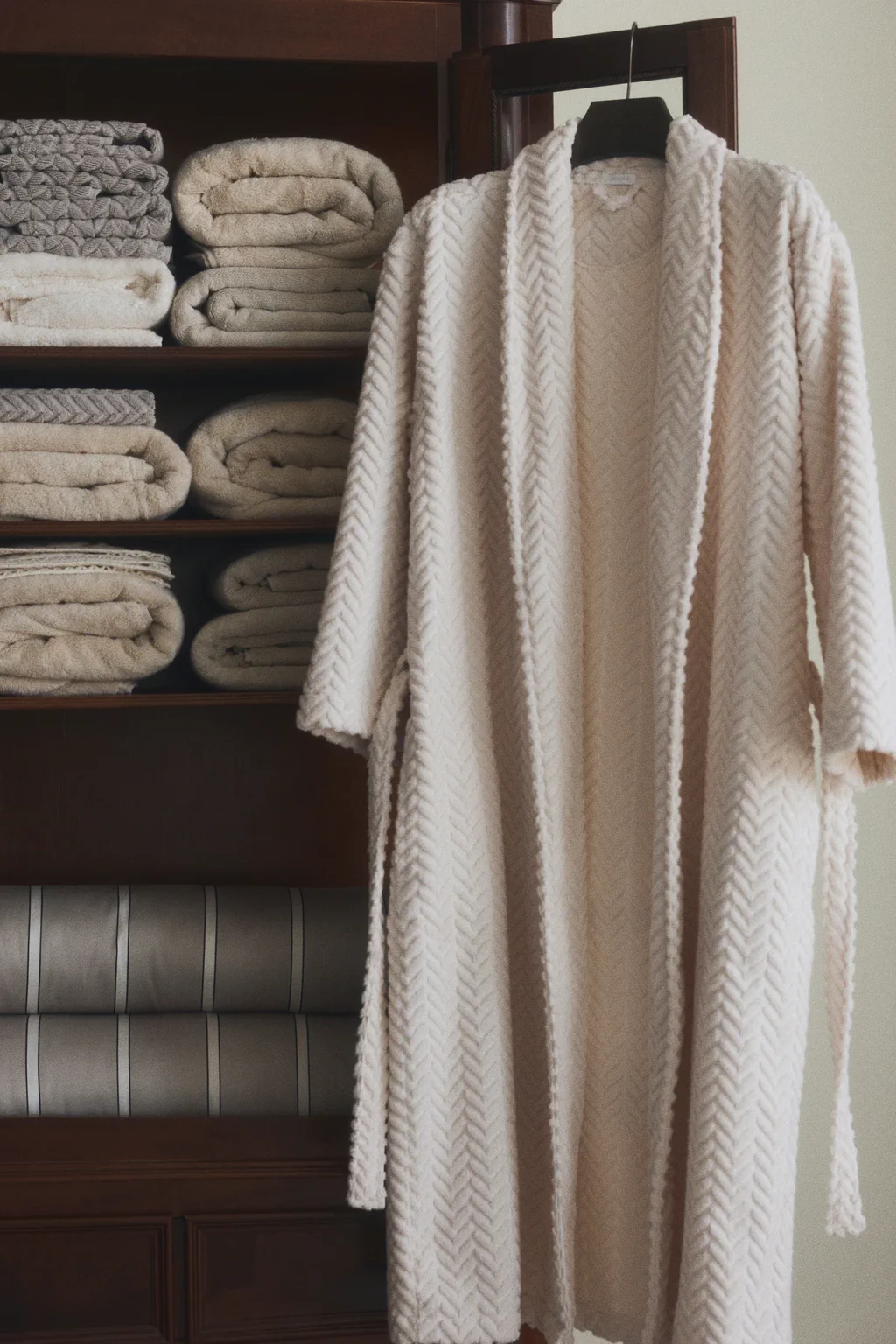
The brand should select a fit route based on the intended customer, garment type and use, then approve ease and proportions on a sample. Do not copy a generic T-shirt chart into a pajama set without checking how the top, bottoms and fabric work together.
| Fit route | What to define before sampling | What to review on the sample |
|---|---|---|
| Classic or regular | Intended ease, reference size and body proportions | Shoulder, chest, rise and hem balance while standing and sitting |
| Relaxed | Where extra room is wanted and where shape should remain controlled | Whether added width changes sleeve, rise or side-seam appearance |
| Oversized | Target silhouette, key lengths and how much volume is intentional | Shoulder drop, body length, sleeve opening and trouser proportion |
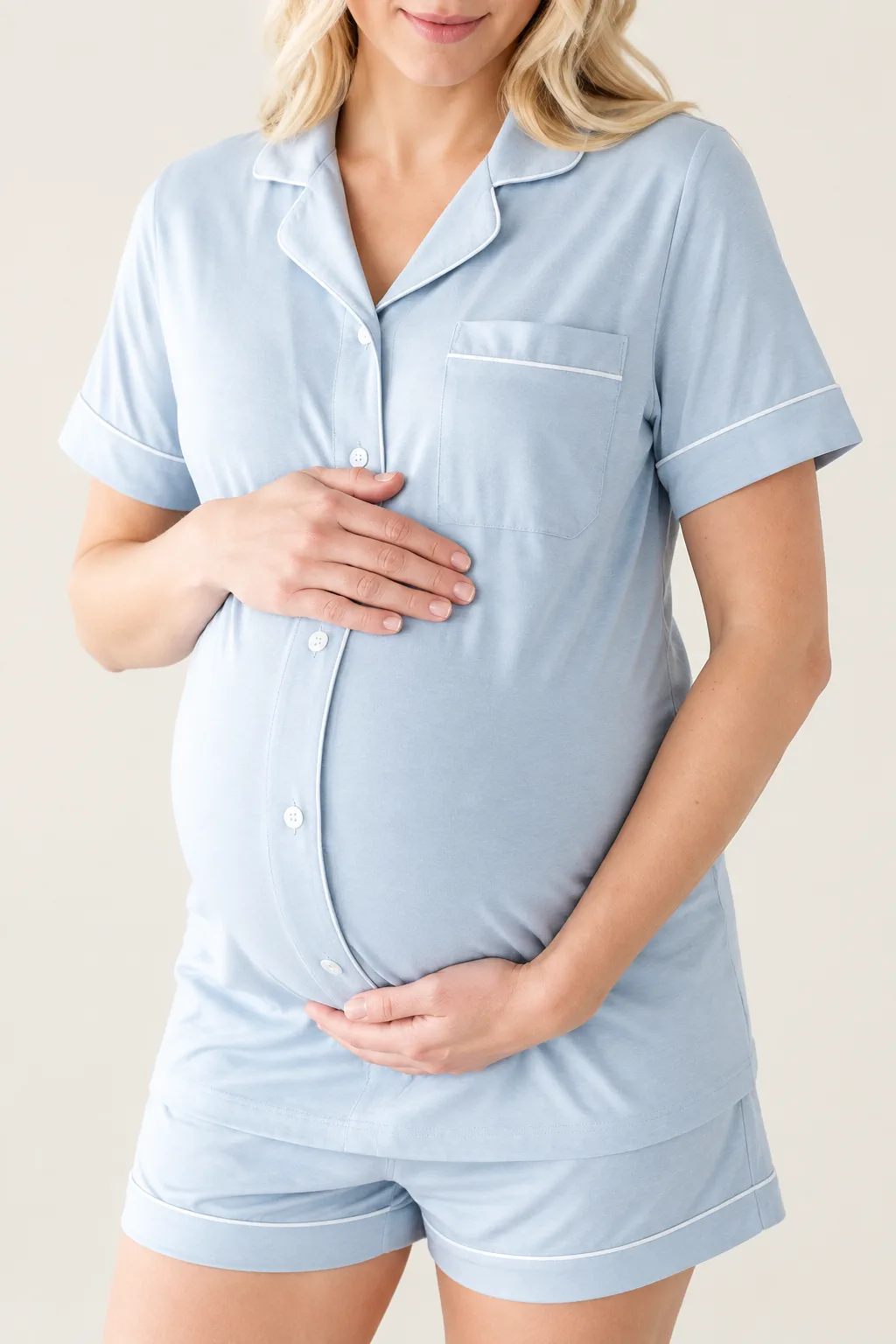
| Maternity | Intended stage/use, adjustment features and fit references | Front rise, waist adjustment, coverage and movement through the body |
| Robe or wrap | Overlap, belt position, coverage and intended length | Secure wrap, belt-loop position and movement without unwanted opening |
These are development routes, not universal size definitions. A brand should make the fit visible through a reference garment, sketch, fit model information or annotated tech pack. If the buyer expects a particular amount of ease, record that expectation against named points of measure instead of relying on words such as “comfortable” or “loose.”
Start with a focused points-of-measure list for the specific style. The factory needs the point name, measurement method, reference size, target measurement and buyer-approved tolerance. A chart without measurement instructions can still produce disagreements because teams may measure the same garment differently.
| Garment area | Common points to define | Why the buyer should review it |
|---|---|---|
| Pajama top | Chest, body length, shoulder, sleeve length, cuff opening | Controls ease, coverage and how the top sits with the bottoms |
| Pajama pants | Waist relaxed/extended as applicable, hip, front/back rise, inseam, leg opening | Affects sitting comfort, coverage, movement and intended leg shape |
| Shorts | Waist, hip, rise, inseam and leg opening | Small length differences can change coverage and the visual balance of a set |
| Robe or wrap top | Body length, sleeve, chest/overlap and belt position | Helps maintain coverage and consistent belt placement |
| Set balance | Top and bottom lengths and intended proportions | Prevents separately acceptable pieces from looking mismatched as a set |
Not every point needs equal priority. Mark critical measurements in the tech pack and explain why they matter. Specify where the tape starts and ends, whether the garment is laid flat, whether elastic is relaxed or extended, and whether the measurement is taken before or after a defined conditioning or wash step.
A practical specification also states how measurement results are recorded. For example, the buyer can require a measurement report by style, color and size, with actual readings, the sample or production lot measured, and any out-of-tolerance result identified for disposition. The particular tolerance values must come from the brand’s fit standard and product needs, not from a universal factory default.
Grading should extend an approved base-size fit; it should not be treated as a simple proportional enlargement of every measurement. Buyers should review the size range and increments with the factory before sample approval, especially where body proportions, elastic, cuffs or garment lengths do not change in the same way as width.
Share the target size range, market sizing convention, base size and any available fit model or body measurement reference. Then ask the pattern and product-development team to identify which measurements change by size and which remain constant or use a different increment. The actual grading plan depends on the brand’s block, garment design and target wearer.
| Grading question | Buyer input | Factory-side review |
|---|---|---|
| What is the base size? | Approved sample size and size-chart reference | Confirm the sample is representative of the intended block |
| Which sizes are in scope? | Full size run and planned quantity by size | Review size coverage and production plan together |
| Which points are critical? | Highlighted POMs and buyer tolerance | Confirm measurement method and grading increments |
| How should fit change? | Intended ease and silhouette by size, if different | Check that grade rules preserve design intent |
| What validates the range? | Fit comments or model feedback where available | Review graded samples or measurements before bulk release |
For a broad size run, a single base-size approval may not answer every fit question. The buyer and factory can agree whether additional size-set samples, graded measurements or targeted fit checks are appropriate. This decision should consider the size range, product risk, quantity and development budget; it should be recorded before bulk cutting rather than added after a problem appears.
Fit should be reviewed with the selected fabric and relevant finishing, because a pattern that works in one material may behave differently in another. Knit stretch and recovery, woven drape, fabric weight, garment wash, print or finish can all change how a pajama set feels and measures.
Before sampling, tell the factory whether the reference fabric is final or only a hand-feel direction. Confirm the expected fiber content or approved alternative, construction, weight range, color/print treatment and finishing assumptions where known. If the fabric changes after fit approval, assess whether the affected measurements or fit points need another review.
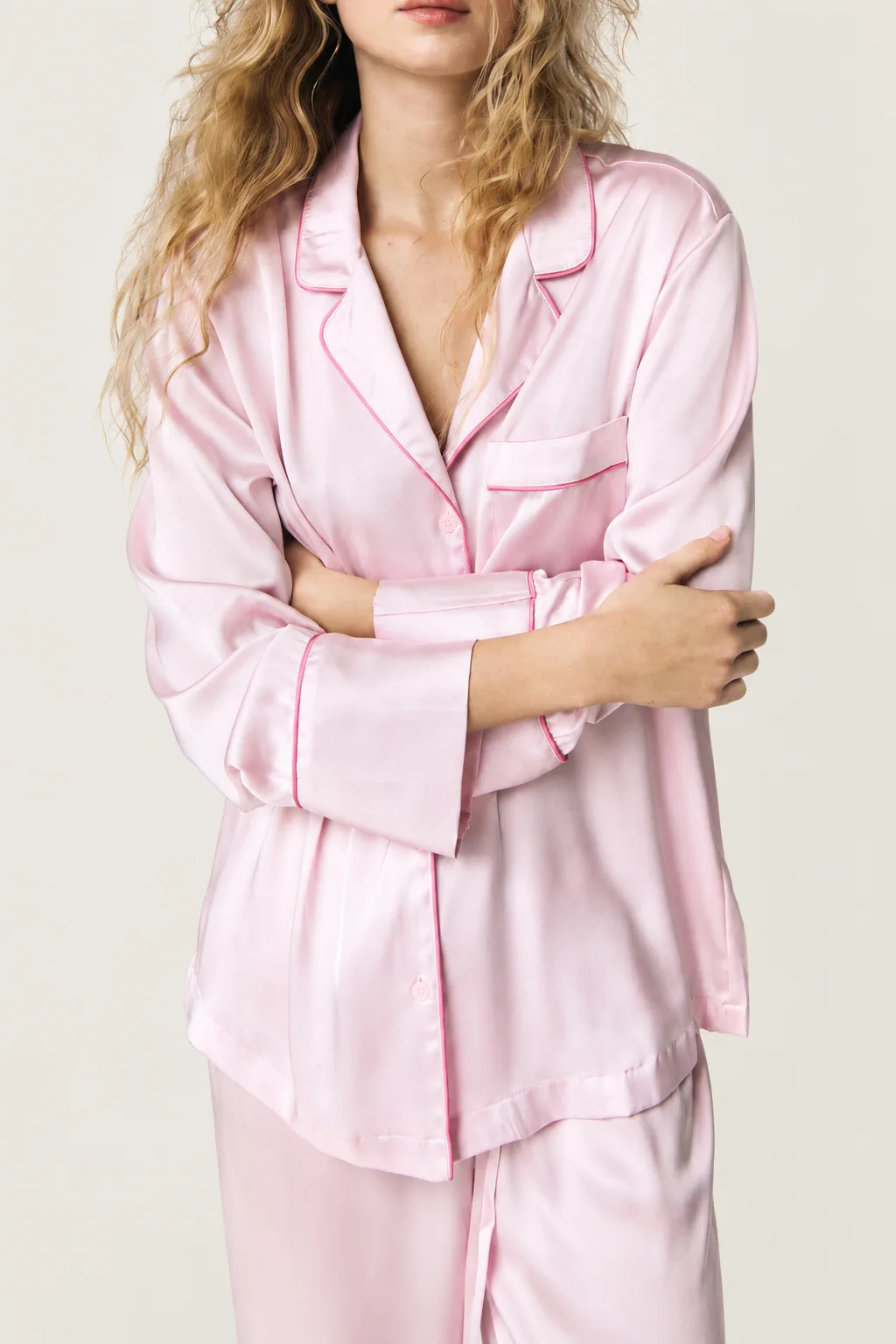
Where washing or finishing may change dimensions or appearance, agree the test method and acceptance criteria with the buyer’s quality or testing team. Compare the garment before and after the agreed process. Do not apply a guessed shrinkage allowance without confirming the material route and required test conditions.
| Possible source of fit change | What to check with the buyer and factory |
|---|---|
| Fabric substitution | Whether stretch, drape, weight or recovery differs from the approved reference |
| Garment dye or wash | Whether dimensions, color, hand feel or seam appearance change after processing |
| Elastic or rib components | Whether recovery and finished measurement remain aligned after wear or wash checks |
| Print or embellishment | Whether placement, hand feel or local stiffness changes the garment’s fall |
| Pressing and finishing | Whether the finished garment is measured in the agreed condition |

Approve fit, materials, construction and measurement standards as distinct decisions, then confirm which sample becomes the bulk reference. A fit sample can answer silhouette questions, while material or pre-production approval may require the intended fabric, trims and finishing. The sample purpose should be stated when it is sent and reviewed.
Use a compact approval record that captures the sample size, fit comments, measurement results and status of unresolved items. Separate corrections from new design requests. A change to fabric, length, pocket, waistband or trim after approval may affect cost, timing or other fit points, so the factory should assess the change before proceeding.
Sample review checklist:
Bulk fit control starts with an approved specification and sample, then checks materials and measurements at the stages where correction is still possible. Final inspection alone cannot fix an unclear size chart or a pattern that was never approved across the intended range.
A buyer and factory can agree a control plan that includes incoming fabric/trim checks, first-piece or inline measurement checks, size-set coverage where appropriate, and final inspection against the same measurement method. The plan should state who measures, what sizes and frequency are checked, how out-of-tolerance pieces are segregated, and who approves rework or concessions.
For repeat orders, keep the approved fit block, measurement chart, grade rules, sample comments, fabric reference and any authorized changes together. A new fabric lot or finishing route may need a review even when the style name and size chart have not changed. Treat the previous order as a useful reference, not automatic proof that the next material will behave identically.
A quote and development review become more useful when the buyer shares fit and measurement assumptions with the style, quantity and delivery brief. The first inquiry does not need every production detail finalized, but it should show what is known and flag what still needs a decision.
| RFQ item | Information to provide | Why it matters |
|---|---|---|
| Product and use | Reference photos, sketch or tech pack; pajama set, shorts set or robe | Establishes the construction and development route |
| Market and customer | Target country/channel and intended wearer | Helps scope sizing convention and buyer-specific requirements |
| Fit direction | Regular, relaxed, oversized, maternity or other intended block | Gives sample review a clear silhouette objective |
| Size plan | Base size, full range and estimated quantity by size/color | Supports grading, sampling and production planning |
| Measurement standard | Critical POMs, methods and buyer tolerances if available | Lets the factory quote and inspect against measurable requirements |
| Fabric and finishing | Preferred material, weight/hand-feel direction, print/dye/wash | Helps identify material and post-finish fit assumptions |
| Approval route | Sample types, testing or wash checks, approvers and target dates | Reduces late-stage decisions and avoidable resampling |
| Packing and labeling | Labels, set ratio, folding, polybag/carton and retailer instructions | Connects product approval to the final packed assortment |
If the brand does not yet have a complete tech pack, share the reference, target fit, expected market, quantity and size range first. The factory can identify the missing inputs and clarify which assumptions affect sample scope, quote or timing. Any final tolerance, testing protocol or acceptance rule should be agreed by the buyer and the responsible quality or testing provider.
The most common mistake is approving one attractive sample and assuming the whole size range will follow it. Other avoidable gaps include:
These gaps can be prevented by keeping one current, dated tech pack and recording each approval or change against it. Email comments, sample tags and factory worksheets should point to the same revision so that development and production teams are not working from different instructions.
From a China OEM and private-label factory perspective, I would first review the product reference, target fit, base size, full size range, fabric direction and quantities by color and size. I would then identify the critical measurements, sample stages and any wash or finishing checks that need buyer agreement before a bulk quote or production release.
That review does not replace the brand’s fit decision. The buyer owns the target customer, size standard and acceptance criteria; the factory needs them clearly documented to develop and produce against the approved direction. Where the brand is still deciding, we can identify the open assumptions that affect sample work, material options and production planning.
To start a review, send the reference style or tech pack, target market, fit direction, size range, quantity breakdown and any known fit issue through the Hengcheng contact page. Related information is available on our Sleepwear and Pajama Manufacturer in China, sample development process and apparel quality control pages.
No. A size label is not a measurement specification. Provide the base size, garment measurements, measurement method, size range and the buyer-approved tolerances or identify which details remain open.
It depends on the silhouette, but waist, hip, front and back rise, inseam and leg opening are common control points. The tech pack should show how each point is measured and which are critical for fit.
Not always. The buyer and factory should agree a validation route based on the size range, order, fit risk and available development budget. This may include a base-size sample, graded measurements or additional size samples.
A reference garment can help establish direction, but the buyer should confirm the target base size, market sizing, fit intent and measurements. The factory should not assume that a reference alone defines the full grade rule.
When the fabric or finishing could affect fit, the buyer and quality team should define the relevant wash or conditioning method and acceptance criteria before approval. Record whether the chart applies before or after that process.
The factory should compare the substitute with the approved material for relevant properties such as stretch, recovery, drape, weight and finishing. The buyer can then decide whether another fit sample or measurement review is needed before bulk.
The brand or its authorized product/quality team should define and approve tolerances for the product. The factory can review feasibility and measurement methods, but there is no single tolerance that is suitable for every style and point of measure.
This guide focuses on product-development and production controls. The buyer should use the brand’s approved size standard, tech pack and quality requirements as the governing references for each program.