Address
JINKE Technology Industrial Park, No. 3188 ChunYuan Road, Weifang City, Shandong Province, China
Work Hours
Monday to Friday: 7AM - 7PM
Weekend: 10AM - 5PM
Address
JINKE Technology Industrial Park, No. 3188 ChunYuan Road, Weifang City, Shandong Province, China
Work Hours
Monday to Friday: 7AM - 7PM
Weekend: 10AM - 5PM

A factory can quote a custom kidswear order more accurately when the buyer sends a clear style reference, measurements, fabric direction, construction notes, artwork and trims, quantities by style and color, and packing requirements. A complete tech pack is not always necessary for an initial conversation. If details are still open, mark them as provisional instead of asking the factory to guess.
I treat the tech pack as a shared product brief, not just a drawing. It should help the brand, factory, patternmaker and any testing partner identify the same product version, see what is decided, and know what still needs approval.
A product photo can show color direction, silhouette and visible details. It usually cannot show the inside construction, exact measurements, fabric composition, hidden closure, tolerance, label content or packing method. If two factories fill those gaps differently, their prices may describe two different products.
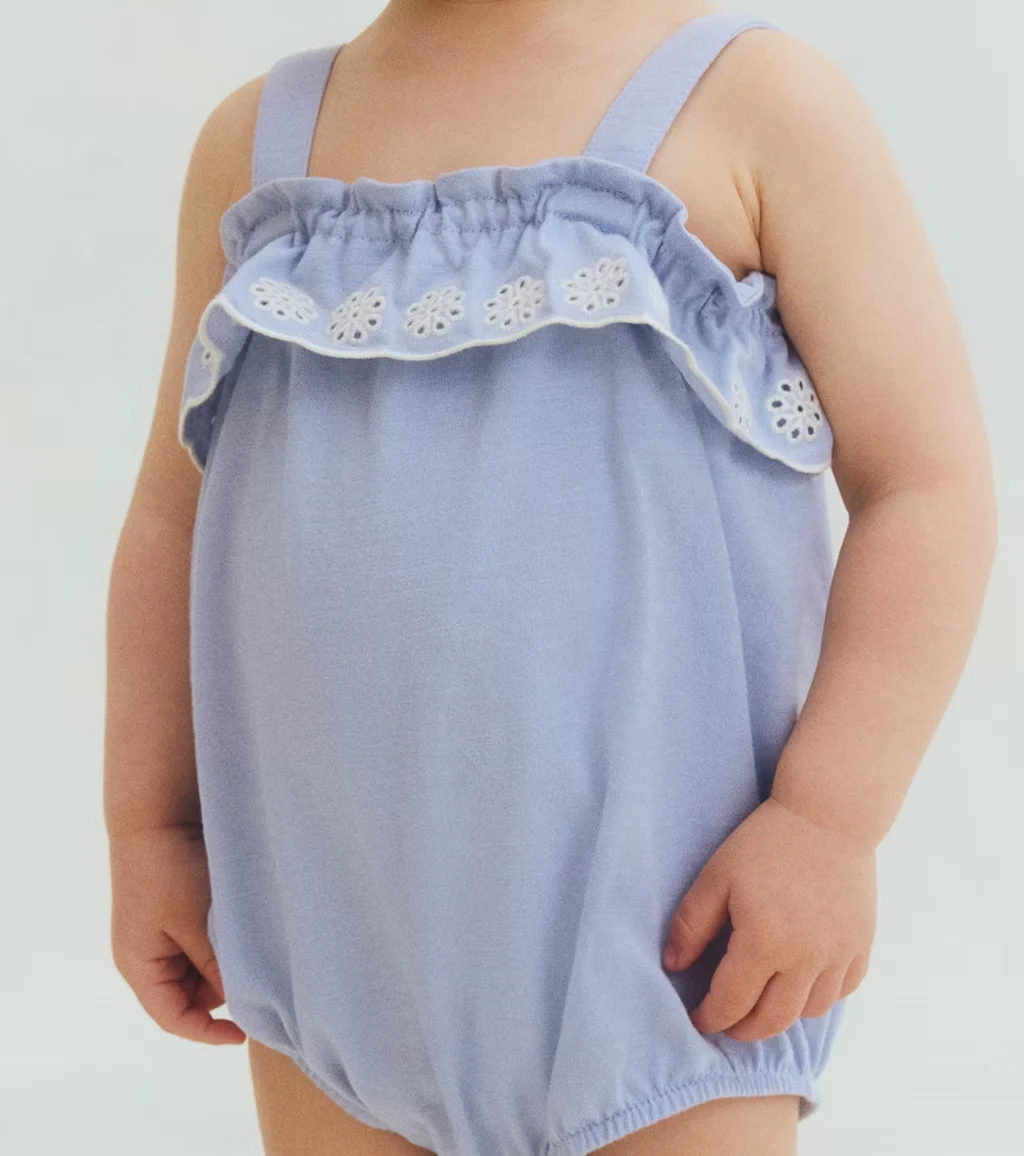
| A reference photo can help show | The brief still needs to define |
|---|---|
| Overall silhouette and proportions | Finished garment measurements, fit intent and size range |
| Visible colors and print placement | Approved color standard, artwork file and production method |
| Visible trims or closures | Trim specification, attachment, dimensions and confirmed supplier route |
| Styling and intended product category | Fabric composition, construction, lining and inside finish |
| One example size and pose | Grading, measurement points, tolerance and how other sizes will be checked |
Use the image to communicate direction, then add flat sketches, detail callouts and written specifications for the parts that cannot be seen. A useful rule is: if a detail could change the price, fit, function, material or inspection standard, state it or label it as an open question.
Send one organized brief per style and mark each requirement as confirmed, provisional, buyer to supply or not applicable. The first conversation can begin with a partial pack, but the quotation should clearly say which assumptions remain unresolved.
| Brief section | What to include | Why it matters to the quote or sample |
|---|---|---|
| Style identity | Style code, garment type, reference images, intended age/use and version date | Keeps messages, samples and files tied to one product |
| Design views | Front and back flats; side or inside views when construction is not obvious | Shows shape and areas a single product photo may hide |
| Measurements and fit | Base-size garment points of measure (POMs), size range, fit intent and tolerance status | Guides pattern review and gives sample comments a measurable reference |
| Main material | Fiber/content target, knit or woven direction, weight or hand-feel target if known, color and finish | Distinguishes a material preference from a confirmed bulk material |
| Construction | Seams, hems, lining, pockets, closures, elastic, reinforcement and finishing | Makes the requested build clearer and helps identify labor or trim differences |
| Artwork and decoration | Current artwork file, placement, size, colors and preferred or required technique | Avoids quoting from a low-resolution mockup or superseded file |
| Trims and branding | Buttons, snaps, zippers, labels, hangtags, logo files, placement and owner | Identifies component sourcing, content approval and attachment requirements |
| Order plan | Quantity by style, colorway and size; expected repeat or launch context if relevant | Gives the factory a quantity basis instead of a single unexplained total |
| Packing and delivery | Folding, individual packing, retail packaging, carton marks and destination | Surfaces materials and work that may otherwise be excluded |
| Open decisions | Missing files, substitute sample materials, testing questions and decision owner | Prevents estimates from being mistaken for a final confirmed quotation |
When the buyer does not have a finished technical drawing, a clean reference package is still useful: product photos or sketches, known measurements, material direction, order plan and a short list of questions. Ask the factory to return its assumptions and exclusions in writing.
A generic label such as “kids’ top” does not define the construction. The callouts should match the garment and intended use. These are specification prompts, not universal requirements; the buyer and factory should agree which details apply to the actual style.
| Product type | Details worth showing or describing |
|---|---|
| T-shirt or knit top | Neck shape and rib, shoulder treatment, sleeve and body length, hem finish, print or embroidery placement |
| Hoodie or sweatshirt | Hood or collar construction, lining if any, pocket, cuff and hem rib, zipper or other closure, drawcord decision and decoration |
| Dress | Lining, gathered or pleated areas, closure location, sleeve and neckline finish, trim, length and intended ease |
| Romper or babywear | Opening and closure locations, diaper ease, leg opening, shoulder or crotch construction, trim and inside finish |
| Woven pants or shorts | Waist construction, elastic or adjustability, rise, pocket, fly or other closure, hem and size range |
For children’s products, describe intended age group and destination market to the relevant factory and compliance partner. Do not assume a design detail is acceptable in every market based on a sample photo. Buyers should confirm applicable safety, testing and label requirements with a qualified adviser or laboratory.
Use a measurement diagram with numbered points of measure, a table for the base size, and a separate grade or size table if the range has been defined. State whether each number describes the garment or the wearer; do not mix body measurements and finished-garment measurements in one unlabeled column.
| Measurement control | What to specify |
|---|---|
| Reference size | Which size is the development or fit reference |
| Point of measure | A labeled diagram showing where each measurement starts and ends |
| Measurement value | Unit of measure and target for each listed POM |
| Fit intent | Fitted, regular, relaxed, oversized, layering or another defined silhouette |
| Size range | Sizes to develop, grade or quote, with the intended naming system |
| Tolerance | The agreed tolerance by measurement or the fact that it is still to be confirmed |
| Measuring condition | Whether the garment is measured flat, relaxed, stretched or after a specified treatment |
| Approval record | Date, sample version, comments and who approved the measurement set |
Age labels alone are not a measurement specification. If the brand is still building its chart, send the intended fit and known reference measurements, then ask the patternmaker and buyer to resolve the missing values. Do not invent a numeric size range to make an incomplete brief look finished.
Describe the material direction in enough detail to compare the sample with the intended bulk route. If composition, weight, color or finish is not confirmed, label it as a target rather than an approved fact. A photograph can help communicate texture and appearance, but it cannot verify fiber content or performance.
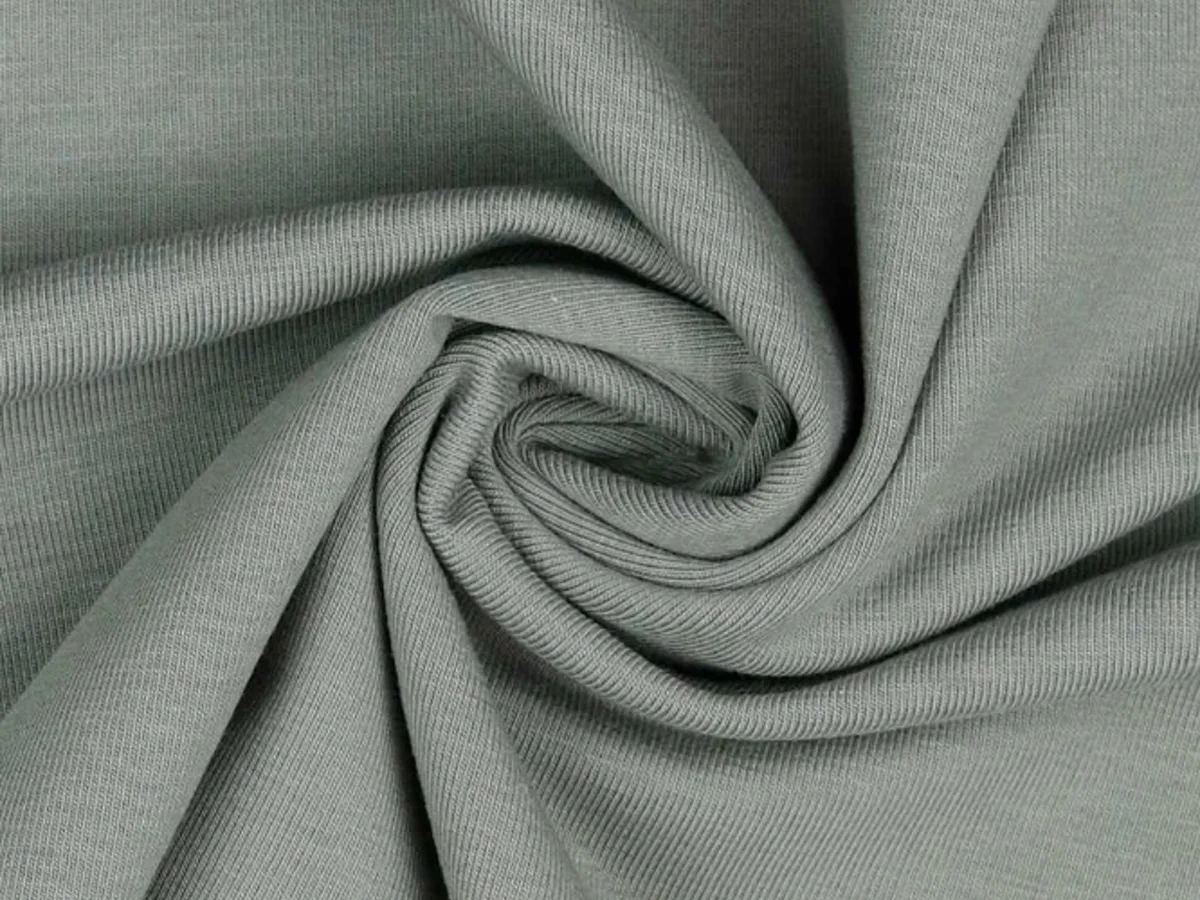
For the main fabric, record what is known about fiber content, knit or woven structure, target weight, color, finish and any buyer-required documentation. Ask which details depend on a nominated mill, available stock or a custom order. A fabric image or swatch should be identified by a reference code; lighting on a screen is not a reliable production color standard.
For trims and branding, include a bill of materials (BOM) or equivalent list. Identify the component, location, dimensions or artwork reference, color, attachment method, sourcing owner and approval status. Attach the actual artwork file rather than relying on a screenshot embedded in an email. For every substitute used in a sample, state whether it is acceptable only for development or is also under consideration for bulk.
| Input | Buyer should provide or decide | Factory should clarify in the quote or sample notes |
|---|---|---|
| Main fabric | Required composition or target, construction, color and any approved reference | Whether the route is confirmed, provisional, stock or subject to a supplier minimum |
| Color | Brand color reference, swatch or lab-dip requirement where applicable | What color approval method and timing are assumed |
| Print or embroidery | Final artwork, size, placement, colors and preferred technique if known | Any setup, minimum, file or sample assumptions that affect the estimate |
| Labels and trims | Approved content, dimensions, placement and who supplies the artwork/component | Sourcing responsibility, attachment method and exclusions |
| Testing documents | Buyer’s market and the documents or tests its adviser requires | What factory records or supplier information can be provided; testing scope must be agreed separately |
Do not describe a material as organic, certified, non-toxic, hypoallergenic, colorfast or compliant based only on appearance or a draft specification. Confirm claims against documents for the exact material and product, and use the qualified test provider where evidence is required.
Keep a style folder with clear names and a single current version. A concise set of legible files is better than a large folder of duplicate or contradictory references.
Use filenames that identify the style and version, for example HC-KW-014_Tech-Pack_v03_2026-10-08.pdf. If a new file changes one requirement, note the change in the revision history instead of silently replacing the old attachment. This makes later sample comments easier to trace.
The sample should be checked against the latest brief, not against memory or an old product image. The pack gives the buyer and factory a shared list of what to inspect; the sample itself reveals how the chosen material and construction behave together.
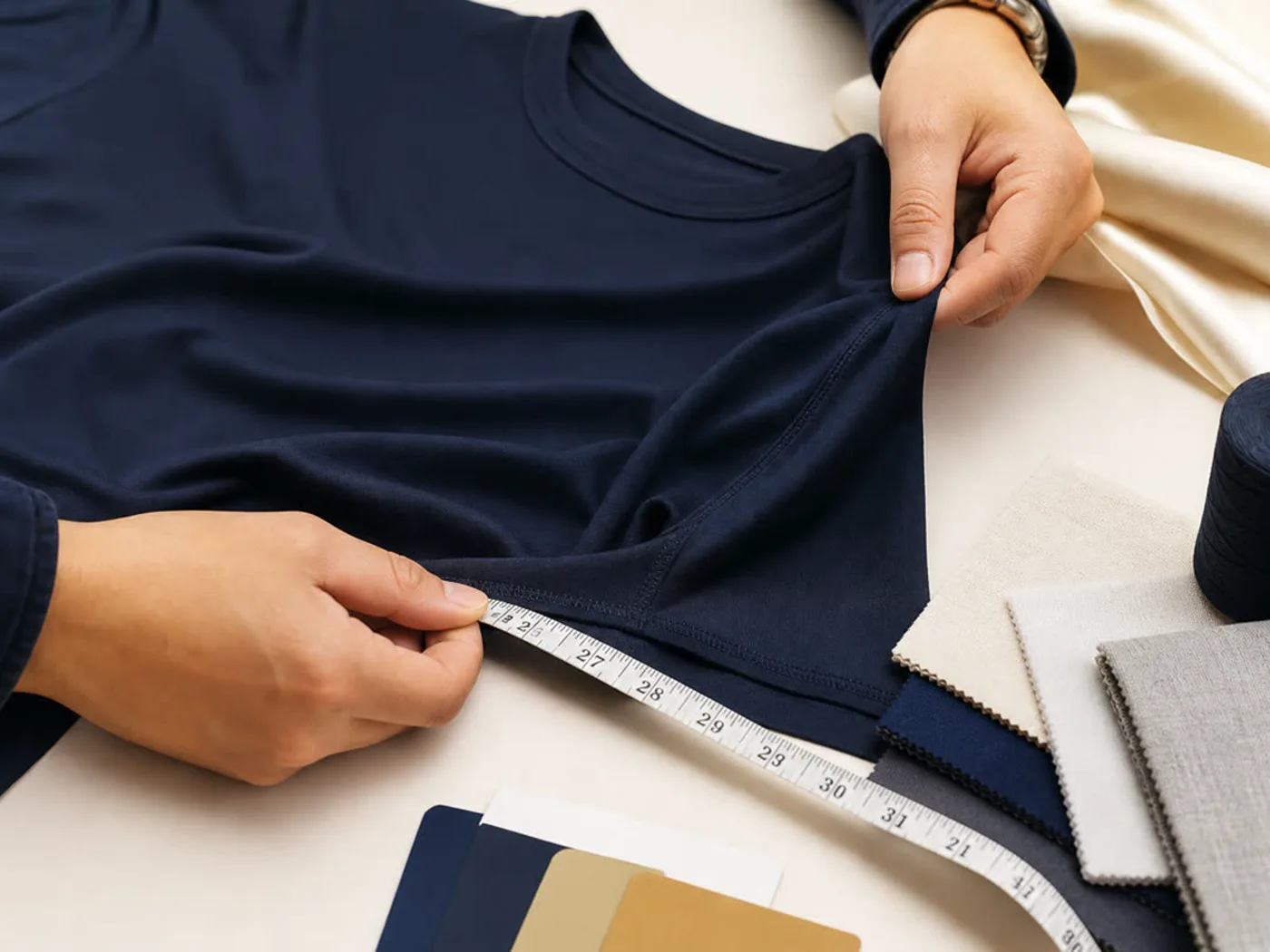
Review the garment in a consistent order:
A photo review can resolve some visible questions, but it does not prove a hidden construction detail or replace testing. If a fabric, closure, fit or construction change affects the product materially, agree whether another physical sample is needed before treating the decision as closed.
A clearer specification can make quotations more comparable, but it does not guarantee a particular unit price or minimum order. MOQ may depend on the garment, fabric route, color count, trims, decoration, supplier terms and quantity split. Ask the factory to state the basis rather than assuming one number applies to every style.
| Quote driver | What the buyer should clarify |
|---|---|
| Quantity | Total units and split by style, colorway and size; identify whether figures are estimates or confirmed |
| Fabric | Stock versus custom route, color count, weight or construction changes and any supplier minimums |
| Trims | Whether branded or special components have separate sourcing quantities or lead times |
| Decoration | Technique, artwork, size, number of colors and any setup or sampling assumptions |
| Construction | Lining, pockets, closures, gathers, special seams and finishing details |
| Development | Sample purpose, number of included revisions if any, and how buyer-requested changes are handled |
| Packing | Individual bags, hangtags, retail packaging, carton markings and other requested work |
| Exclusions | Shipping, testing, inspection, duties or other buyer-side costs not included in the factory price |
Compare quotations only after each supplier has received the same brief and quantity basis. Keep the unit price, development charges, freight and buyer-arranged testing separate. A lower headline figure may reflect a different fabric, omitted packaging or another assumption rather than a more efficient version of the same garment.
Do not ask only, “What is your best price?” Ask for the assumptions behind the number and the decisions still needed to move from an estimate to a confirmed quote.
| RFQ question | Useful response to request |
|---|---|
| What specification did you price? | Identify the tech-pack version, materials, construction and quantity basis used |
| What is included and excluded? | List fabric, trims, decoration, labels, packing, shipping and any other scope boundaries |
| How is MOQ calculated? | State the relevant style, color, fabric or component basis and any unresolved supplier minimum |
| What information is still missing? | List open assumptions and the buyer or factory owner for each one |
| What is the sample scope? | Confirm sample size, materials, purpose, fee, shipping treatment and revision terms for this project |
| What changes could revise the quote? | Identify changes to material, construction, artwork, quantity or packing that would need a re-quote |
| What timing is being estimated? | State the start point and dependencies, such as receipt of confirmed files or material approvals |
| What records can be shared? | Clarify available sample comments, material references and production/QC records without assuming a certification or test is included |
When comparing several factories, use the same request, ask each supplier to flag assumptions and retain the response beside the versioned brief. That gives the sourcing team a better basis for comparing scope, not just price.
A practical test is to give the pack to a colleague who was not part of the design discussion. If they cannot identify the current style, size, color, material direction, open decisions and quote quantity, the factory may face the same uncertainty.
From a China OEM and private-label factory perspective, the first review is about separating confirmed product decisions from assumptions. Hengcheng develops OEM and private-label kidswear; for an inquiry, the useful starting details are the garment reference, fabric direction, measurements or fit intent, construction, decoration, quantity plan, branding and packing needs.
The factory-side review should make the unresolved questions visible: Which fabric is approved? Is the requested color available or still under development? What size is the fit reference? Are trims and artwork final? What quantity basis should the quotation use? Which market-specific questions need the buyer’s testing or compliance adviser?
For details that are not ready, a buyer can still ask for an initial scope review. The important point is to label any estimate as conditional and confirm what additional files are needed before sampling, final costing or bulk release. Use the Kidswear manufacturing and quotation guidance as the next step, and see the sample and production process for related development questions.
Yes. Send the information already confirmed, list what is missing and ask the factory to return its assumptions. The figure may remain provisional until key material, construction, measurement and quantity decisions are settled.
There is no single field that replaces the others. Product reference, material direction, construction, size or fit basis, quantity by style and color, and packing scope together make the request easier to review.
Label them clearly and do not mix them. A garment POM table records finished-garment dimensions; a body chart describes the wearer. State which one the factory should use for each decision and how fit is intended to be evaluated.
Keep one controlled style pack if construction and measurements are shared, but identify each colorway and any material, print or trim differences. If a colorway changes the specification, show that difference rather than assuming it is covered by the base file.
No. Identify the fit-reference size and agree how grading and other sizes will be checked. Depending on the range and product, that may involve measurement review, additional samples or another method agreed with the factory.
A buyer and factory may agree to use a provisional substitute for development, but the sample record should say exactly what was used and what the sample does not prove. Approve the intended bulk input separately before treating it as final.
Do not assume so. Ask what is included, state the destination market and confirm product-specific requirements with a qualified laboratory or compliance adviser. The quotation should identify any testing support or third-party cost separately.
Send clear front, back and detail images, the physical sample if practical, known measurements, material direction, intended size range, quantity plan and a list of decisions still open. Ask the factory what it needs to confirm the next step.