Address
JINKE Technology Industrial Park, No. 3188 ChunYuan Road, Weifang City, Shandong Province, China
Work Hours
Monday to Friday: 7AM - 7PM
Weekend: 10AM - 5PM
Address
JINKE Technology Industrial Park, No. 3188 ChunYuan Road, Weifang City, Shandong Province, China
Work Hours
Monday to Friday: 7AM - 7PM
Weekend: 10AM - 5PM
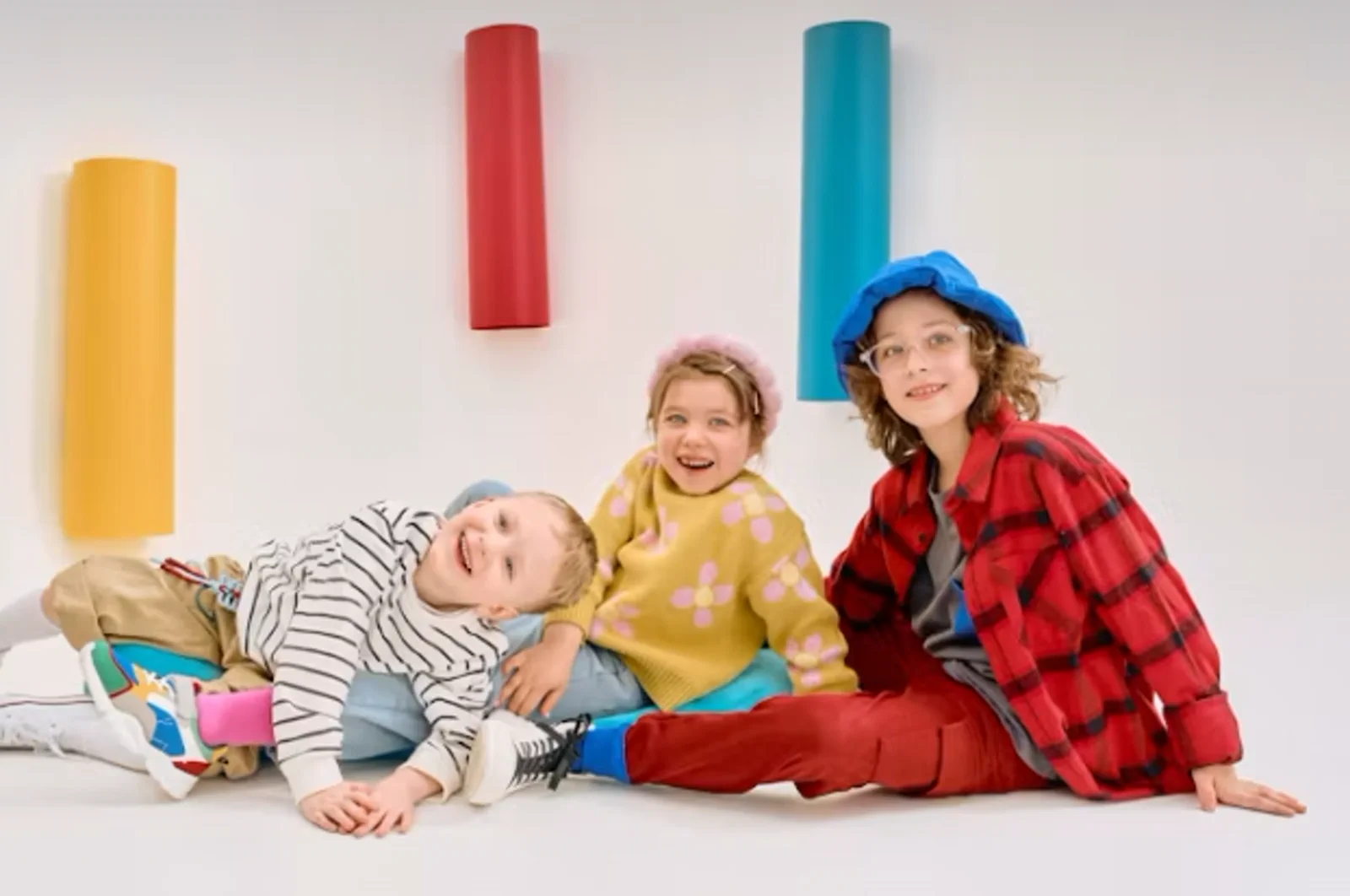
For Hengcheng kidswear programs, the current typical reference is 100-200 pieces per style per colorway. Treat this as a starting point, not a universal minimum or a guarantee for every garment. Fabric availability, color count, construction, decoration, trims, size breakdown and packing can change the feasible order quantity.
Before comparing supplier minimums, ask what the number applies to. A total order quantity, a style minimum, a colorway minimum and a fabric or trim supplier minimum describe different commitments. A buyer should get each basis stated in writing before approving samples or a purchase order.
A brand often plans the launch as a total number of pieces. A factory and its material suppliers may need to plan the same order by style, color, fabric, trim, size and decoration. If the buyer and factory use different units, a low headline MOQ can conceal a much larger commitment across the assortment.
| MOQ term | What it can mean | What to confirm |
|---|---|---|
| Per order | Combined units across several products | Whether every style and color can be combined or each has a separate minimum |
| Per style | Units of one garment design | Whether a style in multiple colors is counted together or separately |
| Per style per colorway | Units of one style in one color | Whether the stated quantity is a factory reference or depends on fabric and trims |
| Per fabric or color | Material supplier's dye or production quantity | Whether stock fabric avoids a custom-color commitment and what shade options exist |
| Per decoration | Units sharing one print, embroidery or other setup | Whether different artwork, placements or colors require separate setup or quantities |
Do not assume that every factory uses these terms the same way. Ask the supplier to show a worked example using your style-color-size plan. If the response is unclear, request a line-by-line quantity basis before comparing prices.
Hengcheng's current typical reference is 100-200 pieces per style per colorway. It is a planning reference, not an unconditional promise. The actual answer depends on what the buyer wants to make and how its materials and components can be sourced.
A simple cotton jersey top using an available material may have a different production plan from a lined dress with custom-dyed fabric, several trims and multiple decoration placements. A first inquiry should therefore include the garment type, material direction, color plan, size range and decoration. The factory can then confirm whether the reference is applicable, whether there are separate material minimums, and what assumptions need to be resolved.
Keep three things separate in the discussion:
The published range does not replace a project quotation. Ask for confirmation before making a launch forecast, and do not treat a sample, indicative quote or initial conversation as a reserved production slot.
A quantity of 240 pieces can represent one style and one color, or several styles and colors with much smaller lots in each combination. Those plans do not necessarily cost or operate the same way. List quantity by style and color first, then show how the units are divided across sizes.
| Plan | Example breakdown | Questions to ask |
|---|---|---|
| One style, one color | 240 pieces in one style/color, split across sizes | Does the material route work at this quantity? What size ratio is feasible? |
| One style, two colors | 120 pieces per color | Is 120 accepted for each color? Does either color need custom dyeing? |
| Two styles, two colors each | 60 pieces per style/color if evenly divided | Does each combination meet the applicable factory and material quantities? |
| Several styles sharing one fabric | Quantities vary by style and color | Can the fabric be shared in composition, color and finish, or are these separate orders? |
These examples illustrate how to do the arithmetic; they are not Hengcheng offers or acceptance guarantees. Put the actual plan in a spreadsheet or RFQ so both sides can identify which lines fall below a stated minimum. Do not add all units together and assume that the combined total satisfies every component constraint.
Size ratios matter too. A factory may be able to discuss a combined size run within a style-color quantity, but the ratio still needs to be agreed and entered in the quotation and production documents. If the brand has no sales history, use a provisional ratio and mark it as such instead of presenting an untested forecast as a firm size curve.
Yes, it can. Some materials may be available as stock options, while a custom fiber blend, weight, finish or color can depend on a supplier's own production quantity. Availability changes over time, so buyers should ask the factory to confirm the current route for the exact reference.
| Material route | Potential planning effect | Buyer action |
|---|---|---|
| Available stock fabric | May offer more flexibility, subject to stock, shade and lot availability | Ask for current swatches, composition information, width/weight where relevant, and whether enough matching material is available |
| Custom color or finish | May involve a separate supplier minimum, lab-dip approval and additional timing | Confirm the color standard, material quantity basis, approval step and what happens if the shade is rejected |
| Buyer-nominated fabric | Depends on nominated supplier terms, availability and delivery to the factory | Confirm who buys and ships it, what happens to shortages, and whether the factory can receive the required quantity |
| New or special construction | Can require material trials, pattern adjustment or a longer development path | Separate sample and bulk decisions; ask which details can be confirmed only after development |
For a first order, flexibility may come from choosing an available material and limiting the number of colorways. That can help simplify the sourcing plan, but it should not force a brand to use a fabric that fails its product brief. Compare the material hand-feel, drape, opacity and sample behavior with the intended retail product before deciding.
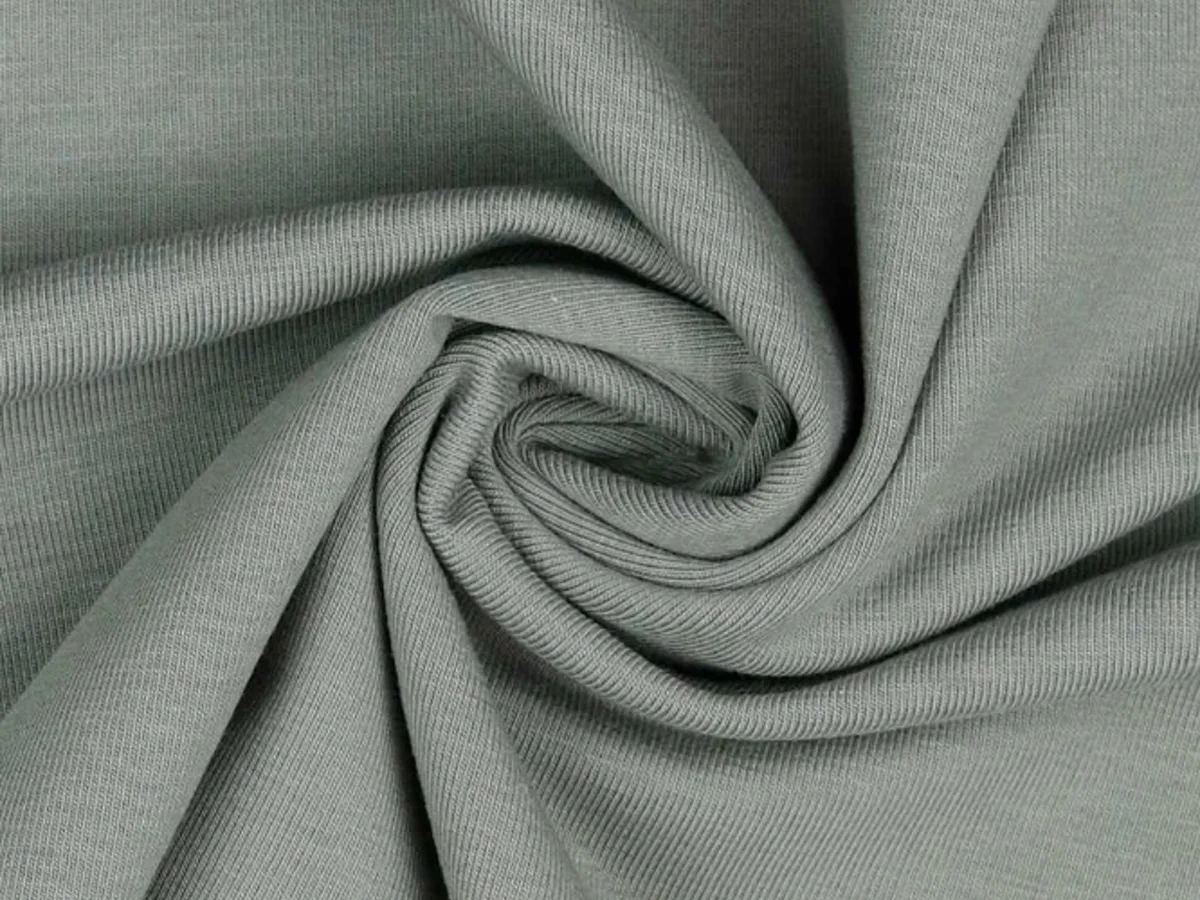
A photo is useful for design direction, but it does not verify fiber composition, weight, color or a certification claim. Use a physical swatch and supplier documentation for the information that matters to the product. Where the buyer makes a fiber or certification claim, confirm evidence for the specific material rather than inferring it from appearance.
Prints, embroidery, appliqué, labels, buttons, snaps, zippers and packaging can introduce separate setup or sourcing conditions. Even when the garment quantity is modest, a special component may have its own minimum, lead time or artwork approval step. The details depend on the chosen supplier and technique, so the quote should identify them rather than bury them inside one unit price.
For each decoration or trim, send or confirm:
If the budget or order size is tight, consider reducing the number of different artwork versions or custom components before changing the core product quality. Any simplification should be reviewed against the brand's intended design and buyer requirements, not chosen solely to achieve a target number.
A smaller production quantity often spreads fixed setup, sampling, material handling and line preparation over fewer units. That can raise the unit price, but there is no reliable universal formula without the garment specifications and supplier assumptions. A higher quantity may improve material use or production efficiency, while also increasing inventory and cash exposure for the brand.
Compare options as a total launch decision, not just by the unit figure. Ask the factory to quote realistic quantity tiers using the same specification and scope, and identify any costs that do not change with volume.
| Cost or risk item | What to compare across quantity tiers |
|---|---|
| Garment unit price | Same fabric, construction, decoration and quality expectations at each tier |
| Material and color | Stock versus custom route, material minimums, possible excess and shade approval |
| Development | Sample fee, sample materials, shipping, revision scope and whether any credit applies |
| Decoration and trims | Setup, sourcing minimums, unit cost and any buyer-supplied items |
| Packing | Individual packaging, hangtags, labels, cartons and special presentation |
| Inspection and testing | Who arranges and pays, what scope is included, and what remains third-party |
| Inventory exposure | Units that must be committed by style and color, not only the total order |
| Delivery assumptions | What start point, approval dependencies and shipping scope the estimate uses |
Ask for at least two feasible scenarios only if both can be produced under the same specification. A quote at a lower quantity should not quietly substitute stock fabric, simplify construction or omit packing. If a specification must change to fit a target, ask the factory to show the change and its effect separately.
A sample helps the buyer review fit, fabric, construction, color, decoration and labels before bulk decisions. It does not by itself confirm that all materials are available, that every size is correct, or that a quoted minimum applies to the production order. Treat development and bulk quantity as related but separate decisions.
Before sampling, send a brief that identifies the reference garment, target size, fabric direction, color, key construction details, artwork and intended order scenario. Ask what the sample will and will not represent. If a stock substitute is used, record it clearly so the sample is not mistaken for approval of the intended bulk material.
During review, check the sample against a current version of the brief:
Ask how sample fees, shipping, revisions, sample timing and any possible bulk credit are handled for the specific project. Do not assume unlimited revisions or that development cost is automatically deducted from a purchase order.
Give each factory the same style, color, size and specification package. Ask each to state what its number covers, what is excluded, and which facts could change the quote. A clear comparison reveals whether one proposal is genuinely more flexible or simply based on different assumptions.
| RFQ field | Information to provide or request |
|---|---|
| Product | Style code, garment type, reference images and tech-pack version |
| Quantity | Total units and quantity by style, colorway and size; mark estimates clearly |
| MOQ basis | Minimum by style, color, fabric, decoration or component, as applicable |
| Materials | Target composition and construction; stock/custom status and supplier constraints to confirm |
| Construction | Fit, measurements, seams, closures, lining, pockets and special details |
| Branding | Artwork, print/embroidery, labels, trims and who supplies each item |
| Sample | Sample purpose, size, material assumptions, fee, shipping and revision terms |
| Packing | Individual packing, hangtags, labels, retail packaging and carton requirements |
| Quote scope | Currency, included items, exclusions, estimate validity and re-quote triggers |
| Timing | Estimated stages and dependencies, with the start point stated by the factory |
The buyer can also ask: “If this quantity is below your standard production plan, what change would make it workable, and what trade-off would that create?” The answer may be a material adjustment, fewer colors, simpler decoration, a different quantity split or no change at all. Do not accept a change without checking its effect on the approved product.
A small first order can help test a product, but only if the assortment and risk are controlled. Rather than spreading a limited budget across too many styles and colors, choose a learning objective for the launch: fit validation, color demand, channel response or repeat-order planning.
A lower first quantity is not automatically the lower-risk choice. Smaller lots can reduce unsold stock exposure, while a very fragmented assortment can create more sampling, setup, material and quality-control coordination. The right plan balances learning value, cash, supplier conditions and the range the customer expects to buy.
The most useful follow-up is specific: “Our target is 180 units of this style across two colors, with the following size split. Please confirm the applicable factory quantity, any material or trim minimum, the quote assumptions and the options if one color falls short.”
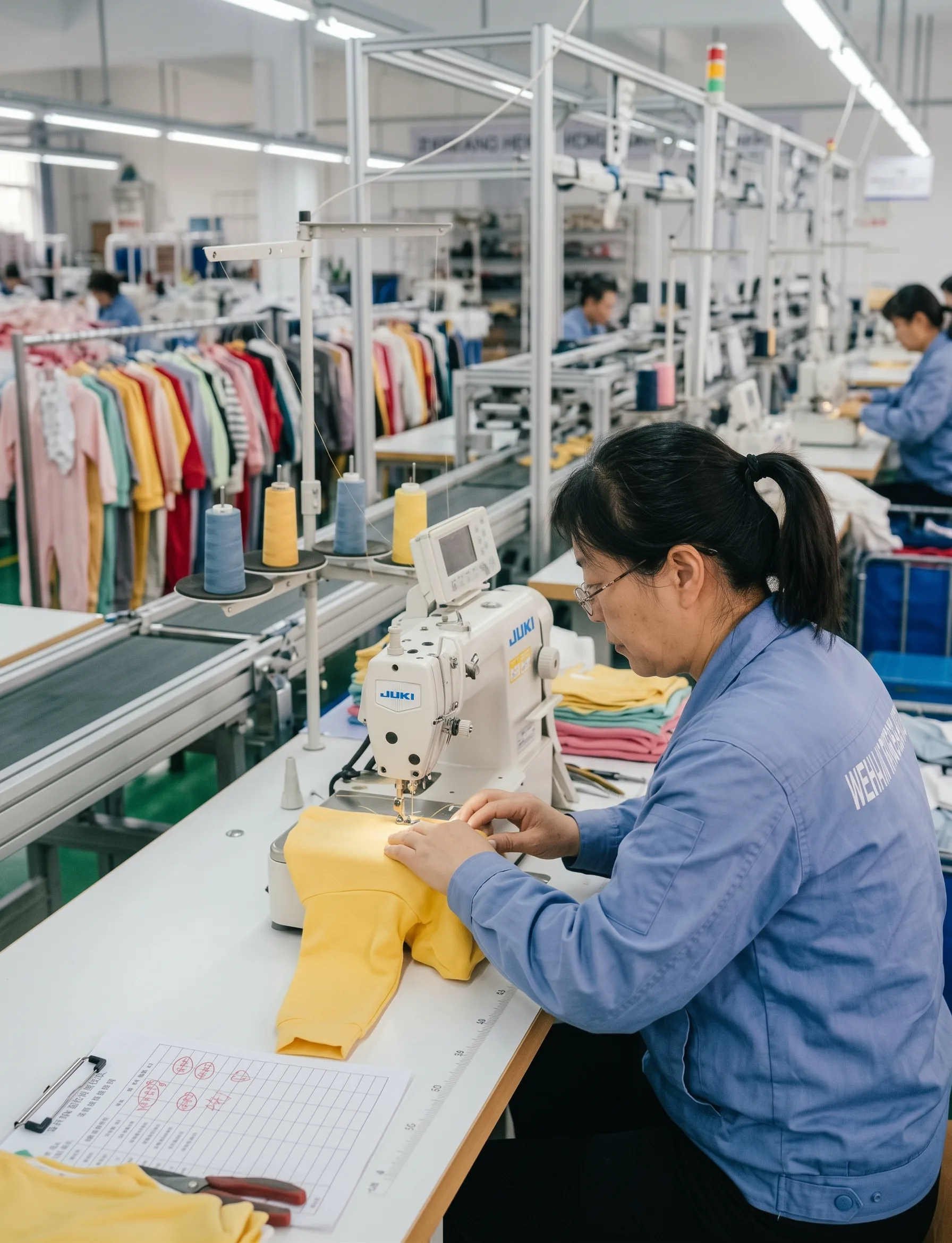
From a China OEM and private-label factory perspective, the first review is to understand the product and separate the buyer's target from supplier constraints. Hengcheng develops kidswear including T-shirts, hoodies, babywear and dresses. The useful starting package is a style reference or tech pack, material direction, colorways, size range, quantity split, decoration, labels and packing requirements.
The review can then identify which points need confirmation: Is the quantity per style or per colorway? Is the target fabric available in the requested shade? Do decorations or trims carry separate setup or sourcing terms? Does the proposed size ratio fit the brand's plan? Are sample materials representative of the intended bulk order?
A buyer can request an initial scope discussion before every detail is final. Any estimate should identify provisional inputs and what must be confirmed before final costing, sampling or bulk production. Use the Hengcheng kidswear manufacturing and quotation guide to prepare the inquiry, and review its kidswear product range.
No. It is Hengcheng's current typical reference per style per colorway. The actual quantity should be confirmed after the factory reviews the garment, fabric, colors, trims, decoration and size plan.
It depends on the supplier's stated terms. Ask the factory to write down whether its minimum applies per order, style, style-colorway, fabric, decoration or another component.
A size run may be planned within one style-color quantity, but the ratio must be agreed for the specific order. Include the planned units by size in the quote request and production documents.
Possibly, but it should not be assumed. Styles may share a material or process while still requiring separate pattern, sewing, color or component planning. Ask the factory which units can be combined and which constraints remain separate.
Not always. Stock availability, color, lot size and remaining quantity can change. Ask for current confirmation and clarify whether the stock material matches the composition, construction, weight and color direction the product requires.
A development sample is normally a separate stage from bulk production planning. Confirm the sample fee, shipping, revisions and whether any amount is credited against bulk. Do not assume a credit or a reserved production quantity.
It can, because fixed preparation or material costs may be spread over fewer garments, but the actual quote depends on the product and sourcing route. Compare like-for-like specifications and ask the factory to explain any quantity-tier differences.
Send reference images or a tech pack, garment type, fabric direction, colorways, size range, quantities by style/color/size, decoration, trims and packing needs. Mark uncertain details as provisional and ask the factory to list its assumptions.
Ask what options exist and what each changes. The factory may review a different material route, fewer colors, a revised assortment or another quantity plan. Confirm the effect on product quality, cost and inventory before approving a change.
No. A garment factory's sewing or order reference and an upstream fabric or trim supplier's quantity condition are distinct. Request both where applicable and clarify who purchases and owns excess material or components.