Address
JINKE Technology Industrial Park, No. 3188 ChunYuan Road, Weifang City, Shandong Province, China
Work Hours
Monday to Friday: 7AM - 7PM
Weekend: 10AM - 5PM
Address
JINKE Technology Industrial Park, No. 3188 ChunYuan Road, Weifang City, Shandong Province, China
Work Hours
Monday to Friday: 7AM - 7PM
Weekend: 10AM - 5PM

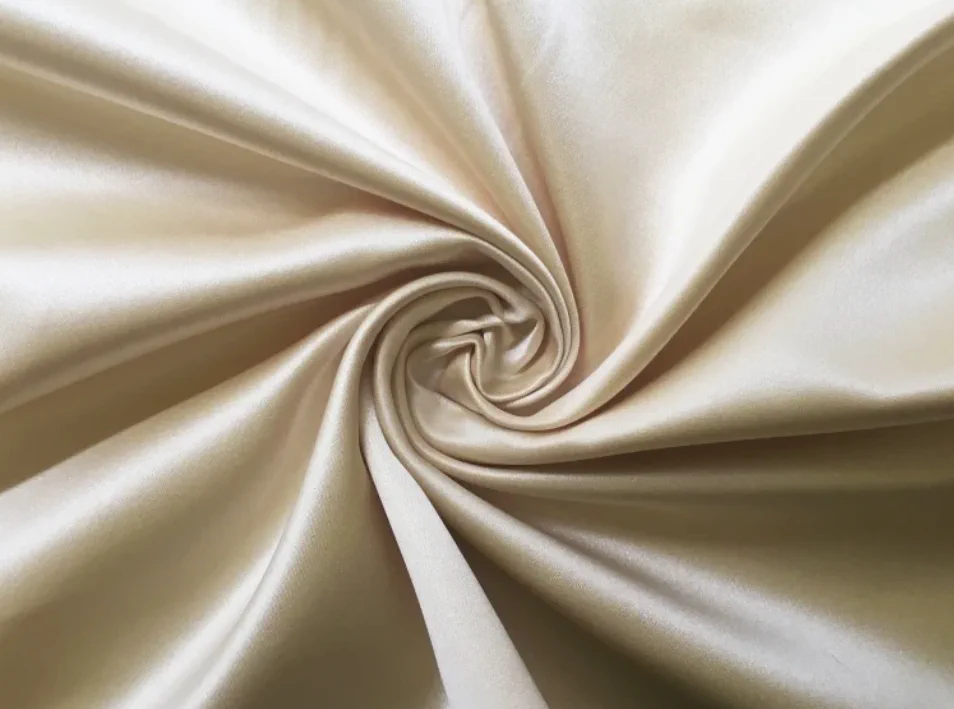
Dark sleepwear should be approved against the intended wash, rubbing, shade and decoration requirements on the actual material route. “Colorfast” is not one universal pass/fail statement: dark fabric can lose color, transfer dye onto pale trims, vary between lots, or carry a print that cracks or fades. Buyers reduce uncertainty by defining the risk, agreeing the evaluation method and carrying the approved reference into bulk.
For a private-label pajama program, this matters because a dark set may combine dyed fabric, light piping, labels, lace, print, thread and packaging. Each interaction can create a different customer-facing issue. A good sample plan reviews the combination that will actually be produced rather than relying on a fabric name, supplier claim or photograph.
A single “colorfastness” line can hide several different failure modes. The buyer should state what must remain stable and under which agreed conditions.
| Risk | What it looks like | Useful control point |
|---|---|---|
| Wash color change or transfer | Dark color fades or stains another component during laundering | Agree the wash method and color-change/transfer criteria for the target market and product |
| Dry or wet rubbing transfer | Color rubs onto skin, pale trim or another surface | Identify likely contact areas and agree whether dry and/or wet rubbing evaluation is required |
| Shade variation | Panels, garments or replenishment lots look visibly different | Approve a physical color reference, lighting conditions and acceptable lot tolerance |
| Print or surface-decoration failure | Print cracks, peels, fades, bleeds or feels too stiff | Confirm decoration method, artwork, placement and post-wash appearance on the selected fabric |
| Cross-component interaction | Dark base affects pale piping, lace, labels or thread | Review touching materials together on the finished sample, not as separate swatches |
The applicable test method and pass criteria depend on the buyer's market, product specification, material and intended care. The brand should nominate its required standard or ask the factory to identify what needs confirmation. Do not infer compliance from a generic certificate or a result from a different colorway.
Before sampling, define the colorway and construction that create the risk. A small change in fabric, dye depth, finish, trim supplier or decoration process may change the result.
These inputs also help the factory assess sourcing assumptions. MOQ and lead time are not determined by dark color alone: they can change with dye-house minimums, custom shade development, trim sourcing, print setup, test turnaround, order quantity and calendar capacity. The quotation should state assumptions rather than imply a universal MOQ or fixed timeline.
Review the whole visual system. A deep solid, a dark print and a dark base with contrast details do not carry the same risks.
| Product route | Main development tradeoff | Sample review priority |
|---|---|---|
| Deep solid satin-look or woven pajama | Rich appearance can make small shade differences more noticeable | Compare garment panels under agreed lighting; review color change and rubbing against care and market requirements |
| Dark knit set with pale piping | Soft stretch fabric is paired with a contrasting component | Check transfer at contact points, seam handling, piping shade and appearance after the agreed wash evaluation |
| Dark ground with all-over print | Print coverage and ground shade affect hand feel and visual repeat | Confirm artwork scale/placement and inspect print condition after the agreed care cycle |
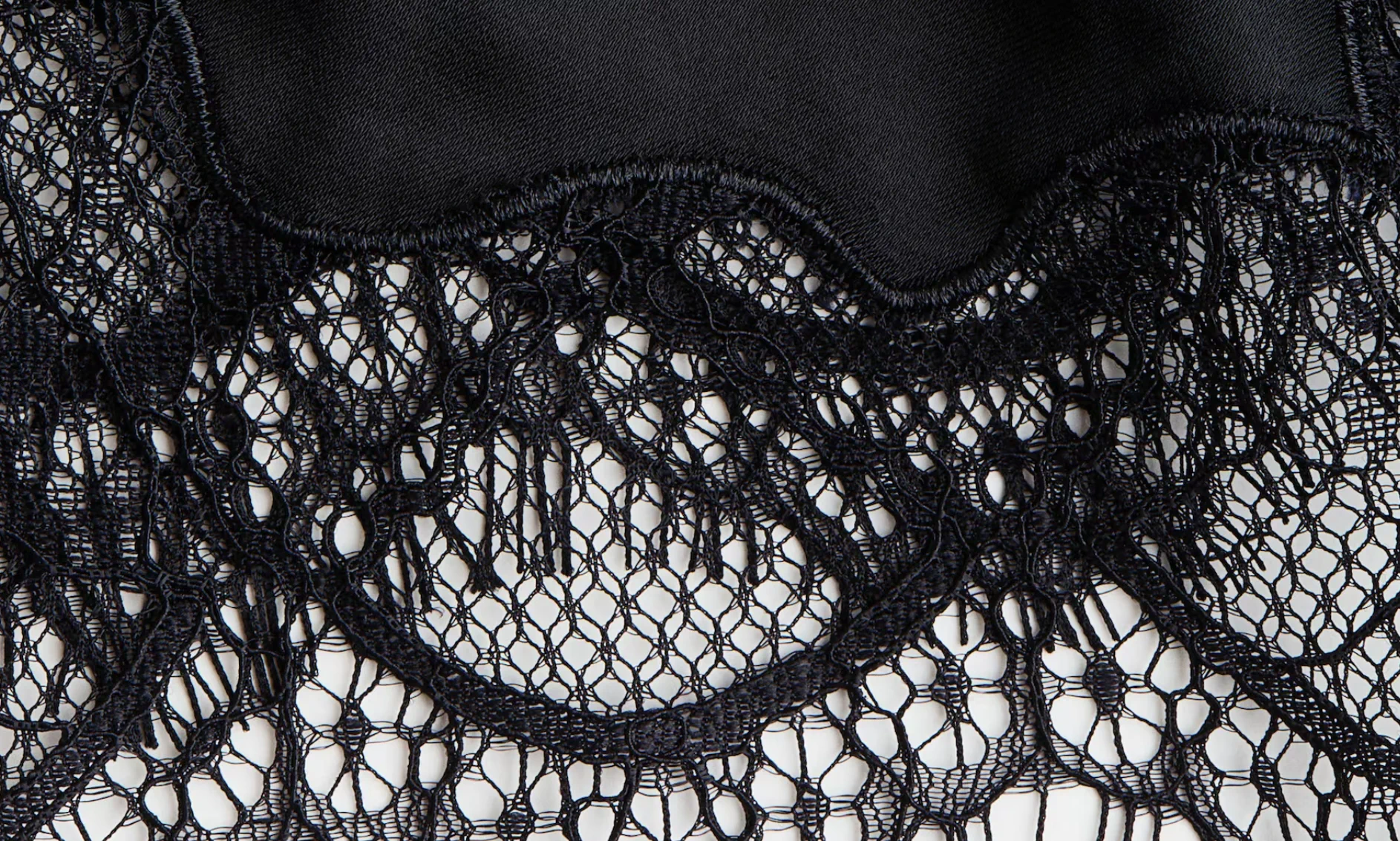
| Dark garment with lace or pale labels | Delicate components touch or sit near a dark base | Check color interaction, attachment, skin-contact feel and trim condition on the finished garment |
No route is automatically safer or better. The right route depends on the target look, target cost, fabric availability, order quantity and buyer's performance requirements. The buyer should approve the actual nominated materials before the factory treats the sample as a bulk reference.
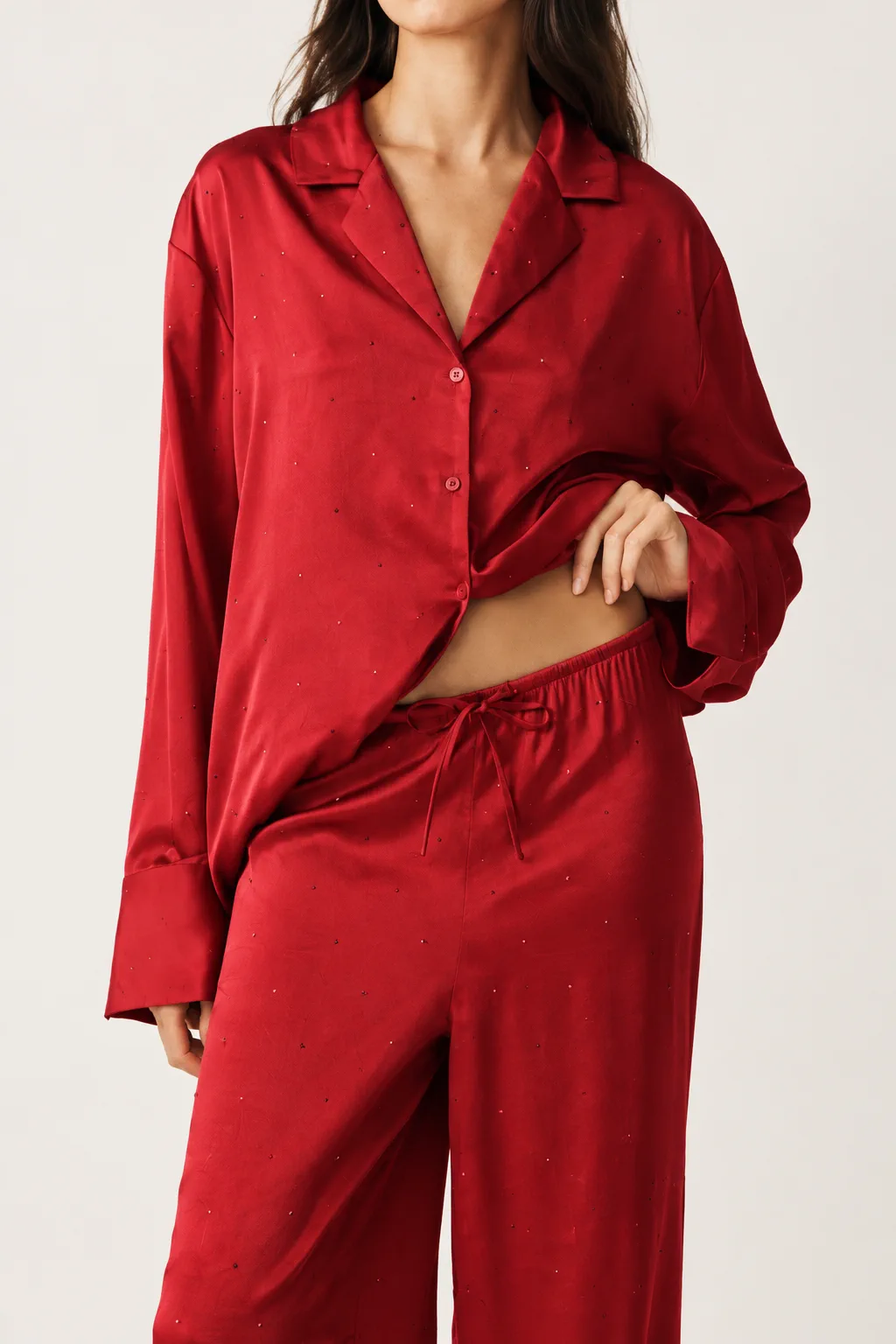
A fabric swatch can help with color direction, but it cannot represent every seam, trim, print or care interaction in the finished set. Agree who evaluates the sample, which method is used, and what evidence is kept.
A test report is useful only when its sample, color, material, method and acceptance criteria match the production decision. If the buyer changes the base fabric, shade, finish, print process or trim after approval, ask whether the affected risk needs to be reviewed again.
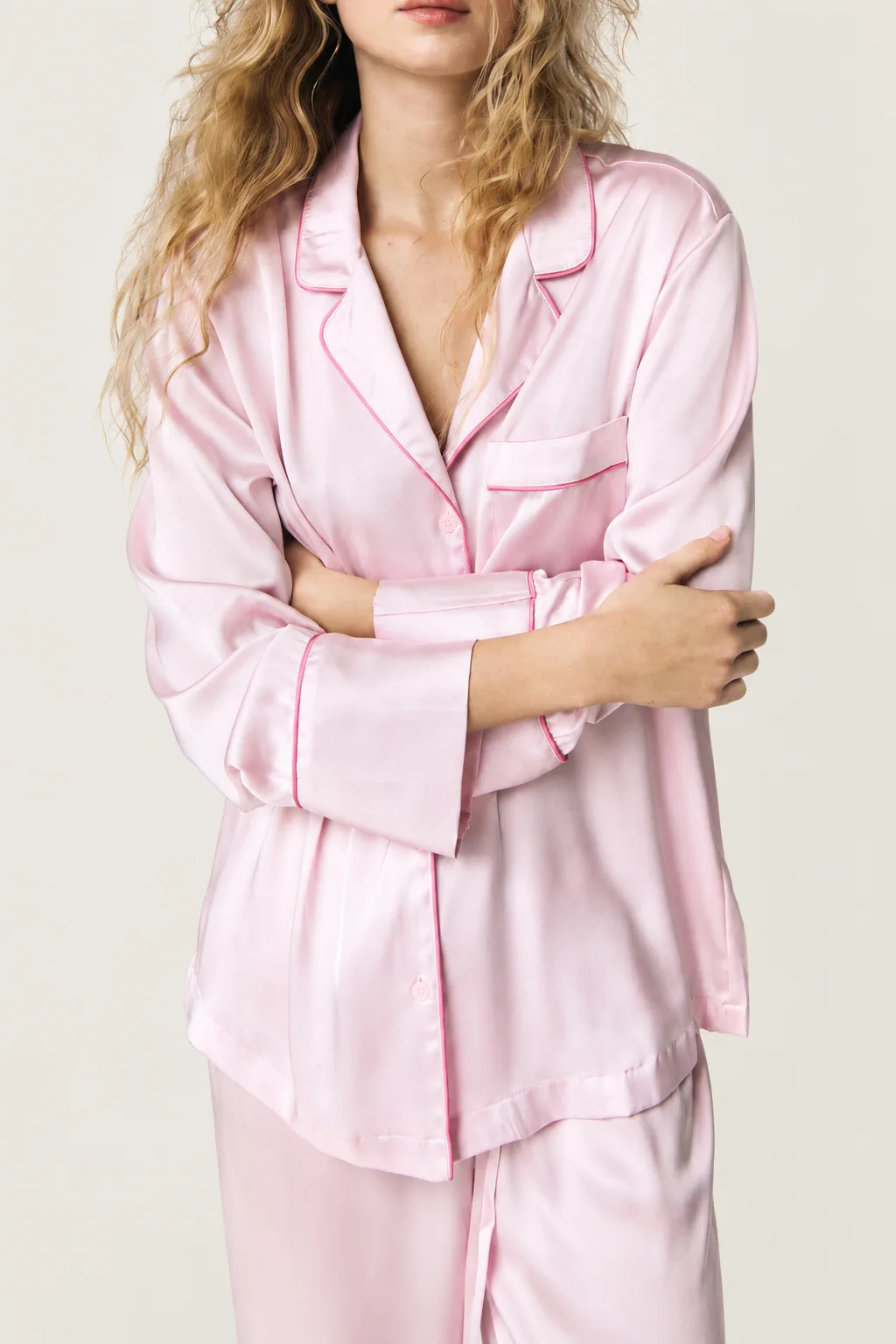
A passed development sample does not control production unless the approved version and its requirements reach the people checking materials and garments. Treat color, trims and decoration as linked checkpoints.
The exact inspection plan, sample size and acceptance limits should be agreed by the buyer and factory. If repeated shade or decoration issues appear, contain the affected lot and resolve the cause before more units are packed; a final visual check alone may not reveal a wash or rubbing issue.
A factory can review an early concept, but quote accuracy and sample planning improve when the inquiry makes assumptions explicit.
| RFQ item | Detail to provide | Why it matters |
|---|---|---|
| Product and colorway | Sketch/tech pack, reference photo, target shade and number of colorways | Defines the product and color-development scope |
| Fabric | Fiber/construction preference, weight, finish and nominated supplier if any | Affects sourcing, hand feel, performance review and material MOQ |
| Trims and labels | Color, material, placement and contact with the dark base | Identifies possible transfer or shade-compatibility points |
| Artwork/decorations | File, scale, placement, method preference and color count | Supports setup, cost review and sample approval |
| Quantity and assortment | Units by style/color/size, size range and planned replenishment | Informs material planning and commercial assumptions |
| Performance requirement | Target market, buyer protocol, care method and acceptance criteria | Establishes what must be evaluated and documented |
| Timing and packing | Sample deadline, ex-factory target, packaging and labeling | Helps identify schedule dependencies and handover needs |
If the test method or pass/fail limit is not yet known, say so. The factory can flag the open item, but the buyer or relevant compliance partner should confirm the market requirement before bulk commitment.
From a China OEM/private-label factory perspective, Hengcheng would first review the reference style, target market, quantity by colorway and size, fabric direction, trims, artwork, packing and the buyer's required performance evidence. The team can then identify which items need sourcing confirmation, which can be checked on a development sample, and which must be carried into bulk QC. Any quote, MOQ or timing remains subject to the confirmed material route, order details and production schedule.
For an initial review, send the tech pack or reference images, color standards, quantity breakdown, target delivery window and test requirements through the contact page. See also the sample development process and quality-control approach.
No. Colorfastness usually concerns color change or transfer under an agreed condition. Print durability concerns the decoration's appearance and adhesion after care or use. A project may need both checks.
No responsible supplier should make an unconditional promise without a defined material, method, test conditions and acceptance criteria. The buyer and factory should agree what is being evaluated and keep the corresponding evidence.
Where components touch or sit next to a deep color, review them together on the finished sample. This can reveal risks that separate swatches do not show.
The buyer should provide the target-market or retailer requirement when one exists. If not, the buyer should confirm the appropriate method and pass criteria with its compliance partner and factory before bulk production.
Set references before or during sampling, evaluate the representative finished sample under the agreed conditions, then transfer the approved standards and any limits to bulk production.
They can affect sourcing or schedule when a custom shade, dye-house minimum, special trim, decoration setup or external test is involved. The effect depends on the actual order and material route; ask the factory to state its assumptions in the quote.
Send the product reference or tech pack, target shade, fabric and trim direction, artwork, quantity breakdown, target market, delivery window and known testing requirements. Mark unresolved items clearly so they can be confirmed before commitment.
This guide explains product-development and factory-handover decisions for private-label sleepwear. Test methods and market obligations vary; buyers should use the standards and acceptance criteria applicable to their product and sales market.