Address
JINKE Technology Industrial Park, No. 3188 ChunYuan Road, Weifang City, Shandong Province, China
Work Hours
Monday to Friday: 7AM - 7PM
Weekend: 10AM - 5PM
Address
JINKE Technology Industrial Park, No. 3188 ChunYuan Road, Weifang City, Shandong Province, China
Work Hours
Monday to Friday: 7AM - 7PM
Weekend: 10AM - 5PM

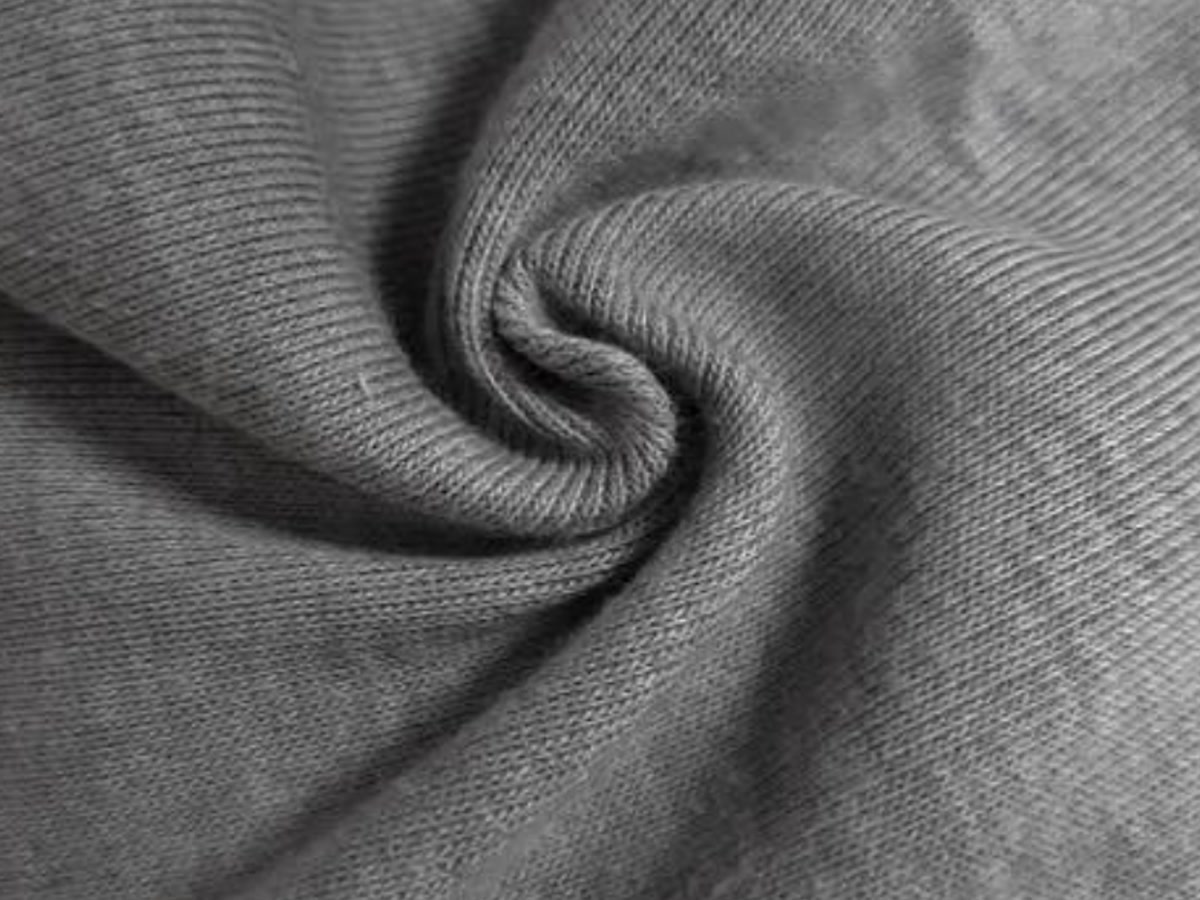
Compare cotton jersey, CVC and modal T-shirt fabrics for private-label brands by cost, hand feel, GSM, printing, fit and sampling risk.
Fabric choice is one of the first places a private-label T-shirt project becomes practical. A buyer may start with a simple question like "Should we use cotton, CVC or modal?" But behind that question are cost, hand feel, shrinkage, print result, fit, wash performance and customer positioning.
If this decision is vague, the quotation will also be vague. A factory can quote a basic cotton jersey T-shirt, a cotton-poly CVC jersey T-shirt and a modal blend T-shirt, but those are not the same product. They will not cost the same, feel the same or behave the same after washing.
The short answer: choose cotton jersey when you need a breathable, familiar everyday T-shirt; choose CVC or cotton-poly jersey when you need better cost control, durability or shrinkage balance; choose modal or modal-blend jersey when soft hand feel, drape and comfort are more important than the lowest unit cost.
Most brands do not choose T-shirt fabric in isolation. They choose it because they are trying to solve a product problem.
Maybe the target customer wants a soft premium basic. Maybe the brand needs a lower-cost volume program. Maybe the style is an oversized heavyweight streetwear tee. Maybe the product is a women's relaxed top where drape matters more than structure. The correct fabric depends on that product job.
Before comparing cotton jersey, CVC and modal, I would ask three questions first:
This is why a good fabric brief should include more than composition. It should include GSM, target hand feel, fit, decoration method, washing expectation and order quantity.
Cotton jersey is the most familiar starting point for custom T-shirts. It is breathable, natural-feeling and easy for customers to understand. It works for basic crew neck T-shirts, graphic tees, private-label blanks, casual tops and many everyday programs.
But "cotton jersey" is still too broad for a serious quote. Lightweight open-end cotton, midweight combed cotton and heavyweight compact cotton can all be called cotton jersey, but they will create different products.
| Cotton jersey direction | Best use | What to check before sampling |
|---|---|---|
| Lightweight cotton jersey | Summer basics, lower-cost programs, promotional tees | Transparency, shrinkage, twisting, print surface |
| Midweight cotton jersey | Most retail private-label basics | GSM, hand feel, shrinkage control, colorfastness |
| Heavyweight cotton jersey | Oversized tees, streetwear, premium blanks | Drape, neck rib balance, shoulder shape, fabric consumption |
| Combed cotton jersey | Smoother everyday basics | Yarn quality, softness, pilling, wash behavior |
| Pima or long-staple cotton jersey | Premium basics and elevated capsules | Cost, availability, certification or origin requirements |
For many brands, cotton jersey is the safest first conversation because it is easy to sample and easy to explain to customers. The limitation is that it may not solve every product goal. If the buyer needs better cost stability, lower shrinkage or a more drapey soft touch, another fabric direction may be better.
CVC usually means a cotton-rich blend with polyester. TC or cotton-poly jersey may contain a higher polyester share. In practical sourcing conversations, the point is not the abbreviation itself. The point is that the brand is balancing cotton comfort with cost, durability, shrinkage and easier care.
CVC can be useful when a brand wants a T-shirt that still feels cotton-led but does not need the full cost or behavior of 100% cotton. It may be a good direction for volume programs, uniforms, event merchandise, promotional tees, school or kidswear basics, and mid-priced casual lines.
The tradeoff is hand feel. A CVC jersey can feel good, but it may not feel the same as a premium cotton tee or modal blend. If the brand promise is "super soft natural cotton," CVC may not match the story. If the brand promise is reliable everyday wear at a controlled price, CVC may be practical.
| CVC / cotton-poly advantage | Why it matters for buyers |
|---|---|
| Better cost control | Useful for volume programs and price-sensitive ranges |
| More stable shrinkage in some blends | Helps reduce size change risk after washing |
| Better durability or easy-care behavior | Useful for uniforms, kidswear and frequent-wash items |
| Faster drying than pure cotton in some cases | Useful for casual active or daily-use programs |
| Different heather or blended surface effects | Useful for casual lifestyle color directions |
The key is to sample the actual blend, not just approve the idea of CVC. Two CVC jerseys with different yarn, GSM, finishing and polyester share can feel very different.
Modal, viscose and rayon jersey directions are usually chosen for softness, drape and comfort. They can be especially useful for women's casual tops, relaxed tees, loungewear-inspired products and premium basics where the buyer wants a smoother or more fluid hand feel.
Modal is not usually the cheapest route. It is a product-positioning decision. A modal blend can make sense when the brand wants the T-shirt to feel softer, cooler or more drapey than a standard cotton basic.
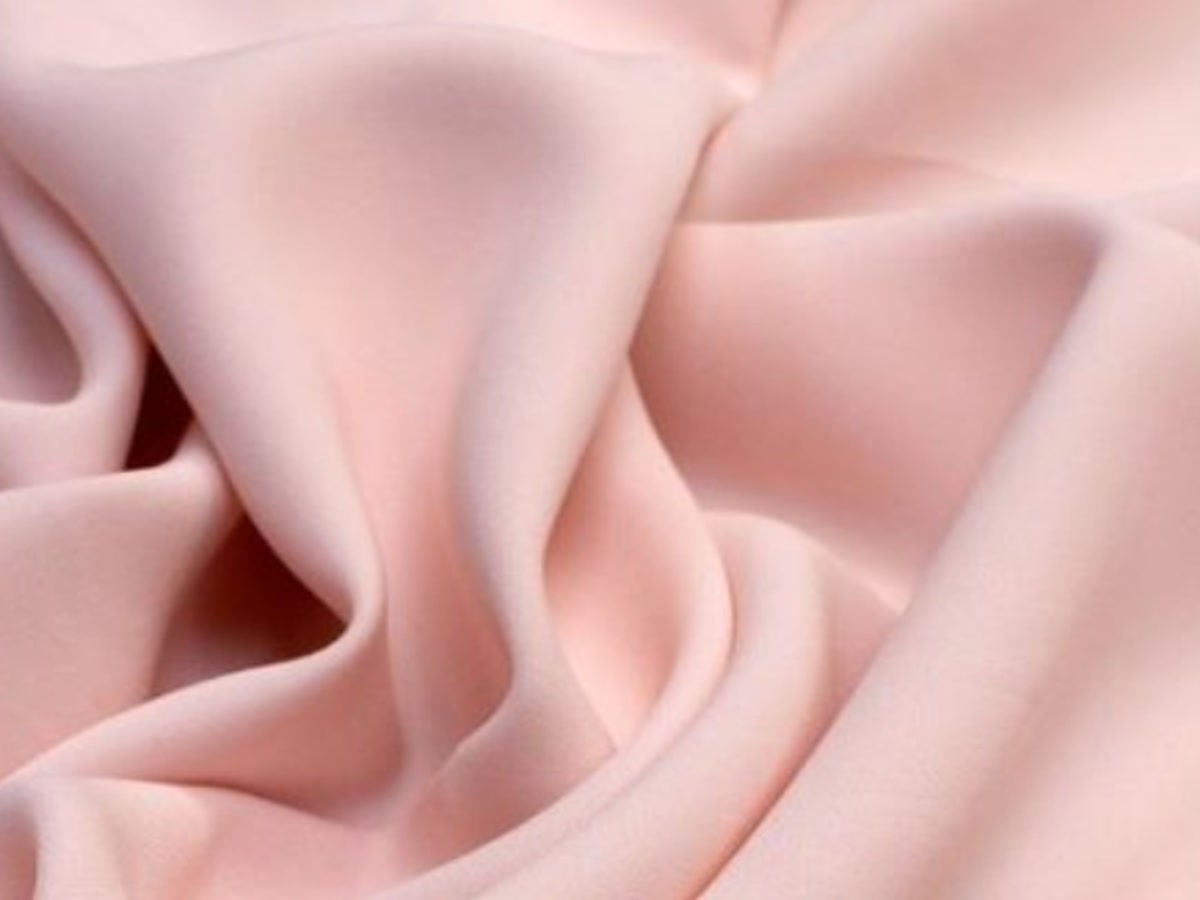
For example, a fitted basic tee may need cotton-spandex or rib recovery. An oversized streetwear tee may need heavier cotton jersey. But a relaxed women's top, soft lounge tee or comfort-led premium capsule may benefit from modal or modal-cotton direction.
| Modal / viscose jersey direction | Best use | Watch point |
|---|---|---|
| Modal-cotton blend | Premium everyday tees with softer hand feel | Cost, shrinkage, color behavior |
| Modal-spandex blend | Soft fitted tops, comfort basics | Recovery, seam stability, size grading |
| Viscose/rayon jersey | Drapey women's tops and relaxed casualwear | Twisting, shrinkage, wet strength, care label |
| Bamboo/viscose blend | Comfort-led basics and loungewear angle | Compliance wording, supplier proof, fabric testing |
For quotation, do not only say "modal fabric." Give a target hand feel and product use. A factory can then advise whether modal, cotton-modal, viscose or another blend is realistic.
The best way is to compare them by buyer decision, not by textbook material definition.
| Decision factor | Cotton jersey | CVC / cotton-poly jersey | Modal / modal blend |
|---|---|---|---|
| Customer perception | Natural, familiar, breathable | Practical, durable, value-oriented | Soft, drapey, comfort-led |
| Cost position | Low to premium depending on yarn/GSM | Often practical for volume programs | Usually higher than basic cotton/CVC |
| Best product fit | Basic tees, graphic tees, heavyweight tees | Uniforms, promo tees, frequent-wash basics | Women's tops, loungewear, premium soft basics |
| Print compatibility | Strong for many print methods | Depends on polyester share and print method | Needs testing for print, shrinkage and hand feel |
| Fit behavior | Depends on GSM and knit quality | Can be more stable in some blends | Softer drape, less structure |
| Main risk | Shrinkage, twisting, transparency | Less natural hand feel, heat comfort | Cost, shrinkage, care, fabric stability |
This table is useful because it prevents the common mistake of asking, "Which fabric is best?" There is no best fabric in general. There is only the most suitable fabric for a specific product, price target and customer expectation.
GSM matters a lot, but it does not replace composition. GSM tells you fabric weight. It does not fully tell you yarn quality, surface smoothness, stretch, recovery, shrinkage or hand feel.
A 180 GSM cotton jersey and a 180 GSM modal blend may feel very different. A 220 GSM compact cotton jersey and a 220 GSM low-grade cotton jersey may also behave differently. That is why buyers should treat GSM as one part of the brief, not the whole fabric decision.
As a practical guide:
If you do not know the exact GSM, send a reference garment or describe the target weight: light summer tee, standard retail basic, premium heavyweight tee or soft drapey lounge top.
Fabric and decoration should be discussed together. A smooth cotton jersey may be a good base for many prints. A high-poly blend may need a different print route. A soft modal blend may need testing to make sure the print result, hand feel and washing behavior are acceptable.
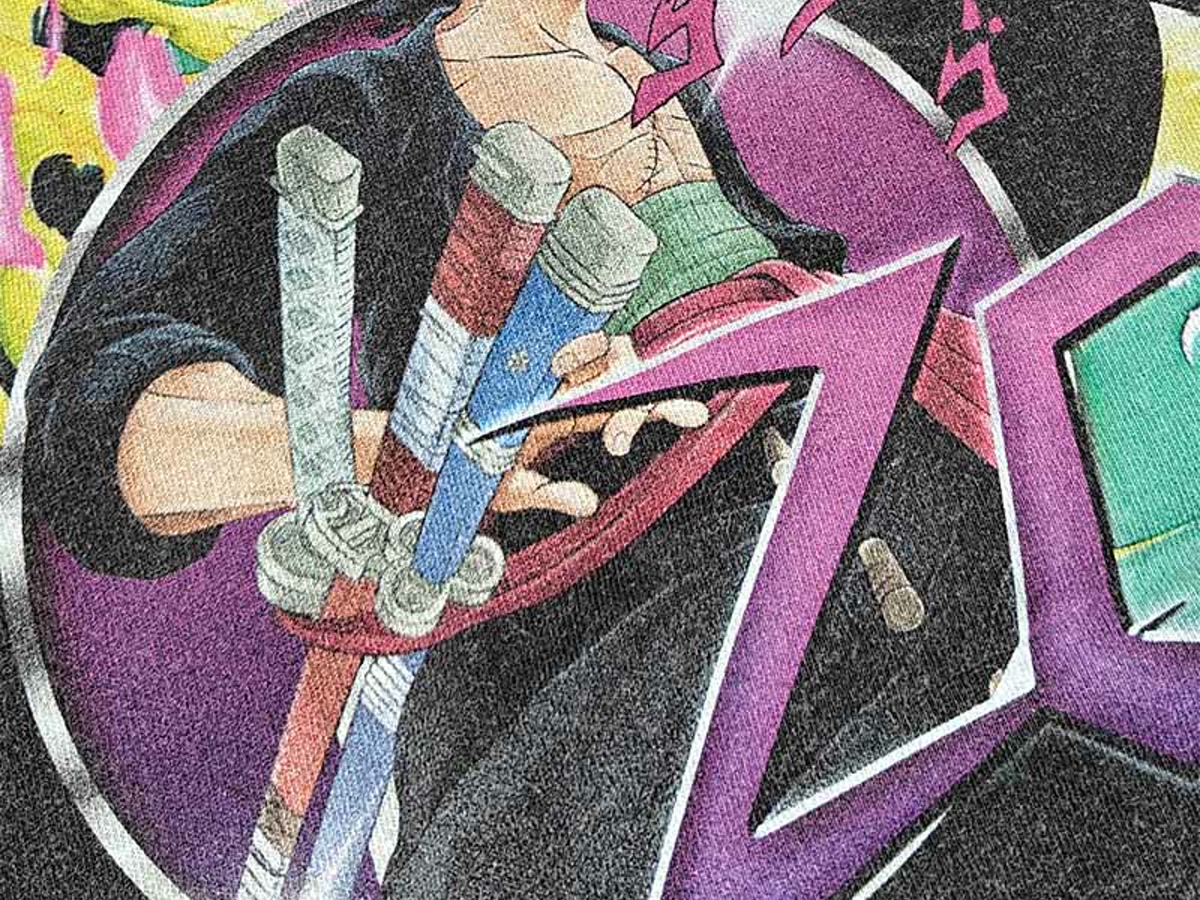
For graphic T-shirt programs, the factory should review:
This is one reason I do not like quoting a T-shirt from fabric alone. The same cotton jersey can become a very different production project once a large multi-color print, embroidery, rhinestone detail or garment wash is added.
If you already have a tech pack, include the fabric composition, GSM, construction and finishing notes. If you do not have a full tech pack, a practical fabric brief is still enough to start a serious conversation.
Send as much of this as possible:
If the fabric is not final, say that clearly. A good factory can quote a preliminary direction and explain what will need confirmation before sampling or bulk production.
Ask for factory suggestions when you know the product goal but not the exact fabric. For example, you may know you want a premium oversized T-shirt with a structured body, but you may not know whether to use compact cotton jersey, heavyweight cotton or another knit. That is a good time to ask.
The supplier's suggestion will be better if you give constraints:
Without these constraints, "please recommend fabric" becomes too broad. The factory may recommend something easy to source, not necessarily what fits your brand.
No. Cotton jersey is familiar and breathable, but CVC can be more practical for cost-controlled, durable or frequent-wash programs. The better choice depends on product positioning, customer expectation and testing requirements.
Modal or modal-blend jersey can be good for soft, drapey, comfort-led T-shirts and women's casual tops. It is usually not the lowest-cost option, so it should match the brand's price position.
Midweight or heavyweight cotton jersey is often a strong starting point because it gives more body and structure. The exact GSM and yarn quality should be sampled before bulk production.
Cotton-poly, CVC or lighter cotton jersey may be practical for budget or volume programs, but the brand should still check transparency, shrinkage, hand feel and print result.
Yes. If you send reference images, target fit, hand-feel direction, expected quantity and decoration plan, Hengcheng can review whether cotton jersey, CVC, modal blend or another knit direction is more practical for quotation and sampling.
Exact GSM is helpful but not always required at the first step. If you do not know the GSM, send a reference garment or describe whether the product should feel lightweight, standard, heavyweight, soft, structured or drapey.
Cotton jersey, CVC and modal are not simply better or worse than each other. They solve different product problems.
For a basic private-label T-shirt, cotton jersey may be the safest starting point. For a volume or frequent-wash program, CVC may be more practical. For a soft premium or women's relaxed top, modal or modal blend may create the right hand feel. The best decision comes from matching fabric to product use, price position, fit, decoration and sampling risk.
If you are preparing a T-shirt program, Hengcheng's [OEM T-shirt manufacturer in China](/t-shirt-manufacturer-china-oem-private-label/) page shows the broader fabric and product directions we can review before quotation and sampling.



