Address
JINKE Technology Industrial Park, No. 3188 ChunYuan Road, Weifang City, Shandong Province, China
Work Hours
Monday to Friday: 7AM - 7PM
Weekend: 10AM - 5PM
Address
JINKE Technology Industrial Park, No. 3188 ChunYuan Road, Weifang City, Shandong Province, China
Work Hours
Monday to Friday: 7AM - 7PM
Weekend: 10AM - 5PM
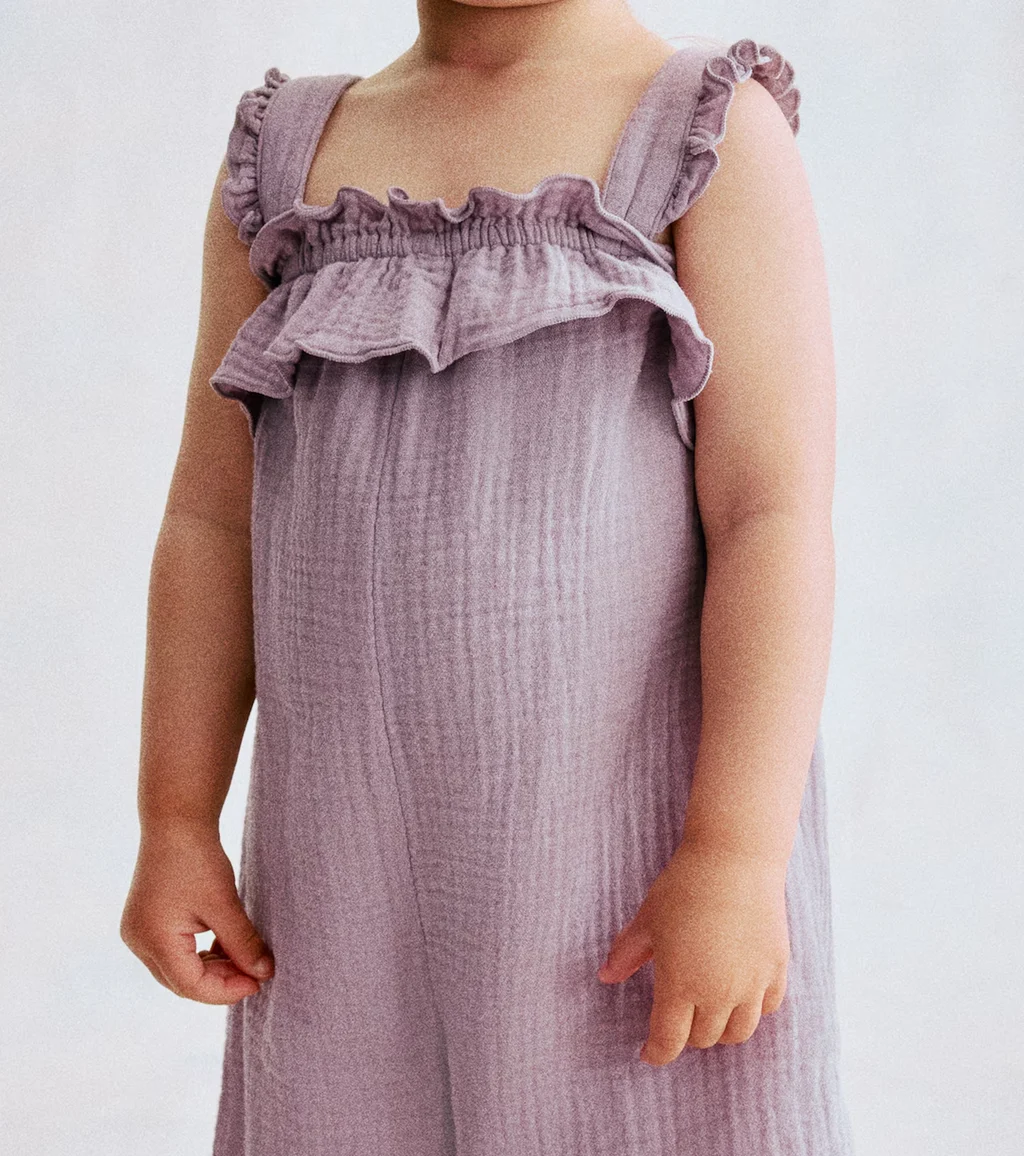
Short answer: A kidswear sample fee is usually a development cost, not a miniature version of the final bulk unit price. Hengcheng’s current public reference for a typical kidswear sample is USD 50-80 per piece, excluding shipping. The actual fee depends on the fabric route, pattern and construction work, trims, decoration, sample size, and the number of revisions. Treat that figure as a starting reference only: ask the factory to confirm the exact scope, exclusions, timing and any possible bulk-order credit for the specific style.
I approach sample pricing as a product-development question rather than a race to find the lowest number. A useful sample quote tells the buyer what the factory is actually being asked to develop. It also makes later bulk quotations easier to compare because the approved material, construction and revision history are recorded.
A bulk unit price spreads cutting, sewing and factory preparation across many pieces. A sample does not have that same scale. The factory may need to review a reference, adjust or create a pattern, source a suitable fabric or trim, cut a one-off garment, set up operations and record comments for the next version.
The sample also carries information value. It lets the buyer test whether the factory understands the product before committing to a larger order. That is why a sample fee should be judged together with the clarity of the output, not only by the amount charged.
The main distinction is:
Do not compare a sample fee with a bulk price as if they were the same commercial line. They answer different questions.
The USD 50-80 public reference is useful only when the scope is understood. A buyer should ask the factory to state whether the fee covers pattern work, one sample size, standard sewing, available stock fabric, basic trims and one round of comments, or whether some of these items are extra. The answer can change by style.
Use a scope table like this before approving payment:
| Cost line | What the buyer should ask | Why it matters |
|---|---|---|
| Pattern or adjustment | Is a new pattern required, or is a usable pattern supplied? | Pattern work can change the development effort. |
| Sample size | Which size will be made, and is another size charged separately? | Kidswear fit changes across sizes. |
| Main fabric | Is the fabric stock, sourced specially, or only a temporary substitute? | A sample made from a substitute may not represent bulk. |
| Trims and closures | Are buttons, snaps, zippers, elastic, lace or labels included? | Small components can affect both cost and approval. |
| Decoration | Is print, embroidery, applique or wash development included? | Artwork and setup can require separate work. |
| Revision round | How many comments or revised samples are covered? | Unclear revision rules create later disputes. |
| Shipping | Is courier shipping included? | The public reference excludes shipping. |
| Bulk credit | Is any sample fee credited after a bulk order? | Credit is case by case and should be written down. |
The safest interpretation is that a public reference is not an automatic quotation. It is a starting point for a style-specific review.
Two garments can both be called a kids’ dress, romper or hoodie while requiring very different development work. The factory needs to see the construction, not only the product name.
A stock fabric in an available color may be straightforward to sample. A custom color, special composition, unusual weight, brushed finish or custom knit may require more sourcing time, a minimum material quantity or a separate lab-dip process. If the sample uses a substitute, label it clearly and agree how the bulk fabric will be approved.
A simple T-shirt may need less development work than a lined dress with gathers, a shaped hood, multiple panels, pockets, binding, adjustable features or special closures. The cost driver is not necessarily the number of visible pieces. It is the combination of pattern accuracy, sewing sequence and finishing requirements.
Buttons, snaps, elastic, drawcord alternatives, woven labels, heat-transfer labels, hangtags and packaging can all affect the sample. For childrenswear, placement and comfort also matter. A trim that looks correct in a reference photo may need a physical review for attachment, sharp edges, pull risk, feel and wash behavior.
Print, embroidery, applique, garment wash, special pleats and decorative edges can require artwork review, setup or an extra approval step. Ask whether the sample will use the final process or a visual approximation. A low sample fee is not useful if the decoration cannot be judged against the intended bulk method.
Fabric is one of the most common reasons a sample fee and later bulk quote move apart. Buyers should separate three decisions: what is used for the first sample, what is approved for bulk, and what price assumption appears in the quote.
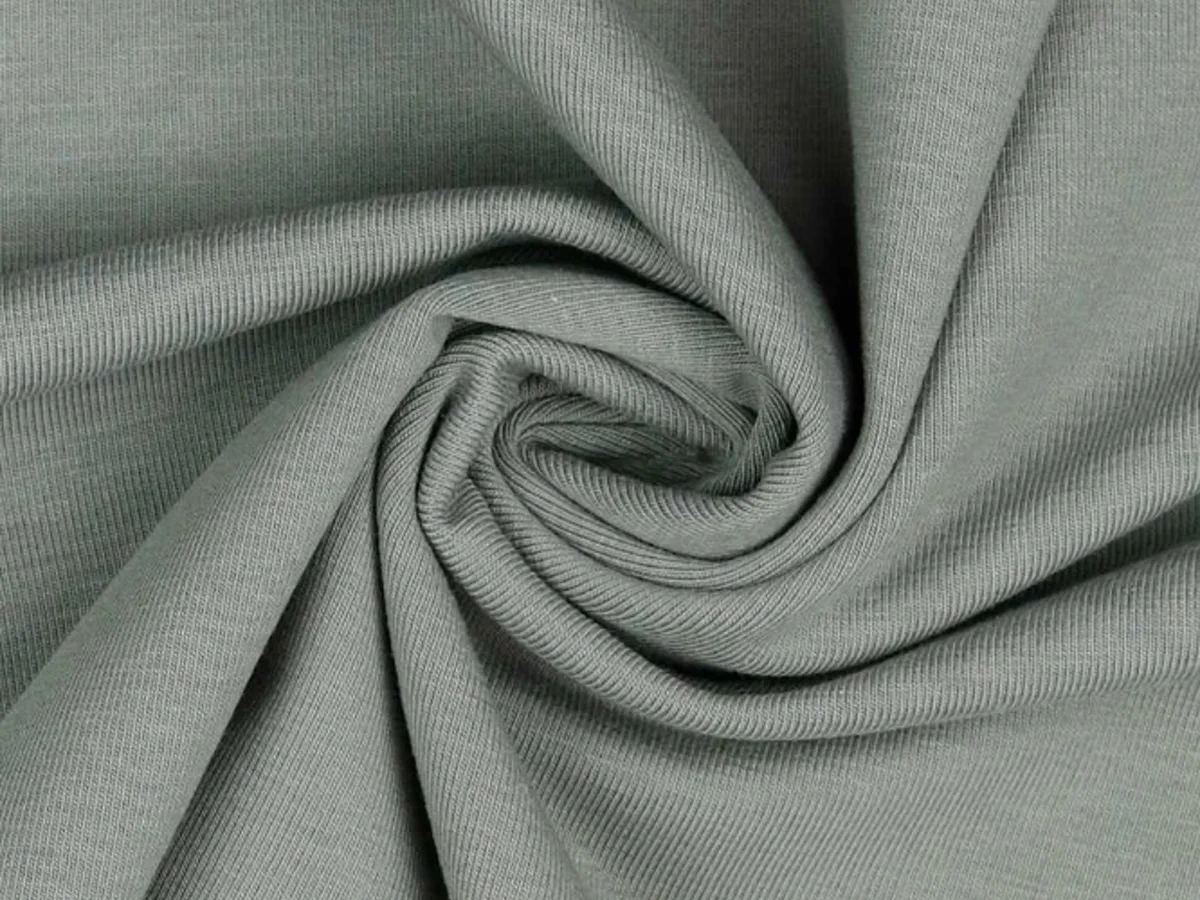
A factory-ready fabric note should cover:
Do not describe a sample as representative of bulk if the fabric is only a temporary substitute. The correct action is to record the difference and decide whether another sample or material approval is required.
A useful request gives the factory enough detail to estimate work before the sample room starts. Include a reference image or tech pack, but do not rely on a photo alone for hidden construction.
| Requirement | Questions to answer before sampling | Possible impact |
|---|---|---|
| Fit and silhouette | Is the garment fitted, relaxed, oversized, or designed for layering? | Changes pattern and measurement work. |
| Lining and binding | Is the garment lined, partially lined, or finished with binding? | Adds material and sewing operations. |
| Closures | What closure is required and where is it placed? | Affects trim sourcing and attachment. |
| Pockets and panels | How many, what shape, and with what reinforcement? | Adds pattern and workmanship checks. |
| Print or embroidery | What artwork size, method, location and color count? | May require setup and a separate approval. |
| Pleats or gathers | Where are they located and how full should they be? | Affects fabric use and sample accuracy. |
| Labels and packaging | Which labels, hangtags and packing format are final? | Prevents missing sample details. |
The more of these points that remain open, the less meaningful a fixed sample-fee comparison becomes. A factory may quote a provisional amount while waiting for the missing details. That is acceptable if the assumptions are visible.
There is no universal number of sample rounds for every kidswear style. A clear basic style with a complete tech pack may need fewer corrections than a new dress shape, a multi-size babywear program or a garment with several decoration and trim decisions.
Plan the sample process by purpose:
Not every project needs all three stages, and the factory may use different names. Ask what each stage is meant to prove. Also ask whether a revised sample is necessary for every comment or whether some comments can be confirmed through updated measurements, photos or a construction note.
A practical change-control rule is to group comments into one dated round. Mark each item as approved, revise, pending or not applicable. This helps the buyer see whether an additional fee is caused by a factory correction, a buyer-requested design change or a new material decision.
The physical sample should be reviewed against the latest brief, not against memory or an old product photo. The review should cover both visible appearance and production-critical details.
Use this sample review checklist:
Visual inspection does not replace product-specific testing or destination-market compliance review. It is one part of the buyer’s approval process.
The buyer should ask for exclusions rather than assume that a low headline fee is comprehensive. Common exclusions may include courier shipping, unusual or custom materials, special trims, laboratory testing, complex artwork setup, additional sizes, extra sample rounds and buyer-requested design changes after approval.
Use this wording in an inquiry:
Please state what is included in the sample fee, what is excluded, which materials are provisional, how many revision rounds are covered, the expected sample timing after all inputs are confirmed, and whether any credit may be discussed if a bulk order is later placed.
That single request creates a more useful commercial record than asking only, “How much is one sample?”
Sample cost and MOQ are related but separate. A factory may be able to make one sample while requiring a minimum quantity for a particular fabric color, custom trim, print setup or bulk production run. A sample fee does not remove those minimums.
Ask the factory to separate:
| Question | What to record |
|---|---|
| Sample quantity | Number of pieces and sizes required for development. |
| Fabric minimum | Whether custom fabric or color has a material minimum. |
| Trim minimum | Whether labels, buttons, snaps or other components require a minimum order. |
| Bulk MOQ | Minimum units by style, colorway or another defined level. |
| Quantity split | Planned units by size and colorway. |
| Price tier | Whether the unit price changes with the total or the split. |
For a first order, the buyer should ask whether stock materials can reduce development friction, but should not assume that stock availability guarantees a lower bulk MOQ or final price. The factory needs to confirm the actual route.
A concise RFQ gives the factory enough information to answer the fee question without inventing assumptions. Attach the relevant files and state what is fixed versus open.
| RFQ component | Include | Why it helps |
|---|---|---|
| Product brief | Garment type, intended age group, use and reference images | Establishes the product context. |
| Tech pack | Measurements, construction, artwork and finishing notes | Reduces interpretation gaps. |
| Material brief | Composition, construction, weight, color and finish | Makes the fee and bulk assumption clearer. |
| Sample plan | Sizes, quantity, sample purpose and review stages | Helps the factory scope the work. |
| Brand details | Labels, hangtags, packaging and artwork files | Prevents missing development inputs. |
| Quantity plan | Style, colorway, size split and launch estimate | Connects sample work to MOQ discussion. |
| Destination | Target country or market and delivery point | Helps separate factory support from compliance responsibility. |
| Questions | Inclusions, exclusions, timing, revisions and credit | Produces a comparable commercial answer. |
If the buyer does not yet have a complete tech pack, say so. A factory can still review a reference package, but the quotation should be described as provisional until the missing inputs are confirmed.
For a kidswear inquiry, Hengcheng would first need to understand the product type, fabric direction, sample size, construction complexity, decoration, labels, quantity plan and intended market. The purpose of that review is to separate a realistic factory quotation from an early estimate.
A practical factory-side review would ask:
This is why a good sample request is more valuable than a bare target price. It gives both sides a chance to identify the real work before the fee is accepted.
The most common mistakes are not always technical. They are often process mistakes that create repeated work.
The best cost-control tool is a clear approval record. It reduces avoidable revisions without pretending that every project can be priced from a standard menu.
Hengcheng’s current public reference for a typical kidswear sample is USD 50-80 per piece, excluding shipping. The exact fee depends on the style, materials, construction, trims, decoration and revision scope. Confirm the project-specific quotation before treating the number as a budget.
The current reference excludes shipping. Ask the factory for the estimated courier cost separately and confirm the destination address, sample weight and delivery method.
Do not assume that it is. Any bulk-order credit or deduction should be discussed and confirmed case by case in the project quotation or order terms.
The current public reference is typically 2-4 weeks after the required details are confirmed, but actual timing depends on material sourcing, construction complexity, decoration, revisions and approval speed. Confirm the schedule for the specific style.
Yes, but additional sizes can require extra cutting, sewing or grading work. State the required sizes before the fee is quoted and ask whether the factory will make one size first for fit approval.
Ask the factory to identify the substitute and explain what it does and does not prove. Approve the final bulk fabric separately; do not treat a substitute sample as full material approval.
Not automatically. Testing depends on the product, destination market and agreement. Ask what the factory can support, then confirm required tests and documentation with the buyer’s qualified laboratory or compliance adviser.
Send a consolidated, dated comment list and distinguish factory corrections from buyer-requested design changes. Confirm the revision scope before development starts and approve materials, measurements and artwork in a controlled sequence.
Hengcheng develops OEM and private-label kidswear, including T-shirts, hoodies, babywear and dresses. Send the product reference, target fabric, sample size, construction notes, quantity by style and colorway, decoration, labels, packing needs and destination market through the contact page. The team can review the manufacturing scope and prepare a project-specific quotation; market compliance and testing decisions remain with the buyer and its qualified advisers.
Related: Kidswear sampling process | Kidswear quotation guidance.
Editorial note: This buyer guide is informational. Verify product-specific factory terms, market rules and any claims with the relevant production, laboratory or compliance partner before using it for a commercial decision.