Address
JINKE Technology Industrial Park, No. 3188 ChunYuan Road, Weifang City, Shandong Province, China
Work Hours
Monday to Friday: 7AM - 7PM
Weekend: 10AM - 5PM
Address
JINKE Technology Industrial Park, No. 3188 ChunYuan Road, Weifang City, Shandong Province, China
Work Hours
Monday to Friday: 7AM - 7PM
Weekend: 10AM - 5PM

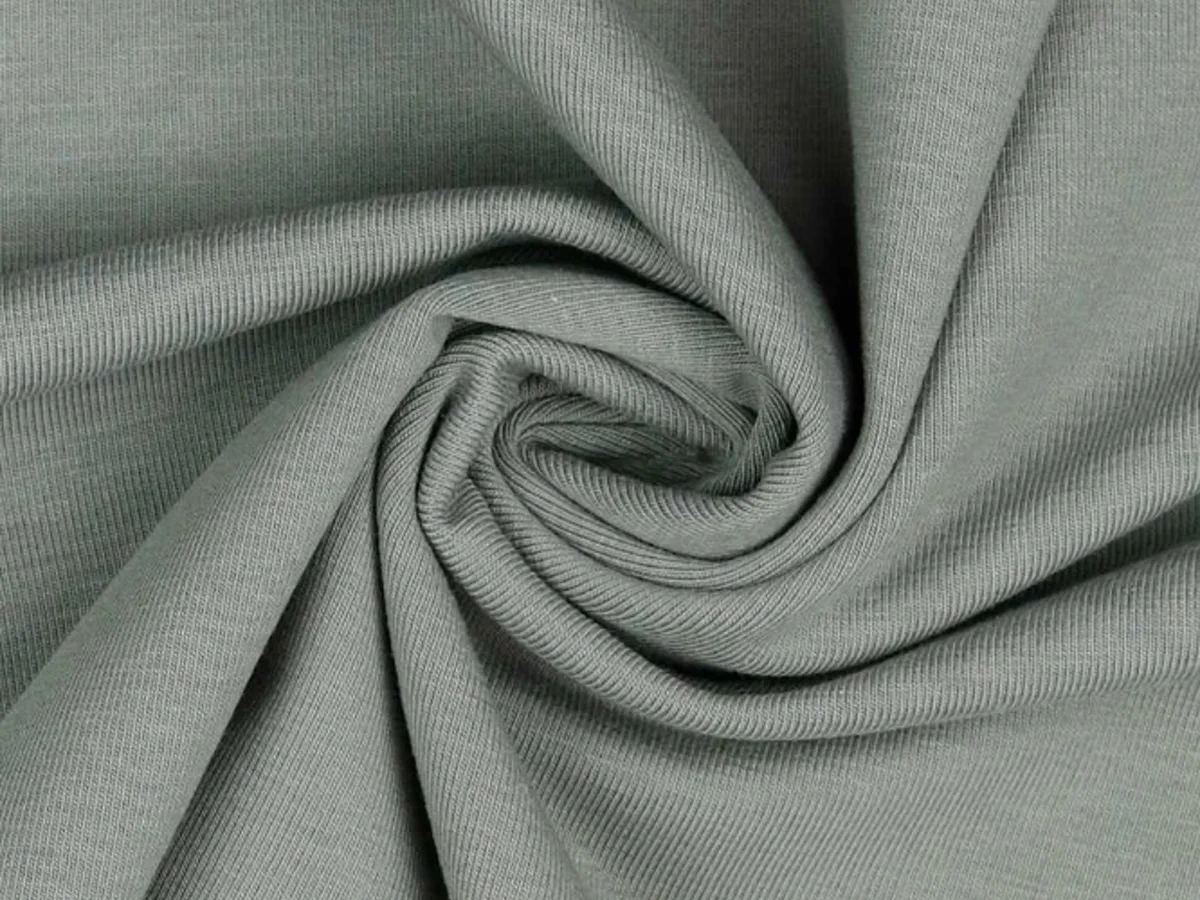
Organic cotton and bamboo describe fiber or fiber-origin claims, while interlock describes a knit construction. They are not three directly comparable fabric categories. For a babywear program, verify the exact fiber composition and documentation first, then compare the knit structure, weight, stretch, recovery, finish and sample performance. A good-looking fabric name is not enough to approve a bulk program.
A fabric name can hide three different decisions: what the fiber is, how the fabric is knitted and what claims the brand plans to make. If these are mixed together in a tech pack, factories may quote different constructions under the same short label. The resulting samples can feel different, fit differently and require different testing or labeling.
For a private-label buyer, the practical rule is simple: define the material as a specification, not as a trend word. Put the fiber percentage, knit construction, finished weight, width, stretch direction, finish and color standard into the same approval record.
This also protects the product page. “Organic,” “bamboo,” “hypoallergenic” and similar descriptions are not interchangeable with a supplier's informal fabric name. The claim must match the product, the documents and the market in which the garment will be sold.
The first comparison should separate fiber from construction. Organic cotton and bamboo-derived rayon refer to the material story. Interlock refers to the way yarns are knitted into a stable double-knit structure. One finished fabric can therefore be organic cotton interlock, cotton-spandex interlock or another fiber blend in an interlock construction.
| What you are comparing | What it actually describes | What a buyer should request |
|---|---|---|
| Organic cotton | A cotton fiber claim tied to an organic production standard or certification route. | Exact composition, current certificate or transaction documents, certificate scope and the material or supplier covered. |
| Bamboo-derived textile | A manufactured textile made from bamboo as a plant source, commonly rayon or viscose. | Generic fiber name, process description, composition and market-specific labeling review. |
| Interlock | A double-knit construction with its own weight, stretch, recovery and surface behavior. | Fiber blend, finished GSM, width, stretch/recovery data and a physical swatch or garment sample. |
| Babywear option | A product decision based on comfort, movement, care, construction and intended age/use. | Approved measurements, seam and trim details, care plan, testing requirements and sample comments. |
The key point is that “interlock” can be part of the answer to a fiber question, not an alternative to it. Ask the factory to write both fields separately in the quotation.
A factory can quote more consistently when the request contains a measurable material brief. A one-line request such as “organic bamboo baby set” leaves too many variables open: fiber content, knit structure, weight, finishing, color quantity and certification requirements.
Use this minimum quote brief:
| Quote field | Example of a useful buyer instruction | Why it affects the quote |
|---|---|---|
| Fiber composition | 95% cotton / 5% elastane, or the exact proposed blend. | Yarn cost, stretch, recovery and available sourcing route differ by blend. |
| Knit construction | Interlock, single jersey, rib or another named construction. | Knitting method, fabric weight, stability and cutting behavior change. |
| Finished weight | Target GSM with an acceptable tolerance to be agreed at approval. | Heavier fabric usually changes material consumption, hand feel and cost. |
| Color and quantity | Size breakdown, colorways and estimated units per style/color. | Yarn or fabric dyeing, minimums and cutting efficiency depend on the plan. |
| Claims and documents | List the exact organic or fiber claim and required documents. | Documentation, material segregation and testing may affect lead time and cost. |
| Packaging | Individual bag, size sticker, carton ratio and any special labeling. | Packaging materials and labor are separate cost drivers from sewing. |
MOQ should be discussed at more than one level. The factory may have a minimum for fabric production or dyeing, a minimum per color and a minimum per style. A small finished-garment order can still be difficult if it requires several colors or a special certified material. Ask which minimum applies to the fabric and which applies to the finished garment.
It can. The material itself is only one part of development. If the buyer changes from a standard cotton interlock to a certified material, a particular bamboo-derived construction or a custom finish, the factory may need to source a new swatch, confirm availability, make a new pattern sample and repeat some checks.
A practical sample sequence is:
Do not approve the garment sample only by checking the front appearance. Babywear often reveals problems at openings, snaps, neck binding, shoulder seams, crotch seams, inner labels and areas that rub during movement.
For baby clothing, the exact construction matters as much as the fiber story. A soft fabric can still create a poor product if the seams are bulky, the opening is difficult to use or the garment loses shape after care.
Review these points on the approved sample:
A factory can inspect workmanship and production consistency, but the buyer remains responsible for defining the destination-market requirements and arranging qualified testing where needed. Factory QC and regulatory compliance are related but not identical responsibilities.
Start with the exact claim the brand wants to print or publish. Then ask what document supports that claim and whether the document covers the actual supplier, material, transaction and product scope.
For organic cotton, do not assume that a supplier's general certificate automatically covers every fabric or every finished garment. Review the certificate holder, validity, scope, transaction documentation and chain of custody as applicable to the program.
For bamboo-derived textiles, use the correct generic fiber terminology for the destination market. In the United States, the Federal Trade Commission's guidance says that a textile made from rayon or viscose using bamboo as the plant source should be described using the generic fiber name, such as rayon or viscose made from bamboo. Other markets may have their own labeling and claim rules.
For all claims, keep three records together:
If those three records do not match, stop the claim review before bulk production or marketing release.
Before a purchase order is released, send one current package rather than several untracked attachments. From a China factory perspective, the clearer the handoff, the easier it is to identify an open question before cutting begins.
Include:
Hengcheng's factory-side review would normally begin by separating the product brief into material, pattern, workmanship, decoration, packing and documentation questions. That makes it easier to identify whether a problem is a fabric choice, a construction choice or an unresolved buyer requirement.
The most common mistake is comparing material names as if they were equivalent. Other avoidable mistakes include:
A buyer does not need to make the material brief complicated. The goal is to make the important variables visible before the quotation and sample are compared.
No. Interlock is a knit construction. Ask separately which fibers are used, the blend percentage, finished GSM, width, stretch and recovery.
No. They describe different material stories, and “bamboo” may refer to a manufactured fiber such as rayon or viscose made from bamboo. Verify the generic fiber name and the applicable market rules.
No. Check the current certification or transaction documents, scope, supplier chain and exact material used in the finished program.
There is no universal best choice. Select the fabric based on intended use, age range, comfort, care, construction, verified composition, target market and sample performance.
Not automatically. Weight, yarn, blend, finishing and construction quality all affect performance. Compare the actual fabric specifications and samples.
It may be possible, but the answer depends on available material, color plan, documentation and the factory or fabric supplier's minimums. Ask about fabric MOQ separately from garment MOQ.
Use the agreed care method and check measurements, shrinkage, twisting, color change, pilling, seam behavior, stretch recovery and the condition of trims or labels.
The buyer should define the destination-market requirements and work with qualified testing or compliance advisers where needed. The factory can support material, construction and production records, but those are not a substitute for the buyer's legal and market review.
Hengcheng develops OEM and private-label kidswear, including babywear, T-shirts, hoodies and dresses. Share the style reference, target fiber and construction, size range, quantity by color, decoration, packaging and destination market through the contact page. The factory can review the manufacturing scope and prepare a more useful quotation when the material and approval requirements are clear.
Related: Kidswear fabric options | Kidswear manufacturing and sourcing page
This guide is informational. Verify product-specific factory terms, current documents, testing requirements and market rules with the relevant production, laboratory or compliance partner before making a commercial decision.



