Address
JINKE Technology Industrial Park, No. 3188 ChunYuan Road, Weifang City, Shandong Province, China
Work Hours
Monday to Friday: 7AM - 7PM
Weekend: 10AM - 5PM
Address
JINKE Technology Industrial Park, No. 3188 ChunYuan Road, Weifang City, Shandong Province, China
Work Hours
Monday to Friday: 7AM - 7PM
Weekend: 10AM - 5PM


What strict quality control means in apparel manufacturing, with a buyer checklist covering samples, fabric, sewing, measurements and AQL.
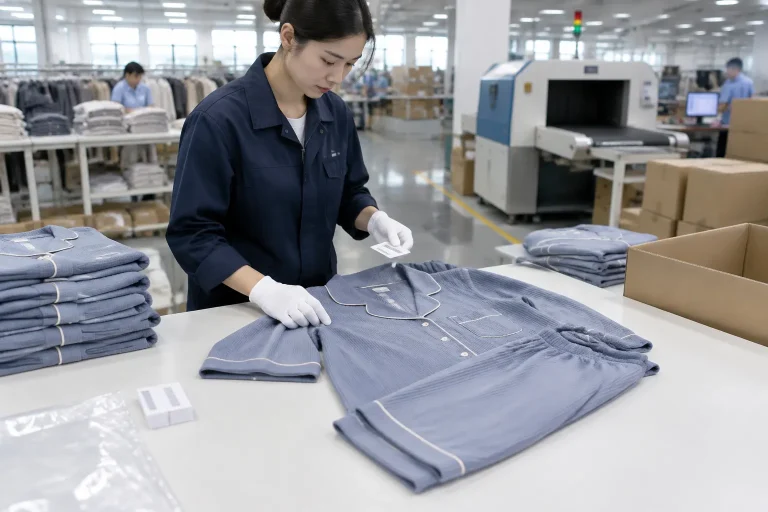
Strict quality control in apparel manufacturing means controlling the order before, during, and after production. It starts with an approved sample and measurable specifications, continues through fabric, cutting, sewing, decoration, and measurement checks, and finishes with final inspection and packing verification.
Final inspection matters, but it is the last gate, not the whole system. If the wrong fabric has been cut, a size grade was misunderstood, or a print position has already been repeated across the order, finding it at the final table is expensive and often too late to protect the delivery date.
For a buyer, the useful question is not "Does this factory have strict QC?" Nearly every supplier will say yes. The useful question is: "What does the factory check, against which reference, at what point, and what happens when an issue is found?" A supplier that can answer those points clearly is easier to manage than one that only promises high quality.
Strict apparel QC turns buyer requirements into checkpoints that production teams can use. The approved sample, size chart, fabric and trim references, artwork, label files, packing instruction, and defect priorities need to describe one production standard. The factory can then inspect against that standard instead of relying on memory or personal judgment.
| Weak supplier statement | Buyer-ready QC evidence |
|---|---|
| "We have strict QC." | The supplier names pre-production, inline, measurement, finishing, final, and packing checks. |
| "We follow the size chart." | The supplier confirms key points of measure, tolerance, size-set review, and who records exceptions. |
| "Fabric is checked." | The supplier explains the checks for composition, GSM, shade, surface defects, hand feel, and trim matching. |
| "We inspect before shipping." | The supplier explains what is checked before cutting and during sewing, not only at the end. |
| "We can meet AQL." | The buyer and factory agree the inspection level, defect definitions, and shipment-release process before bulk starts. |
The exact sequence varies by product. A simple blank T-shirt has different risks from a washed hoodie, a zip-up with custom hardware, or a loungewear set with several labels and colorways. The principle stays the same: identify the risk early enough to correct it without spreading the problem through the whole order.
The pre-production stage is where the factory and buyer decide what "correct" means. A sample may look acceptable in a photo but still leave important questions open: which measurements are critical, whether substitutions are allowed, how a logo is located, or which shade and packing details are approved. Those gaps create inconsistent decisions on the production floor.

An approved sample is the physical benchmark, but it should be supported by written information. For example, a hoodie sample can show the desired silhouette while the size chart confirms chest width and body length tolerance. Artwork confirms the print size and distance from a seam. The packing instruction confirms the correct label, polybag, carton mark, and size ratio.
Before a factory releases an order to cutting, a buyer should make the following points clear:
For a factory, this preparation is not paperwork for its own sake. It reduces rework. If the buyer changes the fabric, cuff width, label placement, or packing method after the line has begun, cost and lead time can move quickly. A clear sample development process is therefore one of the first controls in a reliable bulk program.
Inline inspection is where strict QC becomes practical. A final inspector can find defects, but an inline checker can stop a repeated error while the line is still making the style. That difference matters for pocket placement, seam puckering, skipped stitches, shade mixing, wrong labels, uneven rib attachment, and off-position decoration.
| Production stage | Typical factory check | Buyer risk reduced |
|---|---|---|
| Incoming materials | Fabric shade, defects, weight, trims, labels, and accessories against the approved reference | Wrong material, missing components, color mismatch |
| Cutting | Pattern alignment, fabric direction, panel matching, size markers, and cut accuracy | Twisting, mismatched panels, wrong size components |
| Inline sewing | Stitch quality, seam balance, shape, pocket/zipper position, loose threads, and repeat defects | A workmanship error spreading through the order |
| Decoration and finishing | Print or embroidery position, color, cleanliness, washing, pressing, and thread trimming | Branding errors and surface-quality complaints |
| Measurement review | Key points of measure across the size set and throughout production | Fit inconsistency and returns caused by size drift |
| Final and packing inspection | Overall appearance, labels, quantity, folding, barcodes, cartons, and shipping marks | Unsellable units or warehouse receiving errors |
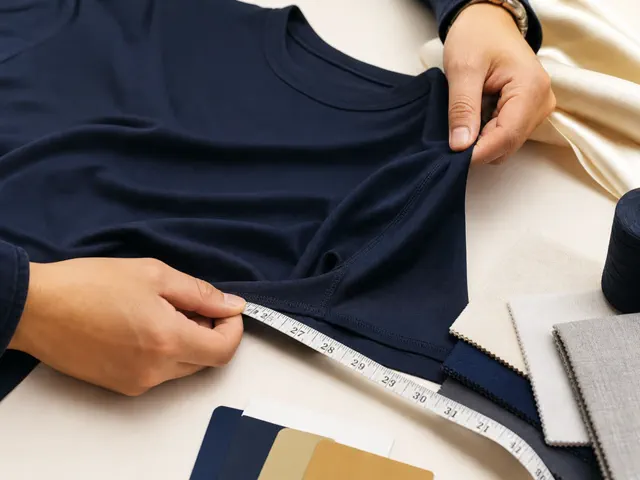
The measurement check should never be based only on an inspector's eye. A practical apparel inspection uses a size chart, defined points of measure, a stated tolerance, and enough samples across sizes to spot grading or sewing drift. For a T-shirt, the priority may be chest, body length, shoulder, and sleeve opening. For a hoodie, it may also include hood opening, rib dimensions, sleeve length, and pocket position.
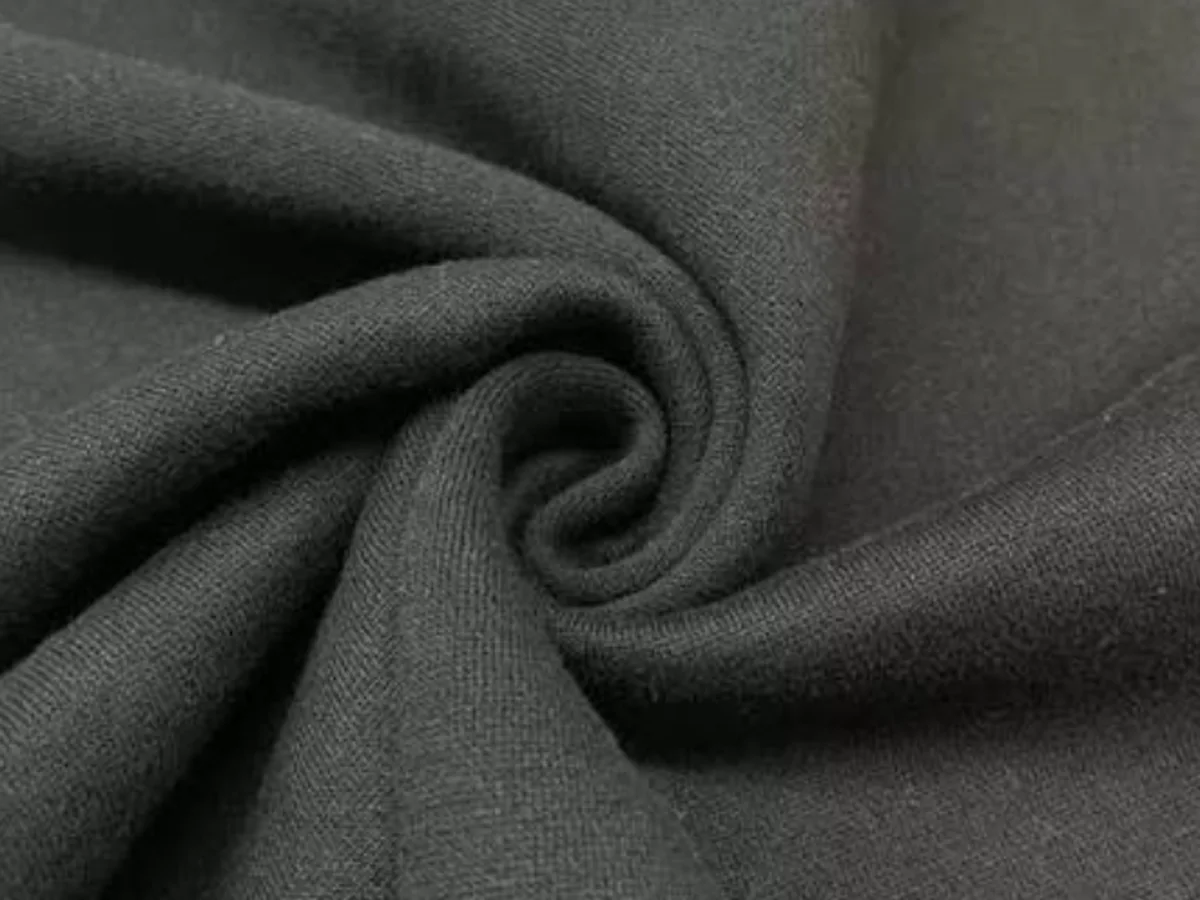
Material control deserves the same level of attention. GSM alone does not define fabric quality. A factory should consider composition, knit construction, shade consistency, surface condition, shrinkage risk, and the actual hand feel compared with the approved sample. For fleece and casual knitwear, fabric direction also affects pilling, rib recovery, and how the garment behaves after washing.
AQL, or Acceptable Quality Limit, is a sampling method used to decide whether a finished lot meets an agreed defect threshold. It is helpful because it gives the buyer, factory, and third-party inspector a common decision framework. It is not a substitute for process control.
The buyer should agree the inspection plan before production, including the lot definition, inspection level, defect categories, and what happens if the result fails. AQL cannot repair a fabric choice that was never approved or a construction detail that was misunderstood at the sample stage.
| Defect category | Apparel examples | Why it needs clear treatment |
|---|---|---|
| Critical | Safety hazard, sharp object, serious labeling or compliance failure | Can create safety, legal, or retailer rejection risk; usually treated with zero tolerance. |
| Major | Open seam, broken zipper, wrong size label, measurement outside agreed tolerance, wrong fabric, visible stain | Affects use, saleability, customer satisfaction, or brand presentation. |
| Minor | Small removable loose thread, slight press mark, or minor label alignment issue within the buyer standard | Cosmetic; acceptable treatment depends on the brand and sales channel. |
For example, a slight wrinkle may be acceptable on a basic wholesale T-shirt but not on a premium boxed garment. The factory cannot make that decision reliably without a buyer standard. If a third-party inspection is required, provide the AQL level and defect list before the order is near completion, not when the inspector is booked.
No. Final inspection is essential, but it has limits. It can identify visible workmanship, measurements, labels, packing, and quantity issues in the sampled units. It cannot economically undo an upstream choice that affected the whole lot.
If a buyer has approved the wrong color standard, a fabric has excessive shrinkage after washing, or the size grade was set incorrectly, final inspection may reveal the problem but not give the factory enough time or material to fix it. This is why a layered process works better:
This structure also protects lead time. A defect found after 30 pieces can often be corrected within the line. The same defect found after 3,000 pieces can require sorting, rework, replacement material, delayed shipment, or a commercial compromise.
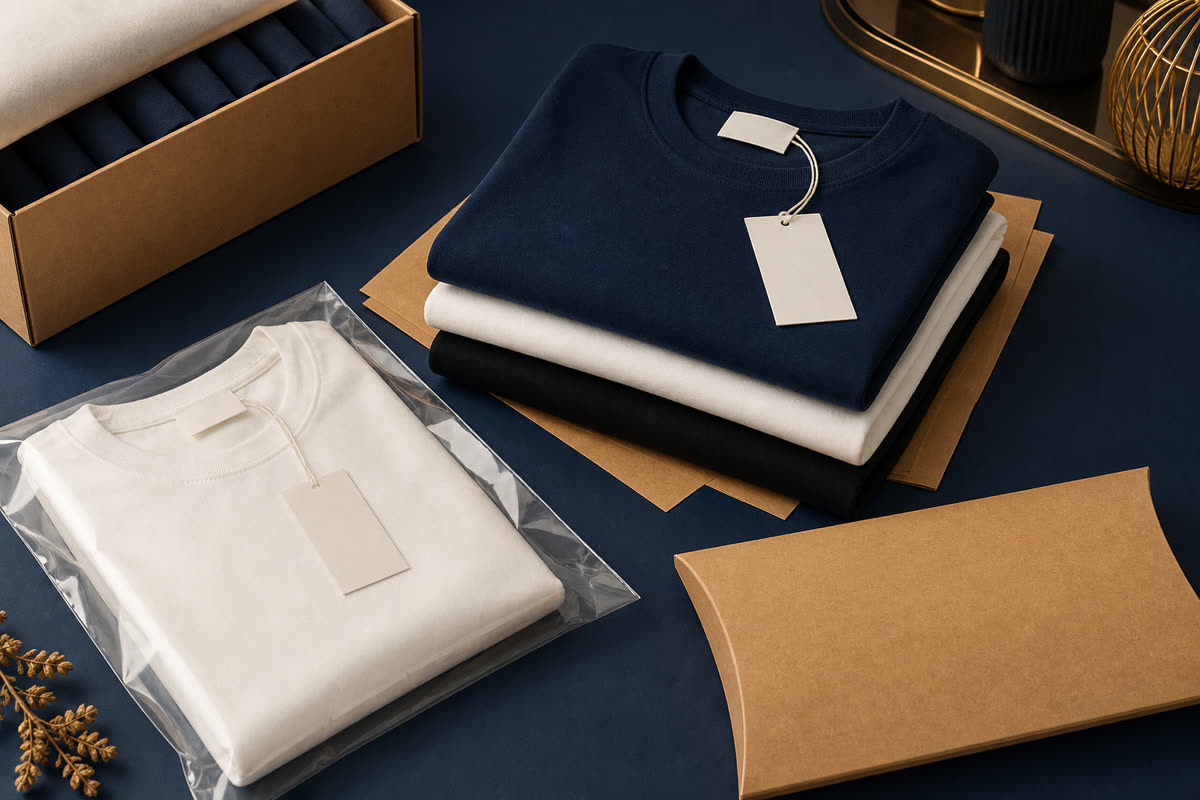
The factory can quote and control an order more accurately when the RFQ includes quality information, not only a product photo and total quantity. Incomplete inputs create assumptions. Assumptions create disputes later.
| RFQ item | What the factory needs | Why it improves QC |
|---|---|---|
| Product reference | Tech pack, clear photos, reference garment, or sketch | Establishes construction and visual expectations. |
| Fabric direction | Composition, GSM, color, hand feel, stretch, wash, and testing expectations | Prevents material choices that do not match the target product. |
| Size information | Size range, grading, key points of measure, and tolerance | Makes measurement checks repeatable. |
| Decoration details | Print or embroidery file, method, placement, size, and color | Prevents incorrect artwork, position, or finish. |
| Trims and branding | Neck label, care label, hangtag, zipper, drawcord, packaging, and barcode details | Protects product function and retail presentation. |
| Quantity and timing | Units by style, color, and size; sample and delivery deadlines | Helps the factory plan material, line capacity, and inspection timing. |
| Inspection requirement | Defect priorities, buyer manual, AQL plan, and third-party inspection requirement | Aligns pass/fail logic before the goods are finished. |
MOQ and lead time affect quality planning too. A low-MOQ program with many colors, custom fabric, several trims, and complex decoration has more setup and approval points than a single-color basic order. That does not make small orders impossible. It means the buyer should simplify the first run where possible and freeze important decisions before production begins.
For Hengcheng apparel projects, QC should connect the sample, buyer specification, production process, and final handoff. The relevant checks for T-shirts, hoodies, sweatshirts, and loungewear often include fabric hand feel and color, measurement consistency, stitching, rib recovery, print or embroidery placement, labels, and packing. The right priority depends on the product and target market.
The practical factory-side review is straightforward: can the approved sample be repeated at the planned quantity, with the selected material and trim supply, inside the expected lead time? If the answer is uncertain, it is better to clarify the risk before bulk production than to call it a final-inspection issue later.
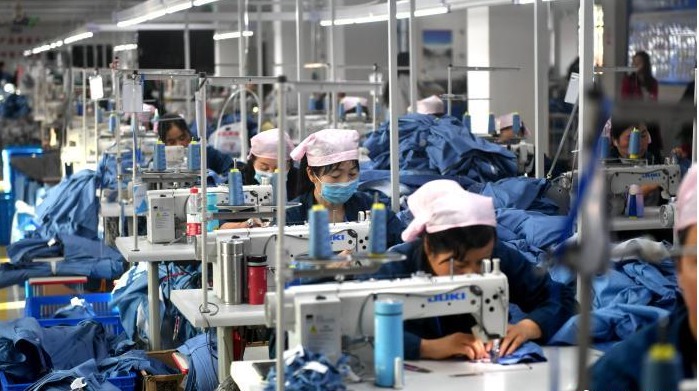
Buyers with a retailer manual, a prior defect report, or a third-party inspection requirement should share it early. Hengcheng can review those requirements during sample and production planning rather than treating them as a surprise at shipment. This is especially useful for private-label orders where labels, pack ratios, barcodes, and presentation details can be as important as sewing quality.
A strict QC process is defined by the response to a failure, not only by the checklist. The factory should isolate the affected goods or materials, identify whether the issue is contained or repeated, agree the corrective action, and recheck the result before the order moves forward. A buyer should not accept a vague promise to "pay more attention" when the same issue could already exist across the lot.
| QC finding | Immediate factory action | Buyer release decision |
|---|---|---|
| Material, color, or trim does not match the approved reference | Hold the material; compare against the approved swatch or sample; confirm whether replacement is available | Do not release to cutting until the match or an approved written change is confirmed |
| Repeated sewing, measurement, or decoration defect | Stop the affected operation; separate checked and unchecked units; correct the process setting or operator method | Review the corrective sample and require a focused reinspection before production resumes |
| Size set falls outside tolerance | Check the pattern, cutting markers, sewing allowance, and pressing method; measure across relevant sizes | Approve a correction only after the adjusted size set meets the agreed measurement standard |
| Packing, label, barcode, or carton-mark error | Quarantine the affected packing stage; verify the current file against the buyer instruction | Recheck the final packing sample before shipment release, especially for retailer orders |
| Final inspection failure | Define the affected scope, rework or replace where feasible, then reinspect against the same agreed standard | Decide on shipment only after the agreed reinspection outcome is documented |
The useful record is short but specific: what failed, how many units or rolls may be affected, the root cause, the correction, who approved it, and whether a reinspection passed. This gives the buyer a production decision rather than a verbal reassurance. It also stops a small nonconformity from becoming an undocumented material or construction change in a later reorder.
It means the factory controls quality across the full order: sample and specification alignment, material checks, cutting, inline sewing, measurement, decoration, final inspection, labels, and packing. It is a process, not only a final inspection.
A useful checklist covers fabric and shade, measurements, stitching, construction, trims, decoration, labels, packing, carton marks, quantity, and the buyer's defined defect priorities. The exact points should fit the product category and target market.
AQL is an agreed sampling method for judging whether a lot meets defined defect limits. The buyer, factory, and any third-party inspector should agree the inspection plan and defect definitions before bulk production is completed.
No. Final inspection can catch many issues, but it cannot efficiently fix problems caused by the wrong fabric, unclear sample approval, incorrect grading, or repeated line errors. Inline and pre-production controls are necessary.
It can be useful for first orders, larger orders, retailer programs, or products with strict requirements. It works best as an additional final gate after the factory has already followed a clear internal QC process.
Provide the approved sample or reference, size chart and tolerance, fabric and trim details, artwork, label and packing instructions, quantity by color and size, timing, and inspection requirements. Specific inputs give the factory a standard it can actually control.
It can add complexity when a small order is split across many colors, sizes, fabrics, labels, or decoration methods. A clear sample and simpler first-order structure help the factory control those risks without treating quality as an afterthought.
A factory should not substitute a fabric, trim, label, or packing material without written buyer approval. If the original item is unavailable or performs differently in bulk, the supplier should identify the impact on appearance, cost, lead time, and quality before offering a revised sample or option.
This guide is based on practical garment manufacturing workflow and buyer-facing quality-control requirements. Useful external references include Tetra Inspection's textile inspection checklist, the ISO 2859-1 sampling procedures overview, Hengcheng's quality control process, and its sample development process.
If you are preparing an OEM or private-label apparel order, send your product reference, fabric direction, quantity, size information, decoration details, and quality requirements through Hengcheng's contact page. A factory can make a more reliable sample, quote, and QC plan when the production standard is clear from the beginning.