Address
JINKE Technology Industrial Park, No. 3188 ChunYuan Road, Weifang City, Shandong Province, China
Work Hours
Monday to Friday: 7AM - 7PM
Weekend: 10AM - 5PM
Address
JINKE Technology Industrial Park, No. 3188 ChunYuan Road, Weifang City, Shandong Province, China
Work Hours
Monday to Friday: 7AM - 7PM
Weekend: 10AM - 5PM

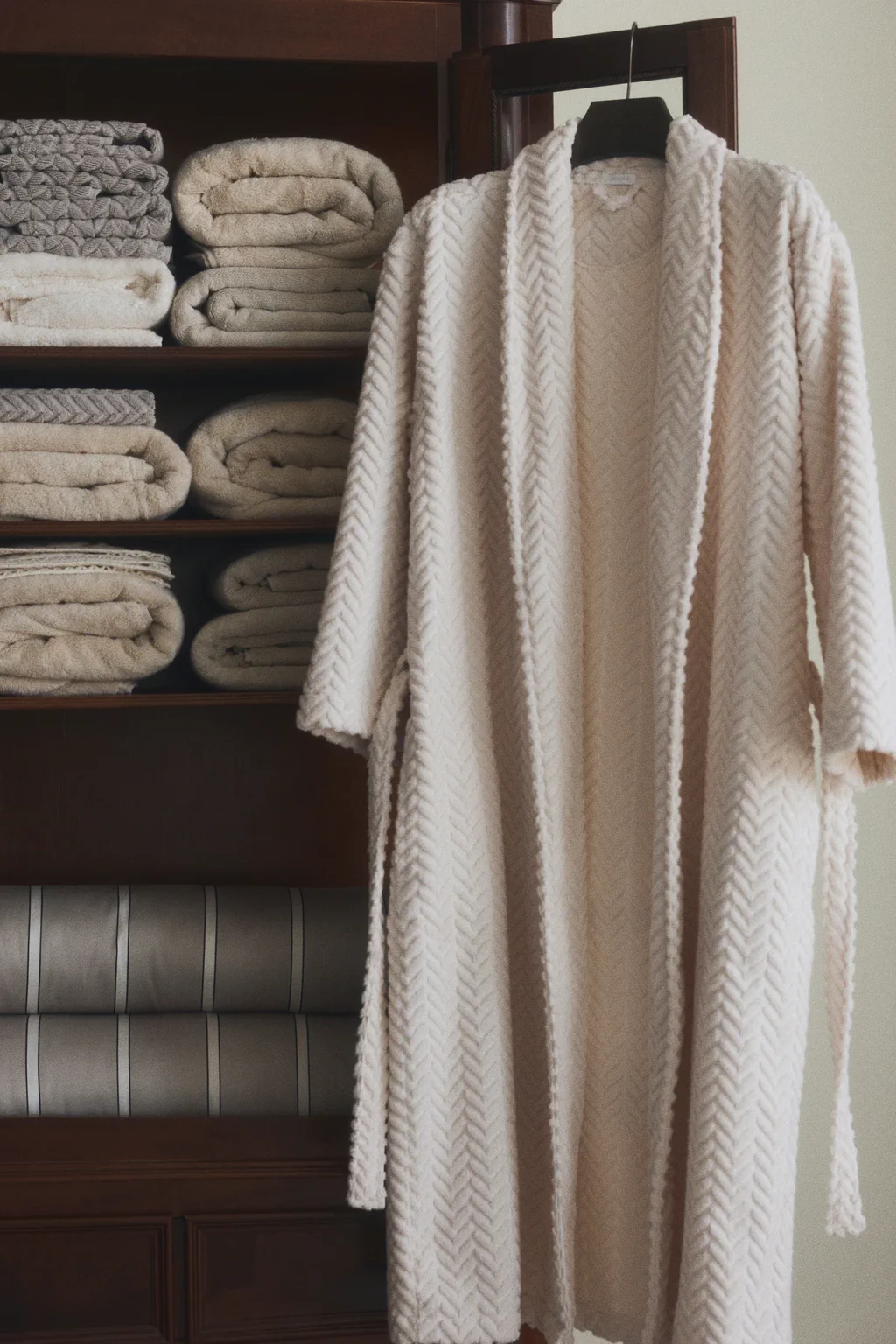
Choosing a robe fabric is a product-positioning and operating decision, not just a hand-feel preference. Terry, waffle and coral fleece can all work in the right program, but they do not deliver the same use experience. Terry is commonly considered for absorbency-oriented bath and hospitality robes, waffle for lighter textured spa or resort robes, and coral fleece for warm homewear. The actual result depends on the selected fabric construction, weight, finishing, garment design and care routine.
For a brand or sourcing team, start by defining where and how the robe will be used. A hotel robe may be washed and replenished differently from a direct-to-consumer winter robe. A spa may value lightness and easy movement, while a gifting line may put more weight on softness, appearance and packaging. Once the use case is clear, the factory can help compare material directions, build a sample plan and identify what needs to be checked before bulk production.
| Buyer priority | Terry | Waffle | Coral fleece |
|---|---|---|---|
| Absorbency-led bath use | Often the first route to review; verify loop structure and performance on the selected fabric | Not an automatic substitute for a towel-like robe; confirm the intended use | Usually a warmth and softness direction, not an absorbency-led choice |
| Lightweight spa or resort use | Can feel substantial; weight and drying expectations matter | Often a useful lightweight, textured direction | Can feel warm and bulky for this positioning; assess the actual hand feel |
| Cold-weather homewear | Possible, depending on weight and finish | A lighter layer rather than a plush insulation direction | Often considered for warmth and a soft surface |
| Main development risk | Weight, loop quality, linting, wash change and drying expectations | Waffle scale, snagging, dimensional change and seam behavior | Pile appearance, shedding, seam bulk, static and wash behavior |
The table is a starting point, not a performance guarantee. “Terry,” “waffle” and “coral fleece” name broad fabric directions. They do not specify fiber content, weight, finishing, test results or the finished robe’s performance. Those details need to be agreed for the actual program.
Match the fabric to the customer’s use, then verify the choice on a garment sample. Do not treat softness, absorbency, warmth and drying speed as interchangeable claims. They are different product requirements and can pull the material selection in different directions.
Terry loop construction is commonly considered when the robe is expected to support an absorbency-oriented bath or hospitality experience. Buyers should review the fabric’s fiber content, weight, loop character, finishing and care behavior rather than assuming that every terry robe will perform alike. A heavier option may create a more substantial feel, but it can also affect material consumption, shipping weight, drying expectations and the way the robe hangs.
For repeated-use programs, define how the robe will be laundered and what appearance should be maintained. The buyer and factory can then agree which measurements, surface changes, shade points and construction areas deserve sample-stage attention. If the robe is for a hotel, also consider the room’s climate, storage, replenishment and the user’s time wearing it, not only the first impression at handover.
Waffle fabrics offer a distinct surface and are often considered for lighter spa, resort or homewear directions. The visual texture can help a robe feel relaxed and less heavy, but buyers should check the scale and definition of the texture on the chosen fabric. Construction, finishing and laundering may affect how that texture looks over time.
Ask for the proposed fabric and finished robe to be reviewed together. Check whether the robe provides the intended coverage, whether the belt and pockets work with the fabric’s weight, and whether the selected size range remains balanced after washing. If the garment is meant for use after bathing, confirm the intended absorbency expectation instead of inferring it from the word “waffle.”
Coral fleece is generally positioned as a soft, warm homewear route. It may suit winter lounging or a cozy gifting program, but its pile, bulk and warmth can be a poor match for a lightweight spa brief. The buyer should check the face and reverse, pile consistency, hand feel, shedding or surface change, seam bulk and static behavior as relevant to the product.
For a robe with a collar, belt, cuffs or patch pockets, the material’s thickness affects pattern and sewing decisions. Ask the factory to show those details on the sample rather than judging a small fabric swatch alone. The sample should also reflect the intended color, because pile appearance and perceived shade can vary with direction and lighting.
There is no reliable universal price ranking for these three options. Cost depends on fiber and construction, fabric weight, finishing, color, available stock, order quantity, garment details, decoration and packing. A heavier robe uses more material per piece and can add shipping weight; a plush fabric may require different handling than a flatter woven surface. A custom color or non-stock construction can change sourcing assumptions for any route.
| Cost or production factor | What to clarify with the factory | Why it matters |
|---|---|---|
| Fabric specification | Fiber content, construction, weight, width, finish and target hand feel | Similar fabric names can describe different materials and cost bases |
| Stock versus custom material | Available colors and quantities, or custom dye/finish requirements | Availability can affect MOQ, lead time and shade planning |
| Robe design | Length, collar, sleeve, belt, loops, pockets, piping and embroidery | Details change consumption, sewing time and sample work |
| Size range and order split | Quantity by style, colorway and size | A total quantity alone may hide a difficult size or color mix |
| Packaging and delivery | Individual pack, sets, carton plan and destination | Bulk and freight assumptions should match the real shipment plan |
Treat MOQ and lead time as project-specific. A factory can usually review an early concept, but a final quotation needs the material direction, construction, colorways, quantity split, decoration and packing assumptions. If the brief is incomplete, ask for a conditional estimate and have the assumptions written down. Do not compare two quotes as equivalent if one includes stock fabric and standard packing while the other assumes custom color, embroidery or a different delivery scope.
Use the sample to resolve the questions that carry the most product risk. Review the finished robe in its intended use, not just the fabric swatch or a studio photo. Decide whether the sample is for fabric and hand-feel approval, fit and construction approval, or a pre-production reference; those are different approval purposes.
For the material and surface, agree relevant checks such as appearance after the buyer’s intended wash and drying method, dimensional change, surface condition and shade consistency. The appropriate test method and acceptance criteria should be set by the buyer, brand compliance owner or testing provider when a formal requirement applies. A general statement like “wash resistant” is not a measurable approval standard.
On the garment, review:
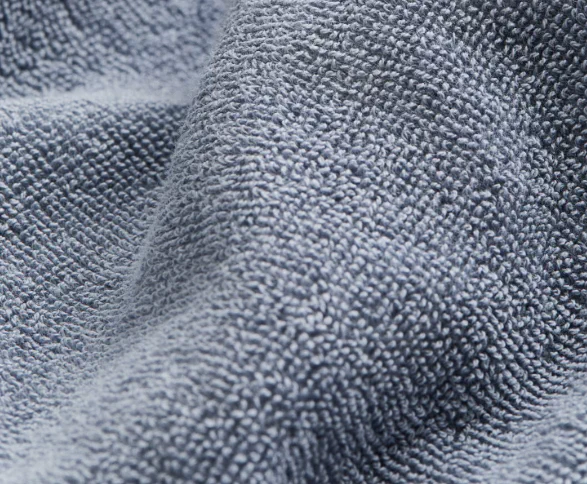
Record comments against the sample and specification. If a sample fails because the fabric route is wrong, changing the pattern alone will not solve it. If the material is right but a belt loop or pocket needs reinforcement, record that as a construction correction and verify it on the next sample.
Quality control should reflect the selected fabric and the robe’s use. A generic final inspection can catch visible defects, but it cannot replace clear material, measurement and workmanship standards agreed before bulk cutting.
| Fabric route | Points to review before bulk | Useful production reference |
|---|---|---|
| Terry | Loop consistency, pulled loops, lint or surface concerns, shade, weight and wash change | Approved fabric swatch plus garment sample and agreed measurement points |
| Waffle | Texture scale and direction, snagging, seam appearance, dimensional change and shade | Approved texture/face reference and finished-garment sample |
| Coral fleece | Pile direction and consistency, shedding or surface change, seam bulk, static and shade | Approved face/reverse reference, construction sample and care expectation |
Across all three routes, confirm fabric lot and shade before cutting, keep trim and thread references with the approved standard, and check critical construction consistently. Where the order has multiple sizes or colorways, define how measurements and shade are sampled for inspection. For a hotel or spa program, also confirm whether replenishment orders must match an earlier lot closely and what variation the buyer can accept.
A useful RFQ lets the factory distinguish fixed requirements from open design decisions. Send as much of the following as is available, and label estimates as estimates:
If a detail is undecided, include the decision owner and the date it must be frozen. That gives the factory a chance to explain which choices affect fabric availability, sampling, cost or the production calendar before the buyer commits to a launch plan.
Before bulk starts, make one approved reference set available to the production and quality teams: the signed or otherwise confirmed sample, fabric and shade reference, measurement chart and tolerances, construction notes, logo artwork, label information and packing instructions. Record any approved deviations clearly so inspection does not rely on memory or an old sample.
During production, review material condition before cutting and inspect workmanship while there is still time to correct a process. At final inspection, compare the finished goods with the same approved references used to release the order. If the buyer uses an external inspection provider, share the applicable specification and acceptance criteria in advance; the factory should not guess which standard or sampling plan is intended.
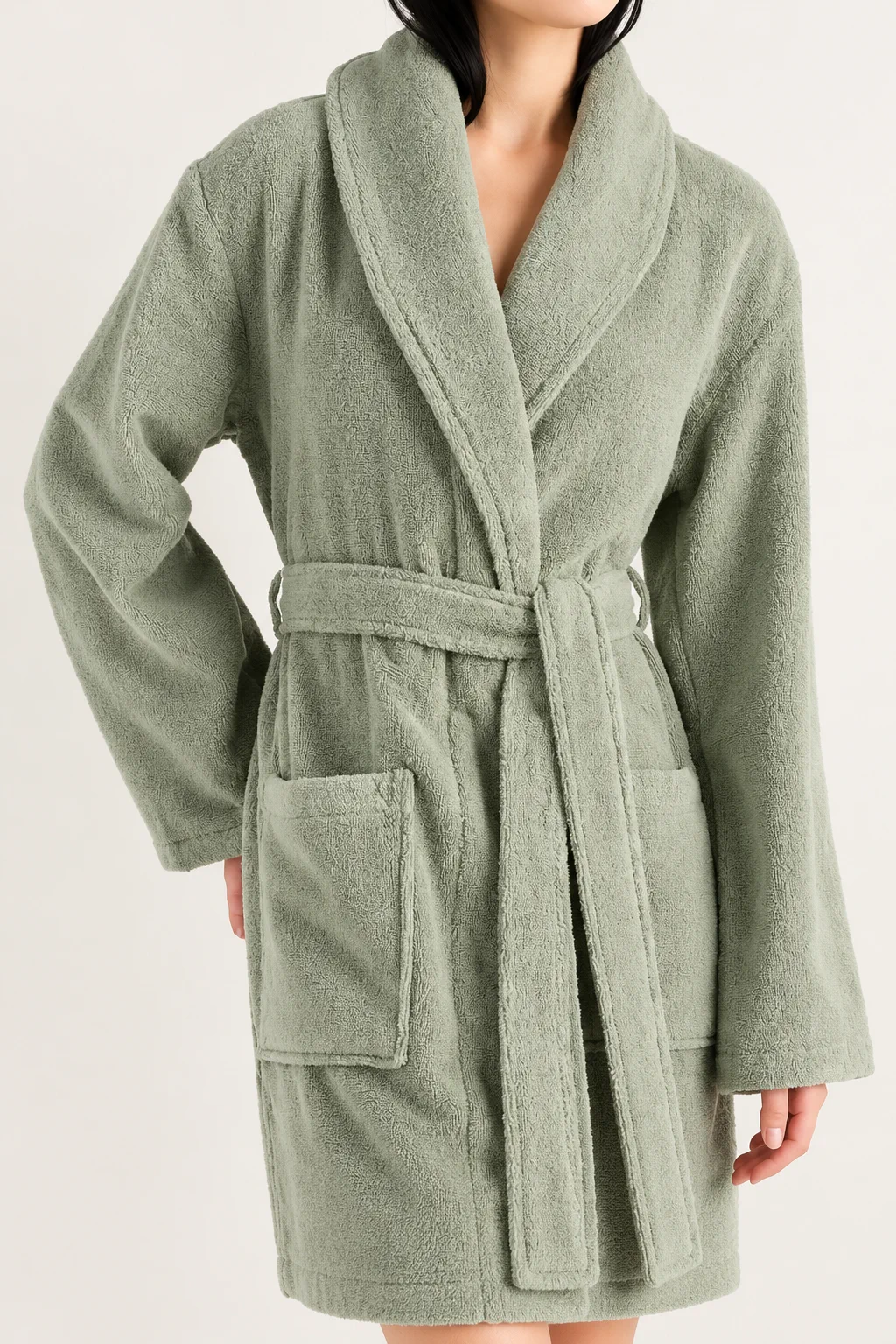
This handoff matters especially when fabric texture affects appearance. A terry loop, waffle grid or fleece pile may look different under different light or when brushed in another direction. An agreed reference, consistent inspection conditions and clear tolerances reduce avoidable disagreement between buyer and factory.
From a China OEM and private-label factory perspective, Hengcheng would first clarify the robe’s end use, target customer, material direction, weight or hand-feel preference, construction, size range, quantity split, colorways and delivery market. The team can then identify whether an available material is a reasonable starting point or whether custom sourcing needs to be reviewed, and which sample checks should be agreed before production.
Any cost, MOQ and timing estimate should stay conditional until the material, garment details and order plan are clear. For a project review, send a reference style or tech pack, the intended use, target quantity and requested delivery window through the contact page. Buyers can also review Hengcheng’s sleepwear and pajama manufacturing page, sample development process and quality-control process.
No. Terry is commonly considered for absorbency-oriented programs, but the right choice depends on the hotel’s use case, guest expectation, laundering, weight, drying and budget. Confirm the selected fabric and finished robe against the buyer’s actual requirements.
Do not infer absorbency from the waffle texture. Define the intended use and performance expectation, then evaluate the actual fiber, construction and finished garment. A lighter spa robe and an after-bath robe may need different material priorities.
It can be considered when warmth and a soft homewear feel fit the brief, but it may not suit a lightweight or absorbency-led use. Review pile, bulk, care, laundering and the expected wearing environment before choosing it.
There is no dependable answer from the fabric name alone. Fiber, weight, finish, stock availability, color, quantity, robe construction, decoration and packaging all affect cost. Request a like-for-like comparison using the same specification and order assumptions.
MOQ may depend on whether the selected material and color are available from stock or require custom sourcing or dyeing. Style count, colorways and quantity split also matter. A factory needs the material direction and order plan to assess the project; a generic MOQ figure may not apply.
Review fit, coverage, hand feel, weight, construction and appearance. Agree any wash, dimensional-change, surface or performance checks with the buyer’s technical or compliance owner, using a defined method and acceptance criteria where formal testing is required.
Sometimes a shared fabric can serve multiple products, but do not assume it will meet both briefs equally well. Compare the desired weight, warmth, absorbency, care and customer experience, then approve each finished style for its intended use.
Provide the end use, fabric specification or reference, robe design, size range, colorways, quantity by size, branding, labels, packing, target market and delivery date. If an item is undecided, identify it as an open assumption so the quote can state what it includes.
This buyer guide is based on factory-side material selection and product-development considerations. Performance claims, market requirements and formal test criteria should be confirmed by the buyer’s technical team or qualified testing provider for the destination market and intended product.