Address
JINKE Technology Industrial Park, No. 3188 ChunYuan Road, Weifang City, Shandong Province, China
Work Hours
Monday to Friday: 7AM - 7PM
Weekend: 10AM - 5PM
Address
JINKE Technology Industrial Park, No. 3188 ChunYuan Road, Weifang City, Shandong Province, China
Work Hours
Monday to Friday: 7AM - 7PM
Weekend: 10AM - 5PM
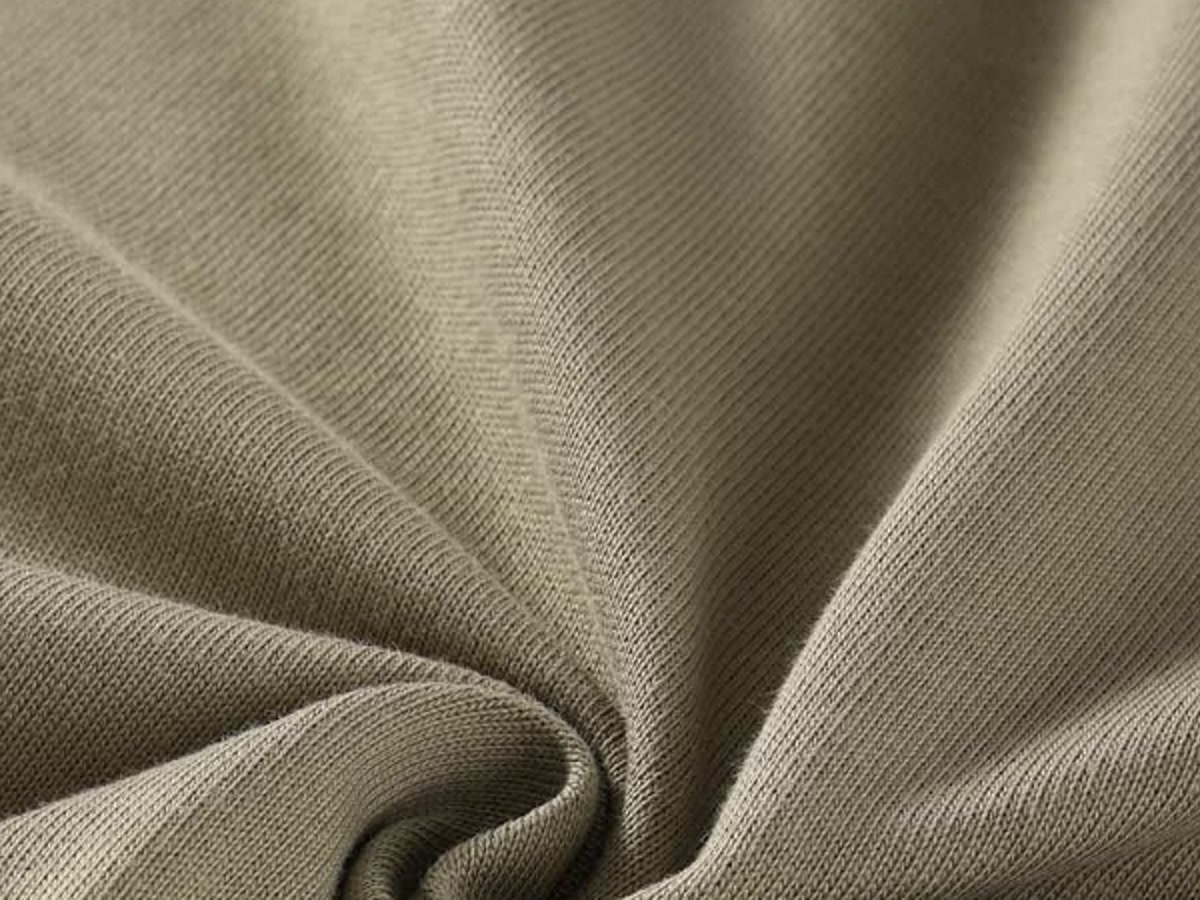
A practical buyer guide to choosing cotton jersey, CVC, rib knit, interlock and pique for OEM or private-label T-shirts by fit, GSM, hand feel, production risk and quotation needs.
A fabric name alone is not enough to define a custom T-shirt. “100% cotton” can mean a light summer jersey, a dense oversized tee, a fitted rib top, a clean interlock long sleeve or a textured polo fabric. These garments can look close in a reference image but differ substantially in hand feel, fit, transparency, recovery, shrinkage risk, decoration suitability and cost.
For an OEM or private-label T-shirt program, fabric should be decided before the quotation is treated as final. This guide explains how buyers can compare cotton jersey, CVC, rib knit, interlock and piqué from a product-development perspective—not simply by fabric name.
The most useful question is not “Which fabric is best?” It is “What should this product feel and perform like for the end customer?” A basic crew-neck tee, a fitted women’s crop top, an oversized graphic tee and a polo shirt should not be briefed in the same way.
| Product direction | Useful starting fabric direction | What the buyer should decide next |
|---|---|---|
| Everyday crew-neck basic | Cotton jersey | GSM, opacity, softness, shrinkage and price position |
| Oversized or streetwear tee | Midweight or heavyweight cotton jersey | Body, drape, neck-rib balance and wash direction |
| Fitted tank, crop top or slim long sleeve | Rib knit or cotton-spandex jersey | Stretch, recovery, seam stability and size grading |
| Clean premium basic or kidswear top | Interlock knit | Weight, smoothness, opacity and target retail position |
| Polo or smart-casual collar top | Piqué knit | Collar, placket, cuff, buttons and shrinkage control |
This is why a reliable factory quotation normally starts with product use, silhouette and fabric target. The same composition can perform differently depending on knit structure, GSM, finishing and garment construction.
Fabric is one of the largest inputs in a knit garment. It affects both direct material cost and the work required to make the garment consistently. A more structured or heavier fabric can change consumption, cutting behavior, sewing settings, neckline construction, print choice, washing result and carton weight.
For this reason, “please quote a 100% cotton T-shirt” should be treated as an early estimate request, not a final production brief. A buyer who shares a target hand feel, approximate weight, reference garment and intended decoration gives the factory a much better basis for sampling and quotation.
Cotton jersey is the most common starting point for custom T-shirts because it is familiar, breathable and flexible across many product directions. It works for everyday crew-neck tees, graphic programs, promotional shirts and many private-label basics. However, “cotton jersey” is a category rather than a complete specification.
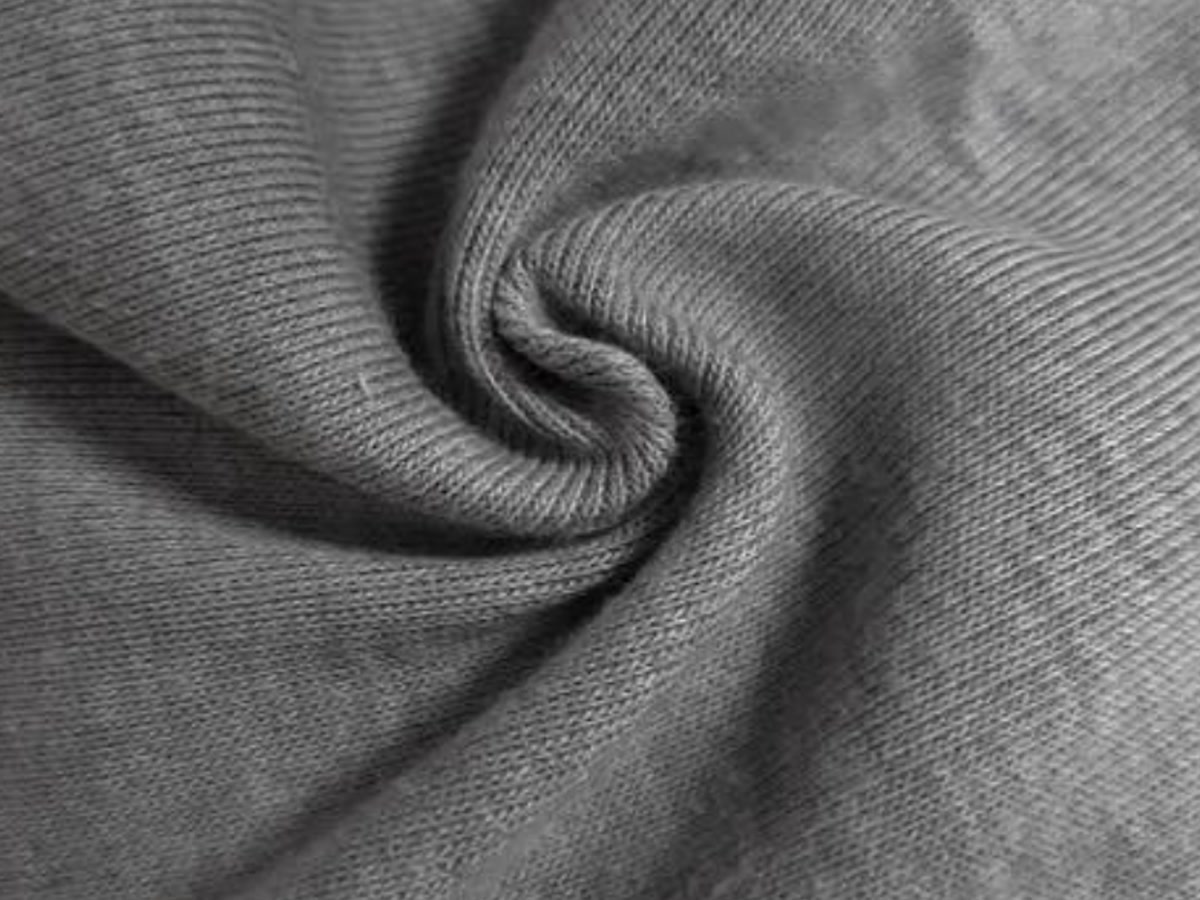
| Jersey direction | Often suitable for | Key watch point |
|---|---|---|
| Lightweight jersey | Summer basics and price-sensitive tees | Coverage, transparency and shape retention |
| Midweight jersey | Core private-label basics and graphic T-shirts | Shrinkage, print compatibility and repeat consistency |
| Heavy jersey | Oversized, premium or streetwear styles | Drape, neck-rib proportion and higher fabric consumption |
| Combed / premium cotton direction | Soft-hand elevated basics | GSM and finishing still need confirmation |
| CVC / cotton-poly jersey | Volume programs, uniforms and durability-led styles | Hand feel and customer expectation versus pure cotton |
For a graphic tee, the fabric should also be discussed with the decoration route. A large print, discharge-style effect, DTG image or heavy silicone detail can behave differently on different weights and finishes. It is better to align fabric and print during sampling than to solve hand-feel or adhesion concerns after production starts.
Rib knit has visible vertical texture and natural stretch. It is often used as a neck rib or cuff, but can also be the main body fabric for fitted tanks, cropped tops, slim T-shirts and close-to-body long sleeves. Its value is not simply appearance: it provides stretch and a body-hugging response that ordinary single jersey may not deliver.
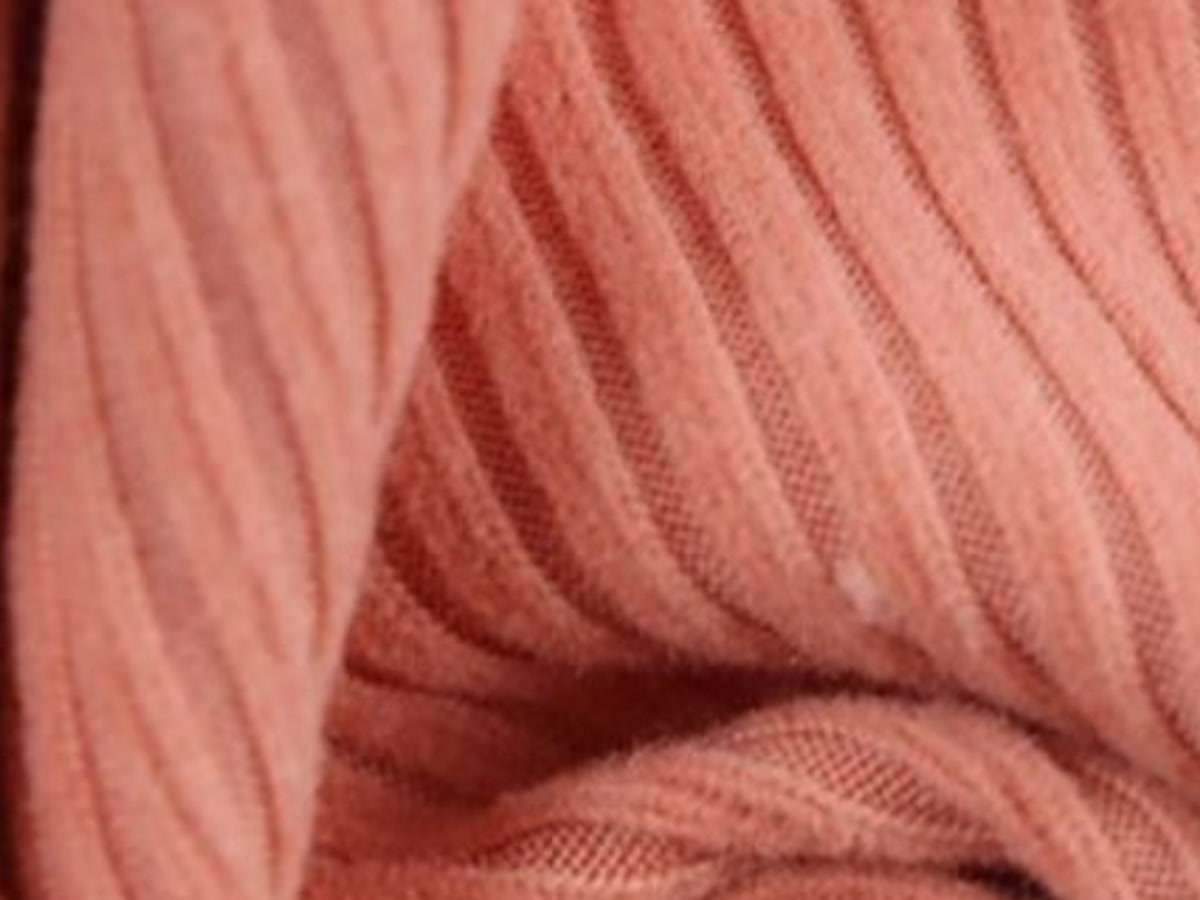
The important test for a rib program is recovery. A fabric can look attractive in an unwashed swatch, then grow, twist or lose shape after wear and laundering. For body-fit products, the factory and buyer should confirm:
Rib should not be chosen only because it looks “premium” or fashionable. It should be selected when its texture, stretch and recovery support the desired fit.
Interlock is a double-knit structure that is generally smoother, more stable and more substantial than a standard single jersey. It can be a useful option for brands wanting a cleaner surface, lower transparency risk, a more structured hand or a more polished basic. It can also suit selected kidswear, long-sleeve tops and premium casual programs.
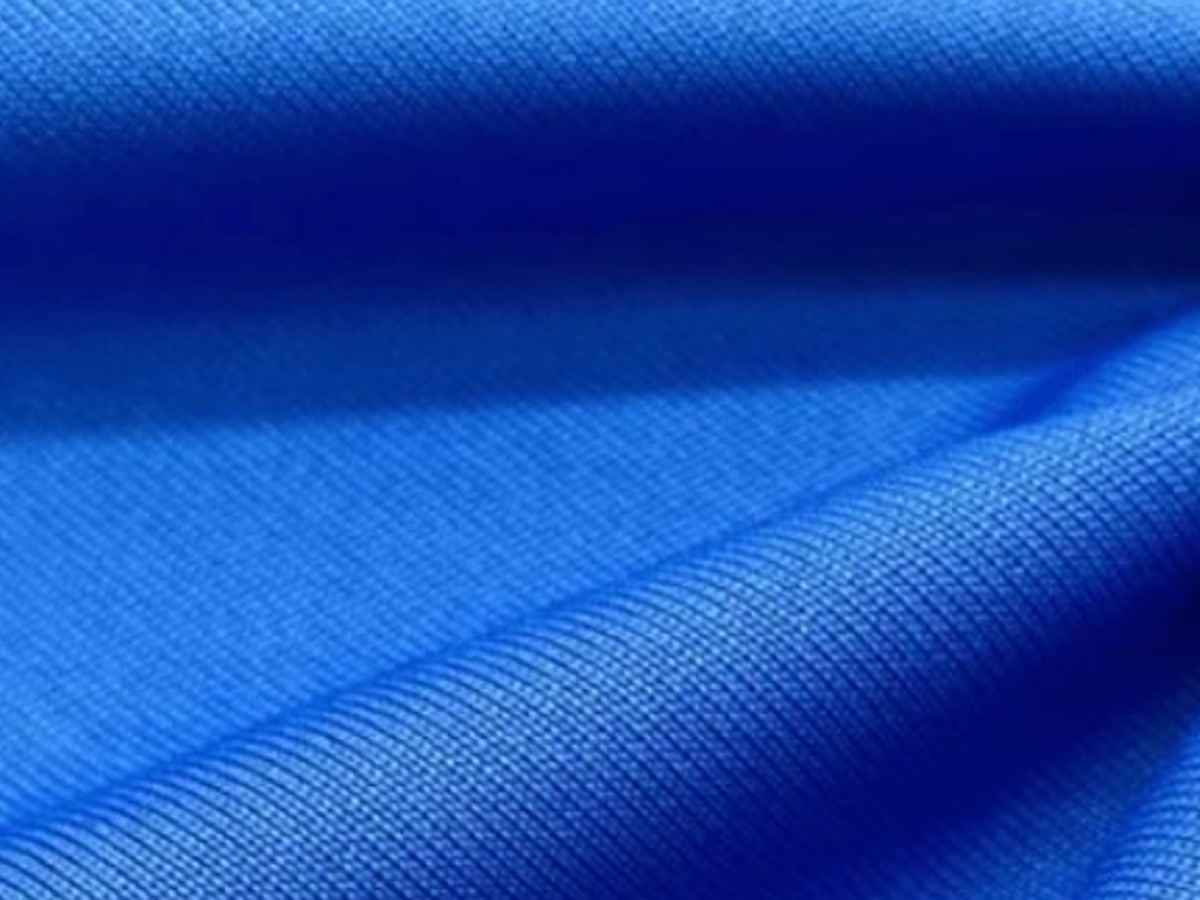
Interlock is not automatically “better” than jersey. It is a different tool. For a value-driven summer tee, its additional structure may be unnecessary. For a clean long sleeve or premium basic where surface smoothness and stability matter, it may be worth the extra development review.
Piqué has a textured knit surface that gives a garment more visual structure than ordinary jersey. It is commonly used for polo shirts, collar tops, uniforms and smart-casual styles because the texture supports a more polished, breathable appearance.
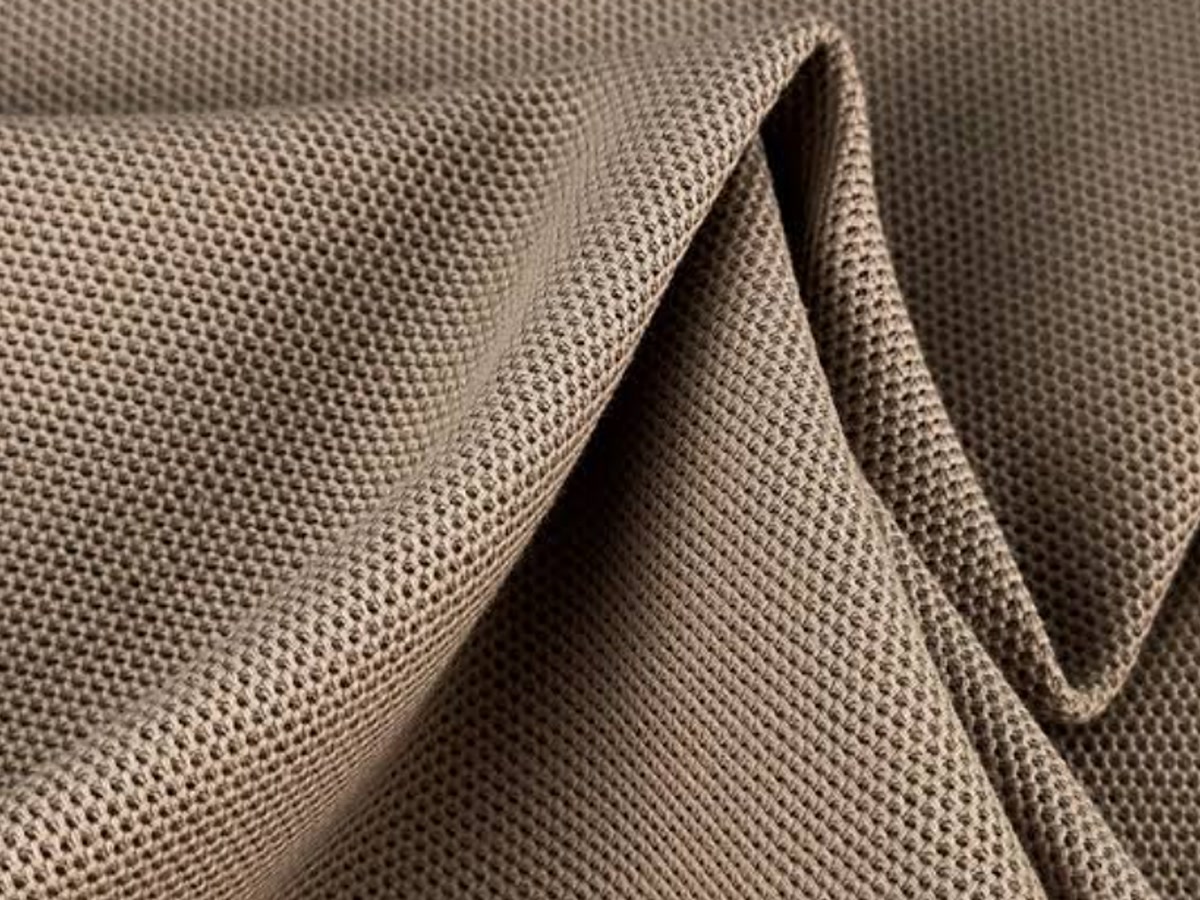
A piqué polo is a system rather than just a fabric choice. Before bulk quotation, buyers should align the body fabric with:
If these points are vague, a polo quotation may look simple but still carry avoidable sample revisions.
| Buyer priority | Likely fabric direction to review | Do not skip this check |
|---|---|---|
| Soft familiar basic tee | Cotton jersey | GSM, opacity and shrinkage |
| More durable or price-balanced volume tee | CVC / cotton-poly jersey | Hand feel and composition expectation |
| Stretchy fitted silhouette | Rib knit or cotton-spandex jersey | Recovery, seam stability and grading |
| Smooth, stable, less transparent top | Interlock | Weight, structure and target price position |
| Textured polo or collar-top program | Piqué | Collar/placket system and shrinkage |
The table is a development shortcut, not a substitute for sampling. A finished garment sample is still the best way to check whether fabric, fit and decoration work together.
Buyers do not need a laboratory specification to start a useful fabric conversation. But an RFQ should include enough direction that a factory does not have to guess.
Cotton jersey is the most common starting point. The correct choice still depends on weight, yarn quality, finishing, fit, price position and decoration plan.
Midweight or heavyweight cotton jersey is often reviewed for oversized silhouettes because it gives more body and a stronger drape. The target fit and wash effect should be sampled before final confirmation.
Rib knit or cotton-spandex jersey is often considered when a product needs stretch and recovery. The sample should be checked for opacity, seam stability, recovery and size grading.
Yes. Interlock can suit cleaner, smoother and more stable T-shirt or long-sleeve programs, especially where the buyer wants a more substantial or less transparent fabric direction.
Piqué gives a polo a textured and more structured surface. The final result also depends on collar, placket, cuff, buttons and shrinkage control.
The best fabric is the one that supports the intended garment, customer experience and commercial position. Select fabric as part of a system: product silhouette, GSM, knit structure, decoration, sample review and bulk control all need to work together.
For more fabric references and custom T-shirt development guidance, visit Hengcheng’s OEM and private-label T-shirt manufacturing page. When sending an inquiry, share your reference images, fabric direction, quantity and artwork details so the production team can review the right starting point for sampling and quotation.