Address
JINKE Technology Industrial Park, No. 3188 ChunYuan Road, Weifang City, Shandong Province, China
Work Hours
Monday to Friday: 7AM - 7PM
Weekend: 10AM - 5PM
Address
JINKE Technology Industrial Park, No. 3188 ChunYuan Road, Weifang City, Shandong Province, China
Work Hours
Monday to Friday: 7AM - 7PM
Weekend: 10AM - 5PM
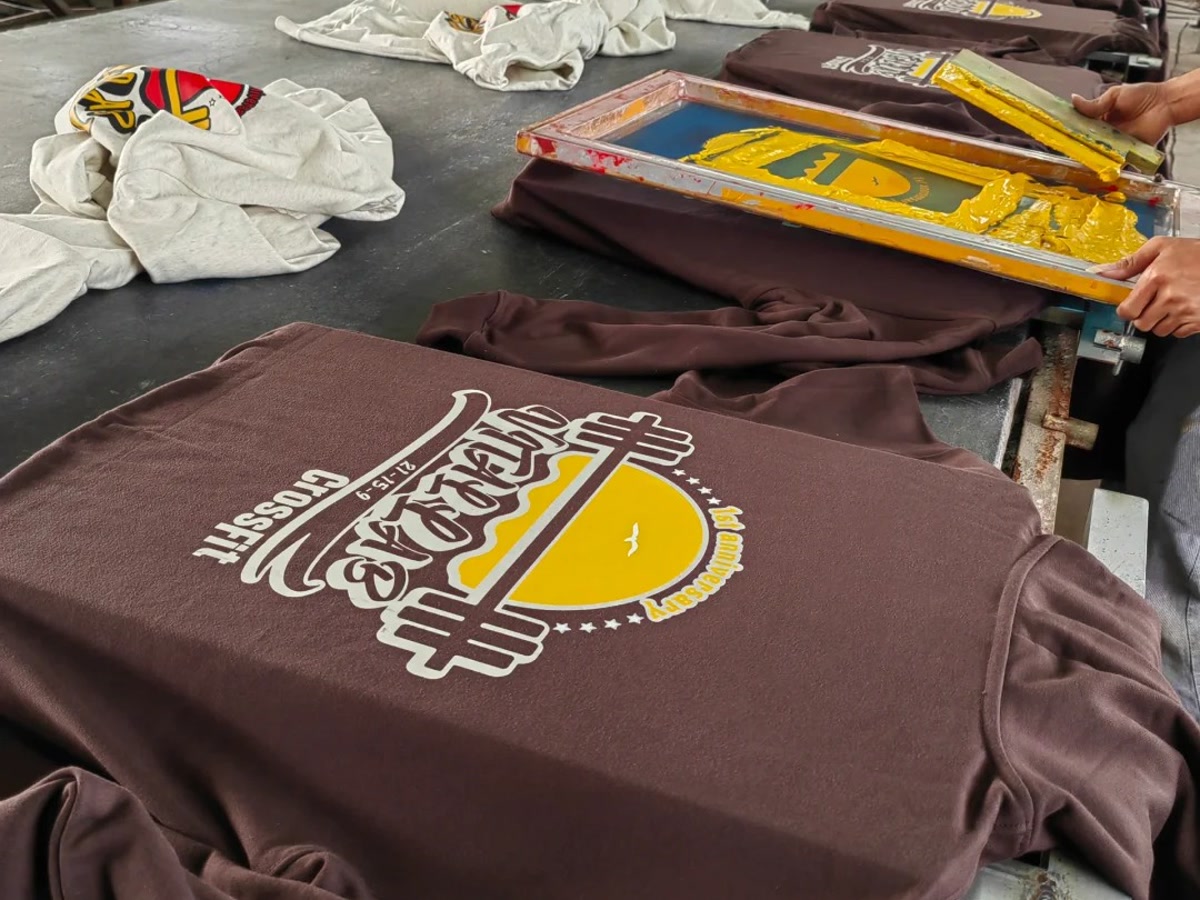
Compare screen print, DTG and DTF for T-shirt orders by quantity, artwork, fabric, hand feel, wash testing and bulk production risk.
Choosing a T-shirt printing method is not only a design decision. It is also a production decision. The same artwork can be cheap, expensive, durable, stiff, soft, easy or risky depending on whether you use screen printing, DTG, DTF or another decoration route.
This is where many brand-side conversations become confusing. A buyer may ask for "custom T-shirt printing," but the factory still needs to understand order quantity, artwork color, fabric composition, print size, hand-feel expectation, wash requirement and bulk consistency standard.
The short answer: choose screen printing for repeatable bulk T-shirt orders, especially when the artwork is stable and the quantity justifies setup; choose DTG for small runs or detailed artwork on suitable cotton-based garments; choose DTF when you need flexible full-color transfers across different fabrics or lower quantities, but still test hand feel and wash performance before bulk.
Order quantity changes the cost logic. Screen printing usually has setup work, so it becomes more efficient when the order is large enough. DTG and DTF are more flexible for small runs, samples or complex color artwork, but they may not always be the best choice for large repeat programs.
For a clothing brand, the question is not "Which method is best?" The better question is: "Which method fits this artwork, this fabric, this quantity and this customer expectation?"
A practical decision should look at:
If you are asking a factory for a quote, send the artwork and quantity together. A printing method without quantity is only half a decision.
Screen printing is often the strongest choice for bulk graphic T-shirts when the artwork is stable and the quantity is high enough. It is widely used for repeat logo programs, brand graphics, merch T-shirts, retail graphic tees and uniforms.
The reason is simple: once the setup is done, screen printing can be efficient, repeatable and durable for larger runs. It can also create strong color and a controlled finish when the artwork and fabric are suitable.
Screen printing works especially well when:
Screen printing is not always the best choice for tiny trial runs or constantly changing full-color artwork. If the brand is still testing many designs in low quantity, setup cost and workflow can become inefficient.
DTG means direct-to-garment printing. It is often used for detailed, multi-color or photo-style artwork, especially when the quantity is small and the garment base is suitable.
DTG can be useful for sample development, product testing, limited drops, influencer merchandise, small-batch graphic tees and artwork-heavy designs where screen setup would be inefficient.
But DTG is not a magic answer for every brand. It usually needs a suitable fabric base, artwork preparation and wash testing. It can also be slower for large orders compared with screen printing.
| DTG is useful when | Why it helps |
|---|---|
| Artwork has many colors or gradients | Avoids separating many screens for small runs |
| Quantity is low or still being tested | Reduces setup burden compared with screen printing |
| The garment is cotton-based and suitable | DTG often performs better on cotton-rich surfaces |
| The brand needs sample visuals quickly | Useful for early design review or photoshoot samples |
For OEM production, I would treat DTG as a route to review, not an automatic default. The factory should check fabric, pretreatment needs, artwork resolution, print size, hand feel and wash result before confirming bulk.
DTF means direct-to-film. In practice, many buyers discuss DTF together with heat transfer because the artwork is printed onto a film and then transferred to the garment. It can be flexible for full-color designs, smaller orders and different fabric bases.
DTF is often attractive because it can handle complex artwork without traditional screen setup. It may also work on fabrics where DTG is less suitable. For samples and smaller runs, this flexibility can be useful.
The main watch point is hand feel and washing. A large DTF transfer can feel different from a soft screen print or DTG print. On some designs, that is acceptable. On premium retail tees, it needs careful review.
| DTF / heat transfer is useful when | Watch point |
|---|---|
| Designs are colorful and order quantity is lower | Transfer hand feel may be more noticeable |
| The brand needs flexibility across styles | Bulk wash and peel resistance should be tested |
| Artwork changes often | Unit cost may remain higher than bulk screen print |
| Fabric base is not ideal for DTG | Heat and pressure may still affect the garment |
For private-label T-shirts, DTF can be a practical option, but it should not be chosen only because it is easy. The sample should be washed, stretched and worn to check whether the result matches the brand standard.
Order size is not the only factor, but it is a useful starting point.
| Order situation | Usually better starting point | Why |
|---|---|---|
| 1-20 sample pieces | DTG or DTF | Flexible for design review and low setup burden |
| 50-100 trial pieces | DTG, DTF or simple screen print | Depends on artwork, fabric and target finish |
| 200-500 pieces | Screen print often becomes stronger | Setup can be justified if artwork is stable |
| 500+ repeat program | Screen print often preferred | Better bulk efficiency and repeatability for suitable designs |
| Many designs, low quantity each | DTG or DTF | Screen setup may be inefficient across many artworks |
| One design, many units | Screen print | Better production logic for repeat graphics |
This table is only a guide. A simple one-color print at 100 pieces may still work well with screen printing. A full-color artwork at 500 pieces may still need DTG or DTF if the design is complex. The decision should be made with artwork, fabric and quantity together.
Screen print, DTG and DTF are not the only decoration methods. A private-label T-shirt or polo program may also use embroidery, applique, puff print, silicone/rubber print, foil print, rhinestones, garment dye, pigment dye or vintage wash.
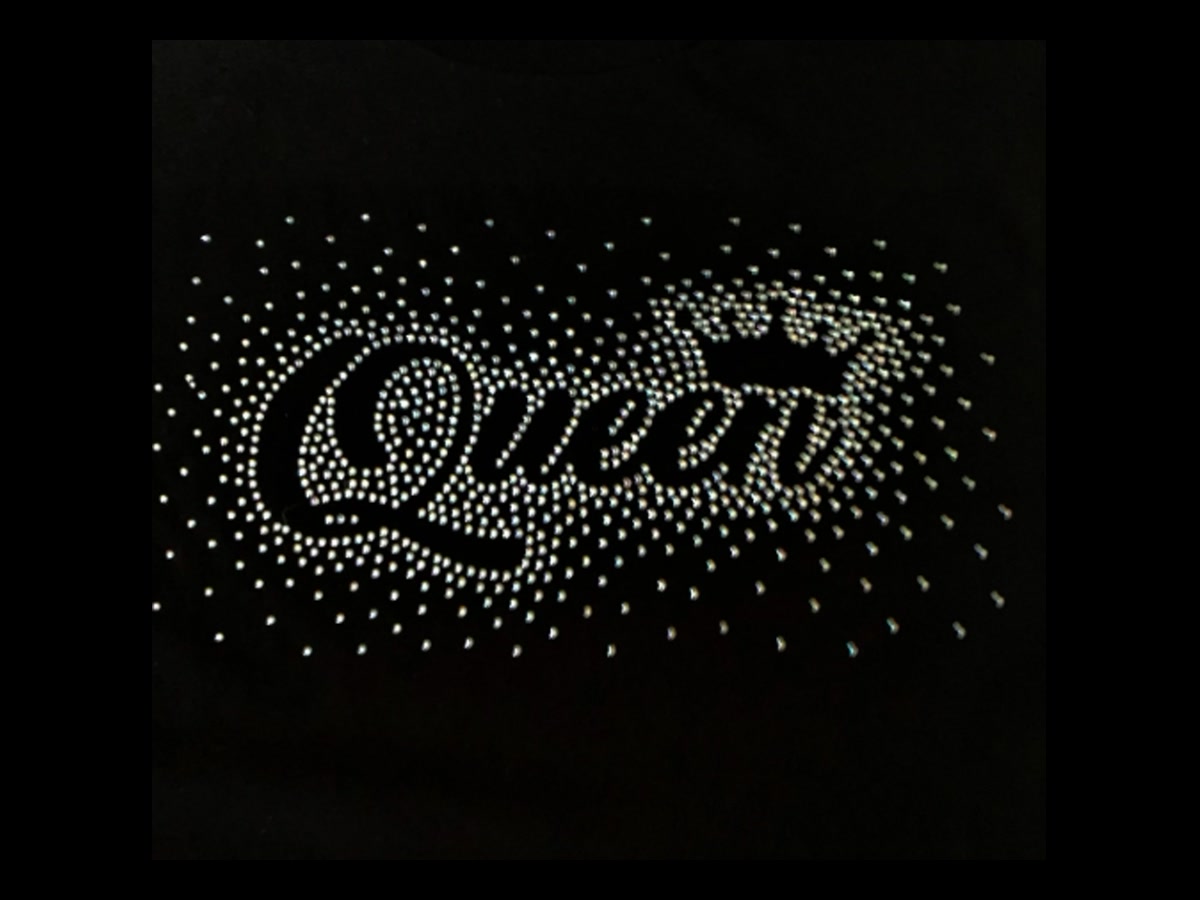
These methods should be chosen based on brand position and product use.
The key point is that decoration should not be an afterthought. It should be discussed before the quotation becomes fixed.
Fabric can change the right print route. Cotton jersey, CVC jersey, polyester blends, modal jersey, rib knit and pique do not always behave the same way under ink, pretreatment, heat or washing.
For example:
If the artwork is important, send the fabric direction and artwork together. The factory can then advise whether the method is suitable or whether sampling should test more than one route.
A screenshot is not enough for accurate production. For a serious T-shirt printing quotation, send production-ready or near-production-ready information.
| Information | What to send |
|---|---|
| Artwork file | Vector file, AI/PDF/EPS, or high-resolution PNG when vector is not available |
| Print size | Width and height in cm or inches |
| Placement | Center front, left chest, back, sleeve, neck label, distance from seams |
| Color reference | Pantone, RGB/CMYK note, or approved sample if color is critical |
| Print method preference | Screen print, DTG, DTF, embroidery, puff print, unknown or factory suggestion needed |
| Garment fabric | Composition, GSM, color and fabric surface |
| Quantity | Quantity by design, color and size |
If you are still testing artwork, say that clearly. A factory can quote a preliminary direction, but final pricing should wait until artwork size, color and method are confirmed.
The sample should not only check whether the graphic is visible. It should check whether the print works as a product.
Review these points before bulk:
For overseas brands, this review matters because problems found after shipment are much more expensive than problems found in sample development.
If your artwork is not final, do not force the factory to give a final printing price. Instead, ask for a route recommendation based on your design direction and target quantity.
A practical message could include:
The factory can then say whether screen printing, DTG, DTF or another method is the likely starting point. This keeps the conversation productive without pretending that an unfinished artwork can receive a final price.
Screen printing is often better for stable bulk orders and repeat graphics. DTG can be better for small runs, detailed artwork or early testing on suitable cotton-based garments.
DTF can be more flexible for lower quantities and full-color artwork, but screen printing is often stronger for larger repeat orders. The right method depends on quantity, artwork, fabric and hand-feel expectations.
For many bulk T-shirt orders, screen printing is the best starting point because setup can be spread across more units. But complex full-color artwork or special fabrics may require another route.
DTG or DTF is often practical for samples and low quantities, especially when artwork is still being tested. However, the sample method should match the expected bulk method if the buyer needs accurate production approval.
Yes. If you send artwork, fabric direction, target quantity and reference images, Hengcheng can review whether screen printing, DTG, DTF, embroidery, wash or another decoration route is more suitable for quotation and sampling.
Yes. Setup, color count, print size, artwork complexity, fabric base, quantity and wash requirements can all change the cost.
Screen print, DTG and DTF are not competing answers to one simple question. They are different tools for different order sizes, artwork types, fabric bases and brand expectations.
For a repeat bulk graphic tee, screen printing is often the most practical starting point. For small runs and detailed artwork, DTG may be useful. For flexible full-color transfers across lower quantities or different fabrics, DTF may make sense. But the best decision still needs artwork, fabric, quantity and testing details.
If you are developing printed T-shirts for your brand, Hengcheng's [custom T-shirt manufacturing page](/t-shirt-manufacturer-china-oem-private-label/) shows the decoration routes, fabric directions and quote information we review before sample development.