Address
JINKE Technology Industrial Park, No. 3188 ChunYuan Road, Weifang City, Shandong Province, China
Work Hours
Monday to Friday: 7AM - 7PM
Weekend: 10AM - 5PM
Address
JINKE Technology Industrial Park, No. 3188 ChunYuan Road, Weifang City, Shandong Province, China
Work Hours
Monday to Friday: 7AM - 7PM
Weekend: 10AM - 5PM
Learn what affects private-label T-shirt manufacturing cost in China, including fabric, GSM, printing, MOQ, labels, packing and QC.
Many buyers ask a China T-shirt factory one question first: "How much does one private-label T-shirt cost?" It is a fair question, but it is also easy to answer badly.
A T-shirt can look simple in a photo, yet the final factory price may change because of fabric, GSM, pattern, size range, printing, embroidery, labels, packing, testing, order quantity and shipment terms. If those details are not clear, any price is only a rough reference.
The short answer: a private-label T-shirt made in China can range widely depending on specifications. A basic cotton jersey T-shirt, a heavyweight oversized graphic tee, a modal blend women's top and a polo with embroidery are different cost structures. Instead of asking for one universal price, brands should understand the cost drivers and send a clear tech pack or product brief before expecting a reliable quote.
There is no single price because there is no single T-shirt. A plain lightweight tee with a simple neck label is not the same product as a heavyweight oversized graphic tee with screen print, custom wash, woven labels, hangtags and individual packaging.
When buyers compare prices without matching specifications, they may think one factory is expensive and another is cheap. In reality, the two factories may be quoting different assumptions.
The price depends on several layers:
This is why a serious factory quote usually starts with product information, not with a fixed online price.
For most private-label T-shirt programs, fabric, decoration and quantity are the biggest drivers. Labor matters too, but the buyer often underestimates how much fabric and print details affect the final unit cost.
| Cost driver | Why it changes price | What to prepare |
|---|---|---|
| Fabric composition | Cotton, CVC, modal, stretch and premium cotton have different material costs | Composition, GSM, hand feel or swatch |
| GSM / fabric weight | Heavier fabric uses more material per garment | Target GSM or reference garment |
| Pattern and fit | Oversized, cropped, fitted and polo styles consume fabric differently | Size chart and fit notes |
| Decoration method | Screen print, DTG, DTF, embroidery and wash have different setup/cost logic | Artwork file, print size, placement, method |
| Labels and packaging | Private-label details add sourcing and handling cost | Neck label, care label, hangtag, polybag, carton needs |
| Order quantity | Larger orders can spread setup and fabric costs better | Quantity by color and size |
| Testing and QC | Some markets require stricter testing or inspection | Target market and standard if known |
If you want a reliable price, prepare these details before asking for a formal quotation.
Fabric is often the largest material cost in a T-shirt. A change from lightweight basic cotton to heavyweight compact cotton can change consumption and unit price. A change from cotton jersey to modal blend, rib knit, pique or cotton-spandex jersey can also change sourcing and production handling.
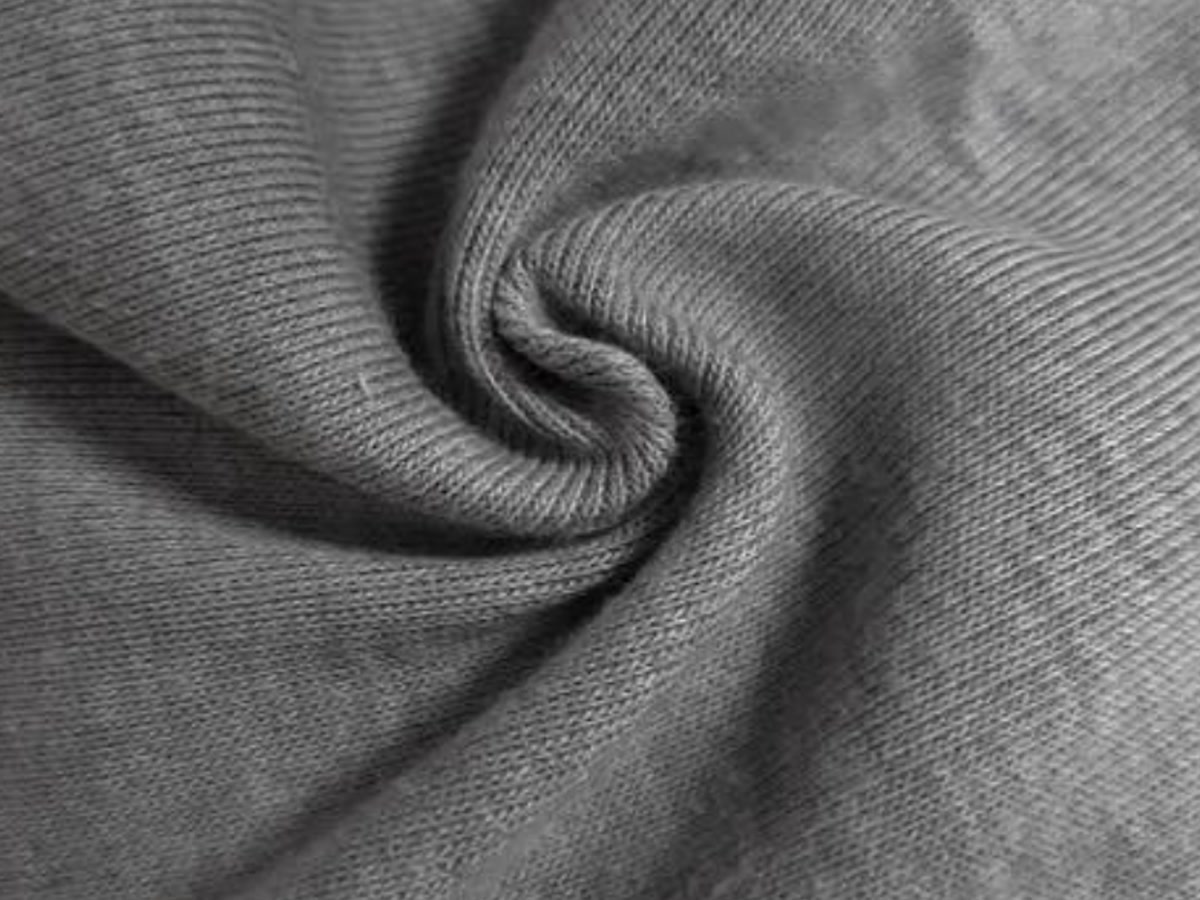
A factory needs to know at least the fabric direction. If you do not know the exact fabric yet, give a target:
Do not ask a factory to quote "a cotton T-shirt" if you actually want a premium heavyweight oversized tee. The cost logic is different.
Order quantity changes how fabric ordering, setup cost, printing cost, cutting efficiency and production planning are calculated. In general, larger orders often reduce the unit cost because setup and handling are spread across more pieces. But the exact result depends on the style and material.
The important point is that quantity should be shown by style, color and size. A 1,000-piece order in one color is not the same as 1,000 pieces split across ten colors and six sizes.
| Quantity situation | Pricing implication |
|---|---|
| Very small sample or test run | Unit cost is usually higher; setup and handling are not spread out |
| Low MOQ first order | Useful for market testing, but not the lowest unit price |
| Medium order | More realistic for private-label launch programs |
| Larger repeat order | Better chance for competitive unit cost and stable production planning |
| Many colors or sizes | Can increase complexity even if total quantity looks high |
If your team has a target price, share it as a reference. A factory may be able to suggest fabric, decoration or packing adjustments to move closer to that target. But the target price must match the product reality.
Decoration can be a small detail or a major cost driver. A small one-color chest logo is not the same as a large full-front graphic, oversized back print, embroidery patch, rhinestone artwork or vintage wash.
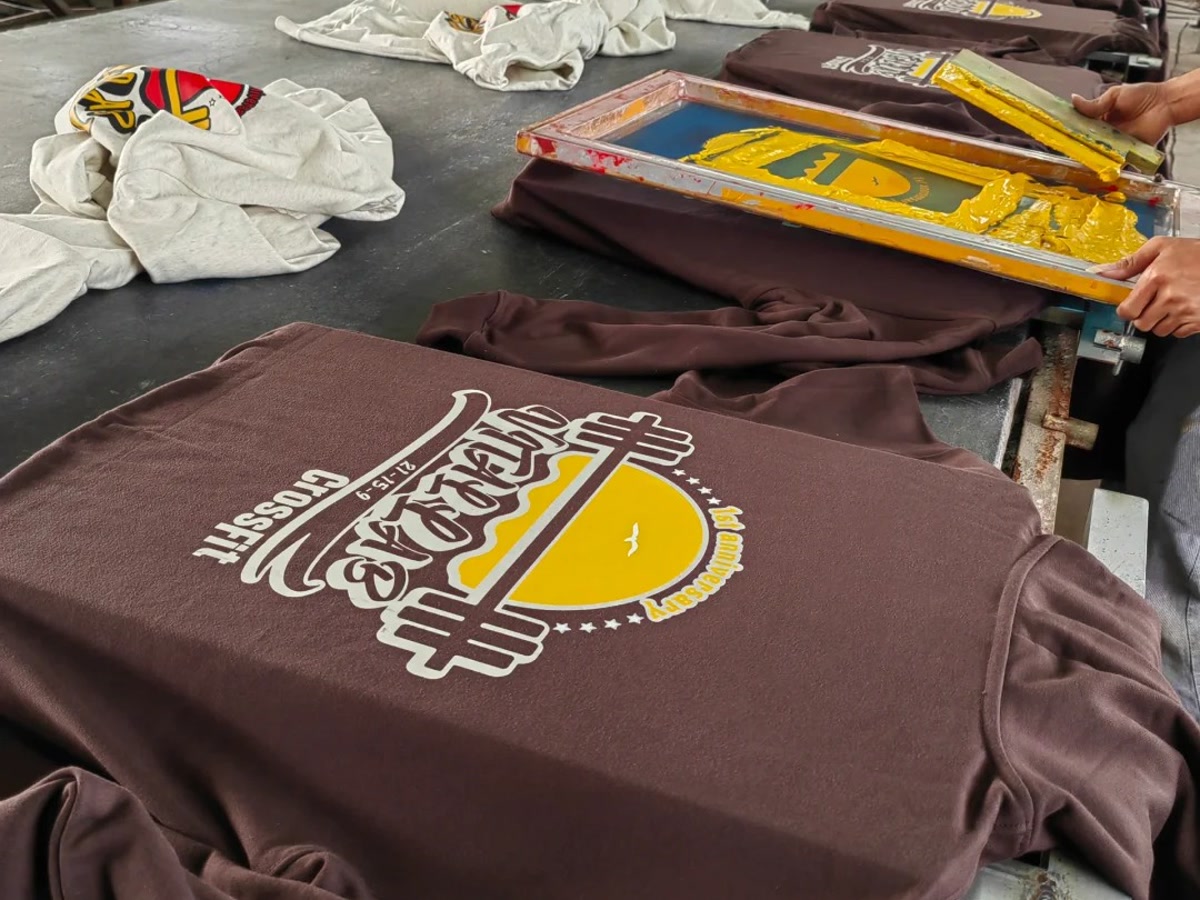
Common decoration cost factors include:
If the decoration is not final, the quote should be treated as preliminary. The final price should be confirmed after artwork size, method and placement are clear.
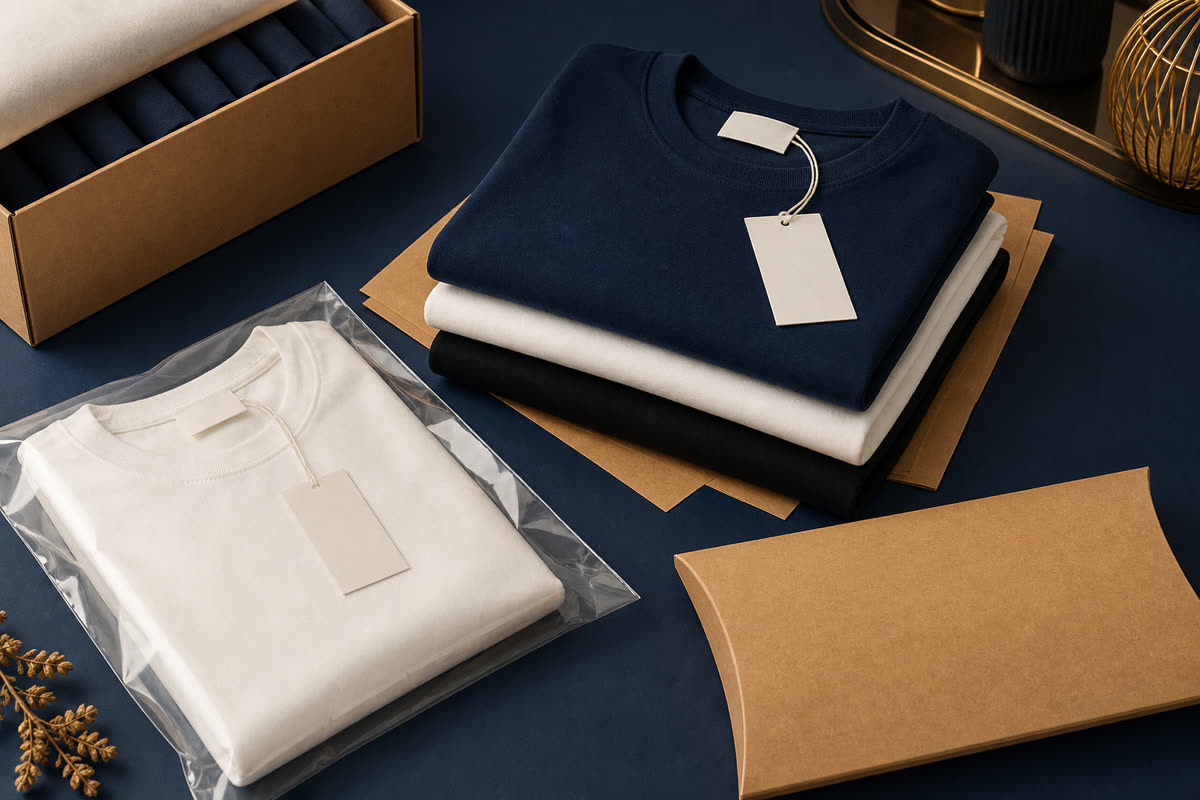
Private-label production is not only the garment body. The buyer may need main labels, size labels, care labels, hangtags, stickers, barcode labels, individual polybags, custom cartons or e-commerce packing.
These details may look small, but they affect sourcing, production handling and packing time. They can also create mistakes if they are not approved before bulk production.
For a cleaner quote, send:
A direct factory can help review these details earlier, but it still needs the buyer's brand and market requirements.
Sample cost and bulk cost are not the same. A sample may include one-off pattern work, fabric sourcing, printing setup, small material purchases and manual handling. Bulk production spreads work across more pieces and follows an approved standard.
A buyer should not judge the whole project only from sample cost. At the same time, a buyer should not expect bulk pricing for one or two custom samples.
| Cost type | What it usually covers | How to interpret it |
|---|---|---|
| Development sample | Pattern, material sourcing, sample sewing, decoration trial | A development cost, not a bulk unit price |
| Size set sample | Checking fit across selected sizes | Useful before bulk for fit control |
| Pre-production sample | Final confirmation before bulk | Should match approved fabric, trims, labels and decoration |
| Bulk unit cost | Production price based on confirmed specs and quantity | The price used for order planning |
For serious private-label development, sample cost is part of risk control. A better sample process can prevent a much more expensive bulk mistake.
It can give a rough reference range, but it should clearly label it as reference only. Without a tech pack or detailed brief, the factory is guessing.
If you want a useful early estimate, send at least:
With this information, the factory can give a more realistic preliminary price and explain what still needs confirmation.
The dangerous quote is not a quote that changes. The dangerous quote is a quote that looks final before the product is defined.
Cost reduction should not mean making the product worse. It should mean matching product choices to the real customer value.
Practical ways to control cost include:
Because Hengcheng is a factory/manufacturer, not an agency or trading intermediary, the costing conversation can stay closer to production reality. Once specs are clear, we can review whether there is room to make the quotation more competitive through fabric, decoration, construction or packing choices.
If your team has a tech pack, send it. If not, start with a practical brief. The first goal is to reduce guessing.
| Information | Minimum useful detail |
|---|---|
| Style reference | Front/back images, sketch or sample photo |
| Fabric | Composition, GSM, hand-feel target or swatch |
| Fit | Size chart, base measurements or fit notes |
| Decoration | Artwork file, print size, placement and method |
| Branding | Neck label, care label, hangtag and packaging |
| Quantity | Estimated order quantity by style, color and size |
| Market | Destination market and testing or compliance needs |
| Timeline | Sample deadline and target bulk delivery window |
If you are not ready to send a full collection, send one or two priority styles first. A factory can review those styles and tell you what information is missing before quoting the wider range.
The cost varies widely. A basic cotton T-shirt, heavyweight oversized tee, modal blend top and decorated polo can all have different prices. Fabric, GSM, order quantity, decoration, labels, packing and testing requirements must be reviewed before a reliable quote.
Yes, but it will usually be preliminary. You should still send reference images, fabric direction, size information, artwork, quantity and packing requirements so the factory is not guessing.
The quote may be based on different fabric, GSM, decoration method, quantity, labels, QC scope or shipment terms. Always compare specifications before comparing price.
Yes. Smaller orders usually have higher unit cost because setup, sourcing and handling are spread across fewer pieces. Larger repeat orders often allow more competitive pricing.
Yes. Screen print, DTG, DTF, embroidery, rhinestones, garment dye and wash effects all have different setup and production costs. Artwork size and color count also matter.
Yes, once the product details are clear. Hengcheng is the factory/manufacturer, not a trading intermediary, so we can review specs from the production side and advise on quotation, sampling and possible cost adjustments.
The useful question is not "What is the cheapest T-shirt price in China?" The useful question is "What should this specific private-label T-shirt cost based on its fabric, construction, decoration, quantity and quality requirements?"
A serious quote needs serious product information. If you send a tech pack, specs, reference images, artwork, quantity and packing requirements, a factory can quote much more accurately. If you only send a photo, the price can only be a rough reference.
For a structured starting point, use Hengcheng's [private-label T-shirt manufacturing page](/t-shirt-manufacturer-china-oem-private-label/) to review what information we need before quotation and sampling.