Address
JINKE Technology Industrial Park, No. 3188 ChunYuan Road, Weifang City, Shandong Province, China
Work Hours
Monday to Friday: 7AM - 7PM
Weekend: 10AM - 5PM
Address
JINKE Technology Industrial Park, No. 3188 ChunYuan Road, Weifang City, Shandong Province, China
Work Hours
Monday to Friday: 7AM - 7PM
Weekend: 10AM - 5PM

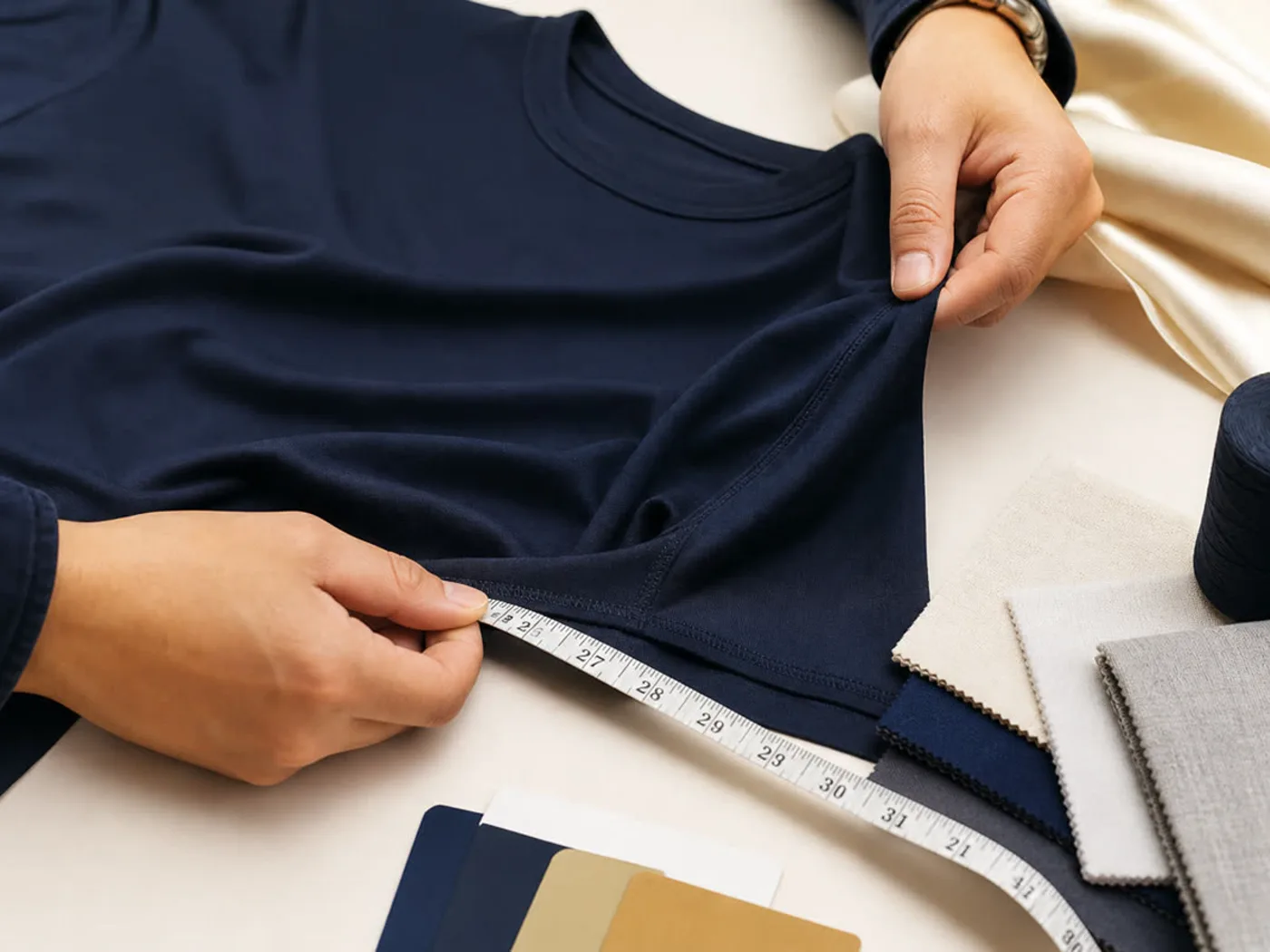
Why cheap hoodies pill after washing: yarn quality, short fibers, open-end cotton, polyester blends, fleece brushing and GSM misconceptions.

Cheap hoodies usually pill because the fabric system was weak before the first wash ever happened. The root causes are not just “cheap cotton.” They are usually short fibers, looser yarn, aggressive brushing, weak finishing, or a blend that was chosen for cost instead of surface stability.
For procurement buyers and brand teams, that matters because pilling changes how a hoodie looks after a short period of wear. A garment that looks acceptable in a sample room can still come back looking tired after a few washes if the fabric was not built for abrasion resistance.
Cheap hoodies often pill after washing because the fabric uses shorter, looser fibers, weaker yarn, aggressive brushing, or a blend that was chosen for price instead of surface stability. GSM alone does not prevent pilling; yarn quality, fiber length, finishing, and wear behavior matter more.
Pilling starts when tiny fiber ends on the fabric surface loosen, tangle, and form small balls. Washing does not create the problem by itself. Washing usually exposes the problem faster because it adds friction, water movement, and repeated rubbing against the drum, other garments, and the wearer’s body.
For buyers, the important point is simple:

A buyer does not need to become a textile engineer, but a factory quote is easier to judge when the fabric factors are visible.
| Fabric factor | What the buyer should understand | Why it matters for pilling |
|---|---|---|
| Fiber length | Shorter fibers are easier to loosen from the surface | Loose fibers tangle faster |
| Yarn quality | Better-controlled yarn is generally smoother and more stable | Fewer weak ends at the surface |
| Brushing | Brushing raises the back surface for softness | Can increase fuzz if uncontrolled |
| Fabric structure | French terry, fleece, and other structures behave differently | Loop or pile behavior changes wear |
| Blend ratio | Cotton, polyester, and recycled inputs do not behave the same | Composition affects handfeel and wear |
| Finishing | Singeing, washing, compacting, and heat setting all matter | Surface stability depends on finishing |
| GSM | Measures weight, not complete quality | A heavy fabric can still pill |
The practical lesson is that buyers should not request a hoodie by GSM alone. GSM is one input. It is not the product spec.
Brushed fleece is often softer at the start, which is exactly why brands like it. The risk is that the raised surface can also release more loose fibers if the yarn quality or brushing control is weak.
That does not mean brushed fleece is bad. It means the buyer has to understand what the surface is supposed to do.
For a retail hoodie, brushed fleece is usually chosen when the brand wants:
But if the brushing process is too aggressive, or if the fiber quality is low, the hoodie can start looking old quickly after washing.
French terry may feel less fuzzy and can behave differently in wear, which is why some buyers prefer it when they want a cleaner surface and less pile risk. It is not automatically better. It is just a different construction with a different tradeoff.

GSM is one of the easiest numbers to talk about, so it gets overused.
A buyer may assume that 400 GSM means better quality than 320 GSM. Sometimes that is true. Often it is not.
A lighter fabric can perform better than a heavier one if it has:
A heavier fabric can still pill if the fibers are weak, the yarn is loose, or the surface is over-brushed.
So the correct question is not “How heavy is it?” The better question is:
What kind of yarn, structure, and finishing support that GSM?
The sample stage is where buyers save money or lose money.
A good sample review should not stop at color, handfeel, and fit. It should include simple abuse testing that reflects the real end use.
A practical buyer check looks like this:
For Hengcheng, we would treat that as part of the approval process, not as an afterthought. If a buyer only approves the first-touch feel, the bulk order can still disappoint later.
If the buyer wants a serious quote, the factory needs more than “cheap hoodie” and a size chart.
| RFQ item | Why the factory needs it |
|---|---|
| Reference photos | To understand the look and surface finish |
| Target fabric or GSM | To narrow fabric options and cost range |
| Use case | Fashion, promotional, winterwear, or retail basics |
| Decoration method | Print, embroidery, patch, wash effect, or none |
| Colorway count | Affects MOQ, dyeing, and production planning |
| Size breakdown | Affects grading and fabric use |
| Label and packing | Changes process and cost |
| Target quantity | Determines whether the order is viable |
| Timeline | Affects sampling and bulk scheduling |
| Wash expectation | Helps the factory judge pilling and stability risk |
A quote gets much more accurate when the buyer gives the factory enough context to judge risk.
From a China garment factory perspective, the first step is not to promise the lowest price. The first step is to separate the order into what is fixed and what is still open.
For Hengcheng, we would normally review:
That review often changes the answer. A “cheap hoodie” request may turn into a different fabric recommendation, a different finishing choice, or a more realistic cost target.
If a buyer wants the full capability picture, see Hengcheng’s <a href="/hoodie-manufacturer-china-oem-private-label/">hoodie manufacturer in China</a> page.
A buyer should be cautious when a factory answer sounds too easy.
Common warning signs include:
Those signs do not prove the factory is bad. They just mean the buyer should slow down before approving bulk.

Yes. In many cases, the buyer can improve durability without redesigning the hoodie.
The most common adjustments are:
Sometimes the right decision is simply to accept that a promotional hoodie and a retail hoodie do not need the same surface durability. The problem starts when the buyer expects retail performance from a promotional price.
Before you ask for quotation, confirm these points:
If those answers are unclear, the factory can only guess.
Not by itself. Polyester blends can pill if the yarn, structure, or finishing is weak. Composition is part of the story, not the whole story.
It is often smoother and more stable than cheaper open-end yarn, but the full fabric system still matters.
Not automatically. A heavy fleece can still pill if the fibers are weak or the brushing is too aggressive.
Yes, but it usually behaves differently from brushed fleece because the surface structure is less fuzzy.
Wash the sample, inspect the high-friction zones, and compare the washed sample with the original approval sample.
That depends on the target market. Some products can tolerate light surface change. Retail basics usually need a stricter standard.
Yarn quality, fabric structure, brushing control, and finishing.
For buyers, the useful rule is simple: do not judge hoodie quality from softness alone. Ask what the fabric will look like after wear and washing, then make the factory prove it in the sample stage.