Address
JINKE Technology Industrial Park, No. 3188 ChunYuan Road, Weifang City, Shandong Province, China
Work Hours
Monday to Friday: 7AM - 7PM
Weekend: 10AM - 5PM
Address
JINKE Technology Industrial Park, No. 3188 ChunYuan Road, Weifang City, Shandong Province, China
Work Hours
Monday to Friday: 7AM - 7PM
Weekend: 10AM - 5PM
Why bulk hoodies can run off-size and how buyers should control size charts, grading rules, points of measure and tolerance in custom production.
Bulk hoodies run off-size when finished production pieces no longer match the approved sample, size chart or agreed tolerance. In buyer language, off-size means the hoodie has drifted: the body is too long, the chest is too narrow, the sleeves relax after wash, the hood shape changes, or the full size range no longer follows the intended fit.
The usual cause is not one bad sewing line. It is a weak size-control system before bulk production. A hoodie is not controlled by a size name like S, M, L or XL. It is controlled by a base size spec, grading rules, points of measure, fabric behavior, shrinkage allowance, sewing tolerance and inspection method.
For procurement teams, brand founders, designers and wholesalers, the risk is commercial as much as technical. Off-size bulk hoodies create fit complaints, poor reviews, account disputes, markdowns and weak reorder confidence. The practical rule is simple: approve the fit standard before you approve the bulk order.
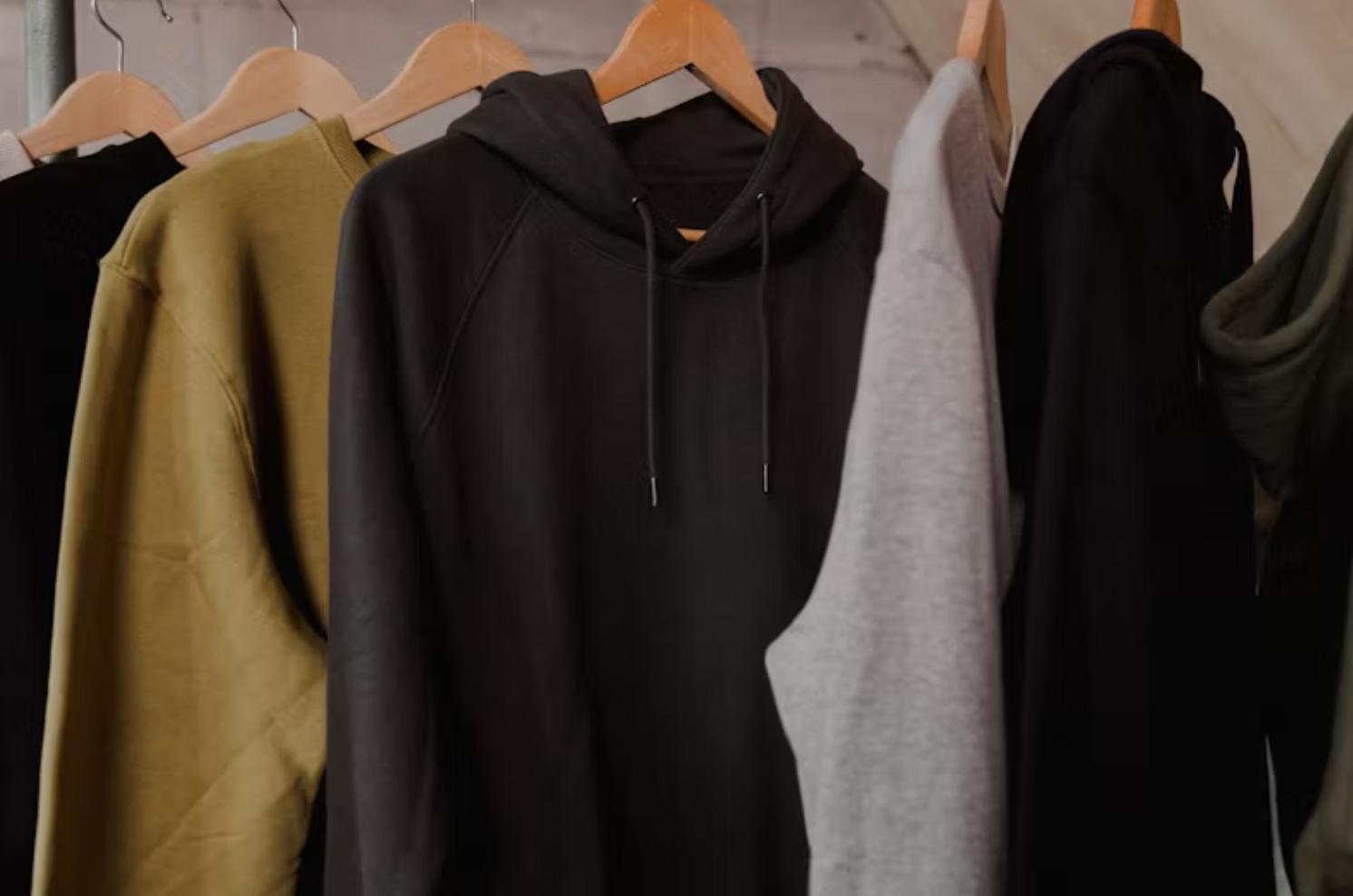
Bulk hoodies run off-size when the approved sample, size chart and production tolerance are not connected. The most common causes are unclear points of measure, weak grading rules, fabric shrinkage, cutting spread movement, sewing tension, rib recovery problems, decoration pulling, and inspection that checks too few sizes or too few pieces.
Small variation is normal in sewn garments. The goal is not zero variation. The goal is controlled variation. A serious hoodie manufacturer should know which measurements are critical, what tolerance is acceptable, and how the approved sample will be used as the control reference for bulk production.
| Buyer question | Practical answer | Factory-side check |
|---|---|---|
| Can all bulk hoodies be exactly the same size? | No. Small variation is normal in fabric garments. | Define acceptable tolerance by point of measure. |
| What causes visible off-size problems? | Unclear specs, fabric movement, wrong grading, cutting or sewing drift. | Compare bulk pieces against approved sample and size chart. |
| Which measurements matter most? | Chest, length, shoulder, sleeve, hem, hood and pocket placement. | Mark critical points of measure before sampling. |
| When should sizing be checked? | During sample approval, pre-production, inline QC and final inspection. | Do not wait until final inspection to find fit drift. |
| What should buyers send in the RFQ? | Size chart, tolerance, fit reference, size breakdown and wash expectation. | Separate confirmed specifications from open questions. |
A hoodie is off-size when the actual garment falls outside the approved measurement tolerance or no longer matches the intended fit. This is different from saying every piece must be identical. Knit fabrics stretch, relax and move during cutting, sewing, washing and packing. A small controlled difference can be acceptable. An uncontrolled difference becomes a quality problem.
For example, a 1 cm difference in chest width may be acceptable for some relaxed-fit hoodies, while a 2 cm difference in body length may be highly visible on a cropped hoodie. A sleeve that is slightly long may be manageable on an oversized style, but the same variation may create complaints on a fitted school or corporate program.
This is why buyers should not ask only, “Can you make size S to XL?” The better question is, “Which measurements will control the fit, and what tolerance are we approving for each size?” That question turns a vague hoodie request into a production standard.
Hoodies look simple, but they are more difficult to control than many flat garments. The fabric is often heavier than T-shirt fabric. The style may include a hood, kangaroo pocket, rib cuffs, rib hem, zipper, drawcord, dropped shoulder, oversized body or garment wash. Each detail can affect final measurement and fit perception.
A hoodie also has more three-dimensional behavior than a basic tee. A heavy hood can pull the neckline backward. Rib cuffs can shorten or relax the sleeve opening. A kangaroo pocket can distort the front body if it is attached with poor tension. Brushed fleece can shrink or twist after laundering. Oversized styles can look intentional when controlled and sloppy when the grade rule is wrong.
From a China garment factory perspective, this means sizing control is not one department’s job. Pattern, fabric, cutting, sewing, finishing and QC all affect whether the bulk garment still follows the approved fit.
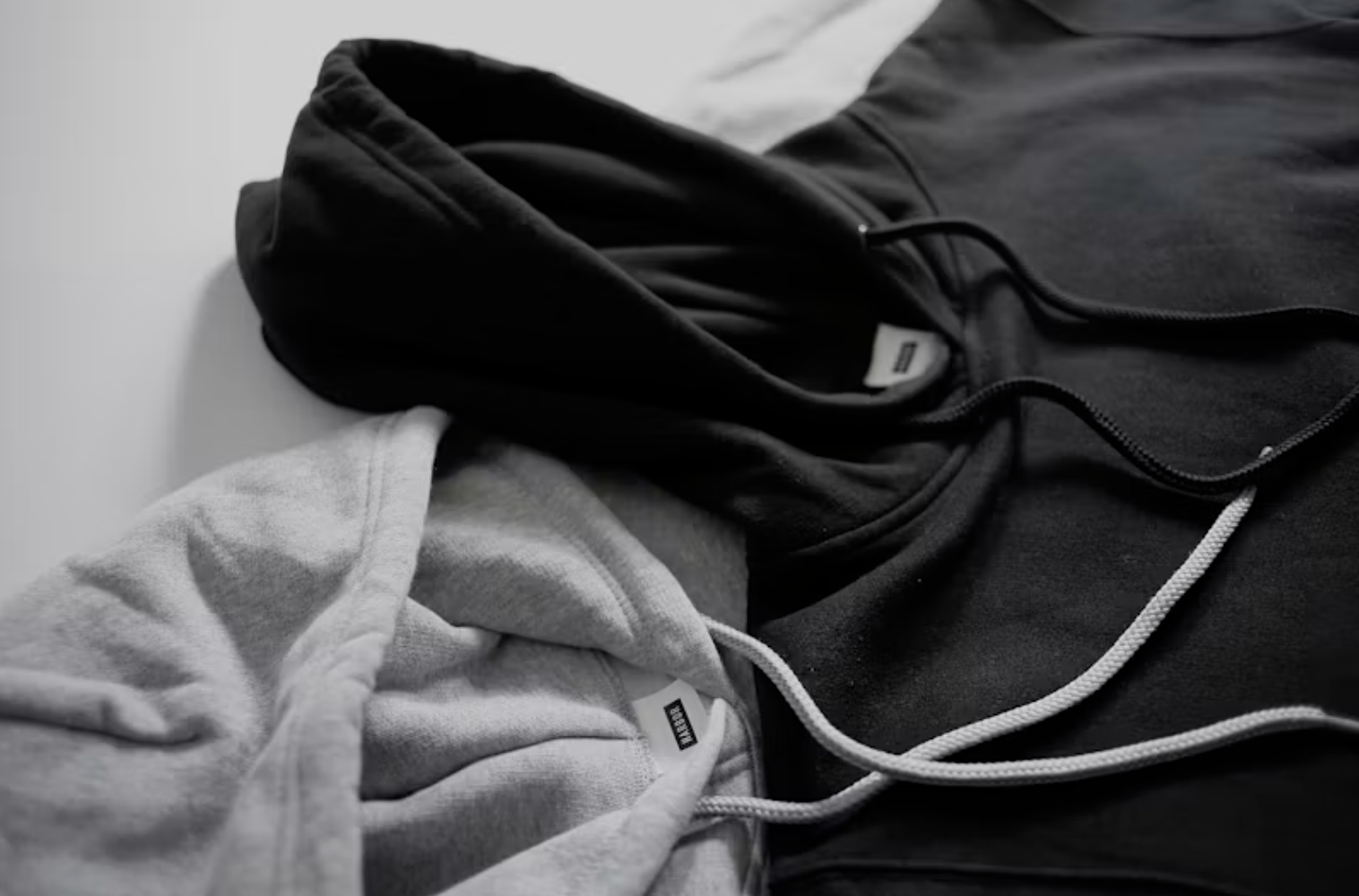
Points of measure, often called POMs, are the exact places where the garment will be measured. Without POMs, the buyer and factory may both say “body length” but measure from different starting points. That creates confusion even before production begins.
For hoodie projects, I would usually define the base size first, then mark critical POMs for all sizes. A simple promotional hoodie may need fewer critical points. A premium streetwear hoodie, cropped hoodie, zip-up hoodie or oversized private-label style needs more precision because the fit itself is part of the product value.
| Point of measure | Why it matters | Common buyer risk if unclear |
|---|---|---|
| Chest width | Controls body fit and size perception. | Bulk feels too tight or too boxy. |
| Body length | Defines cropped, regular or oversized proportion. | Customer sees the hoodie as the wrong style. |
| Shoulder width or shoulder drop | Controls relaxed, oversized or structured silhouette. | Medium sample looks good, larger sizes lose balance. |
| Sleeve length | Highly visible fit point during wear. | Sleeves feel too short after wash or too long in larger sizes. |
| Sleeve opening and cuff width | Controls hand opening, cuff comfort and recovery. | Cuffs feel loose, tight or inconsistent across sizes. |
| Hem width | Affects body drape and rib balance. | Hem waves, pulls in too much or looks wider than intended. |
| Hood height and hood opening | Controls hood comfort, shape and visual balance. | Hood looks small, collapses or pulls backward. |
| Pocket placement | Important for kangaroo pocket balance and decoration alignment. | Pocket appears too low, crooked or inconsistent in bulk. |
If the buyer does not have a full tech pack, the factory can still help build a starting size chart from a reference garment or sample. But the buyer should understand that a photo alone is not enough for reliable bulk sizing.
Grading is the method used to scale one base size into other sizes. If the base sample is a medium, the grade rule decides how much chest, length, shoulder, sleeve and hood measurements change for small, large, XL and other sizes.
Many bulk sizing problems happen because the base sample is approved, but the full-size set is not reviewed carefully. The medium may look correct, while the large becomes too long, the XL becomes too wide, or the small loses the intended shoulder proportion. This is especially common in oversized hoodies because the silhouette depends on proportion, not only width.
For buyers, the key is to review the critical sizes before bulk when fit matters. You do not always need to sample every size, but you should at least understand how the grade rule changes the garment. For a high-risk fit, a size-set sample is often worth the cost.
| Grading issue | How it shows up | Buyer action before bulk |
|---|---|---|
| Chest grade too large | Larger sizes become baggy instead of intentional. | Review full-size chart, not only base size. |
| Length grade too aggressive | XL and XXL become too long for the target market. | Check body length against real customer fit expectation. |
| Shoulder drop not controlled | Oversized fit loses balance across sizes. | Define shoulder/drop measurement and tolerance. |
| Sleeve grade mismatched | Sleeves become short after wash or overly long in larger sizes. | Review sleeve length with cuff behavior and shrinkage. |
| Hood grade ignored | Hood opening or height feels wrong in larger sizes. | Include hood POMs in the measurement chart. |
| Pocket placement not graded | Kangaroo pocket appears too high, low or narrow. | Define pocket position from fixed reference points. |
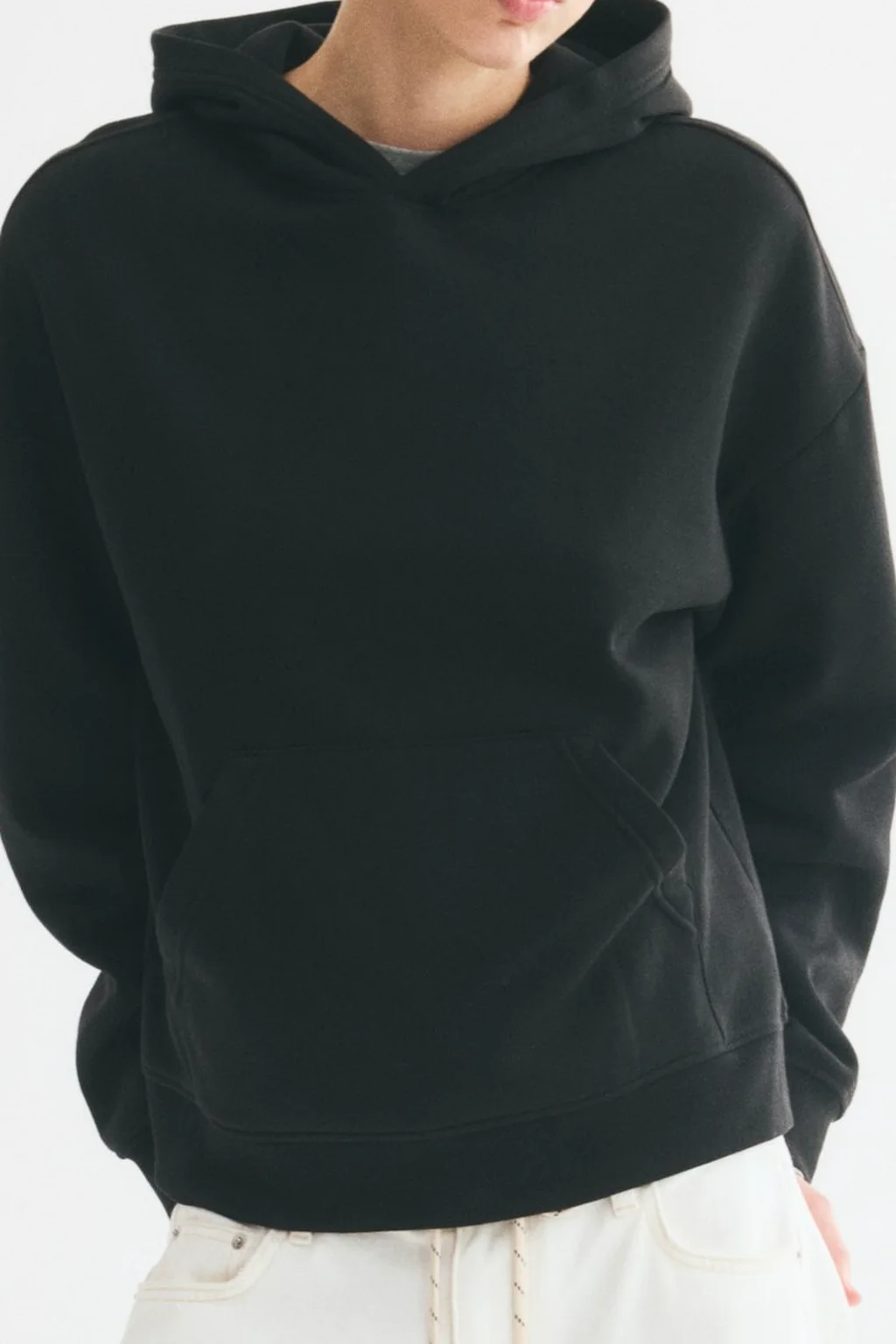
Fabric behavior is one of the biggest reasons a correct sample becomes inconsistent bulk. Fleece, French terry, cotton-rich knits, CVC blends, scuba knits and garment-washed fabrics can all move differently. The same size chart can produce different results if the fabric changes.
Heavy hoodie fabric may relax after cutting. Brushed fleece may shrink after washing. Rib trim may recover differently from the body fabric. Some fabrics stretch during sewing and then recover unevenly. If the buyer approves a sample in one fabric but bulk uses another fabric lot or similar-looking substitute, size consistency can change.
This is why fabric approval and size approval should be connected. A factory cannot guarantee fit from measurements alone if the fabric has not been stabilized, tested or reviewed under the same assumptions as bulk production.
| Fabric factor | Size-control impact | What buyers should confirm |
|---|---|---|
| GSM and thickness | Heavier fabric changes drape, seam bulk and cutting handling. | Actual fabric weight and sample hand feel. |
| Shrinkage | Body length, sleeve length and chest may reduce after wash. | Wash method, pre-wash and post-wash measurements. |
| Stretch and recovery | Garment may grow, relax or lose shape during wear. | Fabric recovery and rib recovery review. |
| Fabric lot variation | Bulk may not behave exactly like sample fabric. | Bulk fabric approval and lot tracking. |
| Garment wash or special finish | Finished measurements may change after wash process. | Measure after the same finish used in production. |
| Decoration method | Print, embroidery or applique can pull or stiffen areas. | Decoration sample on actual fabric. |
A tolerance chart defines how much deviation is acceptable from the approved measurement. The exact tolerance depends on the buyer standard, product type, fabric, size range and measurement point. A tight tolerance may be necessary for visible fit points, while a slightly broader tolerance may be workable for less critical areas.
The important point is that tolerance should be agreed before bulk. If the buyer only says “make it accurate,” the factory does not know which variation is acceptable. If the factory only says “normal tolerance,” the buyer does not know what it is approving.
A useful tolerance chart also separates critical measurements from secondary measurements. Chest, body length, shoulder/drop, sleeve length and hood shape often need stronger attention because they affect fit perception. Smaller trim or inner measurements may matter less unless they affect comfort or function.
Final inspection should not be the first time sizing is checked. By then, cutting and sewing are already finished, and correction options are limited. A better workflow checks measurements at several stages: sample approval, pre-production sample, cutting, inline sewing QC, finishing and final inspection.
For a hoodie program, factory QC should compare bulk against three references: the approved sample, the approved size chart and the agreed tolerance. If one of those references is missing, the QC team is forced to judge by experience instead of a clear standard.
| Stage | What to check | Why it matters |
|---|---|---|
| Sample approval | Base size measurements, fit comments and buyer corrections. | Creates the control reference for bulk. |
| Pre-production sample | Confirmed fabric, trims, decoration and measurements. | Checks that production setup matches approved direction. |
| Cutting | Marker, size ratio, fabric relaxation and cutting accuracy. | Prevents size drift before sewing begins. |
| Inline sewing QC | Key measurements and seam tension while production is active. | Finds problems early enough to adjust. |
| After-wash or finishing check | Post-wash measurement if wash behavior is a risk. | Confirms customer-use size stability. |
| Final inspection | Sampled pieces by size/color against tolerance chart. | Confirms shipment readiness and records bulk result. |
Size control also affects commercial planning. A buyer may think measurement tolerance is only a QC issue, but it can change cost, MOQ and lead time. More sizes, more colorways, custom fabric, special washes and strict inspection requirements all add work to the production system.
If a buyer wants a very tight tolerance across many sizes in a small order, the factory may need more sampling, more measurement checks or a more controlled fabric route. That may affect sample fee, development time or unit cost. If the buyer wants a low-MOQ test order with many sizes and colors, the size ratio and cutting efficiency also become important.
From a factory-side view, the best buyer is not the buyer who asks for the lowest price first. The best buyer is the one who defines the size expectation clearly, so the factory can quote against real work instead of guessing.
| Requirement | Commercial effect | Buyer preparation |
|---|---|---|
| Many sizes | More grading and measurement review. | Size chart and size breakdown by color. |
| Strict tolerance | More QC time and potential sample adjustment. | Critical POMs and acceptable tolerance. |
| Custom fabric | Fabric MOQ and shrinkage testing may affect timeline. | Fabric structure, GSM and wash expectation. |
| Oversized or cropped fit | More pattern and grading attention. | Fit reference, model photos or sample garment. |
| Decoration placement | Artwork must align with measurements and pocket/seam position. | Artwork files, placement measurements and effect reference. |
| Low-MOQ test order | Less room for rework or size-ratio mistakes. | Prioritize fewer colorways and clearer size plan. |
A clear RFQ helps the factory quote more accurately and reduces the chance of a weak first sample. If the buyer only sends a photo and says “make this in S to XL,” the factory has to guess too much. The quote may look fast, but the risk is hidden.
For a private-label or OEM hoodie project, the RFQ should include the fit target, size chart, quantity by size and color, fabric direction, decoration details, sample needs, quality expectations and delivery plan. If some details are unknown, say that clearly. A serious factory can then separate confirmed points from open questions.
| RFQ field | What to include | Factory-side use |
|---|---|---|
| Style reference | Photos, sample garment, sketch or tech pack. | Confirms silhouette and construction direction. |
| Base size spec | Measurements for the main sample size. | Builds the first pattern and sample target. |
| Full size chart | S-XL or full range with POMs where available. | Controls grading and bulk inspection. |
| Tolerance | Acceptable deviation by critical measurement. | Defines pass/fail logic for QC. |
| Fit direction | Regular, oversized, boxy, cropped, unisex or market-specific fit. | Guides pattern and grading decisions. |
| Fabric target | GSM, fleece/French terry, composition and hand feel. | Checks shrinkage, stretch and sewing behavior. |
| Quantity breakdown | Pieces by size and colorway. | Supports MOQ, cutting and size-ratio planning. |
| Decoration and trims | Print, embroidery, zipper, drawcord, rib, label and packing. | Checks placement, cost and QC points. |
| Wash expectation | Care method and whether post-wash size is critical. | Defines shrinkage and after-wash review. |
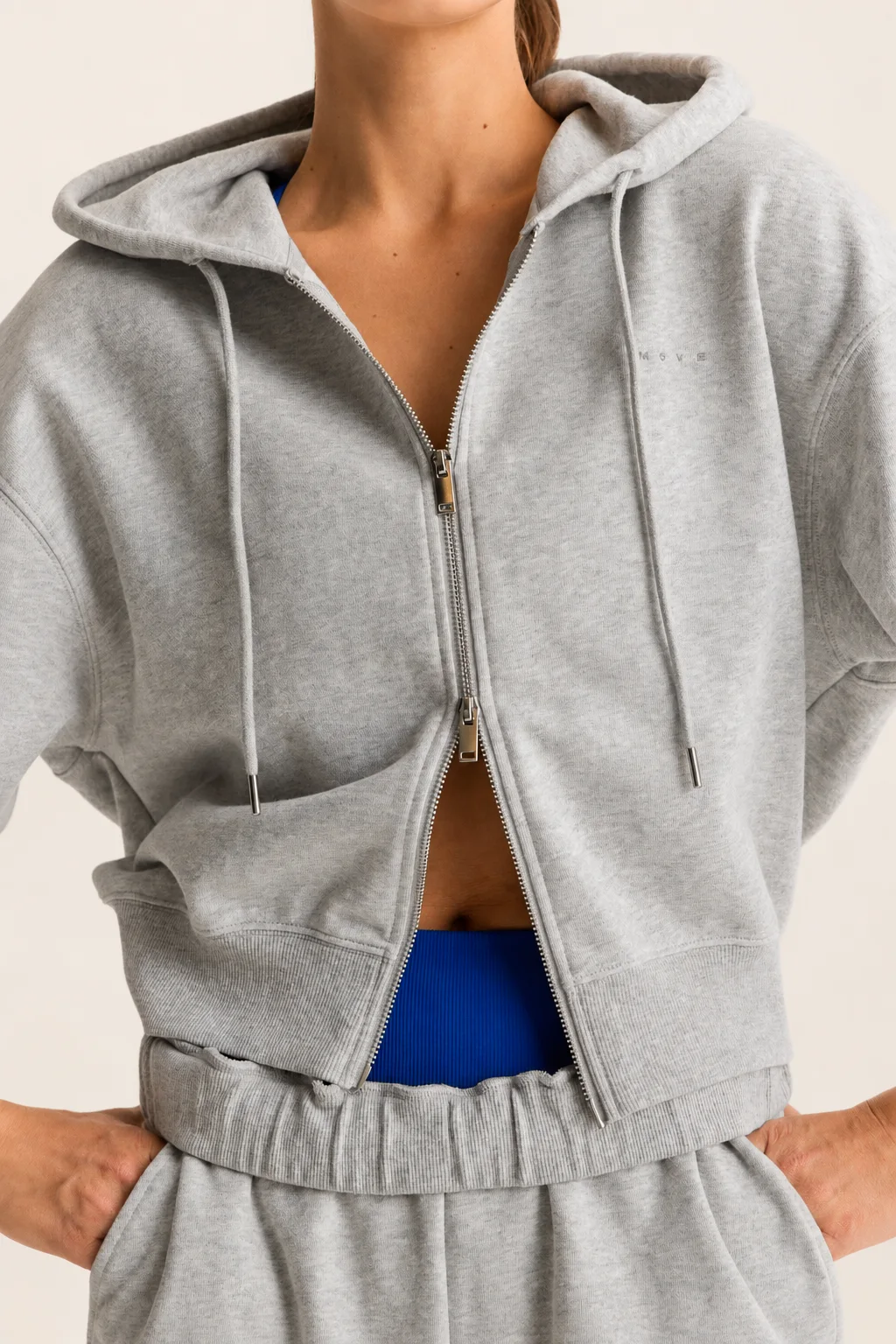
When Hengcheng reviews a hoodie inquiry, we first look at the product as a development and bulk-production program, not only as a sewing order. The key questions are: what fit is the buyer trying to achieve, what fabric will be used, what size range is needed, and how strict the measurement control should be.
For a typical hoodie program, we would review the reference image or sample, base size measurements, target fabric or GSM, rib trim, hood construction, pocket placement, decoration method, label and packing needs, quantity range and delivery window. If the buyer already has a tech pack, that makes the discussion more efficient. If not, reference photos and a physical sample can still be a useful starting point.
For size consistency, the most important step is connecting sample approval to bulk control. The approved sample should not disappear after the buyer says yes. It should become the reference for fit, measurements, workmanship and buyer comments during production.
Many size problems begin before production starts. They are not always caused by careless sewing. Often, the buyer and supplier were comparing different assumptions from the beginning.
Before sending an inquiry, prepare the measurements you already know and mark the points you are unsure about. A complete tech pack is helpful, but it is not the only way to start. A reference garment, product photos, target fit notes, size breakdown and fabric direction can give the factory enough information to ask better follow-up questions.
If your main concern is bulk consistency, do not ask only for price. Ask how the factory will control base size, grading, tolerance, shrinkage and inspection. The answer will tell you a lot about whether the supplier understands hoodie production or is only quoting a simple cut-and-sew job.
For a deeper view of Hengcheng’s hoodie capability, see the hoodie manufacturer in China page. If the project is still in development, the sample development process page is useful. If your main concern is bulk consistency, the quality control page explains the factory-side review logic.
Hoodie size tolerance is the acceptable measurement variation between the approved size chart and actual production pieces. It should be defined by point of measure, because some areas are more critical than others.
Bulk hoodies can differ because of fabric shrinkage, cutting variation, sewing tension, grading mistakes, rib recovery, decoration placement or unclear inspection standards. The approved sample must be tied to bulk QC to reduce this risk.
Chest width, body length, shoulder width or shoulder drop, sleeve length, sleeve opening, hem width, hood height, hood opening and pocket placement are common hoodie measurements buyers should define.
Yes. Small variation is normal in sewn garments. The key is to agree on the acceptable tolerance before bulk production and to control the most visible or fit-critical measurements more carefully.
For high-fit-risk hoodies, oversized styles, cropped fits or premium programs, a size-set review can be worth the cost. At minimum, buyers should review the base size and understand how the grade rule changes other sizes.
Shrinkage can reduce body length, sleeve length, chest width and hood shape after washing. Buyers should define the wash method and compare pre-wash and post-wash measurements when size stability matters.
Send reference photos or a sample garment, base size measurements, full size range, target fabric or GSM, quantity by size and color, decoration details, wash expectation, tolerance requirements and timeline. If some details are missing, say so clearly so the factory can separate confirmed points from open questions.