Address
JINKE Technology Industrial Park, No. 3188 ChunYuan Road, Weifang City, Shandong Province, China
Work Hours
Monday to Friday: 7AM - 7PM
Weekend: 10AM - 5PM
Address
JINKE Technology Industrial Park, No. 3188 ChunYuan Road, Weifang City, Shandong Province, China
Work Hours
Monday to Friday: 7AM - 7PM
Weekend: 10AM - 5PM
Why apparel samples cost more than bulk unit price, including pattern work, fabric, print setup, sample-room labor and revision rounds.
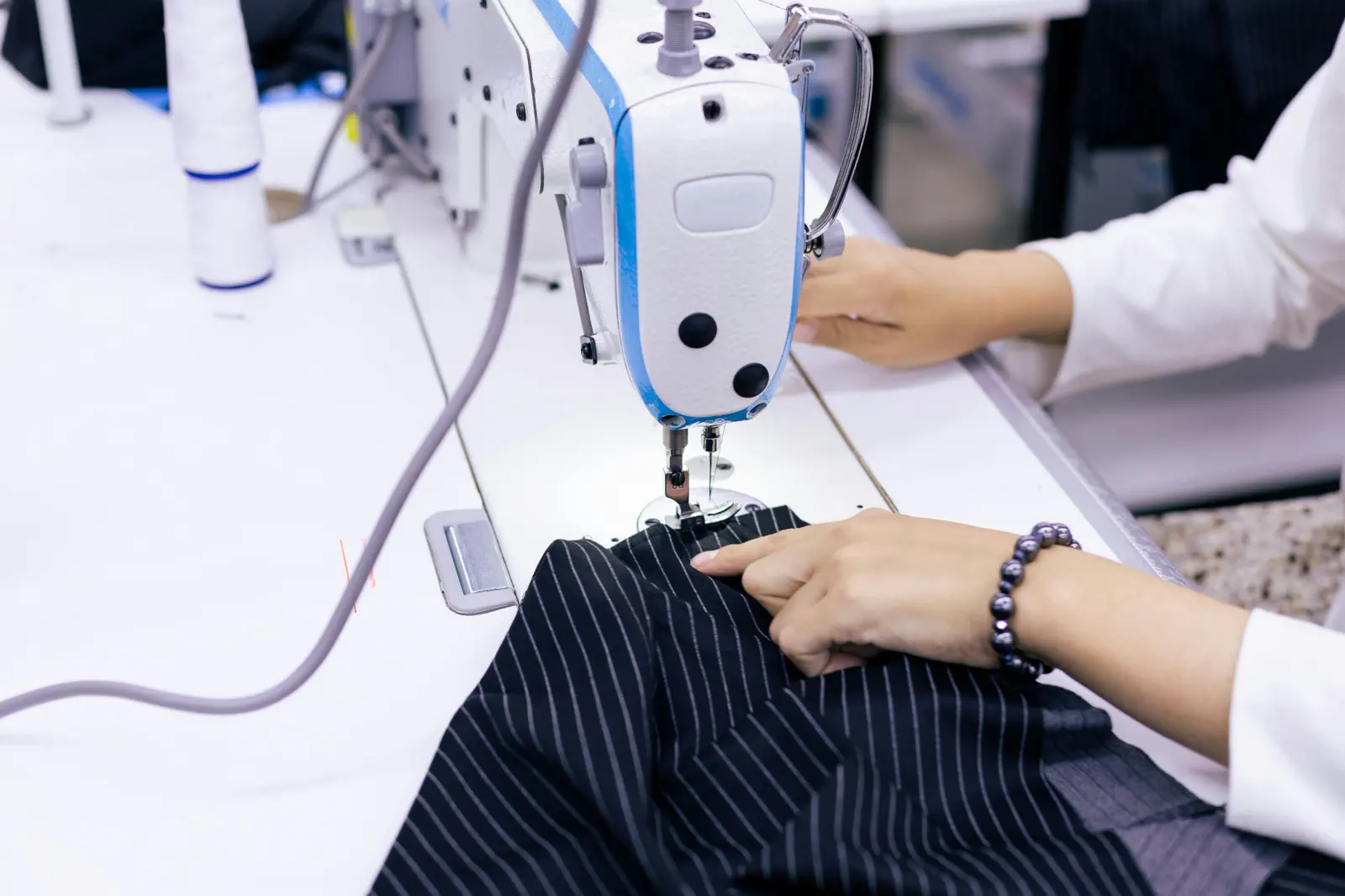
Clothing samples are expensive because the first sample is not simply one finished garment. It carries product-development work that bulk production later spreads across hundreds or thousands of pieces: pattern review, sample-room labor, small-batch fabric and trim sourcing, decoration setup, measurement checks, and comment handling.
If you compare a sample fee directly with a bulk unit price, the number can look unreasonable. They are not priced from the same cost base. Bulk production repeats an approved process. A sample is the factory's working version of a product before that process is stable.
For a buyer, the useful question is not only, "Why does this cost money?" It is, "What decision is this sample meant to confirm, and what information will prevent an unnecessary next round?" A well-managed sample should reduce risk before fabric, trims, and production capacity are committed.
A sample fee normally covers the work needed to turn an incomplete or unproven brief into a garment that can be reviewed. The exact scope differs by product, fabric, and decoration, so buyers should ask the factory to state what is included before sampling begins.
| Cost area | What the factory is doing | Buyer action that reduces uncertainty |
|---|---|---|
| Product and pattern review | Interpreting reference images, measurements, construction, and fit direction before cutting | Send a size chart, fit notes, and photos of critical details |
| Materials | Checking available fabric, color, rib, zipper, labels, and other trims in small quantities | State whether stock material is acceptable for the first fit sample |
| Sample-room work | Cutting, sewing, pressing, measuring, and correcting a one-off garment outside line efficiency | Define the purpose of the first sample clearly |
| Decoration setup | Preparing artwork, placement, color, screen, transfer, or embroidery data | Supply editable artwork, dimensions, and placement references early |
| Review and revision | Comparing the finished sample with the approved brief and processing comments | Consolidate comments in one marked file instead of sending changes in fragments |
The fee is not a guarantee that every possible choice is included. Custom dyeing, special wash effects, new molds, complex embroidery, unusual hardware, or a material change may add separate time and cost. A factory quote is more useful when it identifies those exceptions instead of hiding them inside a single number.
The sample price is higher because fixed work is concentrated into one or two pieces. In bulk production, the factory can spread approved pattern work, fabric preparation, cutting setup, decoration setup, line arrangement, and QC preparation across the order. The more repeatable the product is, the more efficiently that work can be absorbed.
| Production stage | How work is handled | Why the unit cost changes |
|---|---|---|
| First fit or prototype sample | One garment is cut and sewn around an unproven brief | Manual review and low material quantities dominate the cost |
| Salesman or development sample | Details are refined for presentation or market feedback | More color, branding, and finish choices can be tested before bulk |
| Pre-production sample | The agreed bulk fabric, trims, decoration, and workmanship are checked together | It prevents expensive bulk mistakes, but exact materials may cost more |
| Bulk production | Approved operations repeat across planned quantities | Setup and labor are distributed across the order |
From a China garment factory perspective, the sample is where expensive ambiguity becomes visible. A bulk quote can be inaccurate when the buyer has not confirmed the fabric weight, colorway count, print method, label package, or fit. Resolving those points during sampling is usually cheaper than discovering them after bulk fabric has been ordered.
Many avoidable sample costs come from asking one first sample to do every job at once. A startup may need to prove fit before it pays for custom labels and exact-color fabric. A mature brand may need a production-ready pre-production sample because the product is already defined.
| Your immediate decision | Recommended sample focus | Details that can wait |
|---|---|---|
| Does the silhouette and size feel right? | Fit or prototype sample using acceptable close material | Final color, packing, and non-critical branding |
| Will the artwork and decoration work on this fabric? | Decoration strike-off or targeted sample panel | Full size run and final carton specification |
| Is the product ready to release to bulk? | Pre-production sample using confirmed materials and trims | New design ideas that are outside the approved brief |
| Can the brand show the product to buyers or retailers? | Salesman sample with presentation-critical features | Bulk-line efficiency assumptions |
The factory should know the decision before it makes the sample. Calling every sample a "production sample" can lead the buyer to pay for details that are not ready to approve, or to approve bulk against a garment that was only intended to test fit.
Small quantities are often inefficient. A mill or trim supplier may have a minimum for a particular fabric, color, zipper, woven label, drawcord, or button. Even when the factory can source a few meters, the unit cost and handling time can be higher than for bulk.
For a first fit sample, buyers can often reduce uncertainty by accepting a close stock fabric, a standard zipper, or a temporary label. That approach is sensible only when everyone records what is temporary. Do not approve bulk quality from a substitute fabric if the hand feel, shrinkage, drape, color, or decoration behavior is a key product requirement.
| Material choice | Helps save time or cost when | Creates risk when |
|---|---|---|
| Stock fabric for first fit | Fit and construction are the only decisions | Final GSM, stretch, color, or wash performance matters |
| Standard trims for prototype | Trim appearance is not yet final | Hardware weight, puller style, or durability is brand-critical |
| Substitute rib or lining | The buyer is checking shape only | Recovery, color match, or hand feel affects approval |
| Exact bulk material | The sample is a pre-production approval | The design itself is still likely to change |
Decoration is not just an image placed on fabric. Screen print, DTF transfer, embroidery, patch, puff print, silicone print, and applique each have different preparation and test requirements. The factory or decoration partner may need to confirm artwork dimensions, color separation, stitch count, placement, backing, adhesion, and how the process behaves on the actual fabric.
| Decoration method | Main first-sample setup questions | What buyers should provide |
|---|---|---|
| Screen print | Color count, screen setup, artwork separation, ink coverage | Vector artwork, Pantone reference if relevant, exact placement |
| Embroidery | Digitizing, stitch density, backing, distortion on the fabric | Editable artwork, finished size, placement, thread-color reference |
| DTF or heat transfer | Transfer size, press conditions, hand feel, adhesion | Print-ready artwork, dimensions, fabric composition |
| Puff or special-effect print | Height, texture, curing, and wash behavior | A visual target and acknowledgement that testing may be needed |
| Woven patch or label | Loom file, edge finish, fold, backing, attachment method | Artwork, dimensions, fold instructions, and placement |
A useful sample quote separates decoration setup from the garment itself where possible. That lets a buyer see whether the cost comes from a complex process, an incomplete artwork file, or a one-off branded component that bulk quantities will later absorb.

Not all revisions are the same. The cleanest working rule is to compare the sample with the approved brief. If the sample does not match that brief, the factory should review the execution correction. If the buyer changes the brief after the work begins, the next step may need a revised price or timeline.
| Comment type | Typical treatment | Why it matters |
|---|---|---|
| Sample misses an approved measurement | Factory reviews as an execution correction | The approved size chart is the reference point |
| Print placement differs from the approved artwork | Factory reviews as an execution correction | Placement should not be left to verbal memory |
| Buyer changes fabric, GSM, color, or wash | New material and testing may be needed | The product input has changed |
| Buyer changes fit direction or adds a pocket, zipper, or panel | Pattern and construction may need to change | A new version is being developed |
| Buyer adds custom labels or packaging after first sample | New trim sourcing and assembly work may be needed | Branding scope was added after the sample started |
To keep revisions efficient, send one consolidated comment file. Use photos, arrows, measurement callouts, and a clear status for each point: must correct, confirm, or optional. Avoid mixing feedback from several internal reviewers without resolving contradictions first. A sample room can execute a clear decision much faster than a moving target.
The sample should be reviewed as an approval document, not only as a product photo. For the first fit sample, focus on the decisions it was intended to answer. For a pre-production sample, check every feature that will be repeated in bulk.
The reliable way to reduce cost is to reduce rework, not to ask the factory to skip necessary development steps. A staged sampling plan can make the decision path clearer and stop a buyer from repeatedly paying for custom elements before the base garment is approved.
| Practical choice | Benefit | Guardrail |
|---|---|---|
| Limit first-round colorways | Fewer fabric and decoration variables to manage | Confirm the final palette before bulk fabric is ordered |
| Use stock material for fit review | Speeds up silhouette and measurement decisions | Do not treat it as final fabric approval |
| Finalize artwork before decoration sampling | Avoids repeated setup and placement changes | Send editable files with finished dimensions |
| Delay custom packing until product approval | Keeps first-round scope focused | Add packing to the pre-production checklist |
| Consolidate comments from the brand team | Reduces conflicting revision requests | Name one final approver on the comment sheet |
For hoodie programs, Hengcheng's sample fee is usually USD 50-80 per piece excluding shipping, depending on fabric and process complexity. Other categories can vary by pattern, fabric, decoration, trim, and approval scope. The final sample discussion should happen after the factory has reviewed the product brief, rather than being treated as a flat price for every garment.
A complete tech pack is helpful, but a buyer can still get a useful sample quote without a perfect one. The important point is to give the factory enough information to identify unknowns instead of silently guessing.
| RFQ input | Minimum useful detail | Why the factory needs it |
|---|---|---|
| Product reference | Front, back, detail photos, sketch, or physical reference | Defines the intended silhouette and construction |
| Size and fit | Target size, chart, fit direction, critical measurements | Determines pattern review and sample labor |
| Fabric | Composition, target weight, hand feel, stretch, color, stock-material preference | Determines sourcing route and sample feasibility |
| Decoration | Editable artwork, method, dimensions, placement, colors | Determines setup, test, and labor requirements |
| Trims and branding | Labels, zipper, drawcord, buttons, patch, packing requirements | Identifies custom components and lead-time risks |
| Order plan | Expected quantity by style, color, and size | Lets the factory judge whether sample choices can carry into bulk |
| Sample purpose | Fit test, sales sample, decoration check, or pre-production approval | Prevents the factory from building the wrong level of detail |
At Hengcheng, a useful internal review would first identify the product's decision blockers: is the main risk fit, material availability, decoration, construction, or branded trims? That review should lead to a clear sample plan, a defined scope, and a list of points that remain open. It is more useful than a quick sample price with no explanation of what the buyer will receive.
Clothing samples carry development work that bulk production later spreads across an order: pattern review, small-quantity materials, sample-room labor, decoration setup, measurement checks, and revision handling.
Bulk production uses repeatable operations and distributes setup costs across many units. A sample concentrates that work into one or a few garments and is made before the process is fully proven.
No. A fit sample can use an agreed substitute when the goal is shape and measurement. A pre-production sample should use confirmed materials and trims when the buyer is approving the standard for bulk.
Decoration may need artwork preparation, digitizing, screens, transfers, placement checks, color review, and process testing. Those setup tasks exist even when only one garment is made.
There is no universal number. It depends on the agreed scope and the type of change. Corrections against an approved brief should be separated from buyer-led fabric, fit, artwork, trim, or construction changes.
You can often reduce avoidable cost by sending clearer specifications, limiting first-round colorways, using approved stock material for a fit sample, finalizing artwork early, and consolidating review comments.
A fit sample answers silhouette and measurement questions. A pre-production sample confirms the approved bulk combination of fabric, trims, decoration, workmanship, labels, and packing before production starts.
That is a commercial policy, not a universal industry rule. Ask the factory directly whether any credit applies, at what bulk quantity, and which sample costs or custom setup charges are excluded.
This article is based on Hengcheng garment manufacturing experience, current buyer questions, and references used for technical and sourcing context.
For an OEM sample discussion, send reference photos, fabric direction, expected quantity, and decoration details through Hengcheng's contact page. The clearer the brief, the more useful the first sample will be.