Address
JINKE Technology Industrial Park, No. 3188 ChunYuan Road, Weifang City, Shandong Province, China
Work Hours
Monday to Friday: 7AM - 7PM
Weekend: 10AM - 5PM
Address
JINKE Technology Industrial Park, No. 3188 ChunYuan Road, Weifang City, Shandong Province, China
Work Hours
Monday to Friday: 7AM - 7PM
Weekend: 10AM - 5PM
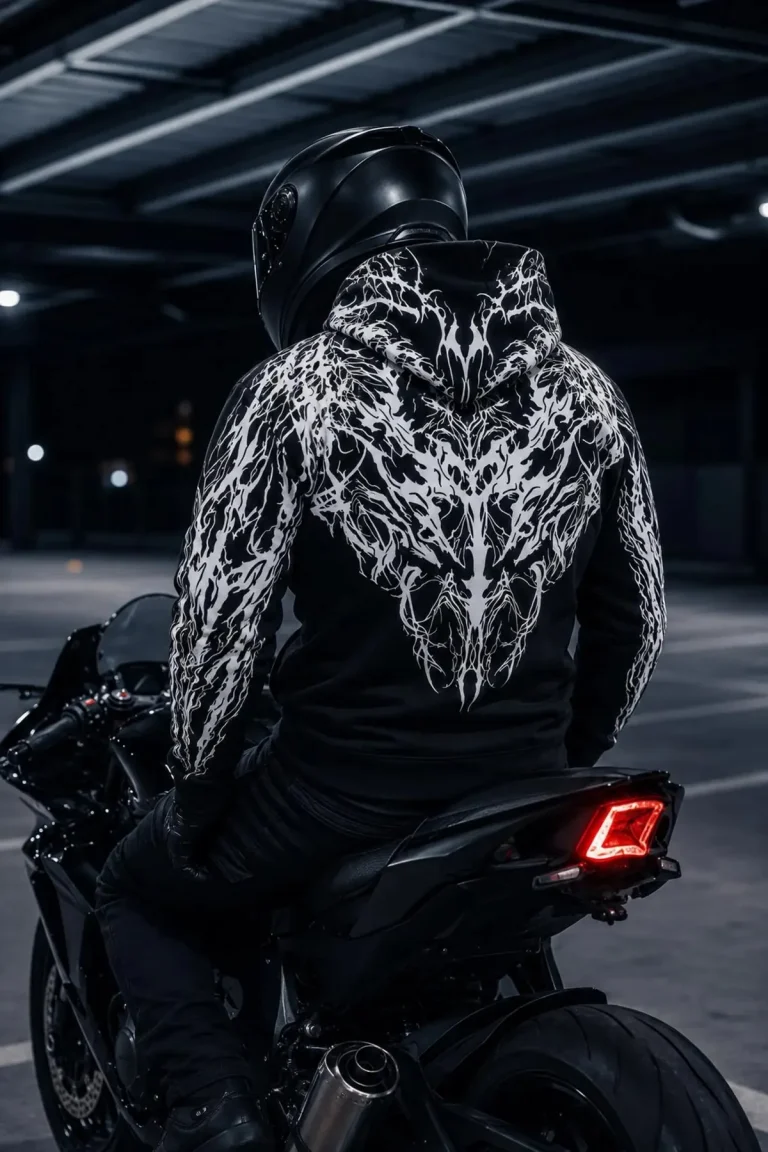
Custom hoodie manufacturing cost in China explained by MOQ, fabric, GSM, printing, embroidery, construction, labels and landed cost.
Custom hoodie manufacturing cost in China depends on fabric weight and composition, MOQ, colorways, construction, decoration, labels, packing, sample work, quality control, freight and duties. A realistic 2026 quote cannot be based on one product photo alone.
If a supplier gives one hoodie price without asking about GSM, fabric composition, print method, embroidery, trims, size range, labels, packing and quantity, that price is usually only a rough guess. It may help you start a conversation, but it is not a reliable production cost base.
My practical advice is simple: before comparing China hoodie manufacturers, compare the assumptions behind the quote. A cheaper number can be useful when the specification is the same. It becomes dangerous when it hides lower fabric weight, weaker decoration, missing labels, vague QC or unclear shipping terms.
A realistic custom hoodie quote is a cost structure, not a single magic price. Fabric creates the base cost. MOQ and colorways decide how efficiently that fabric can be sourced and cut. Construction decides sewing time. Decoration decides setup and QC risk. Labels, packaging, samples and shipping decide whether the first number is close to the final landed cost.
For a buyer, the key is not to force every supplier into the same lowest-price box. The key is to make sure every supplier is quoting the same product. This is especially important for private-label hoodies, because the product may include brand labels, special fabric hand feel, custom color, oversized fit, print or embroidery, custom drawcord, special zipper, hangtag, polybag and export packing.
| Cost layer | What the factory needs to know | Why it changes the quote |
|---|---|---|
| Fabric | Composition, GSM, color, finish, shrinkage target and stock or custom dye | Fabric is usually the largest material cost and affects cutting, sewing and freight weight. |
| MOQ and colorways | Quantity by style, color and size range | Low quantity spreads setup work across fewer garments and can make fabric sourcing less efficient. |
| Construction | Pullover, zip-up, cropped, oversized, hood structure, pocket, rib and zipper details | More construction details mean more labor time, trim cost and QC checkpoints. |
| Decoration | Artwork file, method, size, placement, color count and special effect | Print and embroidery may need setup, testing, digitizing, screens or stitch-count calculation. |
| Branding and packing | Neck label, care label, hangtag, barcode, polybag, carton mark and packing ratio | Private-label details add cost but also reduce buyer-side work later. |
| Delivery terms | EXW, FOB, CIF, DDP, destination country and delivery deadline | Product cost is not the same as landed cost. |
Online hoodie cost guides often show broad ranges because they mix very different products. A basic blank hoodie, a private-label pullover, a heavyweight streetwear hoodie, a zip-up hoodie with custom hardware, and a garment-washed hoodie with multi-position decoration are not the same product.
The first job is to separate price claims from price assumptions. Is the quote FOB or landed? Does it include sample work? Does it include labels? Does it include packaging? Is decoration included? Is the fabric stock or custom dyed? Is MOQ counted per colorway or only as total order quantity?
| Online price claim may include | Often excluded or unclear | Buyer risk |
|---|---|---|
| Basic garment sewing | Custom fabric development, special GSM, garment wash or premium finishing | The quoted hoodie may not match your reference product. |
| One simple decoration | Multi-color screen print, embroidery, patch, puff print, sleeve print or large back artwork | Decoration cost appears later after artwork review. |
| FOB unit price | Freight, duties, insurance, destination handling and local delivery | Landed cost is underestimated. |
| Standard trims | Custom drawcord, zipper puller, metal eyelets, woven patch or branded label set | The buyer compares an unbranded base garment with a private-label product. |
| One colorway assumption | Multiple colors, broken size ratios and small color lots | MOQ and fabric cost change after quotation. |
This is why two suppliers can quote very different numbers and both can look reasonable on paper. They may not be quoting the same hoodie.
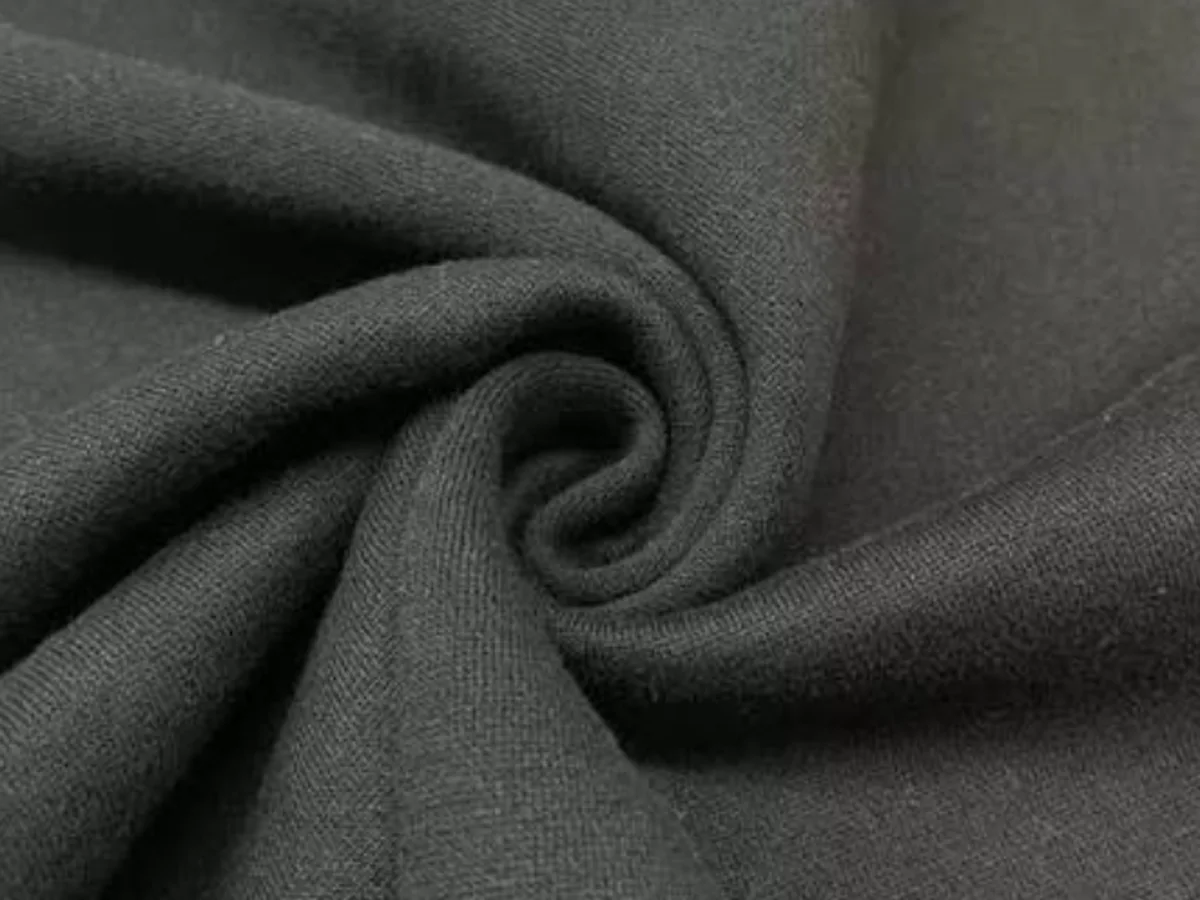
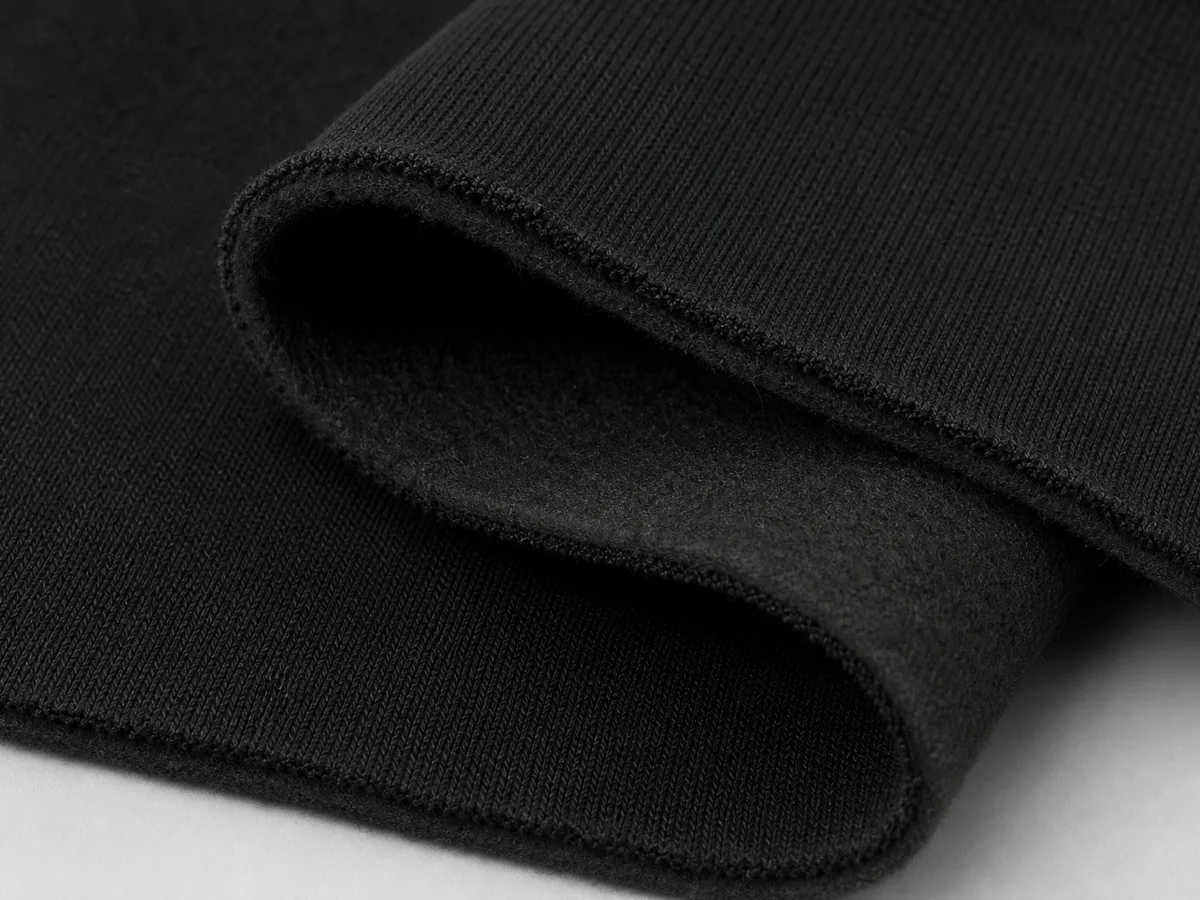
The biggest cost driver is usually fabric. GSM, yarn quality, cotton-poly ratio, brushing, dyeing, shrinkage control and color availability all matter. Heavier fleece usually costs more because it uses more material and increases shipping weight. But higher GSM alone does not guarantee better quality.
A 280 GSM CVC fleece, a 320 GSM cotton fleece, a 400 GSM heavyweight fleece and a French terry hoodie can all serve different markets. A gym brand may care about breathability and recovery. A streetwear brand may care about structure and weight. A promotional hoodie buyer may care about budget and color availability.
| Fabric decision | Cost impact | Buyer-side question to ask |
|---|---|---|
| GSM | Higher GSM usually increases fabric consumption and freight weight. | Do we need heavyweight structure, or just a soft daily hoodie? |
| Fiber composition | Cotton, polyester, CVC, TC and blends behave differently in cost, shrinkage and pilling. | What hand feel and wash performance does our customer expect? |
| Stock color vs custom dye | Stock colors can reduce MOQ pressure; custom dye may need higher fabric minimums. | Can the first drop use available colors before custom color development? |
| Brushed fleece vs French terry | Brushing adds softness but also requires pilling and shedding attention. | Is the hoodie positioned for warmth, structure, sport or lighter layering? |
| Special finish | Garment wash, enzyme wash, anti-pilling finish or special hand-feel finish adds process cost. | Is the finish essential to the retail story or optional for the first order? |
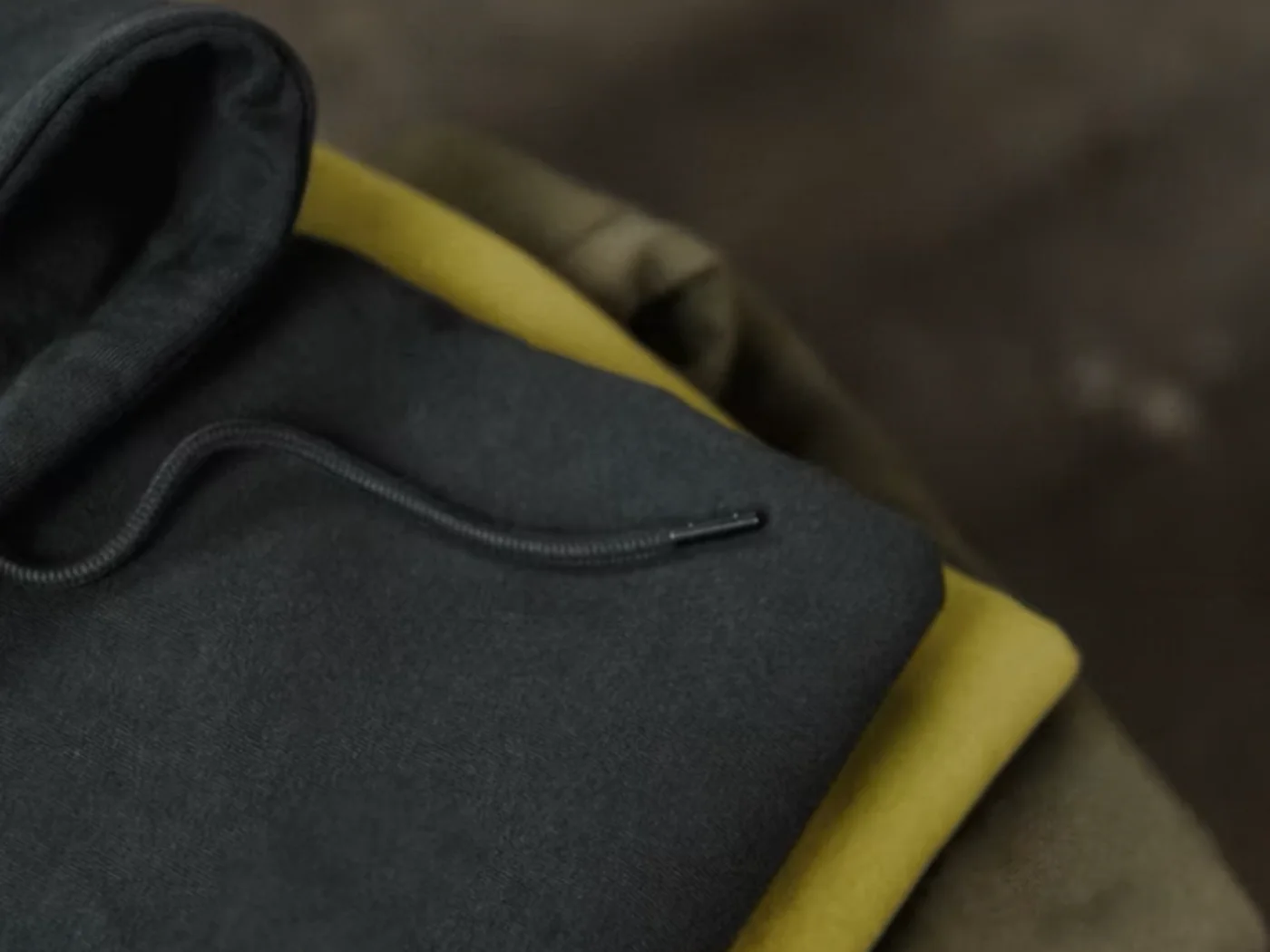
MOQ matters because fabric sourcing, cutting setup, print setup, sewing arrangement, QC and packing all need preparation. When quantity is low, those setup costs are spread across fewer pieces. This is why a 50-piece order and a 500-piece order cannot be quoted with the same unit-cost logic.
For Hengcheng hoodie programs, the public planning language is usually 100-200 pieces per colorway per style, depending on fabric, color, decoration and packing requirements. This is more realistic for OEM/private-label development than no-minimum claims, which often belong to POD or blank customization services.
| MOQ structure | Better for | Risk if misunderstood |
|---|---|---|
| Per style total MOQ | Simple products with one fabric and limited colors | Buyer assumes 200 total pieces can be split into too many colors. |
| Per colorway MOQ | Custom fabric, custom dye or stable color planning | Too many colors make each color too small for efficient sourcing. |
| Per fabric MOQ | Programs using the same fabric across several related styles | Changing fabric between styles removes the expected efficiency. |
| Low-MOQ test order | First market test with fewer colors and simpler decoration | Buyer expects full custom development at POD-level quantities. |
If you are testing a first drop, reduce complexity before reducing quality. One or two colorways, a clear size ratio and one main decoration method often create a better first order than five colors with weak quantities in every color.
Construction is the labor and trim side of the quote. A pullover hoodie is usually simpler than a zip-up hoodie. A double-layer hood uses more fabric than a single-layer hood. A lined hood, structured hood shape, specialty rib, zipper quality, drawcord, eyelets, kangaroo pocket, sleeve panel, coverstitching and seam finishing can all change sewing time.
For fashion hoodies, the risk is that the buyer sends a photo but not the construction details. The factory then has to guess whether the buyer wants a basic commercial hoodie, a structured streetwear hoodie, or a premium piece with heavier fabric and stronger finishing.
| Construction point | Cost driver | QC point to confirm on sample |
|---|---|---|
| Hood structure | Single layer, double layer, lining and drawcord details affect fabric and labor. | Hood shape, neckline balance, drawcord channel and symmetry. |
| Rib cuffs and hem | Rib quality and recovery affect both material cost and wearing performance. | Elastic recovery, twisting, seam strength and color match. |
| Zipper | Zip-up hoodies need zipper sourcing, sewing accuracy and hardware checking. | Zipper smoothness, tape alignment, top/bottom finish and wash durability. |
| Kangaroo pocket or zip pocket adds cutting, alignment and sewing time. | Pocket position, symmetry, opening strength and edge finish. | |
| Oversized fit | May consume more fabric and needs pattern control to avoid a sloppy shape. | Shoulder drop, sleeve length, body width and garment balance. |
Decoration can change a hoodie quote quickly. Screen printing may need screens by color. Embroidery depends on size, stitch count and thread complexity. Puff print, silicone print, applique, chenille patches, rhinestones and garment wash can add setup, testing and QC work.
A simple left-chest logo is not the same as a large back graphic plus sleeve print plus woven label. The factory needs artwork file, size, placement, color reference and method before the quote becomes meaningful.
| Decoration method | Main setup driver | QC risk |
|---|---|---|
| Screen print | Color count, screen setup, artwork separation and print position | Color accuracy, cracking, hand feel and wash durability. |
| Embroidery | Digitizing, stitch count, thread color and embroidery area | Puckering, backing comfort, thread density and logo shape accuracy. |
| Puff print | Ink formula, heat control, test print and fabric compatibility | Uneven puff effect, cracking and poor wash resistance. |
| Patch or applique | Patch material, edge finish, placement and sewing method | Edge lifting, distortion and inconsistent placement. |
| Garment wash | Wash recipe, shrinkage behavior, color effect and bulk consistency | Shade variation, measurement change and fabric hand-feel inconsistency. |
When decoration is important to your brand, do not approve only a digital mockup. Ask for a real sample or decoration strike-off when needed. The cost of finding a decoration problem before bulk production is usually lower than finding it after packing.
Sample fees are not the same as bulk unit price because the first sample carries development work. Pattern review, sample-room labor, material sourcing, decoration setup, measurement checking and revision handling are concentrated into one or two garments.
This is why a sample can look expensive compared with the final unit price. The buyer is not only paying for one hoodie. The buyer is paying for the factory to turn an idea, sketch, tech pack or reference garment into a production-ready standard.
For hoodie programs, Hengcheng’s sample fee is usually USD 50-80 per piece excluding shipping, depending on fabric and process complexity. The final sample discussion should happen after the product brief is reviewed. For a deeper explanation, review sample fees as a separate development cost, not as a bulk unit-price comparison.
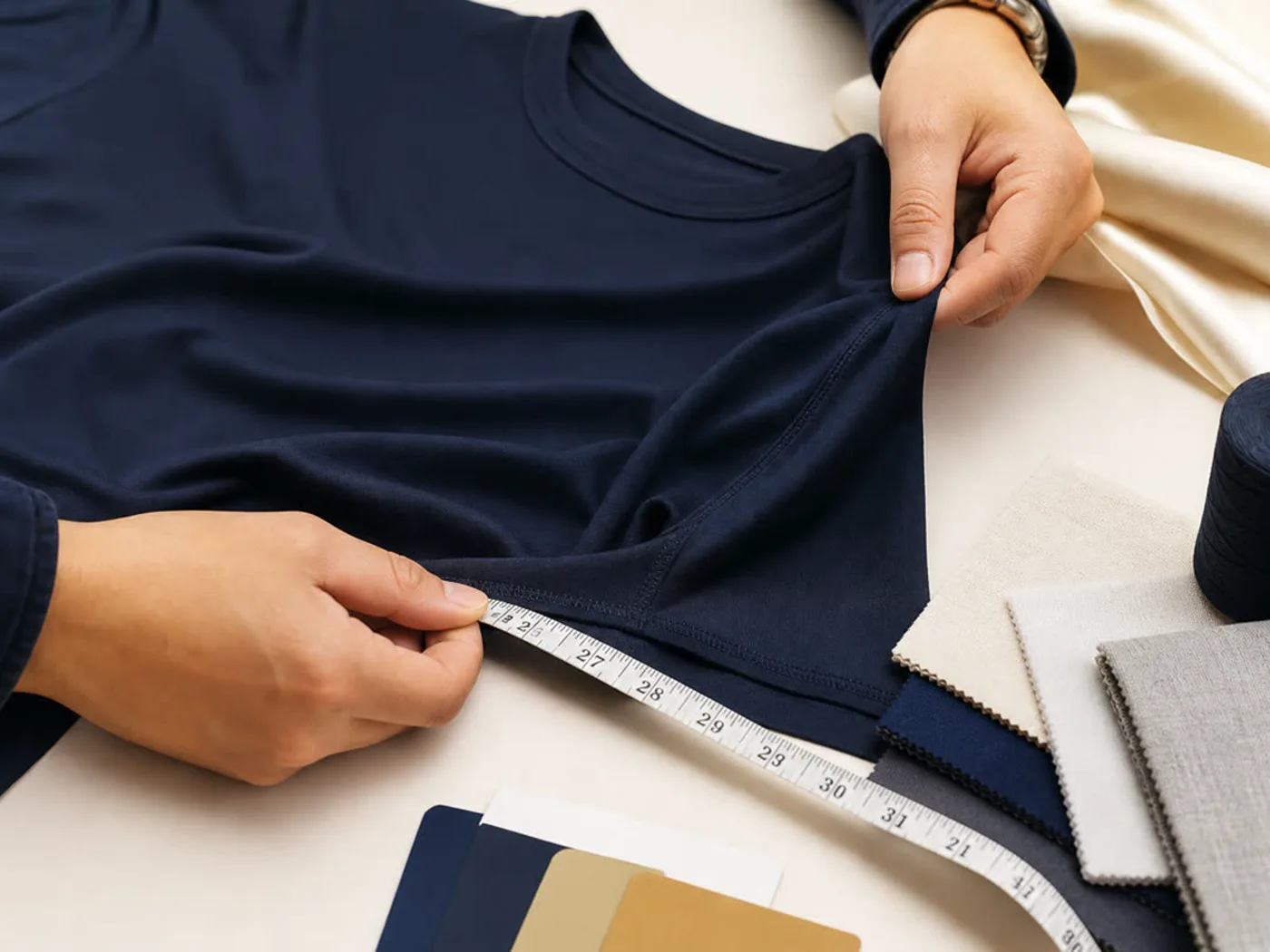
A useful quote should show what the factory is actually pricing. At minimum, it should clarify garment type, fabric, GSM, composition, quantity, colorways, decoration, labels, packing, sample fee, production lead time and trade terms.
| RFQ detail | Weak inquiry | Better inquiry |
|---|---|---|
| Product type | Can you make hoodies? | We need oversized pullover hoodies with kangaroo pocket and double-layer hood. |
| Fabric | Good quality cotton. | Target 320-400 GSM fleece, soft hand feel, low shrinkage, cotton-rich blend preferred. |
| Quantity | Maybe 200 pieces. | 200 pieces per color, 2 colors, size S-XL with expected ratio. |
| Decoration | Logo on front. | Left chest embroidery 8 cm wide plus back screen print 28 cm wide; artwork attached. |
| Packing | Normal packing. | Custom neck label, care label, hangtag, individual polybag and export carton. |
| Delivery | Ship to us. | Please quote FOB Qingdao and estimate freight options to Los Angeles separately. |
Do not compare only the lowest number. Compare whether the supplier understood the same product. A lower quote can be useful if assumptions are clear. It is dangerous when the quote hides fabric downgrade, weaker decoration, missing labels, vague QC or unrealistic MOQ.
The better comparison is landed cost plus execution risk. That includes sample accuracy, revision handling, quality control, communication discipline and whether the factory can repeat the same standard in bulk.
| Supplier comparison point | What to check | Why it matters |
|---|---|---|
| Product fit | Does the factory regularly make hoodies, sweatshirts or knit casualwear? | A generic clothing supplier may not understand fleece, rib, fit and decoration risks. |
| Quote clarity | Are fabric, GSM, MOQ, decoration, labels and shipping terms visible? | Clear assumptions make supplier comparison more honest. |
| Sample process | Can the factory explain sample cost, lead time and revision handling? | Sampling shows how production details will be controlled later. |
| QC method | Are measurement, workmanship, decoration and packing checks defined? | Quality must be controlled before bulk shipment, not argued afterward. |
| Communication | Does the team ask practical production questions? | Good questions reduce wrong assumptions before money is spent. |
Quality control has cost, but weak quality control costs more. For hoodies, the factory should review fabric shrinkage, pilling risk, color consistency, measurement tolerance, sewing strength, rib recovery, decoration durability, label placement, packing and carton condition.
Some buyers treat QC as a final inspection only. I do not recommend that. Hoodie quality should be controlled from sample approval through fabric inspection, cutting, sewing, decoration, measurement checking and packing. The approved sample should become the reference standard for bulk production.
If your hoodie fabric choice includes brushed fleece, anti-pilling expectations or strict wash performance, connect the quote with the QC standard early. The fabric and washing side should be reviewed separately when pilling risk is important to the product positioning.
No. FOB price is not landed cost. FOB usually means the supplier handles the goods to the named port and export process under the agreed term. Landed cost includes freight, insurance where relevant, duties, destination handling, customs brokerage, local delivery and sometimes inspection or compliance cost.
For buyers comparing China hoodie suppliers, this matters because a lower FOB garment price can become less attractive after freight, duty and defect risk are considered. A serious comparison should look at the full route from factory quotation to sellable inventory.
| Cost item | Included in product quote? | Buyer note |
|---|---|---|
| Garment production | Usually yes | Confirm fabric, construction, decoration and packing assumptions. |
| Sample shipping | Usually separate | Small express parcels can look expensive but are part of development cost. |
| Bulk freight | Depends on trade term | Ask whether quote is EXW, FOB, CIF, DDP or another term. |
| Duties and taxes | Usually not in FOB | Check destination rules with importer or freight forwarder. |
| Inspection | Sometimes separate | Third-party inspection or special testing should be planned before shipment. |
| Local delivery | Usually separate | Warehouse delivery can change the final landed unit cost. |
The safest way to reduce hoodie cost is to reduce avoidable complexity, not to remove the details that protect the product. If you make the first order easier to execute, the factory can quote more accurately and control bulk production more smoothly.
There is a limit. If you reduce fabric quality, skip sample review or remove QC, the unit price may look better but the business risk rises. A hoodie that pills, shrinks, twists, cracks at print, loses rib recovery or arrives with poor packing is not a cheaper hoodie. It is an expensive problem.
Hengcheng is a direct China garment factory for OEM and private-label apparel programs, including hoodies, sweatshirts, T-shirts and related casualwear. The best fit is a buyer with a real product direction, realistic MOQ expectations, and a need for sample-first development, fabric discussion, decoration review and QC support.
If you only need a few blank hoodies with a simple logo tomorrow, a local blank printer or POD service may fit better. If you are building a repeatable private-label hoodie product and want factory-side development, a direct manufacturer can help you control fabric, fit, decoration, labels and production standards more carefully.
Fabric, GSM, MOQ, colorways, construction, decoration, labels, packing, sample work, QC, freight and duties are the main cost drivers. The factory needs a clear product brief before giving a reliable quote.
Online prices vary because different guides compare different hoodie types, fabric weights, decoration methods, MOQ levels and shipping assumptions. A blank hoodie, heavyweight private-label hoodie and multi-decoration streetwear hoodie cannot be compared as the same product.
For serious OEM hoodie production, MOQ is often discussed per style and per colorway because fabric and color setup matter. Buyers should ask whether the MOQ is total quantity, per color, or per fabric.
Often yes. Screen printing, embroidery, puff print, patches and special decoration methods can require artwork preparation, screens, digitizing, stitch-count review or test runs.
No. FOB is not landed cost. Freight, duties, insurance, destination handling, customs brokerage and local delivery can change the final cost per hoodie.
Sometimes, but the route may be blank customization or POD rather than full OEM. Hengcheng hoodie OEM programs usually work around 100-200 pieces per colorway per style, depending on fabric, color, decoration and packing.
The sample includes development work that bulk production later spreads across many garments: pattern review, sample-room labor, material sourcing, decoration setup, measurement checking and revision handling.
Send product photos or a tech pack, fabric direction, target GSM, quantity by color and size, artwork, decoration details, label and packing requirements, destination country and expected timeline.
This article is based on Hengcheng garment manufacturing experience, current buyer questions from search data, and external references reviewed for technical or sourcing context.
For a serious hoodie quotation, send Hengcheng your fabric direction, target quantity, artwork, label details and destination through the contact page. That allows the factory to quote the real product, not a guess.