Address
JINKE Technology Industrial Park, No. 3188 ChunYuan Road, Weifang City, Shandong Province, China
Work Hours
Monday to Friday: 7AM - 7PM
Weekend: 10AM - 5PM
Address
JINKE Technology Industrial Park, No. 3188 ChunYuan Road, Weifang City, Shandong Province, China
Work Hours
Monday to Friday: 7AM - 7PM
Weekend: 10AM - 5PM

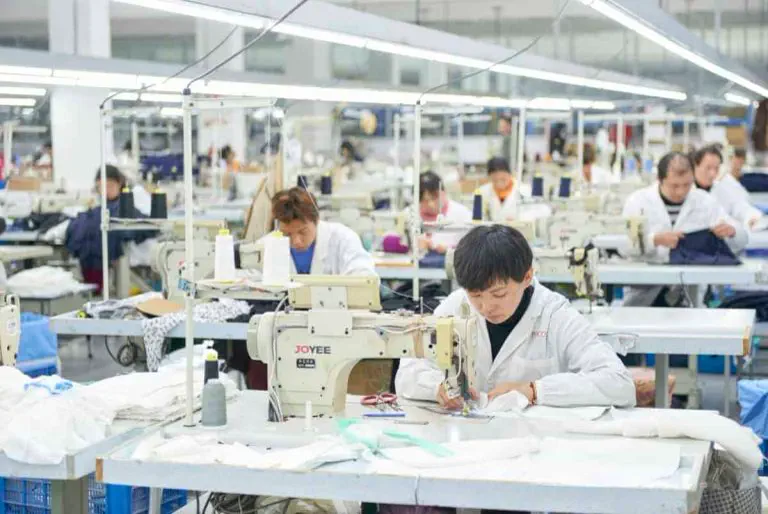
Why Weifang, Shandong can support hoodie, sweatshirt and knitwear manufacturing: industrial experience, supplier access, production discipline and export workflow.
Weifang, Shandong is worth considering for hoodie and knitwear manufacturing because it sits inside one of China's mature textile and apparel regions. That does not mean every supplier in the city is automatically strong. It means the local environment can support the work overseas buyers actually care about: fabric access, trim coordination, sample development, production follow-through, QC discipline, and export communication.
From a China garment factory perspective, location matters when it helps turn a buyer's design idea into a repeatable bulk order. A mature manufacturing region can shorten the distance between fabric sourcing, sample comments, production planning, and final packing. But the region is only a support factor. The factory still has to prove product fit, sample quality, commercial fit, and communication quality.
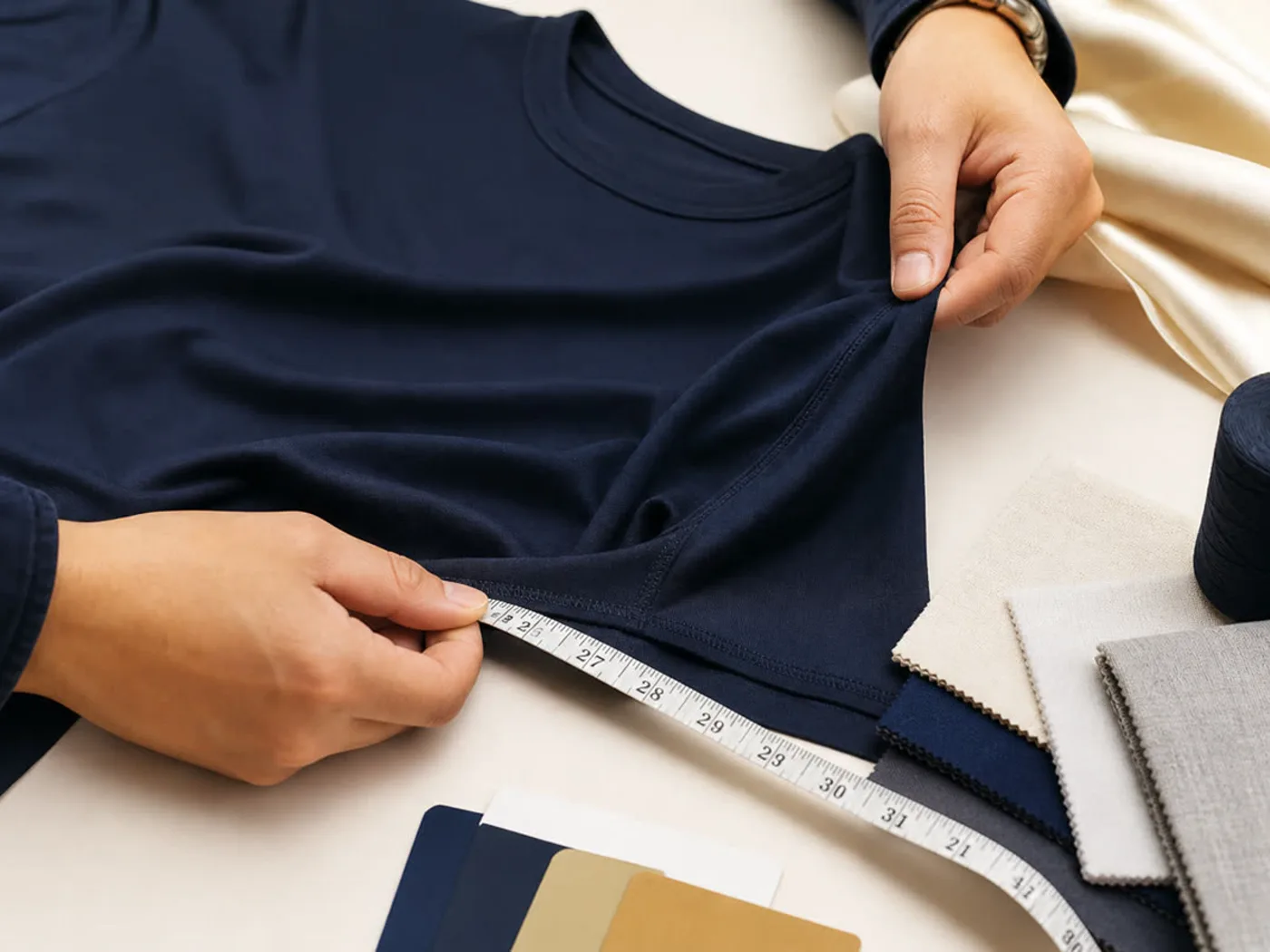
If I were comparing hoodie or knitwear factories, I would treat Weifang as a useful sourcing signal, not a final decision by itself. The city can be helpful when a project needs knitwear experience, nearby textile support, practical sampling, and a factory that understands overseas order requirements. But I would still choose the supplier based on sample-to-bulk control, MOQ fit, QC visibility, and how clearly the factory handles my RFQ.
| Buyer question | Practical answer | What to verify |
|---|---|---|
| Is Weifang useful for hoodies? | Yes, especially for knit casualwear, sweatshirts, fleece, French terry, rib trims, and repeat programs. | Whether the specific factory has hoodie experience and can show relevant samples. |
| Does the location reduce risk? | It can reduce sourcing and coordination friction. | Whether the factory has a real sample review and bulk QC process. |
| Is it always cheaper? | Not automatically. Cost depends on fabric, construction, decoration, MOQ, packing, and timeline. | Compare quotes based on the same technical brief. |
| Is it good for private label? | It can be a good fit when the buyer needs repeatable development and production. | Confirm label, trim, packaging, and approval workflow before bulk. |
| Should I choose by city name? | No. Location is only one layer of the decision. | Product fit and execution fit matter more than geography. |
The useful question is not simply, "Is Weifang a good garment city?" A better sourcing question is, "Can this Weifang factory turn my hoodie or knitwear brief into a stable sample, then reproduce it in bulk without avoidable surprises?"
A Weifang factory makes the most sense when the buyer needs a manufacturing partner that can handle knit garment development details, not only a sewing quotation. For hoodies, sweatshirts, fleece tops, French terry programs, lounge knits, and repeat private-label basics, the sourcing value comes from how quickly the factory can connect product comments with fabric, trims, sample revision, bulk planning, and inspection.
It is less useful when the buyer has no clear product direction, wants many low-volume colorways, or is only comparing the cheapest FOB price. In those cases, any location can look attractive on a spreadsheet while still creating sample delays, fabric substitutions, or bulk quality risk.
| Buyer goal | Weifang can be a strong fit when | Be careful if |
|---|---|---|
| Build a repeat hoodie program | The buyer wants consistent fabric, fit, trims, labels, and packing across multiple drops. | The buyer changes fabric, color, and decoration every order without a stable base style. |
| Develop a private-label knitwear line | The project needs sample interpretation, fabric matching, size grading, and production follow-up. | The buyer only has a moodboard and wants a fixed price before specifications are clear. |
| Control quality on heavyweight hoodies | Fabric behavior, hood balance, rib recovery, shrinkage, and pilling need review before bulk. | The supplier cannot explain how the approved sample will control bulk production. |
| Manage MOQ realistically | The factory can discuss MOQ by fabric, colorway, trim, and decoration route. | The buyer expects one tiny order to include many custom fabrics and colors. |
| Serve overseas buyers | Communication, labeling, packing, carton marks, and export timing are handled early. | Export documents and packing requirements are discussed only after production starts. |
The strategic advantage is therefore not "Weifang is cheaper." The better argument is that a suitable Weifang partner may reduce coordination friction on the exact parts of hoodie manufacturing that often create buyer-side problems: unclear fabric standards, weak sample comments, late trim decisions, unstable size tolerance, and vague QC expectations.
A garment factory is not only a sewing room. The real production system includes fabric sourcing, trim sourcing, sample development, pattern adjustment, cutting, sewing, washing or finishing, inspection, packing, and export handling. If one link is weak, the entire order slows down.
That is especially true for hoodies and knitwear because one decision affects the next:
A location like Weifang matters because it supports that wider chain. When the local ecosystem already understands textile and apparel production, a factory can often coordinate practical details faster than a supplier working far away from relevant support resources.
But location does not replace management. A factory in a strong region can still make mistakes if it quotes too early, skips sample testing, or treats buyer comments loosely. I would use Weifang as a positive starting signal, then test the actual factory process.
For hoodie and knitwear buyers, the value of Weifang is practical rather than romantic. The region can support products that need stable fabric handling, clear sample comments, controlled trim sourcing, and repeat production.
A hoodie program may look simple from the outside, but the factory may need to coordinate many details at once:
That is why I would not describe Weifang only as a place on a map. For the right supplier, it can be a working environment for hoodie, sweatshirt, casualwear, and knitwear production.
For Hengcheng specifically, the location matters because the factory is based in Weifang, Shandong and works with overseas garment buyers across OEM, private-label, and sample-development projects. The location is useful when it is combined with clear buyer communication, fabric and trim coordination, and disciplined sample-to-bulk review.
For an overseas buyer, that combination is more important than a broad regional label. A factory should be able to explain what it can make, what needs outside coordination, which assumptions affect MOQ, and where quality risk can appear. If the supplier gives only a city name and a low price, the buyer still has not learned enough to make a safe sourcing decision.
Many buyers search for a direct factory because they want better control, clearer communication, and fewer unnecessary layers. That is reasonable, but "direct factory" still needs to be verified through behavior. A factory should show operational detail before the buyer trusts it with a hoodie or knitwear order.
Useful verification questions include:
| Direct-factory signal | What it tells the buyer | Why it matters for hoodies |
|---|---|---|
| The factory asks for fabric, size, color, trim, and artwork details before quoting. | It is trying to understand the real product, not only win the inquiry. | Hoodie cost changes quickly with GSM, construction, decoration, and trim route. |
| The sample process includes comments, revision, and PP sample approval. | The factory treats sampling as a control step. | Bulk quality depends on how well the approved sample is translated into production. |
| MOQ is explained by style, colorway, fabric, and decoration. | The supplier understands commercial constraints. | Low-MOQ hoodie projects often fail when color split and fabric MOQ are ignored. |
| QC language is specific. | The supplier can identify real defect risks. | Shrinkage, pilling, rib recovery, hood balance, seam bulk, and measurement tolerance need separate checks. |
| Export and packing details are discussed before bulk. | The factory is thinking beyond sewing. | Overseas buyers need labels, carton marks, packing ratios, and shipment handoff to be clean. |
This is also how buyers should evaluate Hengcheng. The strongest conversation starts with a clear brief, then tests how the factory responds. A useful factory partner will point out missing information, explain tradeoffs, and help the buyer separate confirmed specifications from open decisions.

Some projects benefit more from a Weifang-based hoodie factory than others. The strongest fit is usually a repeatable program, not a one-off order where the buyer only wants the lowest possible quote.
| Buyer situation | Why Weifang can help | What to confirm before choosing |
|---|---|---|
| Private-label hoodie basics | The region can support repeated fabric, trim, and packing coordination. | Fabric weight, color plan, labels, packaging, MOQ by color, and size range. |
| Mid-weight or heavyweight sweatshirt programs | Knit fabric behavior and finishing control matter more than a simple sewing price. | Shrinkage, pilling, rib recovery, hood shape, and sample wash result. |
| Sample-first development | Buyer comments need to move from reference image to sample to revised sample. | How revisions are recorded and how the approved sample controls bulk. |
| Brand reorder programs | Repeat orders need consistency across fabric hand feel, fit, and trim placement. | Whether the factory can keep fabric and trim standards stable across batches. |
| Buyer-led product development | The buyer has a tech pack, reference sample, or visual direction and needs factory interpretation. | Whether the factory asks specific questions instead of guessing. |
This is where many buyers misuse location. They hear a city or province name and treat it like a guarantee. That is not how sourcing works. A good region can improve the conditions around production, but the factory still has to show the right category focus and order discipline.
Location can influence cost, MOQ, and lead time, but usually indirectly. It does not make every order cheaper. It can make the production path more efficient when the factory has the right supplier network and the buyer's brief is clear.
| Sourcing factor | How a mature region can help | Buyer risk if the brief is weak |
|---|---|---|
| Fabric sourcing | Easier discussion around fleece, French terry, rib trim, and related knit fabrics. | The factory may quote a substitute fabric that looks close but behaves differently. |
| MOQ planning | Better chance of matching available fabric and trim routes to the buyer's order size. | Low quantity across many colors can still make the order inefficient. |
| Sample timing | Faster coordination when fabric, trim, pattern, and sample teams are aligned. | A vague reference image can still cause multiple slow revisions. |
| Bulk cost | Fewer coordination gaps can reduce hidden rework and late changes. | Comparing quotes without matching specs creates misleading price differences. |
| QC timing | Local production experience can support clearer checkpoints. | If the buyer approves too fast, problems move into bulk production. |
For example, a 300-piece hoodie order in one color is different from a 300-piece order split across five colors with custom rib, embroidery, special labels, and retail packaging. The city does not solve that math. A practical factory will explain the MOQ pressure instead of pretending every customization has the same cost.
From the factory side, a complete RFQ helps more than a famous location. If the buyer sends fabric weight, size range, color breakdown, decoration method, reference images, target market, and packing requirements, the quote becomes more accurate. If the buyer only asks "How much for a hoodie?", every supplier has to guess.

Location is a support signal. It is not a substitute for verification. Before I would treat a Weifang supplier as a serious hoodie or knitwear partner, I would check the actual working process.
| Verification area | Strong signal | Weak signal |
|---|---|---|
| Sample review | The factory comments on fit, construction, fabric behavior, and wash result. | The factory only says the sample is "good quality." |
| Bulk readiness | The factory explains what must be locked before production. | The factory treats sample approval as a formality. |
| Trim control | The factory asks about drawcords, eyelets, rib, labels, and packing early. | Small trims are ignored until late in the order. |
| QC method | The factory discusses measurement and workmanship checkpoints. | Quality is described only in broad marketing language. |
| Buyer communication | The factory asks for tech pack, reference photo, size spec, and target market. | The factory pushes for a deposit before the product is clear. |
If a supplier in Weifang cannot pass these checks, the location does not rescue the project. A weak workflow is still a weak workflow.
When Hengcheng reviews a hoodie or knitwear inquiry, the useful first step is not to rush into a price. The useful first step is to understand what kind of order the buyer is really building.
A factory-side review would usually look at these questions:
That review matters because two hoodie projects can use the same category name but require very different production routes. A plain pullover fleece hoodie, a cropped zip hoodie, a heavy boxy hoodie, and a washed streetwear hoodie should not be quoted as if they were the same item.
For buyers, this is a useful test. A factory that asks specific questions is usually safer than a factory that gives a fast number with no context. The specific questions may feel slower at first, but they reduce expensive surprises later.
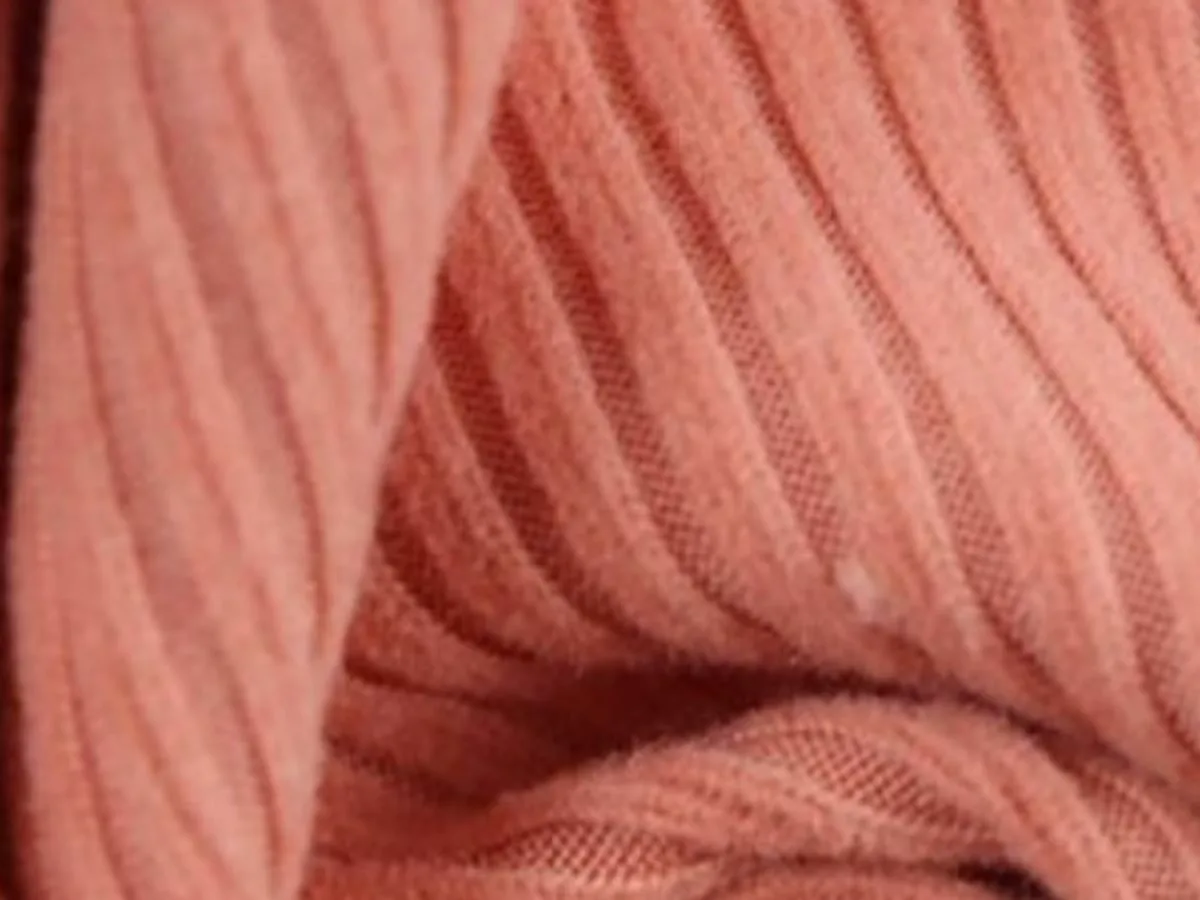
I would not compare suppliers by city name alone. I would compare the full sourcing risk. Sometimes a Weifang factory will be the better fit. Sometimes another Chinese region or another country may fit better because of order size, fabric route, speed, or market requirements.
| Comparison lens | What matters most | Why it matters |
|---|---|---|
| Product category fit | Hoodie, sweatshirt, knitwear, casualwear, or private-label basics. | The factory should already understand the product logic. |
| Development depth | Pattern, fit, fabric, trim, decoration, and sample comments. | The sample is the control point for bulk. |
| Commercial fit | MOQ, payment terms, timeline, and target market. | A good factory can still be wrong for the order size. |
| QC structure | Measurement, sewing, washing, finishing, and final inspection. | Many quality problems start before final inspection. |
| Communication style | Clear, specific, and operational. | Miscommunication is one of the biggest sourcing risks. |
| Export readiness | Labeling, packing, carton marks, documents, and shipping coordination. | Overseas buyers need clean handoff after production. |
A practical comparison should also separate supplier capability from buyer readiness. If the buyer has no clear spec, no target fabric, and no quantity plan, the sourcing comparison will be weak no matter where the factory is located.
Before choosing a supplier, buyers should score the shortlist on execution fit rather than presentation quality. A polished website, city name, or broad product catalog is helpful only if it connects to the actual order. For a hoodie project, a plain but specific reply can be more useful than a polished sales answer that avoids MOQ, fabric, sample, and inspection details.
| Shortlist criterion | High-confidence answer | Risky answer |
|---|---|---|
| Product focus | "We mainly handle knit casualwear such as hoodies, sweatshirts, T-shirts, lounge tops, and related private-label programs." | "We can make any garment." |
| Fabric route | "For your brief, we would compare fleece and French terry options around your target GSM." | "Fabric is no problem." |
| Sample control | "We will record comments and confirm a PP sample before bulk." | "Sample is just for checking appearance." |
| Quote clarity | "This price assumes this fabric, this quantity split, this decoration, and this packing." | "Best price, details later." |
| QC plan | "We will check measurements, shrinkage, pilling, stitching, trim placement, and packing." | "Quality is guaranteed." |
This kind of scoring prevents the buyer from over-weighting geography. Weifang may be a good starting point, but the winning supplier should still be the one that gives the clearest path from first brief to approved sample to repeatable bulk order.
If I were preparing a hoodie RFQ for a Weifang factory, I would include enough information for the supplier to quote the same product I actually want to buy. A complete RFQ prevents misleading low quotes and reduces unnecessary back-and-forth.
| RFQ field | What to include | Why the factory needs it |
|---|---|---|
| Product category | Pullover hoodie, zip hoodie, sweatshirt, knitwear top, or related casualwear. | Category affects pattern, sewing, trim, and finishing route. |
| Target market | Country or region where the garment will be sold. | Labeling, packaging, sizing, and quality expectations can differ. |
| Estimated quantity | Total quantity plus color and size breakdown. | MOQ and cost depend heavily on color and size split. |
| Fabric direction | Fleece, French terry, CVC blend, cotton, polyester blend, or reference sample. | Fabric is one of the biggest cost and quality drivers. |
| Weight / hand feel | GSM target, season, softness, drape, stretch, and warmth expectation. | GSM alone does not describe fabric performance. |
| Construction | Hood layer, pocket, rib, zipper, seam type, and special details. | Construction changes labor, material use, and QC points. |
| Decoration | Print, embroidery, applique, wash, patch, or no decoration. | Decoration affects sampling, cost, testing, and lead time. |
| Labels and packing | Main label, care label, hangtag, polybag, carton marks, and packing ratio. | Private-label orders often fail on late packaging details. |
| Size spec | Size range, measurement chart, tolerance, and fit reference. | Bulk consistency depends on clear size control. |
| Timeline | Sample deadline, bulk delivery target, and launch date. | The factory needs to judge whether the schedule is realistic. |
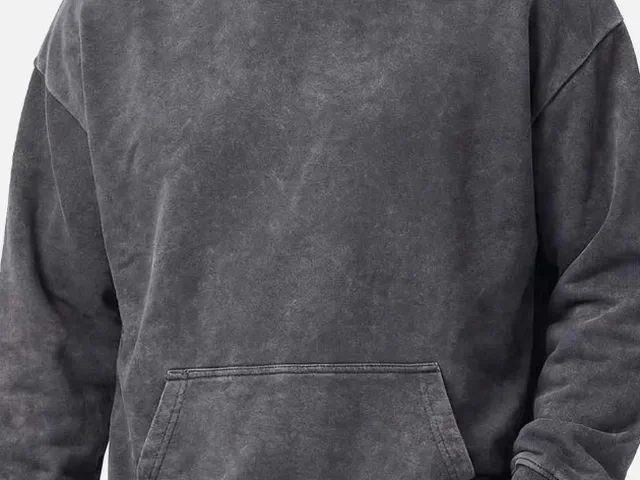
If the buyer only says, "I need a hoodie quote," the factory has to make too many assumptions. If the buyer says, "I need a 380 GSM brushed fleece pullover hoodie, double-layer hood, kangaroo pocket, S to XXL, 500 pieces across two colors, printed neck label, carton packing for Japan," the conversation becomes useful immediately.
The first mistake is treating regional reputation like a certificate. It is not. A location can support production, but it does not prove sample quality, export discipline, or bulk consistency.
The second mistake is comparing factories before the product is fixed. Buyers may ask five factories for prices while each factory is imagining a different fabric, GSM, trim route, decoration method, and packing plan. The lowest quote may simply be based on the weakest assumptions.
The third mistake is approving a sample too quickly. On hoodies and knitwear, the sample should be checked for more than appearance. I would always review:
The fourth mistake is expecting a city to compensate for a weak development brief. It cannot. Good factories need clear input. Good buyers give it.
Weifang makes the most sense when the buyer wants a production partner, not just a single quote. The difference is important. A supplier can sew one sample. A stronger production partner can stay aligned through revisions, bulk production, inspection, packing, and reorders.
For hoodie and knitwear work, the repeat-program question matters because buyers usually care about consistency more than one-time novelty. The same fabric hand feel, hood shape, rib recovery, label placement, and size tolerance should come back again and again.
That is where a mature garment region can help. It is easier to build repeatable behavior when the surrounding ecosystem already understands bulk production, export timing, and buyer-side expectations. But the factory still has to manage the process. Location gives support; process turns that support into reliable orders.
Before moving from sample to bulk, I would want five points confirmed:
If those five points are not settled, the order is not ready. The city name does not change that.
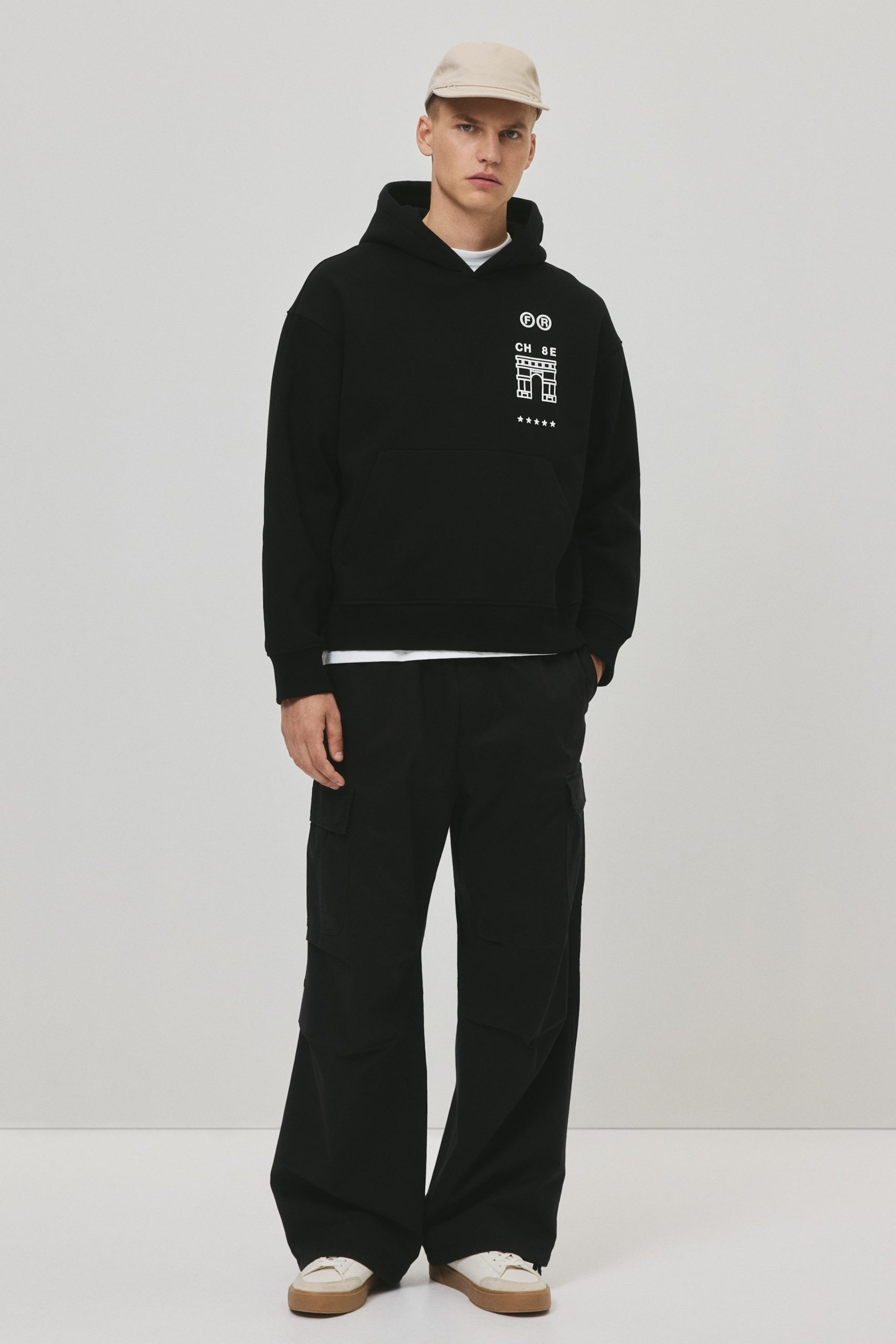
After a buyer shortlists a Weifang hoodie or knitwear factory, the next step should not be a large bulk order. The safer move is to build a first-sample plan that tests the factory's product understanding and communication discipline.
A good first-sample plan should include one target style, one or two fabric directions, a realistic color plan, key measurements, decoration expectations, label and packing notes, and a clear review deadline. The point is not to make the factory guess less creatively. The point is to make the first sample useful enough to decide whether the factory can become a repeat supplier.
| First-sample item | What to define | Buyer decision after sample |
|---|---|---|
| Base style | Pullover hoodie, zip hoodie, sweatshirt, lounge top, or related knitwear style. | Does the factory understand the category and construction? |
| Fabric direction | Fleece, French terry, cotton blend, CVC blend, rib, or another knit option. | Does the hand feel and wash behavior match the retail target? |
| Fit and size | Reference garment, measurement chart, fit notes, and tolerance priority. | Does the sample match the intended silhouette and wearing comfort? |
| Decoration | Print, embroidery, applique, washing, label, or blank program. | Does the decoration route work on the chosen fabric? |
| Brand details | Neck label, care label, hangtag, polybag, carton mark, and packing ratio. | Can the factory handle private-label requirements cleanly? |
| QC review | Wash result, shrinkage, pilling, measurement, stitching, trim recovery, and packing. | Is the supplier ready for bulk or does the sample need revision? |
For buyers still preparing their project, Hengcheng's sample development process page explains how a sample-first approach can reduce confusion before bulk production. Buyers comparing private-label scope can also review the private-label OEM clothing manufacturer page and the quality control page before sending an RFQ.
Yes. Weifang can be useful because it sits inside China's broader textile and apparel production ecosystem. The advantage comes from fabric, trim, sample, production, and export support around the factory, not from the city name alone.
No. Quality depends on the specific factory's category fit, sampling process, QC discipline, and communication. A strong region can support those things, but it cannot guarantee them.
Not necessarily. Some factories can support smaller private-label or sample-first programs, but MOQ depends on fabric availability, color split, decoration, trim, and packing requirements. Buyers should discuss MOQ by style, color, and size instead of asking for one generic number.
Ask about similar hoodie projects, fabric options, sample process, MOQ by color, hood construction, rib trim, decoration testing, QC checkpoints, packing requirements, and what information they need before quoting accurately.
Yes, if the factory has the right workflow. Private-label hoodies require more than sewing. The factory must coordinate fabric, trims, labels, packaging, sample approval, and bulk consistency.
Location matters less when the buyer already has a very clear tech pack, approved fabric route, stable reference sample, and simple production requirement. In that case, execution fit and capacity may matter more than the city.
The biggest risk is using the region as a shortcut and skipping supplier verification. Buyers should still check samples, QC process, MOQ fit, communication quality, and export readiness before placing a bulk order.
Compare product fit, sample process, fabric route, MOQ logic, QC plan, communication quality, and export readiness. The better supplier is not always the one from the most familiar city. It is the one that can explain how your actual hoodie brief will move from first sample to stable bulk production.
No. A direct factory can reduce unnecessary communication layers, but cost still depends on fabric, GSM, color split, trims, decoration, labels, packing, MOQ, timeline, and QC expectations. A direct factory is most valuable when it gives clearer control, not when it promises an unrealistically low quote.
Send one target style, reference photos or tech pack, fabric direction, estimated quantity by color and size, decoration artwork if available, label and packaging needs, destination market, target delivery window, and the quality points you care about most. If some details are not fixed, say so clearly so the factory can suggest practical options.



