Address
JINKE Technology Industrial Park, No. 3188 ChunYuan Road, Weifang City, Shandong Province, China
Work Hours
Monday to Friday: 7AM - 7PM
Weekend: 10AM - 5PM
Address
JINKE Technology Industrial Park, No. 3188 ChunYuan Road, Weifang City, Shandong Province, China
Work Hours
Monday to Friday: 7AM - 7PM
Weekend: 10AM - 5PM

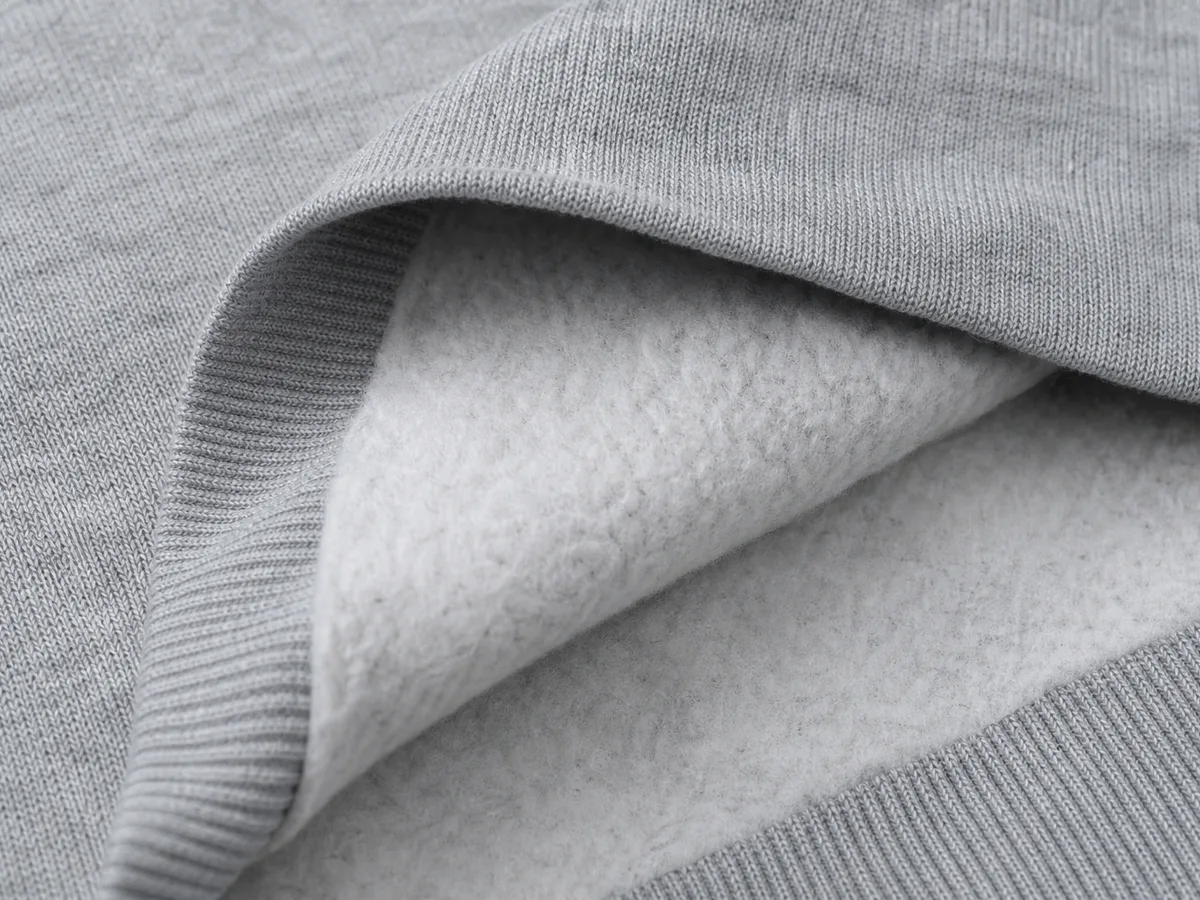
Why hoodies pill after washing and how fabric, yarn, fleece structure, finishing, washing and QC affect pilling risk.
Hoodies pill after washing when loose fibers on the fabric surface rub, migrate, tangle and form small balls. The wash does not create the problem by itself. It exposes how the fabric was specified, spun, knitted, brushed, finished and handled before bulk production.
For a brand or sourcing team, pilling is not only a care-label issue. It is an approval issue. If a hoodie looks fuzzy, pills around the pocket, or loses its clean surface after a few washes, the buyer needs to review the fabric system and the approved-sample process before authorizing bulk production.
Pilling starts when fibers near the fabric surface loosen under friction. Those fibers twist together into small balls, then either break away or remain attached. Hoodies are exposed to repeated rubbing in daily use: sleeves against the body, underarms, pocket edges, cuffs, side seams, backpack straps and the inside of a washing machine.
A well-controlled hoodie fabric can still show normal surface change over time. The commercial problem is early, obvious pilling that makes a new garment look worn after a small number of washes. That result usually comes from a combination of loose fibers, unstable yarn, aggressive brushing, unsuitable finishing, or a wash method that was never tested against the product’s intended use.
| What the buyer sees | Likely area to review | Useful next question for the factory |
|---|---|---|
| Small pills after one or two washes | Surface fiber, yarn quality, brushing or finishing | What fabric construction and finishing were used for the approved sample? |
| Pills mainly at cuffs, pocket edge or underarm | High-friction zones and garment-use conditions | Can the sample be checked after the agreed wash and wear sequence? |
| Soft fleece sheds or becomes fuzzy | Brushing intensity and loose surface fiber | Can you show a less-brushed or more stable fabric option? |
| Fabric looks thin or distorted after washing | Fabric weight, structure, shrinkage and recovery | What wash test and dimensional tolerance will be used before bulk? |
| Only one colorway performs poorly | Dyeing, finishing, or lot variation | Will each color be reviewed against the approved fabric standard? |
Polyester is often blamed, but a blend ratio alone does not predict pilling. Polyester fibers are strong. When pills form, those strong fibers can hold the pill on the fabric surface longer, which can make the issue more visible. Cotton can also pill when fibers are short, yarn is weak, surface fibers are raised too aggressively, or the knit and finishing are poorly controlled.
Instead of asking whether a fabric is simply cotton or polyester, ask how the fabric is built. Useful questions include the fiber composition, yarn direction, knit structure, target GSM, whether the inside is brushed, expected shrinkage, and what wash appearance the factory can support. A cotton-rich fleece can be very soft but unstable; a cotton-poly fleece can be durable but still show pills if the yarn or finishing is not right.
| Fabric factor | What it changes | Why it matters for pilling |
|---|---|---|
| Fiber length and preparation | How many loose ends reach the surface | Better-controlled fibers generally leave fewer loose ends to tangle. |
| Yarn quality and twist | Surface stability and strength | Weak or fuzzy yarn can release fibers more easily during abrasion. |
| Cotton-poly ratio | Hand feel, durability and pill visibility | The balance affects how pills form and how long they remain attached. |
| Knitting structure | Density, recovery and exposed loops | French terry, fleece and double-face knits do not respond to friction in the same way. |
| Brushing and finishing | Softness and surface appearance | A soft raised finish can increase loose surface fiber unless controlled and tested. |
| Wash process | How much abrasion the garment receives | Harsh tumbling and mixed loads can reveal a weak surface quickly. |
No. GSM measures fabric weight per square meter. It can influence warmth, structure and perceived quality, but it does not tell you whether the yarn is clean, the fibers are stable, or the finishing has been controlled. A 400 GSM hoodie can pill badly if the surface is unstable. A lighter French terry can remain cleaner if its yarn, knit and finishing suit the product.
GSM should therefore be part of a complete fabric brief, not a shortcut for quality. A useful brief combines weight with composition, hand feel, inner-surface direction, stretch and recovery expectations, shrinkage allowance, color standard and wash-performance expectations.
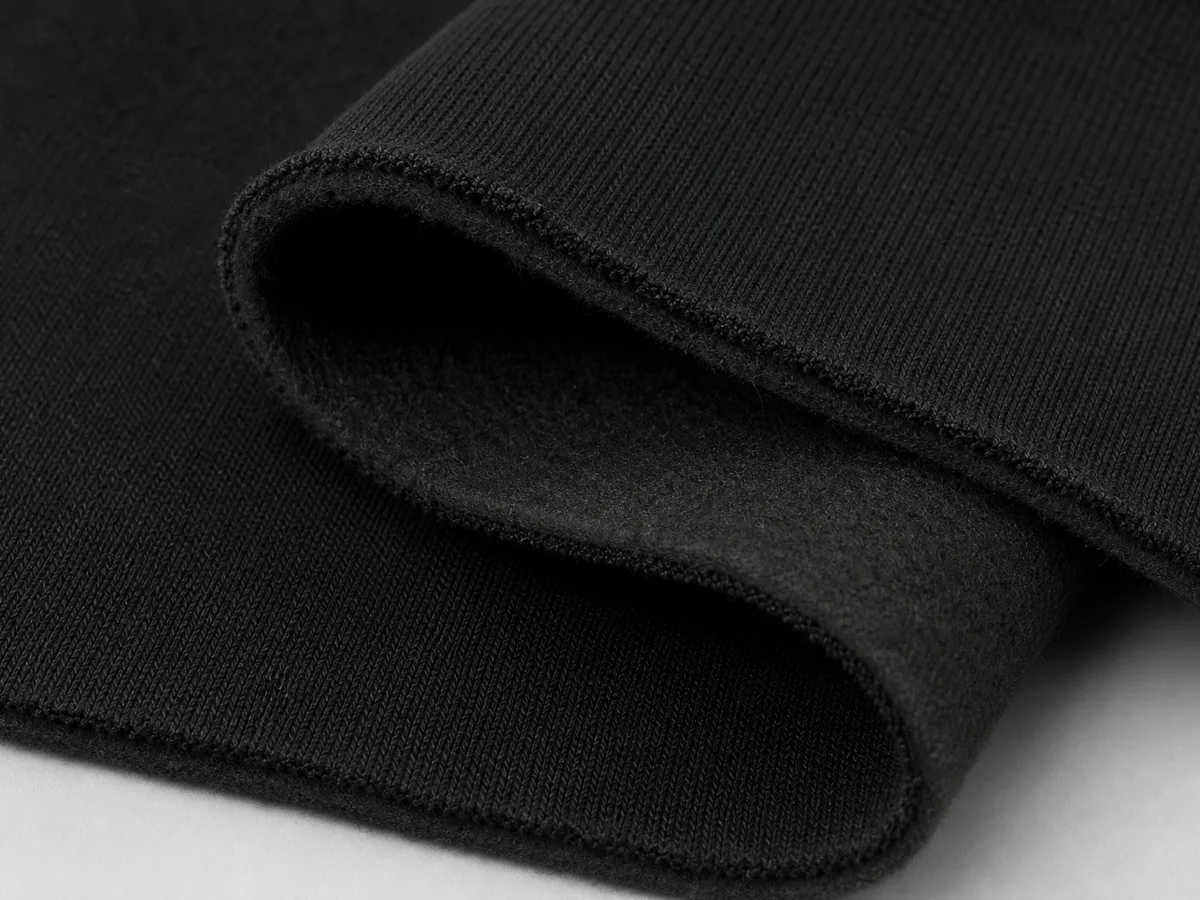
There is no universal winner because the intended product matters. French terry has visible loops on the inside and is often chosen for breathable sweatshirts, spring hoodies and cleaner casualwear. Brushed fleece has a raised inner surface that feels warmer and softer. The brushing creates the comfort that many buyers want, but it also makes surface-fiber control more important.
For a light or seasonless program, French terry can be a sensible route when the brand wants a less fuzzy inside surface. For a winter or lounge-oriented hoodie, brushed fleece may be the right commercial choice. The key is to compare physical samples after the same wash procedure instead of deciding only from a swatch or supplier description.
| Fabric direction | Typical use | What to verify before approval |
|---|---|---|
| French terry | Breathable hoodies and sweatshirts | Loop stability, recovery, shrinkage and surface appearance after wash. |
| Brushed-back fleece | Warm, soft casualwear | Loose-fiber shedding, inner-surface fuzz and pilling in high-friction zones. |
| CVC or cotton-poly fleece | Balanced hand feel and durability | Composition, yarn quality, pill visibility and color consistency. |
| Heavyweight fleece | Structured premium or streetwear hoodie | Weight, drape, rib recovery, shrinkage and wash appearance. |
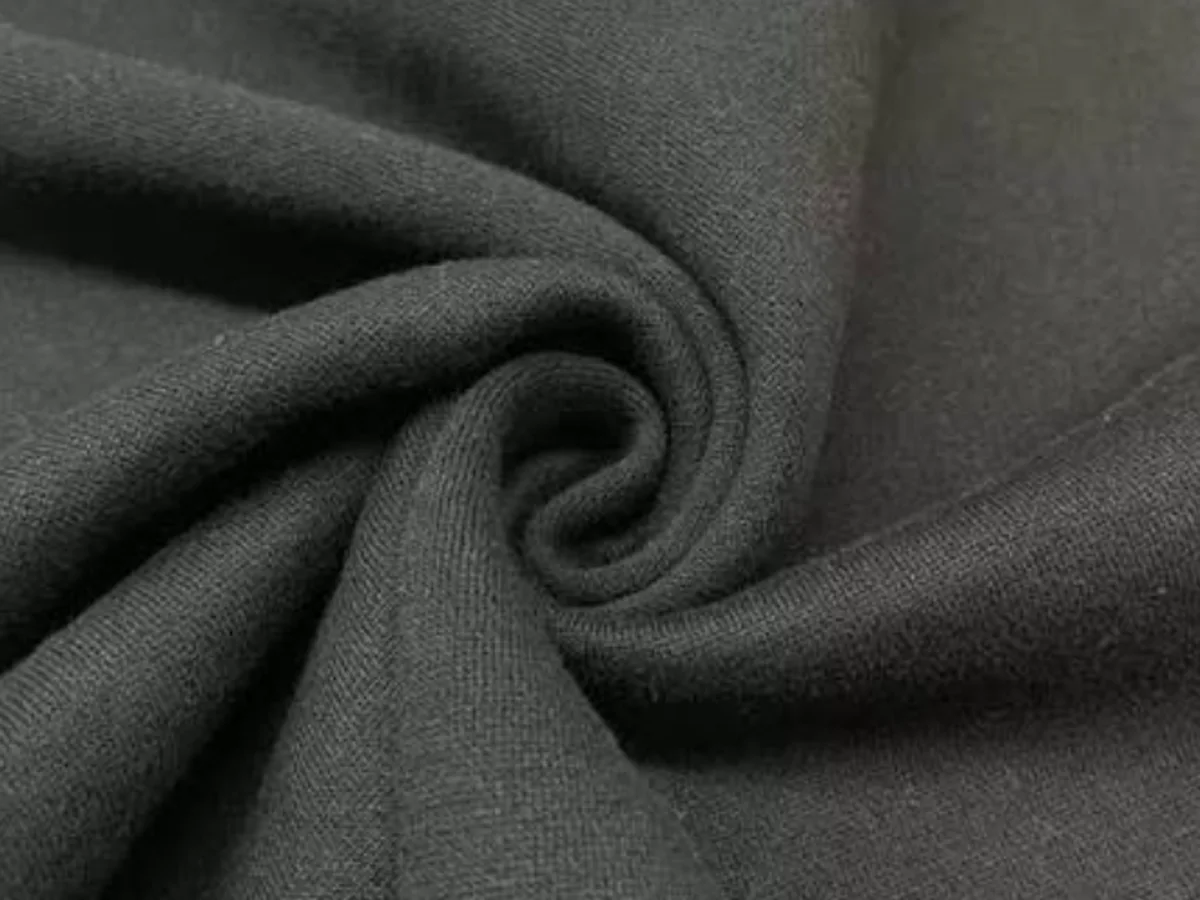
Retail price is not a fabric specification. A premium brand may intentionally choose a very soft or heavily brushed surface because it feels good in the first customer touch. That softness can be commercially right, but it must be balanced with stable yarn, suitable finishing and a realistic wash standard. A high price can cover branding, design, retail margin, packaging or distribution; it does not automatically mean a garment has been specified for maximum pilling resistance.
For buyers, the decision should not be “premium versus cheap.” It should be whether the product’s visible performance after washing matches the brand promise. If a garment is positioned as a durable daily hoodie, a washed sample should still look acceptable in the areas customers will see first.
Laboratory pilling methods, including ASTM D4970 and related test standards, evaluate fabric surface change under controlled abrasion. A formal lab route is valuable when a buyer has retailer requirements, a high-volume program or a defined compliance standard. For an early private-label order, the practical minimum is a documented sample wash-and-review process that both the buyer and factory understand.
Define the wash procedure before testing. State water temperature, detergent type, whether the garment is washed inside out, cycle type, dryer use, number of washes and the areas that will be reviewed. Without a shared procedure, a buyer can reject a sample based on an unrepeatable home wash while the factory cannot diagnose what changed.
| Test stage | What to document | Approval question |
|---|---|---|
| Before wash | Photos of front, back, cuffs, pocket, underarm and fabric close-up; actual measurements | Does the sample match the agreed fabric, fit and construction? |
| After first wash | Surface fuzz, twisting, shrinkage, color change and hand feel | Is there any early pilling or dimensional change that needs correction? |
| After repeated wash | High-friction areas, rib recovery, seam appearance and decoration durability | Does the garment still meet the brand’s intended customer experience? |
| Before bulk release | Written comments, approved reference sample and clear changes for production | Has the factory received a stable, measurable bulk standard? |
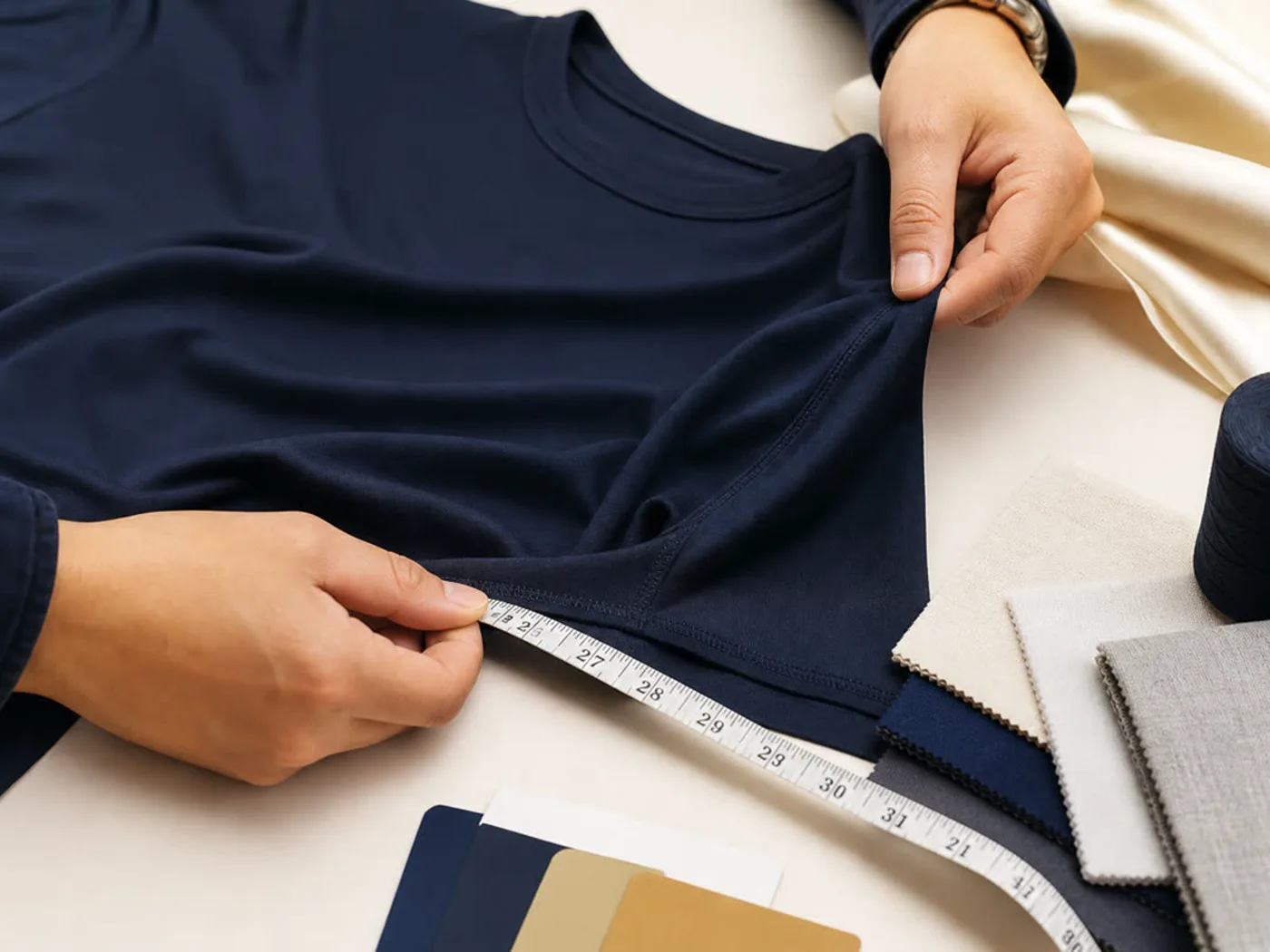
Do not inspect only the middle of the body panel. Pilling normally appears where a garment rubs. Look at the underarm, cuff edge, rib waistband, pocket opening, side seam and areas likely to contact bags, outerwear or a dryer drum. Also look beyond pilling. A sample that does not pill but shrinks, twists, loses rib recovery or shows unstable decoration still needs review.
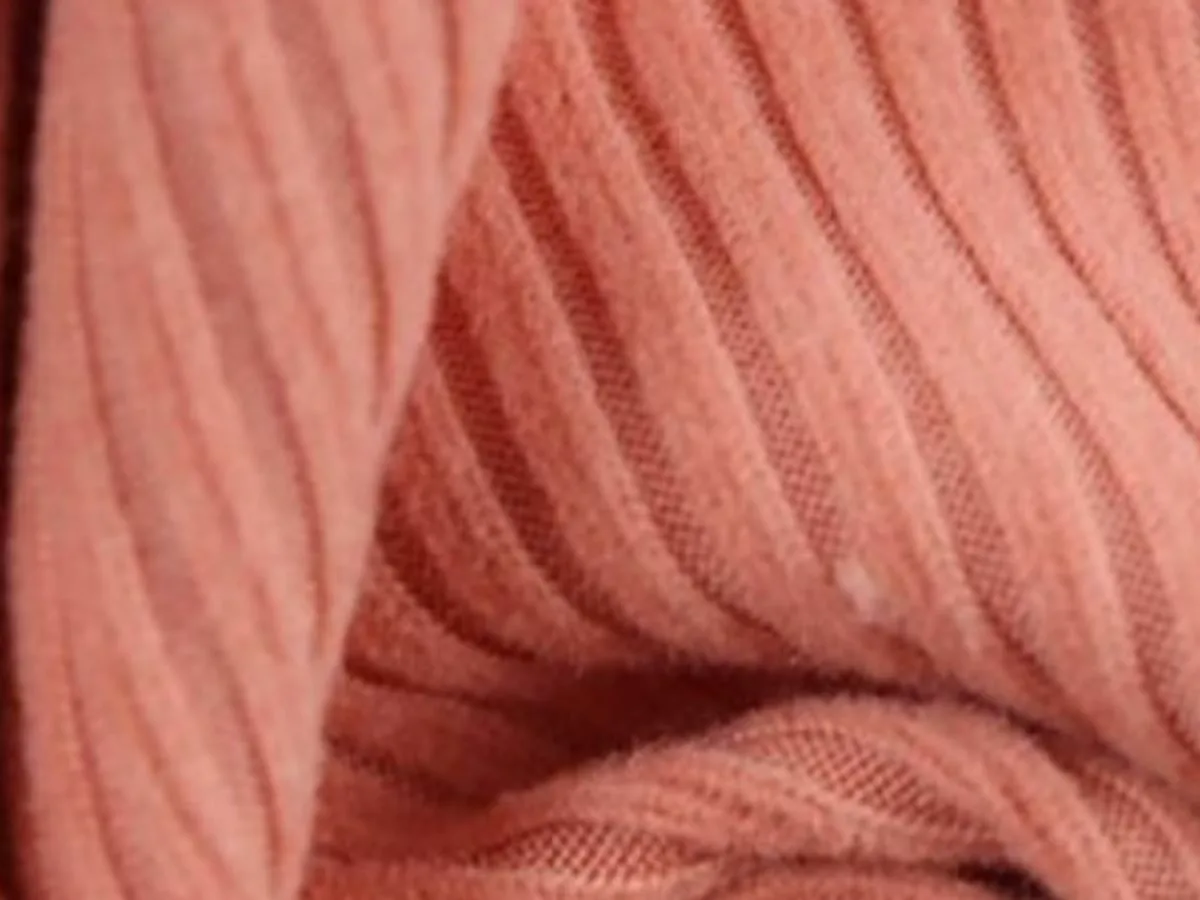
A factory cannot honestly promise that every soft knit will never pill. It can reduce avoidable risk through disciplined material selection, sample development and bulk checkpoints. The work begins before cutting: confirm fabric composition and hand feel, review the intended surface, test the sample, align wash expectations, and make sure the approved reference is available to production and QC teams.
| Factory control point | What it should cover | Buyer benefit |
|---|---|---|
| Fabric approval | Composition, GSM, hand feel, color and surface condition | Reduces the risk of accepting a swatch that does not match bulk fabric. |
| Sample review | Fit, construction, wash result, pilling areas and decoration | Finds product risks before material and labor are committed to bulk. |
| Bulk material check | Fabric defects, shade variation and surface consistency by lot | Helps prevent one problematic roll or colorway from reaching production unnoticed. |
| Inline review | Seams, rib attachment, pocket shape and decoration placement | Protects the overall garment quality that customers judge with fabric performance. |
| Final QC and packing | Measurements, workmanship, appearance, labels and packing | Confirms the shipment matches the approved production standard. |
Do not write only “anti-pilling hoodie” in an inquiry. That wording is too vague for a factory to quote or test responsibly. Describe the product and the standard you need. A complete RFQ does not force the buyer to know every textile term, but it gives the factory enough context to recommend a realistic fabric and sampling path.
From a China garment factory perspective, this information makes the first sample more useful. It also makes the quotation more honest because fabric, finishing, testing and production controls can be discussed before a low unit price becomes the only decision point.
| Sample result | Best next move | Do not do this |
|---|---|---|
| Small early pills but the fit and color are right | Ask for a comparable fabric or finishing option and repeat the same wash test. | Approve bulk hoping that a production run will naturally perform better. |
| Softness is good but fleece sheds heavily | Compare a less aggressive brushed option or a different fabric construction. | Judge only by the first unwashed hand feel. |
| Fabric is stable but too stiff for the product positioning | Ask the factory to balance hand feel and wash performance through sample alternatives. | Switch to a much softer fabric without retesting it. |
| Only one color behaves differently | Check dyeing and finishing conditions for that color and request a color-specific sample review. | Assume all colors will match because the base fabric is nominally the same. |
| Retailer or customer standard is strict | Agree test method, sample count and acceptance criteria before bulk release. | Leave the definition of acceptable pilling until final inspection. |
Loose surface fibers rub and tangle into small balls. Washing accelerates the friction, but fiber quality, yarn, knit structure, brushing and finishing determine how quickly the surface changes.
Polyester can make pills more persistent because its fibers are strong, but cotton and blends can also pill. The full fabric specification and wash result matter more than composition alone.
Not necessarily. GSM measures weight. It does not confirm yarn quality, fiber length, knitting structure or finishing. A heavier hoodie still needs a wash-tested sample.
French terry and brushed fleece have different product uses. French terry can suit a cleaner, lighter direction; brushed fleece suits warmth and softness. Both should be tested under the same intended wash conditions.
The number should match the product and buyer standard. At minimum, document an initial wash and a repeated-wash review of high-friction areas. Programs with retailer requirements may need formal testing or a specified standard.
No. Finishing can help, but it cannot compensate for an unsuitable yarn, fabric construction, brushing level or unrealistic use expectation. Treat it as one part of the fabric system.
Send product references, composition and GSM direction, preferred fabric construction, hand feel, quantity, colorways, wash expectations, any known quality problem to avoid, and required testing or inspection standards.
This article is based on Hengcheng garment manufacturing experience, buyer-facing sample and QC workflows, and external references reviewed for technical context. A specific retail or compliance program may require its own approved test method and acceptance criteria.
If pilling risk matters for your hoodie line, send Hengcheng your product references, fabric direction, quantity, target hand feel and wash expectation through the contact page. The factory can review a fabric and sample path before bulk production starts.