Address
JINKE Technology Industrial Park, No. 3188 ChunYuan Road, Weifang City, Shandong Province, China
Work Hours
Monday to Friday: 7AM - 7PM
Weekend: 10AM - 5PM
Address
JINKE Technology Industrial Park, No. 3188 ChunYuan Road, Weifang City, Shandong Province, China
Work Hours
Monday to Friday: 7AM - 7PM
Weekend: 10AM - 5PM
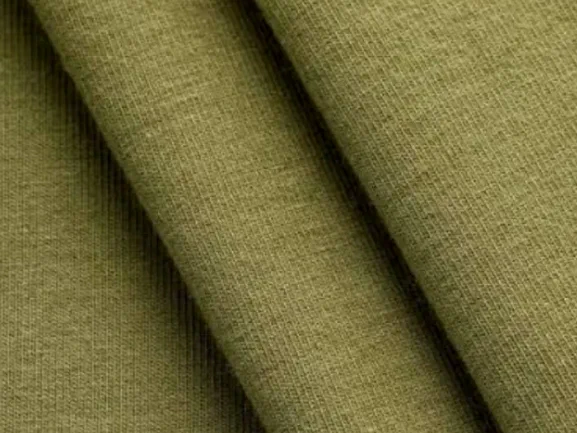
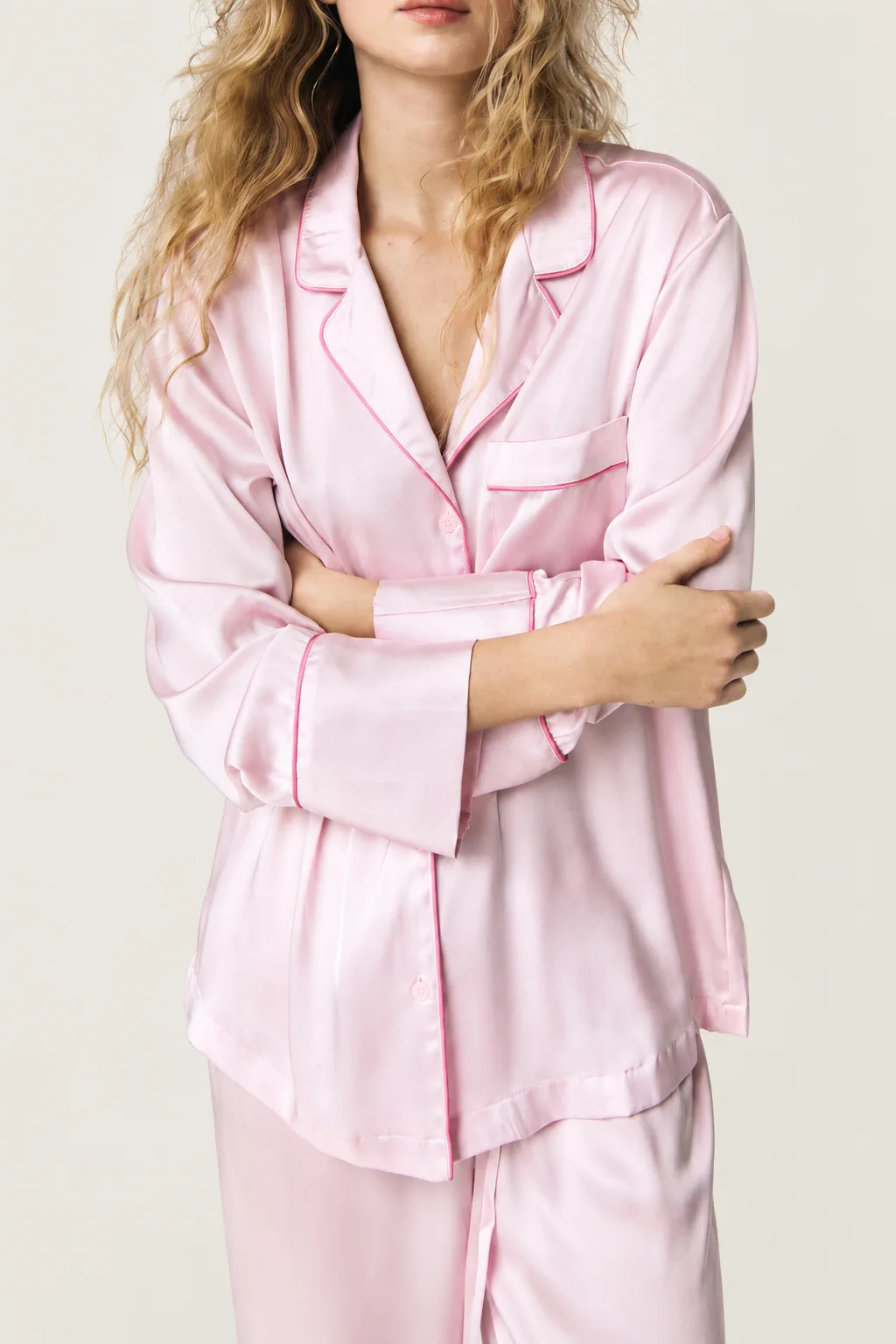
A pajama fabric that looks covered on a hanger can become see-through in a pale color, under stronger light, or when the garment stretches across the body. For a private-label sleepwear program, control opacity by defining the intended use and color, selecting the fabric and construction together, and reviewing a finished sample under agreed conditions before bulk approval. Fabric name or GSM alone cannot confirm coverage.
Opacity is best treated as a product requirement, not a vague promise that a garment will be “opaque.” The buyer and factory need to agree which color, garment areas, fit and viewing conditions matter, then use the same reference during sample review and production.
Fiber content is only one part of the decision. Yarn, knit or weave structure, fabric density, color, print coverage, finishing and stretch all affect how much light passes through a garment. Two fabrics with similar composition or weight may behave differently.
| Factor | Why buyers should review it | What to compare |
|---|---|---|
| Construction | Jersey, rib, interlock and woven satin-look materials transmit light differently. | The actual construction and finish proposed for the style. |
| Color and print | White, ivory and pale pastels can reveal more than dark shades; open print areas may behave differently from printed areas. | Each planned colorway, including contrast panels and placement. |
| Stretch and fit | A fabric can look covered when flat but open across the seat, chest, hip or knee when worn. | The intended size, ease and high-stretch areas on a finished garment. |
| Weight and density | Weight can be a useful comparison but does not describe yarn, stitch density or finishing on its own. | The fabric swatch plus a garment made in the target color and construction. |
| Layering and lining | A second layer can improve coverage but changes hand feel, drape, warmth, sewing and material use. | Whether the trade-off suits the product and target customer. |
Start with the product brief: intended use, season, target price position, desired hand feel and coverage expectation. Then compare realistic options with the same color and garment area in mind. Do not choose a fabric from a swatch card based only on composition or weight.
| Development direction | Possible benefit | Buyer checkpoint |
|---|---|---|
| Lightweight single jersey | Soft hand and flexible drape. | Review pale shades at intended fit, especially across body-contact areas. |
| Denser knit such as interlock | Can provide a more substantial hand and stable surface. | Confirm weight, warmth, drape and wash behavior against the product brief. |
| Rib or stretch knit | Accommodates movement and close-fitting silhouettes. | Review the garment both relaxed and stretched; check recovery as well as coverage. |
| Woven satin-look fabric | Smooth surface and fluid visual direction. | Assess light transmission, seam appearance and movement on the finished style. |
| Lined or double-layer construction | Adds a second coverage layer in selected areas. | Confirm comfort, drape, extra fabric use, sewing details and care expectations. |
A factory can review an early concept, but a quotation is more useful when the opacity requirement is connected to a specific style and construction. Share what is known and mark unresolved choices as open decisions rather than implying that a fabric has already passed a test.
| RFQ input | Example of useful detail | Why it matters |
|---|---|---|
| Product and use | Women’s pajama set for warm-weather indoor sleepwear. | Helps frame the relevant coverage and comfort trade-offs. |
| Target shades | Ivory, pale blue and navy colorways. | Opacity needs can vary across shades within one style. |
| Fabric direction | Reference composition, knit/weave, target hand feel and weight if known. | Gives the factory a starting point for material review without treating GSM as proof. |
| Fit and size range | Relaxed fit, size range and any close-fitting areas. | Stretch and garment ease affect how the material behaves when worn. |
| Construction options | Single layer, lining or double layer under consideration. | Lets the factory identify material, sewing and cost implications for comparison. |
| Order plan | Quantity by style, color and size, plus sample needs. | Supports a realistic review of material availability and production planning. |
| Acceptance method | Who reviews the sample, under what light and against which reference. | Makes approval repeatable and reduces subjective disagreement. |
For opacity-related development, the brief should state the intended product outcome and review method. It should not require a generic pass/fail standard unless the buyer has selected a specific test method and acceptance threshold for the product.
Use a finished sample in the proposed fabric, target color and intended fit. A flat swatch is a useful first screen, but it does not show the combined effect of garment ease, seams, gathers, pockets, movement and body stretch.
Before reviewing, the buyer and factory should align on the sample size, garment fit, light source and areas to inspect. The intended use matters too: a loose pajama trouser and a close-fitting sleep top do not put the same stretch on the fabric.
Check the garment in more than one practical lighting condition, including daylight and the type of indoor lighting relevant to product review. Keep the conditions consistent when comparing fabric options. A phone photograph can document a concern, but camera exposure and processing make it a poor stand-alone acceptance test.
Inspect the front and back, seat, chest, hip, knee, seams, gathers and any contrast or printed panels. Look at the garment both relaxed and in the intended wearing position. Note whether the concern is general light transmission, a particular area, or a mismatch between colorways.
Record observations against the sample, color and size reviewed. If the buyer requests a revision, identify whether the change is to fabric density, color, fit, lining or another construction detail. Changing several variables at once makes it harder to understand what improved the result.
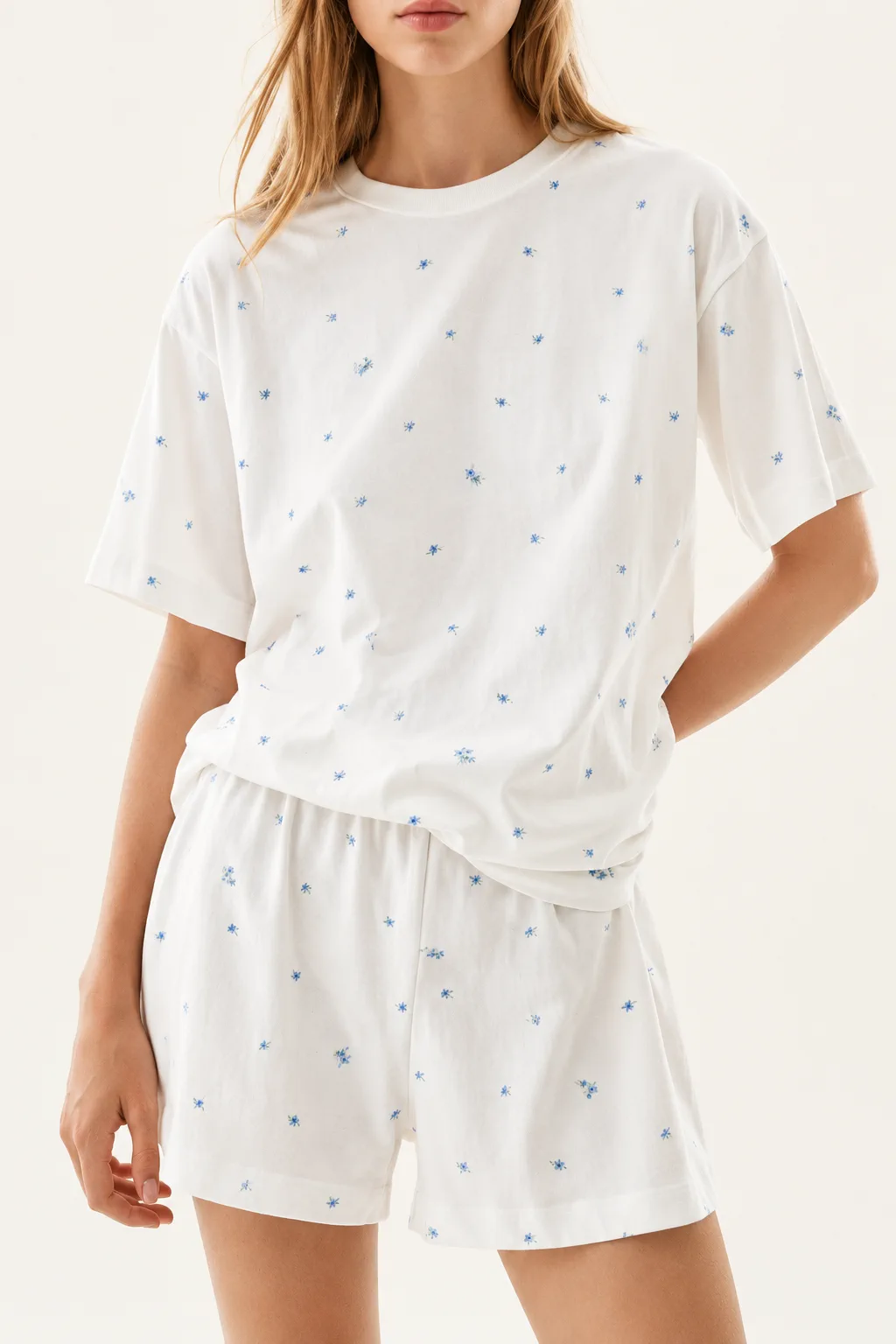
Opacity review should not silently replace fit, hand-feel or appearance approval. A buyer may accept the coverage but reject the warmth or drape of a double layer, or approve the material but ask for a fit adjustment to reduce stretch. Record each decision separately in the sample comments.
There is no universal surcharge or MOQ rule for an opacity change. The cost effect depends on the proposed correction and the supplier’s material availability, style construction, order quantity and sampling route. The factory should quote against an identified option rather than a general request to “make it less see-through.”
| Possible change | Cost or planning effect to review | Trade-off to discuss |
|---|---|---|
| Denser or heavier fabric | May change material cost and availability; sample the actual proposed quality. | More coverage may also mean more warmth or a different drape. |
| Lining or a double layer | Adds material and sewing operations, and may change consumption. | Can improve coverage in selected areas but may feel heavier or less fluid. |
| Different color or print layout | May affect material sourcing, printing setup or color approval. | A color solution may be simpler than changing the whole construction, but it still needs a sample check. |
| Fit adjustment | Can require pattern revision and another sample round. | Reducing stretch can help some styles, but may change the intended silhouette. |
| Special material sourcing | Availability, dye-lot and supplier minimums need to be confirmed. | A technically suitable option may not fit the buyer’s target quantity or launch plan. |
If an option requires a new fabric source, custom color, lining or additional sample round, ask the factory to state the assumptions and any quantity or timing dependency in the quotation. Do not infer a fixed MOQ or lead time before those details are reviewed.
Once the buyer approves a sample, preserve the approved fabric, color, construction and fit references and carry them into the production specification. Bulk teams need to know what was approved and what substitutions require written approval.
A final inspection cannot repair a requirement that was never defined. Sample approval, written specifications and change control work together; none is a substitute for the others.
Send the style reference or tech pack, target market, intended use, colorways, fit and size range, quantity by style/color/size, fabric direction, trims and packaging requirements. Describe the exact opacity concern and how the buyer expects the sample to be reviewed. If the buyer is still deciding between constructions, ask for options and their assumptions rather than demanding an unsupported fixed quote.
From a factory-side perspective, Hengcheng would review the garment reference, material direction, target shades, fit, quantity and sample requirements together. That helps separate material questions from pattern or construction questions before a buyer commits to a production standard. Project suitability and any specific fabric, MOQ or timing detail should be confirmed against the actual brief.
For broader category context, see the China sleepwear and pajama manufacturer page or send a reasonably complete project brief through the contact page.
No. GSM describes fabric mass per area, not opacity by itself. Construction, yarn, color, finishing, stretch and fit also affect how a garment looks under light. Review the actual target color and finished style.
A swatch is useful for an initial comparison. It cannot fully represent garment fit, stretch, seams, gathers and movement. Confirm the requirement on a finished sample in the proposed color and intended fit.
Each colorway should be reviewed for relevant differences. If the buyer groups similar shades for approval, document the rationale and still check any pale, contrasting or materially different color that may behave differently.
Not automatically. Lining can add coverage, but it also changes hand feel, warmth, drape, sewing, material consumption and cost. Compare a lined option with fabric or fit alternatives on a sample.
They can affect planning if they require a new material, custom color, extra construction or another sample round. The impact depends on the specific supplier and order. Ask for project-specific assumptions rather than relying on a universal figure.
Record the approved fabric and color references, style and size reviewed, fit, relevant garment areas, review conditions, accepted construction and any open points. Carry that information into the production specification and change-control process.
Provide the garment reference, target market and use, colorways, fabric preference, fit and size range, quantities, sample timing and the specific areas or conditions that concern you. State which choices are fixed and which are open to recommendation.