Address
JINKE Technology Industrial Park, No. 3188 ChunYuan Road, Weifang City, Shandong Province, China
Work Hours
Monday to Friday: 7AM - 7PM
Weekend: 10AM - 5PM
Address
JINKE Technology Industrial Park, No. 3188 ChunYuan Road, Weifang City, Shandong Province, China
Work Hours
Monday to Friday: 7AM - 7PM
Weekend: 10AM - 5PM

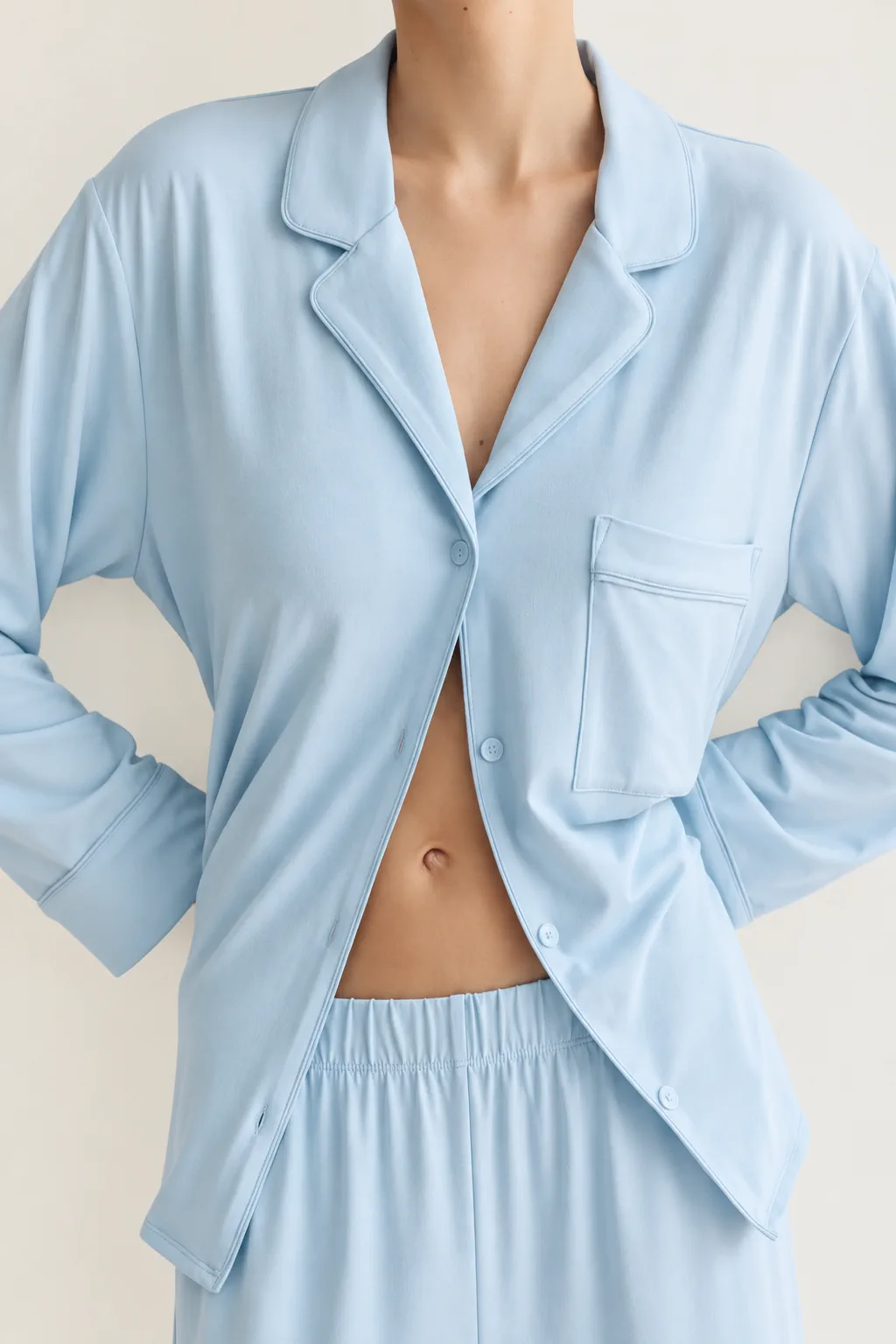
Nursing sleepwear should be developed around the access method, fit, coverage and fabric recovery the brand intends to offer. A wrap front, button placket or clip-compatible opening can each work for a different product brief, but none should be described as functional based on a sketch or fabric name alone. The finished sample needs to demonstrate the intended access and remain comfortable and stable in the relevant wearing and care conditions.
For a private-label buyer, the key is to turn a product idea into reviewable requirements before sampling: where the opening sits, who the product is designed for, what coverage is expected, which materials and trims are proposed, and how the brand will approve the sample. These choices affect pattern work, construction, sample rounds, quote assumptions and production QC.
Start with the intended use and the brand's fit direction, then compare construction options. A construction route is only a starting point; fit, fabric, size range and user feedback can change the result.
| Development route | Potential fit | Points to confirm at sample stage |
|---|---|---|
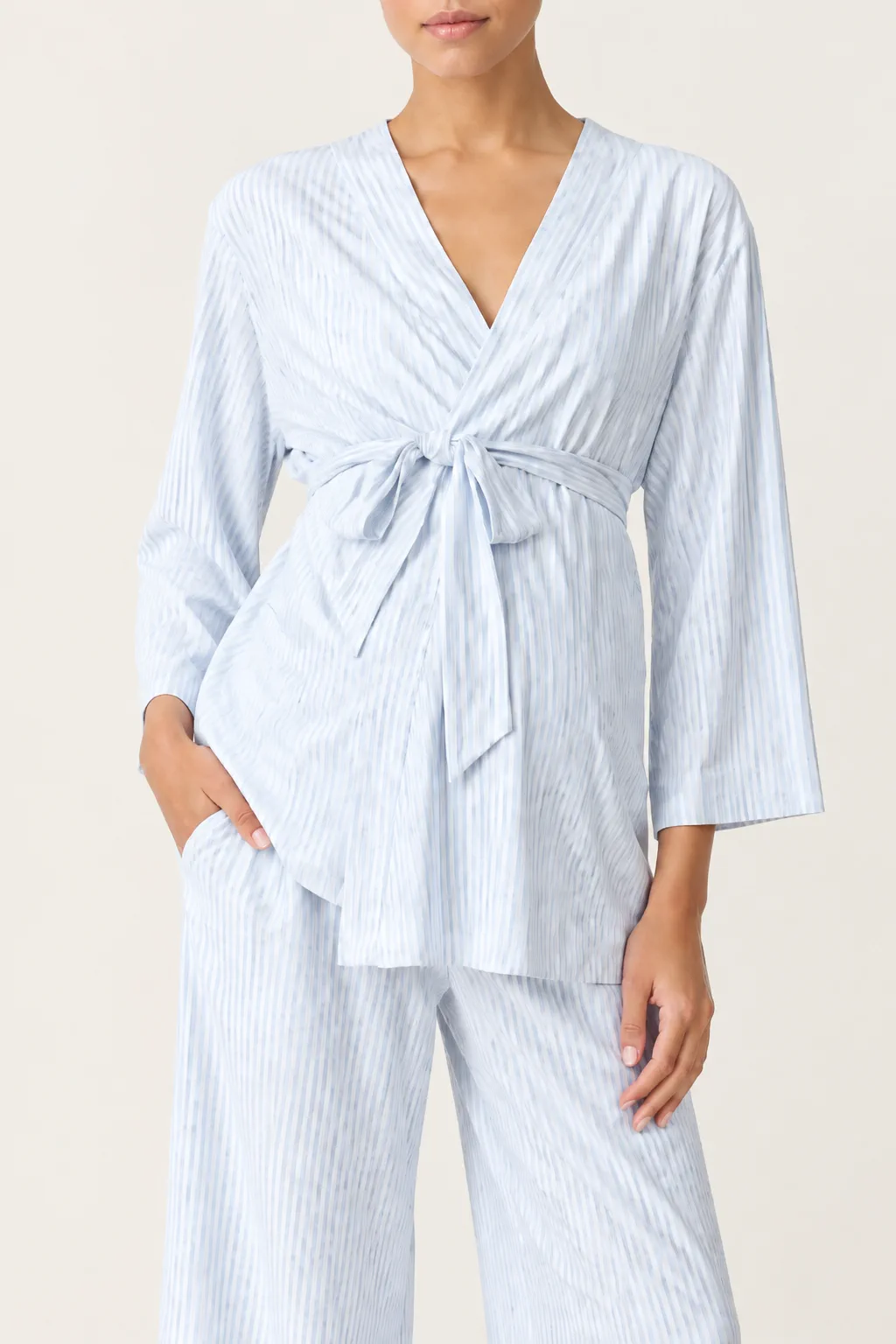
| Wrap front | A softer, adjustable look where the design brief calls for overlapping front panels | Overlap after movement, coverage, tie position, edge stability and whether the front stays in the intended position |
| Button front | A familiar pajama-shirt appearance with a visible placket | Opening reach, button spacing, placket reinforcement, gaping, button security and comfort against the body |
| Clip-compatible opening | A defined opening using specified nursing-access hardware | Exact clip/trim specification, operation, attachment strength, access position, skin-contact comfort and compatibility with the garment construction |
| Maternity-only front | A pregnancy-focused silhouette without a postpartum access feature | Do not describe it as nursing-ready unless a functional access method is deliberately developed and approved |
The table is not a universal ranking. Buyers should choose from the fit, coverage, appearance and use requirements that matter to their customer, and record those requirements in the tech pack or development brief.
A factory can develop from reference images, a sketch or an existing pattern, but the first sample is more useful when the brief explains the decisions that affect construction. State which points are fixed and which the factory may propose.
A precise brief does not guarantee a fixed price or lead time. It gives the factory a clearer basis for identifying assumptions, material availability and the work that may be needed before a quotation is confirmed.
Review the garment as a worn product, not only as a flat photograph. The approved sample should show that the opening can be used as intended while maintaining the agreed fit, coverage and appearance. Where possible, collect feedback from the intended user group under the brand's own product-development process; a factory sample review is not a substitute for medical or clinical evaluation.
If a change affects the access position, fabric, trim, pattern or size range, confirm whether it requires another sample review. A photo may help communicate a correction, but it does not replace measurement and physical evaluation where those are material to the approval.
There is no single nursing-access surcharge or standard MOQ. The commercial effect depends on the selected fabric, pattern changes, trims, order breakdown and sourcing route. Buyers should ask the factory to separate confirmed costs from assumptions that depend on final sample approval.
| Cost or timing driver | Why it can change the project | Buyer action |
|---|---|---|
| Pattern and fit revisions | New opening geometry or multi-stage fit intent can require extra development rounds | Send the target fit, size range and reference measurements before sampling |
| Fabric stretch and recovery | Fabric behavior can change opening stability, fit and sewing handling | Confirm composition, construction, weight and approved material source where known |
| Buttons, clips and other trims | Special trim, color, supplier or testing requirements can affect sourcing and approval | Identify the exact trim or request options; confirm availability and minimums |
| Colorways and size breakdown | More variants can increase material planning, sample checks and production coordination | Provide quantity by style, color and size instead of one total alone |
| Revisions after sample review | Late design changes may restart pattern, trim or material work | Consolidate feedback and identify which changes are mandatory for approval |
| Packaging and target-market requirements | Labels, packaging and buyer-specific requirements add specification and checking steps | Share the market, label copy, packaging brief and buyer manual early |
For an initial quote, ask for the assumptions behind the price: fabric basis, trim basis, order quantity, size range, packaging, sample scope and what remains to be confirmed. MOQ and lead time should be confirmed against the actual material and order plan, not inferred from a generic product description.
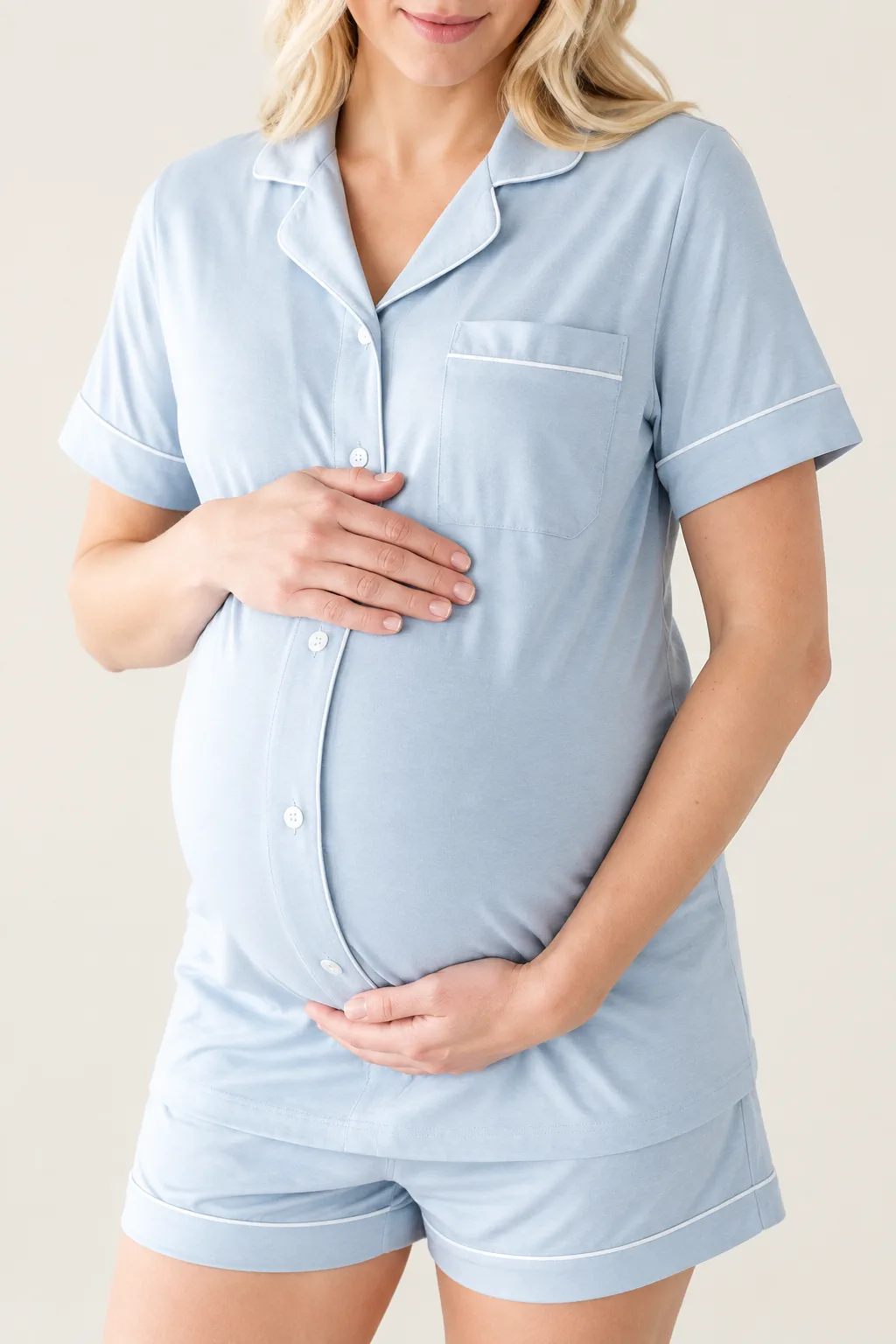
The access feature must remain a defined production requirement after the sample is approved. A final inspection cannot reliably correct a missing specification or an approval sample that the production team cannot identify.
Before bulk production, carry forward:
At production, check early units before a full quantity is completed. If the factory or buyer finds a repeated issue, document the affected lot, agree a correction and verify that the change works before continuing. Keep new design requests separate from corrections needed to meet the approved specification.
A buyer does not need a finished tech pack to start a conversation. The inquiry should make clear what is known, what is still open and what decision support is needed from the factory.
| RFQ input | Example of useful detail |
|---|---|
| Product reference | Sketch, technical pack, reference garment or images with notes on what should and should not be copied |
| Intended use | Maternity-only or maternity-to-postpartum; target customer and intended access route |
| Fit and size range | Size chart, base size, grading plan and any fit reference |
| Material | Preferred fabric type, composition, weight or hand feel; whether factory sourcing is requested |
| Opening and trims | Desired position, hardware reference, color and any brand-specific component requirement |
| Order plan | Estimated quantity by style, color and size; target sample quantity |
| Market and timing | Destination market, requested ship window and known buyer or labeling requirements |
| Approval process | Who signs off on fit, material, trims, pre-production sample and final changes |
From a China factory perspective, Hengcheng would first review the reference, target quantity and size breakdown, fabric and trim direction, target market, and the points that must be proven on the sample. That review helps separate what can be quoted from what depends on material sourcing, construction trials or buyer confirmation. It does not replace the brand's responsibility to approve product claims, labeling or market-specific requirements.
Hengcheng works with overseas brands on OEM and private-label garment development. For a nursing sleepwear inquiry, the team can review the design reference, proposed fabric and construction, sample requirements, measurements, trims, order plan and production QC checkpoints. The feasible route and commercial terms depend on the actual brief, material availability and confirmed specifications.
To begin a factory review, send the style reference, intended use, target quantity, size range, material direction and required access details through the contact page. The sample development process and apparel quality control pages explain related production stages.
No. It may suit a brief that calls for an adjustable overlapping front, but the sample still needs review for reach, coverage, fit, edge stability and the intended use.
It can be considered when the placket position, opening reach, button spacing, reinforcement and coverage are developed for that purpose and approved on the finished sample.
No. The access route depends on the product brief. If clips are specified, identify the component and review its operation, attachment, comfort and sourcing requirements on the sample.
Send the reference or tech pack, intended use, fabric direction, size range, quantity by color and size, trim requirements, target market, packaging scope and delivery window. Mark unresolved items so the quote can state its assumptions.
A garment factory can review manufacturing specifications and production quality controls, but it should not make clinical or medical suitability claims. The brand should define and substantiate its product claims and confirm applicable market requirements with its responsible compliance or testing partners.
Yes. Different stretch, recovery, weight or construction can change fit and opening behavior. Recheck the affected sample points when the material changes, and document whether the change needs renewed approval.
Define them before sampling, approve them on the correct sample version, include them in the production specification, and verify early bulk units as well as agreed in-line and final QC points.
The most useful starting set is the style reference, intended use, target market, quantity by color and size, size range, fabric and trim direction, sample expectations and the requirements the brand needs the finished garment to meet.
Read more about sleepwear and pajama manufacturing in China, sample development and apparel quality control.