Address
JINKE Technology Industrial Park, No. 3188 ChunYuan Road, Weifang City, Shandong Province, China
Work Hours
Monday to Friday: 7AM - 7PM
Weekend: 10AM - 5PM
Address
JINKE Technology Industrial Park, No. 3188 ChunYuan Road, Weifang City, Shandong Province, China
Work Hours
Monday to Friday: 7AM - 7PM
Weekend: 10AM - 5PM
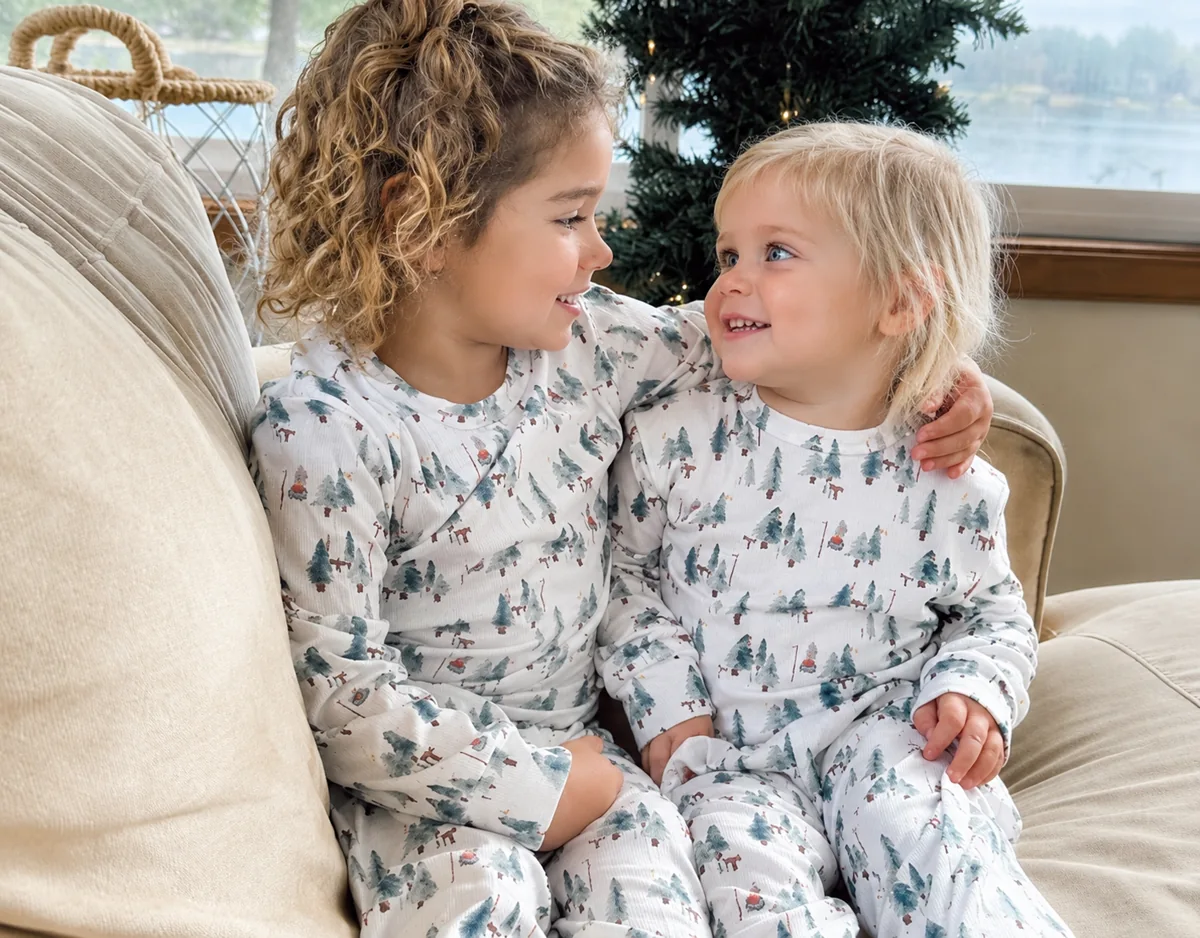
For a children’s sleepwear program, the most important testing decision is not choosing a generic “safe” fabric. It is defining the destination market, age group, product classification, construction, trims, labels and testing owner before the sample is approved. The finished garment, not an adult reference style or a fabric name, must be matched to the requirements that apply to the intended market.
This is a B2B product-development issue for brand founders, designers, sourcing teams and private-label buyers. A family-matching pajama program can look simple while creating separate requirements for adult and children’s sizes, print scale, fit, trims, packaging and documentation. Requirements vary by market and retailer, so the brand, importer or compliance team should confirm the applicable standard and testing path with a qualified provider.
Short answer: put compliance assumptions into the tech pack and RFQ, verify the actual construction and materials at sample stage, confirm the required testing and labels before bulk, and carry the approved reference into material inspection, production and packing.
A factory can develop a sample from a reference image, but it cannot responsibly scope the project from appearance alone. The first brief should state the commercial and compliance assumptions that change the product.
| Control point | What the buyer should define | Why it changes the development plan |
|---|---|---|
| Destination market | Country or countries, retailer and sales channel | Testing, labels, documentation and product classification can differ by market and buyer. |
| Age group and size range | Infant, toddler, children’s or mixed family range | Age and size affect fit, construction, trim review, labeling and the testing questions to be answered. |
| Product classification | Sleepwear, loungewear, daywear or a coordinated family capsule | The same fabric or silhouette may be treated differently depending on intended use and product claims. |
| Fabric and finish | Fiber, construction, weight, print, dyeing, brushing and finishing | Material and finishing choices can affect test scope, wash behavior, hand feel and production consistency. |
| Trims and closures | Buttons, snaps, elastics, drawcords, labels, appliques, lace and packaging | Small components, attachment methods and decorative details must be reviewed on the actual garment. |
| Testing owner | Brand, importer, retailer or nominated laboratory | The team needs to know who selects the standard, arranges testing and approves evidence before bulk. |
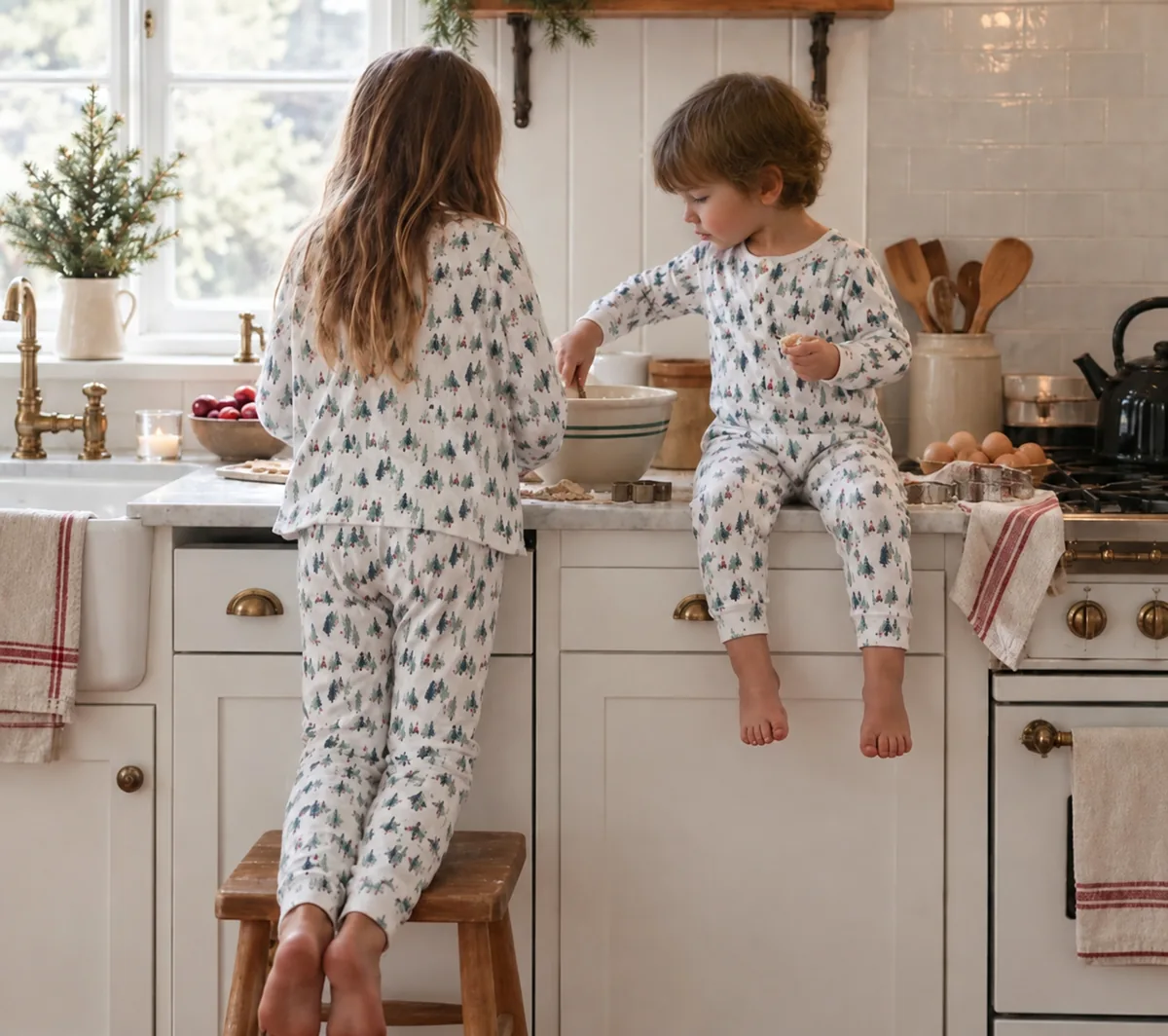
Children’s sleepwear combines product safety, fit, flammability-related questions, trims, labeling, care instructions and commercial timing. If those issues appear only after a sample has been approved, the brand may need to change the pattern, fabric, print, trim, label or packaging. That can affect sample cost, material availability, MOQ, production timing and the launch window.
The risk is higher in family matching programs because coordinated appearance can hide different product assumptions. An adult pajama may use a relaxed silhouette while a children’s style needs a different fit direction. A print that looks balanced on an adult top may be too large on a child’s garment. A trim or closure that works visually on the adult version may require a different construction or review on the children’s version.
The practical rule is simple: treat every children’s style and age group as its own development item, even when the family collection shares a fabric or artwork.
There is no universal children’s sleepwear checklist that replaces the buyer’s market review. For a United States program, for example, children’s sleepwear may fall within specific flammability and labeling rules depending on the garment’s size, intended use and construction. The U.S. regulatory text distinguishes categories such as tight-fitting garments and other children’s sleepwear, and it includes requirements concerning testing, labels and records. The brand or importer should confirm the current applicable requirements with its compliance team and testing provider before production.
For other markets, the relevant standard, retailer manual, chemical restrictions, labeling rules and evidence package may be different. A factory should therefore receive the target market and buyer requirements early. “Children’s pajamas” is not a sufficient compliance instruction for a quotation or a production file.
The factory’s role is to translate the confirmed requirement into a workable product specification: fabric and trim references, construction details, measurements, label placement, sample checkpoints and bulk QC instructions. The factory should not replace the brand’s legal or regulatory decision-maker.
The sample should prove more than visual resemblance. It should let the buyer and factory review the construction that will be repeated in bulk.
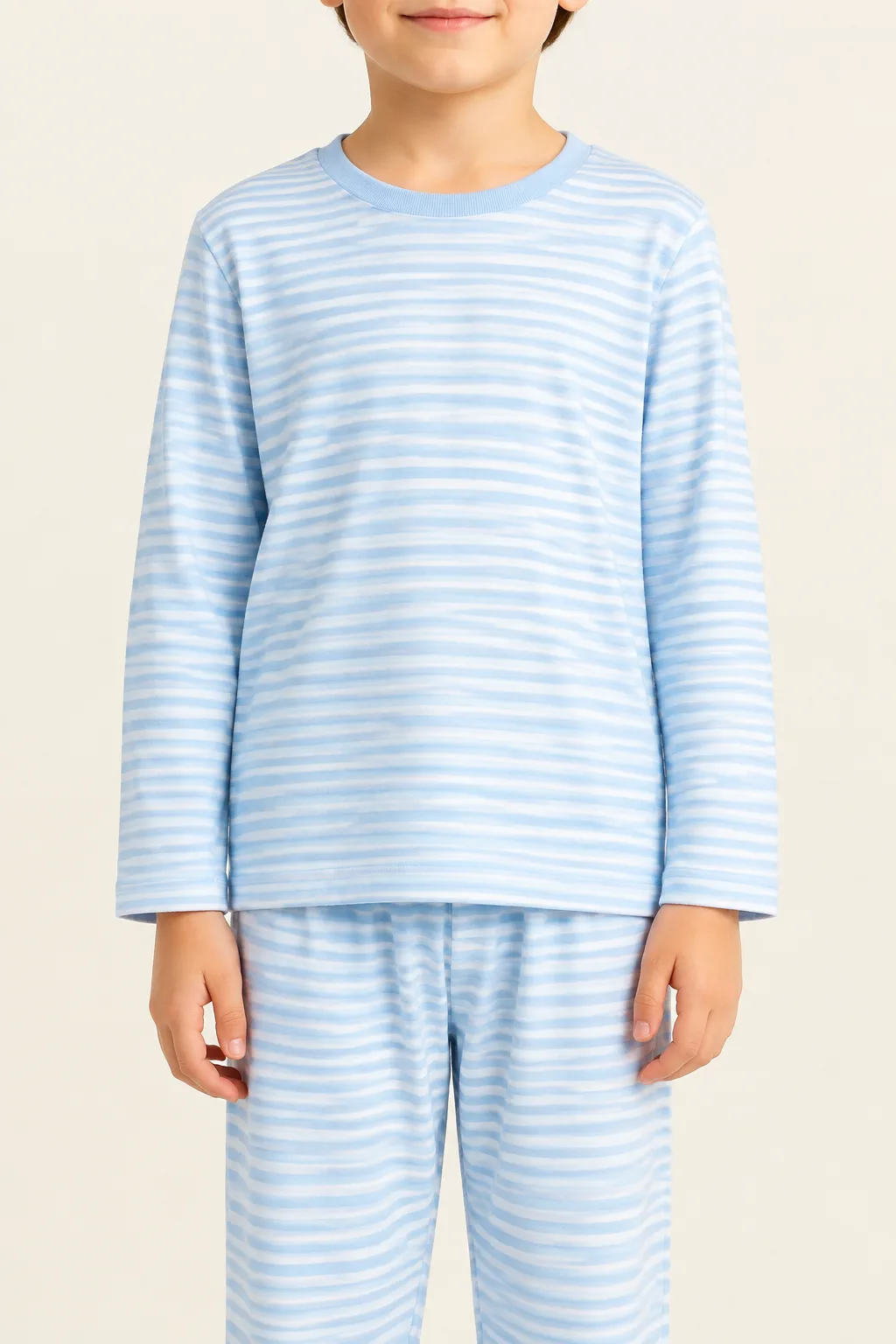
Testing is most useful when it is connected to a defined development gate. A generic report filed after bulk production does not repair an unclear product brief.
| Development gate | Buyer and factory action | Evidence to retain |
|---|---|---|
| Brief and quotation | Confirm market, age group, classification, fabric, trims, size range, quantities and testing owner. | RFQ, tech pack, retailer manual and approved assumptions. |
| Material and trim review | Check the selected fabric, print, dye, elastic, buttons, labels and packaging components before cutting. | Material cards, lab-dip or strike-off approvals, trim references and supplier documents. |
| Prototype or fit sample | Review measurements, construction, comfort, artwork scale and the points that may affect testing. | Sample comments, measurement chart, dated photos and revision record. |
| Pre-production approval | Confirm the final material and construction, arrange required testing and freeze approved substitutions. | PP sample, test plan or report, approved artwork and label/packing file. |
| Bulk QC and packing | Compare production against the approved sample and written requirement. Escalate substitutions or repeated defects. | Incoming inspection, inline or final QC records, packing approval and batch traceability. |
For a United States children’s sleepwear project, the buyer may need to consider the distinction between prototype testing and production testing in the applicable regulation. The exact route depends on the product and current legal requirements, so it should be confirmed with the nominated laboratory or compliance specialist. The factory should receive the resulting product standard and keep the production team aligned with it.
Compliance work does not have one universal price. The commercial effect depends on the number of styles, age groups, colorways, materials, trims, laboratories, retailer requirements and the evidence package.
The correct RFQ question is not simply “What is the testing fee?” It is “Which product assumptions, samples, documents and approvals are required before this style can be released to bulk?”
| Cost or timing driver | What can change | What to confirm before quotation |
|---|---|---|
| Number of styles and age groups | Separate patterns, fit samples, artwork placement and review effort. | Style list, age/size range and whether adult and child styles share the same material. |
| Fabric, print and finish | Supplier availability, material minimums, sample rounds and applicable test scope. | Composition, construction, weight, finish, colors and permitted substitutions. |
| Trims and labels | Sourcing time, attachment review, artwork or label revisions. | Trim list, intended use, market wording, placement and approval owner. |
| Testing route | Laboratory fees, sample quantity, production hold points and document review. | Market, product classification, named standard, nominated lab and required evidence. |
| Order and delivery plan | Color/size consolidation, production scheduling, packing and shipping readiness. | Quantity by style/color/size, launch date, packing specification and inspection gate. |
For a useful first estimate, ask the factory to separate garment development and production assumptions from third-party laboratory charges. A factory quotation should not imply that a test has been passed or that a product is compliant before the required scope and result are confirmed.
Send the following information with the inquiry or confirm it before sampling. This gives the factory a usable basis for reviewing feasibility, sample sequence and quotation assumptions.
| RFQ input | Useful detail |
|---|---|
| Market and buyer | Destination countries, retailer, sales channel and nominated compliance contact. |
| Age and size architecture | Infant, toddler, child and adult sizes; size chart or measurement reference for each group. |
| Product use and claim | Sleepwear, loungewear, family matching or seasonal capsule; avoid claims that the sample has not proved. |
| Material package | Fiber content, construction, target weight, color, print, finish, wash expectation and acceptable substitutions. |
| Construction and trims | Pattern references, closures, elastics, drawcords, appliques, labels, decoration and packaging. |
| Quantity and timing | Quantity by style, color and size; sample deadline, bulk deadline and shipping requirement. |
| Testing and documents | Applicable standard or retailer manual, testing provider, required reports and who approves the evidence. |
| QC acceptance | Critical measurements, appearance points, defect limits, substitution rules and packing checks. |
Bulk should not start while the product standard is split across unapproved emails, sample comments and supplier assumptions. Before releasing the order, keep one controlled approval package that the buyer, factory and testing provider can reference.
If the buyer changes the fabric, finish, print, trim or construction after the evidence is generated, ask the compliance owner or laboratory whether that change affects the test scope. Do not assume an earlier report automatically covers a materially different production version.
Once the pre-production standard is approved, it must remain visible to the teams that inspect material, cut fabric, sew garments, finish details and pack the order.
Using “safe for children” as the specification. That phrase does not identify the market, age group, product classification, test method, label or evidence owner.
Testing a swatch while changing the garment later. Seams, trims, finishes, layers and the final construction can affect what must be reviewed. The buyer should confirm whether the evidence covers the finished product.
Approving only the adult sample in a family program. Children’s sizes need their own measurements, print placements, construction review and compliance assumptions.
Leaving labels until packing. Label wording, placement and package information can affect the sample and production file. Resolve them before the pre-production approval.
Assuming the factory owns the legal decision. The factory can help translate a confirmed requirement into production controls, but the brand or importer remains responsible for confirming its market obligations with the appropriate specialist.
From a China OEM and private-label factory perspective, Hengcheng would first review the reference style, target market, age groups, size architecture, fabric direction, trims, quantity and delivery window. The team would then separate questions that belong to the tech pack, sample review, laboratory testing, label approval and bulk QC.
For a family matching program, that review should cover adult and children’s styles separately even when the artwork is shared. The factory can also help identify which points affect sampling, material sourcing, decoration, MOQ, packing and production timing. Any market-specific legal or testing decision should remain with the buyer’s compliance team or nominated testing provider.
For a serious inquiry, send the reference style, target market, quantity by style and size, colorways, required trims and the testing or retailer instructions through the contact page. The clearer the brief, the more useful the first factory review and quotation will be.
They may, depending on the destination market, age group, product classification, construction and buyer requirements. Confirm the applicable standard and evidence package before production rather than relying on a generic children’s apparel checklist.
No. Requirements depend on the destination market, product classification, size or age range, and construction. The brand or importer should confirm the applicable rule and testing route with its compliance owner or nominated laboratory before the factory quotes the final approval plan.
A factory can provide product information, samples and production controls, and may coordinate with a nominated laboratory. Compliance responsibility and the final testing or certification route should be confirmed by the brand, importer or retailer for the target market.
Not necessarily. The buyer should ask whether the required evidence covers the final fabric, color or print, seams, trims, layers and garment construction. The testing provider should confirm the appropriate scope.
The market can change the testing path, labels, documentation, design constraints and approval process. A factory cannot turn an unspecified market into a reliable quotation assumption.
They can share an artwork or material direction, but adult and children’s styles should have separate size, construction, print-placement and compliance reviews.
Approve the final material and trims, measurements, construction, artwork, labels, packaging, required test evidence and the QC checkpoints that will be used during production.
They can add sample, material, laboratory and documentation steps. The actual effect depends on the number of styles, sizes, colors, trims, quantity and target-market requirements, so the complete brief should be reviewed before a final quote.
Hengcheng can review the reference style, fabric and construction direction, size range, sample sequence, trims, labels, packing and QC checkpoints before a project moves to bulk production. Market-specific compliance decisions should be confirmed with the buyer’s compliance owner or testing provider.
This article uses factory-side product-development logic and public regulatory references as an editorial framework. It is written for apparel brands, designers, sourcing teams and private-label buyers, not as legal advice or a substitute for a market-specific compliance review.