Address
JINKE Technology Industrial Park, No. 3188 ChunYuan Road, Weifang City, Shandong Province, China
Work Hours
Monday to Friday: 7AM - 7PM
Weekend: 10AM - 5PM
Address
JINKE Technology Industrial Park, No. 3188 ChunYuan Road, Weifang City, Shandong Province, China
Work Hours
Monday to Friday: 7AM - 7PM
Weekend: 10AM - 5PM
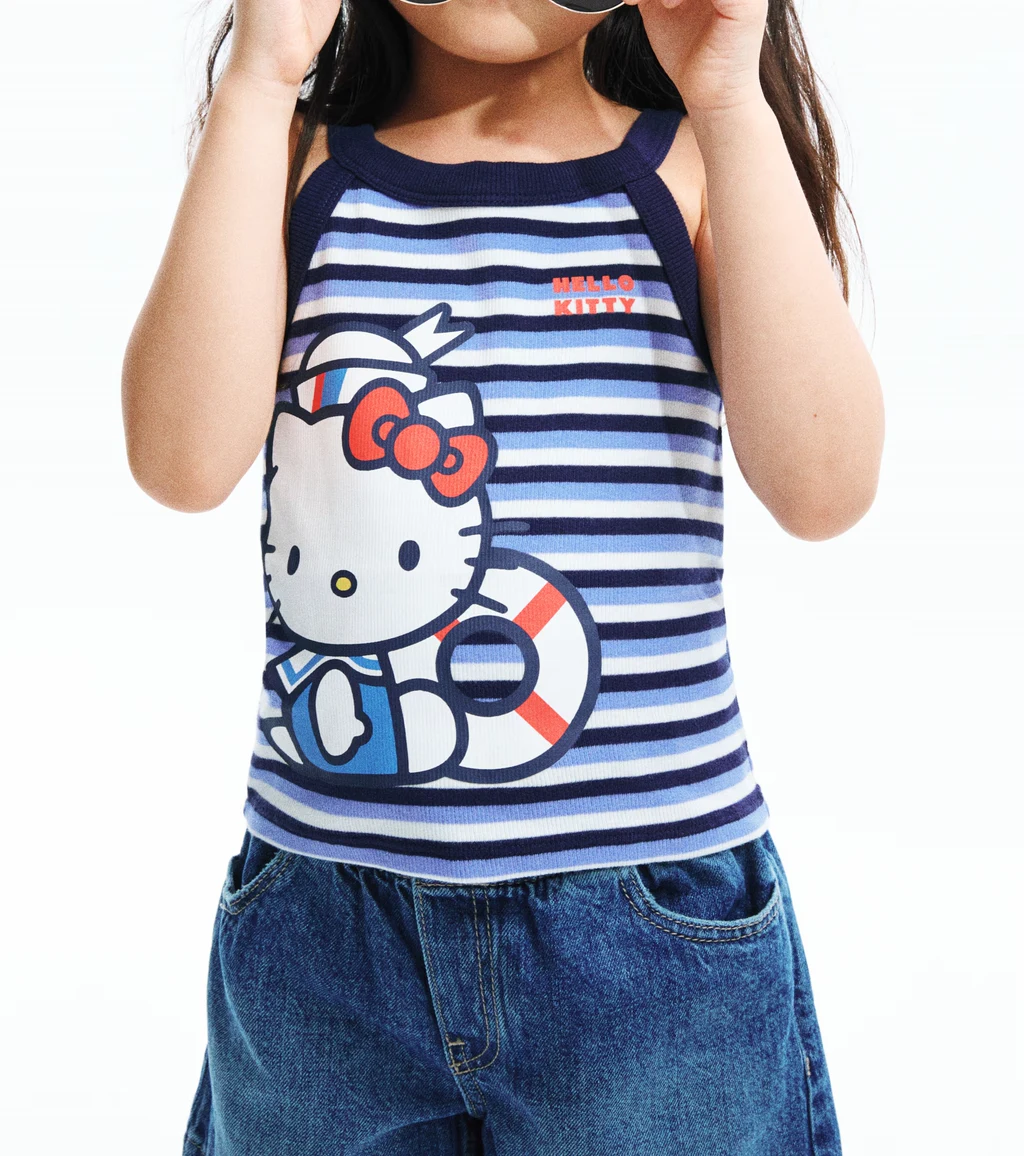
Choosing between screen printing, direct-to-garment (DTG) and direct-to-film (DTF) for kids’ clothes is a trade-off between artwork, fabric, order economics, appearance and the approval process. Screen printing can suit repeat artwork when setup is justified; DTG can suit detailed digital artwork on compatible garments; DTF can transfer a prepared graphic to a wider range of garment surfaces, subject to process and hand-feel checks. None is automatically the lowest-cost, safest or most durable option. Approve the actual decoration on the intended fabric and garment, define measurable acceptance checks, and confirm market-specific product requirements with a qualified adviser or laboratory.
A print method is a production choice, not a product claim. For a kidswear buyer, a useful decision is the one that meets the brief at the planned quantity and can be repeated consistently from the approved sample into bulk.
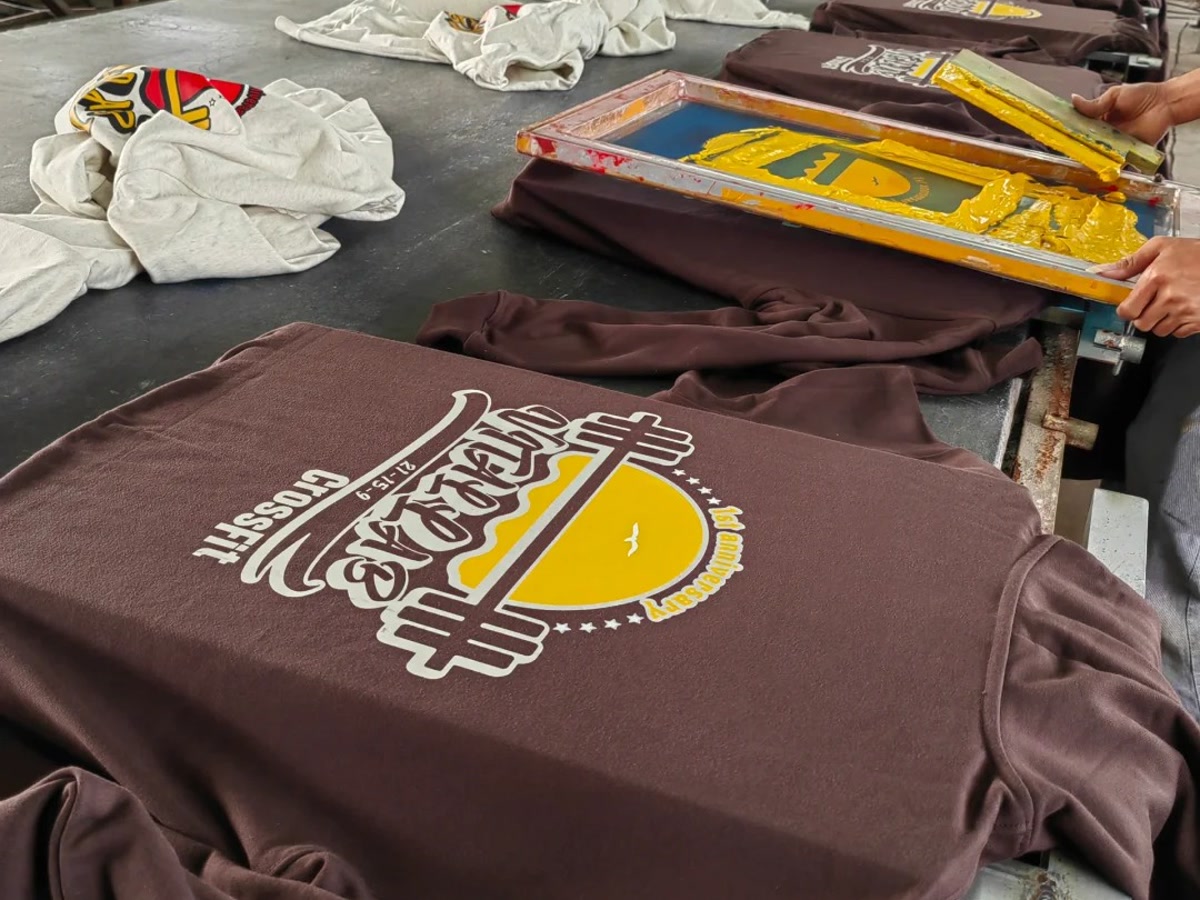
The same graphic can look and feel different across methods. First consider the number of colors, edge detail, coverage, placement, fabric and size-color quantity plan. Then ask the factory or print partner to assess which process is feasible for the actual artwork and garment, rather than requesting a method by name before sharing those inputs.
| Method | Often worth evaluating when | Main trade-offs to review | Questions for the sample |
|---|---|---|---|
| Screen printing | The artwork repeats across a production run and its colors can be separated into production screens | Screen/setup work and color count affect preparation; large or dense areas can change hand feel | Are color, registration, coverage and any edge or underbase acceptable on this fabric? |
| DTG | The design needs fine digital detail or multiple colors and the garment/fabric is compatible with the print system | Pretreatment, garment color, fiber content and surface affect appearance; test the finished print rather than assuming all cotton or knits behave alike | Are fine lines, gradients, small text and color density clear after the agreed process? |
| DTF | A transfer is a practical route for the design and the garment surface can accept the application | Transfer size and coverage can feel more like a layer; press conditions and garment construction influence placement and finish | Is the edge neat, the hand acceptable, and the transfer positioned flat without affecting nearby seams? |
| Embroidery or applique | A stitched or layered effect better matches the design than a printed surface | Added thickness, backing, attachment and small-part details need review for the product and age group | Is the reverse comfortable and the attachment secure under the agreed inspection plan? |
This table is a screening aid, not a promise that a method is available for every style. Equipment, fabric, order plan and decoration partner capability should be confirmed for the particular project.
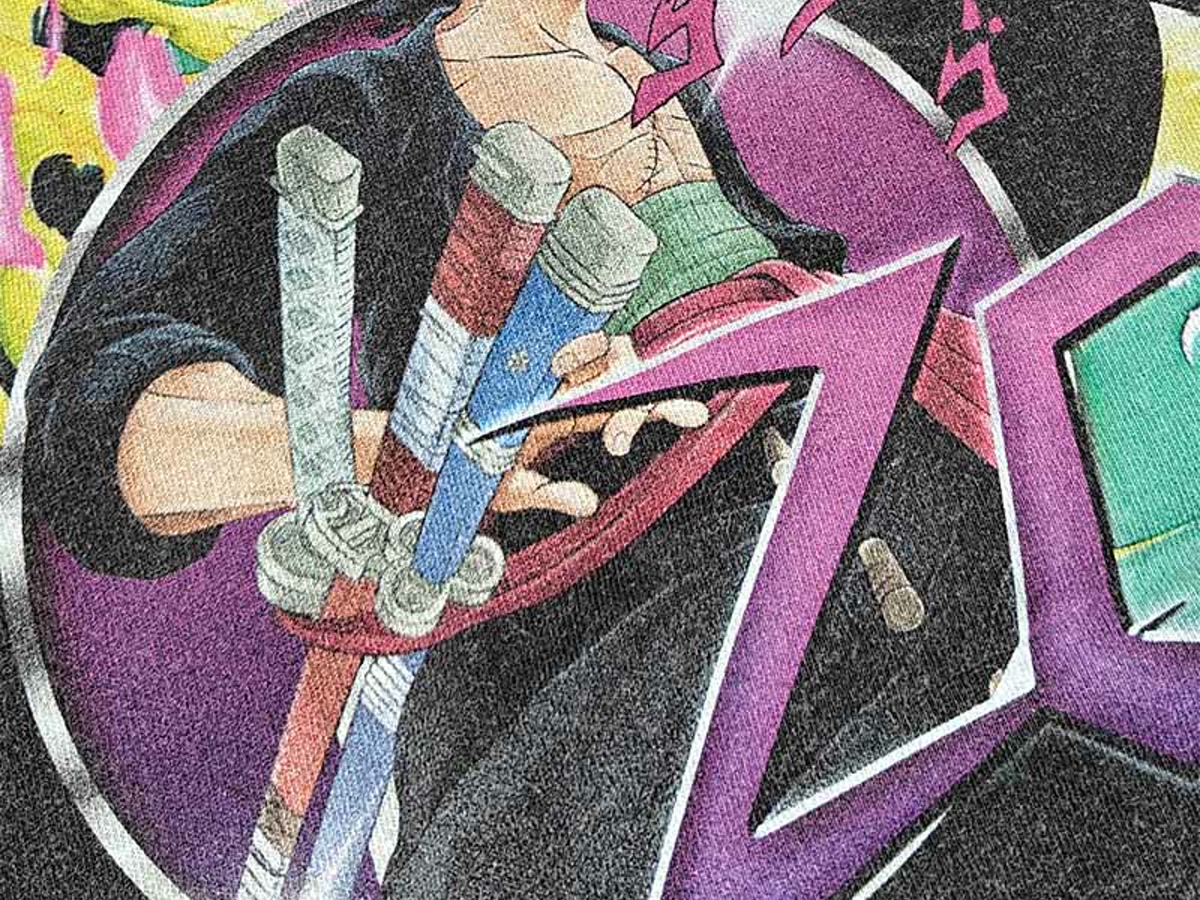
Do not compare a screen-print quote with a digital-print quote until the scope is aligned. A per-piece price can hide setup, color count, print dimensions, placement, garment handling, size-color splits, sampling, packing or testing assumptions. Ask each supplier to state what is included and what could change the quote.
For screen printing, setup and the number of print colors can matter alongside the quantity. Repeating the same artwork across more pieces may spread preparation over more garments, but this is not a universal price rule: print size, ink system, fabric, number of placements and the supplier’s process still matter. A large quantity divided across many colors, sizes or artwork versions may not behave like one repeat run.
For DTG and DTF, ask whether artwork preparation, pretreatment, transfer production, pressing, individual garment handling or special placement is included. A digitally prepared design does not make every quantity or fabric equally economical. Minimums, sample charges and available processes are supplier-specific and must be confirmed in writing.
| Cost or order-plan driver | What it can change | What to include in a comparable RFQ |
|---|---|---|
| Artwork colors and detail | Setup, screen preparation, print definition or transfer complexity | Final artwork file, color count or named colors, and any fine-line/small-text concerns |
| Print dimensions and placements | Material/process time and garment handling | Width × height and a placement diagram for each location |
| Fabric and garment color | Pretreatment, coverage, color matching and result on the surface | Fiber/content specification, fabric construction, color and approved garment sample |
| Quantity by style, color and size | Run planning and whether setup is shared or repeated | Units for each style/colorway and size breakdown, not only a single total |
| Sampling and testing | Development steps, evidence and possible rework | Number/type of samples, wash or other agreed tests, who arranges them and acceptance criteria |
| Packaging and delivery scope | Handling and quotation exclusions | Folding/packing requirements, labeling, destination and required delivery basis if known |
A useful rule: compare quotations only after every supplier is pricing the same artwork version, print size, garment, quantity split and approval scope. If any of these are provisional, mark them provisional rather than treating the price as final.
A print can look convincing on a flat swatch yet differ on a finished kids’ garment. Knit texture, stretch, garment color, seam locations and the print area all affect the result. A dark garment may require a different coverage approach from a light one; a very stretchy panel can behave differently from a stable panel. Ask for the sample on the intended fabric and garment wherever practical.
Review the artwork as production input:
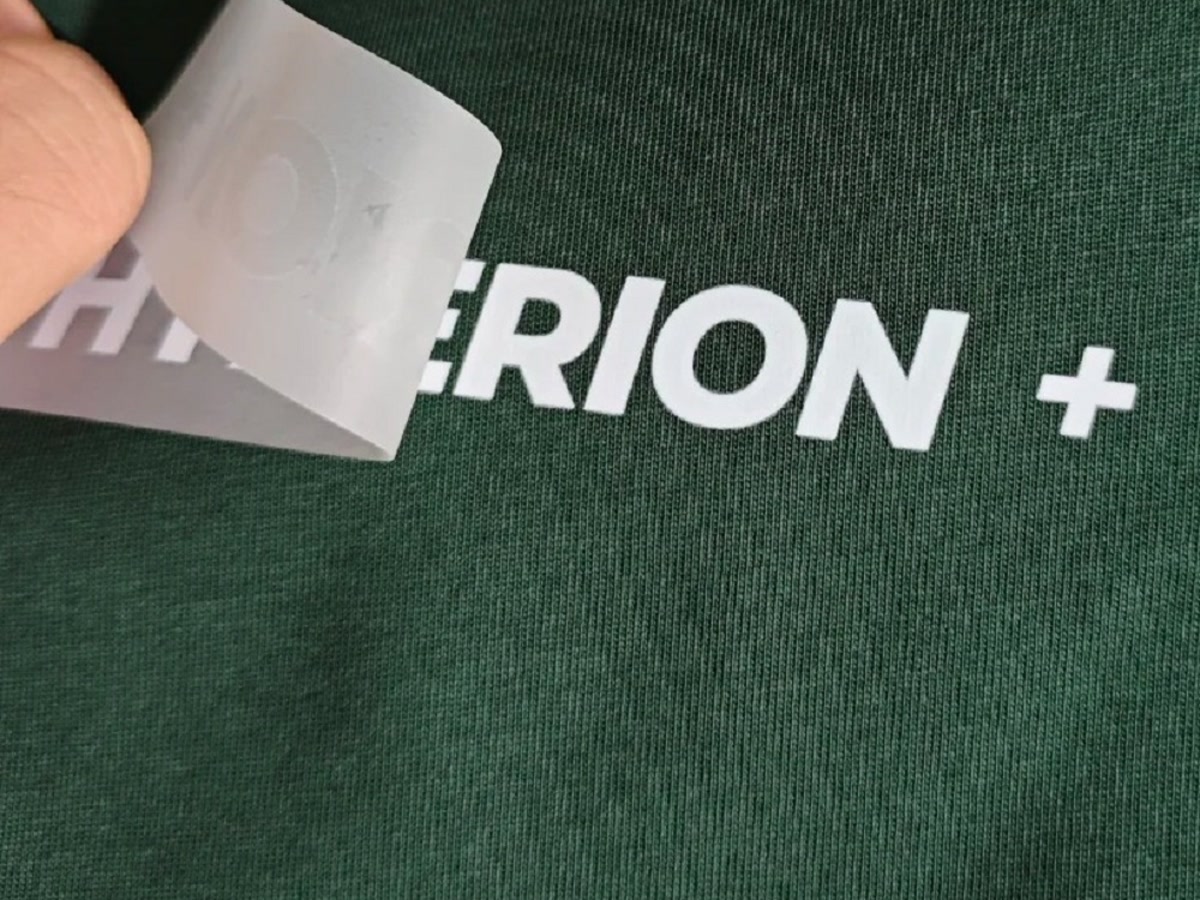
Approve the decoration on a representative garment made with the intended fabric, color, construction and print placement. A sample approval should identify the exact version and the criteria used to accept it. “Looks good” is a useful comment, but by itself it is difficult to repeat across production teams.
A practical review sequence is:
The test protocol matters. “Wash tested” is incomplete unless the parties know what garment was tested, under what care conditions, how many cycles were used and what counted as acceptable. Where a market rule or product-safety question applies, ask a qualified laboratory or compliance adviser to identify applicable requirements for the finished product and destination market.
A factory can review decoration more accurately when the inquiry includes the whole production context. If a detail is not decided, say so and ask what information is needed to evaluate it. This reduces back-and-forth and helps distinguish a budgetary estimate from a quote based on approved specifications.
| RFQ item | Buyer should provide |
|---|---|
| Product | Style reference or tech pack, garment type, target market and intended use |
| Fabric | Fiber content, construction/GSM if known, color, finish and whether the fabric is fixed or open to alternatives |
| Artwork | Editable/vector or high-resolution file, revision/date, colors and any artwork rights/approval constraints |
| Decoration | Preferred method if known, otherwise the visual goal; print dimensions, placements and reference images |
| Order plan | Quantity per style, color and size; identify whether artwork varies across colorways |
| Sample request | Sample type and quantity, target review date, fit/print approval owner and any requested test plan |
| Quality standard | Visual reference, placement method/tolerance to agree, color review process and post-test acceptance criteria |
| Commercial scope | Packaging, labels, destination, timing and any quote inclusions/exclusions to confirm |
Before sending, check that the artwork file, placement diagram and product specification refer to the same revision. If you are comparing factories, send the same brief to each one and ask them to list assumptions separately.
Bulk control starts with the approved sample and a usable production reference. The factory and buyer should know which file, method and visual standard the order follows. If artwork, fabric, color, print supplier or application method changes, pause and assess whether a new sample approval is needed.
At inspection, compare like with like:
Agree inspection sampling, defect classification and measurement tolerances with the buyer and factory before production. This guide does not set a universal acceptance level; the correct plan depends on the product brief and commercial agreement.
Terms such as “non-toxic,” “safe for sensitive skin,” “chemical-free,” “eco-friendly” or “wash-proof” are broad claims. A print method name does not substantiate them. Evidence needs to match the exact material, process, finished product, intended market and wording of the claim. Ask a qualified compliance adviser or laboratory which requirements and evidence apply; do not treat a supplier’s general statement as a substitute for that review.
The same discipline applies to durability. State the test method and result if one has been completed and is suitable for the claim. Otherwise describe the design or intended performance as a target, not as a verified outcome.
There is no universal best method. Match the artwork, fabric, garment color, quantity and desired hand feel, then compare samples made on the intended product. Confirm process availability with the factory or print partner.
There is no reliable answer without the artwork, garment and quantity breakdown. Setup, number of colors, print size, handling and supplier minimums affect the quote. Ask for a like-for-like comparison and list exclusions.
DTF describes a transfer process; the name alone does not establish safety or compliance. Confirm the actual materials and applicable requirements for the finished product and destination market with a qualified adviser or laboratory.
No method name guarantees a wash result. Performance depends on the materials, application, fabric, care conditions and test protocol. Define the test and acceptance criteria before approving bulk.
Do not assume so. Surface, construction, stretch, finish and color can affect feasibility and appearance. Share the actual fabric specification and request a representative sample.
Approve the artwork revision, colors, dimensions, placement, edge quality, hand feel and the relevant test result or plan. Identify the garment, fabric and sample version in the approval record.
Send the tech pack or style reference, final artwork, placement diagram, fabric and garment color, quantity by style/color/size, sampling needs and delivery/packing requirements. Clearly mark undecided items.
The buyer, with a qualified compliance adviser or laboratory, should determine requirements for the destination market and product. The factory can provide product and process information needed for that review, but this article does not define a compliance program.
Hengcheng works on OEM and private-label apparel programs. For a kidswear printing inquiry, share the product reference, fabric, garment color, artwork revision, print size and placement, quantity by style and colorway, sample needs and target timing. The factory can review the manufacturing scope and clarify what needs confirmation with a decoration partner. Keep market-specific compliance and claim decisions with the buyer and its qualified advisers.
See the kidswear decoration options and QC checkpoints, or send a complete inquiry through the contact page.