Address
JINKE Technology Industrial Park, No. 3188 ChunYuan Road, Weifang City, Shandong Province, China
Work Hours
Monday to Friday: 7AM - 7PM
Weekend: 10AM - 5PM
Address
JINKE Technology Industrial Park, No. 3188 ChunYuan Road, Weifang City, Shandong Province, China
Work Hours
Monday to Friday: 7AM - 7PM
Weekend: 10AM - 5PM
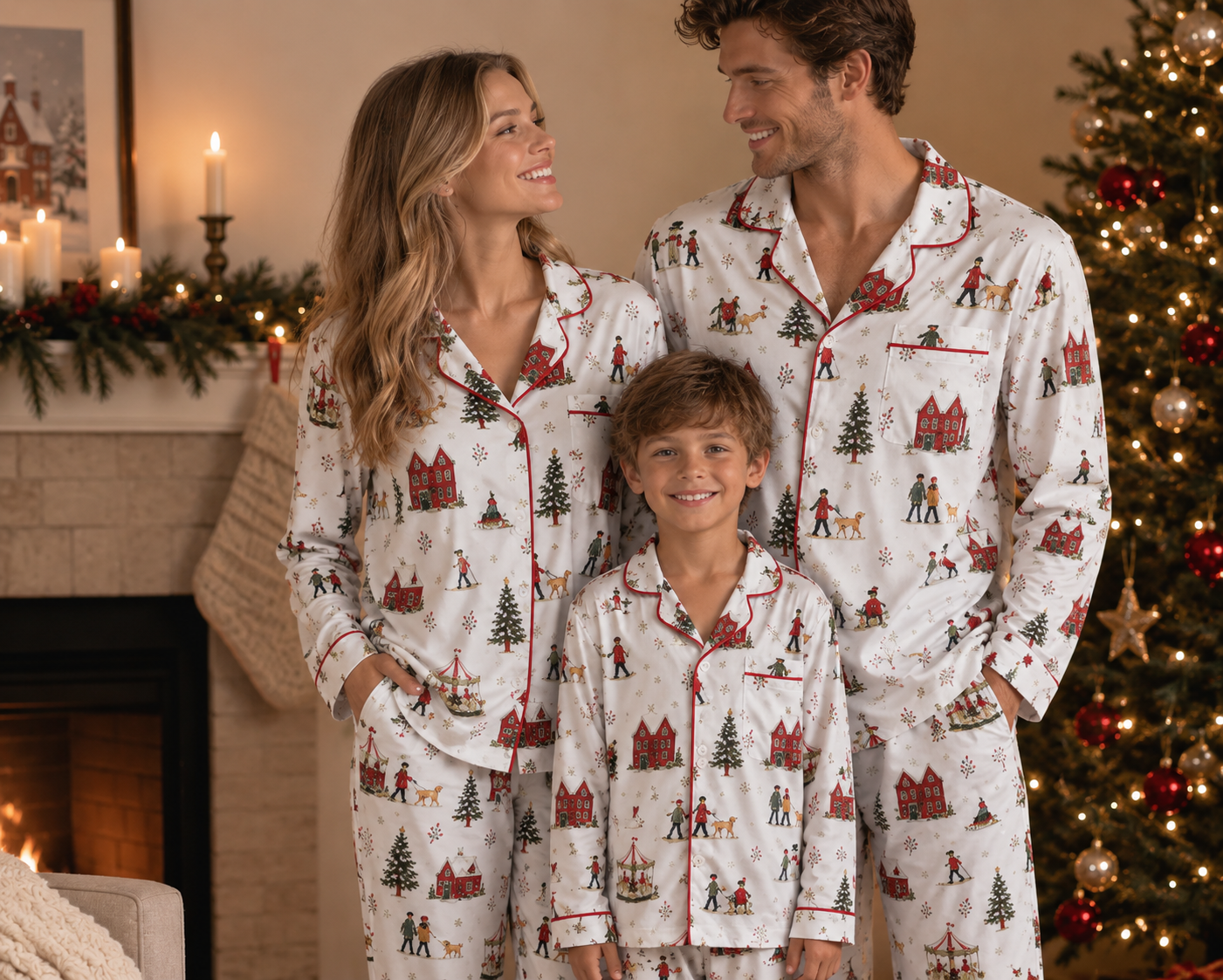
A family matching sleepwear program is not one adult pajama style repeated in smaller sizes. It is a coordinated range with different bodies, fit blocks, fabric consumption, print scale, safety considerations and quantity patterns. If those decisions are left until after the first sample, the buyer can end up with extra sample rounds, a confusing quote, unsuitable small-size proportions or a size breakdown that is difficult to produce efficiently.
For a private-label buyer, the practical starting point is to define the range architecture before asking for a final price: which age groups belong in the launch, which styles can share a construction, where the print or color system must change, and how many units sit in each size. A factory can then turn the creative family concept into a workable sample and bulk-production plan.
The most reliable route is to group the collection into fit families, usually adult, older child or youth, and younger child where applicable. Each group needs its own measurements, fit reference, quantity plan and approval points. The collection can still look coordinated through color, print, trims and design language, but the pattern, rise, neckline, elastic tension and garment proportions should follow the wearer group rather than an adult grade rule.
| Range route | What can stay coordinated | What should be planned separately | Typical commercial effect |
|---|---|---|---|
| Adult-only matching set | Color, print, fabric direction, trim and packaging | Women's and men's or unisex fit blocks, measurements and size mix | Simplest sampling and production route |
| Adult plus older-child range | Core print, color palette and product story | Child fit block, print scale, neck opening, length and quantity mix | Adds sampling and grading work, but creates a clearer family capsule |
| Adult plus young-child range | Visual theme and selected material direction | Construction, small-size proportions, trim suitability, market requirements and packing | Requires earlier technical review before a final quote |
| Broad seasonal family program | Coordinated assortment and launch timing | Fit groups, colorway allocation, style count, sample calendar and inventory plan | Stronger collection potential, with more planning variables |
The exact groups depend on the brand's market and design. The key rule is simple: coordinated appearance is a design system, while fit and construction are production systems. Do not force them to use the same logic.
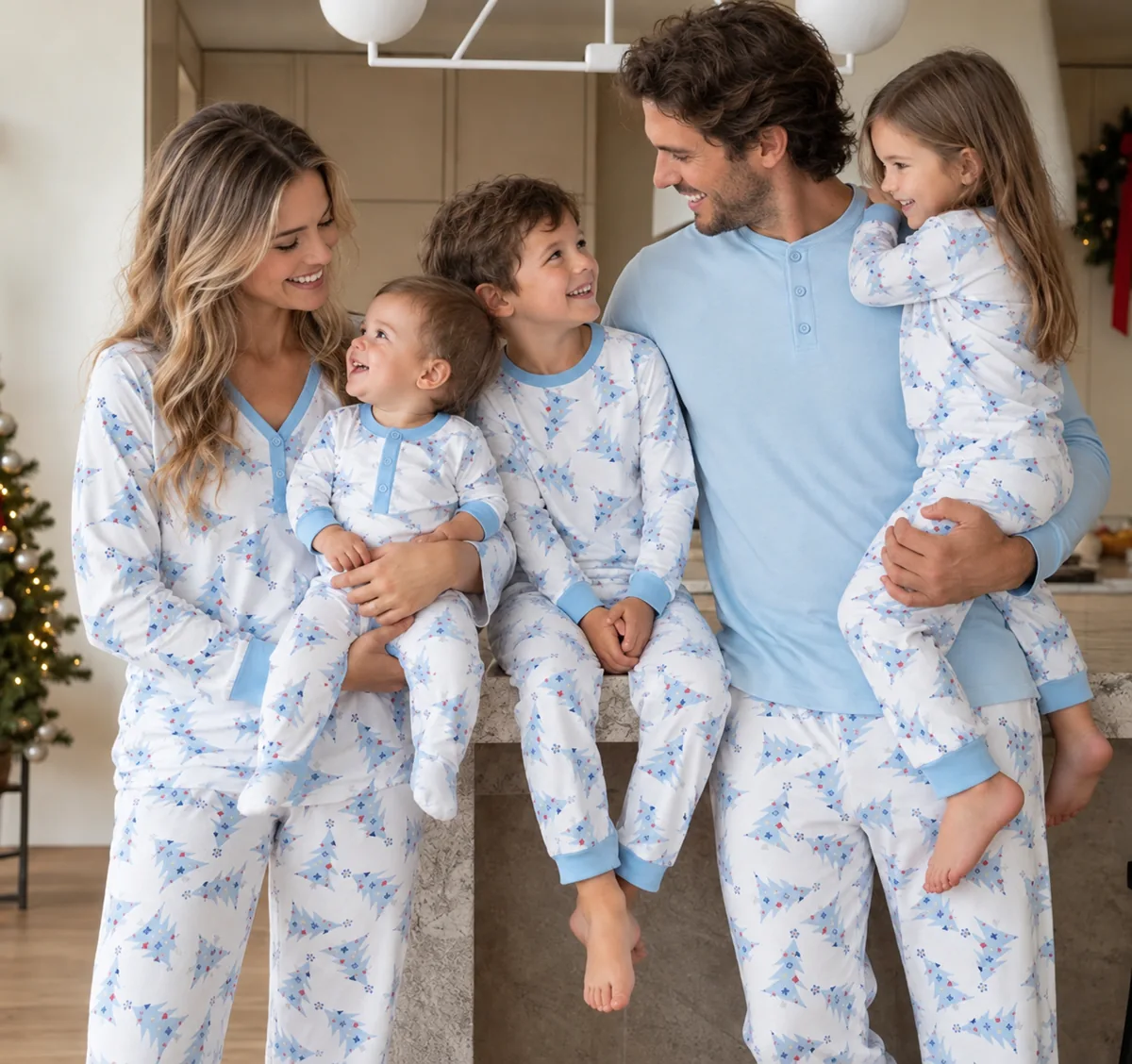
Family matching programs often look simple in a mood board because the visual work is intentionally consistent. In production, however, the same print repeat can become oversized on a small trouser leg, a comfortable adult neckline can become unsuitable for a child garment, and a waistband that works in an adult sample can feel too loose or too restrictive when simply scaled down.
A useful development brief separates the decisions below.
Start by naming every intended group: adult women's, adult men's, unisex adult, youth, older child, toddler or another clearly defined range. Then identify whether the brand has an existing measurement chart, a reference garment or a target fit description for each group.
A relaxed adult pajama may use a lower crotch depth, a wider leg and more body ease. A child pajama needs its own body proportion and movement review. The factory does not need every number on day one, but it needs to know whether it is developing a shared visual concept across separate fit blocks or only grading a single adult style.
Review the design at the smallest and largest intended sizes before the sample plan is locked. The issues are often practical rather than dramatic:
The buyer does not need to remove the distinctive details. The buyer needs to decide which details are non-negotiable and which may be adjusted by fit group while keeping the collection recognizable.
MOQ is rarely just one number for a family collection. It is affected by fabric availability, colorway count, print or decoration, style count, packing and the quantity split by size. A wide range with a very small quantity in each size may create a different production discussion from a narrower range with the same total unit count.
Give the factory a provisional size breakdown early, even if it is not final. It helps the team estimate fabric consumption, understand whether a colorway is commercially workable and identify which assumptions need confirmation before a firm quotation.
Before requesting final sampling or bulk terms, use a decision table like this one to make the family concept production-ready.
| Buyer decision | What to define | Why the factory needs it | What can go wrong if it is open |
|---|---|---|---|
| Target wearer groups | Exact age or size groups in the launch | Sets the fit-block and grading plan | Late range changes create extra sampling and pattern work |
| Fit direction | Relaxed, regular, close-to-body or another agreed direction per group | Determines ease, rise, neckline and measurement priorities | An attractive reference image produces the wrong on-body fit |
| Print and color system | Repeat scale, placement rules and colorways by group | Allows artwork, fabric and cutting plans to be checked | A coordinated print looks oversized, misplaced or inconsistent |
| Shared versus adjusted details | Which trims, pockets, plackets or waist features may change | Clarifies what must stay visually consistent | The factory either copies an unsuitable detail or changes it without a clear rule |
| Quantity by size and colorway | Forecast or working order split | Supports MOQ, sourcing and packing review | A total quantity appears workable but the real size mix is not |
| Target market and requirements | Selling market, retailer instructions and any specified testing or labeling needs | Identifies what needs technical confirmation before bulk | A late requirement disrupts construction, trim or packing choices |
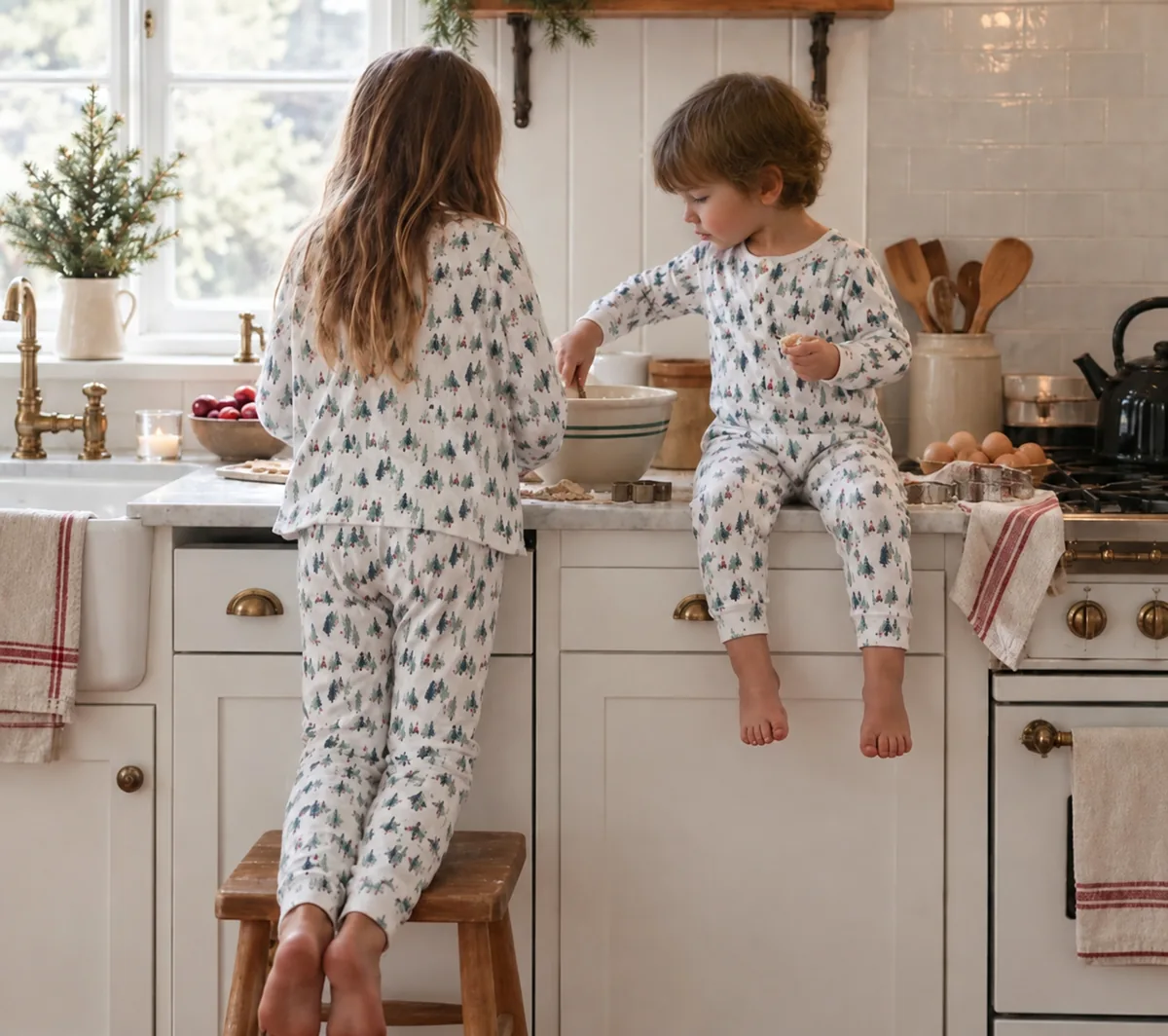
The first sample should answer the riskiest questions, not attempt to prove every color and every size at once. A factory-side sample sequence is usually more efficient when it separates fit, artwork and pre-production approval.
Choose the sizes and groups that will show the biggest construction differences. For example, an adult reference sample and one child reference sample often reveal more than two adjacent adult sizes. If the program includes a younger-child group, confirm its separate construction and technical requirements before assuming the older-child sample covers it.
Review the garment on the relevant body or fit form. Check movement, waist comfort, neck opening, sleeve and trouser length, seat and rise, as well as the appearance of any print, piping, pocket or placket.
A fabric swatch can confirm color direction but cannot confirm how a repeat will wrap around a side seam or how a chest placement will sit on a small size. Ask to review the artwork on a finished representative garment. Record whether the print can stay the same, needs a reduced scale or needs a placement adjustment by fit group.
The same applies to trims. A contrast piping line or button-front detail can be central to the collection identity, but its width, spacing and placement may need a defined rule at smaller sizes.
Once the sampling decisions are closed, keep the approved garment, measurement chart, material reference, artwork, trim list and correction record together. The pre-production reference should tell the bulk team exactly which elements are shared across the family collection and which are intentionally different by fit group.
| Sample stage | Main question | What the buyer should approve |
|---|---|---|
| Development or fit sample | Does each fit group work on the intended body? | Measurements, ease, rise, neckline, length and movement |
| Artwork or color sample | Does the coordinated visual system work at each scale? | Print size, placement, stripe direction, color and trim balance |
| Pre-production sample | Is the agreed product ready to become a bulk reference? | Material, construction, labels, packing and recorded corrections |
Family matching does not automatically mean a difficult order, but each additional group can add a pattern, grade rule, sample, marker, artwork adjustment or packing variant. Cost and lead time therefore should remain conditional until the factory sees the material, design complexity, colorways, size groups, order quantities and target date.
Common commercial drivers include:
The useful buyer request is not "What is your MOQ for family pajamas?" It is "Here is our proposed range, material direction, colorways, size split and launch timing. Which assumptions affect the MOQ, sample plan and production lead time?" That gives the factory something concrete to review.
QC should carry the approved family system into material inspection, cutting, sewing, finishing and packing. It is not only about checking whether each garment is free from obvious defects. It is also about checking whether the collection still looks and fits like one deliberate program when the ranges are placed together.
Use the approved samples and written rules to check:
A final inspection cannot fix a family range that never had clear size-group rules. The earlier the brand identifies the small-size and large-size differences, the easier it is for production and QC to inspect against the same standard.
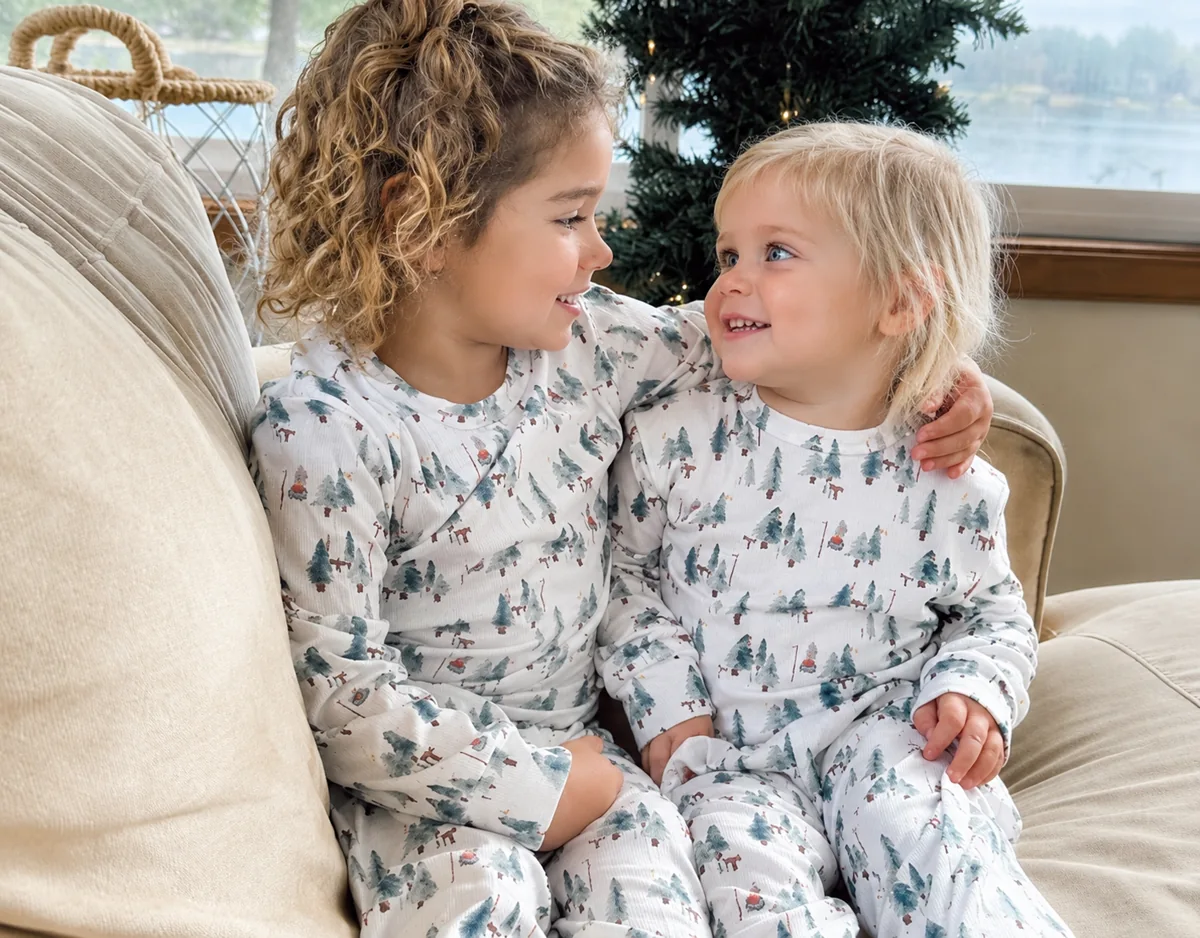
A clear RFQ lets a China OEM or private-label factory distinguish a fixed product requirement from an open development question. Include the following information where available:
| RFQ input | What to provide | Why it improves the factory review |
|---|---|---|
| Product references | Images, sketches, tech pack or an existing garment | Establishes the visual and construction direction |
| Range map | Each target wearer group and size range | Defines the pattern and sample scope |
| Fit notes | Measurement chart, fit preference or reference garment per group | Prevents adult logic being used for every size |
| Artwork plan | Print file, repeat, placement or color direction | Allows scale and placement to be reviewed early |
| Material direction | Fiber, hand feel, weight, color and care expectation | Supports sourcing and finished-garment review |
| Quantity plan | Quantity by style, colorway and size | Makes MOQ and production planning more realistic |
| Target market | Destination and stated retailer, labeling or testing requirements | Identifies technical inputs that need confirmation |
| Timing | Sample deadline, launch date and desired shipment window | Lets the factory assess a practical development calendar |
If some information is not decided, mark it as open rather than letting the factory infer it from a photo. A transparent early brief produces a more useful quotation and reduces avoidable corrections later.
This is the most common planning error. Adult, youth and younger-child ranges may share a visual direction, but they do not necessarily share body proportions, ease or construction rules. Use separate fit references where the wearer group changes.
A print may look balanced in a digital layout and still look oversized, cut off or misplaced once it is sewn into the smallest garment. Approve representative finished samples before locking the artwork for bulk.
A total quantity without a working split by size and colorway gives the factory only part of the commercial picture. Share a forecast early and update it when the range is finalized.
A new group may require a new fit block, sample, marker, label, pack ratio or compliance review. Add it before bulk planning whenever possible, not after the material and delivery plan are assumed to be final.
From a China OEM and private-label factory perspective, Hengcheng would first separate the visual family concept from the production variables. We would review the product references, target market, intended fit groups, material direction, print or color system, construction details, size range, quantity split and delivery timing.
The next step is to identify which elements can stay consistent and which must be approved separately by group. That may include pattern blocks, measurements, print scale, waist construction, trims, labels, packing and QC checkpoints. The goal is not to make a coordinated collection more complicated than necessary. It is to make the necessary differences visible before they become a sample or bulk issue.
For a project review, send the range map, reference styles, size breakdown, target market, quantity and any non-negotiable design features through the contact page. Buyers can also review Hengcheng's sleepwear and pajama manufacturing capability, sample development process and apparel quality-control process before preparing the brief.
Usually no. The collection can share a design language, fabric direction and artwork, but adult and child groups need their own fit logic. A factory should confirm the pattern and grading approach for each group before sampling.
They may. A repeat or placement that looks balanced on an adult garment can look too large or sit in the wrong place on a smaller size. Review the artwork on representative finished samples and record the approved rule by group.
It can change the MOQ discussion because material, colorway, printing, sample work and the quantity split all matter. The factory can assess it more accurately once it receives the range map and estimated quantity by size and colorway.
Choose representative groups that show the main fit and construction differences, rather than sampling adjacent sizes that prove the same point. An adult and child reference sample often gives a clearer first review.
Provide a working breakdown at RFQ stage, refine it after the range is reviewed, and lock it before final material and bulk planning. Waiting until production increases the chance of avoidable changes.
Confirm representative fit, approved materials, print and color rules, construction, measurements, size labels, packing ratios, target-market requirements and the production timeline. Keep the approved samples and written correction record available to the production and QC teams.
Hengcheng can review an early brief and identify the assumptions that affect pricing, MOQ, lead time and samples. Final commercial terms should be confirmed after the material, fit groups, quantities, decoration, trims and packing requirements are clear.
This is a factory-side product-development guide for brand buyers, designers and sourcing teams. It uses the working relationship between range architecture, fit, artwork, sampling, quantity planning and bulk QC as its editorial framework. It is not consumer sizing advice and it does not replace market-specific technical or compliance review.