Address
JINKE Technology Industrial Park, No. 3188 ChunYuan Road, Weifang City, Shandong Province, China
Work Hours
Monday to Friday: 7AM - 7PM
Weekend: 10AM - 5PM
Address
JINKE Technology Industrial Park, No. 3188 ChunYuan Road, Weifang City, Shandong Province, China
Work Hours
Monday to Friday: 7AM - 7PM
Weekend: 10AM - 5PM


Struggling to get your clothing line off the ground? The world of manufacturing feels overwhelming, complex, and full of risks. Importing from China is your solution, offering quality and value if you know the right steps.
Yes, importing clothes from China is a fantastic way to build your brand. The key is to find a reliable supplier, understand the costs and legal steps, and establish clear communication for quality control. This process can be straightforward when you’re properly prepared.
I know the idea of sourcing products from thousands of miles away can seem daunting. I’ve been in this business for over 20 years, and I’ve heard all the horror stories. But I’ve also seen countless brands, from small startups to large wholesalers, achieve incredible success by partnering with the right factory. It’s all about having a solid plan and a partner you can trust. The journey from a design sketch to a customer-ready garment involves several key stages, and I’m here to walk you through them, based on my own experiences helping clients just like you navigate this process. Let’s break it down so you can move forward with confidence.
Finding a manufacturer feels like searching for a needle in a haystack. You worry about scams, poor quality, and communication barriers. A reliable partner is essential for your brand’s success, and finding one is the first critical step.
The best way to find a reliable supplier is by using a multi-channel approach. Combine online research on B2B platforms like Alibaba with attending major trade shows like the Canton Fair. For the most control and best partnership, source directly from an experienced factory.

Finding the right partner is the foundation of your import business. As the owner of Hengcheng Garment, I’ve seen firsthand what works. It’s not just about finding the lowest price; it’s about finding a factory that aligns with your quality standards, communication style, and business goals. A great supplier is more than a vendor; they are a partner in your growth. You have a few main paths to find them, each with its own pros and cons. I always advise my new clients to explore all options to see what fits their business model best. Let’s look at the most common methods for finding a manufacturing partner.
| Method | Pros | Cons | Best For |
|---|---|---|---|
| Online B2B Platforms | Huge selection, easy to search, transparent reviews. | Overwhelming choices, risk of scams, communication can be slow. | Startups and those new to importing who want to cast a wide net. |
| Trade Shows | Meet suppliers face-to-face, see product quality firsthand. | Can be expensive and time-consuming to travel. | Serious buyers who want to build personal relationships. |
| Direct Factory Sourcing | Better communication, more control over quality, potential for better pricing. | Can be hard to find, may have higher Minimum Order Quantities (MOQs). | Brands that are ready to scale and want a long-term partner. |
At Hengcheng Garment, we participate in the Canton Fair and maintain a strong online presence, but the best relationships I’ve built have come from clients reaching out to us directly. Working directly with a factory like ours means you’re speaking to the people who are actually making your clothes. This direct line of communication is invaluable for custom designs and ensuring your vision is executed perfectly.
You’ve found a great product, but you’re scared of hidden fees. Shipping, customs, and taxes feel like a confusing maze that could destroy your profit margins. Understanding the total landed cost is crucial before placing an order.
Your total cost includes the product price, shipping fees (air or sea), and import duties and taxes, which vary by country and product. You must also factor in costs for samples, inspections, and payment processing to get a true picture.
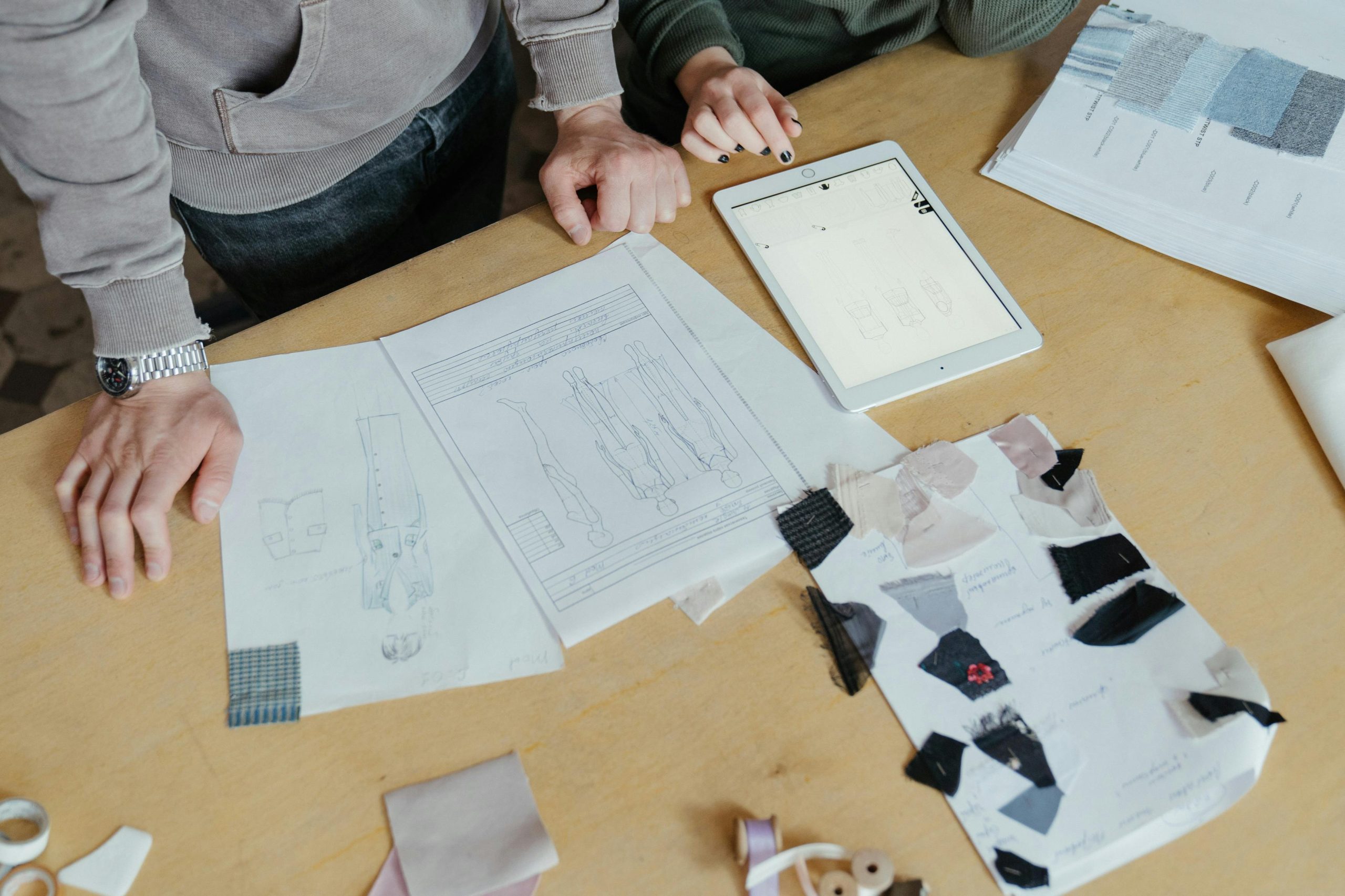
One of the biggest lessons I’ve learned in this industry is that the price on the invoice is rarely the final price you pay. Many entrepreneurs get excited by a low unit cost from a supplier but forget to budget for all the other expenses involved in getting that product from my factory door to their warehouse. This is what we call the “landed cost1.” Calculating this accurately is the key to ensuring your business is profitable. I always make sure my clients understand the full cost picture2 from the start. It’s better to be realistic and prepared than to face a surprise bill3 that eats up all your potential profit. Let’s break down the main components you need to account for.
You’re worried the samples will look great, but the bulk order will be a disaster. How can you ensure quality and clear communication when your factory is thousands of miles away? Misunderstandings can lead to wasted time and money.
Effective quality control relies on detailed technical specifications (tech packs), approving pre-production samples before bulk manufacturing, and maintaining constant, clear communication. Building a strong relationship with your supplier is the ultimate key to consistency.
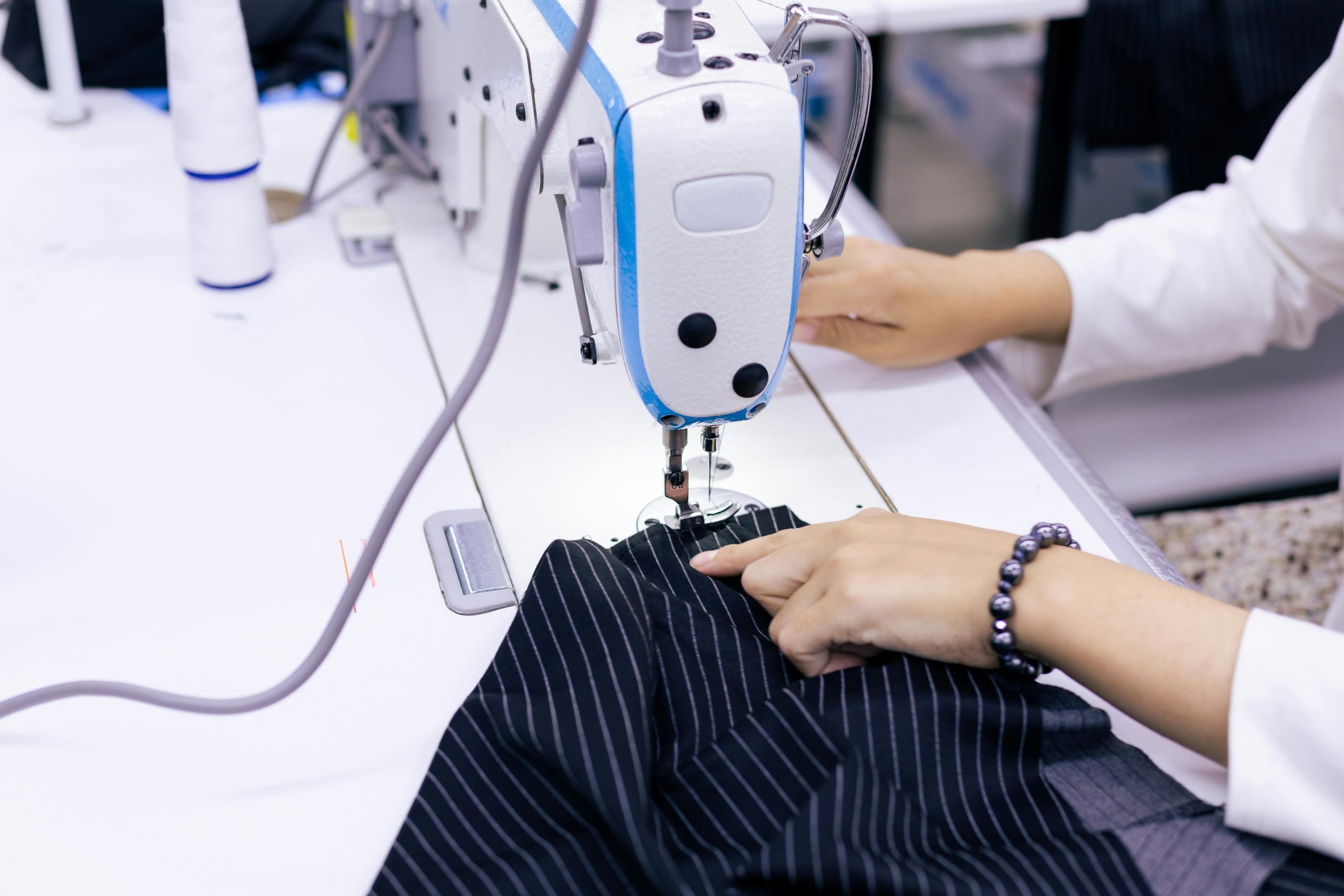
This is where a true partnership with your manufacturer makes all the difference. At Hengcheng Garment, we’ve built our 20-year reputation on quality. I always say that the most important thing we export isn’t just clothing; it’s trust. Quality control isn’t a single step; it’s a process that’s woven into every stage of production, and it starts with crystal-clear communication. I can’t stress this enough: we can’t produce your vision if we don’t understand it perfectly. Over the years, I’ve developed a system with my clients to ensure we’re always on the same page, from the first sketch to the final shipment.
Importing clothes from China is a manageable and profitable venture with the right knowledge and partners. Focus on finding a good supplier, calculating all costs, and ensuring quality.
Understanding landed cost is crucial for budgeting and ensuring profitability in your business. Explore this link to learn more. ↩
Calculating the full cost picture helps avoid unexpected expenses and ensures better financial planning. Discover more here. ↩
Avoiding surprise bills is essential for maintaining profitability. This resource can guide you on effective budgeting strategies. ↩