Address
JINKE Technology Industrial Park, No. 3188 ChunYuan Road, Weifang City, Shandong Province, China
Work Hours
Monday to Friday: 7AM - 7PM
Weekend: 10AM - 5PM
Address
JINKE Technology Industrial Park, No. 3188 ChunYuan Road, Weifang City, Shandong Province, China
Work Hours
Monday to Friday: 7AM - 7PM
Weekend: 10AM - 5PM
Did you just get a sample quote and think, "Wait, that’s almost retail price!"? It’s a common shock for new brands, but there are very clear reasons for the high cost.
A clothing sample is expensive because it carries the full weight of development costs. This includes pattern making, sourcing small-batch materials at high prices, and using highly skilled labor for a single, non-optimized piece. These costs are divided by one, not hundreds.
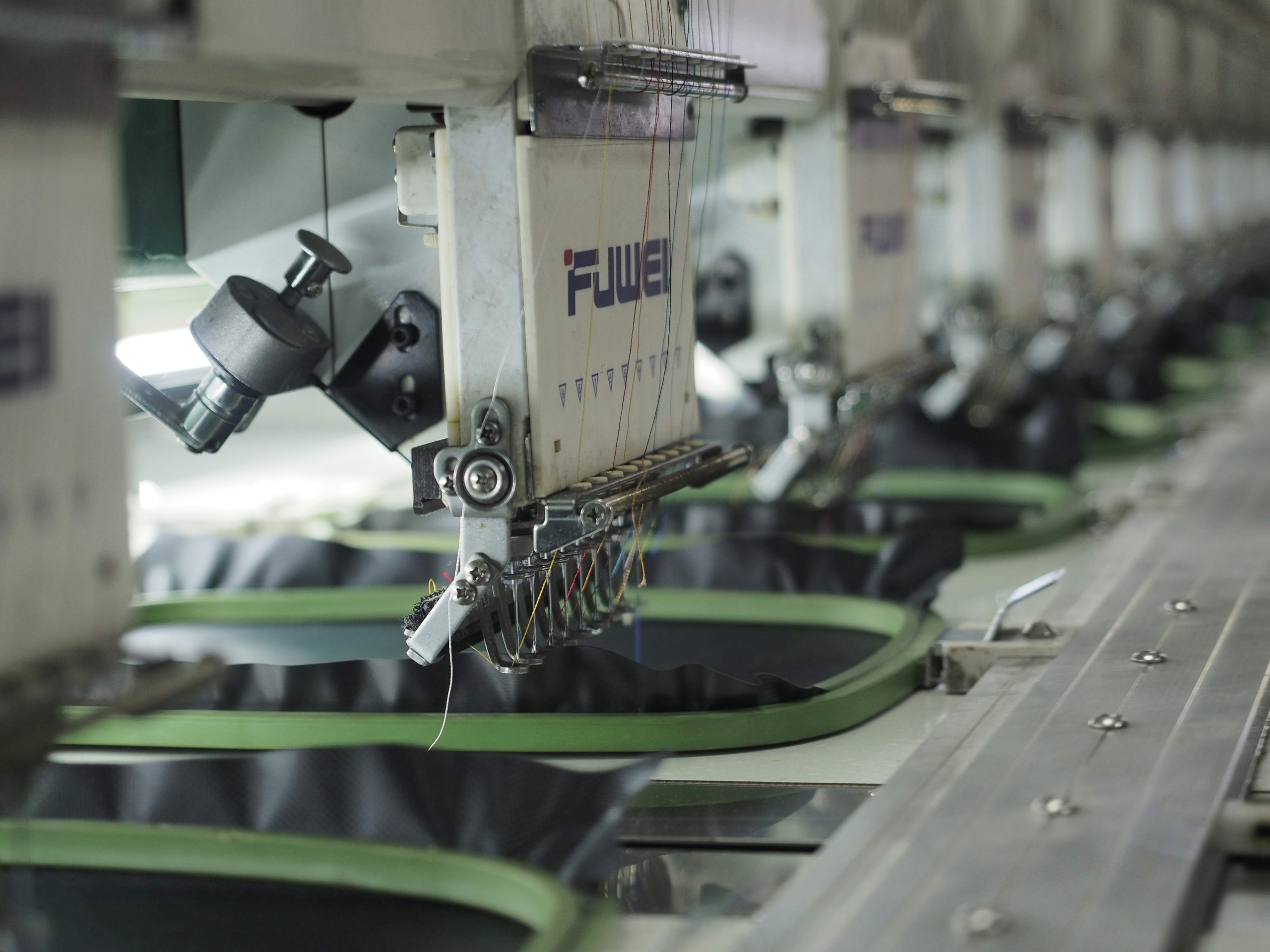
I get this question all the time from new clients, and I completely understand the confusion. You see a t-shirt sample quoted at $150 and then see the bulk price is only $15 per piece. It feels like a mistake. But from my side of the table, as the owner of Hengcheng Garment, I can tell you that we often make little to no profit on samples. Sometimes, we even lose money. A sample isn’t just a single unit pulled from a production line; it’s the entire research and development phase of your product concentrated into one garment. Let me walk you through exactly why that first piece carries such a heavy price tag.
Ever wonder what goes into making that very first prototype? It’s not just sewing fabric together. It’s creating the blueprint for your entire production run from scratch.
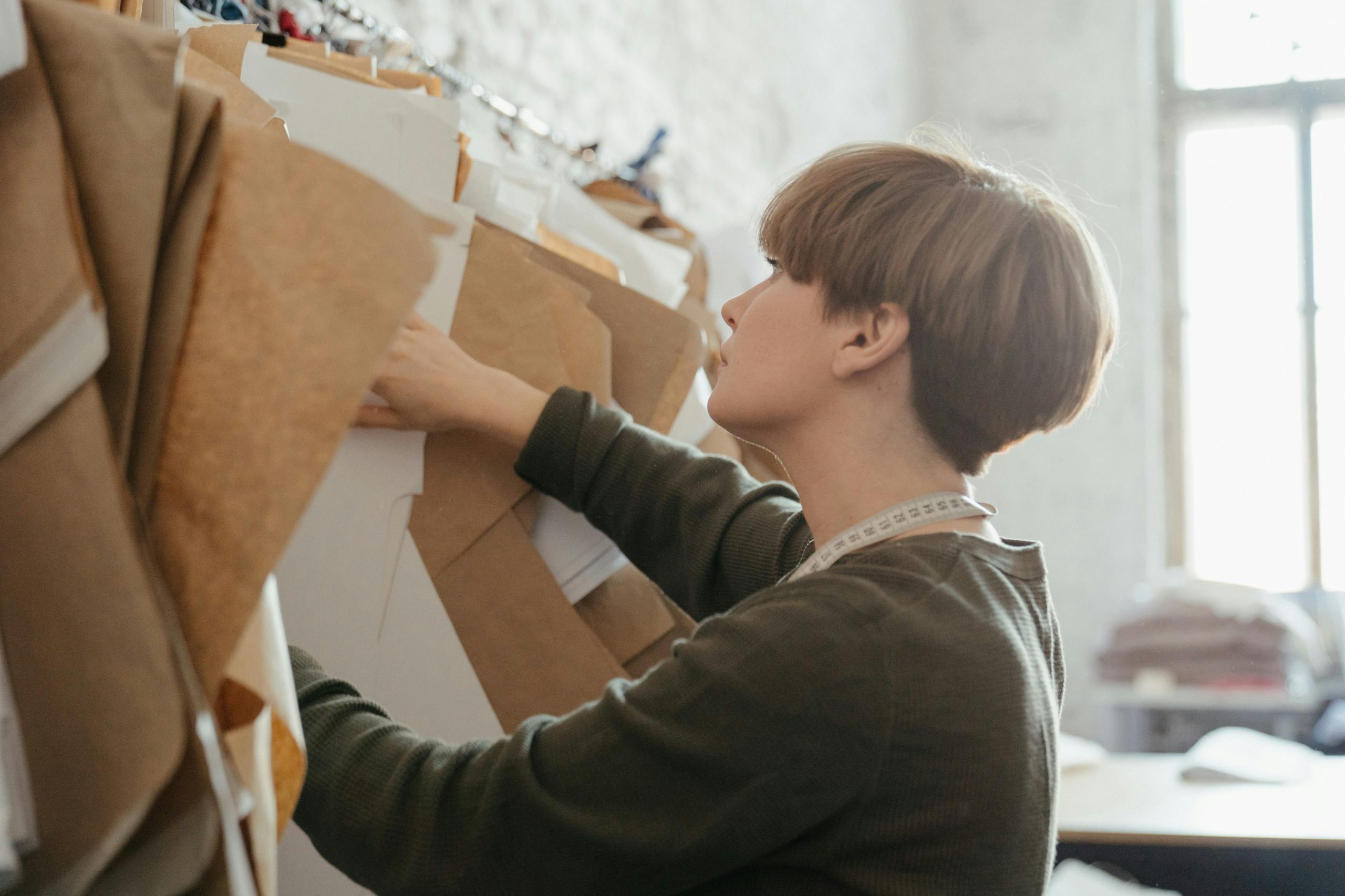
That first sample includes the cost of creating the unique pattern and tech pack. It’s a one-time development cost that, for a single sample, isn’t spread across a large volume, making it a major expense.
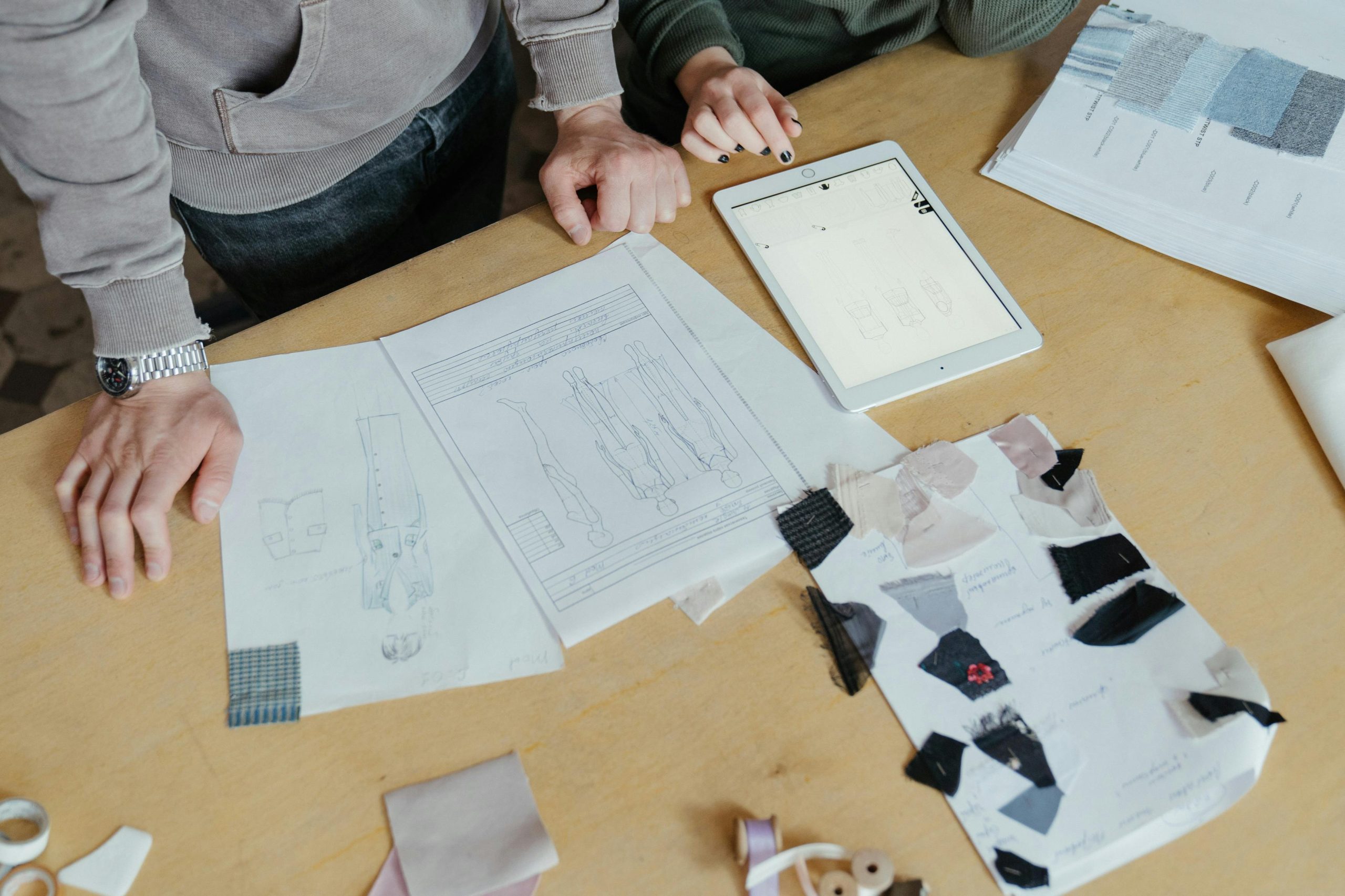
Think of it like building a house. The architect’s blueprint is a significant upfront cost. For your garment, the equivalent is the pattern. Our most skilled pattern makers have to take your sketch or tech pack and translate it into a precise, physical pattern. This is a highly technical process that requires expertise in how different fabrics drape and stretch. They are essentially solving a puzzle: how to make a 2D drawing fit a 3D body perfectly.
This pattern creation, along with refining the tech pack and figuring out the most efficient way to construct the garment, is a fixed cost.
I remember a client with a complex jacket design. It took our best pattern maker two full days to create and revise the pattern before we could even cut the fabric. That specialized labor and time is a huge part of the sample’s price. Once that pattern is perfected, however, we can use it to cut thousands of pieces efficiently for the bulk run.
You found a fabric you love, but why is buying a few yards so expensive? Sourcing materials for a sample is a completely different game than buying for a bulk order.
Fabric and trim costs for samples are high because they are purchased in small quantities, missing out on bulk discounts. Factories often pay a premium per yard just to get the exact materials needed for a single prototype.
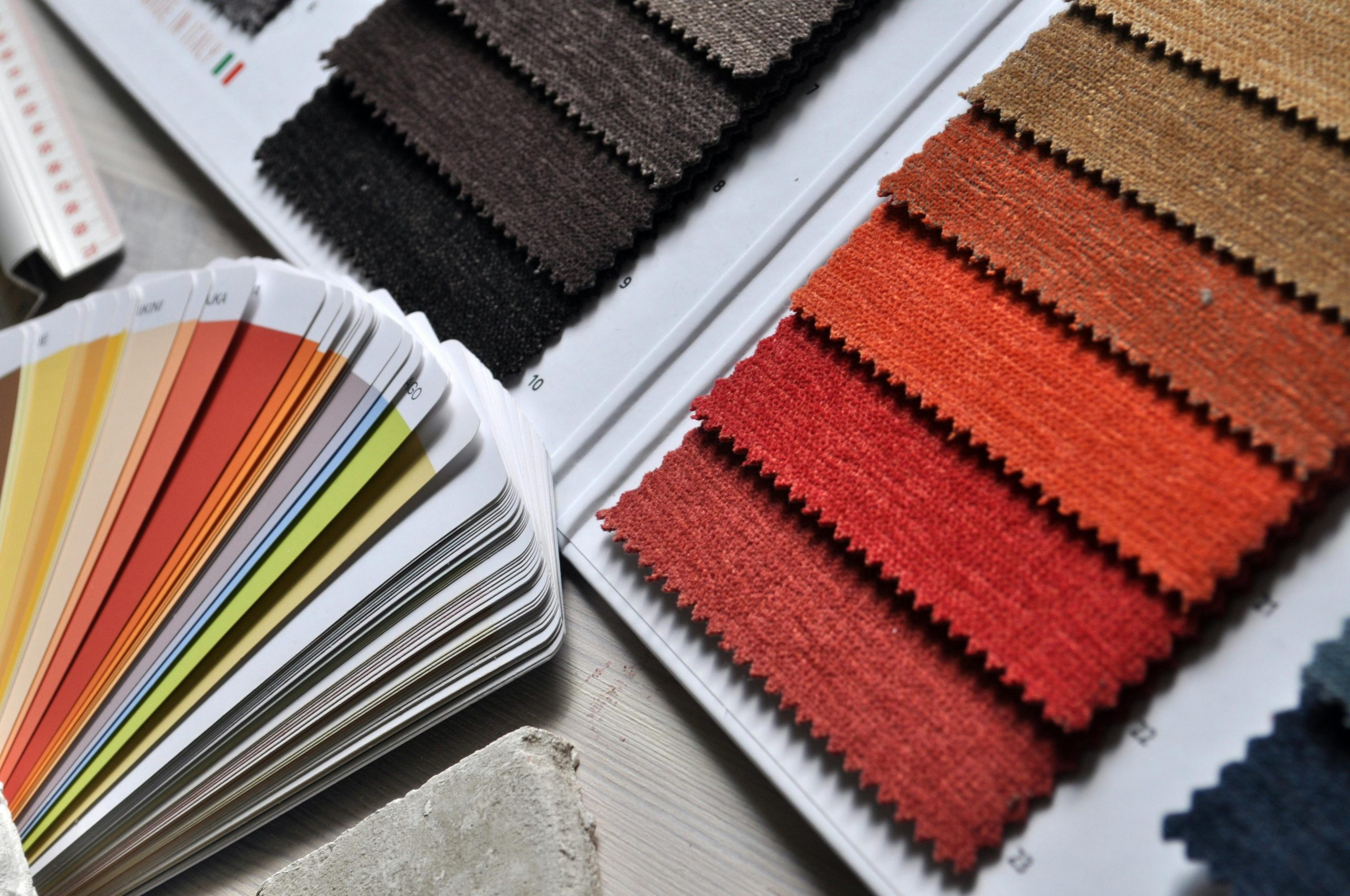
When we start a bulk production run, I’m calling my fabric suppliers and ordering hundreds, sometimes thousands, of yards of fabric. Because of that volume, I get a wholesale price—a significant discount. For a sample, we might only need two or three yards. My supplier can’t give me a wholesale discount on that. In fact, they often charge a "sample yardage" premium because cutting and shipping such a small amount is inefficient for them. The price per yard can easily be double or even triple the bulk price.
The same applies to everything else:
I once had to source a specific type of reflective zipper for a sportswear sample. The minimum order from the supplier was 100 zippers. My client only needed one for the sample. We had to buy the whole batch, and that cost had to be factored into the single sample price. This is a very common scenario.
Think your sample is made on a fast-moving assembly line? The reality is quite the opposite. It’s a slow, manual process handled by our most valuable experts.
Samples are crafted by top-tier pattern makers and sample room technicians, not assembly line workers. They perform every single task, from cutting to sewing, on one garment, which is far less efficient than a production line.

In our factory, we have two different ways of working. For bulk production, we have an assembly line. One person is an expert at sewing straight seams, another only attaches collars, and another just does hems. Each person performs one specific task repeatedly and very quickly. This is the magic of mass production.
A sample is never made this way. It is built in our "sample room" by a single, highly skilled technician. This person is a master of all trades. They will:
This process is pure craftsmanship. The labor cost for this one person’s focused, expert time over several hours is naturally much higher than the few minutes of labor attributed to a single t-shirt that flies down an optimized assembly line. You are paying for an expert’s dedicated time and talent, not just for a sewn garment.
A sample is not just a product; it’s an investment in your brand’s quality and success. It’s the expensive but essential first step to creating a flawless bulk order.