Address
JINKE Technology Industrial Park, No. 3188 ChunYuan Road, Weifang City, Shandong Province, China
Work Hours
Monday to Friday: 7AM - 7PM
Weekend: 10AM - 5PM
Address
JINKE Technology Industrial Park, No. 3188 ChunYuan Road, Weifang City, Shandong Province, China
Work Hours
Monday to Friday: 7AM - 7PM
Weekend: 10AM - 5PM

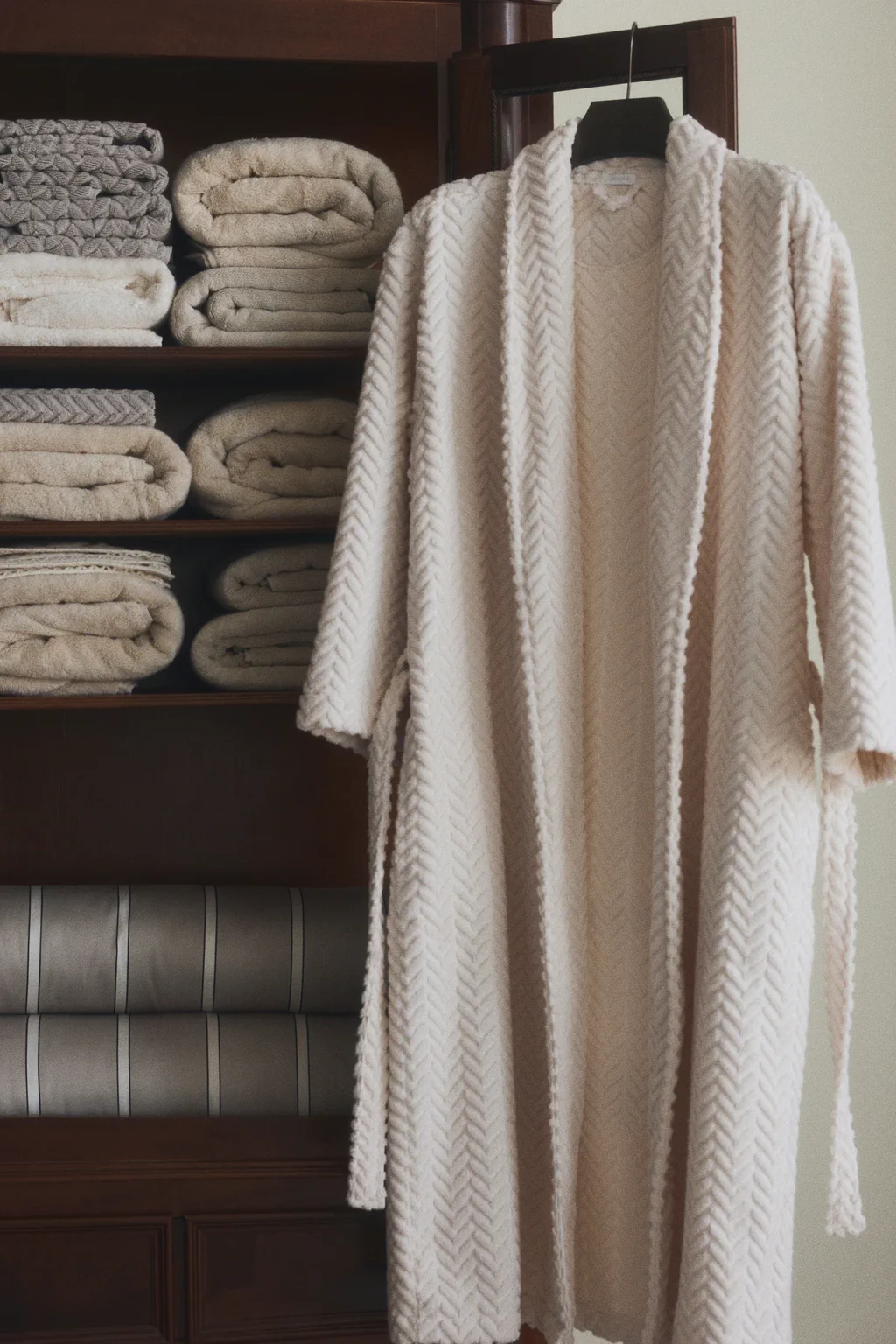
When customers complain that pajamas shrank, pilled, faded or started falling apart after washing, the problem is rarely a single vague issue called “poor quality.” For a private-label sleepwear brand, each complaint points back to a specific factory-side control: fabric preparation, wash testing, dye and print performance, elastic recovery, seam strength, trim selection and final inspection.
This guide translates common consumer complaints into a practical quality checklist for brands, designers and sourcing teams developing private-label pajamas with a factory. It is not retail laundry advice. It is a pre-production and bulk-production checklist that helps a buyer ask better questions before approving samples.
For broader production context, see Hengcheng’s sleepwear and pajama manufacturing page, sample development process and quality control process.
Pajamas usually fail after washing because the brand and factory did not convert visible customer risks into measurable sample and bulk standards. The most common gaps are missing wash tests, unclear shrinkage tolerance, weak colorfastness review, unsuitable surface finishing, poor waistband specifications, cheap drawcords, weak seam control and a final inspection that checks appearance but not use performance.
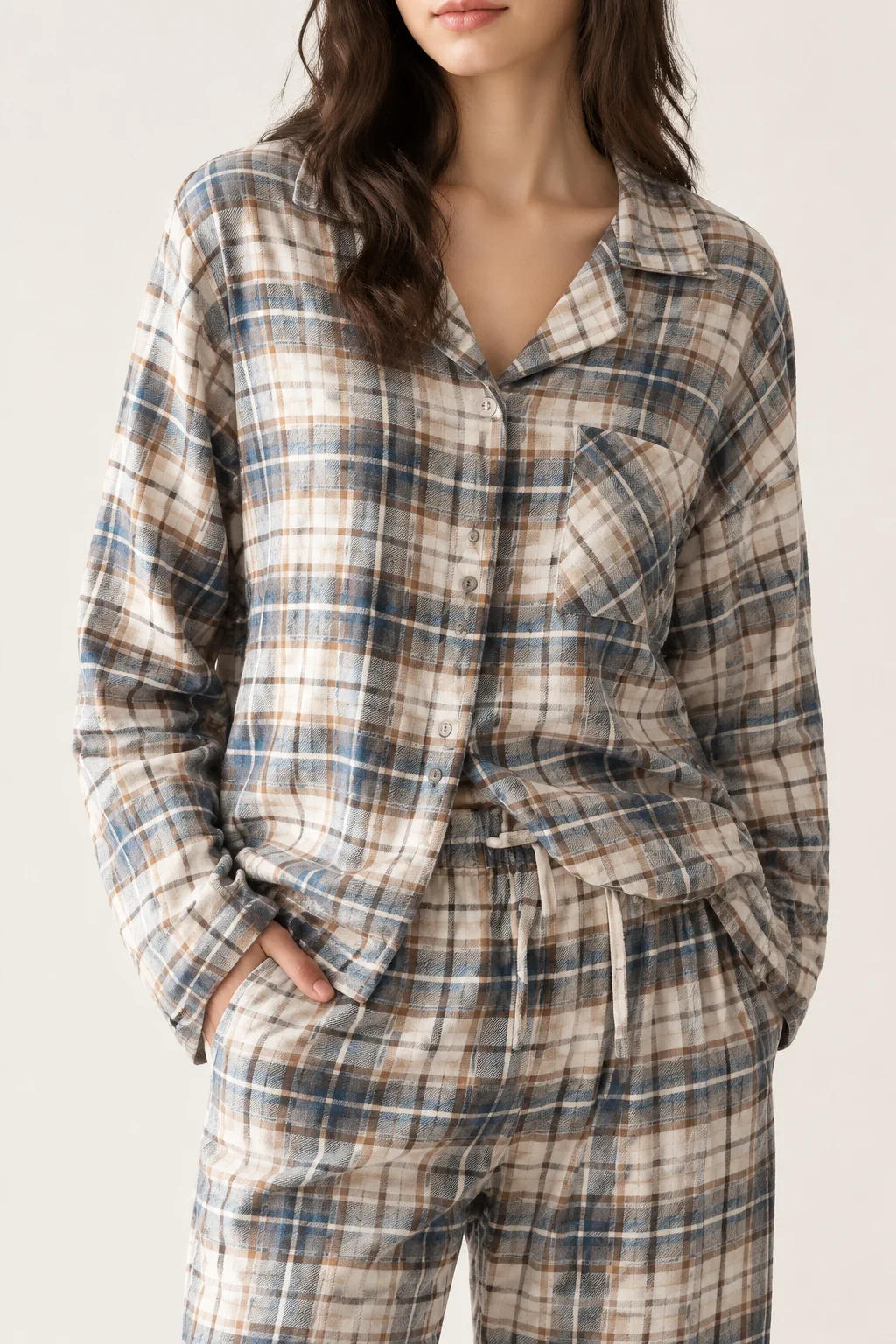
The table below turns common product-review language into factory-side actions. This is the section a sourcing team can reuse when briefing a supplier or reviewing a sample.
| Consumer complaint | Likely factory-side cause | What the brand should check |
|---|---|---|
| “The pajamas shrank after one wash.” | Fabric relaxation was not reviewed; wash method and post-wash measurements were not agreed. | Run a garment wash test, record before/after measurements, and set shrinkage tolerance before bulk. |
| “The inside pills quickly.” | Yarn, brushing, surface finishing or wash behavior was not checked on the actual fabric route. | Review pilling/appearance after wash or wear simulation, especially for flannel, brushed cotton, jersey and fleece. |
| “The dark color faded or stained other items.” | Colorfastness, rubbing transfer or trim color migration was not tested against the target color route. | Check wash fastness, dry/wet rubbing and contrast trim risk; see dark sleepwear colorfastness guidance. |
| “The waistband twisted or the drawcord felt cheap.” | Elastic width, recovery, insertion method, drawcord quality or channel construction was underspecified. | Approve the whole waist construction, not only the outside look; see elastic and drawcord construction guidance. |
| “The garment started coming apart.” | Stitch density, seam allowance, stress-point reinforcement or finishing was not carried from sample to bulk QC. | Inspect stress points after wash: crotch, waistband, placket, pocket, sleeve opening and hem. |
“Cotton pajamas shrink” is too broad to be useful. Cotton jersey, interlock, flannel, muslin and blended constructions can all behave differently. A sample that looks correct before washing may become short, tight or distorted after the first customer wash.
The factory and buyer should agree the wash method, points of measure and tolerance before the pre-production sample is approved. For cotton and flannel programs, the buyer should also decide whether the approved measurement basis is pre-wash, post-wash or both. A shrinkage claim without a test method is not a production standard.
For a detailed version of this topic, review the existing guide on cotton and flannel pajama shrinkage control.
Pilling complaints are common because sleepwear is a high-contact, repeated-wash product. Flannel, brushed cotton, soft jersey, modal blends and fleece-like routes may feel excellent in a first sample but change after wash and friction.
The key buyer question is not “is this fabric soft?” The better question is: what should the surface look like after the agreed wash and wear expectation, and where are the high-friction zones? Inner thighs, underarms, waistband areas, cuffs and the inside of brushed garments deserve special review.
If the brand accepts a very soft brushed surface, it should also approve the expected pilling and linting behavior. If the brand wants a cleaner long-term surface, the fabric, yarn, finishing and washing route may need a different specification.
Dark pajamas create attractive product photos, but deep shades are a common source of customer complaints. Some issues are wash fading. Some are dry or wet rubbing transfer. Some appear only when a dark base fabric touches pale piping, lace, labels or mixed-color panels.
Brands should review colorfastness as a system: base fabric, trims, print method, shade lot, care label and packing. A factory cannot meaningfully confirm “colorfastness” unless the buyer names the color route and the test expectation.
For more detail, use the dedicated guide on colorfastness and print durability in dark sleepwear.
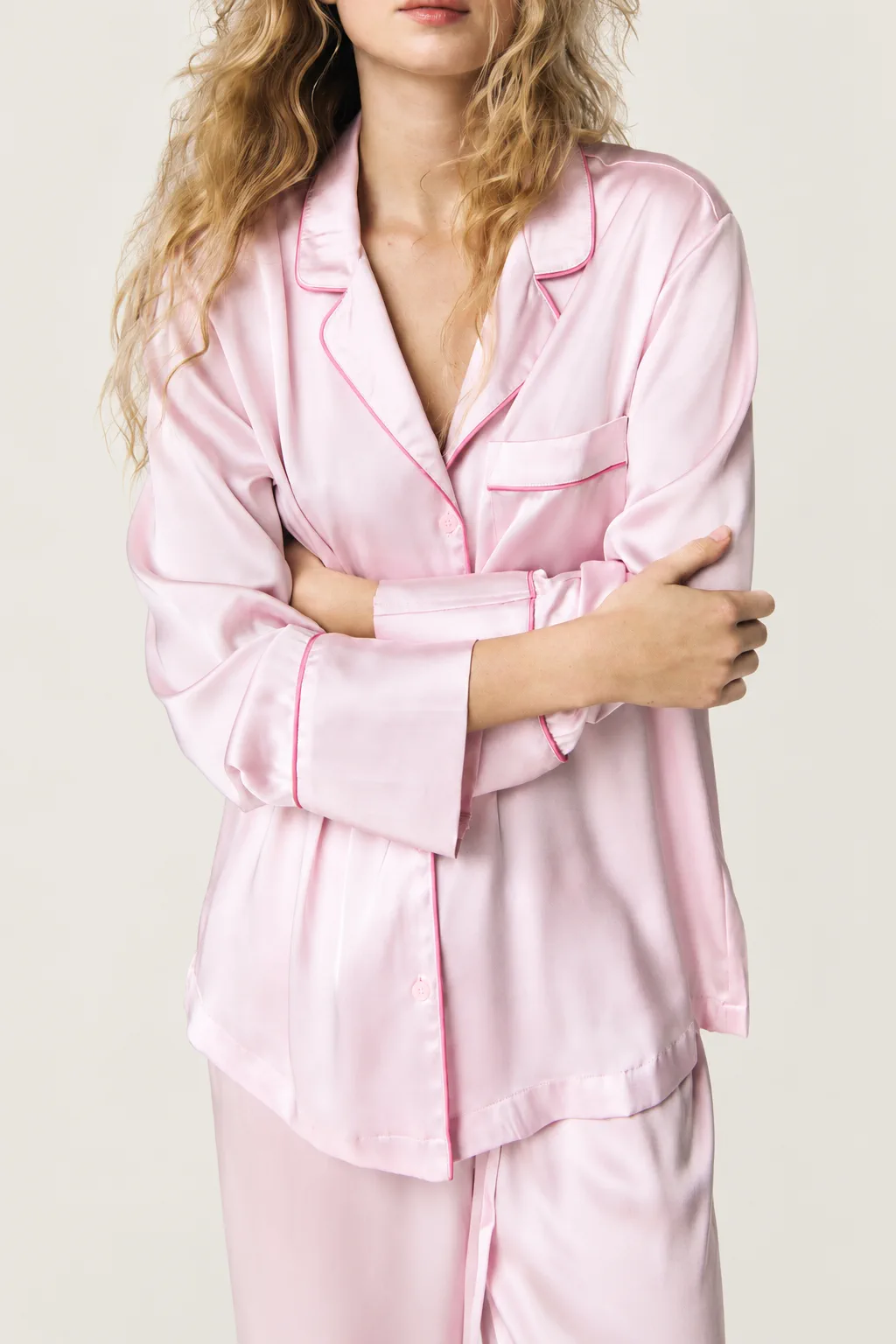
A pajama waistband is a comfort feature and a quality signal. If the elastic twists, loses recovery, feels harsh or the drawcord looks cheap, customers often describe the whole garment as low quality even if the fabric itself is acceptable.
The buyer should specify elastic width, recovery expectation, insertion method, waistband channel, drawcord material, end finishing and whether the cord is functional or decorative. The construction should be washed and handled as part of the sample approval process.
The existing article on elastic, drawcord and tie-waist sleepwear construction goes deeper into waistband choices.
When a customer says pajamas “started coming apart,” the root cause may be stitch density, seam allowance, thread quality, weak reinforcement, rough finishing or a stress point that was never tested after washing. It may also happen when a style detail is copied visually but not engineered for the selected fabric.
The buyer should inspect more than visible loose threads. Check the crotch seam, waistband join, pocket opening, sleeve opening, placket, button area, drawcord exits, hem and any piping or lace attachment. These areas should be reviewed on the approved sample and again in bulk inspection.
Quality controls add work, but skipping them can shift the cost into re-sampling, rework, claims or missed launch dates. The right question is not whether every style needs every laboratory test. It is which risk needs an agreed check, who arranges it, and whether the check is performed on the actual fabric, color and finished construction.
| Control choice | Cost or MOQ effect | When it matters |
|---|---|---|
| Existing stock fabric versus custom-dyed or custom-printed fabric | Custom color or print routes may require minimum dye/print lots, lab dips and extra approval time; the MOQ is set by the material route as well as sewing efficiency. | New shades, all-over prints, contrast panels or several colorways |
| Garment wash review versus fabric swatch review only | A finished-garment check adds sample handling and time, but reveals seam, trim, elastic and shape changes that a swatch cannot show. | Pajamas with mixed materials, elastic waists, piping or multiple trims |
| In-house screening versus third-party testing | External lab fees and lead time depend on the market, test method, sample count and requested scope. Confirm the lab, standard and payer before sampling; do not assume a generic test covers every claim. | Buyer, retailer or destination-market requirements call for documented results |
| One approved route versus many size/color variations | More combinations can increase sample and test coverage needs. Agree a representative sample plan with the buyer or test provider rather than assuming one sample proves every variation. | Family sets, multiple fabric weights, dark/light colorways and broad size ranges |
A lower garment MOQ does not automatically mean a low fabric MOQ. Ask the factory to separate the requested order quantity from fabric/print minimums, sample charges, testing costs and any setup charges. Costs and minimums depend on the selected materials, supplier availability and order breakdown, so a factory should confirm them against the actual brief instead of promising one universal number.
| Quality risk | Where to check | Factory-side proof to request |
|---|---|---|
| Shrinkage and measurement retention | Body length, sleeve, inseam, waistband and set proportions | Before/after wash measurement report and approved tolerance |
| Pilling and surface appearance | Flannel, brushed cotton, jersey, modal blends, fleece and high-contact areas | Surface appearance review after wash/wear simulation |
| Colorfastness and transfer | Dark solids, deep prints, contrast piping, pale labels and mixed trims | Wash fastness, rubbing transfer and shade-lot control |
| Waistband and drawcord durability | Elastic width, recovery, channel construction, drawcord texture and end finishing | Stretch/recovery and wash-twist check on finished garments |
| Seam strength and comfort | Crotch, underarm, placket, pockets, sleeve opening, labels and skin-contact seams | Inline sewing check plus washed sample review |
| Packing and care instructions | Care label, folding, polybag, size labels and market instructions | Final inspection against approved sample and buyer packout |
Sleepwear fabric selection should not be treated as a mood-board decision only. Each fabric route creates a different QC focus.
| Fabric route | Common risk | Buyer/factory checkpoint |
|---|---|---|
| Cotton jersey / combed cotton | Shrinkage, twisting, neckline recovery and print stability | Confirm wash method, GSM, construction and post-wash dimensions. |
| Cotton flannel / brushed woven cotton | Shrinkage, linting, pilling, softening and surface change | Review the dedicated cotton and flannel shrinkage checklist. |
| Modal / viscose / bamboo-derived viscose | Wet-state strength, dimensional change, surface snagging and drape after wash | Approve the finished garment, not only a soft swatch. |
| Rib knit | Recovery, garment growth, neckline and waist stability | Check stretch direction, recovery and seam distortion after wash. |
| Cotton muslin | Openness, opacity, shrinkage, seam stability and soft crinkle texture | Confirm layer count, GSM, weave openness and washed appearance. |
| Satin-look woven | Seam slippage, snagging, static, shade and trim behavior | Review seam behavior and care performance on the selected color. |
A useful quality discussion should move from a vague complaint to a measurable production rule. For example, “the pajamas shrank” becomes an approved wash method, pre-wash and post-wash measurement points, and a tolerance by size. “The waistband twisted” becomes an elastic width, recovery expectation, channel construction and wash-after-sample check. “The dark color bled” becomes a colorfastness and rubbing-transfer requirement tied to the exact fabric, trim and care label.
This translation matters because factories cannot control what is not specified. If the buyer only says “make it good quality,” the sample room may focus on appearance, while bulk production may not have a measurable standard for shrinkage, surface pilling, elastic recovery or seam durability. A better brief names the customer-facing problem and then defines the proof required before bulk.
A practical control sequence is: confirm the fabric and trim route; agree the test method and tolerances; review a finished sample before wash; wash and remeasure the garment; record approved corrections in the tech pack or sample comments; then carry those checkpoints into material, inline and final inspection. If an issue appears during bulk, quarantine the affected lot and agree corrective action before rework or shipment. A final visual inspection cannot replace an agreed wash or performance test.
The buyer does not need to over-engineer every style. A simple cotton pajama set may need only a few critical checks. A dark printed family set with contrast piping, children’s sizes and an elastic waist may need a more detailed quality plan. The checklist should match the risk of the product, not the length of a generic inspection form.
A quality checklist becomes useful only if it appears before quotation and sampling. Add the following details to the RFQ whenever possible:
From a factory perspective, Hengcheng would first review the reference style, fabric direction, target market, quantity, size range and the specific quality risks the buyer wants to control. The team can then identify which points belong in the first sample, which should be written into the specification, and which require confirmation after material or trim selection.
For a serious inquiry, send the reference garment, design pack, target quantity, size range, fabric direction and any known quality complaints you want to avoid through the contact page. A clearer brief makes the first quotation and sample plan more useful.
Yes. Sleepwear is a repeated-wash product. A buyer should review measurements, surface appearance, color behavior and waist recovery on an actual garment before bulk production.
Not always. Pilling can relate to yarn, brushing, fiber blend, finishing, laundering and friction areas. The key is to set the expected surface appearance and review it on the selected fabric route.
A factory can control and measure shrinkage, but the acceptable tolerance must be agreed by fabric, construction and care method. The goal is predictable performance, not a vague “no shrinkage” promise.
Common reasons include weak elastic recovery, poor insertion method, insufficient stitching control or a waistband channel that allows the elastic to roll. The construction must be approved as a finished garment.
Send the reference style, fabric direction, target quantity, size range, target market, colorways, trims and the quality concern that must be controlled. The clearer the risk, the more useful the sample plan and quotation will be.
Not automatically. Test coverage depends on the material, dye or print route, construction, size range and buyer or retailer requirement. Agree a representative sample plan with the factory or test provider before ordering tests.
Not necessarily. Fabric, dyeing and printing can have separate minimums. Ask for garment quantity, material minimum, sample charges and external test costs to be identified separately in the quotation.
Confirm the destination market, applicable product requirements, test method and responsible party during development. If a retailer or market requires laboratory evidence, agree the lab and sample plan before bulk rather than assuming a generic test is sufficient.